
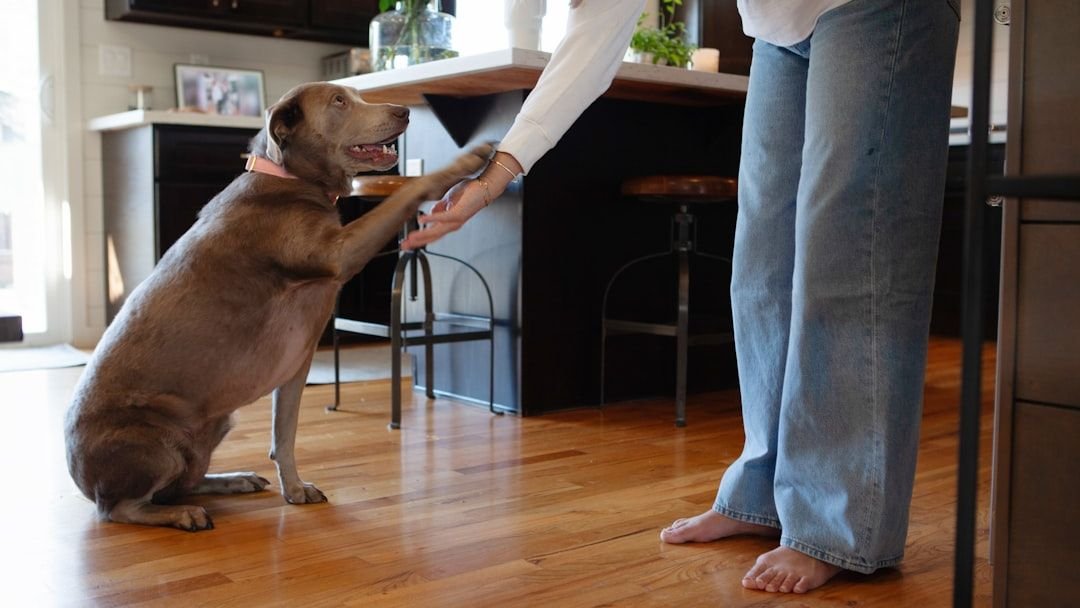
Your dog is watching you. Not just when you hold the treat bag or reach for the leash. They’re watching you all the time, picking up on your energy, your posture, your consistency, and your calm. Dogs are extraordinarily perceptive, and that’s precisely why what you do every single day shapes whether they trust you as their guide or quietly decide they need to take things into their own paws.
Many people search for how to establish dominance over a dog, but what they’re really seeking is influence. True leadership doesn’t rely on fear. It relies on trust, consistency, and setting expectations. There’s a meaningful difference between being feared and being respected, and your dog feels that difference deeply. The ten strategies below aren’t about commanding your dog into submission. They’re about becoming the kind of steady, reliable presence that makes your dog genuinely want to follow you.
1. Understand What “Alpha” Actually Means
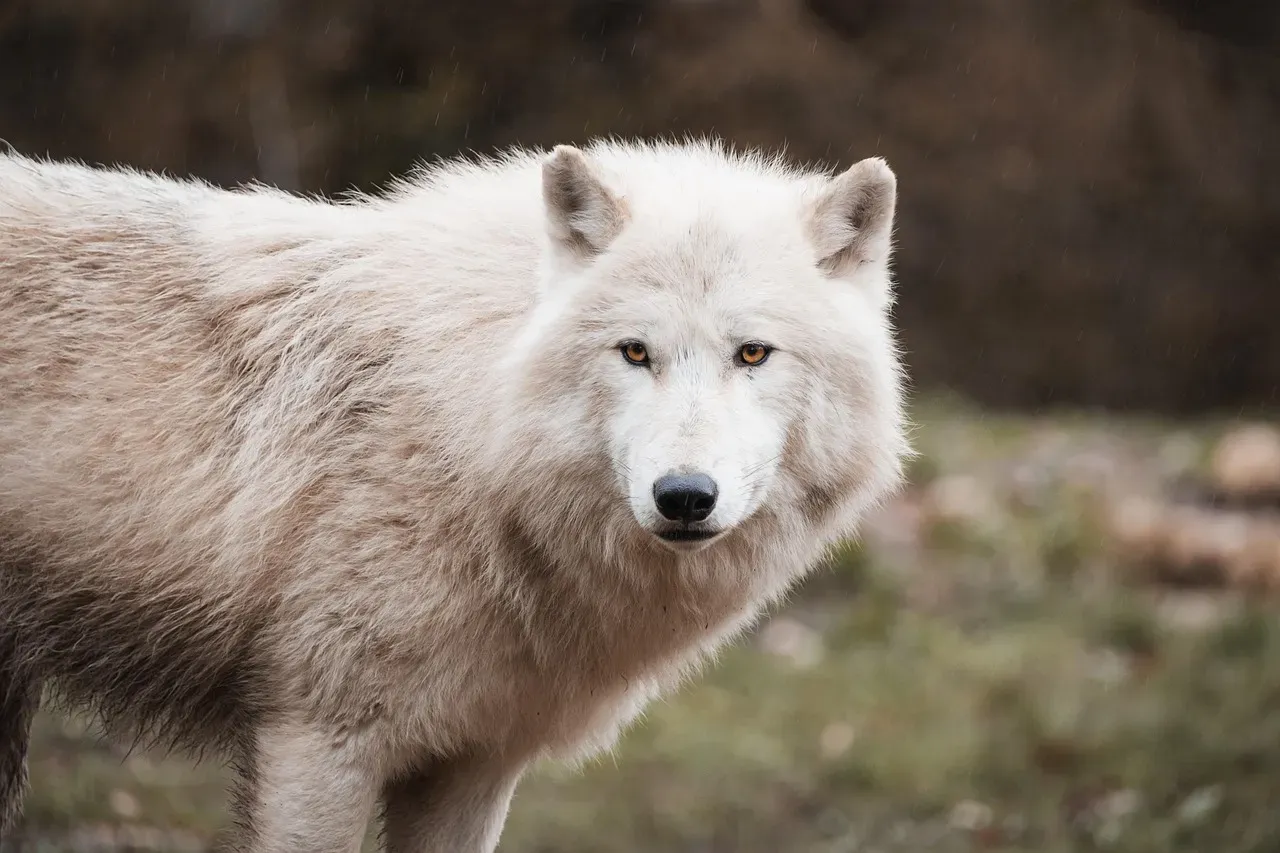
The word “alpha” carries a lot of baggage from outdated wolf studies, and it’s worth clearing the air before anything else. The origin of so-called “alpha theory” comes from a scientist named Rudolph Schenkel, who conducted a study of wolves in 1947 in which animals from different packs were forced into a small enclosure. They fought, naturally, which Schenkel wrongly interpreted as a battle for dominance. The reality, Schenkel was later forced to admit, was that the wolves were stressed, not striving for alpha status.
In recent years, wildlife biologists have largely dropped the term “alpha.” In the wild, researchers have found that most wolf packs are simply families, led by a breeding pair, and bloody duels for supremacy are rare. What this means for you as a dog owner is that “being the alpha” is less about domination and more about parenting. Experts who study wolf behavior describe the role of pack leaders as parents, guiding, teaching, and caring for their pack members. That framing changes everything.
2. Project Calm, Confident Energy
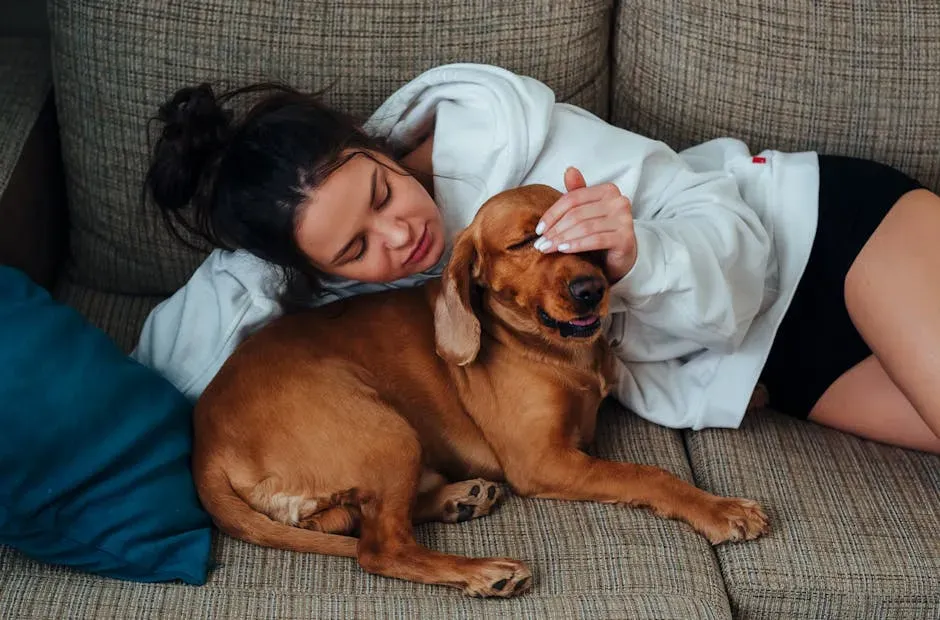
Being an effective pack leader starts with your own energy. Dogs respond more to how you act than what you say. Think about that for a moment. You could issue the firmest command in the world while feeling frantic inside, and your dog would clock your anxiety before they processed a single syllable. Dogs read us at a level most people underestimate.
Maintaining calm and assertive energy is vital when establishing yourself as the alpha. Dogs respond to confident leaders. Stand tall, maintain good posture, and speak in a firm but not aggressive tone. If you find yourself getting flustered when your dog pushes back, pause before reacting. If you end up screaming out of frustration, your pet will know that you have lost control of yourself. Alphas are always in control. Composure isn’t a personality trait you’re born with. It’s a daily practice.
3. Be Consistent With Rules and Boundaries
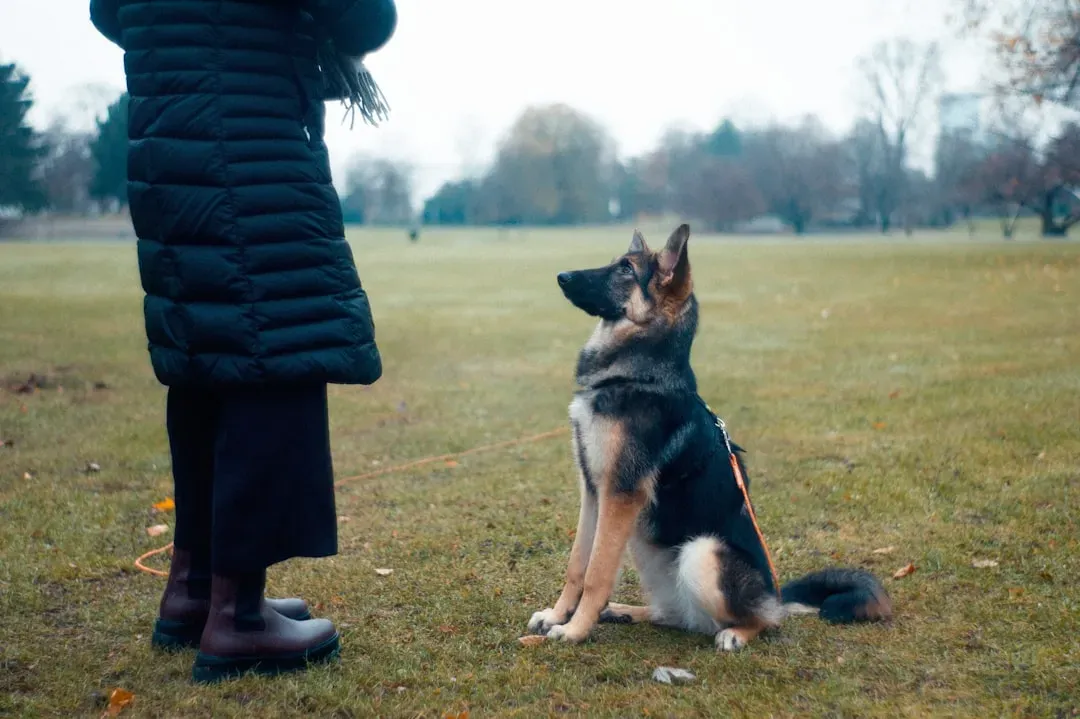
Dogs thrive when they know what is expected of them. Consistent rules signal leadership and provide comfort. If your dog is allowed on the couch on Sunday because you’re in a good mood but scolded for it on Monday, you’re not setting rules. You’re creating confusion. Dogs don’t rationalize the way humans do. They need the same answer every time.
A good alpha leader is fair and makes the rules clear through consistent communication. It’s the key to any dog training. Your family members should also be aware of these rules so that your dog knows they’re implemented with everyone. This is especially important in households with children or multiple adults. One soft push-over undermines every boundary the household has worked to establish. Get everyone on the same page, and stick to it.
4. Establish a Daily Routine

When learning how to be the alpha, routine is key. Animals thrive when they have a fixed schedule. It helps to soothe anxiousness because they know what to expect from day to day. Try to establish a routine for daily walks, meals, and even bedtime. Structure isn’t just about control. It’s about emotional safety. A dog who knows what’s coming next is a dog who can relax.
Leadership comes from consistency. Always maintain clear expectations by having routines for feeding, walks, and playtime. Setting boundaries and not making exceptions. Using the same verbal cues and gestures. Dogs thrive when they understand your rules, and consistency reinforces your role as a trustworthy guide. Think of routine not as rigidity but as a language your dog can read fluently.
5. Lead During Walks, Every Single Time
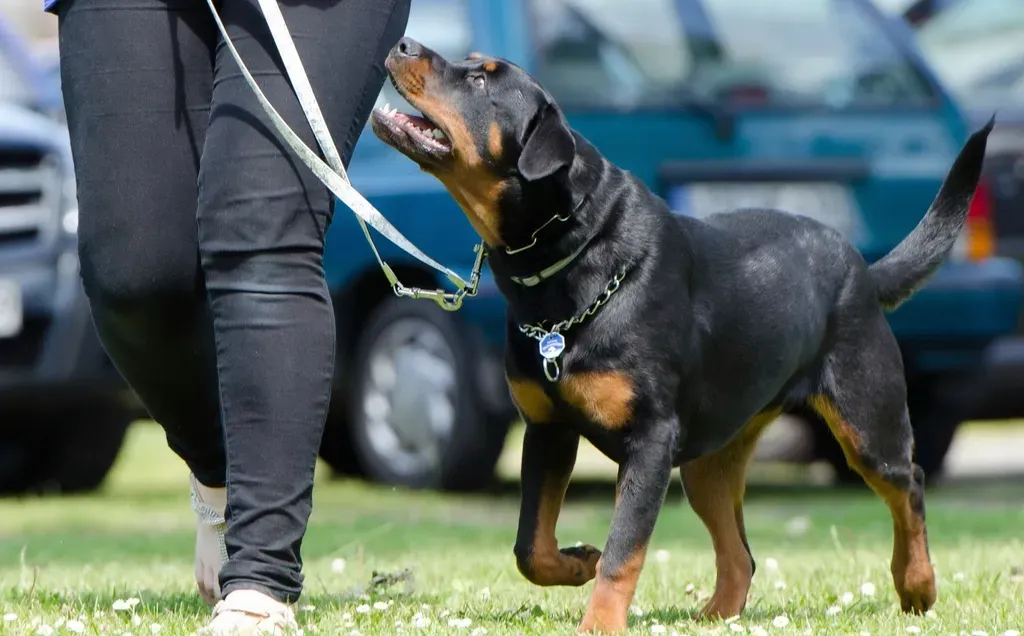
The walk is one of the most powerful ways to practice leadership. It’s more than just exercise. It’s a structured routine that sets the tone for your relationship. When your dog drags you down the street, nose first into every bush, they’re not just being playful. They’re occupying the decision-maker role, and that role travels home with them. If he leads you on a walk, he will want to take the lead in all other aspects of life. Be the leader; teach him to walk beside or behind you.
Leash walking is an important activity that requires structure and guidance. Always walk your dog on a loose leash, with you in control of the pace and direction. Avoid allowing your dog to pull or lead the way. By maintaining control during walks, you assert your leadership and reinforce your alpha status. A useful technique: set up a practice walk with a treat or toy at a short to medium distance. Start walking toward the goal, and as soon as your pet pulls, turn around and go back to the starting point. Repeat this practice until your dog picks up on the idea that the leash must remain loose.
6. Use Positive Reinforcement, Not Fear or Force
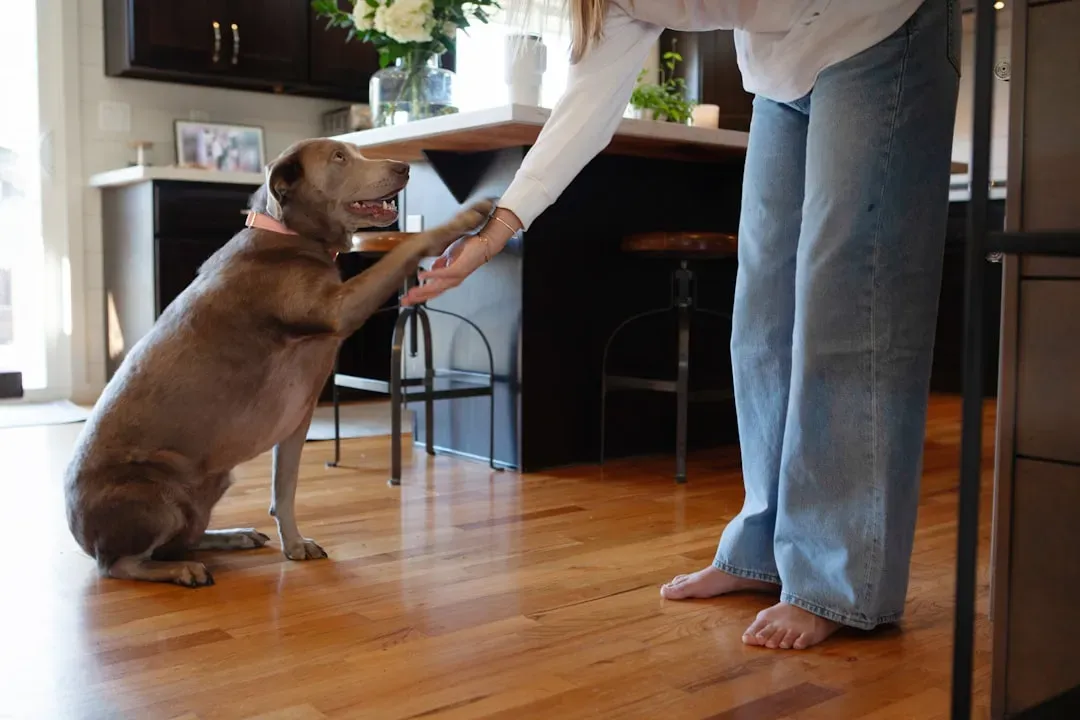
Contrary to outdated methods based on dominance and intimidation, modern dog training emphasizes positive reinforcement, clear communication, and respectful relationships. Establishing leadership isn’t about overpowering your dog. It’s about creating trust and guiding them consistently. This matters more than most people realize, especially when dogs are new to your home or went through early trauma.
While it’s essential to assert your authority, it should never involve aggression or fear. Yelling, hitting, or intimidating your dog will only damage the trust and respect you are trying to build. Instead, focus on being calm, composed, and assertive in your interactions. Application of scientifically based principles of positive reinforcement, operant conditioning, and counter-conditioning programs have been shown to successfully teach dogs desirable behaviors and prevent behavior problems while enhancing the human-pet bond. The science here is clear, and it’s on your side.
7. Require Your Dog to Earn Rewards
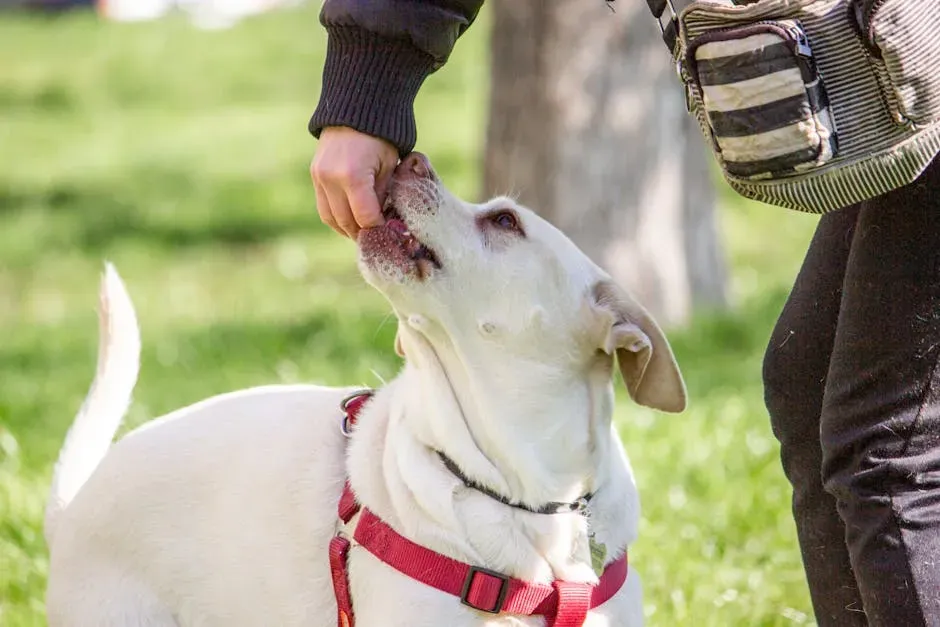
Show your dog he does not get anything for free. His food, water, treats, even praise and love have to be earned by doing something. Even something as little as sit, come, or making him wait for the treat while you hold it in front of him. This isn’t harsh. It’s actually one of the kindest things you can do for a dog, because it gives them purpose and mental engagement.
Teaching your dog commands will help you establish that you’re in charge and will result in curbing bad behavior later. Teaching your puppy to work for what it wants gives them a sense of accomplishment. Simple ask-before-you-receive habits, like a “sit” before dinner or a “wait” before you open the front door, communicate leadership quietly and effectively every single day without any drama at all.
8. Control Doorways and Entry Points
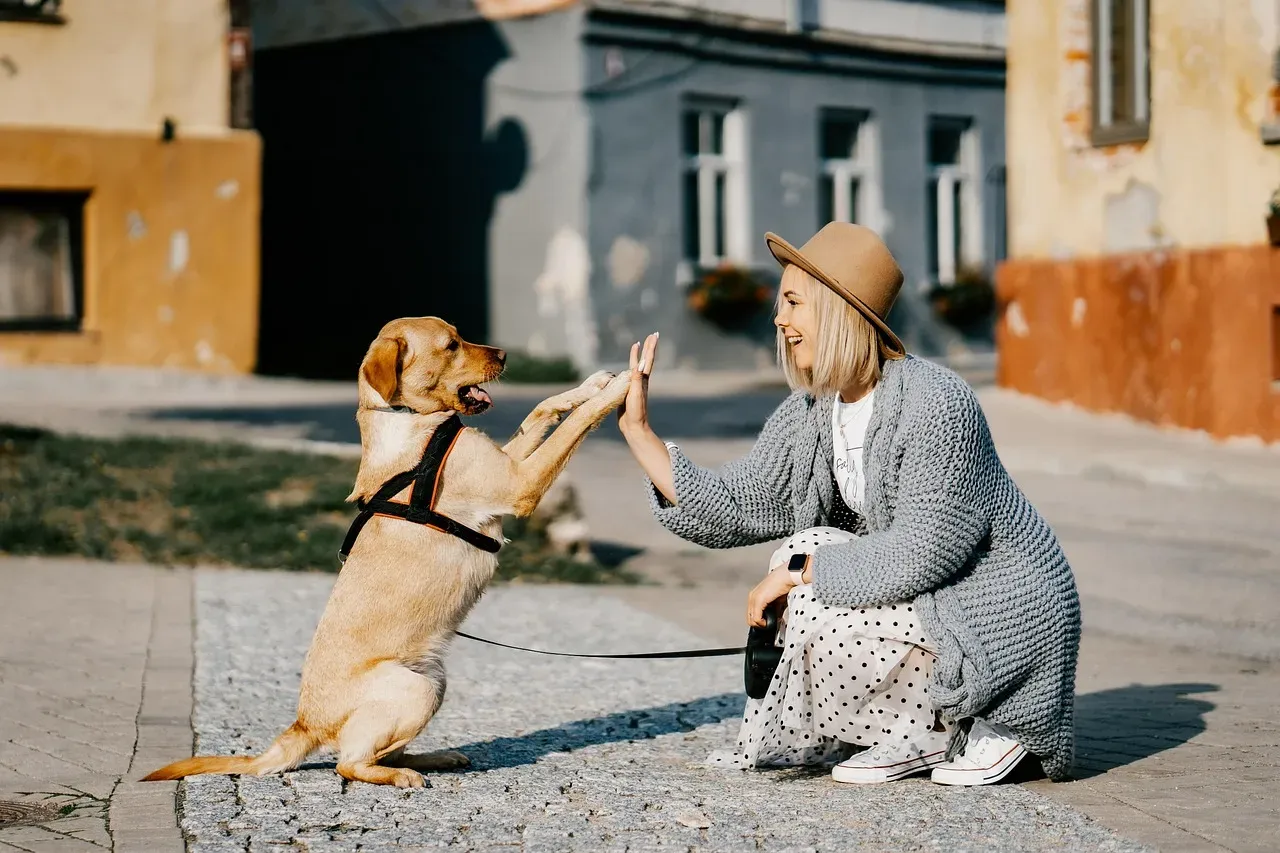
Take the lead in daily activities to reinforce your role as the alpha. For example, when going through doorways, make sure you walk ahead of your dog. During mealtime, have your dog wait patiently for your signal before eating. By leading these activities, you establish yourself as the decision-maker and guide for your dog. These are small moments, but dogs notice them.
Showing your dog how to wait for its food, stay in a “place” position until you release them, how to walk on a leash, or learn to wait while you walk through the door first are all positive ways to demonstrate your leadership through training techniques. Over time, these daily micro-habits stack up into something powerful. Your dog begins to naturally default to looking at you before acting. That’s what attentive, leader-respecting behavior looks like in practice.
9. Address Unwanted Behaviors Calmly and Immediately
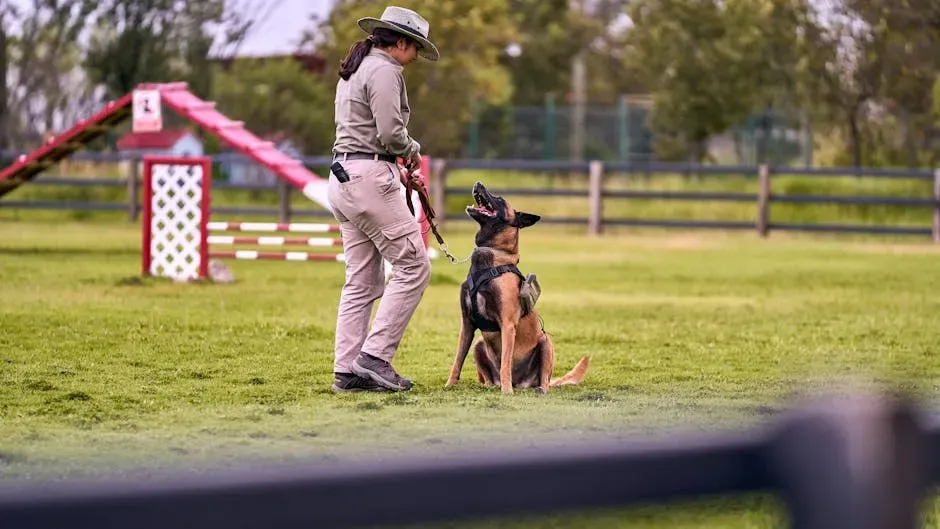
A dog’s understanding of pack order directly impacts their behavior and responsiveness to training. Without a clear leader, dogs may assume the role themselves, leading to undesirable behaviors like dominance, disobedience, or anxiety. When bad behavior goes uncorrected, it doesn’t just persist. It compounds. Dogs interpret silence as permission.
Correction should be right after doing something wrong. You shouldn’t treat your dog poorly the whole day. As soon as your dog submits, dropping their eyes, licking you, rolling over onto their back, praise them and show approval using positive reinforcement. This consistent method of addressing bad behavior should start from puppyhood but develop into their adult years. Timing matters enormously here. A correction delivered five minutes after the event means almost nothing to a dog. Respond clearly, redirect calmly, and move forward.
10. Commit to Ongoing Training and Mental Stimulation
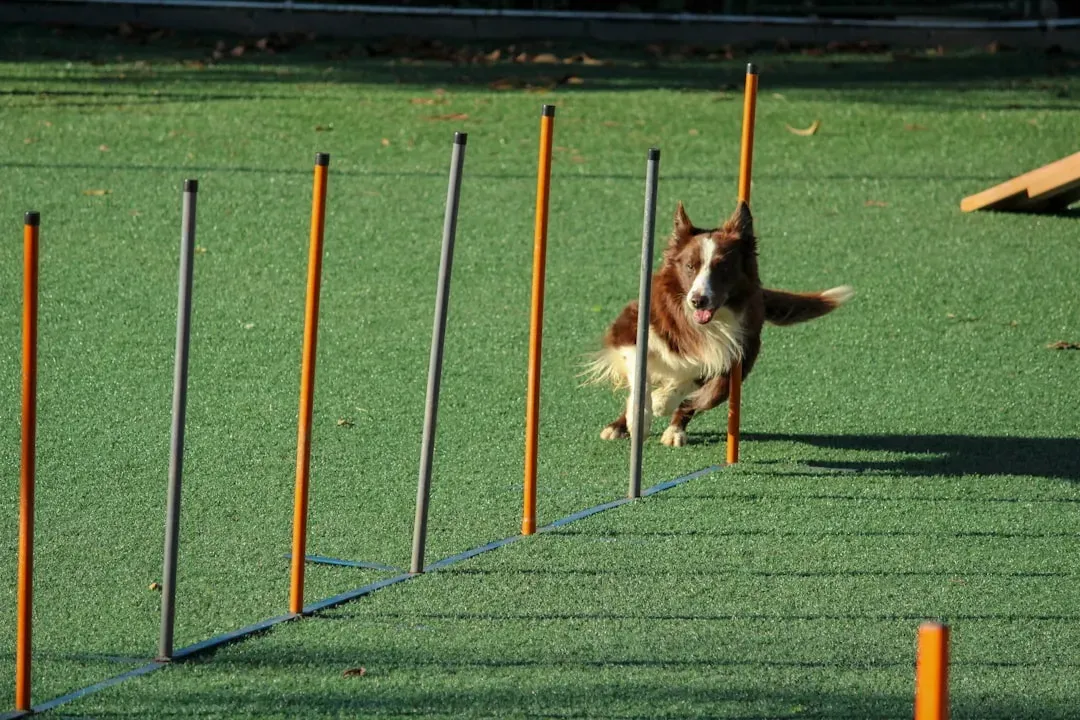
Becoming the alpha leader in your dog’s life is a choice you make every day. You need this to become an innate part of your daily routine and lifestyle. Once your dog sees you as their leader, you also need to consistently stimulate their mind with new commands and advanced training. Leadership isn’t a destination. It’s a relationship you maintain.
A tired dog is usually a well-behaved dog. Leadership includes fulfilling your dog’s needs for stimulation. Regular training sessions, new challenges, puzzle toys, scent work, and structured play all fall under this umbrella. Learning how to be a pack leader for your dog isn’t something you accomplish once. It’s something you build every day. From morning routines to daily walks, each interaction is a chance to reinforce your role as a calm, trusted guide.
Conclusion: Leadership Is Something You Earn, Not Demand

The most important shift in thinking is this: your dog doesn’t need a boss. They need a guide. To “be the alpha” is less about control and more about consistently meeting your dog’s needs, setting boundaries, and communicating clearly. With positive reinforcement, structure, and calm leadership, you set the foundation for a trusting and respectful relationship.
Every walk, every mealtime, every consistent “sit” before you open the door is a deposit into the trust bank your dog keeps on you. None of this is complicated. It just requires presence, patience, and follow-through. Dogs need to have a clear place in their pack. A dog lacking this clear order is an unhappy dog. A dog that knows his place in his human pack is a happy dog.
At the end of the day, being your dog’s alpha isn’t about who’s tougher. It’s about who your dog can count on when the world gets loud and confusing. Be that person, consistently, and your dog will follow you with everything they have.


