
10 Ways Your Dog Shows They Missed You Without Going Crazy at the Door
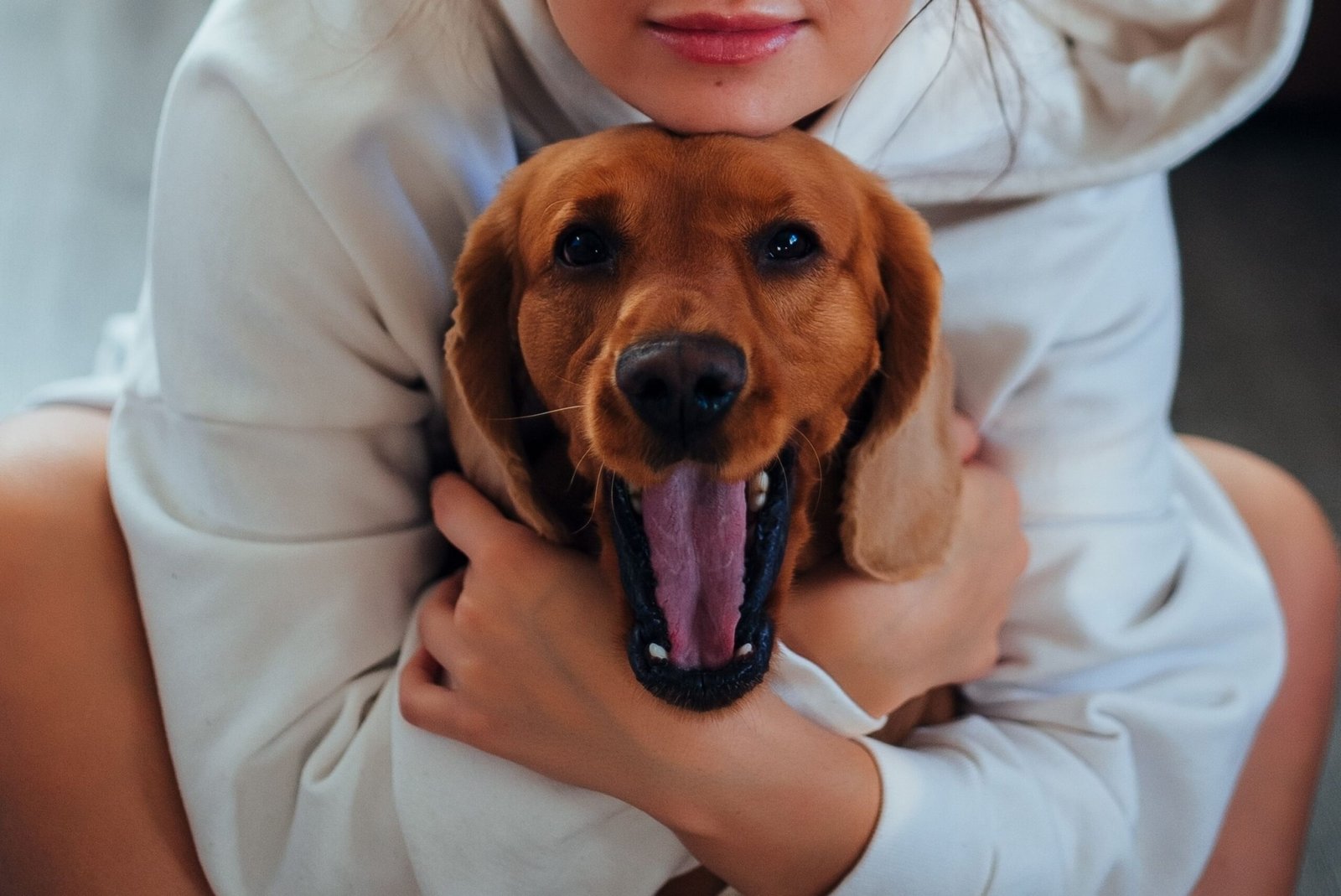
Every dog parent knows that feeling: you touch the doorknob and brace yourself for impact, expecting a furry missile to launch at you the second you step inside. But sometimes, instead of complete chaos at the door, your dog’s love comes through in quieter, almost secret ways. The funny part? Those subtle, everyday signals can say “I missed you” even louder than wild barking and zoomies.
Once you start noticing these softer signs, you can’t unsee them. The way they lean into you just a little harder, the way they follow you from room to room like a tiny, four-legged shadow, or how they bring you their most prized toy and gently drop it at your feet. This is your dog speaking in their own language, and when you understand it, your bond feels deeper, calmer, and honestly, a lot more magical.
1. The Soft, Lingering Eye Contact
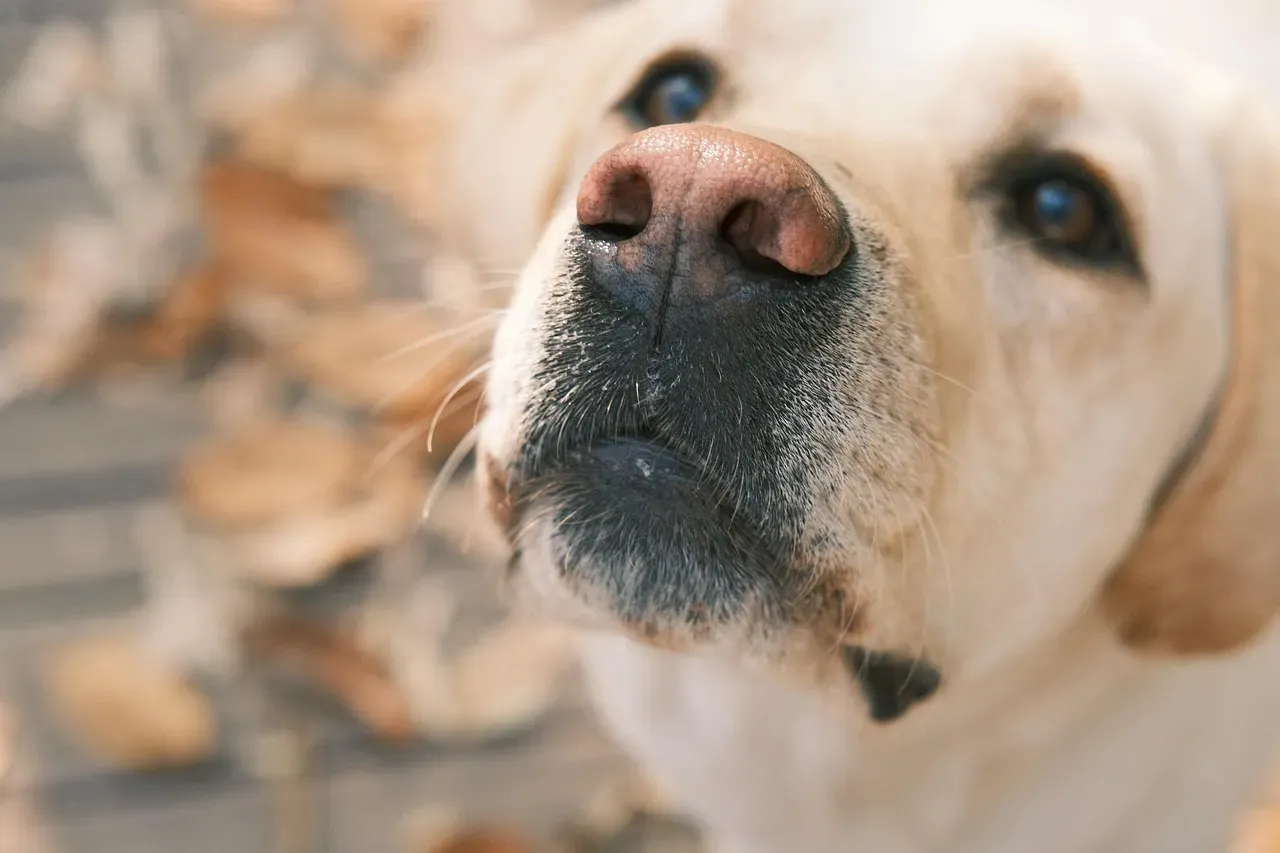
One of the most underrated “I missed you” signals is that quiet moment when your dog just looks at you and holds your gaze. Not in a staring contest way, but in that soft, relaxed, almost sleepy-eyed way where their face seems to melt a bit. They’re not demanding, not barking, not pawing you. They’re just soaking you in, like they’re making sure you’re really there again.
Scientists have found that when dogs and humans share gentle eye contact, both bodies release more oxytocin, often called the bonding hormone. In real life, that just means your dog is basically getting a little emotional hit of “this is my person” when they look at you. So if you catch your dog quietly watching you from across the room after you come home, that isn’t nothing. That’s their calm, emotionally mature version of shouting your name from the rooftops.
2. The Slow, Heavy Lean Against Your Leg
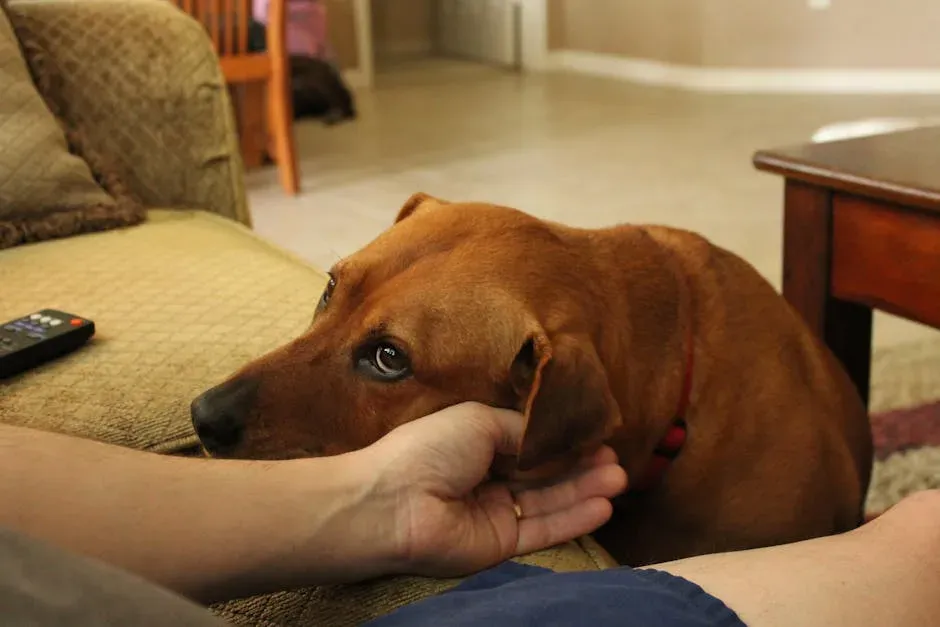
Some dogs don’t explode with excitement at the door; they simply walk over and lean their whole weight into you, like a furry sandbag pressed to your shin. It might feel like they’re trying to knock you off balance, but this lean is pure affection. It’s a way of saying, “You’re back. I’m grounding myself on you again.” It’s especially common in dogs who are a bit more reserved or polite about their feelings.
Leaning is also a trust move. When a dog props themselves against you, they’re choosing to be physically vulnerable and close, instead of bouncing around like a maniac. That calm pressure can feel almost like a hug, especially when you instinctively put your hand on their head or shoulder. If your dog greets you with a lean instead of a jump, you’re not missing out on excitement; you’re getting a more grown-up version of the same emotion.
3. The “Velcro Dog” Shadowing You Room to Room
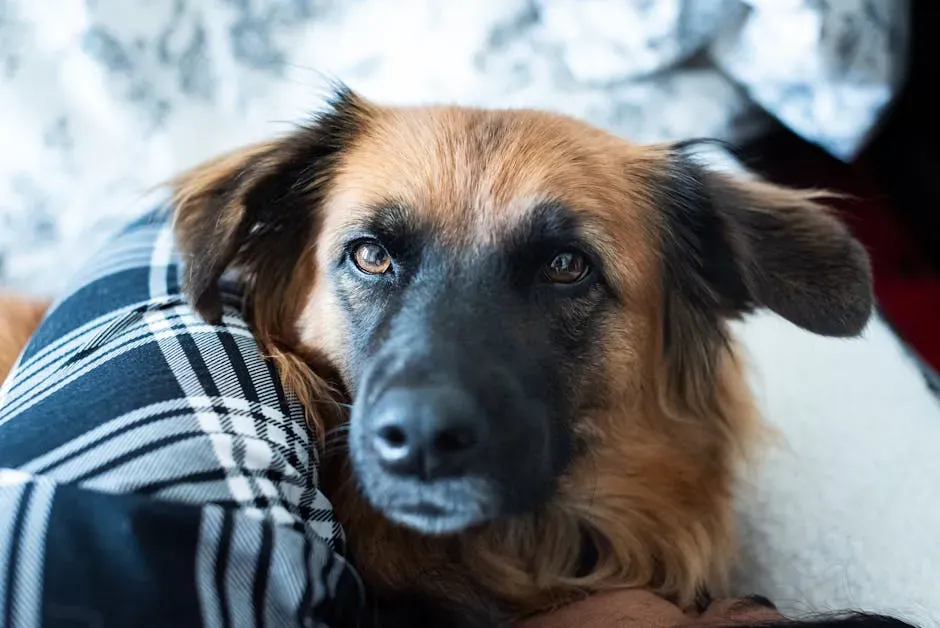
If your dog quietly follows you around the house after you come home, congratulations: you have a furry little satellite orbiting Planet You. They might not bark or whine, but they’ll pad behind you from the kitchen to the bathroom to the bedroom, calmly plopping down wherever you happen to land. It’s not about needing something; it’s about reattaching themselves to their favorite person after time apart.
This shadow behavior isn’t only about separation anxiety; in many dogs, it’s simply their way of reconnecting. Imagine not seeing your best friend all day and then spending the evening hanging out in the same space, even if you’re both doing your own thing. Your dog is doing exactly that. They’re saying, “I’m not letting you out of my sight for a while,” but in a quiet, respectful, almost companion-like way.
4. The Deep Sigh and Relaxed Flop Near You
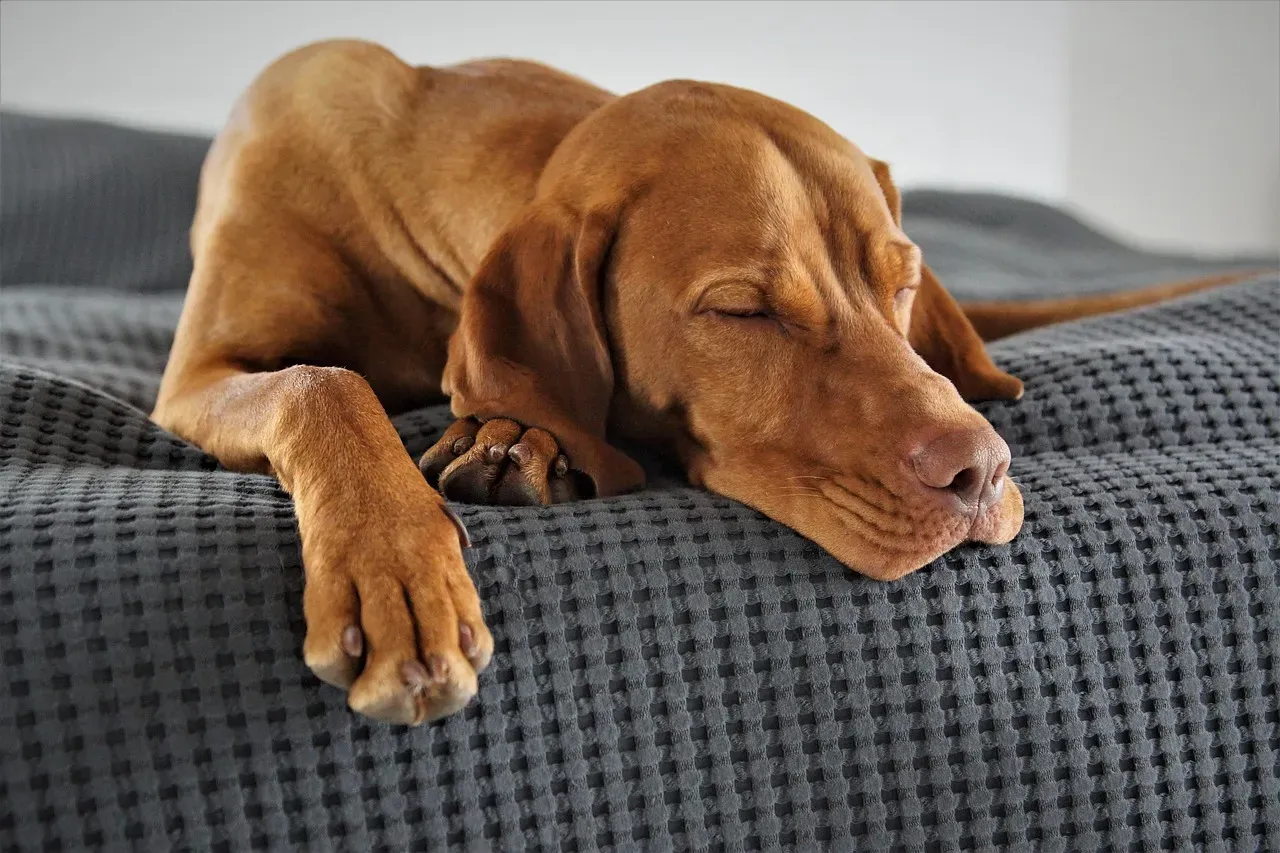
One of the most heart-melting moments is when your dog settles down near you after you’ve come home, lets out a long, almost theatrical sigh, and finally relaxes. That sigh is not boredom. Very often, it’s your dog’s body literally releasing tension. You left, they coped, they watched the door or listened for your footsteps, and now that you’re back, the pressure is off.
Watch their body language: loose muscles, a relaxed jaw, soft eyes, maybe a gentle tail thump on the floor when you move or speak. They might not be on top of you, but they choose a spot where you’re clearly in their line of sight. It’s like they’re saying, “Okay, I can rest now; my person’s home.” That calm exhale is your dog’s version of dropping their shoulders after a long day.
5. Bringing You Their Favorite Toy (Or Random “Gifts”)
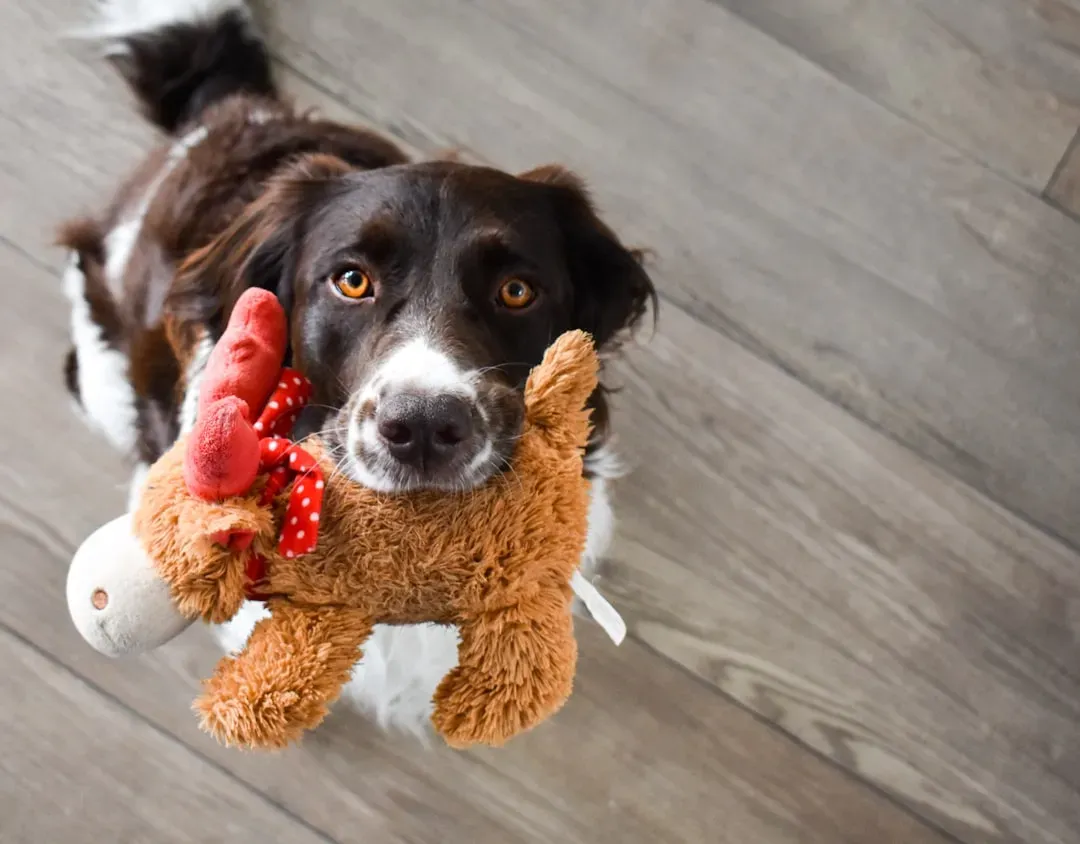
Not every dog spins in circles at the door, but many will grab a toy the second you walk in and trot over with it, tail swaying. This gift-giving greeting can look casual, but it’s a big deal in dog language. They’re sharing something valuable to them, whether it’s their squeaky duck, a slobbery tennis ball, or, in some cases, a very questionable sock they found under the couch.
This behavior isn’t always about wanting you to play right away, even though it often turns into a game. Sometimes it’s more like, “I’m so happy you’re home that I want to show you my treasures.” It’s a social ritual, a way of including you back into their little world. And if your dog consistently does this without barking or jumping, it’s one of the sweetest, most well-mannered “I missed you” messages you could ask for.
6. The Gentle Tail Wag and Wiggle From a Few Steps Back
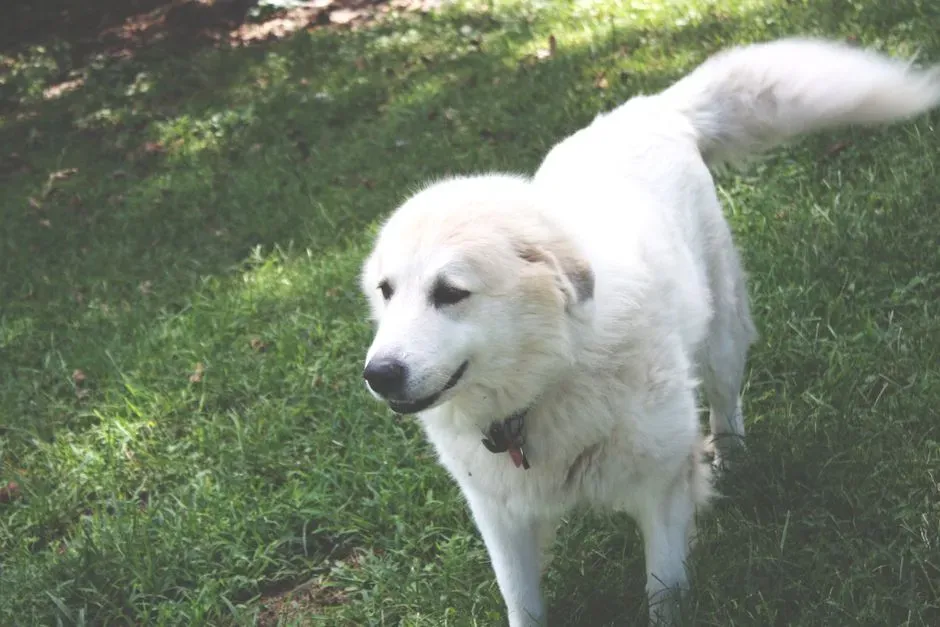
Not all love looks like a full-body tornado at the door. Some dogs will stand a step or two away, maybe in the hallway or living room, and greet you with a soft, steady tail wag and a little body wiggle. The ears might be slightly back, the mouth loose and open, and their whole posture says, “I’m thrilled you’re here, but I’m trying to be polite about it.” It’s like the canine version of smiling big but not interrupting the whole room.
This more reserved greeting can be especially common in older dogs or naturally calmer personalities. They’ve outgrown the frantic door-chaos, but the emotion is still there, just packaged differently. That soft wag can actually be more meaningful than frantic bouncing, because it often means your dog feels both happy and safe enough to stay controlled. They’re not checking whether you’ll leave again; they’re simply happy you’re back.
7. Checking In With You Repeatedly After You’re Home
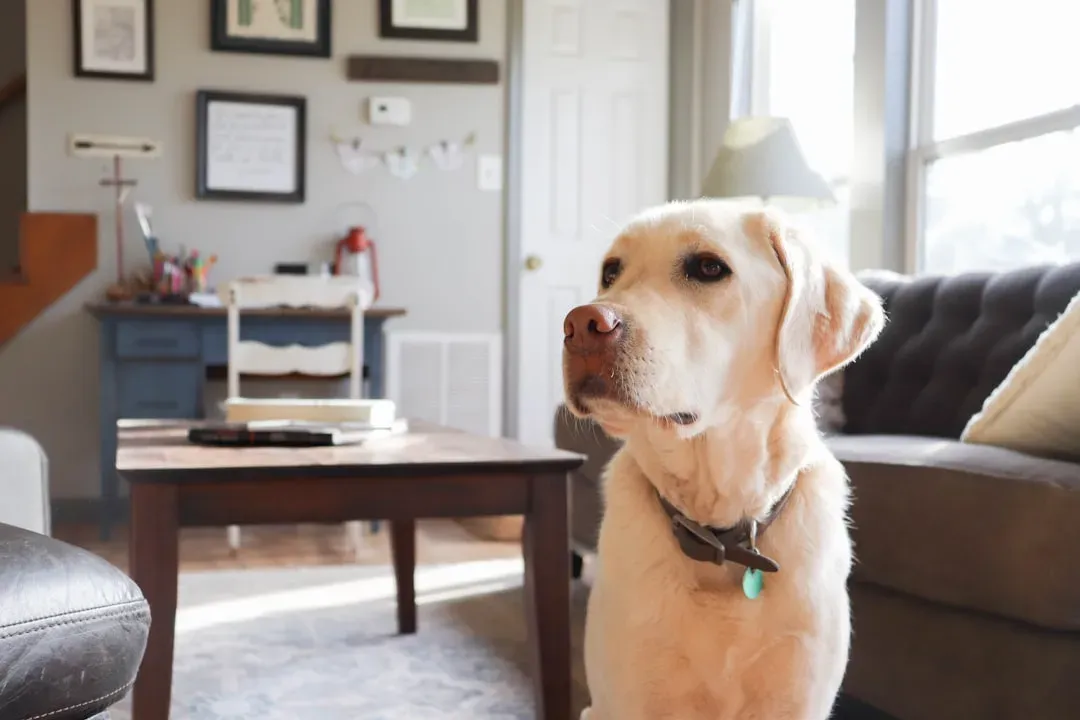
Sometimes a dog won’t make a huge deal at the door at all. They might barely get up or even just lift their head from the couch. But over the next hour, they keep wandering over to you, bumping your hand with their nose, pausing for a quick ear scratch, and then wandering off again. That pattern of small, frequent check-ins is like a series of little “just making sure you’re still here” moments.
These check-ins can be easy to overlook, especially if you’re busy dropping your bag, checking your phone, or starting dinner. But they’re incredibly sweet once you recognize them. Your dog is re-establishing the connection without making a big scene, almost like a friend who keeps brushing past you at a party to squeeze your arm or say a quick hello. This is quiet loyalty, not neediness, and it’s a powerful sign they missed your presence.
8. Curling Up in Your Spot or On Your Stuff
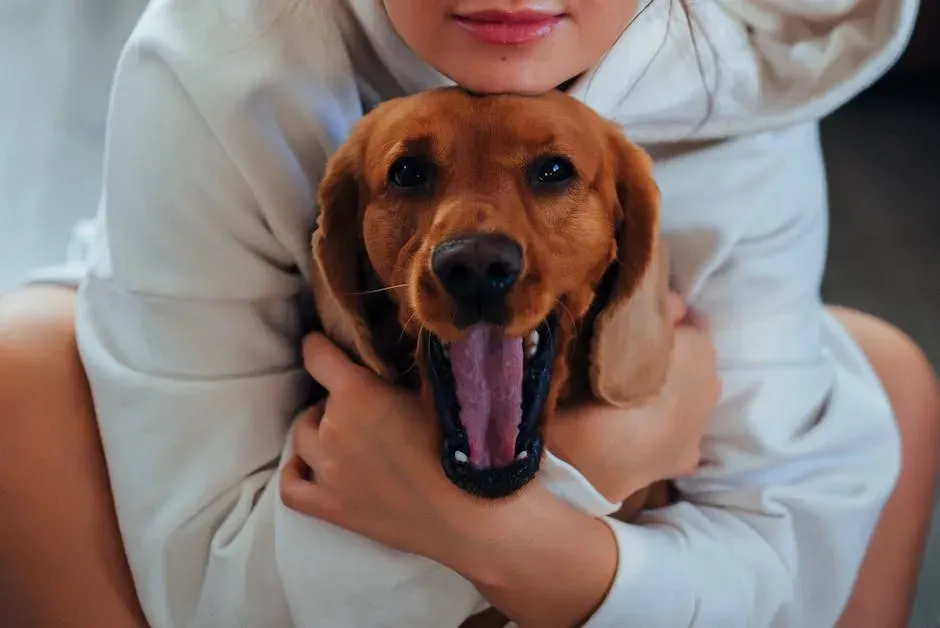
If your dog ignores the door theatrics but later curls up in your usual chair, on your side of the bed, or directly on top of your sweatshirt, that’s a loud emotional signal dressed up as a nap. Your scent is incredibly comforting to them, and being close to it helps bridge the gap between “you were gone” and “you’re back now.” When you return and sit down, they may reposition themselves so they’re touching you and your scent at the same time.
Some people think this is just about warmth or comfort, but it often gets stronger after you’ve been away for a while. That little shuffle into your warm spot on the couch is a sign your dog wants to be where you are, or at least where you usually are. When you get home and they quietly relocate from your spot to curl up right next to you instead, it’s their way of trading the next best thing (your scent) for the real thing (you).
9. Extra Affection at Night After You’ve Been Out
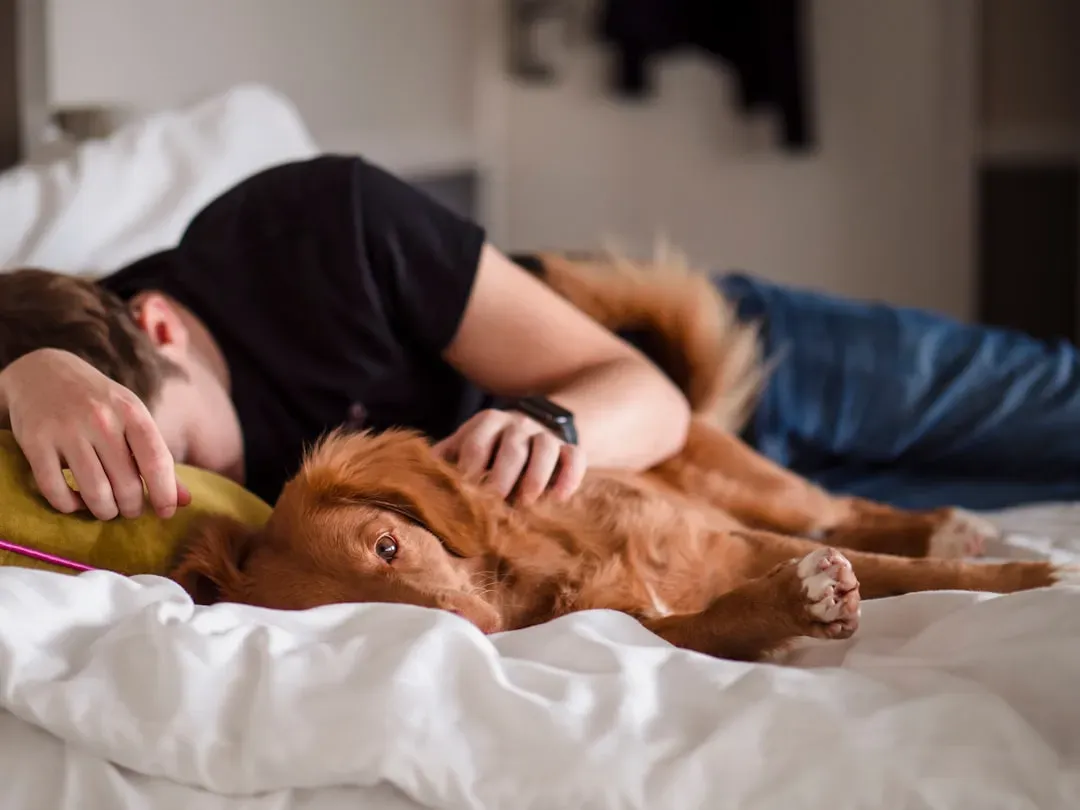
You might notice that on days you’re gone longer, your dog is a little clingier in the evening. Maybe they’re more insistent about lying against your legs on the couch, resting their head on your lap, or following you all the way to bed and curling up closer than usual. It might not look dramatic, but it’s like their love volume has been turned up a notch.
Nighttime is when a lot of dogs finally let their emotions show. The distractions of the day fade, things quiet down, and that’s when they decide to glue themselves to your side. That extra affection is often a delayed “I missed you” response, once they’re sure you’re staying put. When your dog chooses to spend their calmest hours pressed up against you instead of across the room, that’s not random. That’s priority.
10. Listening and Responding to You More Carefully
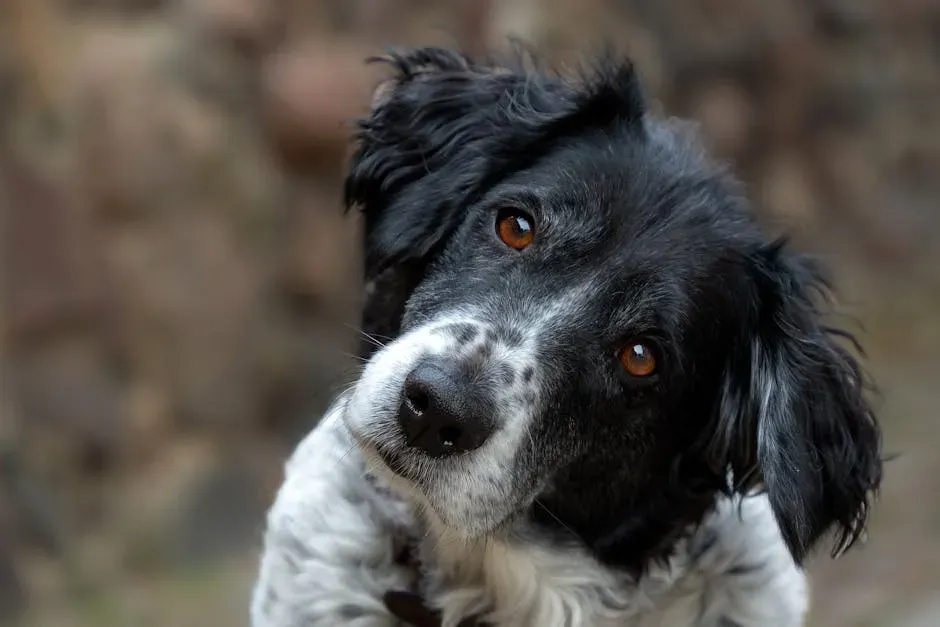
One of the more subtle signs that your dog missed you is that they seem more tuned in to you after you’ve been gone. They respond faster when you say their name, watch your movements more closely, or perk up at tiny sounds like your chair moving or your phone buzzing. They’re not anxious; they’re simply recalibrating to your presence, like a radio locking back onto its favorite station.
You might notice that training cues feel sharper or they’re more eager to engage in little routines they know you share, like sit for a treat, a polite paw shake, or a quick game. That willingness to tune in and cooperate is about more than treats or habits. It’s their way of reconnecting with the “team” dynamic between you. A dog that quietly adjusts its attention around you is not indifferent; they’re saying, in their own understated way, “You matter, so I’m dialed in.”
Conclusion: Calm Love Is Still Big Love
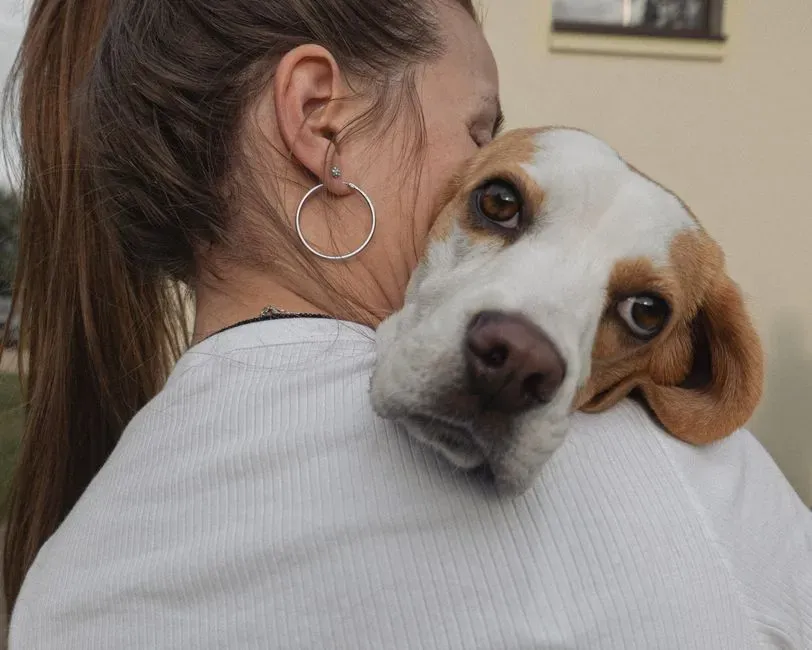
We tend to glorify the wild, movie-style reunion scenes where dogs sprint, leap, and howl the second their person walks in the door. But honestly, the quieter signs are often the ones that really get under your skin. The soft eye contact, the leaning, the casual toy offerings, the extra nighttime cuddles – these are the adult versions of puppy hysteria. They’re your dog saying they missed you, but also that they trust you enough not to fall apart every time you leave.
Personally, I think the calm, steady “I missed you” is even more beautiful than the dramatic zoomies, because it reflects a deeper kind of security between you and your dog. They know you go, they know you come back, and in between, they manage – but when you walk in, their world feels right again. So the next time you come home to a dog who isn’t losing their mind at the door, look a little closer. Are they leaning, following, sighing, checking in? That’s love too – maybe the strongest kind. Which of your dog’s subtle habits suddenly looks different now?