

The bond between humans and dogs is ancient and profound, but did you know that your furry friend’s DNA can reveal fascinating insights into our own evolutionary journey? Recent scientific discoveries have uncovered surprising connections between canine genetics and human history, shedding light on how our species have influenced each other’s development over millennia. Let’s delve into ten remarkable ways your dog’s .
1. Tracing Ancient Migrations Through Canine Companions
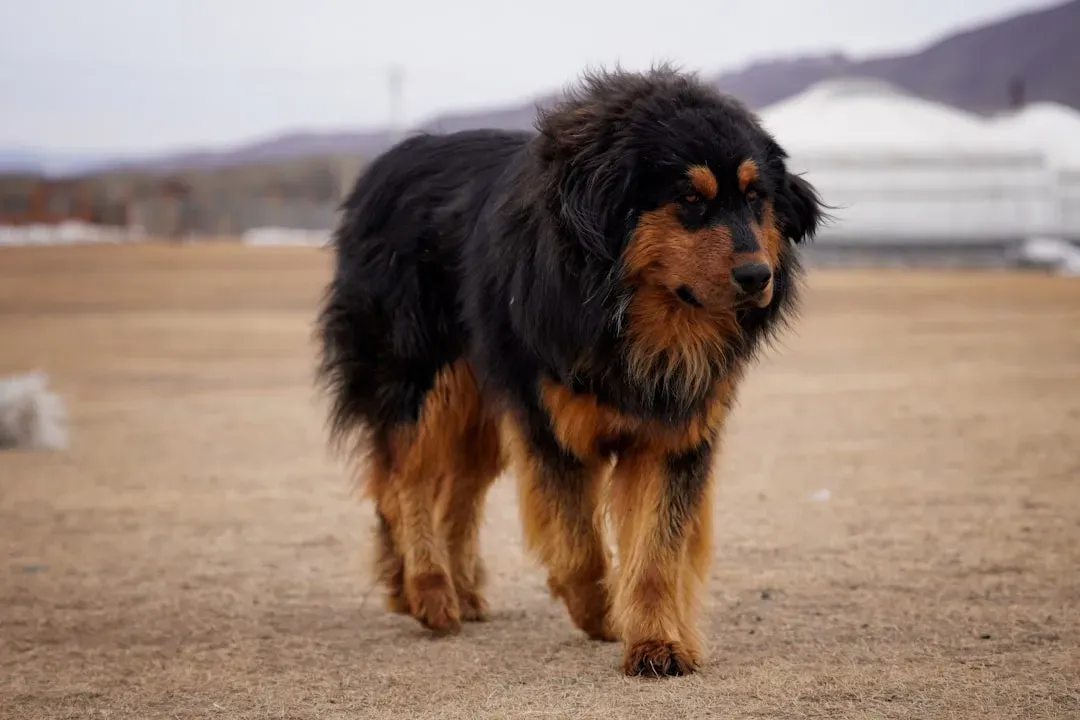
Imagine early humans traversing vast landscapes, their loyal dogs by their side. Studies of ancient dog DNA have revealed that as humans migrated across continents, their canine companions accompanied them, leaving genetic footprints that mirror human movements. For instance, DNA analysis of ancient dog remains in Europe and Asia shows patterns that align closely with human migration routes, offering a unique perspective on our ancestors’ journeys.
2. Parallel Evolution in Digestion and Metabolism
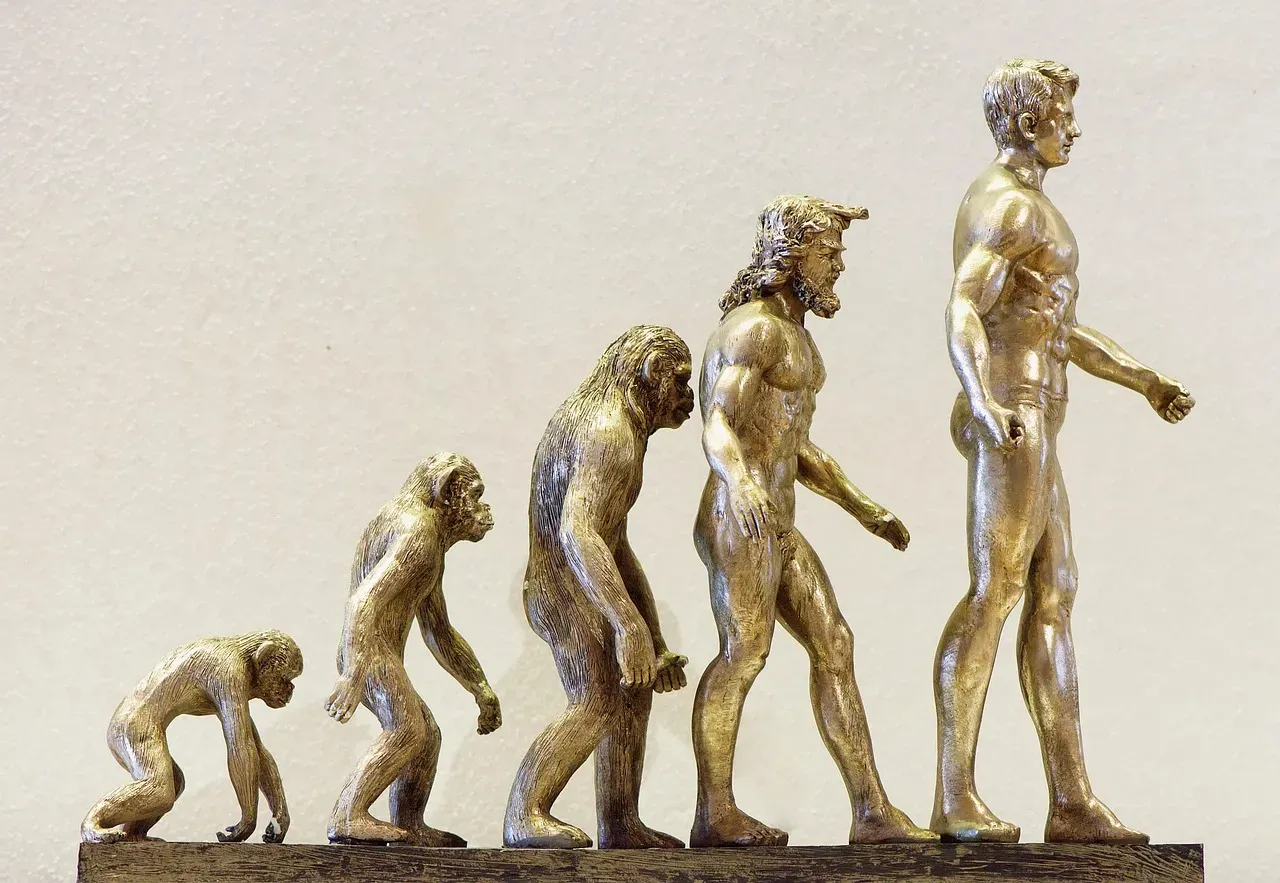
It’s astonishing to think that the domestication of dogs has led to parallel evolutionary changes in both species. Research indicates that both humans and dogs have developed similar genetic adaptations related to diet and metabolism. As humans shifted from hunter-gatherer lifestyles to agriculture, both species evolved to process starch-rich diets more efficiently, highlighting a shared evolutionary path influenced by cohabitation and shared environments.
3. Shared Genetic Adaptations to Disease
Our intertwined histories have also led to shared vulnerabilities. Genetic studies have found that dogs and humans possess similar mutations associated with certain diseases, such as cancer and neurological disorders. This overlap suggests that studying canine genetics can provide valuable insights into human health, potentially leading to advancements in medical research and treatments for both species.
4. Insights into Social Behavior and Domestication

The domestication of dogs offers a mirror to our own social evolution. Genetic analyses have identified changes in genes related to behavior and cognition in dogs, reflecting their adaptation to living alongside humans. These findings suggest that the process of domestication has influenced social behaviors in both species, offering clues about how humans have evolved complex social structures and relationships.
5. Evidence of Early Human-Dog Burials
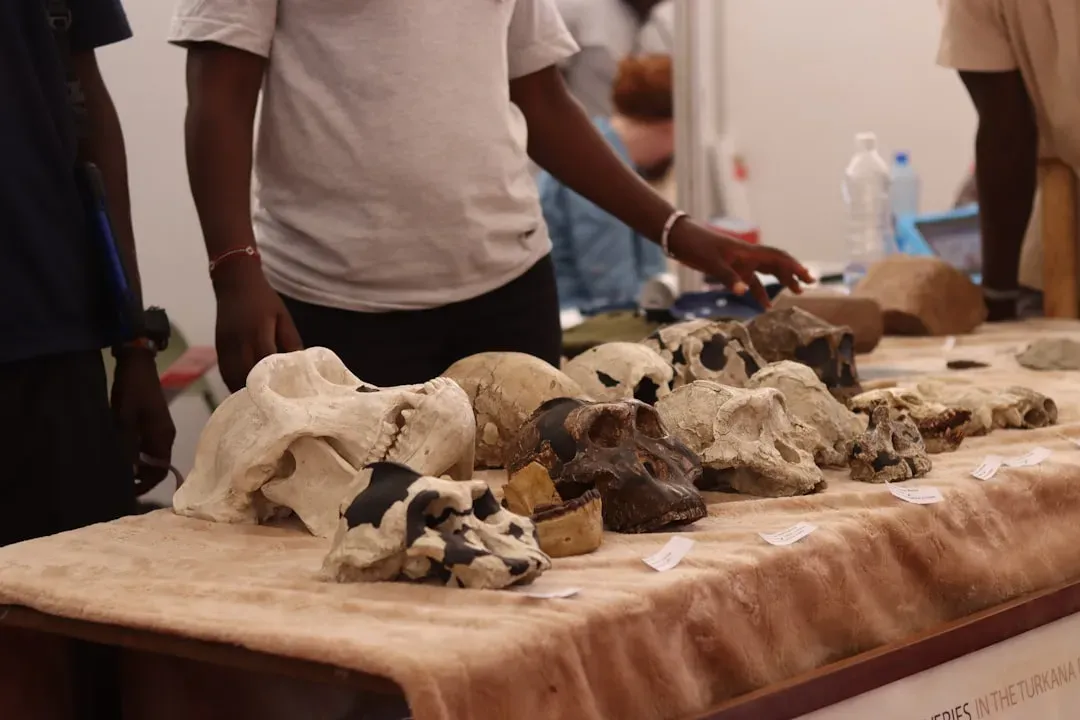
Archaeological discoveries of ancient human-dog burials provide compelling evidence of the deep bond between our species. These burial sites, some dating back over 14,000 years, indicate that early humans valued their canine companions not just in life but also in death. Such practices offer insights into the emotional and cultural significance of dogs in human societies, reflecting a shared evolutionary journey.
6. Genetic Clues to the Timing of Domestication
Determining when dogs were first domesticated has been a longstanding question. Recent genetic studies have pushed back the timeline, suggesting that domestication occurred at least 15,800 years ago. This earlier date aligns with evidence of human settlements, indicating that the domestication of dogs was a pivotal event in human prehistory, potentially influencing the development of agriculture and sedentary lifestyles.
7. Dogs as Indicators of Human Cultural Practices

The diversity of dog breeds and their specific traits can reflect historical human cultural practices. For example, the breeding of dogs for herding, hunting, or companionship aligns with the needs and lifestyles of various human societies. By studying the genetic makeup of different breeds, researchers can infer aspects of human cultural evolution, such as the development of agriculture, trade, and social structures.
8. Unraveling the Impact of Human Selection on Canine Genetics
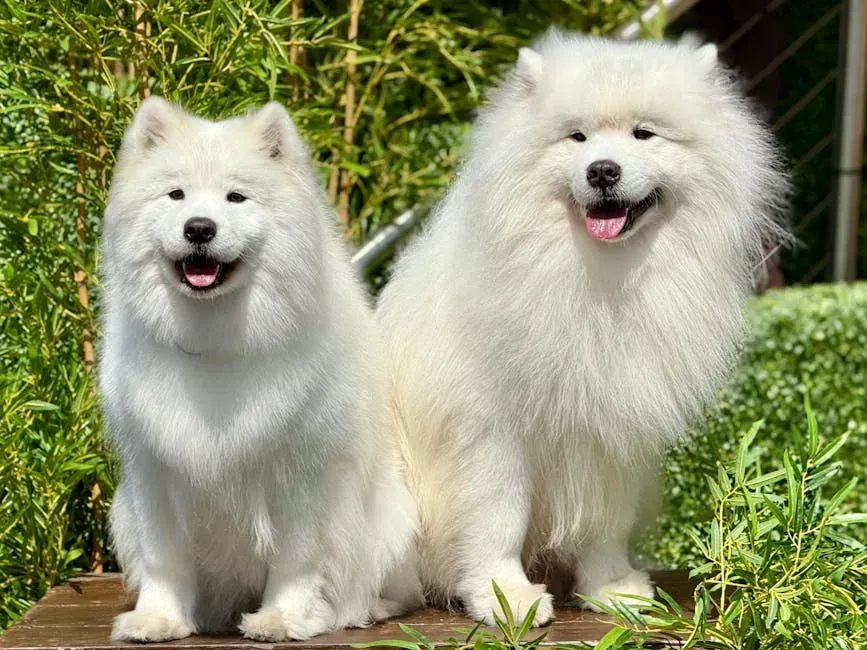
Human-driven selective breeding has profoundly shaped the canine genome. This artificial selection has led to the vast array of dog breeds we see today, each with unique physical and behavioral traits. Analyzing these genetic changes provides insights into how human preferences and practices have directed the evolution of another species, offering a case study in the power of selection and adaptation.
9. Dogs as Models for Human Genetic Research

Due to their genetic similarities and shared environments with humans, dogs serve as excellent models for studying human genetics. Research on canine DNA has contributed to understanding complex traits and diseases in humans, such as cancer and neurological disorders. This cross-species genetic research underscores the interconnectedness of our evolutionary paths and the potential for mutual benefits in medical science.
10. Reflecting on the Co-Evolution of Humans and Dogs

The intertwined genetic histories of humans and dogs highlight a unique example of co-evolution. Our mutual influence has shaped behaviors, physiologies, and even disease susceptibilities. This deep connection offers a window into understanding how species can evolve together, adapting to shared environments and challenges over thousands of years.
In conclusion, your dog’s DNA is more than a blueprint for their individual traits; it’s a living record of a shared evolutionary journey with humans. By studying canine genetics, we gain valuable insights into our own history, health, and development. Isn’t it remarkable to think that our loyal companions carry within them the secrets of our own past?


