
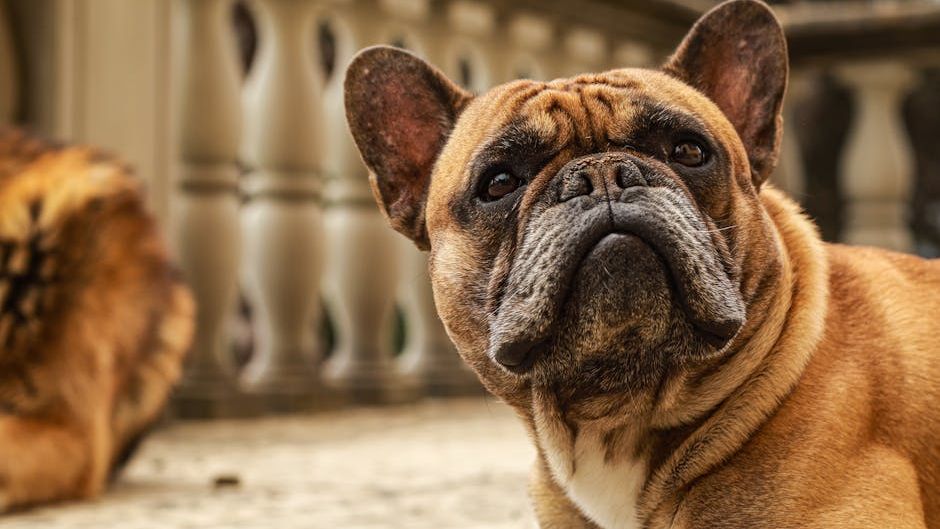
#1. Siberian Husky – Beautiful, But Relentless
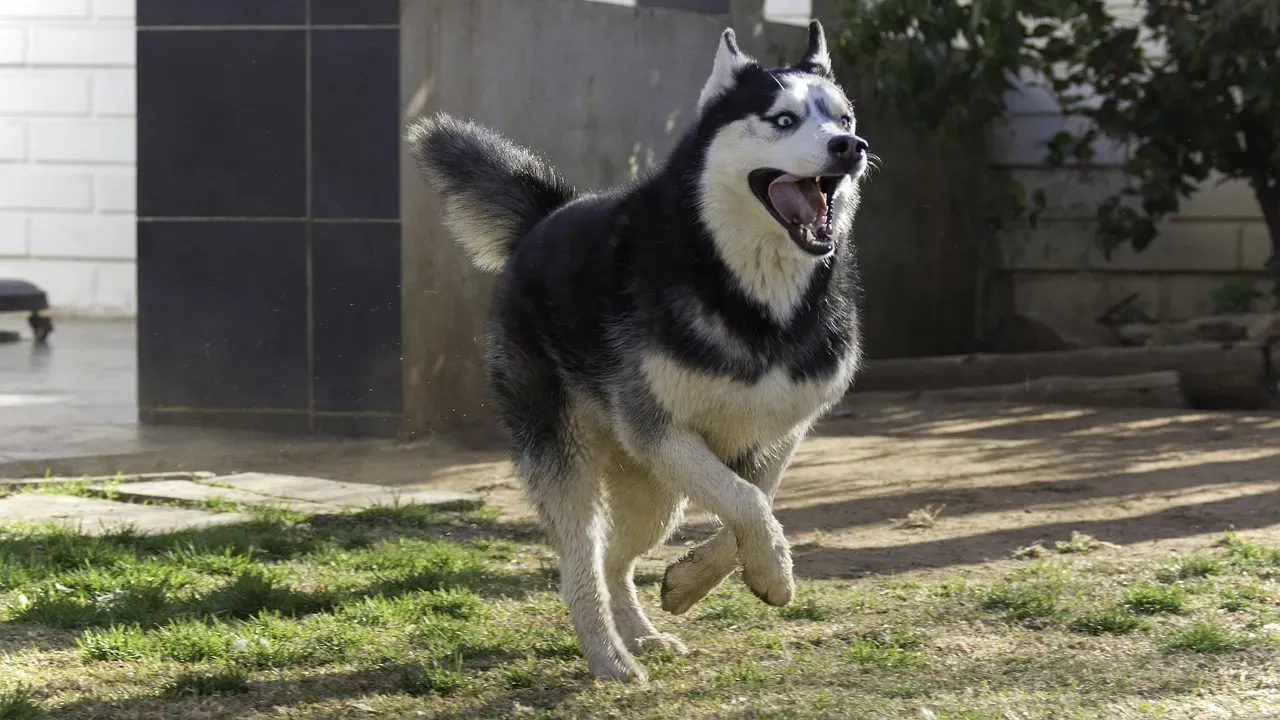
There’s no denying the Husky’s appeal. Striking eyes, wolf-like features, and a friendly personality that tends to win people over instantly. The reality of day-to-day ownership is another matter entirely. Huskies are large, energetic, high-strung dogs, and if you’re looking for a relaxation buddy, this breed will never give you rest. They require mental and physical stimulation every day, and if they don’t get it, bad things happen.
Huskies require extremely secure fencing since they can dig and jump out of almost anything. They need to be mannerly on a leash but are difficult to train, and they have a huge wanderlust potential – they can and will get away from their owners to go explore. Add to that the heavy double coat and constant shedding, and the Husky becomes a full-time commitment that most people over 50 simply didn’t sign up for.
#2. Border Collie – Too Smart For Its Own Good
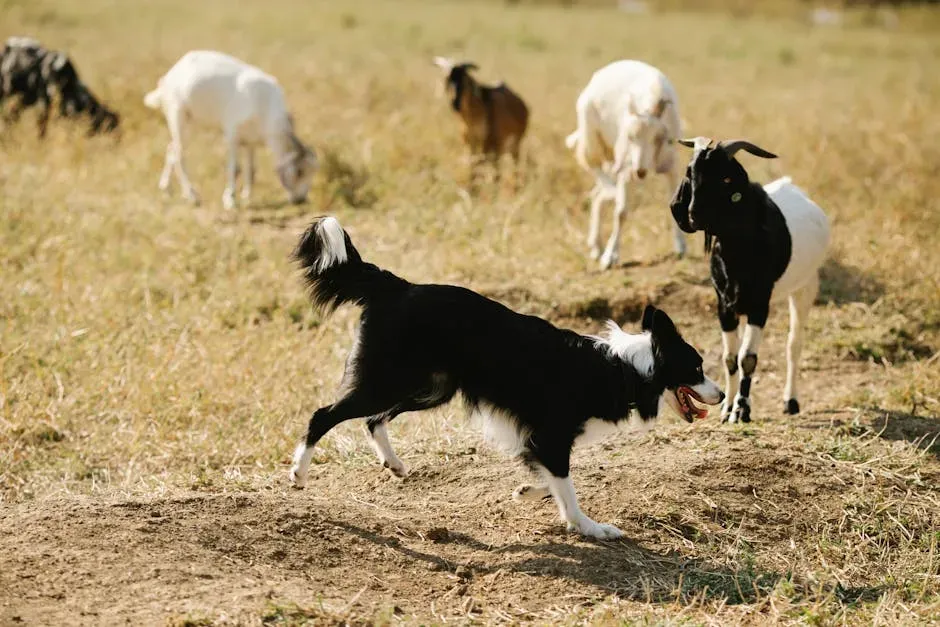
The Border Collie is widely considered the most intelligent dog breed in the world, and that’s precisely the problem. Intelligence without an outlet becomes a liability. Border Collies are highly intelligent and active dogs that require a lot of physical and mental stimulation. They need a minimum of two hours of exercise daily to keep them satisfied.
Bred originally for herding, they require regular exercise and mental challenges to remain content and balanced. Without sufficient stimulation, these dogs can become bored and potentially destructive, leading to behavior issues that may be difficult to handle. Collies also have a tendency to herd, which can lead to nipping at heels and chasing – behaviors that could potentially be hazardous for people with balance issues. This is a breed built for a working farm, not a quiet retirement home.
#3. Australian Shepherd – High-Octane and Demanding
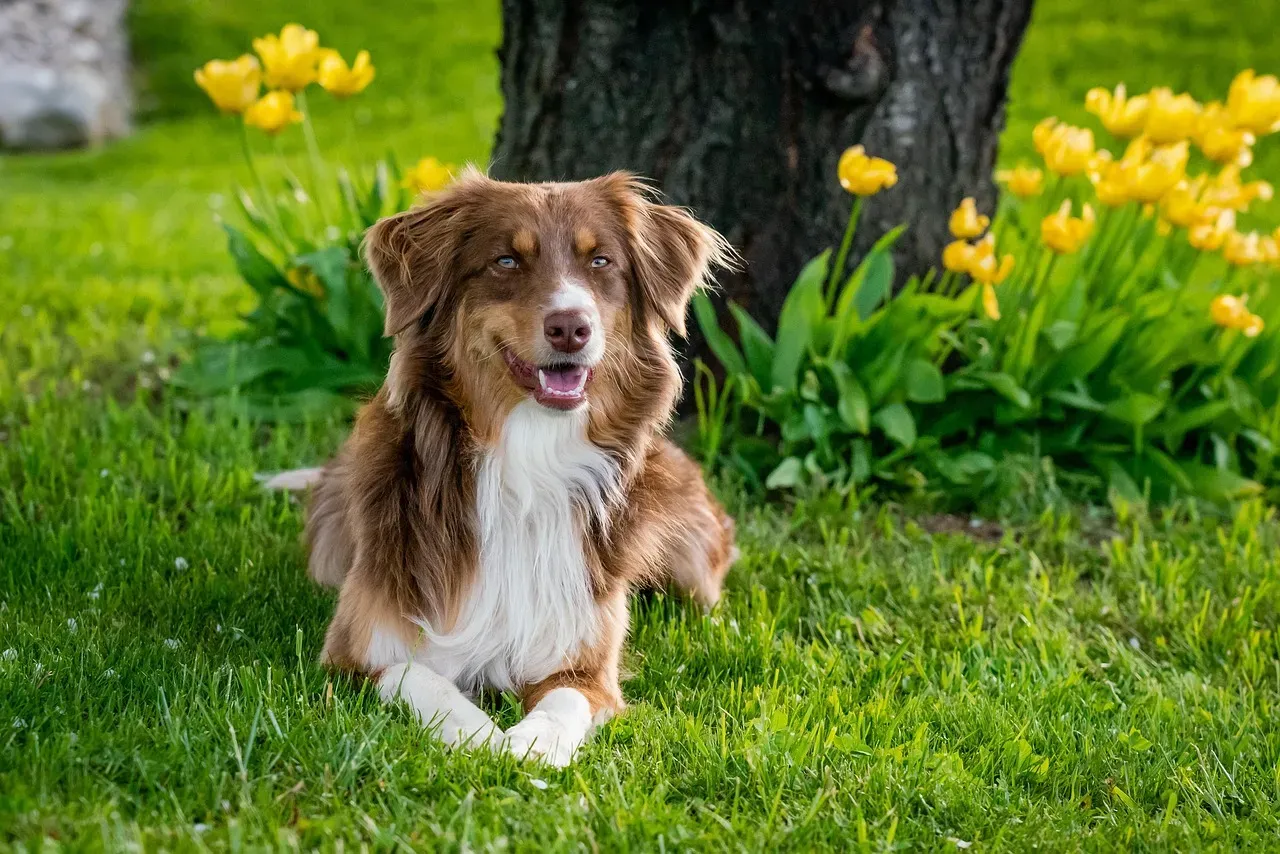
Australian Shepherds are gorgeous, loyal, and impressively trainable. They’re also exhausting in ways that sneak up on you. For a senior living alone, the Australian Shepherd is not a good choice. These dogs require a huge amount of maintenance for the first two years of their lives and must be exercised daily to work out their super-high energy levels.
Originally bred to work, these dogs possess an intrinsic drive to herd and stay active. For adults preferring a more serene lifestyle, the Australian Shepherd’s need for constant stimulation can be overwhelming. Without proper training and attention, an Australian Shepherd can become nervous and destructive. That nervous energy has a way of filling your home whether you want it to or not.
#4. Rottweiler – Power That Can Overwhelm
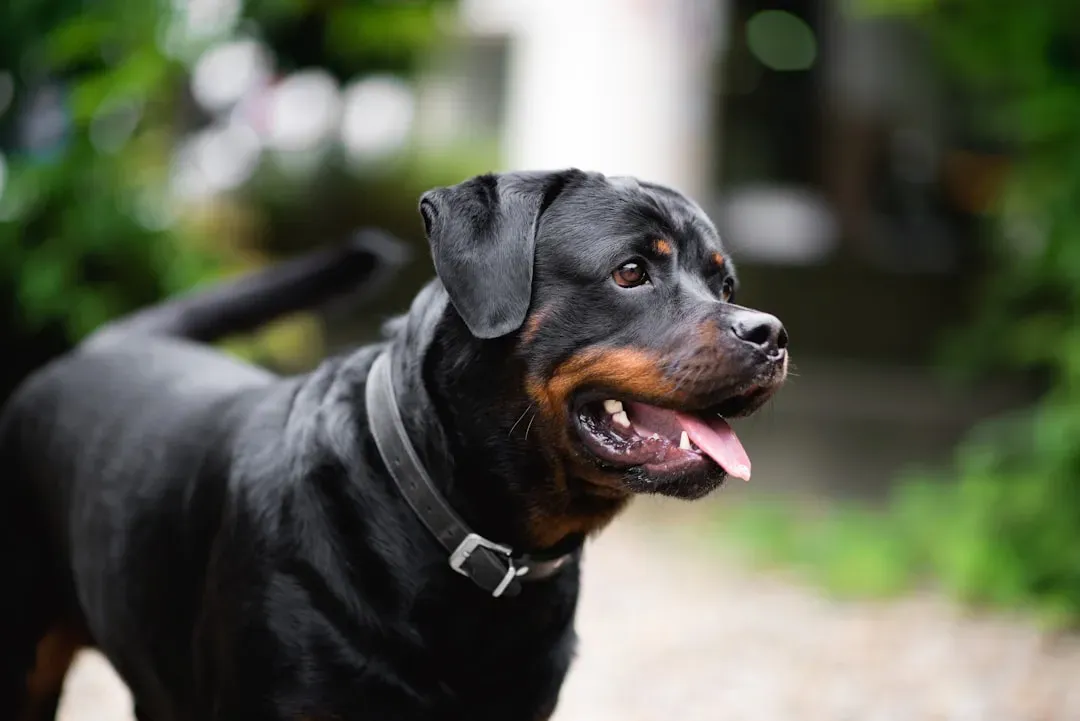
Rottweilers are devoted, loyal, and deeply bonded to their families. Many experienced dog owners love them. The challenge for someone over 50 is less about temperament and more about sheer physical reality. Rottweilers are a powerful breed, and while they can be loyal and protective, their size and strength can be overwhelming.
Rottweilers are robust and muscular, needing an experienced handler to manage their strength. Their energetic nature and considerable size can be daunting for older adults, and while loyal and protective, they require consistent training and regular exercise, which might be more than some older individuals are prepared to provide. A single moment of poor leash control with a dog this strong can result in a serious fall – a risk that simply isn’t worth taking.
#5. Jack Russell Terrier – Small Package, Giant Chaos
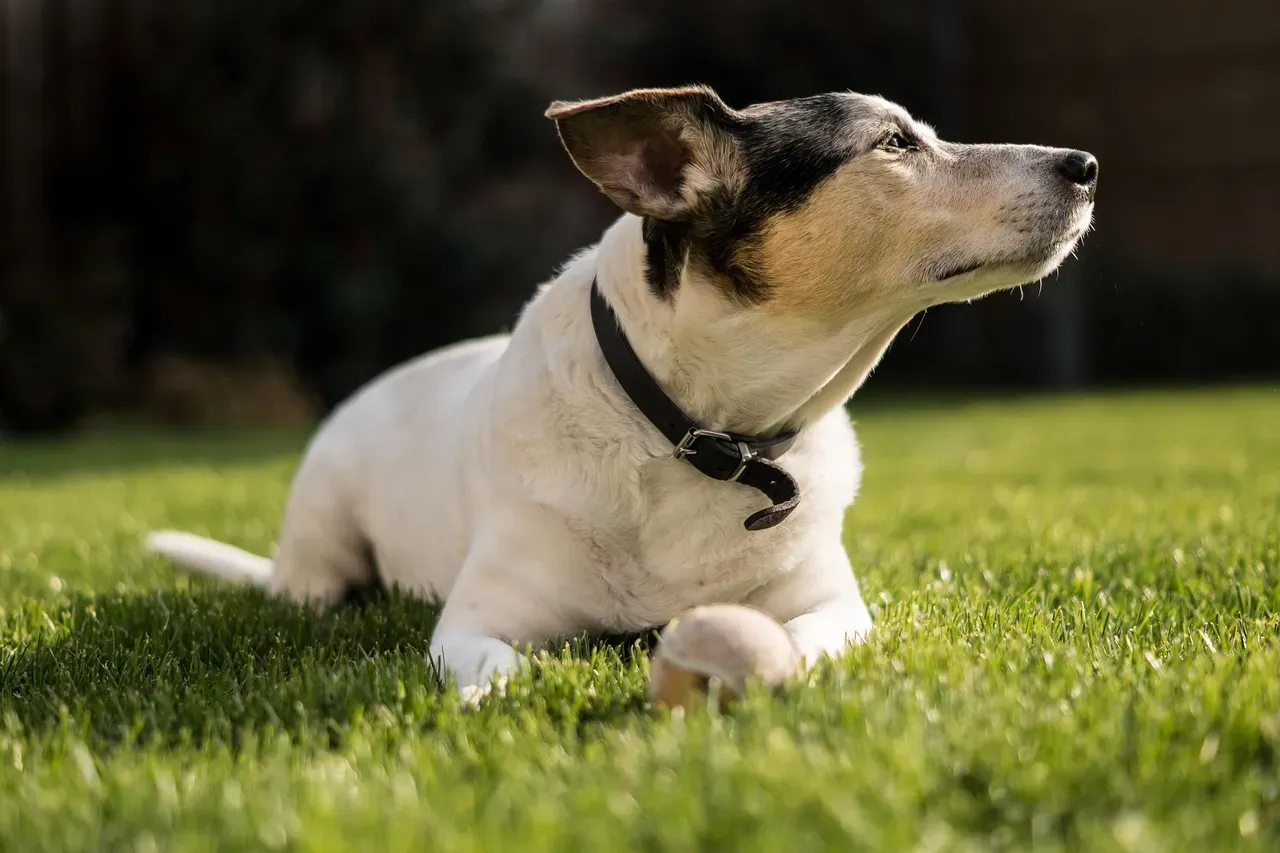
Don’t be fooled by the size. Jack Russell Terriers are among the most physically demanding dogs you can own, pound for pound. Despite their small stature, Jack Russell Terriers are remarkably energetic and independent. They require ample playtime and can exhibit a stubborn streak, making them quite a handful. Their high energy means they need frequent, vigorous exercise, which might not be feasible for someone who struggles with mobility.
Jack Russells also require a lot of exercise and they are diggers, so be careful of unsupervised enclosure stays. They benefit greatly from long games of catch and frisbee and don’t like being cooped up – their pent-up energy can come out in destructive tendencies. Their feisty independence is charming in small doses, but as a full-time companion for someone seeking calm and consistency, they rarely deliver.
#6. Dalmatian – Deceptively High-Maintenance
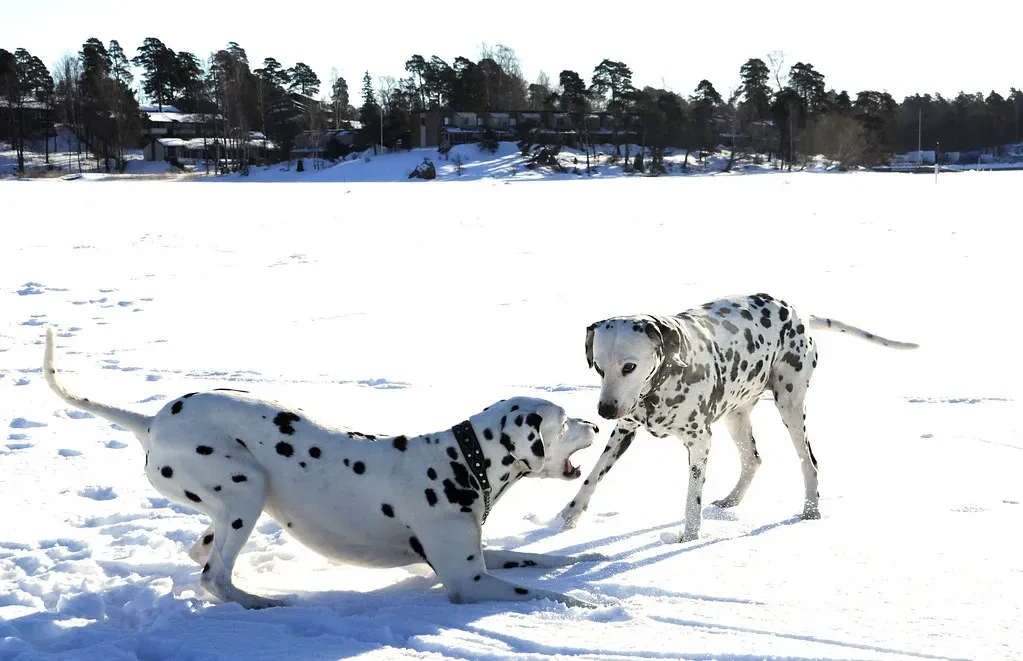
Most people picture Dalmatians trotting alongside fire trucks, looking elegant and composed. The actuality of owning one is considerably more demanding. The Dalmatian may look elegant and calm, but it comes with a surprising amount of energy. Originally bred to run alongside carriages, this breed needs plenty of daily exercise to stay balanced. Without it, restlessness and destructive habits can creep in, which can feel overwhelming for those seeking a slower, more relaxed companion.
Dalmatians are also known for being somewhat stubborn, and their high exercise threshold means casual walks around the block simply won’t cut it. High-energy breeds can become restless and exhibit behavioral problems if their exercise needs are not met, and these breeds are more suitable for individuals able to engage in vigorous exercise who are looking for an active companion. For most people over 50, particularly those living in smaller homes or apartments, the Dalmatian is a mismatch waiting to happen.
#7. Doberman Pinscher – Brilliance That Requires Commitment
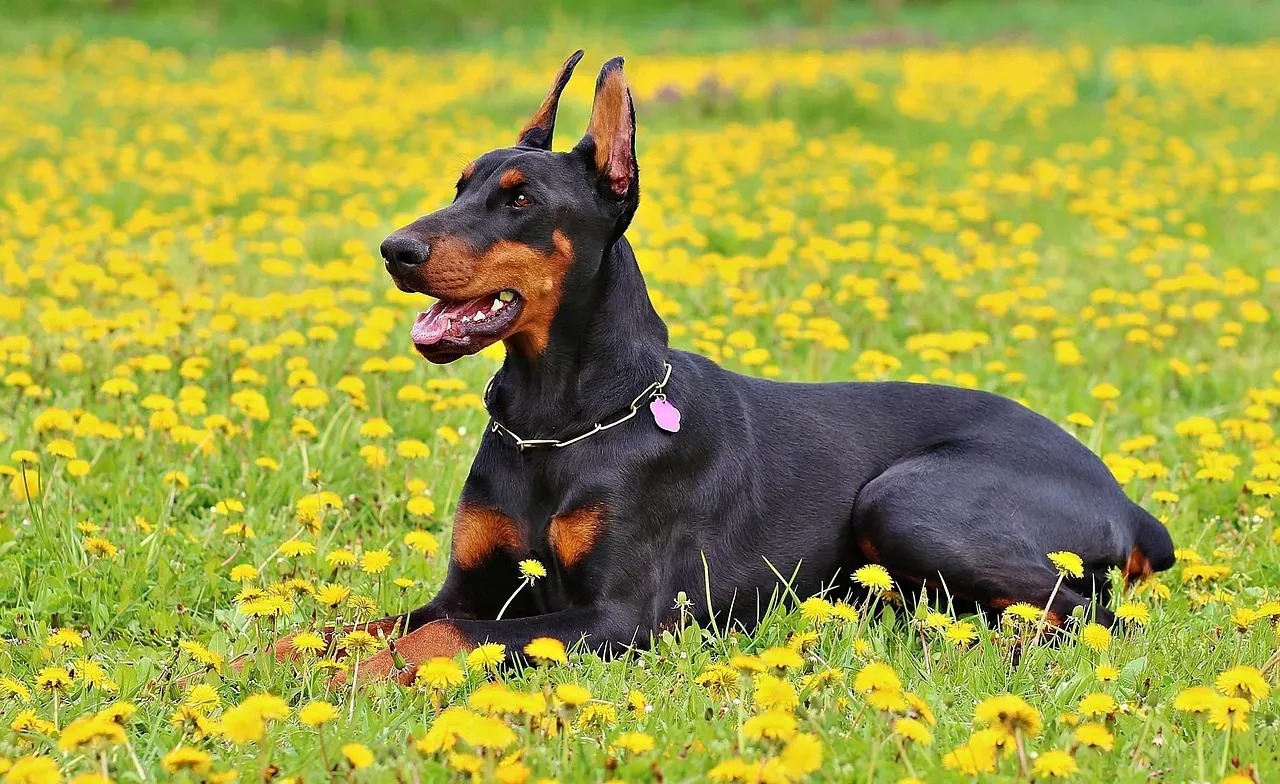
Dobermans are sleek, intelligent, and intensely loyal. They’re also one of the highest-drive breeds on this list, and their needs don’t diminish just because their owner’s energy level does. Doberman Pinschers are a powerful and energetic breed that requires daily exercise to keep them physically fit and mentally stimulated. They need a minimum of two hours of exercise every day to meet their energy requirements.
Doberman owners need to be highly active in order to keep up with them. This breed wants to run around and play for hours, and runners are actually considered an ideal owner for Doberman Pinschers because the breed has the energy and stamina to keep up. If Dobermans are not raised properly, they can become unmanageable, and due to their strength, it’s crucial that they are trained correctly so the owner has full control. That’s a significant ask for anyone slowing down their pace of life.
#8. Chow Chow – Aloof, Stubborn, and Territorial
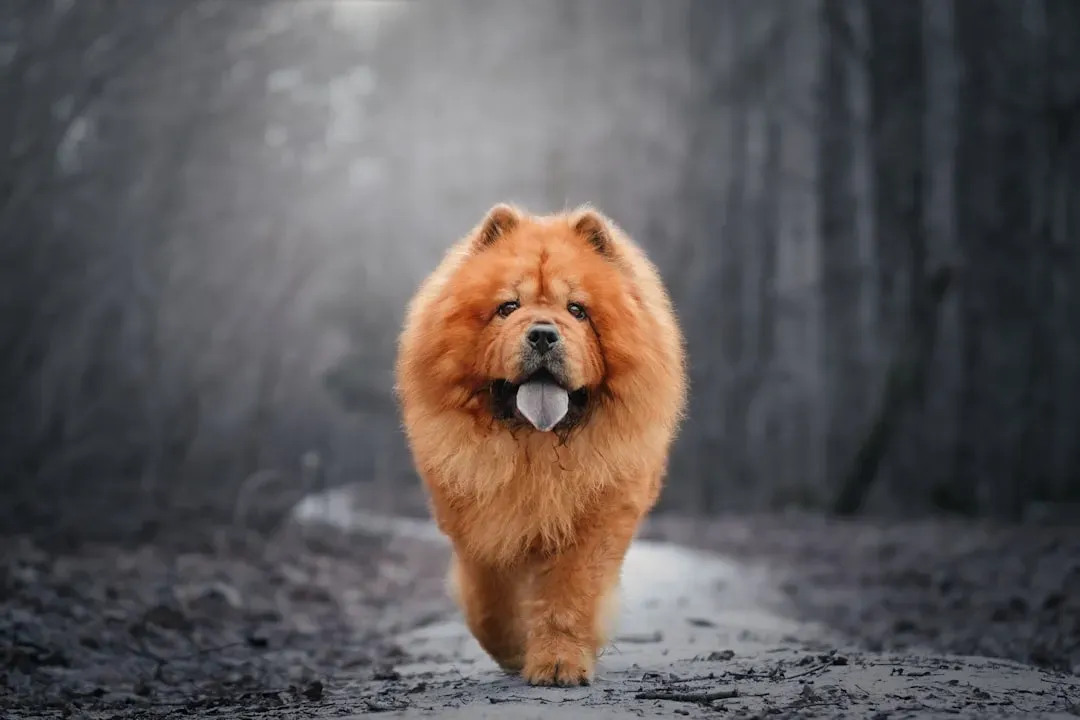
The Chow Chow looks like something between a lion and a teddy bear, which makes them endlessly photogenic. Living with one, though, requires patience and firm handling that can be genuinely taxing. Chow Chows are known for their aloof demeanor and can be challenging to train. Their independent nature means they require a firm and consistent handler, and they can be territorial and protective, which may be difficult to manage effectively.
The Chow Chow may look like a living teddy bear, but these dogs are famously aloof and stubborn, often acting more like a cat than a companion. They’re not big on affection, dislike strangers, and need firm, consistent training. Their thick double coat also demands serious grooming commitment. For someone over 50 hoping for warmth and easy companionship, the Chow Chow will likely leave them feeling like they’ve adopted a very expensive, very fluffy roommate who doesn’t particularly like them.
#9. Akita – Headstrong and Not For The Inexperienced
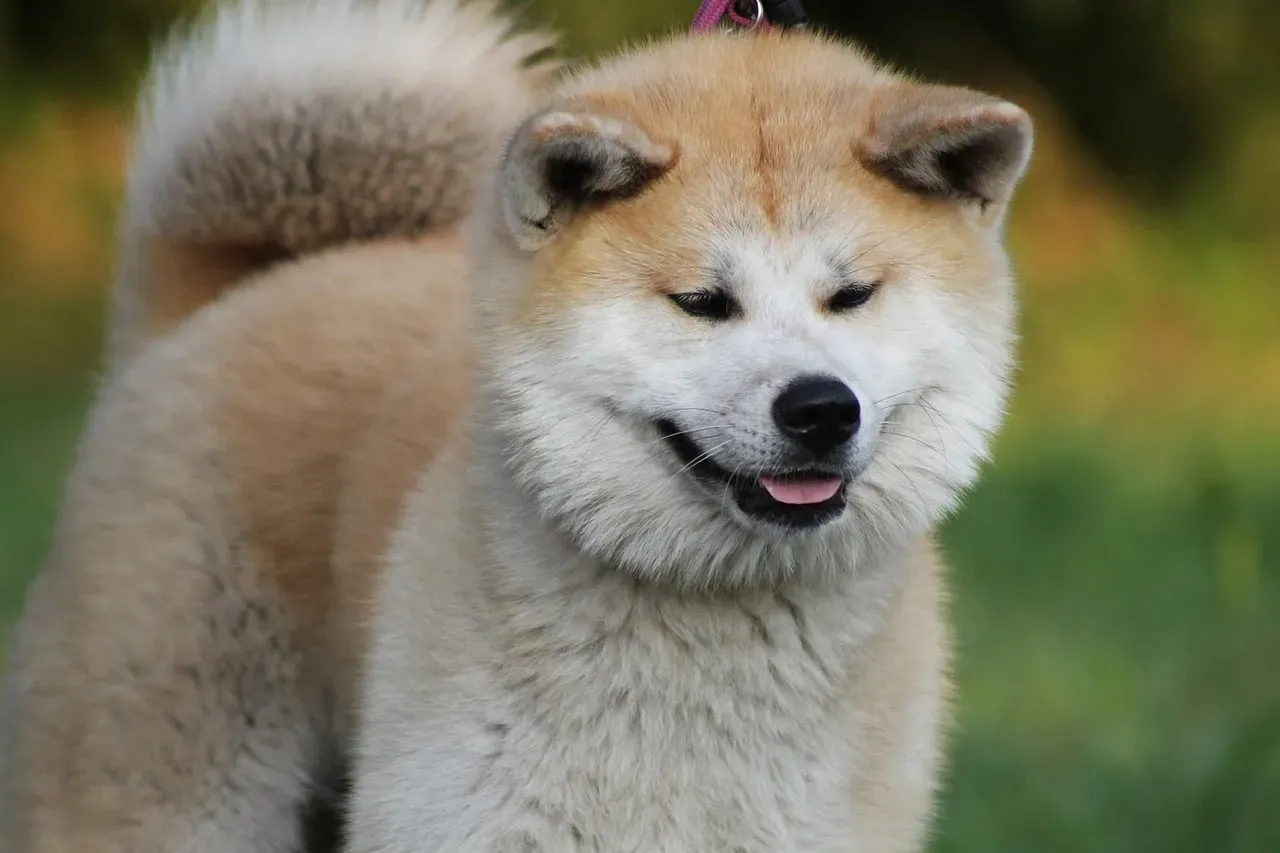
The Akita commands respect. This is a powerful Japanese breed with deep loyalty to its inner circle and significant suspicion of everyone else. That combination demands a handler who is experienced, confident, and physically capable. Akitas are a powerful breed that is intense and intelligent. This dog is extremely headstrong and stubborn and they’re usually challenging to train. While they can be perfect additions to some homes, they tend to do as they please and can bolt in a split second.
They have a high prey drive, drawn to things that move quickly. If you aren’t careful on walks, you can easily get knocked down or pulled. Akitas require a firm hand and lots of training, and if you don’t have the time or energy to deal with such a high-maintenance dog, it’s best to pass this breed up. Aggressive or territorial breeds like the Akita can be protective and standoffish with strangers if not properly socialized from a young age. That risk simply carries too much weight for most people in this stage of life.
#10. Saint Bernard – Gentle Giant With Giant Complications
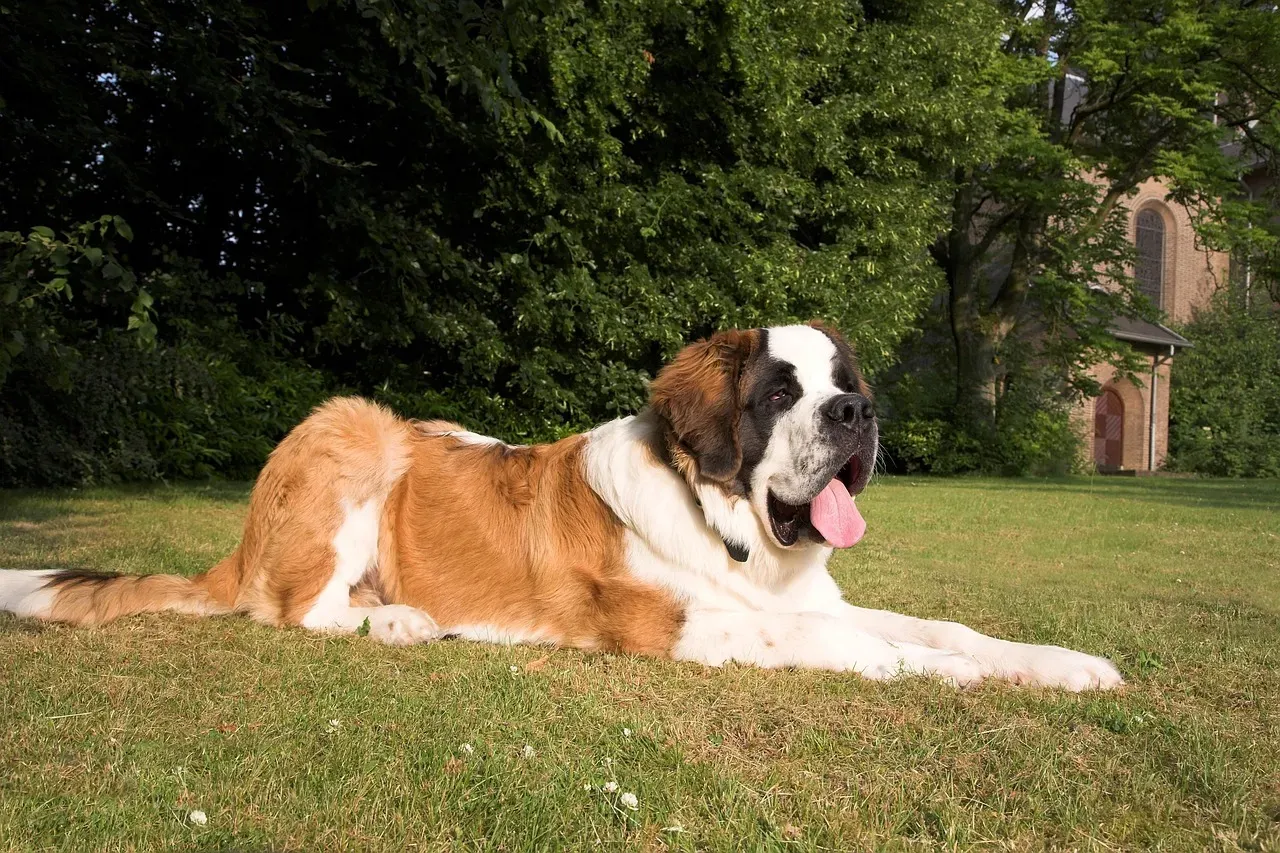
Saint Bernards are famously patient, sweet-natured, and great with families. They’re also enormous, and that size creates a whole category of practical problems that tend to compound over time. Breeds like the Saint Bernard are known for their size and strength. While they might not require as much exercise as high-energy breeds, their sheer size can make them difficult to manage, and a large dog pulling on a leash could lead to falls or injuries. These breeds often require more food, larger living spaces, and can be more challenging to transport.
Saint Bernards are characterized by their kind-hearted nature, but their sheer mass can be overwhelming. These gentle giants also tend to drool excessively and require frequent grooming, adding to their maintenance needs. Their stature can make them difficult to transport and manage, especially for those with physical limitations. The emotional attachment is easy to understand, but the physical demands of a dog that can weigh 150 pounds or more are very real.
#11. Cavalier King Charles Spaniel – The Perfect Companion
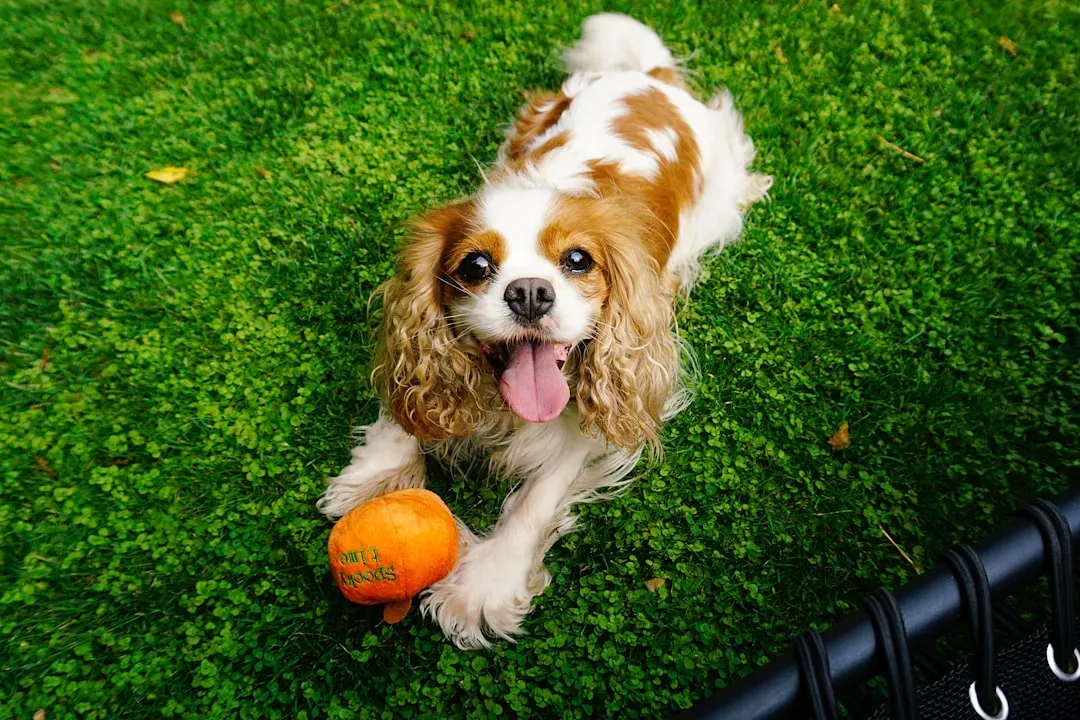
If there’s one breed that almost universally earns top marks for people over 50, it’s the Cavalier King Charles Spaniel. These small, silky dogs seem almost custom-designed for calm companionship. Known for their sweet nature and affectionate personality, Cavalier King Charles Spaniels are perfect lap dogs. They thrive on companionship and love being close to their owners.
This adaptable pup willingly fits right into anyone’s lifestyle. Cavaliers can be both a cuddle buddy one day and an adventurous companion the next – they simply follow their pet parent’s lead. The breed is laidback, intelligent, and quiet, and is welcoming to people of all ages and other pets. Cavalier King Charles Spaniels are cuddly and sweet, though it’s worth ensuring you get their pedigree checked, as they can have a tendency toward heart issues. Beyond that caveat, they’re hard to beat.
#12. French Bulldog – Low-Key Charm in a Compact Body
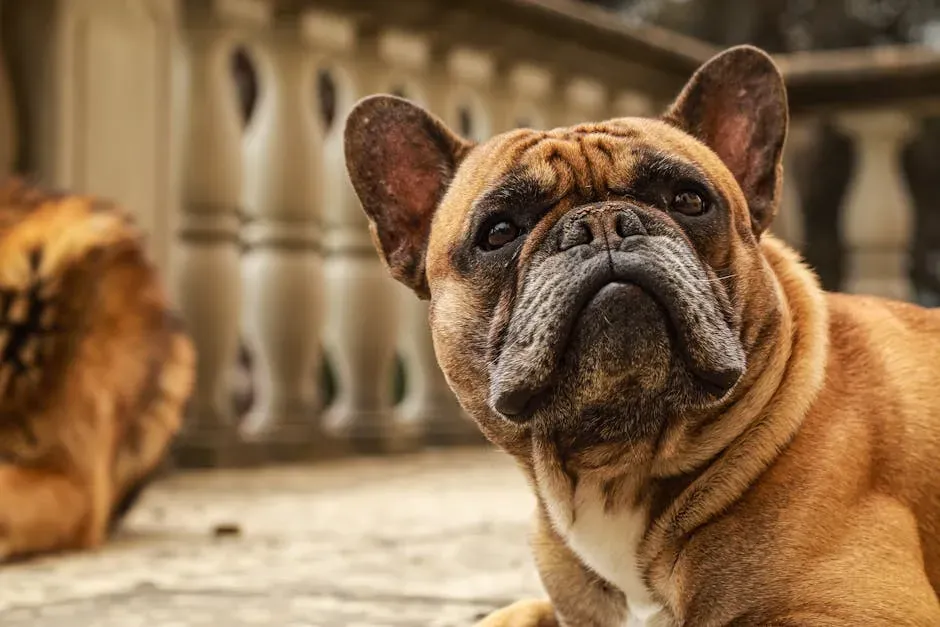
The French Bulldog has become one of the most popular breeds in the world in recent years, and its appeal to people over 50 is well-founded. The French Bulldog represents an ideal choice for a laid-back companion. These quiet, low-maintenance dogs typically weigh 20 to 28 pounds, and short walks and indoor activities meet their needs perfectly. French Bulldogs are particularly well-suited for apartment living and can adapt seamlessly to their owner’s routine.
Known for their goofy, personable temperament, Frenchies are deeply adaptable, flexible, and happy to settle into new routines. They don’t require extensive exercise routines, making them perfect for seniors who prefer leisurely walks over marathon hiking sessions. One note of caution: if you live in a hotter climate, a French Bulldog might not be the best option as they tend to overheat easily. Keep them cool and they’ll keep you very happy.
#13. Shih Tzu – The Devoted Indoor Friend
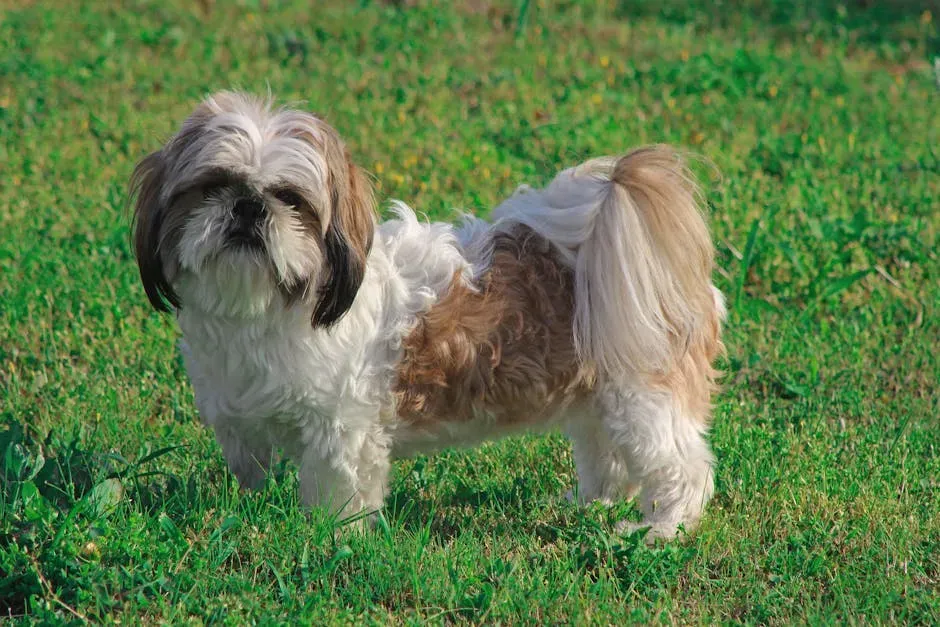
Originally bred as companion dogs for Chinese emperors, the Shih Tzu has been perfecting the art of keeping humans company for centuries. That heritage shows. Weighing up to 16 pounds, the Shih Tzu requires minimal exercise and is content living in apartments. Owners consistently describe the breed as happy, even-tempered, and eager to please.
These affectionate, low-energy dogs typically weigh 9 to 16 pounds and are known for their gentle nature. Originally bred as palace companions, they excel at providing comfort and companionship indoors. While Shih Tzus do require daily grooming to maintain their coats, many people find the routine relaxing and bonding. Their exercise needs are minimal, and they’re particularly good for owners who want an attentive friend always ready for cuddle time. It’s companionship at its most uncomplicated.
#14. Poodle (Toy or Miniature) – Intelligence Without the Drama
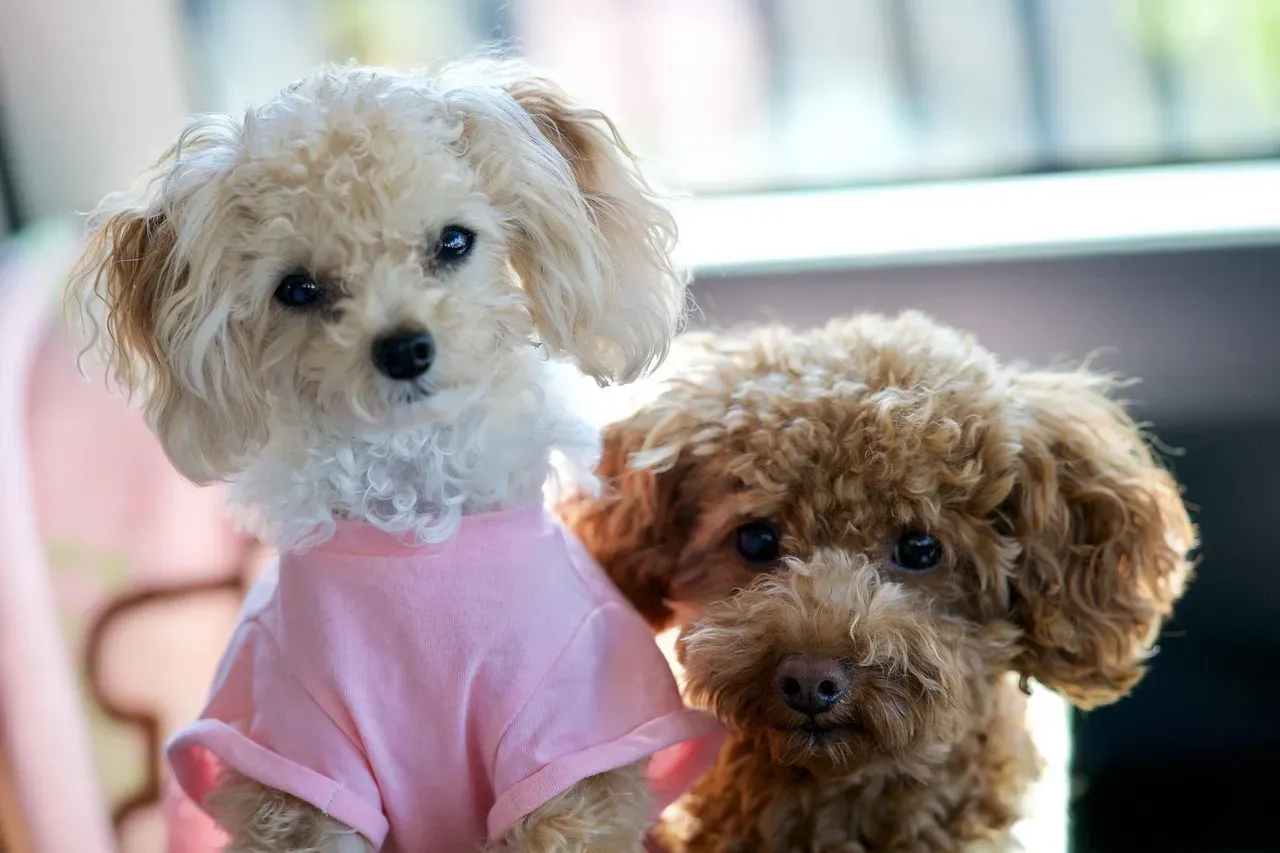
Poodles tend to get unfairly pigeonholed as high-maintenance show dogs. The reality is quite different. Toy and Miniature Poodles are among the most intelligent and adaptable dog breeds for people over 50. Their hypoallergenic coats make them ideal for those with allergies, and their high intellect makes them easy to train and eager to please.
For pet parents seeking an easy-to-train dog, the highly intelligent Poodle is one of the best dogs for older people. Poodles must receive ample exercise to release excess energy and maintain their well-mannered demeanor. This breed comes in three sizes to meet anyone’s preference. Poodles are loyal companions who form strong bonds with multiple family members, and they have a fun sense of humor and enjoy being pampered. The grooming commitment is real, but many owners over 50 find the regular grooming appointments a pleasant routine rather than a burden.
#15. Bichon Frise – Cheerful, Hypoallergenic, and Easygoing
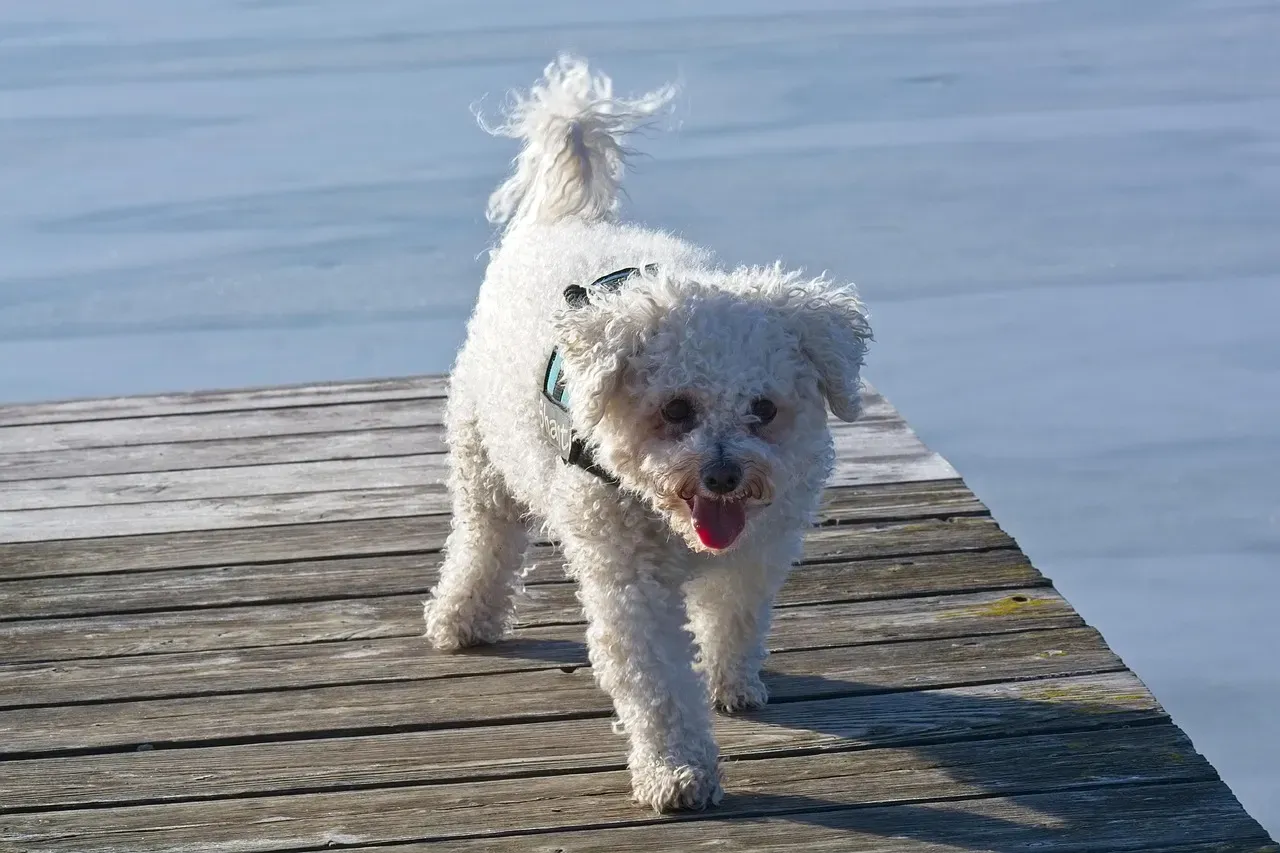
The Bichon Frise might be the happiest dog on this list. They seem constitutionally incapable of being in a bad mood, which is exactly the kind of energy most people over 50 are looking for. The Bichon Frise is cheerful, adaptable, and hypoallergenic. Their playful demeanor keeps spirits high, while their small size makes them easy to manage. They thrive on human interaction and quickly become part of the family.
The Bichon Frise combines a friendly, playful personality with practical benefits. These small, fluffy companions typically weigh 12 to 18 pounds and are known for being one of the most cheerful breeds. They shed minimally, which keeps homes cleaner and reduces allergen concerns, and their grooming needs are moderate. They’re naturally social and loving – perfect for anyone who enjoys a dog with real personality and charm. Few breeds manage to be this delightful without demanding much in return.
#16. Basset Hound – Slow-Paced and Steadfast
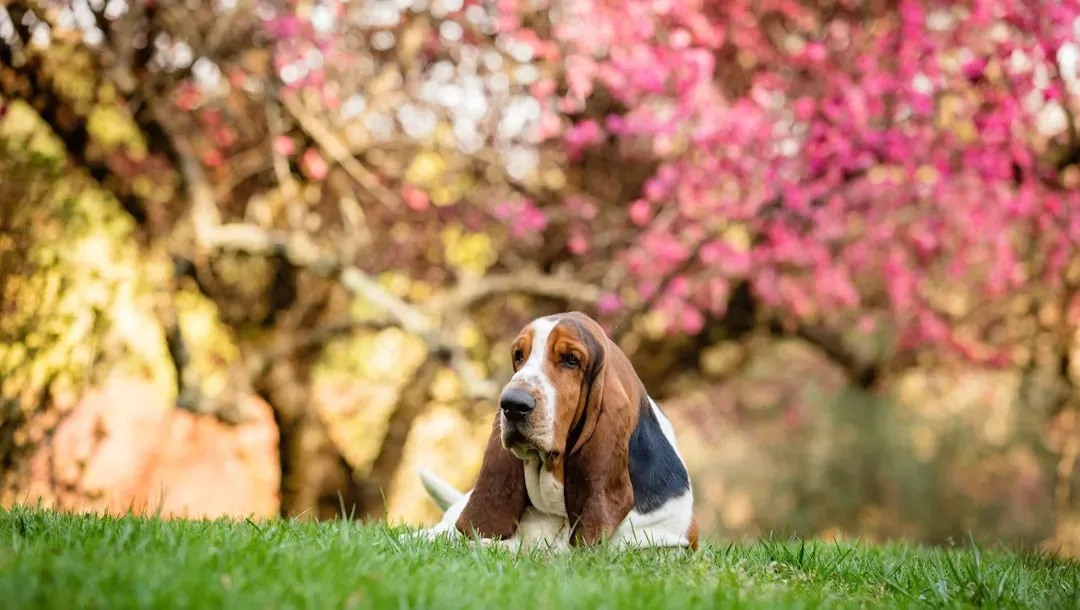
If you value a dog whose energy level matches a quiet Sunday morning, the Basset Hound deserves serious consideration. With their big, droopy ears and cartoonish proportions, it’s hard to resist the charm of Basset Hounds. Their calm, warm demeanors make them ideal companions, and this breed is known for being laid-back with an affectionate nature that loves nothing more than snuggling up with their human.
Basset Hounds come highly recommended for dog owners over 50. They suit owners who enjoy slower, consistent walks and those who value a temperament which is predictable over high energy. People over 50 often appreciate these proven breeds with predictable temperaments, and breeds like the Basset Hound often make more rewarding companions than trendy or high-drive dogs. That predictability is underrated – and with a Basset, it comes with a side of genuine warmth.
#17. Pug – Ancient Companion Bred for Exactly This
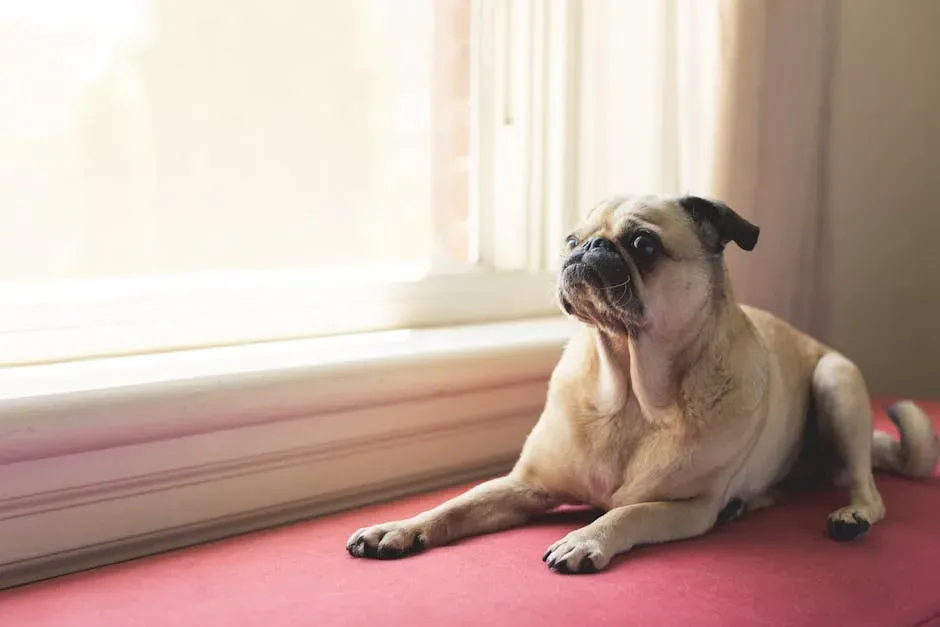
Pugs were literally bred to be companions. There’s no working background, no herding instinct, no high prey drive to manage. Just an ancient, affectionate little dog that wants to be near you. Centuries ago, the emperors of China loved their Pugs. These short-haired, muscular, 14-to-18-pound dogs were bred to be companions with even temperaments. Pugs tend to shed a lot, but are easily trained, playful with children, loving with their owners, and charming with strangers.
Pugs are the best dogs for those who prefer to curl up on the sofa with their furry friend by their side, with most of this breed’s time consisting of lounging and playing indoors. Loving and loyal, Pugs are devoted to their owners and enjoy taking naps. Their low-maintenance exercise needs make them ideal for someone who wants a loving companion without the demands of an athletic dog. They’re not flashy, but they are relentlessly devoted.
#18. Havanese – Social, Gentle, and Travel-Friendly
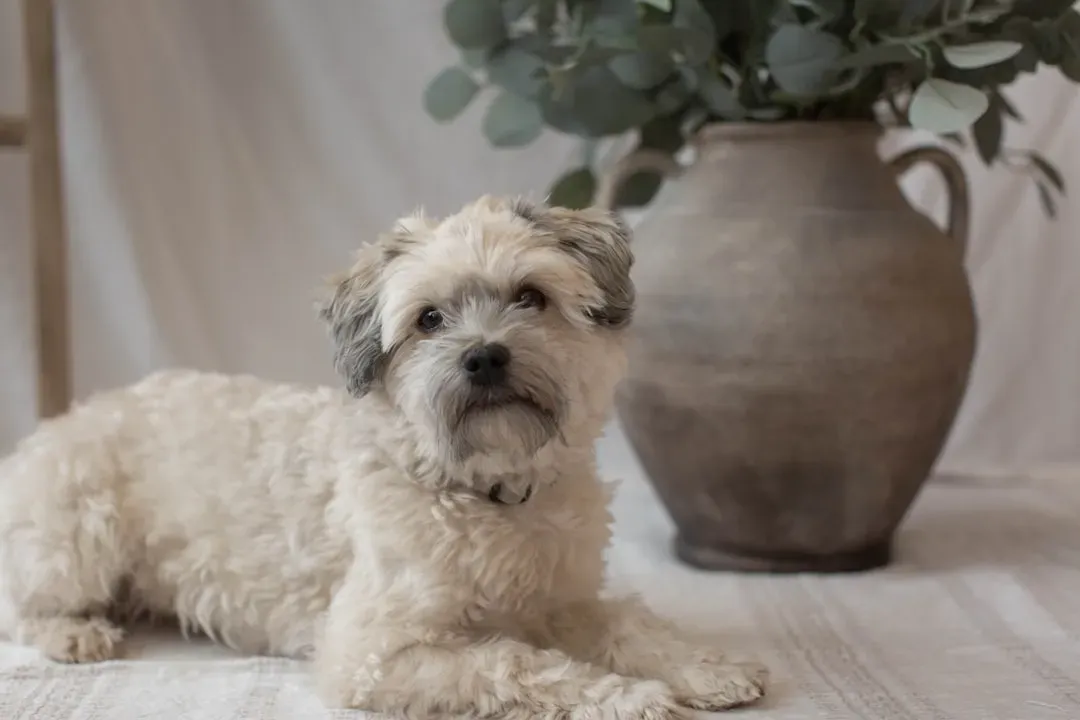
The Havanese has quietly become one of the most recommended breeds for people over 50, and it’s not hard to see why once you spend time with one. The only breed native to Cuba, the Havanese is a cheerful, quiet little dog described as happy, loving, intelligent, social, and accommodating. They’re content to stay inside and snuggle with their humans, and they don’t require much exercise but are happy to take occasional short walks.
Havanese are one of the most charming dogs – sociable, friendly, and highly trainable. Their miniature size and moderate exercise needs make them perfect for older people. For people who still want to travel, more hotels are becoming dog-friendly, and smaller, well-trained companions like the Havanese are ideal for those who want a portable companion that can quickly pick up and go. They’re adaptable in a way that larger breeds simply can’t match.
#19. Greyhound – The Surprising Couch Potato
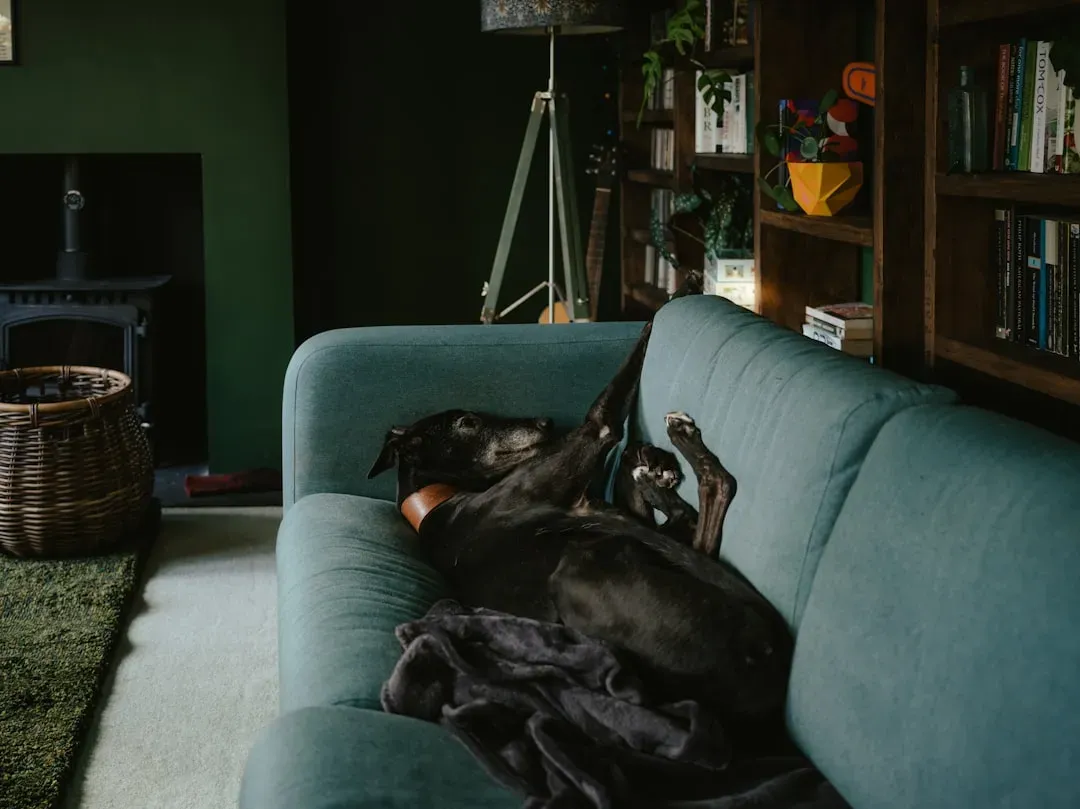
Almost nobody expects a Greyhound to make this list. The breed’s racing history creates an impression of boundless speed and energy, but the reality of retired Greyhounds is almost comically opposite. When you think of a Greyhound, you likely think of a race dog moving a mile a minute. However, despite their slender stature, this breed is known for their lazy personality at home.
Surprisingly, Greyhounds are among the most low-maintenance large breeds. While a greyhound may seem counterintuitive because you think they’re just going to be runners, they are also gentle, affectionate dogs that make a perfect garden companion. They’re quiet, they don’t bark excessively, and they’re remarkably gentle for their size. For someone who wants a larger dog without the chaos that often comes with one, the Greyhound is a genuinely surprising delight.
#20. Beagle – Curious, Even-Tempered, and Endearing
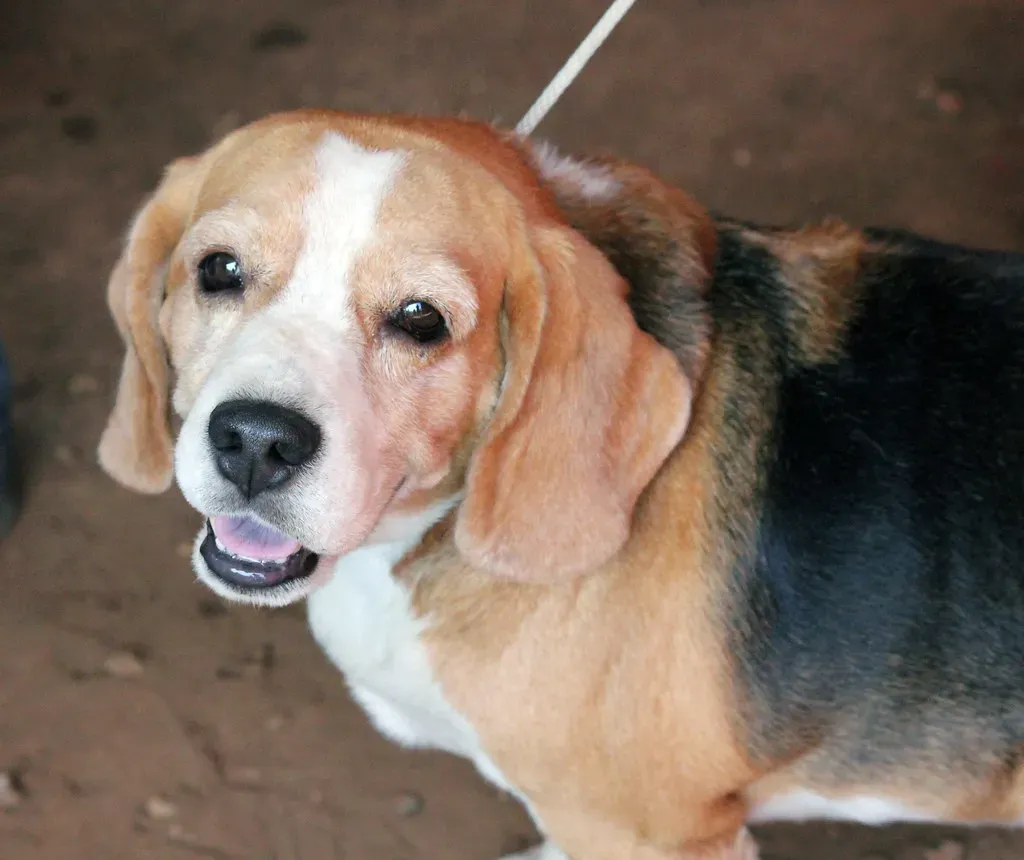
The Beagle has been a steadfast family favorite for generations, and it translates just as well to life with someone over 50 as it does to family homes with young children. Veterinarians suggest the Beagle as an “adaptable, versatile breed,” noting that their loving and curious nature – not to mention their even temper – make them an ideal pet.
Beagles are affectionate and loyal, so they can provide good companionship to older adults. They thrive on routine walks and moderate activity, which aligns well with the kind of gentle daily exercise that benefits people over 50 just as much as it benefits the dog. Dog ownership can reduce stress levels and blood pressure, and lower the risk of heart disease, while taking care of a dog helps owners stick to a healthy routine and exercise daily. The Beagle makes that daily rhythm feel less like obligation and more like something genuinely worth getting up for.
The Bottom Line: Match the Dog to the Life You’re Actually Living
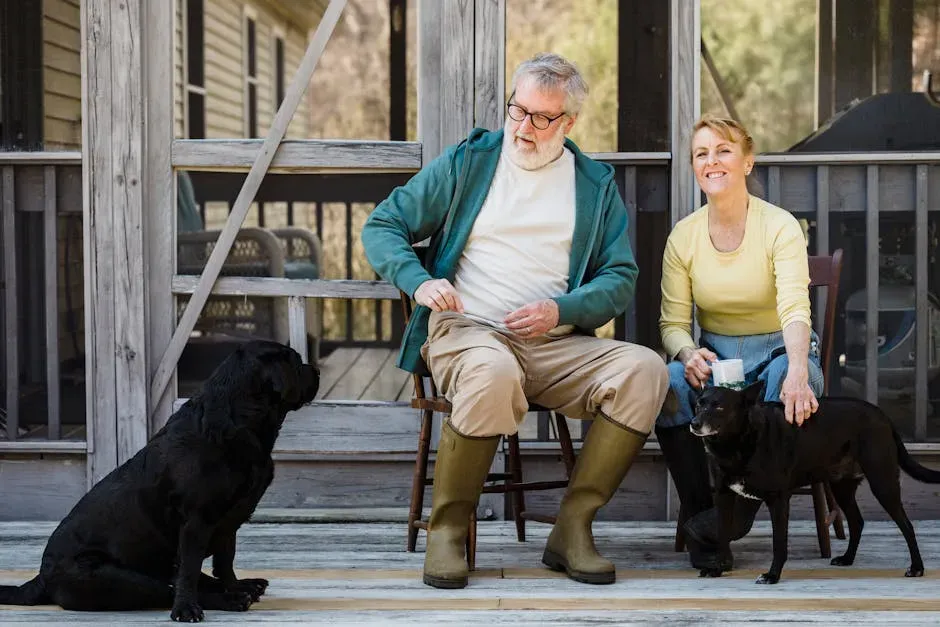
The breeds on this list represent two very different kinds of ownership experiences. On one side, dogs that can strain joints, drain energy, and turn daily walks into genuinely dangerous outings. On the other, breeds that seem to intuitively understand the value of a slower pace, a warm lap, and uncomplicated loyalty.
Choosing a dog after 50 isn’t about limitations. It’s about alignment. Considering a breed that’s good for your current lifestyle and situation is important when looking for the right dog to add to your family, and owners over 50 often make excellent dog guardians because they’re experienced, consistent, and present. That consistency is exactly what the best companion breeds thrive on.
The wrong breed in the right home is still the wrong breed. A Siberian Husky doesn’t become manageable because you love it deeply, and a Border Collie won’t dial down its intensity because your knees say no. What changes everything is an honest assessment of the life you’re living right now – not the one you imagine you might live, but the actual one. Adopting a calm breed or an already-trained older dog is always a sound option, because compatible furry friends can genuinely be found at any age, size, or level of energy. Get that match right, and the next chapter with a dog by your side might turn out to be one of the best decisions you ever made.


