
The Quiet Signal: When Your Dog’s Paw Licking Demands Attention
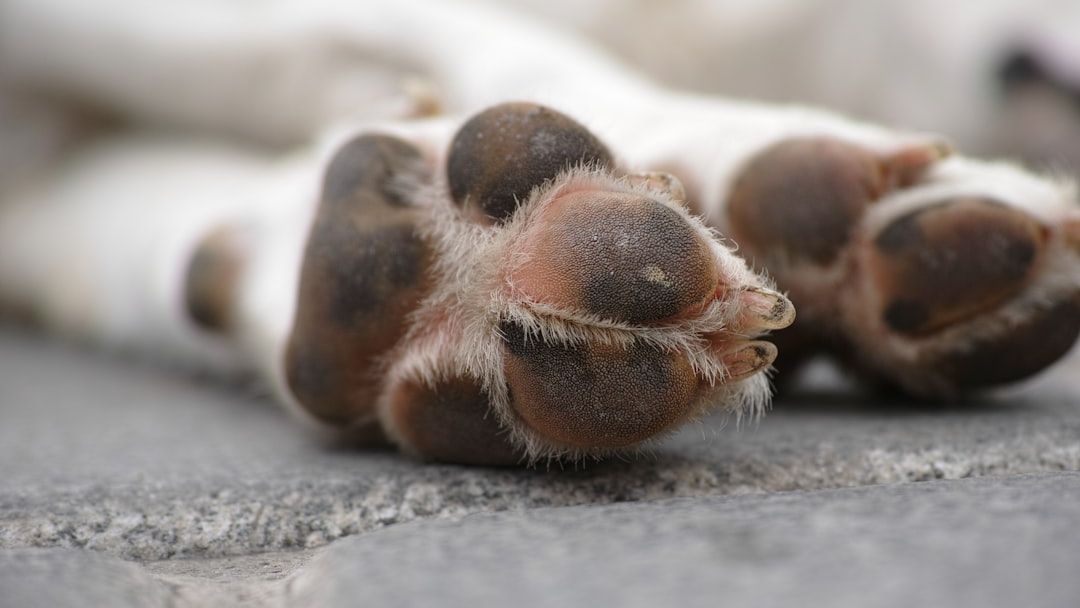
Every Dog Owner Has Wondered This – What It Really Means When Your Dog Won’t Stop Licking Their Paws – Image for illustrative purposes only (Image credits: Unsplash)
Many dog owners notice their pets pausing to lick a paw after a walk or during a relaxed evening at home. The action often looks routine and even soothing. When the behavior shifts from occasional to repeated and intense, however, it can reflect more than simple grooming.
Distinguishing Routine from Repetitive Action
Light, infrequent licking tends to occur after outdoor activity or as part of normal self-care. Dogs may clean between their toes or soothe minor irritation without drawing notice. The shift to persistent licking or chewing changes the picture. Owners begin to observe the same paw receiving attention multiple times a day or across several days in a row.
Consistency matters more than any single instance. A dog that returns to the same spot again and again may be responding to discomfort rather than habit. The difference lies in frequency and duration rather than the licking itself.
Patterns That Stand Out Over Time
Owners who track the behavior often notice clusters of activity. Licking may intensify after certain walks, during particular seasons, or following contact with new surfaces. Some dogs focus on one paw while others rotate among several. These patterns help separate ordinary maintenance from something that requires closer observation.
Chewing sometimes accompanies the licking and can lead to visible changes in the fur or skin. Redness or a damp appearance around the paw may appear after repeated sessions. Such visible signs usually prompt owners to consider whether the behavior has moved beyond normal limits.
Considering Next Steps
When the licking continues without an obvious external cause, many owners choose to consult a veterinarian. A professional examination can identify whether the issue stems from an environmental factor, a minor injury, or another source. Early attention often prevents the behavior from becoming more entrenched.
Simple adjustments at home, such as wiping paws after outings, sometimes reduce the frequency. Yet these measures work best alongside professional guidance rather than in place of it. The goal remains restoring comfort without unnecessary intervention.
Light afternoon licking remains common and usually harmless, yet consistent or intense sessions can point to underlying reasons worth exploring.
Paying attention to these quiet signals helps maintain a dog’s well-being over the long term. Small changes in daily routines often reveal important information when observed with care.