
Protecting Dog Coats Through Summer Heat
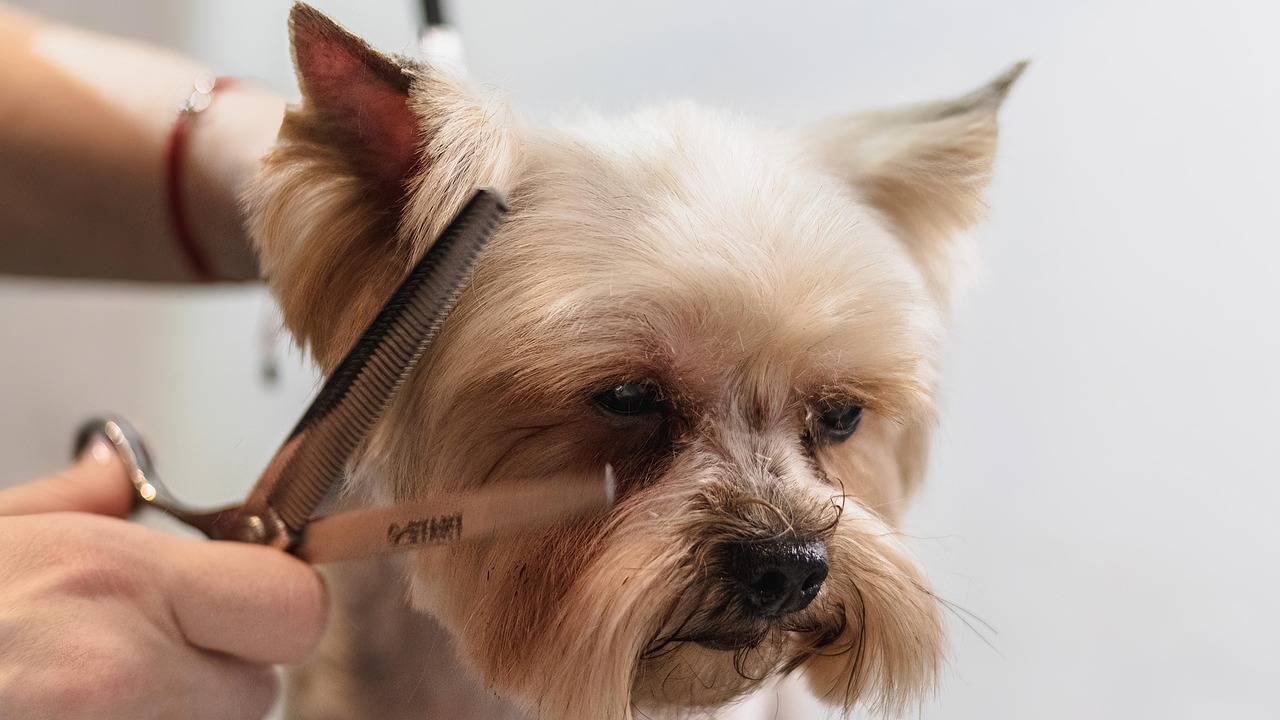
As warmer months arrive, a dog’s coat encounters increased exposure to heat, activity, and environmental factors that can affect its condition. Many owners observe shifts in shedding patterns or coat texture during this period. Attention to a few core practices helps maintain coat health without unnecessary complications.
Recognizing Individual Coat Differences
Each dog carries a coat shaped by breed, age, and genetics. Double-coated breeds shed underlayers differently than single-coated ones, and this variation influences how heat affects the fur. Understanding these traits allows owners to adjust routines rather than apply uniform methods across all dogs.
Some coats mat more readily in humidity, while others remain relatively open. Owners who note these patterns early can respond with targeted care instead of broad assumptions. The process remains straightforward once the specific coat type is identified.
Building a Consistent Brushing Routine
Regular brushing removes loose hair and prevents tangles that trap heat against the skin. Sessions performed several times a week often prove more effective than infrequent, lengthy efforts. The action also distributes natural oils that support coat resilience during active summer months.
Tools suited to the coat type matter. A slicker brush works well for longer or denser fur, while a bristle brush suits shorter coats. Over-brushing can irritate skin, so moderation remains important. Owners who establish a steady schedule notice fewer issues with matting or excessive shedding as the season progresses.
Brushing also offers a quiet moment to check for skin changes or external irritants. This observation supports overall coat maintenance without requiring additional steps. Consistency here forms the foundation for the other practices that follow.
Limiting Direct Sun Exposure
Prolonged time in direct sunlight can dry out a coat and increase discomfort for the dog. Shaded areas or shorter outdoor periods during peak heat reduce this risk. Owners who plan walks for early morning or evening hours often see better coat condition as a result.
Light-colored or thin-coated dogs may show greater sensitivity. Providing access to shade or lightweight coverings during unavoidable exposure helps protect the fur. The goal centers on balance rather than complete avoidance of outdoor time.
Selecting Suitable Grooming Products
Products labeled for dogs avoid ingredients that may irritate skin or strip protective oils. Human shampoos or harsh chemicals can disrupt the coat’s natural balance, especially in warmer weather when dogs drink more and sweat through their paws. Checking labels for pet-specific formulations supports safer use.
Frequency of bathing stays moderate. Over-washing removes essential oils that keep the coat supple. When cleaning becomes necessary, thorough rinsing prevents residue that might attract dirt or cause itching later.
Key points to remember:
- Match brushing and products to the dog’s specific coat type.
- Limit sun exposure through timing and shade.
- Use only dog-safe items and maintain moderate bathing.
- Observe changes and adjust routines as needed.
These steps together create a practical approach that adapts to individual dogs. Owners who apply them steadily often find their pets maintain healthier coats even as temperatures climb. Continued attention through the season supports comfort without added complexity.