
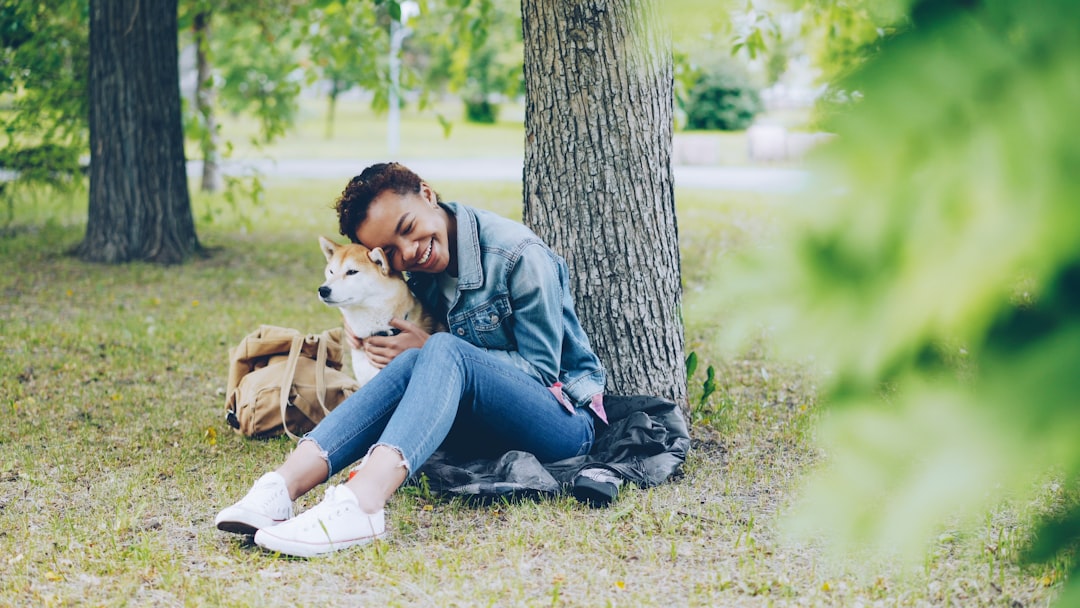
They Shadow Your Every Move
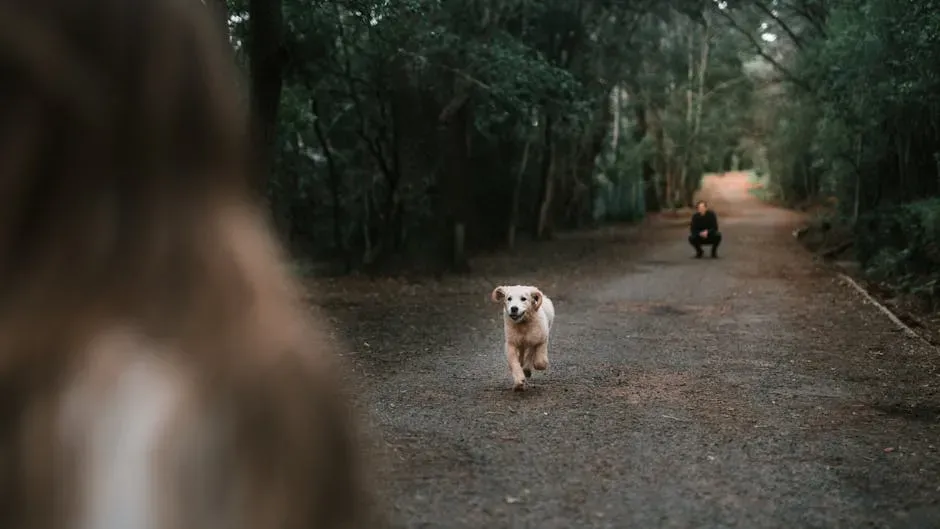
Many dogs begin by simply trailing behind their person from one room to the next. This habit goes beyond curiosity and turns into a steady presence that tracks your location throughout the day. Owners notice the dog pausing at doorways or settling nearby once you stop moving.
The behavior creates a sense of constant companionship without demanding attention. It often intensifies during times when you seem preoccupied or low on energy. Over weeks or months the pattern becomes reliable enough that you start expecting the soft footsteps behind you.
They Lean In During Quiet Moments
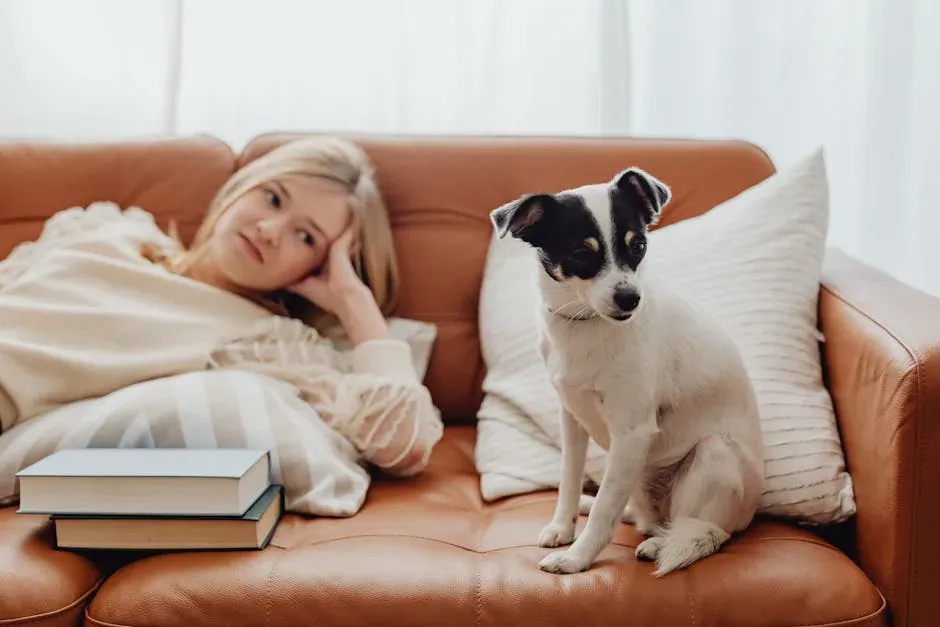
A dog that chooses to press its weight against your leg or side signals a desire for mutual comfort. The contact feels deliberate rather than accidental, especially when it happens while you sit still or read. Pressure from their body can last several minutes at a time.
This leaning tends to appear more frequently after you have experienced stress or sadness. It serves as a physical reminder that the dog registers your state and offers steady support. Many people describe the gesture as grounding in a way that words cannot match.
They Hold Steady Eye Contact
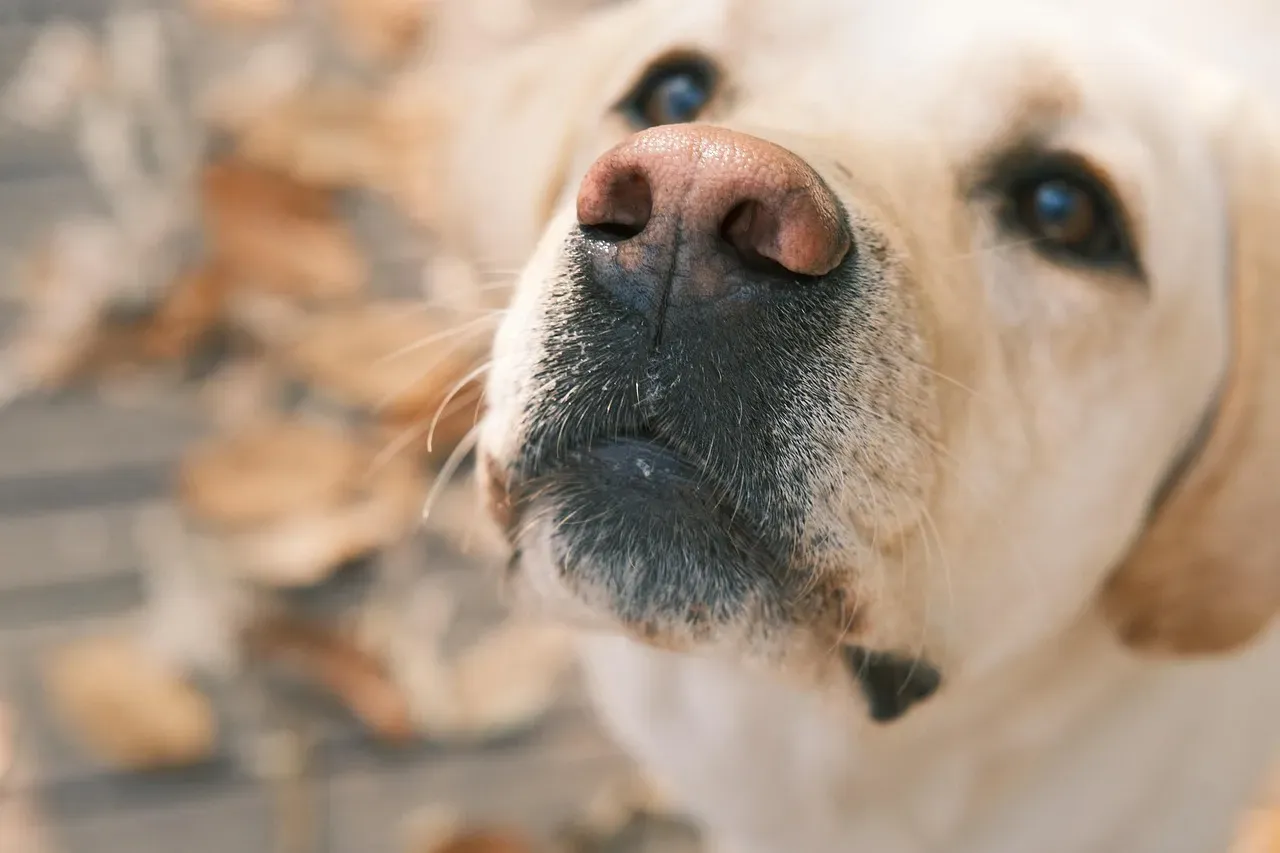
Prolonged, soft gazes from a dog often replace the quick glances of earlier days. The look carries a calm quality that feels like checking in rather than seeking treats or play. You might catch the dog watching from across the room before looking away again.
Such eye contact usually strengthens once the dog has lived with you for a while and observed your routines. It can occur right after you return home or during evening wind-down periods. The consistency suggests the animal tracks your emotional baseline over time.
They Bring Comfort Items Unprompted
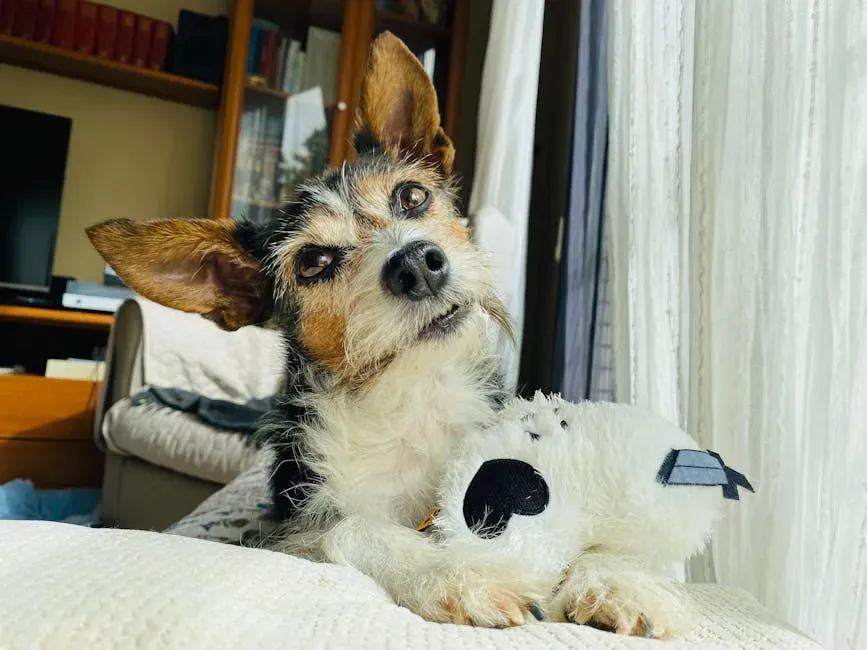
Some dogs start carrying favorite toys or blankets toward you without any request. The item lands near your feet or lap and stays there even if you do not engage with it immediately. The action repeats across different days and moods.
Owners report the behavior peaks when the household feels tense or when one person appears withdrawn. The dog selects objects that have previously been associated with calm or play. Delivery happens quietly, without the usual excited barking that accompanies fetch games.
They Position Themselves Between You and Tension
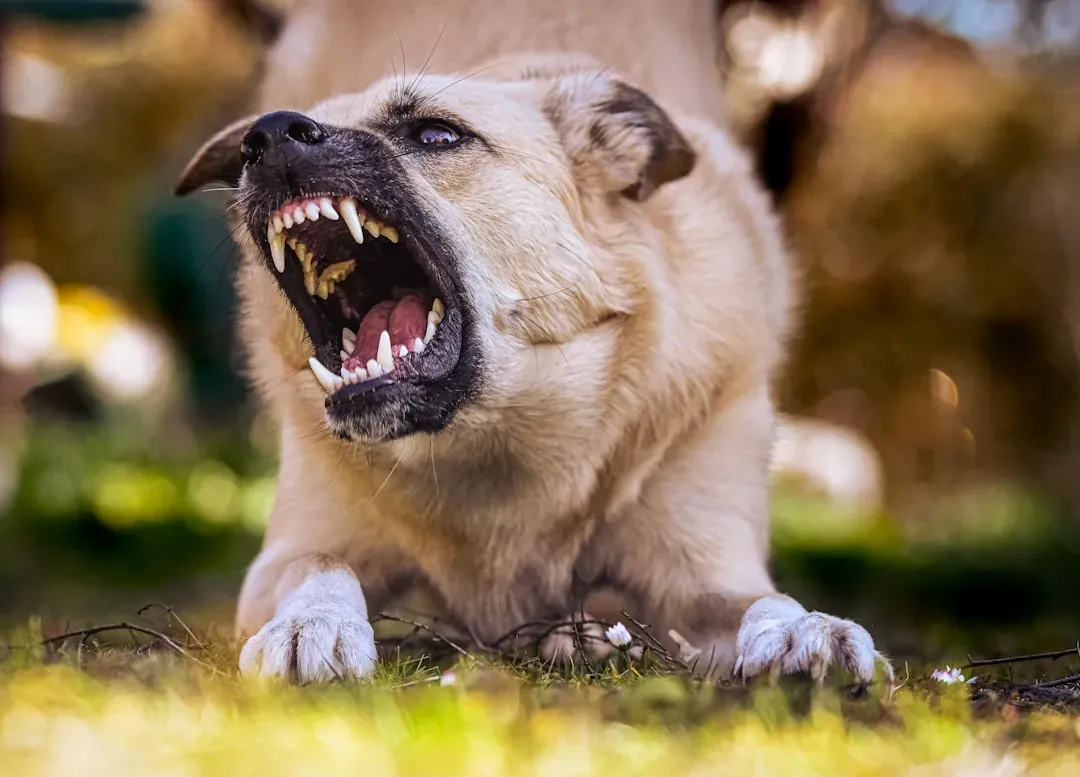
A dog may insert its body when voices rise or when visitors enter with high energy. The placement blocks direct line of sight or creates a physical buffer without aggression. The move happens quickly and then the dog remains still.
This positioning shows up most clearly during arguments, loud media, or unexpected knocks at the door. The dog does not leave until the atmosphere settles again. Repeated instances indicate the animal has learned to read household dynamics.
They Check on You at Night
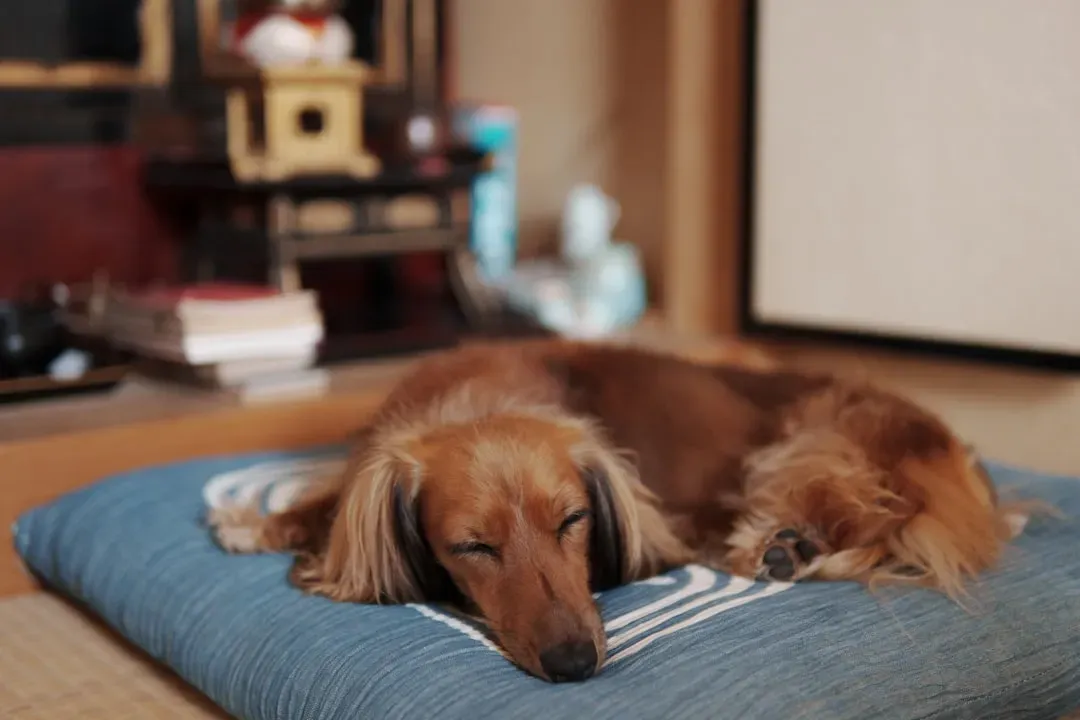
Many dogs develop a habit of rising from their own spot to visit your bedside or couch during sleep hours. The visit involves a brief sniff or gentle paw touch before the dog returns to rest. Frequency increases after difficult days.
The pattern persists even when the dog has its own comfortable bed elsewhere. Owners often wake to find the animal nearby rather than in its usual corner. The check-ins feel routine rather than anxious or needy.
They Mirror Shifts in Your Energy
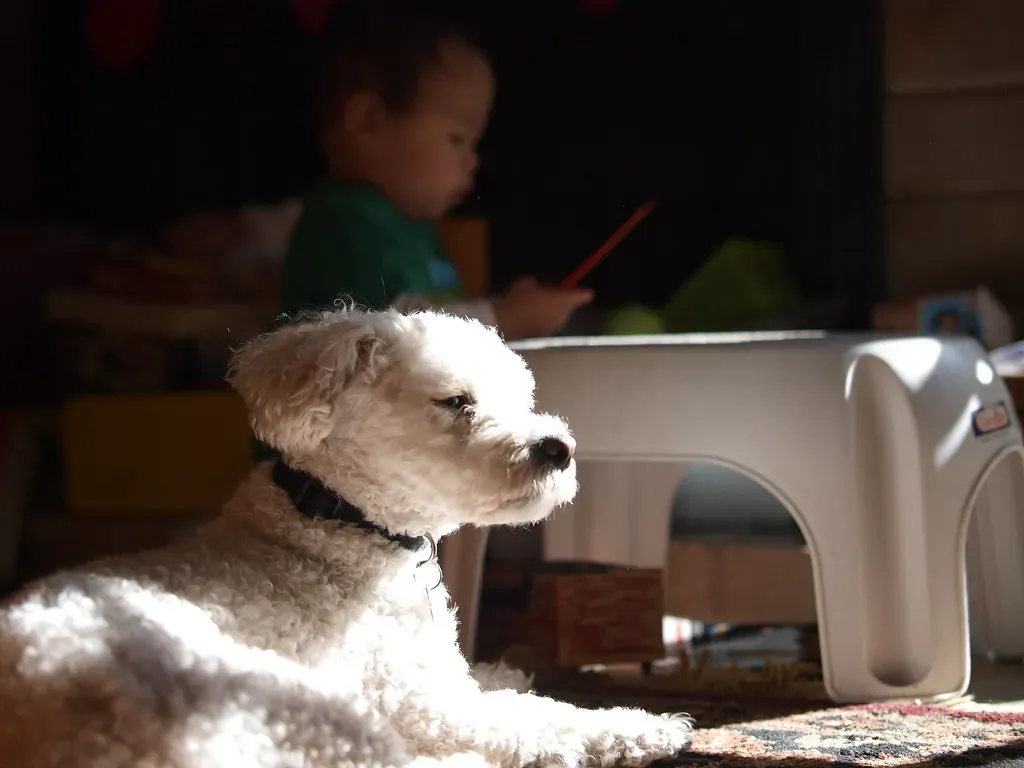
Dogs sometimes slow their own pace when you move more slowly or become subdued. Play invitations decrease while the dog stays close and quiet instead. The adjustment happens without training or correction.
Conversely, the same dog may initiate gentle activity once your mood lifts. The mirroring extends across multiple days rather than isolated incidents. It creates an unspoken rhythm that matches your emotional tempo.
They Wait Patiently at Thresholds
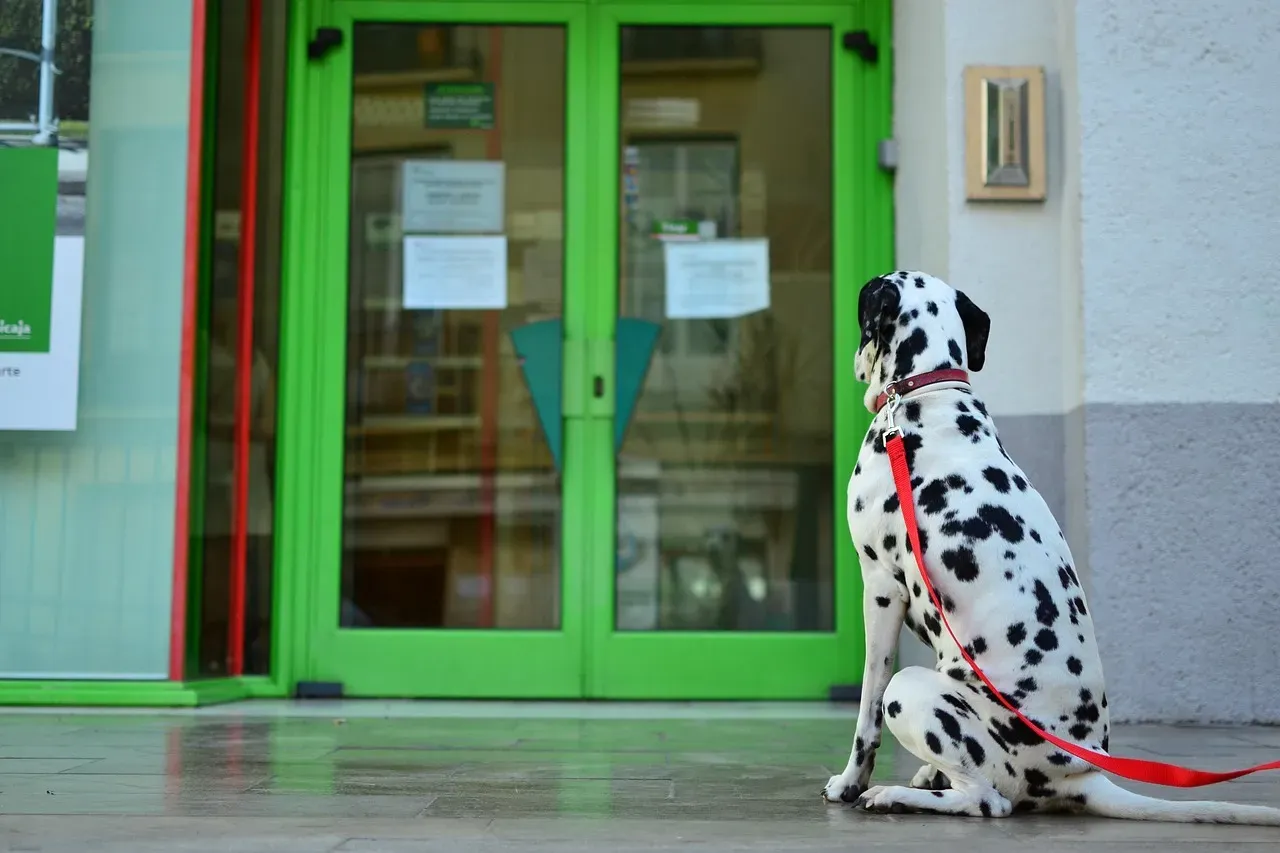
Some dogs station themselves near doors or entry points when you prepare to leave. They remain seated or lying down until you return, often choosing spots with clear views of the exit. The wait can last hours without restlessness.
This threshold behavior differs from separation anxiety because the dog stays relaxed. It appears most consistently with primary caregivers rather than every household member. The habit strengthens over years of shared routines.
They Offer Gentle Nudges During Distress
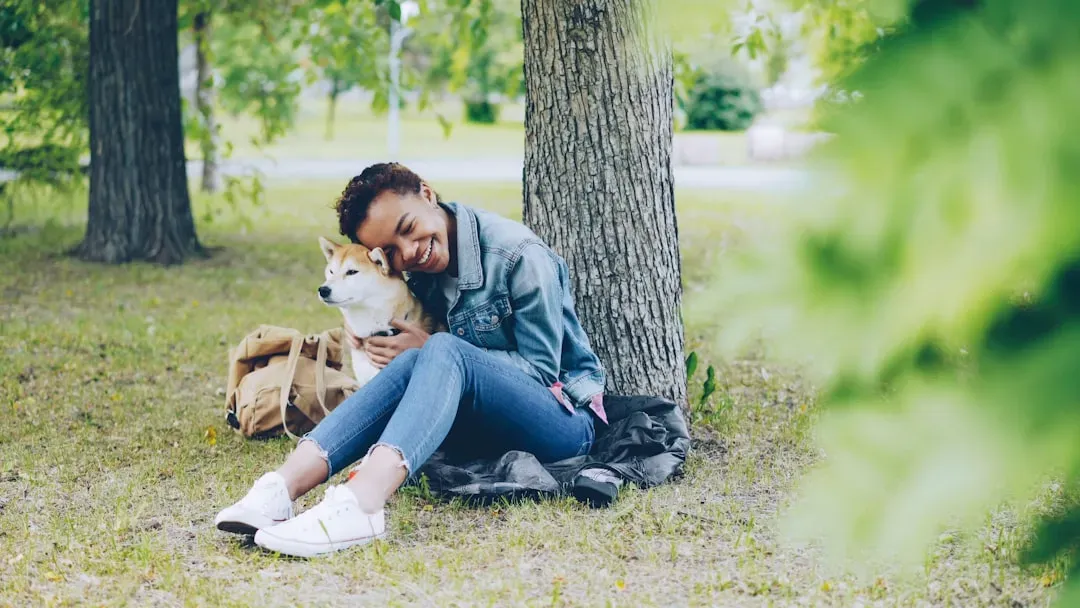
A nose or paw placed lightly against your hand or knee can arrive exactly when tears or frustration surface. The contact stays brief and does not escalate into demands for attention. It repeats only if the emotional state continues.
Owners notice the timing aligns closely with their own breathing changes or sighs. The nudge feels calibrated rather than random. Over time the gesture becomes a reliable signal that the dog has registered the moment.
They Share Their Favorite Resting Spots
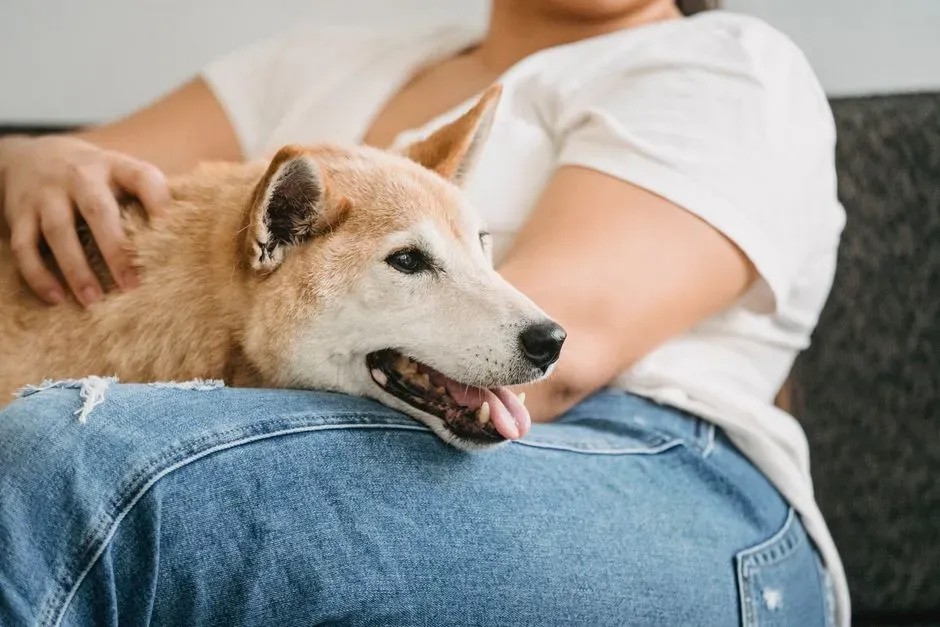
Dogs that once guarded their beds or blankets may begin inviting you into those spaces. They shift over or rest their head on your lap while occupying the same cushion. The invitation occurs without prompting during relaxed evenings.
The sharing extends to car seats or porch chairs where the dog previously claimed sole territory. It signals a deepening trust that your presence enhances rather than disrupts comfort. The change develops gradually across seasons.
They Maintain Long-Term Vigilance
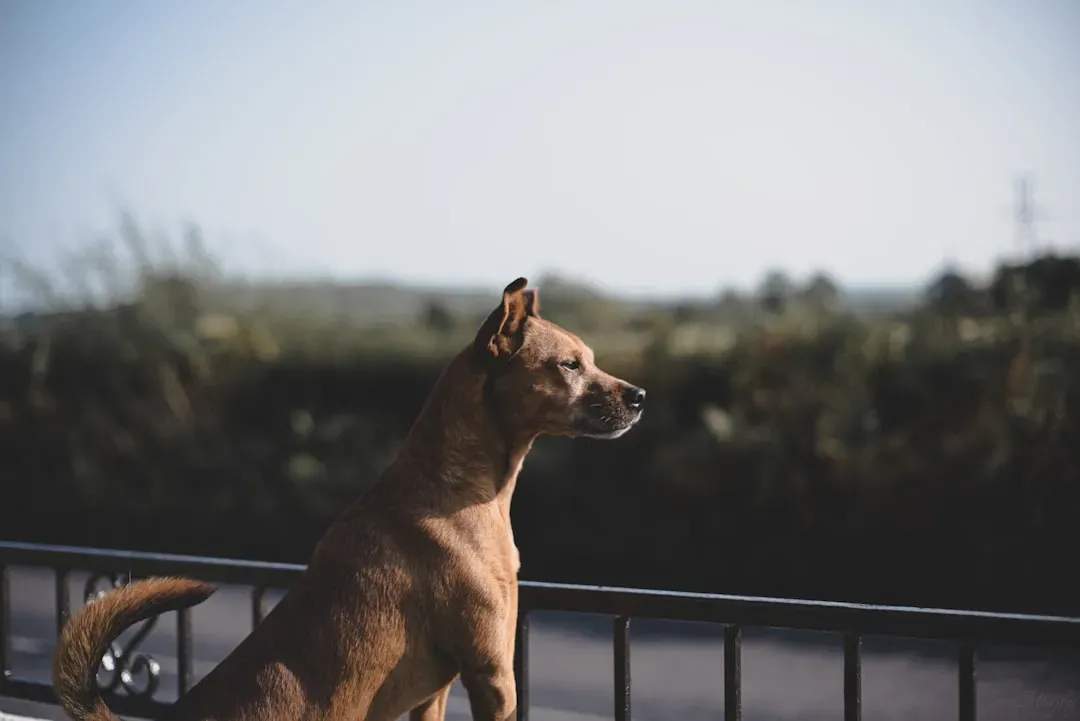
After months or years together, some dogs continue subtle watchfulness even during your healthiest periods. They glance toward you during conversations or pause activities when your tone changes. The attentiveness never fully fades.
This ongoing awareness shows in small adjustments like choosing seats that face your usual chair. The dog integrates your well-being into its daily decisions without fanfare. The pattern becomes part of the household rhythm that both parties rely upon.
These quiet commitments add layers of steadiness to daily life that few other relationships match. Paying attention to them deepens the connection and reminds us how much presence matters. In the end the real gift lies in recognizing the guardianship and offering the same steady care in return.


