
7 Dog Breeds That Were Specifically Developed to Keep People With Chronic Illness From Feeling Alone

Living with a chronic illness can quietly rearrange your entire life. Plans get canceled, energy disappears without warning, and suddenly it feels like the world is moving on without you. In those long, isolated stretches – especially when everyone else is busy, asleep, or just far away – the simple presence of another living being can feel like a lifeline.
That’s where certain dog breeds step into something close to a superpower. While any dog can offer comfort and love, a handful of breeds were intentionally developed or heavily refined to live in close partnership with humans – often staying right by their side, reading subtle cues, and offering constant companionship. Let’s look at seven of these breeds, how they were shaped by history, and why they can be such powerful allies for people living with chronic illness.
Labrador Retriever: The Gold Standard of Support

If you picture a service dog in your mind, there’s a good chance you see a Labrador. That’s not an accident. Labradors were originally developed in Newfoundland as water dogs helping fishermen retrieve nets and caught fish. Over time, breeders in Britain refined them into patient, trainable, people-focused companions – the exact traits that later made them the dominant breed in guide dog and assistance dog work worldwide.
For someone with chronic illness, that history translates into a dog that genuinely seems wired to notice and be near their people. Labs tend to blend an easygoing temperament with a strong desire to engage, which is ideal when your energy levels are unpredictable. They can learn complex tasks for mobility or medical alert work, but they are also happy just curling up on the couch during flare days, content simply to exist in the same space as you.
Golden Retriever: Gentle Guardian of Emotional Health

Golden Retrievers were developed in Scotland in the nineteenth century for retrieving game on estates, but from the beginning they were bred to be soft-mouthed, biddable, and deeply people-oriented. Those traits made them not only excellent working dogs but also remarkably tuned in to human emotions. It is not just a stereotype: many Goldens seem almost hyper-aware of changes in mood, posture, or voice tone.
For people living with long-term conditions like chronic pain, autoimmune disease, or fatigue syndromes, that emotional intelligence can be a game changer. Goldens often respond to sadness or distress by scooting closer, leaning in, or calmly resting their head on you. They are also frequently chosen as therapy and emotional support dogs in hospitals and care homes, which says a lot about how reliably they can provide calm, nonjudgmental presence in tough moments.
Poodle: The Brainy Partner Behind Many Service Dogs

Poodles might still have an unfair reputation as decorative dogs, but historically they were serious workers. They were originally developed as water retrievers in Europe and valued for their intelligence, problem-solving ability, and strong bond with their handler. Those traits didn’t disappear – they were shaped and reinforced over generations, which is why Poodles consistently rank among the most trainable breeds today.
For someone with a chronic illness, a well-bred Poodle can be both practical and emotionally grounding. Their quick learning and focus make them excellent at complex medical alert or mobility tasks, such as picking up dropped items, retrieving medications, or even interrupting certain behaviors. On a more human level, they are often velcro dogs – they like to be where you are, following from room to room, quietly insisting that you’re not going through this day on your own.
Cavalier King Charles Spaniel: The Modern Lap Companion

The Cavalier King Charles Spaniel was very intentionally developed as a companion breed. Its ancestors were toy spaniels that lived in royal courts and aristocratic homes, often spending hours curled up on laps. Breeders focused less on hunting prowess and more on a calm, affectionate temperament and a strong desire to stay close to people. That history shows in how Cavaliers behave today.
For people whose illnesses limit mobility or confine them to bed or the sofa for long periods, a Cavalier can feel like a small, steady heartbeat right next to their own. They tend to be gentle, adaptable, and more interested in snuggling than high-intensity activity, which meshes well with low-energy days. Their size also makes them easier to manage in apartments or smaller living spaces, where big, boisterous dogs might feel overwhelming.
Papillon: Tiny Dog, Big Emotional Presence

Papillons, with their butterfly-like ears, were bred from small spaniels that appeared in art as companions to European nobility. Over time, breeders developed a small, bright, highly responsive dog that lives for interaction and mental stimulation. Even though they’re tiny, they are not fragile personalities; many Papillons behave like big dogs in little bodies, confident and very attached to their humans.
That combination of size and personality can be surprisingly helpful for people with chronic illness. A Papillon does not require the physical exertion of a large working breed, but still brings a lot of energy, humor, and companionship into the home. They tend to notice when you move, change position, or get up, and they often trot along after you as if they are personally supervising your day. When the outside world feels out of reach, having a small, bright creature invested in your every step can break through the sense of isolation.
Standard Schnauzer: The Watchful, Ever-Present Ally

Standard Schnauzers were developed in Germany as multipurpose farm and guard dogs. They were bred to stick close to their people, keep an eye on the property, and react quickly to changes in the environment. That working background encouraged traits like attentiveness, loyalty, and a readiness to respond when something seemed off – all of which can be directed toward support roles today.
In a chronic illness context, that means a Schnauzer may naturally notice changes in your routine, gait, or behavior. Many owners describe them as watchful without being needy, which can feel reassuring when you want companionship but not constant demands. Their moderate energy levels, combined with strong trainability, can make them suitable for tasks like alerting to sounds, fetching items, or simply acting as an anchor when you feel unsteady or anxious about being alone.
Collies: Sensitive Partners With a Long History of Care
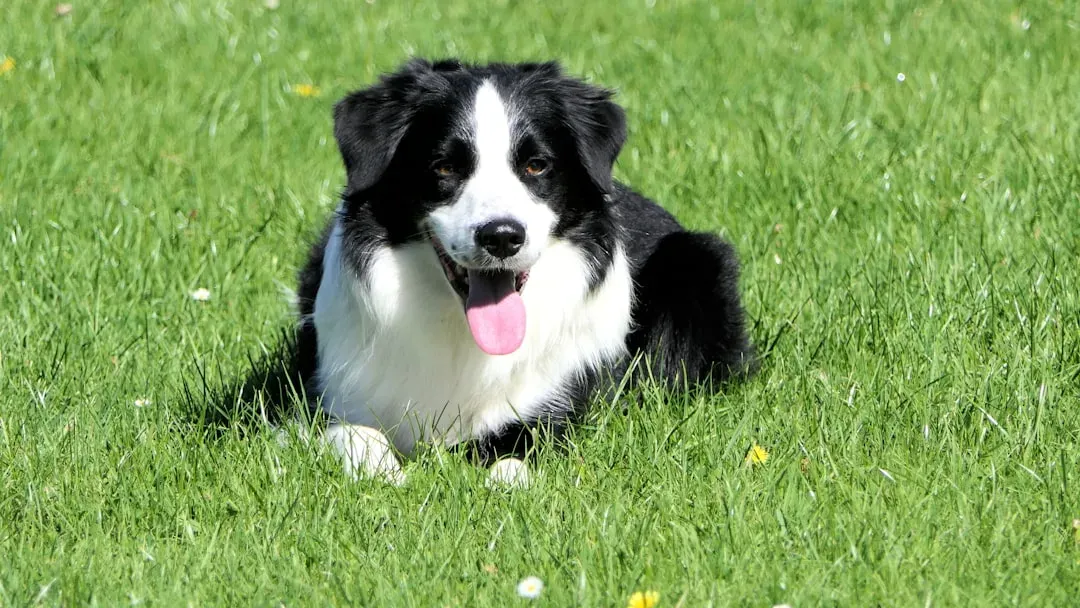
Collies, both Rough and Smooth varieties, were developed in the British Isles as herding dogs, responsible not just for moving flocks but for monitoring and protecting them. That job selected for dogs that could read complex situations, respond to subtle signals, and stay closely tuned to whoever was in charge. Over time, Collies also became known as family dogs that often gravitated toward children or vulnerable members of the household.
For people with chronic conditions, that deep sensitivity can feel almost uncanny. Collies often form strong bonds with a single person and will track them persistently, lying nearby, shadowing them between rooms, or checking in frequently. When your health feels unpredictable, it can be profoundly comforting to have a dog who seems to take your wellbeing as seriously as you do, treating you almost like a flock member who needs gentle, constant watching.
Conclusion: Dogs Cannot Cure Chronic Illness, But They Can Transform How It Feels

None of these breeds can erase the reality of chronic illness, and it would be dishonest to pretend otherwise. Symptoms, limitations, and medical uncertainty do not vanish just because a dog is lying at your feet. But what these particular breeds offer – shaped by generations of deliberate breeding for closeness, attentiveness, and partnership – is a different way to inhabit that reality, one where you are not left to face each difficult day completely alone.
My own opinion is that we still underestimate how powerful that kind of companionship can be. When a dog learns your rhythms, senses your bad days before you say a word, and chooses every single day to stay beside you, it quietly reframes what “sick” looks like: not just a body that struggles, but a life that is still shared, loved, and worth investing in. If you live with chronic illness, which of these dogs can you imagine curling up beside you on your hardest days – and how much difference might that small, steady presence actually make?