

Imagine the depth of a dog’s loyalty, so profound that even after being abandoned, they carry the memory of their previous owner in their hearts. Dogs possess an incredible capacity for emotional attachment, and the scars of abandonment can linger long after the physical separation. If you’ve welcomed a rescue dog into your home, you might notice certain behaviors that hint at their unresolved past. Here are 11 signs that suggest left them behind.
1. Persistent Anxiety in Familiar Settings
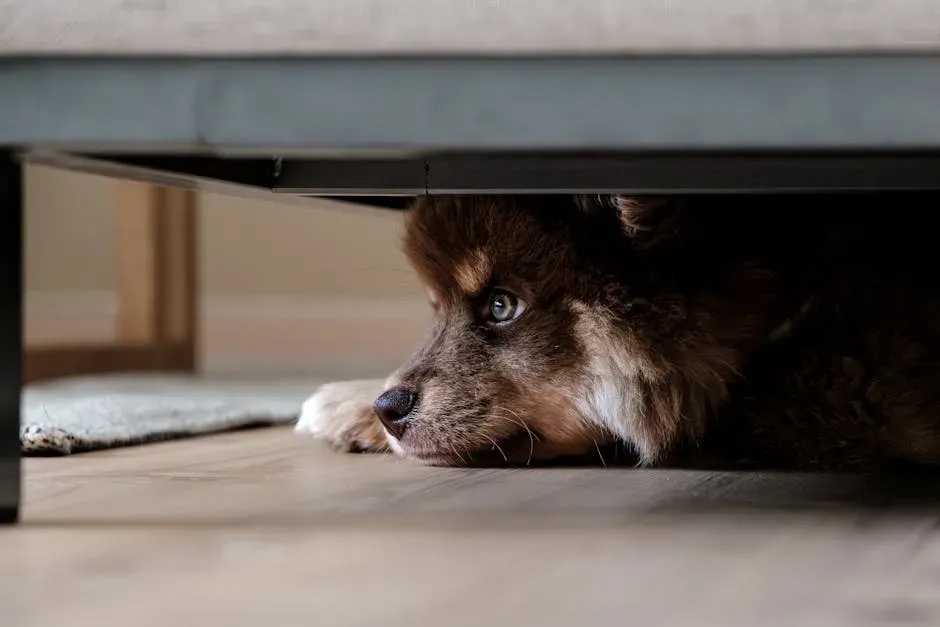
Does your dog seem unusually anxious in environments that should be comforting? This could be a sign that certain places or situations trigger memories of their previous owner. For instance, a particular park or street might remind them of past walks, leading to visible distress or restlessness.
Such anxiety often manifests as pacing, whining, or even attempts to escape. It’s as if they’re searching for someone they expect to find in these familiar settings, unable to comprehend their absence.
2. Overreaction to Specific Sounds

Have you noticed your dog reacting strongly to certain sounds, like a car engine or a specific ringtone? Dogs have an acute sense of hearing and can associate particular sounds with people or events from their past.
If a sound linked to their previous owner plays, they might become alert, excited, or even agitated, displaying behaviors that suggest they’re anticipating a reunion that never comes.
3. Hesitation Around New People

Some dogs exhibit wariness or hesitation when meeting new individuals, especially if they’ve experienced abandonment. This cautious behavior can stem from a lingering attachment to their former owner, making them reluctant to form new bonds.
They might keep their distance, avoid eye contact, or display submissive postures, indicating a mix of hope and fear rooted in their past experiences.
4. Seeking Out Familiar Scents
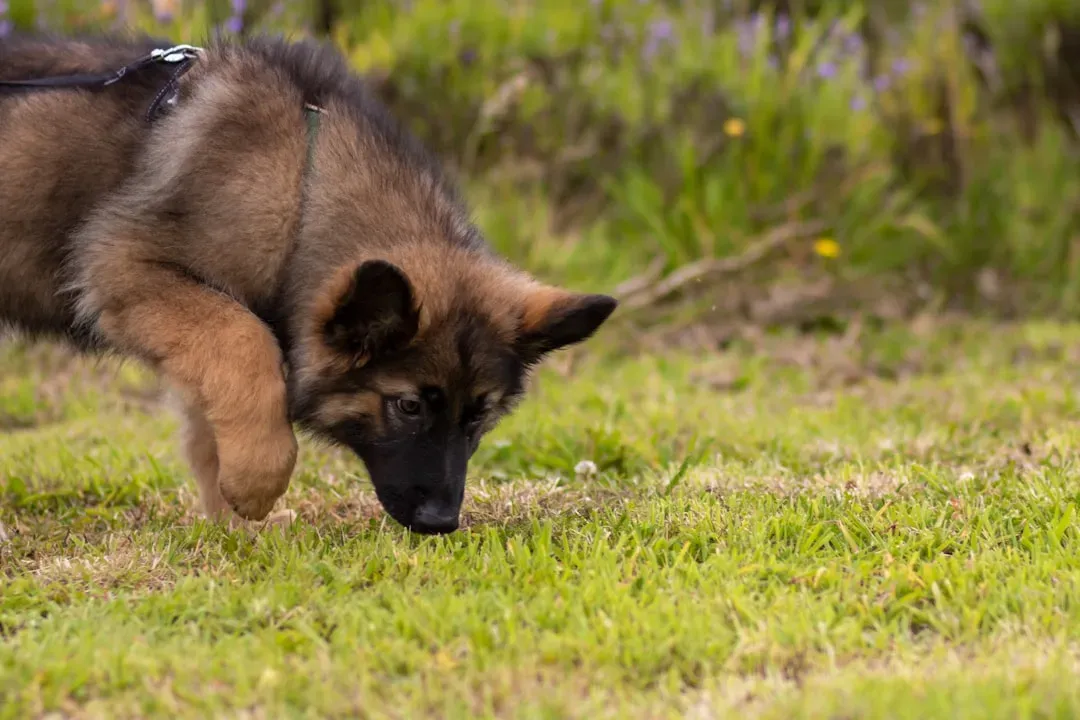
Dogs rely heavily on their sense of smell to navigate the world. If your dog seems particularly drawn to certain scents, it could be because they resemble the scent of their previous owner.
They might linger around clothing, furniture, or even strangers who carry a similar fragrance, displaying behaviors like sniffing intensely, whining, or showing signs of excitement.
5. Displaying Depression-Like Symptoms
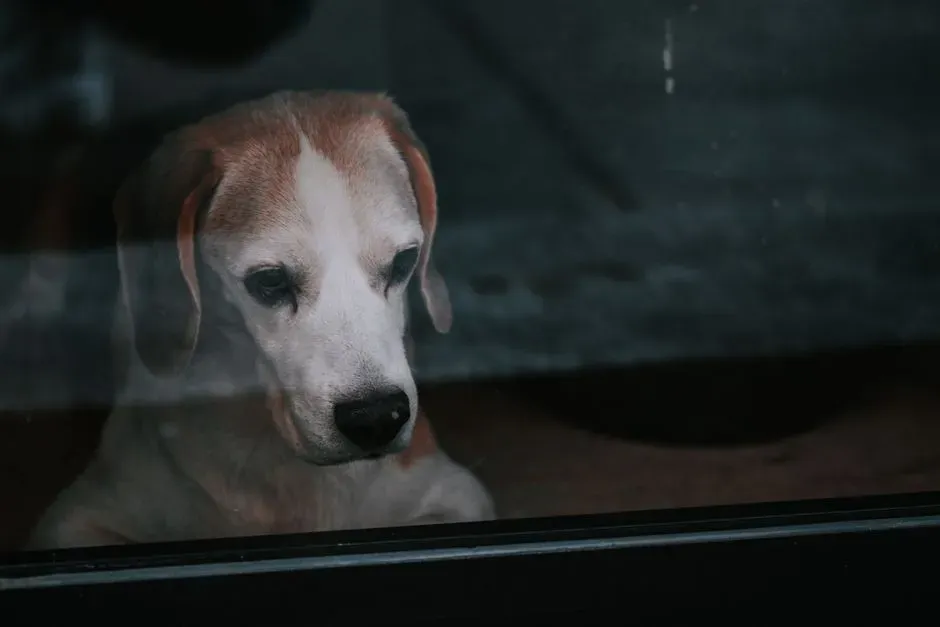
Signs of depression in dogs, such as lethargy, loss of appetite, or disinterest in play, can indicate that they’re mourning the loss of a previous owner. This emotional state suggests that the bond they once had continues to affect their well-being.
It’s essential to provide patience and understanding, as these symptoms reflect a deep-seated longing and confusion about their changed circumstances.
6. Reacting to Their Previous Name

If you happen to know your dog’s former name and they respond to it, it’s a clear indication that they remember their past. This response can be immediate, with ears perked up, tail wagging, or even searching for the familiar voice that once called them.
Such reactions highlight the lasting impact of their previous identity and the associations tied to it.
7. Guarding Behavior in Certain Areas

Does your dog become protective or territorial in specific areas of your home or during walks? This behavior might be linked to memories of their previous living environment or routines established with their former owner.
They might bark, growl, or position themselves defensively, as if guarding a space they once shared with someone significant.
8. Unusual Attachment to Personal Items

Some dogs develop a strong attachment to particular objects, such as a blanket, toy, or piece of clothing. If these items resemble or carry the scent of their previous owner, the dog might use them as a source of comfort.
They may carry the item around, sleep with it, or become distressed if it’s taken away, indicating a deep emotional connection to their past.
9. Displaying Separation Anxiety

Separation anxiety is common in dogs with a history of abandonment. They might become extremely distressed when left alone, exhibiting behaviors like destructive chewing, excessive barking, or attempts to escape.
This anxiety stems from the fear of being left again, a lingering effect of their previous experience with abandonment.
10. Reacting to Familiar Vehicles

If your dog shows excitement or agitation upon seeing a particular type of vehicle, it could be because it resembles the one their previous owner drove. They might pull towards it, wag their tail, or display signs of anticipation.
Such reactions suggest that the sight of the vehicle triggers memories of past rides or the arrival of someone they once loved.
11. Exhibiting Restlessness During Specific Times
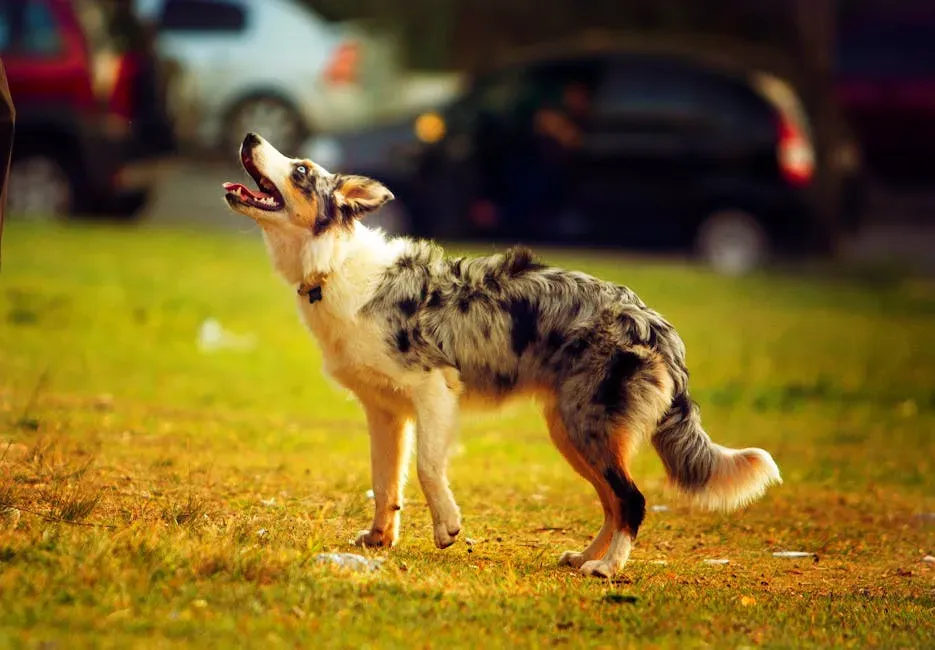
Dogs thrive on routine, and if they were accustomed to certain activities at specific times with their previous owner, they might become restless during those periods. For example, if they always went for a walk in the evening, they might pace or whine around that time.
This behavior indicates that their internal clock still aligns with past routines, reflecting an enduring memory of their former life.
Understanding these signs is crucial for providing the support and patience a rescue dog needs. Recognizing that their past experiences continue to influence their behavior allows us to offer the compassion and stability they require to heal and build new, trusting relationships.
Have you noticed any of these behaviors in your rescue dog? How have you helped them adjust and feel secure in their new home?


