
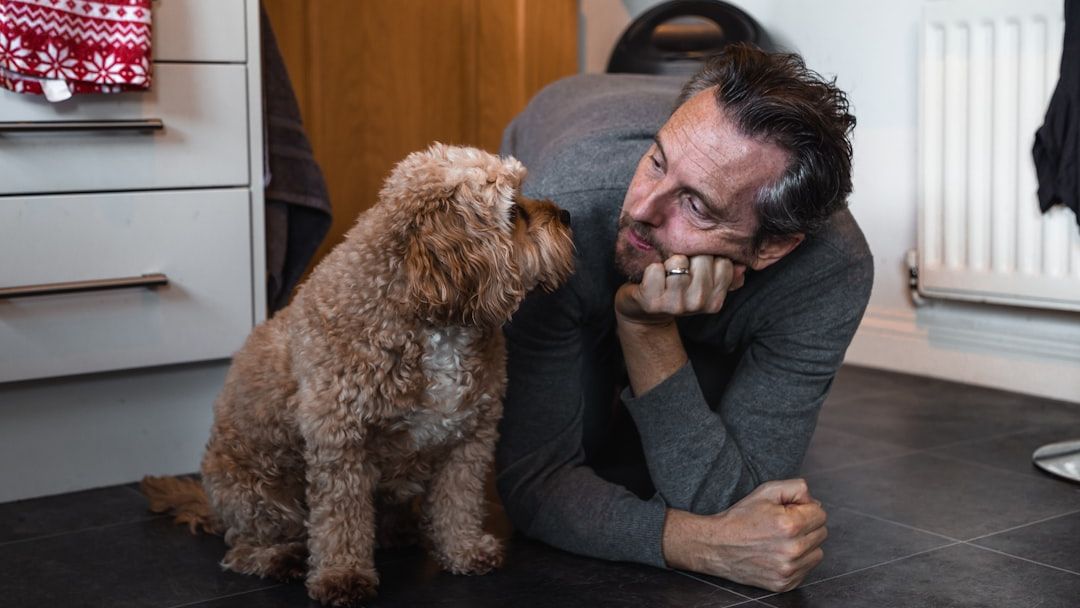
They Follow You From Room to Room
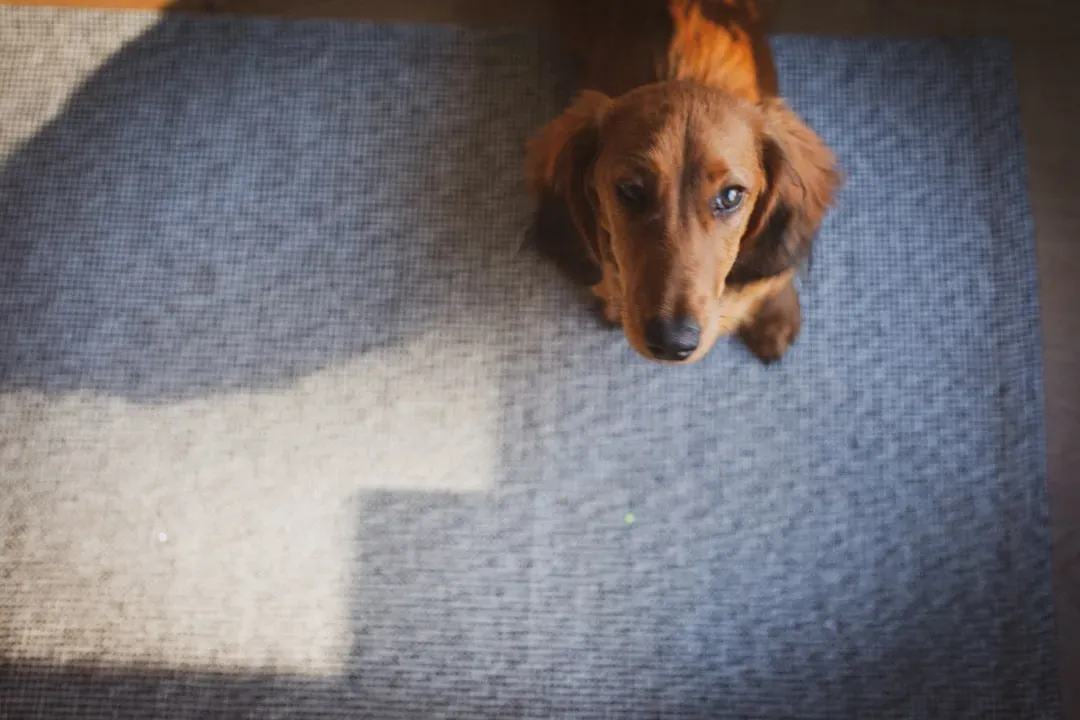
Many dogs trail their chosen person without making a sound. They pad along behind you as you move through the house, pausing only when you stop. This steady presence reflects a preference for your company over solitude or other distractions in the home.
The behavior shows up even during ordinary tasks like folding laundry or checking the mail. Your dog does not demand attention during these moments. Instead they simply stay close, content to share the space wherever you happen to be.
They Lean Into You for Support
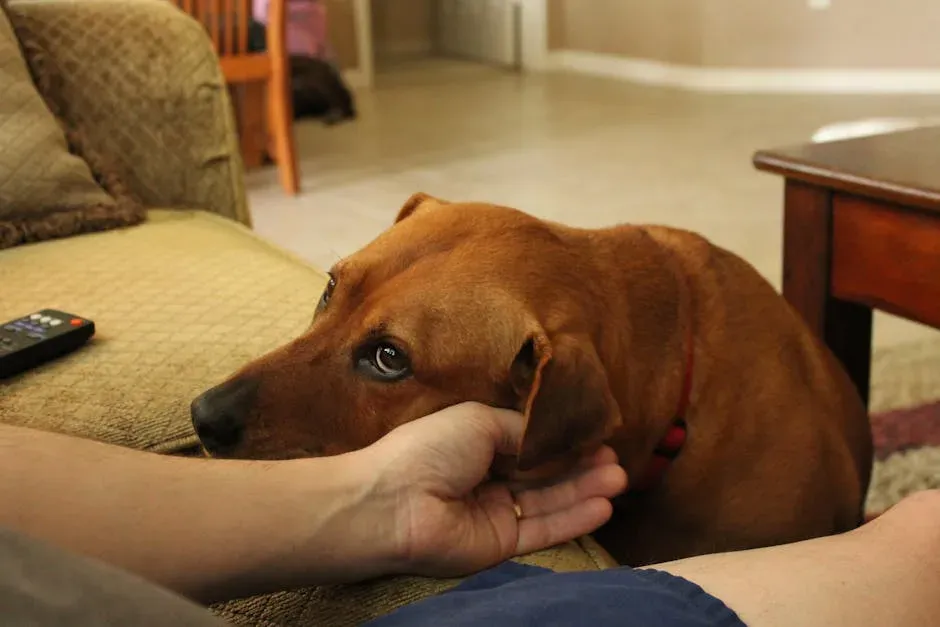
Leaning serves as a physical expression of trust. When your dog presses their weight against your leg or side they are seeking reassurance from the one they view as safe. This contact often occurs during moments of uncertainty, such as loud noises or unfamiliar visitors.
Over time the gesture becomes a quiet habit rather than an occasional request. Your dog chooses your steady presence as their point of calm. The action requires no words, only the simple act of staying near.
They Hold Your Gaze Longer Than Expected
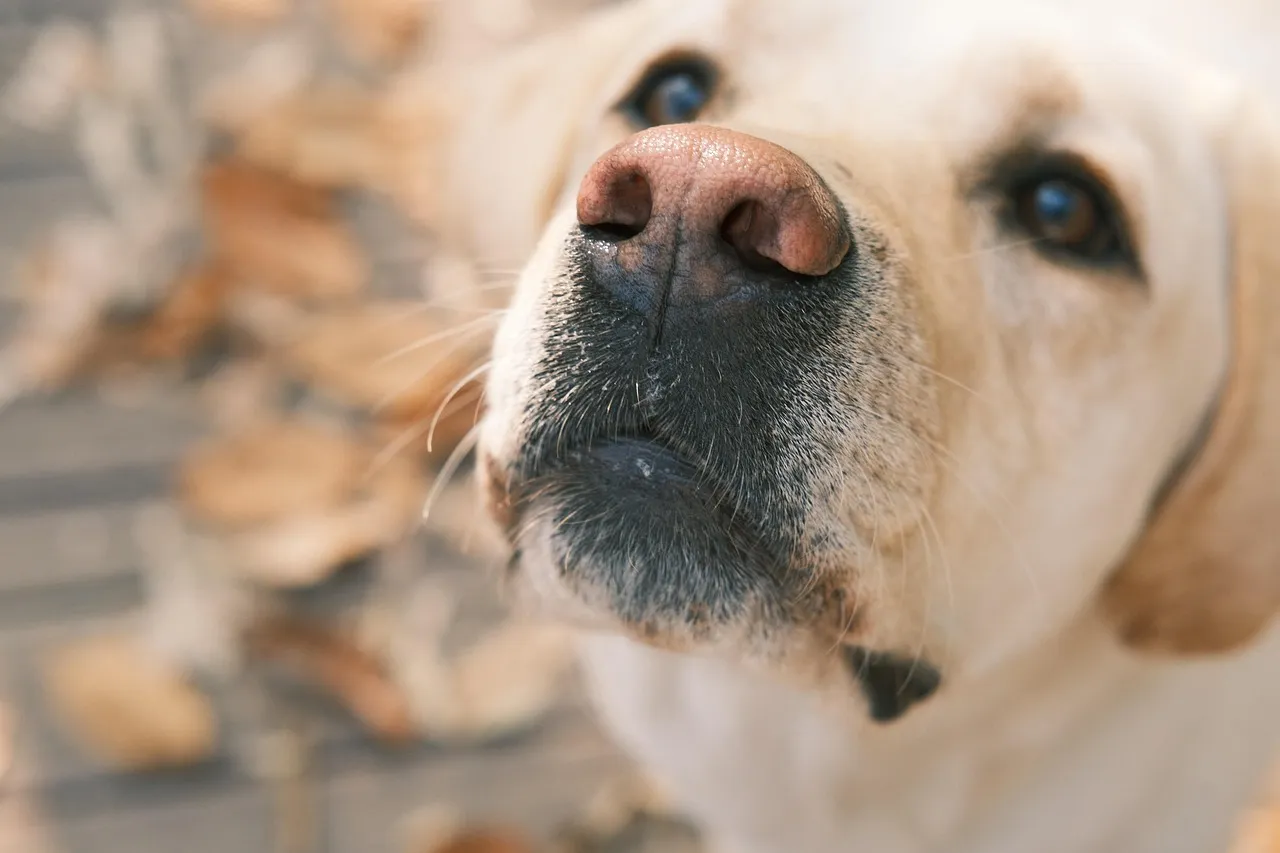
Eye contact between dogs and people can signal affection when it feels relaxed and mutual. Your dog may look at you during calm moments, blinking slowly or softening their expression. This sustained connection differs from the quick glances given to others in the household.
The habit strengthens the bond without fanfare. Dogs that pick one person often reserve these longer looks for that individual alone. It becomes a private language built on comfort rather than demand.
They Bring You Their Favorite Items
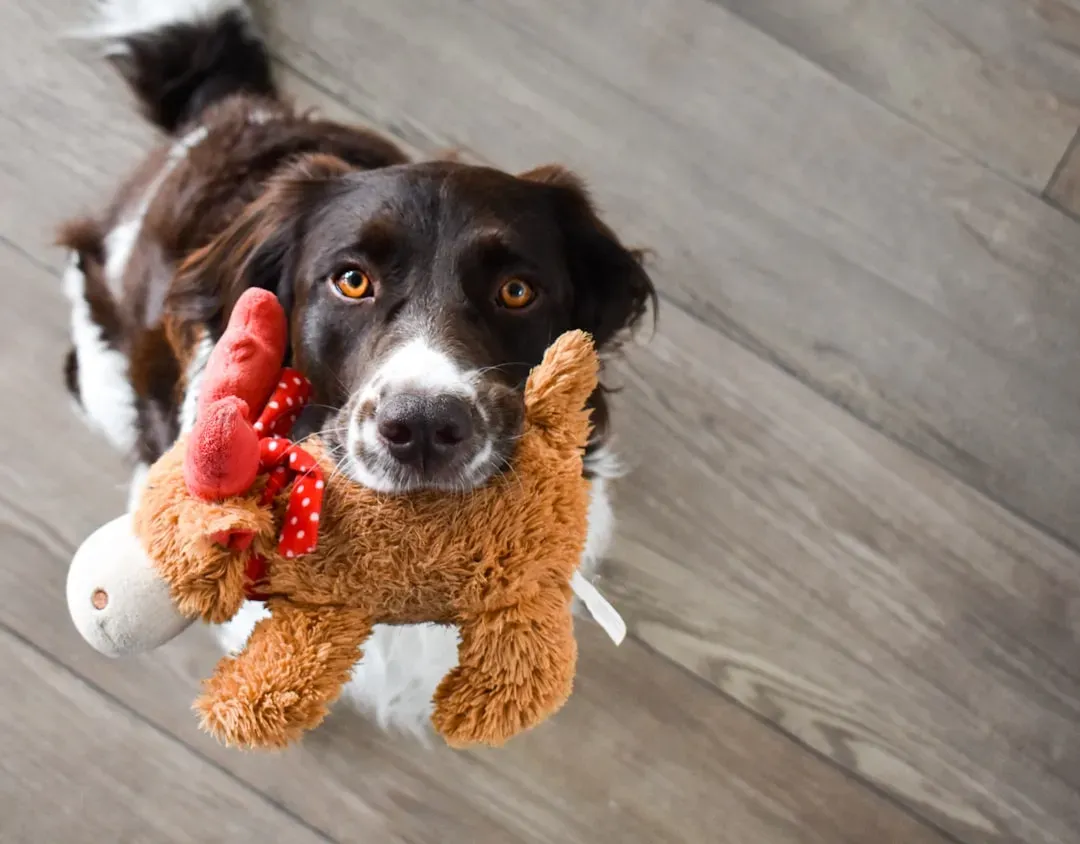
Presenting toys or found objects acts as a form of sharing. Your dog carries these items to your feet or lap, sometimes dropping them gently before walking away. The gesture shows they associate you with positive experiences and want to include you in their play.
Over weeks or months the pattern repeats with consistency. The items vary, yet the recipient stays the same. This selective offering marks you as the one worth engaging with in that particular way.
They Choose to Sleep Near Your Side
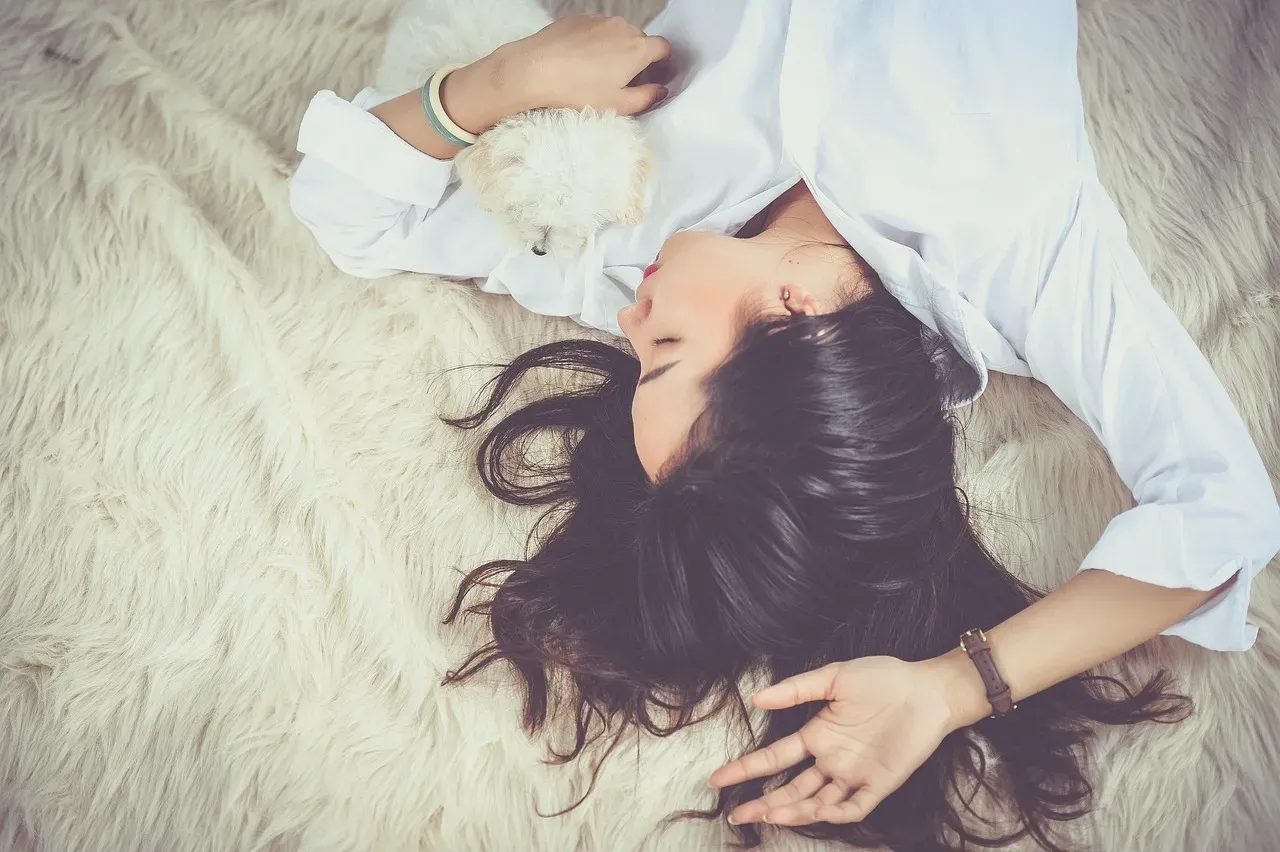
Sleep positions reveal priorities. A dog that settles beside your bed or curls at your feet during rest demonstrates a preference for proximity during vulnerable hours. They may adjust their spot throughout the night yet remain within reach of you.
This choice stands out when other family members or comfortable spots exist nearby. Your dog opts for the location tied to your presence. The routine becomes part of their nightly rhythm.
They Greet You With Distinct Energy
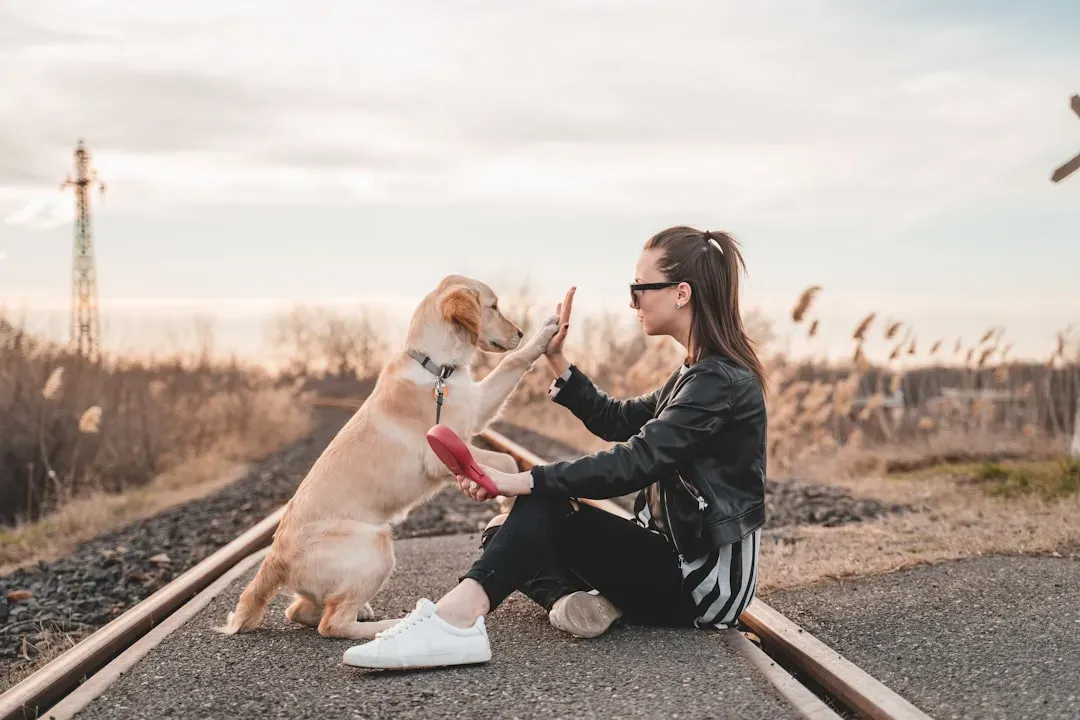
Arrivals trigger different responses depending on the person. Your dog may wag their tail in a full body motion or offer a soft vocalization reserved for your return. The excitement level often exceeds what they show to others entering the same space.
The greeting fades into calm once you settle in, showing the burst was tied specifically to you. This selective enthusiasm marks a deeper attachment. It repeats reliably across days and weeks.
They Mirror Shifts in Your Mood
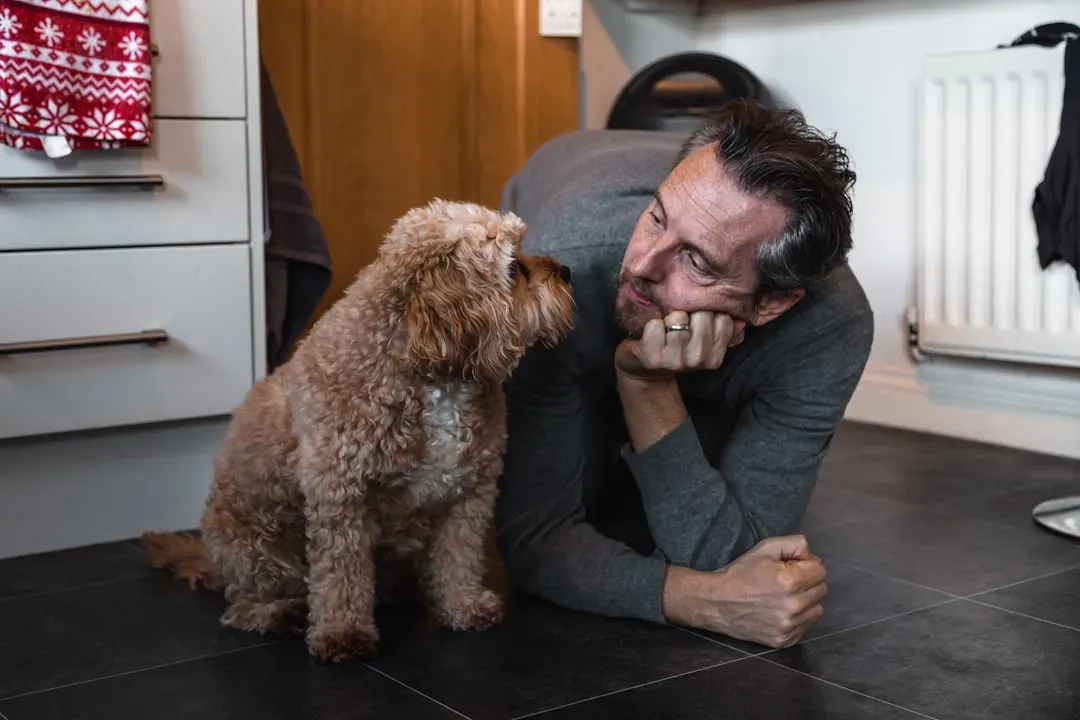
Dogs notice changes in tone, posture, and pace. When you feel low your dog may stay closer or move more slowly beside you. When energy rises they often match the quicker steps or brighter voice without prompting.
The mirroring happens naturally rather than through training. It reflects an attunement built over time spent together. Your emotional state influences their behavior in small, consistent ways.
They Seek You Out During Stress
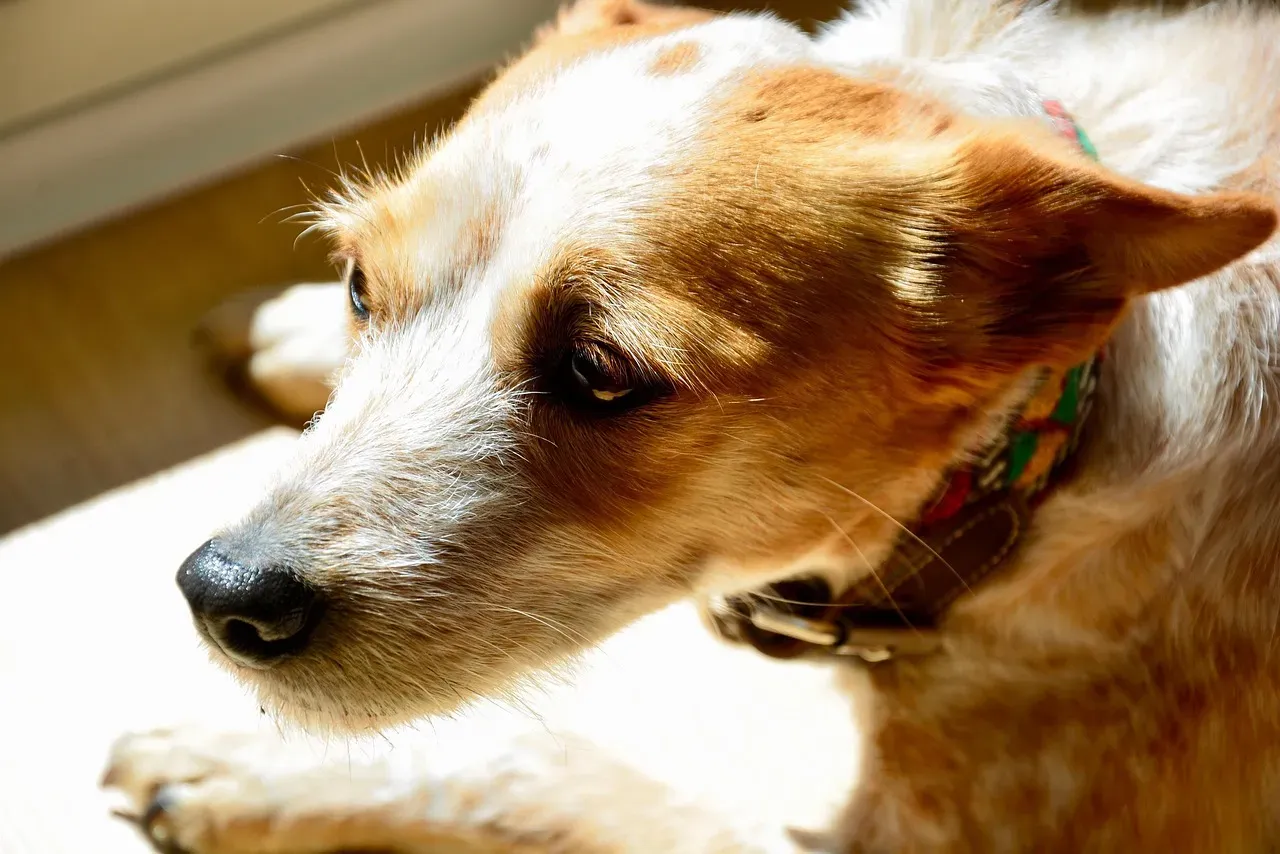
Thunder, visitors, or sudden changes send many dogs looking for their person. Your dog approaches you first, pressing close or watching your reaction for cues. This reliance on your steadiness indicates they view you as the source of security.
The pattern holds even when other people are present. Your dog bypasses others to reach you. The choice repeats across different stressful situations.
They Relax Fully Only Around You
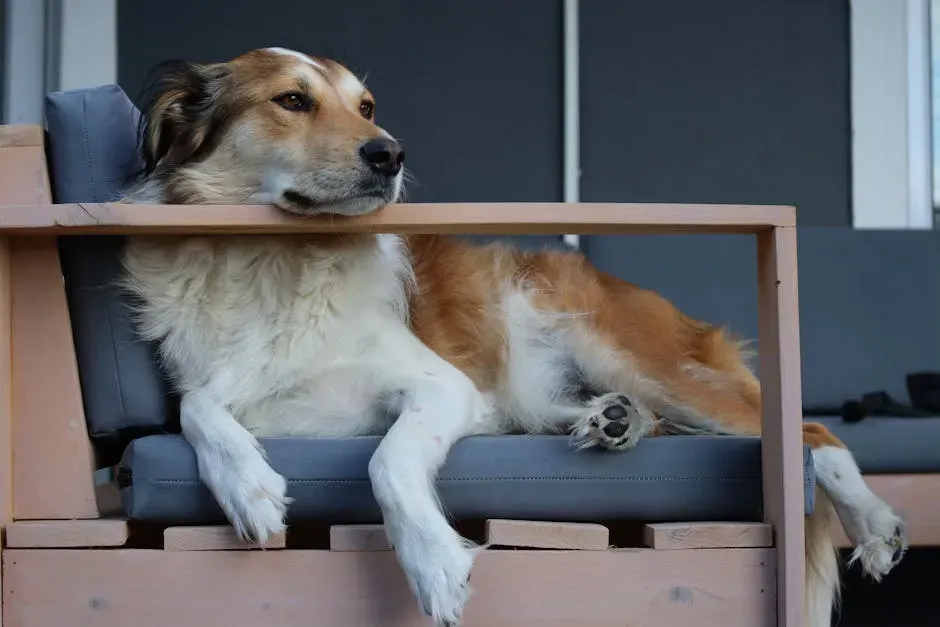
Complete relaxation shows in loose posture, slow breathing, and exposed bellies. Your dog displays these signs more readily in your presence than with anyone else. The shift happens once you enter the room or settle nearby.
Other environments or people may keep them alert. With you the guard drops. This selective ease points to a unique level of comfort.
They Respond Faster to Your Voice
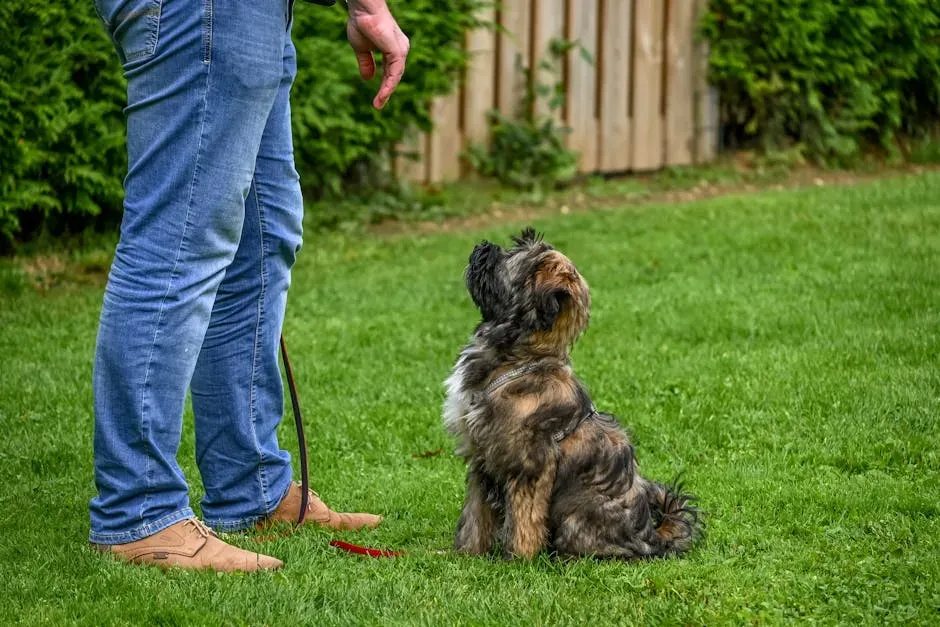
Calls or commands from you receive quicker attention. Your dog turns or moves toward the sound even when distracted by other noises or people. The response carries a different quality, often paired with a softer expression or tail wag.
This selective listening develops through shared routines. Your voice carries more weight because of the bond. The difference becomes noticeable during group settings or training sessions.
They Protect Your Space Without Aggression
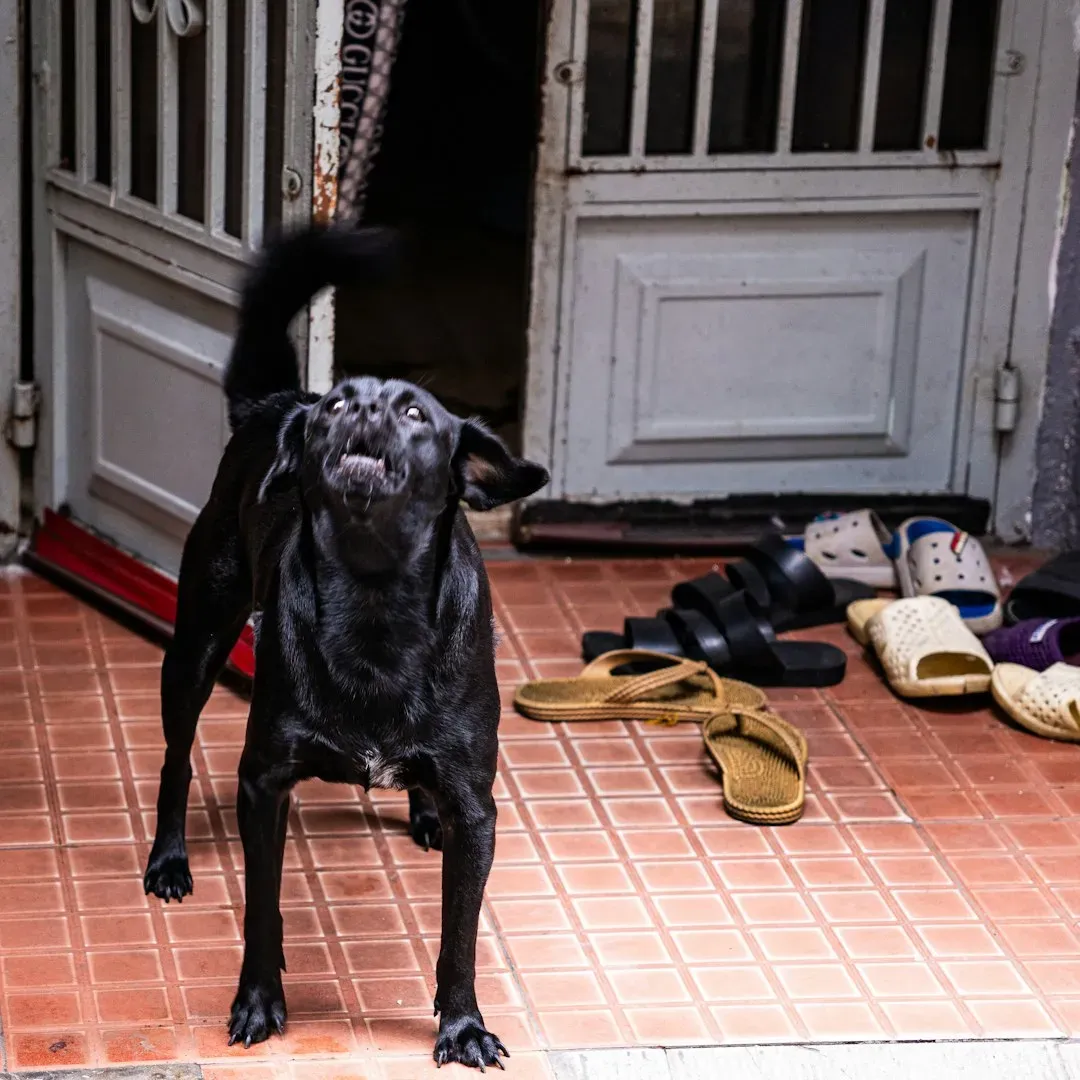
Subtle guarding appears as positioning between you and doorways or new arrivals. Your dog watches without barking or lunging, simply staying alert until the moment passes. The behavior focuses on your location rather than general territory.
The action feels protective yet calm. It occurs consistently when you are present. This quiet vigilance marks you as the individual worth monitoring for.
The bond between a dog and their chosen person grows through these small, repeated choices rather than grand declarations. Each sign builds on the others until the preference feels permanent. Recognizing them invites a deeper appreciation for the relationship already forming in daily life.


