

#1 Chewing Everything That Isn’t a Chew Toy

You come home to a shredded pillow, a gnawed table leg, or your favorite shoes in pieces. Most people assume this is mischief or spite. It almost never is. Chewing is a natural behavior in dogs, especially in puppies, but compulsive chewing that isn’t typical of certain breeds may be one of the signs your dog is bored.
Dogs were not built to sit around doing nothing. They’re wired to move, explore, sniff, and interact. When they don’t get enough of that, they find their own way to burn the energy, and it’s almost never the way you’d choose. The fix is straightforward: redirect that chewing impulse toward something appropriate. Safe, appropriate toys can prevent dogs from chewing on your valuable possessions. Some dogs prefer plush or squeaky chew toys, while more aggressive chewers need durable rubber or nylon.
#2 Barking or Whining at Absolutely Nothing

Constant barking, whining, or howling at nothing in particular often means your dog is trying to fill a mental void. Vocalizing can help them release tension or get a response from you or passers-by near the fence line. It sounds like noise. It’s actually a request.
Barking is an innate behavior in dogs that facilitates communication. Some breeds, like Beagles and Icelandic Sheepdogs, are typically more vocal. Persistent barking for no apparent reason, however, can indicate a lack of stimulation. If your dog has always been relatively quiet and has suddenly found a vocal groove that doesn’t stop, take it seriously. More exercise and brain-working activities, like puzzle feeders or scent games, typically reduce this pattern within days.
#3 Restlessness and Relentless Pacing

You may be ready to relax after a walk, yet your dog continues pacing, circling the room, or struggling to settle. This behavior usually reflects leftover physical or mental energy that has not been used up throughout the day. A tired dog settles. A bored one keeps moving.
If your dog can’t seem to settle, keeps circling the same spots, or follows you from room to room without any real purpose, that restlessness is a form of bored dog behavior. Their body is ready to go. They just have nowhere to go. The practical solution here is to schedule a mental workout before the day gets away from you. Mental work is more tiring than physical activity alone. Mental stimulation can tire a dog out faster than a walk alone.
#4 Destructive Digging
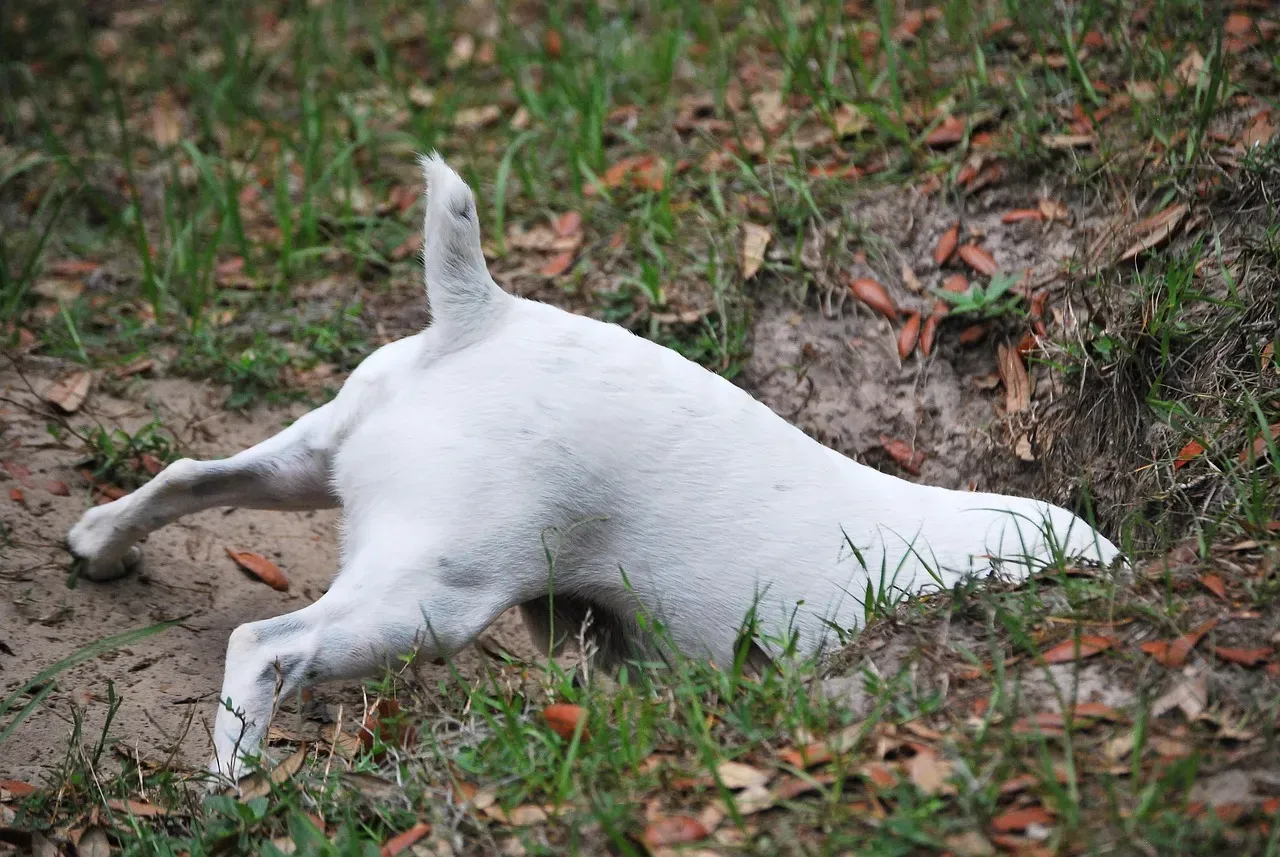
Some breeds are natural diggers, sure. But a dog that starts excavating your backyard or clawing at the carpet out of nowhere is often just bored at home. Digging is stimulating for dogs. It keeps their brain and body busy when nothing else is doing that job.
Digging is inherent to certain breeds. Terriers, for instance, have a natural inclination to dig, rooted in their historical role. Digging habitually, however, can indicate a lack of stimulation. Rather than trying to stop the behavior outright, redirect it. Some dogs just love to dig, especially breeds like Dachshunds or Schnauzers. Digging is a natural dog behavior and many dogs will dig out of boredom if they have nothing else out in the yard to keep them busy. Providing your pup with somewhere they are allowed to dig can save your garden.
#5 Excessive Attention-Seeking

Jumping on you, pawing at your legs, nudging you while you’re trying to work – these behaviors may be cute at first, but they’re often your dog’s way of saying they’re bored. The affection isn’t the problem. The relentlessness is the signal.
Most dogs appreciate everyday affection, but if your pup is following you constantly or trying to get your attention repeatedly, it might be a sign of boredom. Dogs quickly learn how to draw focus back to them. Even unwanted attention feels rewarding when they are bored. The answer isn’t to ignore your dog but to give them something genuinely engaging to do first, so they’re not relying on you as their entire entertainment system.
#6 Stealing Items and Running Off With Them

Your sock vanishes. Your TV remote goes missing. Your dog is standing across the room with it, watching you with bright eyes. This isn’t theft. It’s an invitation. Changes in a dog’s environment can result in boredom. Say a favorite human is working longer hours and doesn’t demonstrate the typical level of attention to the dog. In these cases, the dog may find a way to seek attention in other ways. This can take the form of stealing items and running away with them to get attention or to start a fun game.
The fix involves two things: giving your dog a legitimate game to play, and not accidentally rewarding the theft by chasing them around the house. Activities like hide and seek, where your dog has to find you, or tug-of-war let you play together and build your bond. Scent games where you hide dog treats or toys around the house are also fun boredom busters. These activities scratch exactly the same itch as stealing your belongings, just in a way that doesn’t cost you a remote.
#7 Obsessive or Repetitive Behaviors

Tail chasing, excessive licking, or spinning in circles can develop into compulsive behaviors when dogs don’t have enough enrichment or healthy outlets to focus their mind and body on. What starts as something harmless can deepen into a real behavioral pattern over time.
What starts as one small behavior, such as chewing on a shoe from boredom, can turn into a more serious condition like compulsive licking or chewing that requires medical or behavioral help. An estimated 16 percent of dogs are known to engage in repetitive behaviors, and it’s often triggered by frustration, stress, or boredom. Catching this early matters. Adding structured enrichment before the behavior becomes ingrained is far easier than unraveling it once it’s entrenched.
#8 Sleeping Way More Than Usual

Dogs do sleep a lot. That’s not the concern. The concern is when a dog that used to greet you with excitement now barely lifts their head, or when the afternoon nap has quietly become the entire day. Not all signs of a bored dog are loud and destructive. Some dogs shut down rather than act out. They sleep more than usual, lose interest in play, and stop greeting you at the door with the same energy. Boredom can genuinely affect a dog’s mood and wellbeing over time.
A once-playful pup who now sleeps all day? Boredom, not laziness, is likely the cause. Dogs who aren’t mentally or socially engaged may become anxious, withdrawn, or depressed. Excessive sleeping alongside changes in behaviour, appetite or energy levels could sometimes indicate boredom, stress or an underlying health issue. It’s important for owners to look at the bigger picture, and a sudden increase in sleep or lethargy is worth discussing with a vet.
#9 Raiding the Trash or Scavenging for Food

Bored dogs might turn to food as a source of entertainment, leading to overeating or scavenging for scraps. The trash bin suddenly becomes the most interesting object in the house. This seems like a mischief thing, but it’s really a boredom thing most of the time. Your trash smells interesting. There might be food in there.
The most effective long-term fix is to make mealtimes themselves a form of enrichment. Stop feeding your dog’s meals in a regular bowl. This simple change provides immediate enrichment by making them work for their food. Use a snuffle mat, a food dispensing toy, or a treat release ball to encourage your dog to search, sniff, and problem solve. This taps into their natural foraging instincts, turning a quick meal into a focused activity that can last ten to fifteen minutes and burn significant mental energy.
#10 Trying to Escape the Yard or Bolt Out the Door

Trying to dig under fences or escape the yard can be a dog’s way of seeking adventure when bored. It’s not that they want to leave you. It’s that the world outside that fence seems genuinely more interesting than what’s inside it right now.
A dog that keeps pushing at the fence line, scratching at doors, or trying to bolt every chance they get is a dog looking for something more. The world out there is full of interesting smells, sounds, and activities. Your backyard, when that’s all they ever see, stops being enough. The fix here is about variety. One of the most enriching activities for your dog is exploring together. This can be a simple daily walk with a varied route, or an intensive hike through a forest preserve or park. You can visit pet-friendly locations where your dog can interact with other people and pets.
#11 Excessive Licking of Paws or Legs

Persistent licking or chewing of paws and legs can become a boredom coping habit. It often gets dismissed as a grooming quirk or allergies, and while those causes should always be ruled out first, behavioral licking is more common than many owners realize. Compulsive licking, especially at paws or legs, can have medical causes. But behavioral licking linked to boredom is also really common. It’s a self-soothing behavior that shows up when a dog doesn’t have enough going on.
Chronic boredom is strongly linked to anxiety and can lead to depression in dogs. When a dog has no control over its environment or routine and cannot express its natural behaviors, it can become stressed and anxious, leading to compulsive actions like excessive licking. The goal is to replace the self-soothing with something genuinely satisfying. Allow your dog plenty of time for scent walks and add simple “find it” games. Sniffing is a natural form of mental exercise that relieves stress and uses significant brainpower.
The Bigger Picture: What Bored Dogs Are Really Telling You

Boredom in dogs can cause health problems, such as obesity, anxiety, compulsive behaviors, a weakened immune system, and cognitive decline. That’s a heavy list for something that sounds as simple as “my dog is bored.” The stakes are real, and they compound quietly over time.
Owners can help prevent boredom by giving dogs a mix of physical exercise, mental stimulation, and social interaction. Food-based enrichment, such as lick mats, snuffle mats, puzzle feeders, and healthy treats, can help keep dogs occupied and encourage natural foraging behaviors. Non-food activities like regular walks, training sessions, playtime, interactive toys, and time outdoors are also important.
Many dog breeds have a working heritage, from herding to guarding to pulling carts. Even those breeds developed to be companions enjoy keeping active and having a purpose. One of the best ways to prevent boredom is to fulfill your dog’s need to have a job. That doesn’t mean signing up for competitive agility every weekend. It means giving your dog small tasks, challenges, and wins throughout the day.
The truth is, boredom in dogs is almost entirely within our control to fix. It rarely requires expensive solutions or hours of free time. Even short sessions of enrichment throughout the day can make a big difference to a dog’s wellbeing. A dog who is mentally engaged, physically active, and socially connected is, by almost every measure, a happier and better-behaved companion.
Most of the behaviors on this list aren’t personality flaws. They’re your dog doing the only thing they can: making noise until someone listens. Pay attention, and you’ll be surprised how quickly things change once you do.


