
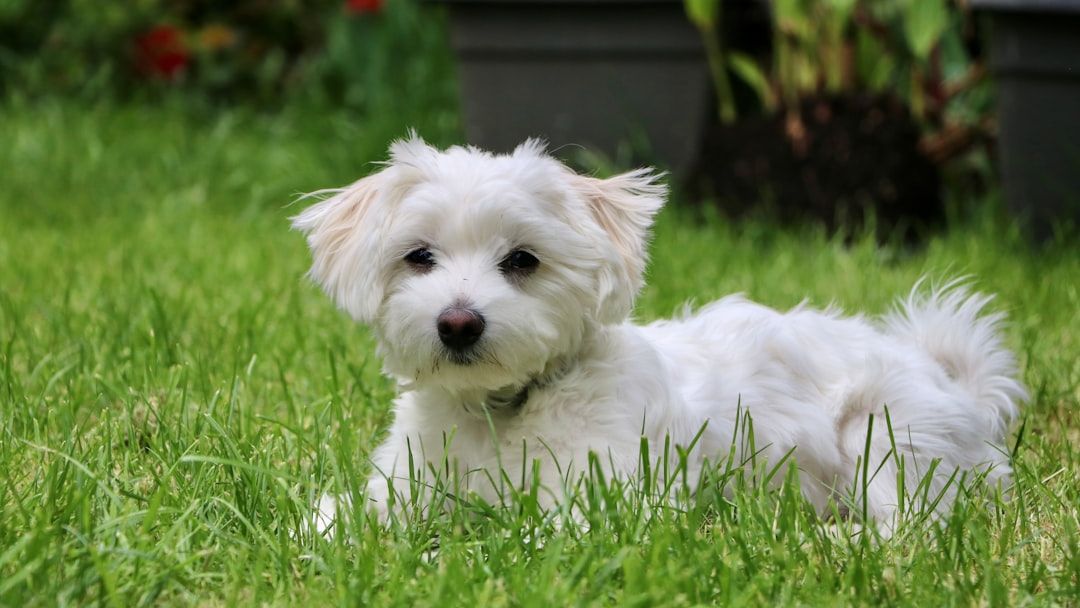
There’s a quiet moment many pet owners know well. You’re having a rough afternoon, nothing dramatic, just a wave of sadness or fatigue, and before you even process it yourself, your dog is already there. Head on your lap. Eyes looking up. No fuss, no noise. Just presence. It’s one of those things that’s hard to explain until you’ve experienced it firsthand.
Science offers some clues. Over thousands of years, dogs have developed an exceptional ability to decode our biochemical compounds, interpret human body language, tone of voice, and even facial expressions. For seniors especially, that instinctive attunement can feel like something genuinely profound. The twelve breeds below aren’t just good companions in a general sense. They have specific traits that make them unusually gifted at showing up emotionally, at exactly the right time.
#1. Golden Retriever
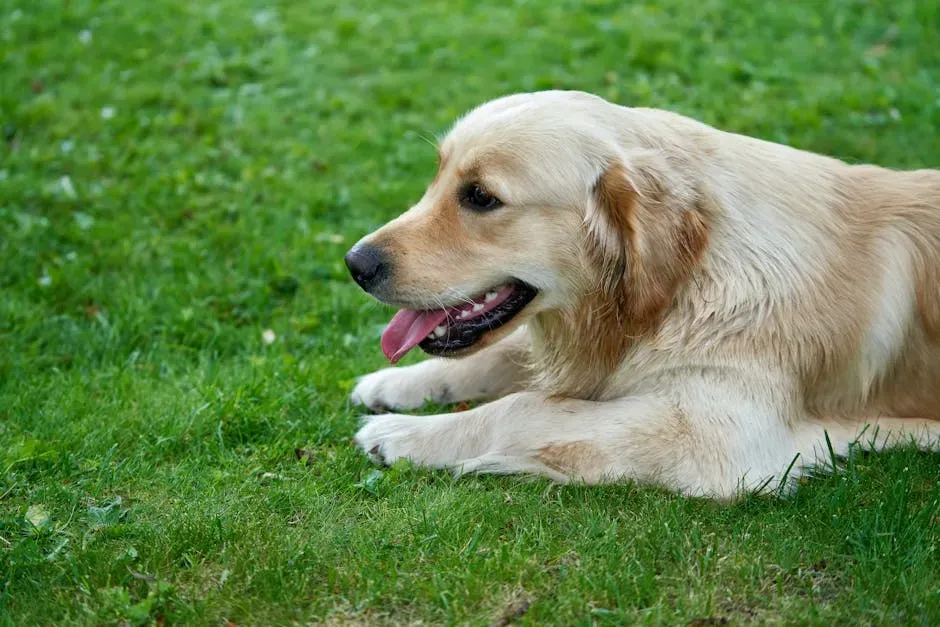
Few breeds carry a reputation for emotional warmth quite like the Golden Retriever, and that reputation is well earned. Known for their friendly and gentle nature, Golden Retrievers are highly sociable and compassionate dogs with a natural instinct to comfort and connect with people. They seem to read a room the way an old friend would, settling in close without needing to be invited.
For seniors living alone, this breed offers something particularly meaningful. Golden Retrievers have almost no negative traits and are known to be social and comforting when need be. This dog breed is ideal for seniors who may have emotional issues and are living alone, as Golden Retrievers require a fair amount of attention, which creates a built-in routine of mutual care. That sense of being needed is itself a form of comfort.
#2. Labrador Retriever
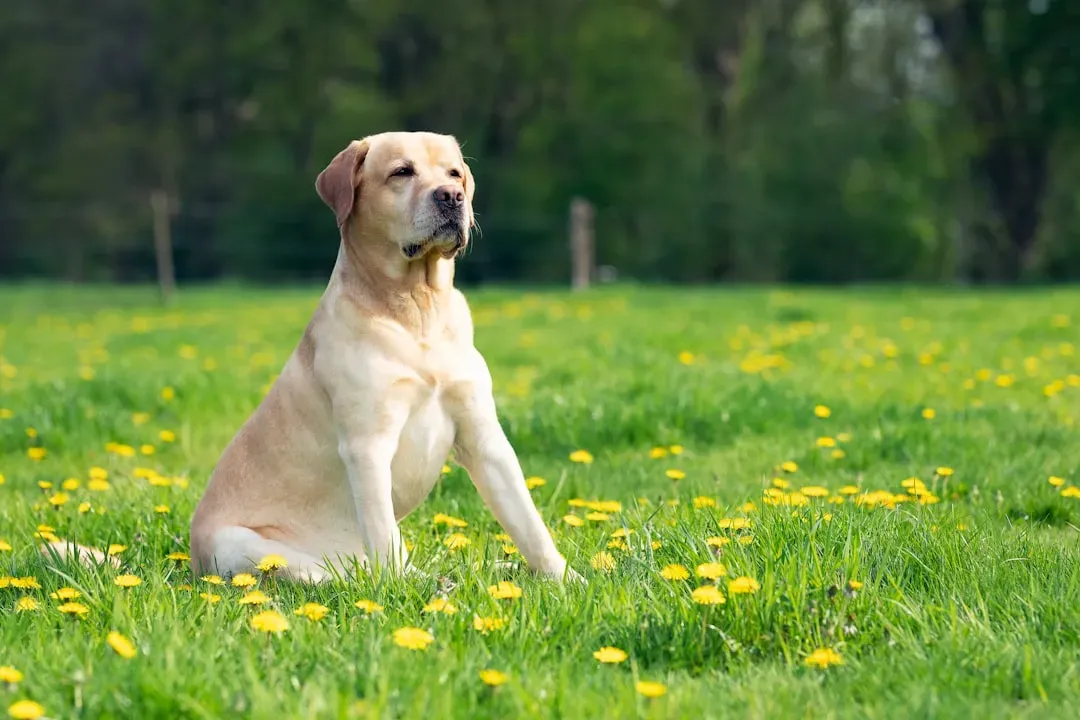
The Labrador Retriever has earned its place as one of the most beloved family dogs in the world, but what often gets overlooked is just how emotionally intuitive this breed really is. Labradors are renowned for their loyalty, kindness, and affection, and they have an innate ability to sense emotions and provide unconditional love to their owners. That sensitivity isn’t incidental. It’s baked into how they bond.
With their calm demeanor and confidence, Labradors make exceptional emotional support dogs. They’re easily trained and eager to please, and are also known for being attuned to their owners and very responsive. When a senior owner is grieving, anxious, or simply worn down, a Lab tends to press close and stay there, patient and warm, for as long as it takes.
#3. Cavalier King Charles Spaniel
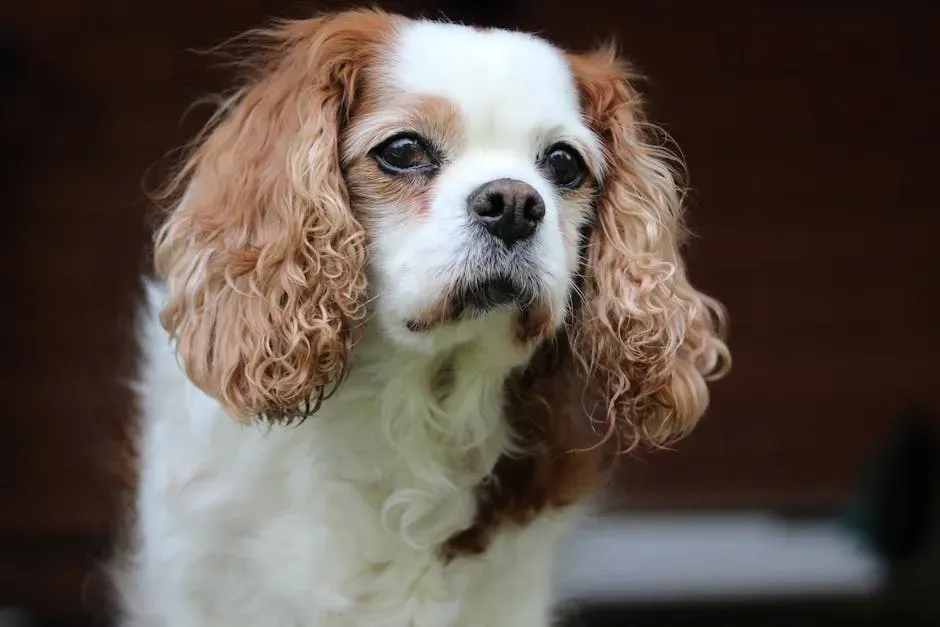
The Cavalier King Charles Spaniel was literally bred to be a companion, and that history shows. Cavaliers were initially created to be companion dogs, so their genetics run deep as warm-hearted comforters. They carry themselves with a gentle ease that feels perfectly suited to quieter, more reflective lives.
Cavalier King Charles Spaniels are well-suited for individuals seeking a smaller breed, and they are particularly attuned to human emotions, making them excellent, empathetic companions for emotional support. The Cavalier King Charles Spaniel is widely regarded as one of the best companion dogs for seniors due to its gentle, emotionally sensitive, and non-aggressive nature. For a senior owner navigating a hard day, that sensitivity is not a small thing.
#4. Poodle
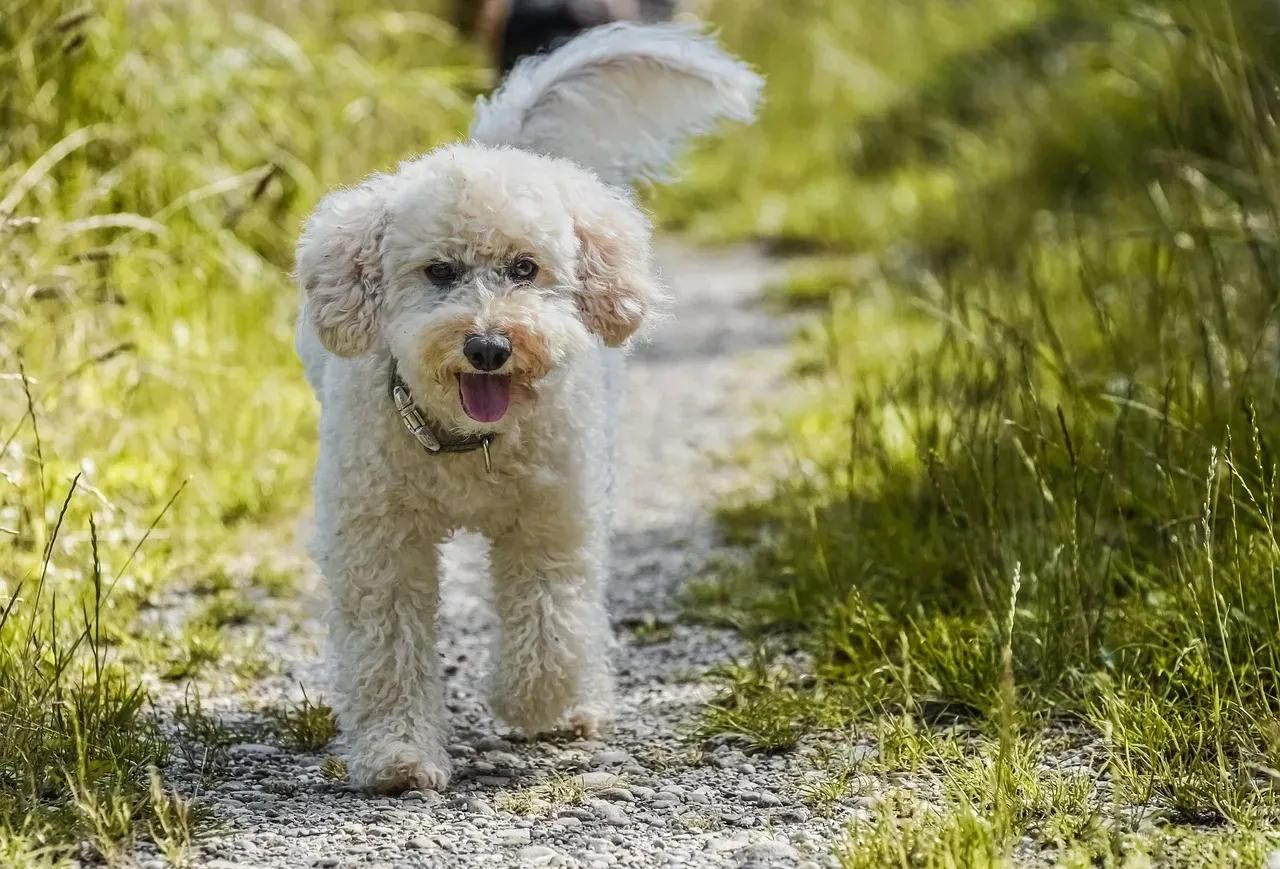
Poodles sometimes get written off as high-maintenance show dogs, but their inner life is far more interesting than their haircuts suggest. Poodles are highly intelligent and have a calm and composed demeanor. They are not only hypoallergenic but also adaptable, making them a great choice for those with allergies. Poodles come in various sizes, from standard to miniature, allowing individuals to choose a size that fits their living situation.
Poodles are intelligent, obedient, and dependable. Their social nature makes them ideal for working with people, they are very easy to train and love to learn new tricks, and they are hypoallergenic and do well adapting to new environments. That combination of emotional sensitivity and adaptability makes a Poodle a particularly versatile comfort companion for seniors in any living situation.
#5. Shih Tzu
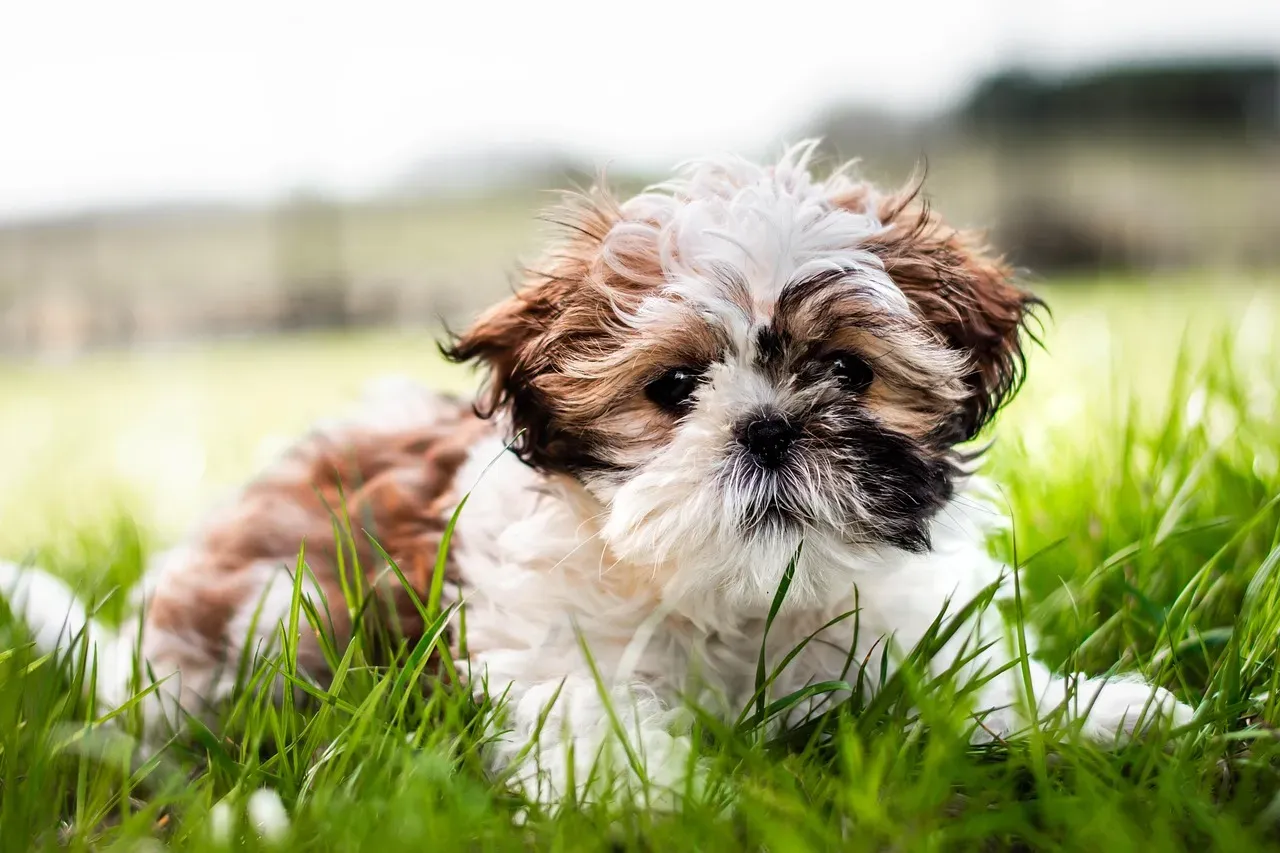
The Shih Tzu looks like a lap dog and, in the best possible way, behaves like one too. Shih Tzus might be small, but they have big hearts. They thrive on human companionship and are well-suited for indoor living. With their long, flowing coats and expressive eyes, Shih Tzus make excellent emotional support animals, and they are attentive, loving, and have a knack for forming deep bonds with their owners.
What sets them apart for senior owners specifically is their almost uncanny attentiveness. These dogs have a unique ability to sense when you need them. If you’re feeling low, they’ll snuggle up close, providing comfort without any need for words. That quiet, wordless presence is sometimes exactly what’s needed most.
#6. Bichon Frise
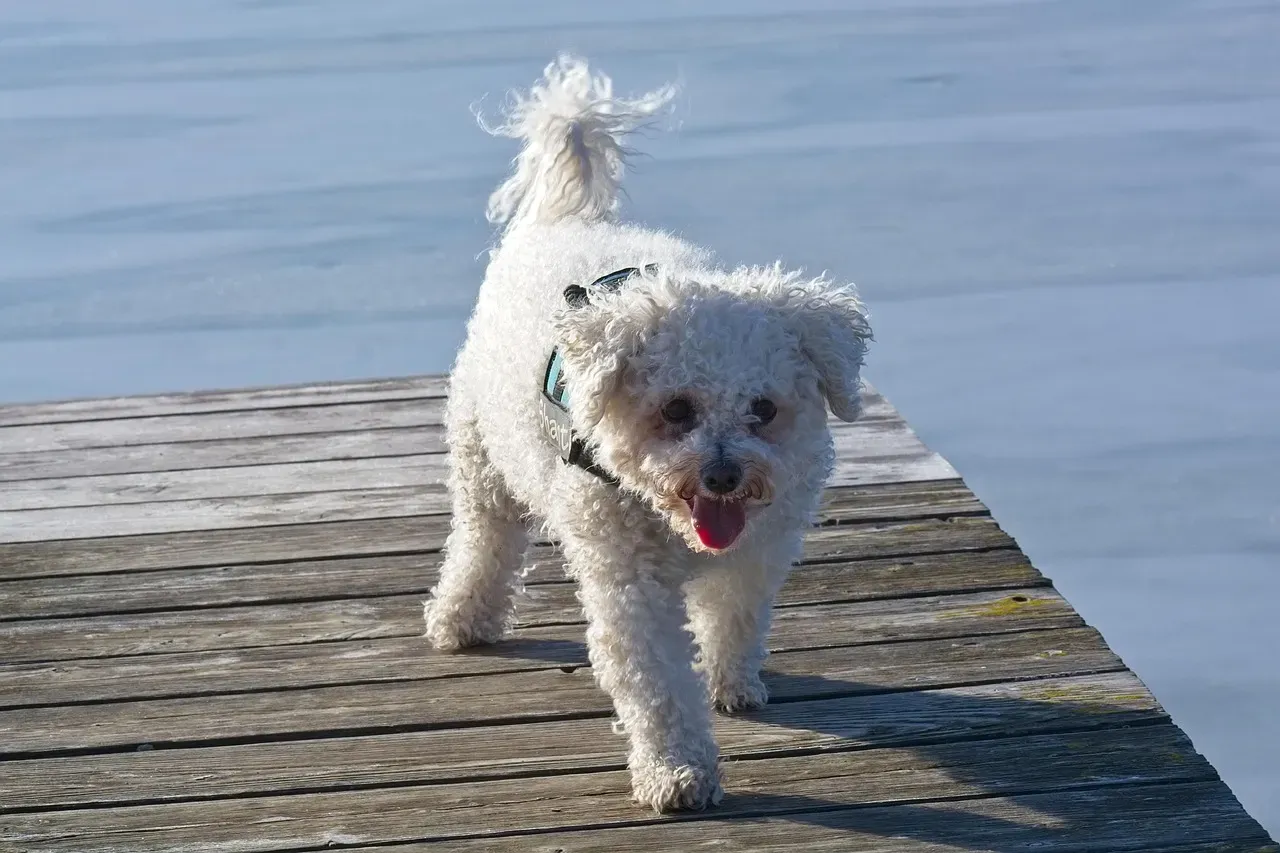
The Bichon Frise is a cheerful little dog with a surprisingly deep emotional radar. What sets Bichon Frises apart is their incredibly sociable nature. They thrive on interaction and have a deep-seated need to be part of your life. Whether you’re cooking in the kitchen, reading in the living room, or tending to your garden, your Bichon will be right there beside you.
Bichons are also low shedders, which helps keep the home cleaner and reduces overall maintenance. While they enjoy short play sessions, they are generally relaxed and adaptable, making them flexible companions. For senior owners who want attentive company without the weight of heavy grooming demands or energetic exercise routines, the Bichon strikes a very comfortable balance.
#7. Yorkshire Terrier
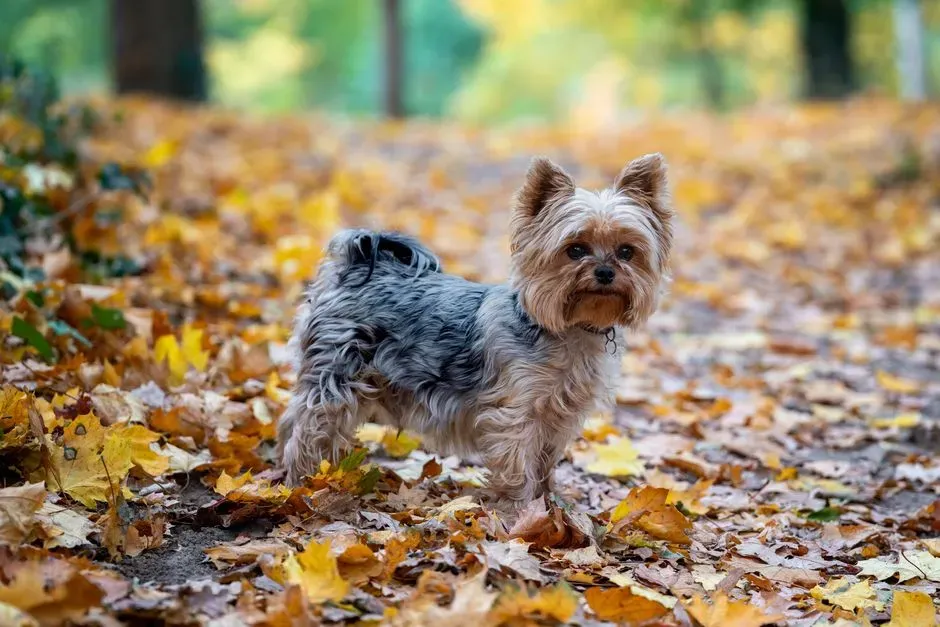
Don’t let the size fool you. Yorkshire Terriers carry an emotional loyalty that rivals dogs twice their weight. Yorkshire Terriers are known for their affectionate and loyal nature, which can provide their owners with comfort and security. Their small size makes them easy to bring along, helping individuals feel less isolated and more confident in social settings. Yorkies are also alert and responsive, often providing a calming distraction in stressful situations.
Though many small dogs seem needy, craving attention or to be played with constantly, Yorkshire Terriers are known for just wanting affection and to sit on one’s lap. These little dogs are great emotional support pets because they are known to form strong bonds with their owners, helping them deal with issues such as depression. That quiet loyalty is something seniors often find deeply grounding.
#8. Pug
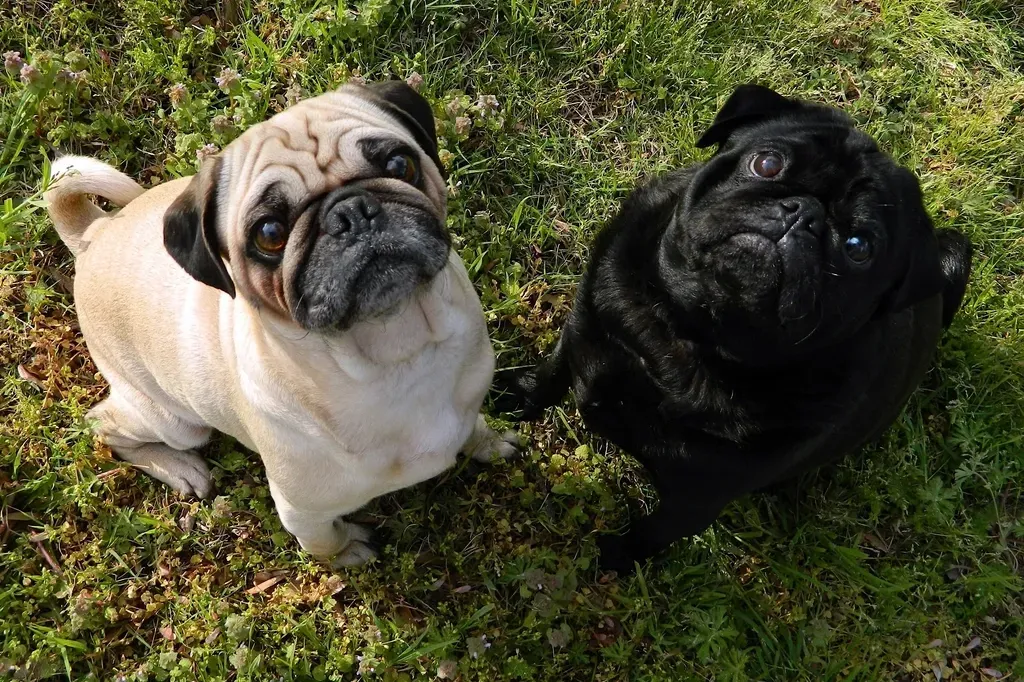
Pugs have a way of being both ridiculous and deeply comforting at the same time, which is honestly a rare and useful combination. Pugs are known for their playful and affectionate nature with a charming personality that can bring joy and comfort to their owners. They are small in size but big in heart and are particularly suitable for individuals looking for a breed with a strong sense of companionship and a knack for lifting spirits.
The Pug is widely considered one of the most relaxed, low-energy dog breeds, making it a popular choice for seniors seeking a calm and easygoing companion. These dogs prefer short walks followed by long periods of rest, which makes them ideal for individuals who want a pet without demanding exercise needs. Despite their pint size, this breed has a natural desire to want to make others feel better and are highly intuitive.
#9. Corgi
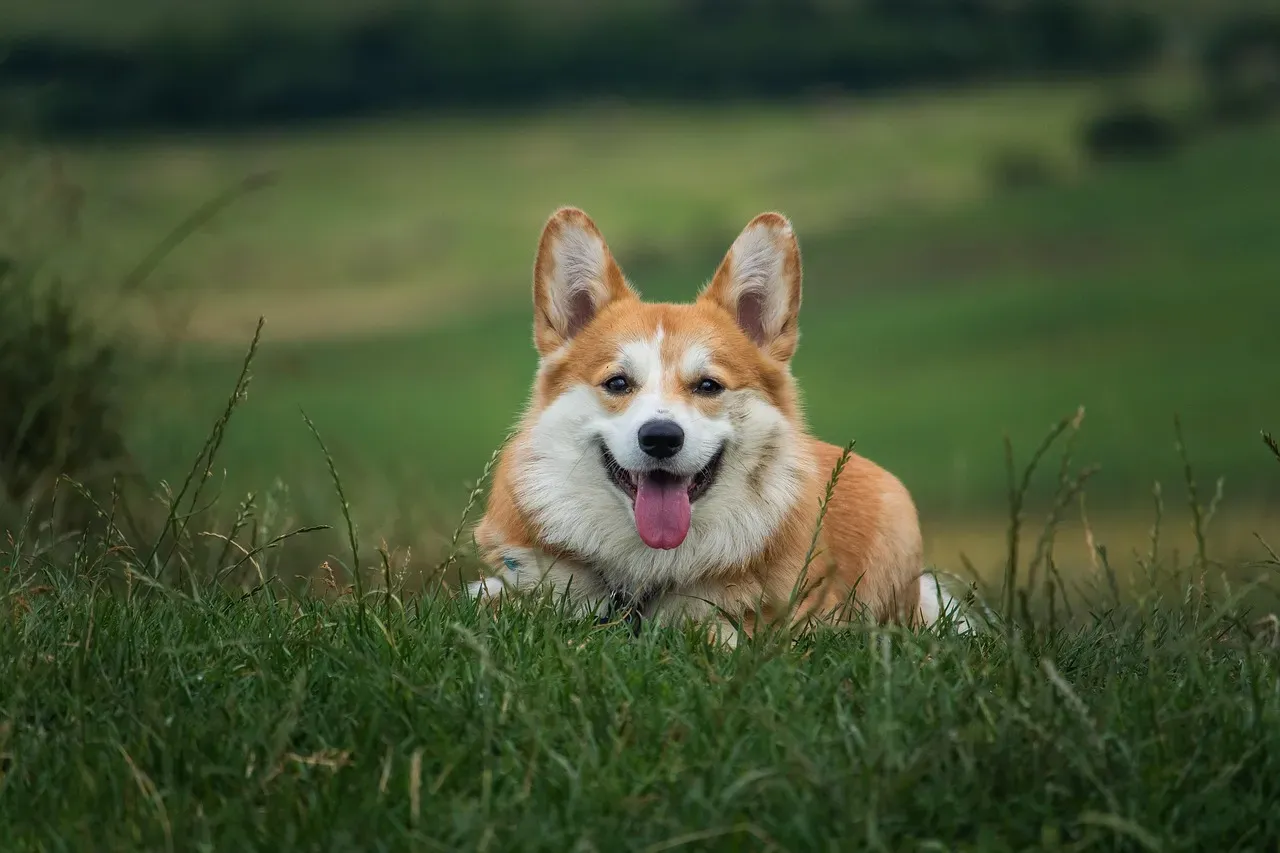
Corgis have a personality that’s almost impossible to ignore. Big-dog energy packed into a compact frame, with an emotional attentiveness that consistently surprises people. Part of a Corgi’s appeal is their short and sturdy stature. Their compact body boasts a larger-than-expected personality. Playful and affectionate, Corgis are a mix of obedient and adventurous.
Because of their size and personality, Corgis make excellent emotional support animals. They’re loyal to their owners and are even-tempered, rarely whining or growling. Originally bred to be herd dogs, Corgis are also known for being easy to train, and they are affectionate and playful. For a senior who needs a dog with enough energy to keep life interesting, but enough calm to provide real comfort, the Corgi is a quietly ideal fit.
#10. Maltese
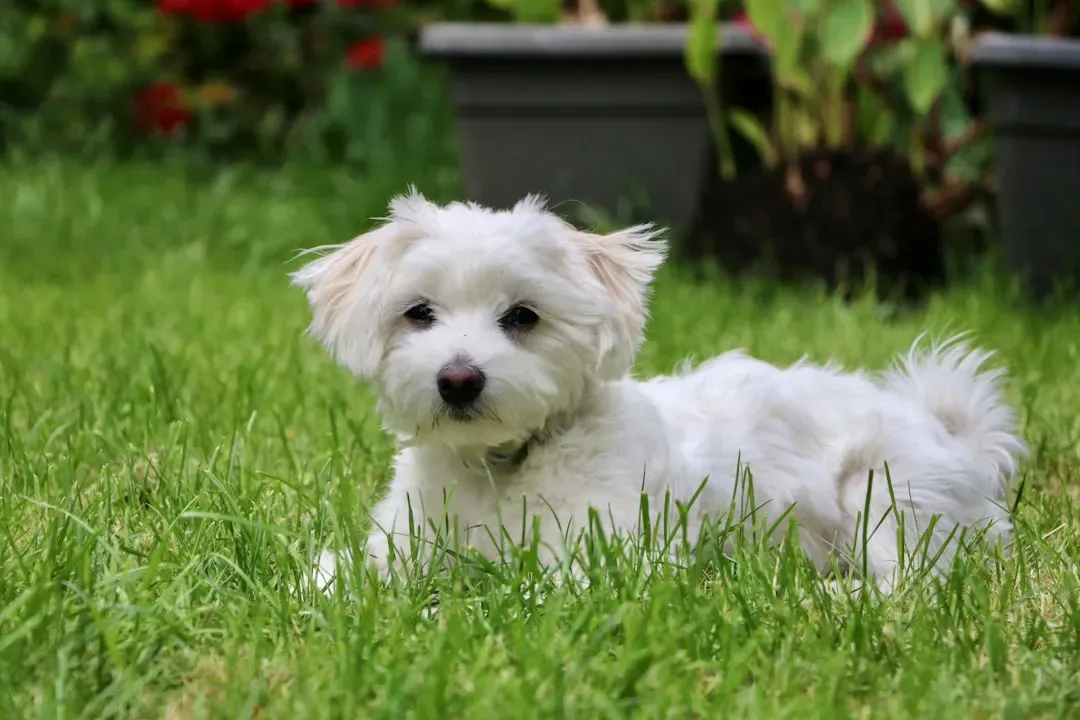
The Maltese is a centuries-old companion breed, and its devotion to a single person is legendary. If you’re looking for a silky white pint-size cuddle bug with big expressive eyes, the Maltese might be the emotional support dog for you. When they’re not cozying up on your lap, they are the life of the party, even if it’s just a party for the two of you.
The Maltese is a good choice for a single adult, as they tend to have a favorite person that they attach to. That singular devotion is what makes this breed especially meaningful for seniors who live alone. The Maltese doesn’t distribute its affection casually. It gives it fully, consistently, and to you specifically. That kind of focused companionship carries real emotional weight.
#11. Havanese
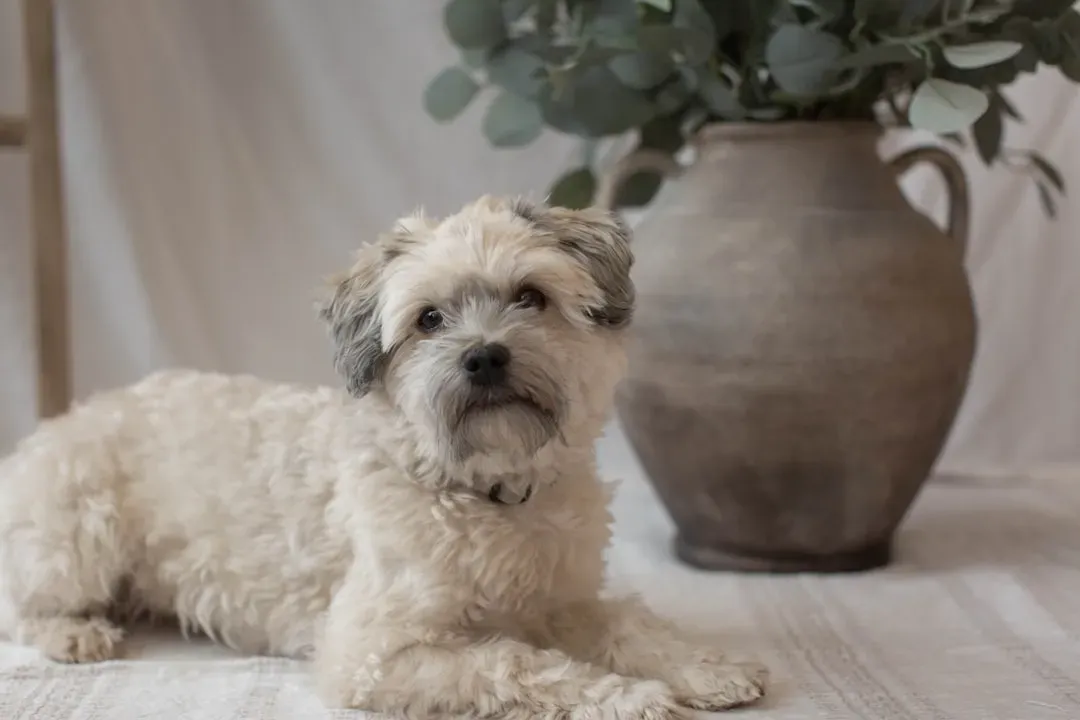
The Havanese is Cuba’s only native dog breed, and it brings a warmth to every interaction that feels almost effortlessly cheerful. Havanese dogs are known for their cheerful and affectionate nature, making them excellent companions for individuals experiencing depression. Their energy tends to be light rather than overwhelming, which makes daily life with them feel gently uplifting rather than exhausting.
The Havanese offers cheerful companionship and thrives on close bonds with its owner. The right dog can offer calm companionship, daily routine, and emotional comfort, making certain breeds especially well-suited for seniors seeking quiet joy in their lives. The Havanese delivers all three. It keeps pace with you, mirrors your mood when you’re settled, and gently nudges you toward lighter moments when you’re not.
#12. German Shepherd
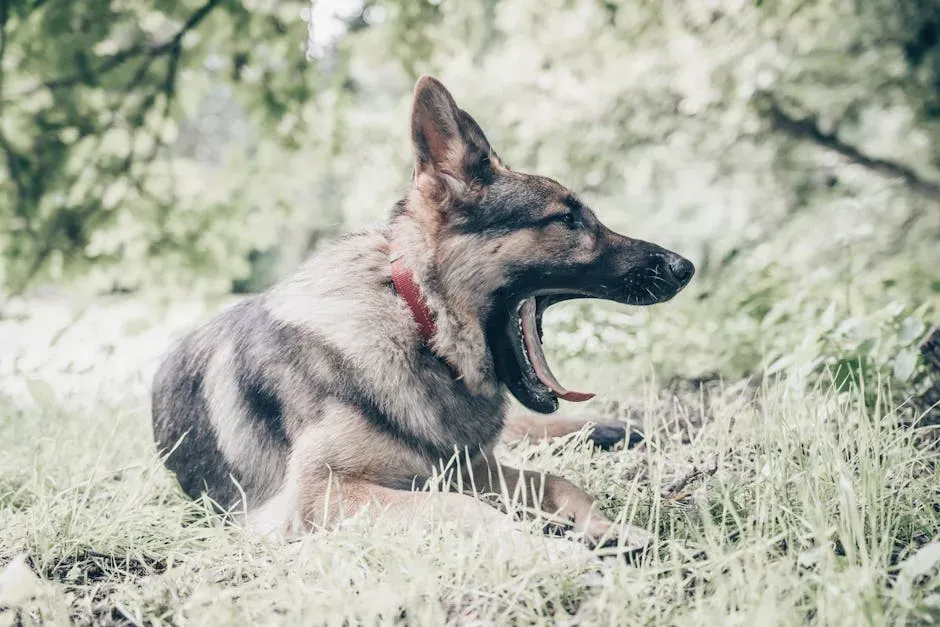
The German Shepherd might not be the first breed that comes to mind for senior comfort, but it earns its place on this list through a different kind of emotional intelligence. German Shepherds are intelligent, easy to train, and form strong bonds with their owners. They love having a job to do and are eager to please, and this breed is great at engaging with the people they love and providing a lot of support and comfort.
For seniors who feel most comforted by a sense of security and steady companionship rather than just a lap warmer, the German Shepherd fills that role with real authority. There is evidence suggesting that dogs can recognize when their owners are experiencing distress, and they often respond by offering physical comfort, such as sitting close, licking, or resting their head on their owner’s lap. German Shepherds do this with a calm seriousness that feels grounding rather than fussy. They don’t just sit with you. They guard your peace.
The Bond Goes Both Ways
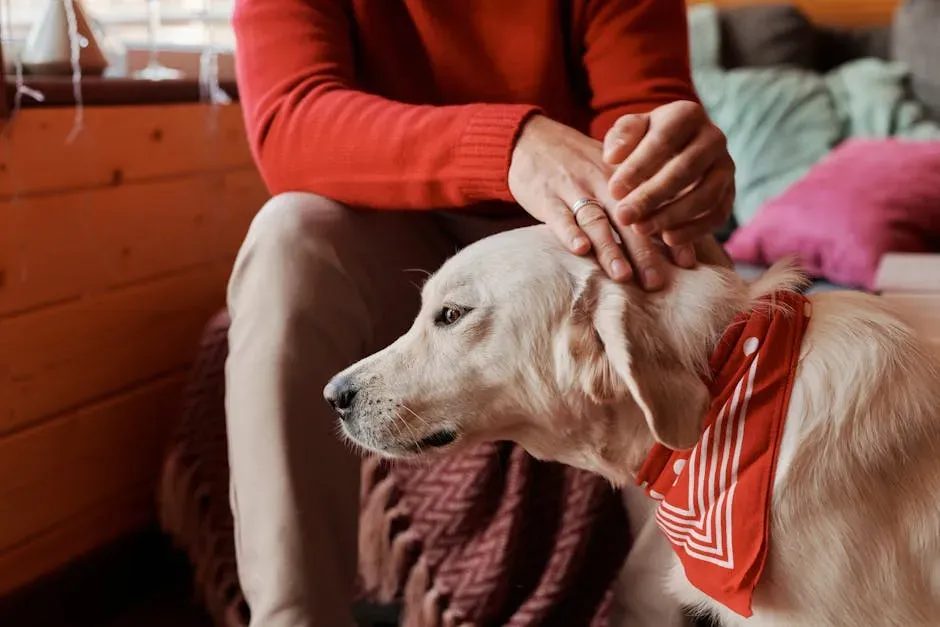
What’s striking about all twelve of these breeds is that their emotional sensitivity isn’t accidental. Over thousands of years, dogs developed the ability to decode our biochemical compounds and interpret human body language, tone of voice, and facial expressions. These skills were likely honed during domestication, as dogs that could better understand and respond to human emotional cues would have been more successful in forming partnerships with humans.
Studies show that older adults who spend time with dogs experience reduced loneliness and improved mental functioning. When people care for their dog, whether feeding, grooming, or walking, it creates a sense of purpose and can distract attention away from the things causing anxiety and other mental health issues. The comfort, in other words, flows in both directions. The dog senses your need. You meet theirs. Somewhere in that exchange, something genuinely healing happens.
Conclusion
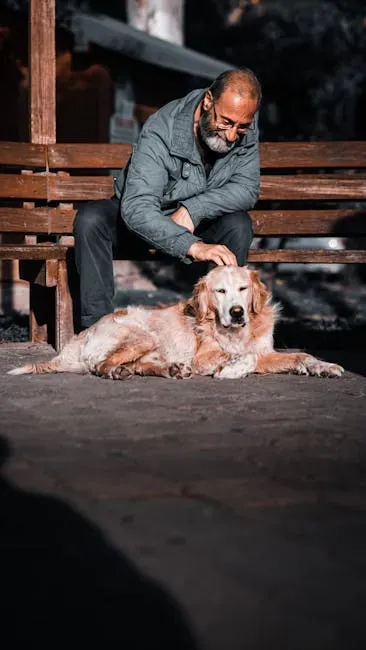
The science confirms what seniors and their families have quietly known for decades: dogs don’t just keep us company. The right dog actively participates in our emotional wellbeing. There’s something quietly radical about that. In a world that often underestimates older adults’ need for deep connection, a dog shows up without condition, without judgment, and without distraction.
Of the twelve breeds on this list, no single one is objectively the “best.” The right match depends on living space, mobility, daily routine, and frankly, personality. A Corgi and a Maltese offer completely different kinds of comfort, and both are exactly right for the person they belong to. What matters most is the relationship, not the breed. What unites all twelve is a shared quality: the willingness to close the gap between human loneliness and warmth, without being asked, and without hesitation. That, more than any pedigree, is what makes them remarkable.


