
There is a very particular kind of magic in the way a dog looks at the person they trust most. It’s not dramatic or flashy; it’s in the quiet, ordinary moments that would look unremarkable to anyone else. Yet to your dog, those tiny choices – to sleep closer to you, to check in with you across a busy park, to breathe a little slower when you touch them – are loud declarations that you are their safe place in a confusing world.
Dogs do not write love letters or send long messages. They speak through patterns, body language, and habits. When a dog has truly accepted you as their safe person, their entire daily routine bends around your presence. You can see it if you know where to look. Let’s walk through the clearest, science-backed and experience-backed signs that your dog doesn’t just like you – they have decided you are home.
1. They Choose to Be Near You, Even When Nothing Is Happening
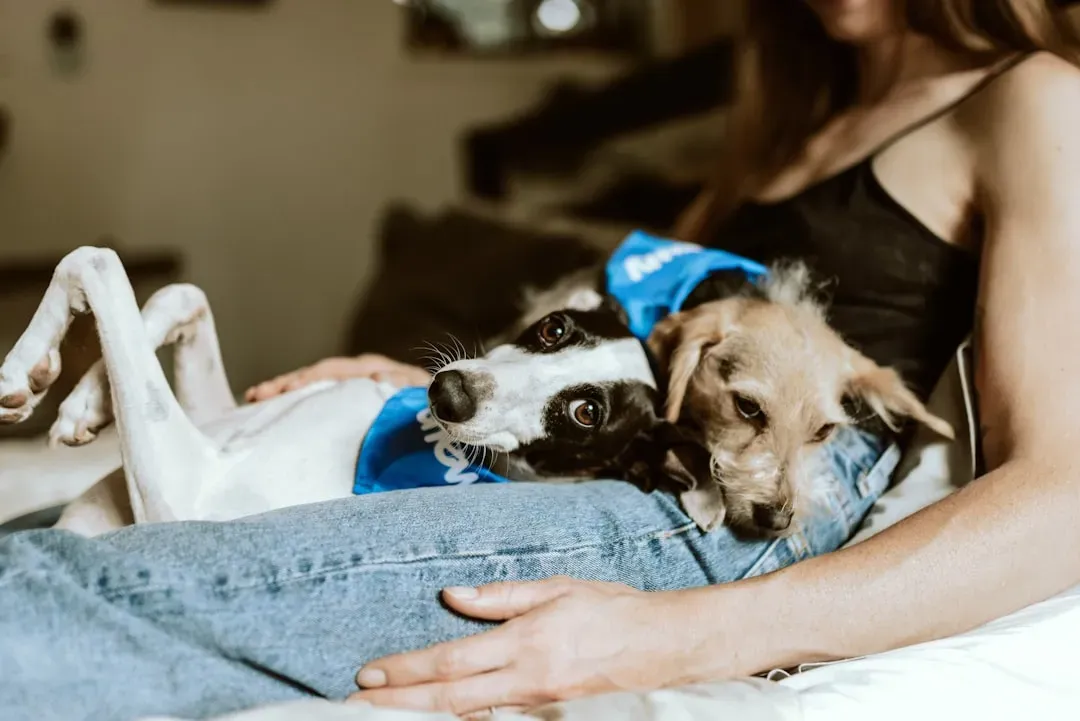
One of the biggest signs that a dog sees you as their safe person is simple: they gravitate toward you when there is no obvious reward. You are not holding food, there is no ball in your hand, you are not calling their name – yet they pick your spot on the couch, your chair in the office, the floor space right outside the bathroom door. That quiet choice speaks volumes about where they feel secure.
In behavior research, dogs that feel bonded and secure often show what’s called proximity seeking – they monitor where their person is and casually keep themselves within a comfortable distance. If your dog changes rooms when you do, or abandons a perfect sunny patch to come nap at your feet, that’s their version of saying that your presence is more soothing than the comfiest place in the house.
2. Their Body Completely Softens Around You
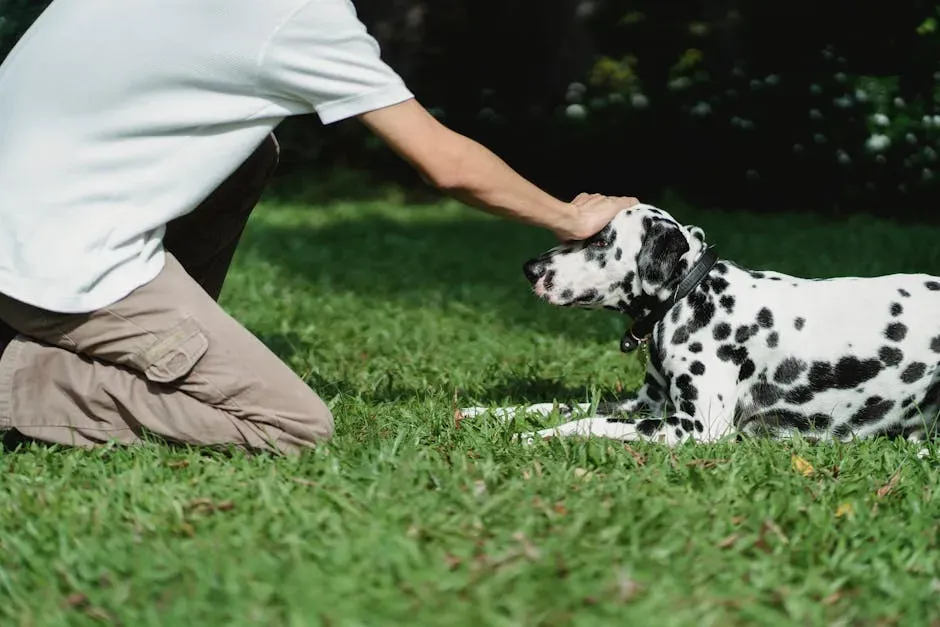
A dog can be lying next to you and still be on edge – muscles tight, eyes half-open, ears twitching at every tiny sound. A dog who has fully accepted you as their safe person looks different. Their body gets loose and floppy, their breathing deepens, and they might sprawl in positions that look frankly ridiculous. This looseness is a visible sign their nervous system is at ease in your presence.
If you watch closely, you might notice micro-signs too: they blink more slowly, their jaw unclenches, their tail rests or sways in gentle, relaxed movements rather than stiff wags. They may even lean their full weight into you, trusting you to hold them. An anxious dog is ready to bolt; a safe dog melts. When you see that melting, you are looking at trust in real time.
3. They Sleep Deeply and Vulnerably Near You
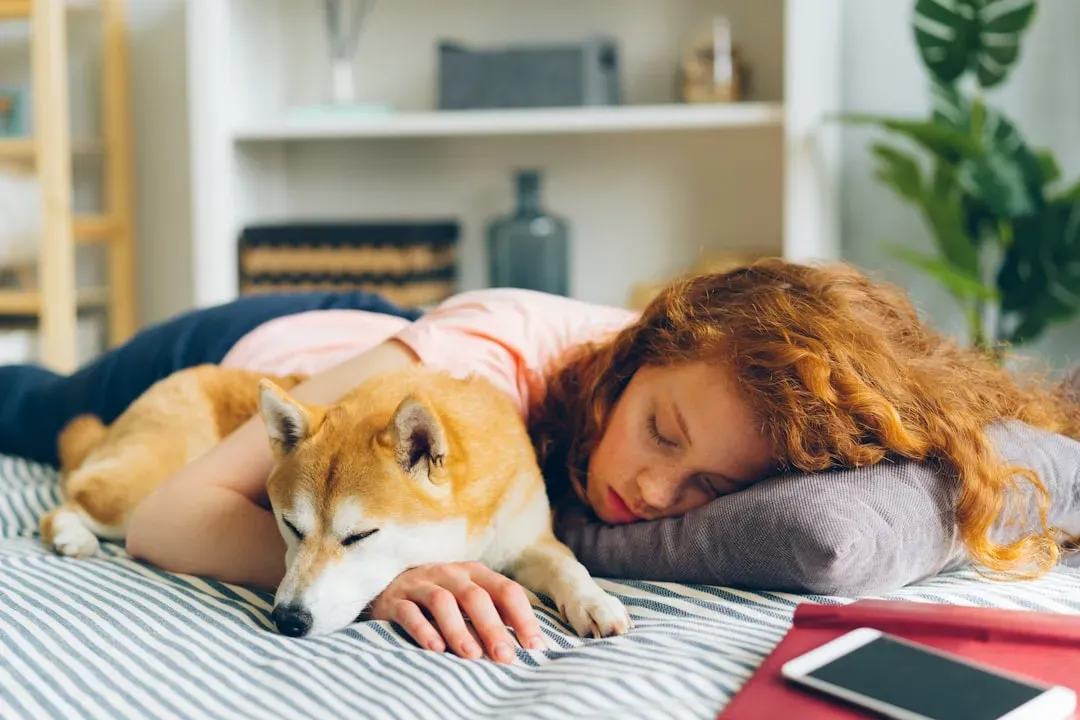
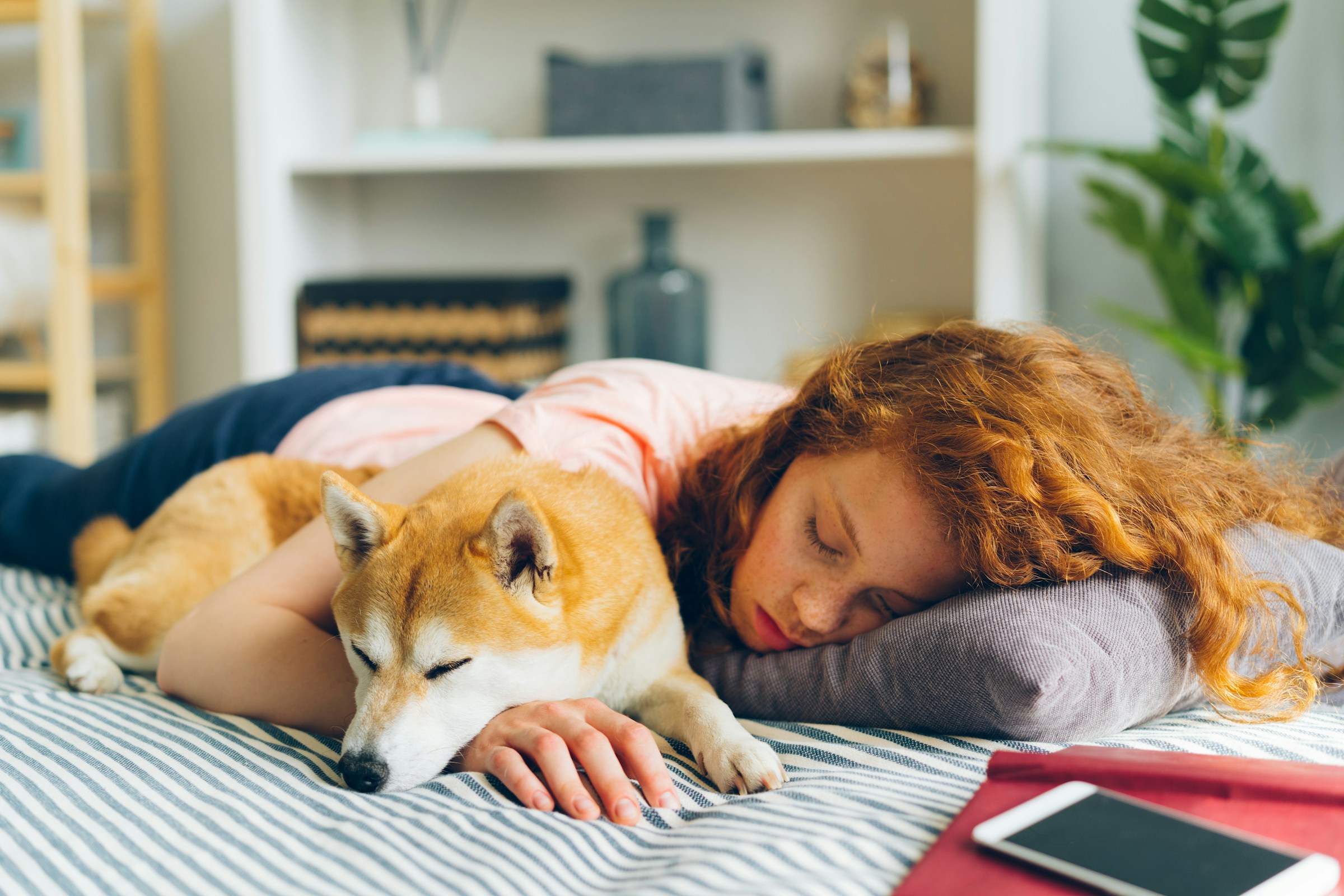
Sleep is one of the riskiest things an animal can do in the wild, which is why where and how a dog chooses to sleep says a lot about what – and who – they trust. If your dog regularly sleeps right up against you, with their back turned, their belly exposed, or their feet in the air, they are showing a level of vulnerability that only exists when they feel protected. They are literally putting themselves in your hands while their guard is down.
You might also notice that your dog chooses to sleep where they can sense you, even if they are not physically touching you: outside your bedroom door, at the foot of your bed, or on the rug by your desk. Many dogs will settle more deeply, sigh more often, and wake up less frequently when their safe person is nearby. That deeper sleep is not just cute; it’s evidence that your presence helps calm their internal alarm system.
4. They Check In With You in New or Overwhelming Situations
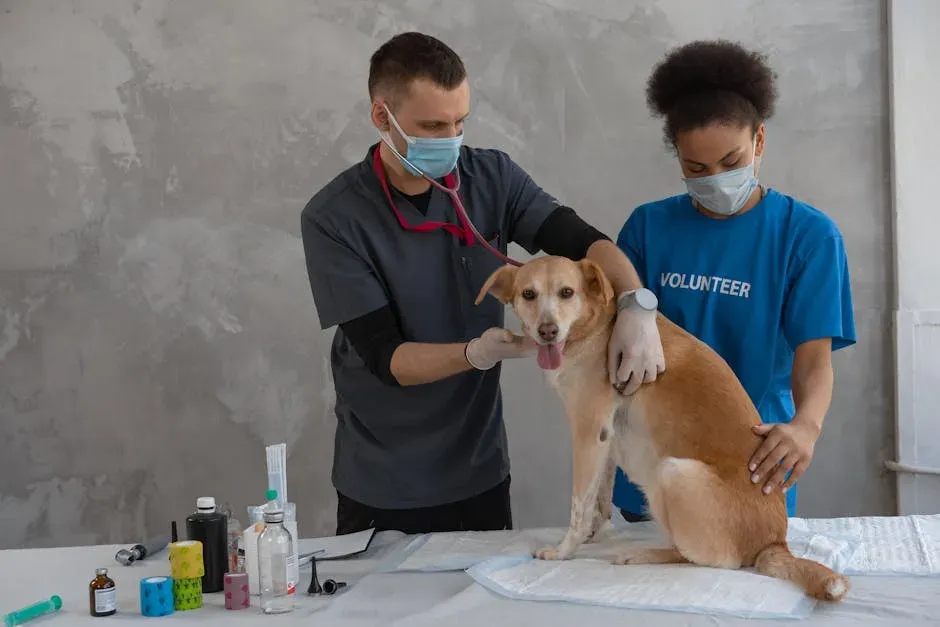
Watch your dog the next time you take them somewhere new – a busy street, a dog park, a friend’s house. Dogs that see their person as a safe base will often do what trainers call “check-ins”: they explore, then pause and look back at you, or trot back to briefly touch you before heading out again. This is incredibly similar to how securely attached human toddlers use their caregivers as a home base in unfamiliar environments.
Those glances and quick returns are not random. They are your dog’s way of asking, in their language, whether everything is okay and drawing reassurance from your calm presence. If, when they feel uncertain, they seek your eyes, your body, or your voice instead of scanning the environment frantically, it means they trust your assessment of the world more than their own worries. That is a deep form of acceptance.
5. They Listen to You Even When They’re Excited
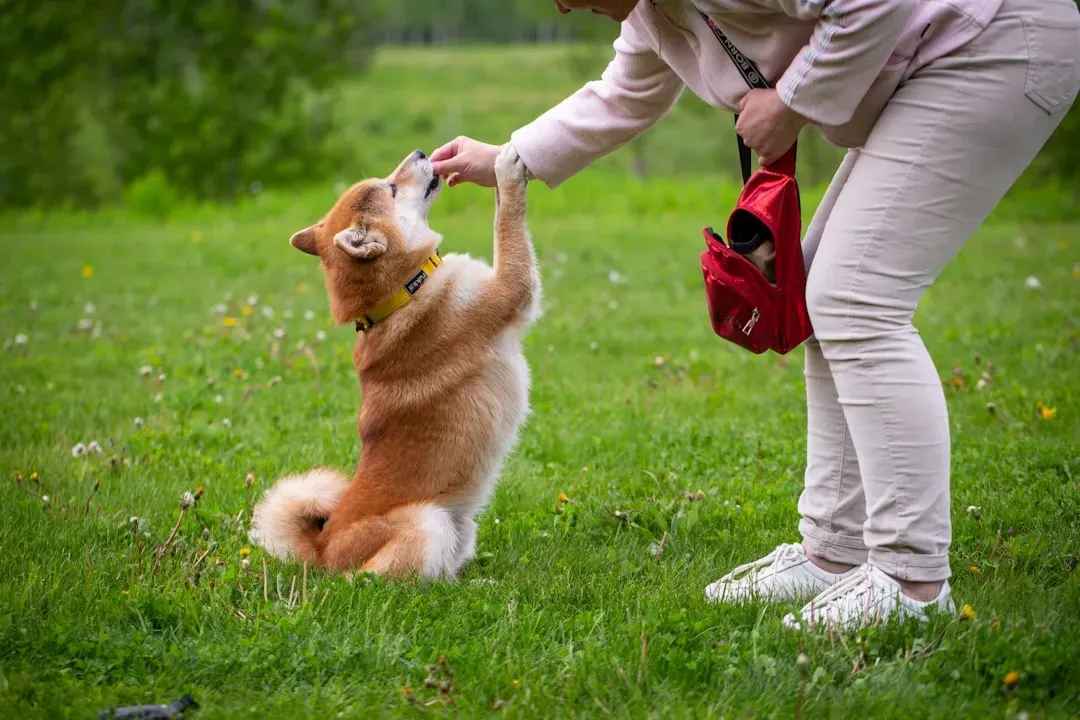
Any dog can respond to a cue in a quiet kitchen with a treat in front of their nose. The real test of relationship shows up when their instincts are screaming at them to do something else: chase the squirrel, run to the other dog, bark at the door. A dog who has accepted you as their safe person may still get excited, but they retain a thin, powerful thread of attention to you even in those high-energy moments.
This does not mean they are perfectly obedient robots – far from it. It means that your voice, your body language, and your presence carry enough emotional weight that they matter to your dog even when the world is loud. Many owners notice a turning point where “nothing worked outside” slowly shifts into “I can actually get through to them now.” That shift is not just training; it is trust layered over time.
6. They Bring You Their Favorite Things
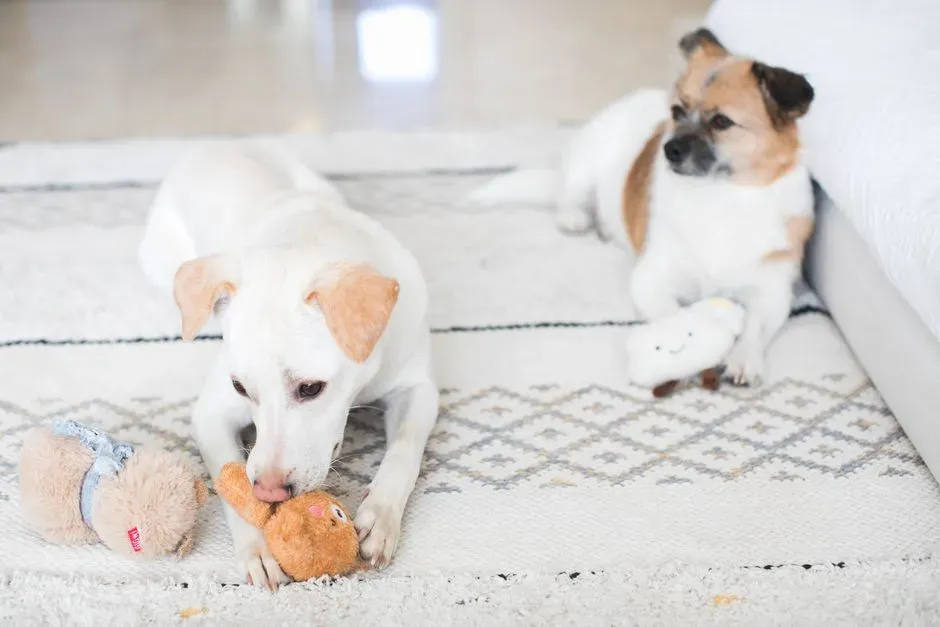
When a dog drags over a slobbery toy, a tug rope, or even a random sock, it is easy to assume they are just demanding play. And sometimes they are. But repeatedly choosing you as the person they share their prized possessions with is also a powerful relationship signal. In dog terms, offering a valued object is part invitation, part trust fall: they are handing you access to something that matters to them.
Some dogs will even bring items and then simply lie down nearby, not insisting on a game, just wanting to share their world with you. Others will present you with chews or bones and then calmly settle, content that you are close while they enjoy their treasure. In both cases, the message underneath is the same: you are not a threat to their resources; you are part of their inner circle where good things are safe.
7. They Seek You Out for Comfort When They Are Scared or Unwell
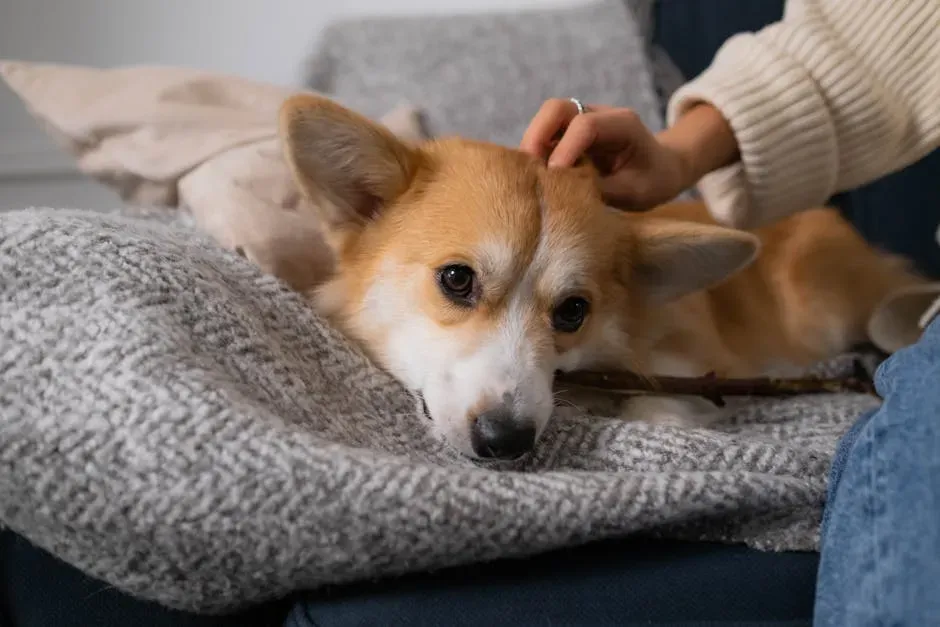
Stress reveals the truth of any relationship, and it is no different with dogs. During thunderstorms, fireworks, vet visits, or household chaos, notice where your dog goes. If they actively come to you – pushing their body into yours, tucking their head under your arm, or choosing to hide behind your legs – they are voting with their paws about who makes them feel safest when life gets overwhelming.
The same pattern shows up when they do not feel well. A dog that normally loves to play but suddenly becomes clingy, quietly following you and lying closer than usual, may be seeking comfort from the only person they fully trust to keep them safe. That choice is profound. In the moments when their instincts tell them something is wrong, you are the being they turn to instead of relying solely on their own coping behaviors.
8. Their Greeting Ritual With You Is Different
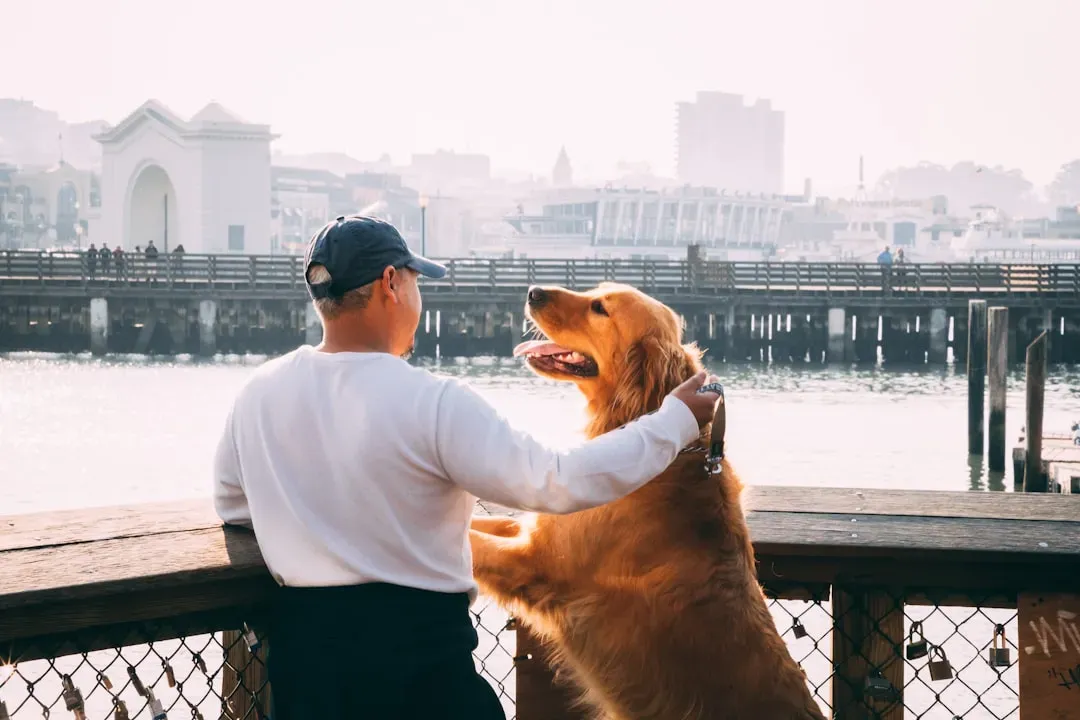
Most dogs get excited when anyone they like comes through the door, but the way they greet their safe person is often noticeably more intense, more joyful, or more complex. There may be a particular wiggle reserved only for you, a full-body spiral, or a ritual sequence – running to grab a toy, spinning once, then pressing against your legs. That familiar pattern is a little emotional fingerprint that says you matter in a way others simply do not.
Interestingly, dogs often recover faster from your departure as the relationship gets more secure. They may still be thrilled when you return, but the panic before you leave gradually softens into something closer to “I do not love this, but I know you come back.” That balance – big joy without constant distress – is a hallmark of a secure bond built on consistent experiences that proved you always do, in fact, return.
9. They Tolerate or Even Enjoy Gentle Handling and Care From You
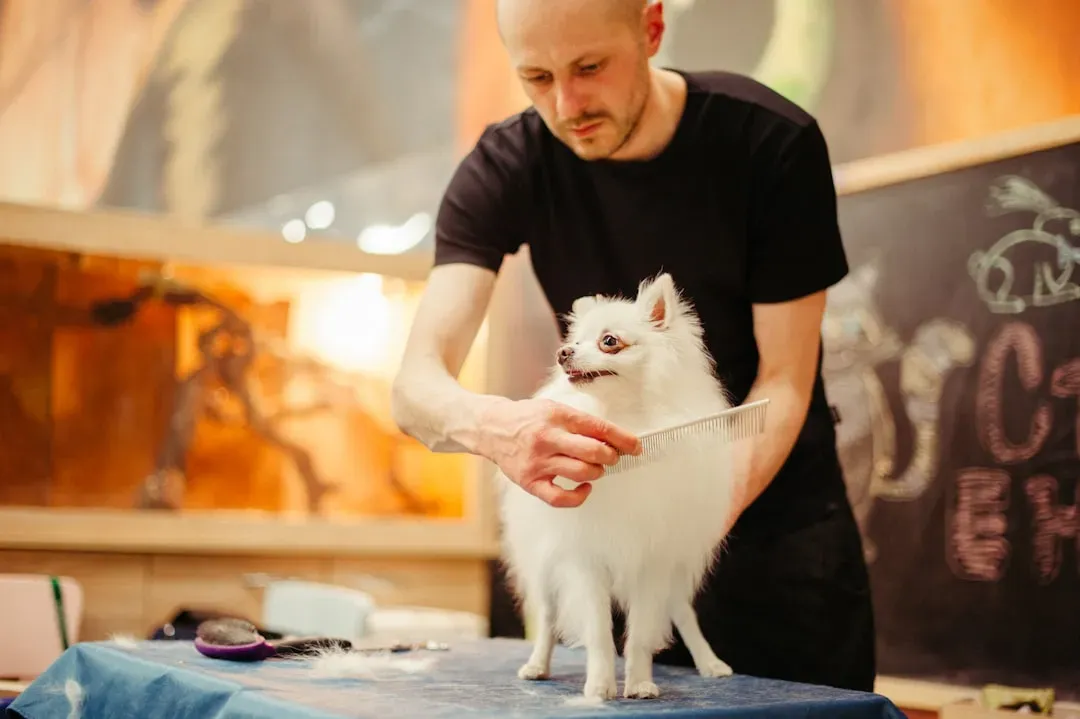
Many dogs are not naturally thrilled about having their paws touched, nails trimmed, ears cleaned, or harness clipped. When they have accepted you as their safe person, they often gradually allow more of this handling, or at least tolerate it with less drama. They may still dislike the process, but they lean on you, look to you, or stay relatively still because they trust your intentions and your touch.
This shows up in everyday affection too. A truly safe relationship allows a dog to choose how they are petted and to clearly say “no thanks” sometimes without being punished. Over time, as they learn that you respect their signals, they usually offer more contact on their own terms – head nudges under your hand, gentle paws on your leg, quiet sighs when you scratch their chest. That combination of consent and comfort is a strong indicator that they feel deeply safe with you.
10. They Show You Their Quirks and “Weird” Behaviors
Every dog has a private side: zoomies at odd hours, strange little play bows at furniture, made-up games with invisible rules. You rarely see the full extent of this with strangers because dogs, like people, keep some of their true personality for those they feel secure around. When your dog starts showing you those unfiltered, goofy, or even slightly unhinged behaviors, they are dropping their guard and letting you into their real inner world.
Sometimes this looks like dramatic play invitations, strange vocalizations, or elaborate routines before they settle down. Sometimes it is quieter: the way they self-soothe with a favorite toy, or the particular spot they always choose on the couch. I remember realizing my own dog was truly comfortable when she did her bizarre “back wiggle against the wall” move in front of me for the first time. That was the moment it clicked: she trusted me enough to be her whole, wonderfully odd self.
11. They Adjust Their Pace and Energy to Match Yours
One of the most touching signs that you are your dog’s safe person is how they learn to tune their rhythm to yours. High-energy dogs that could run for hours begin to offer quiet evenings at your side when you are tired. More sensitive dogs that startle easily will mirror your calm when you are relaxed, checking the environment less and watching you more. Over time, the two of you develop a kind of shared tempo, like dance partners who have finally found the same beat.
This adjustment is not about dominance or submission; it is about emotional attunement. Your dog is constantly reading your posture, your breathing, your tone of voice, and even your daily routines. When they consistently adapt their behavior so that you can move through life smoothly together – slowing down when you do, speeding up when you are playful, resting when you rest – it is a sign that they feel secure enough in your bond to sync up with you instead of just following their impulses.
Conclusion: Being a Dog’s Safe Person Is a Responsibility, Not a Trophy
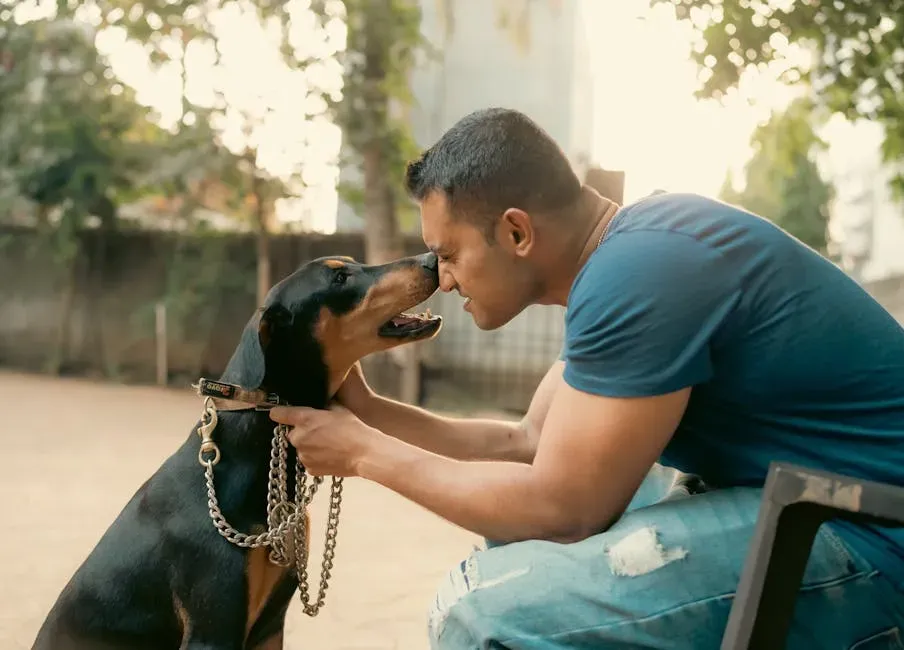
When you realize your dog has fully accepted you as their safe person, it is tempting to treat it like a badge of honor. And in a way, it is. You earned it through countless small choices: meeting their needs, respecting their boundaries, protecting them in scary moments, and showing up day after ordinary day. But that trust is not a prize you win once; it is a living, breathing responsibility you renew every time you choose patience over frustration and understanding over control.
In my view, the deepest measure of love for a dog is not how much they obey you, but how completely they can relax in your presence and be exactly who they are. If your dog follows you from room to room, melts against you when they sleep, checks in with you when the world feels big and noisy, and lets their quirks run wild in front of you, then you are not just their owner – you are their anchor. The question is, now that you know what that really means, how will you keep honoring the trust they have so bravely placed in you?


