
11 Things a Dog’s Tongue Shows a Vet in Seconds
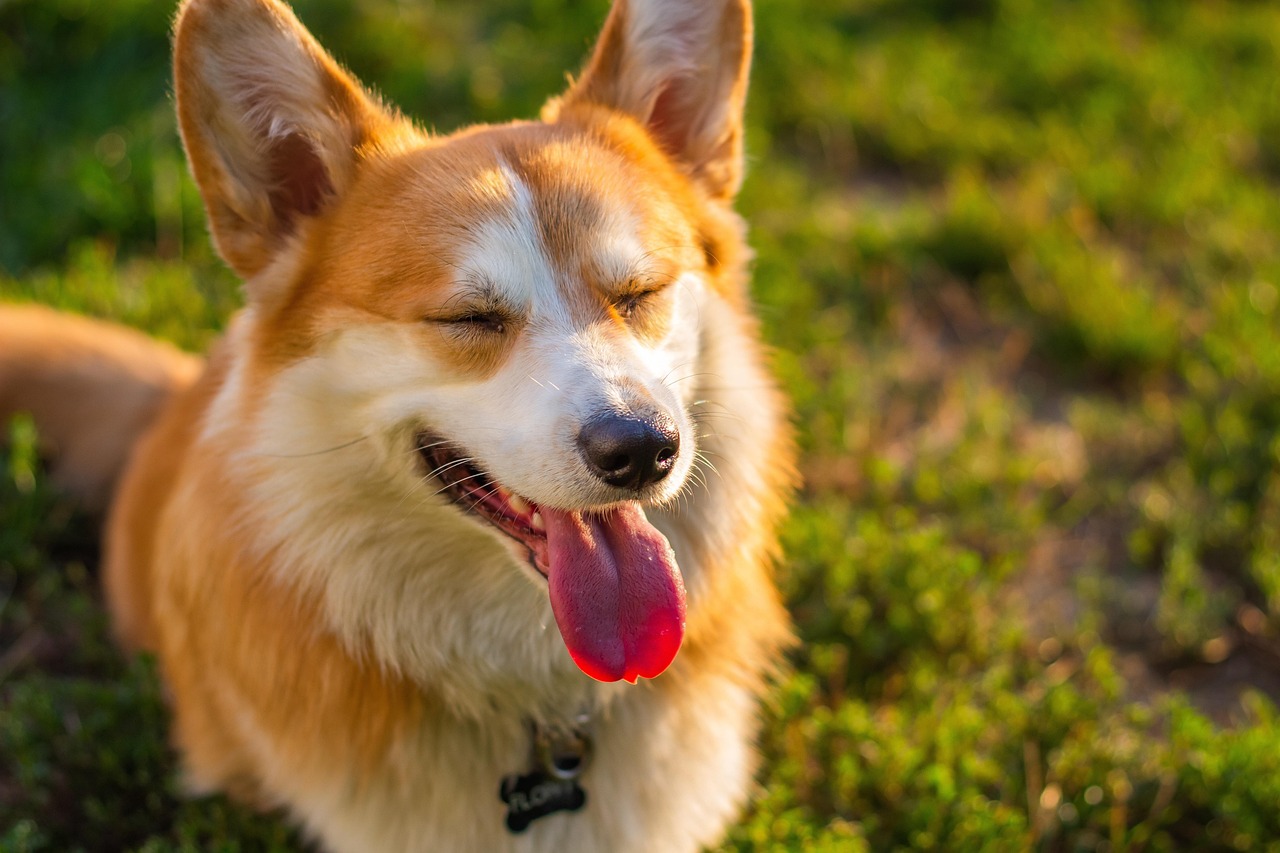
Every dog owner has a routine. Check the eyes, feel the ears, sniff the breath, maybe press a thumb into the paw pads. Almost nobody thinks to flip up the tongue – yet that’s the very first place a veterinarian looks when something feels off during an exam.
It sounds almost too simple to be real, but a few seconds of looking at color, texture, temperature, and moisture can tell a trained eye whether a dog is dehydrated, overheating, going into shock, fighting cancer, or quietly losing a battle with its liver. No machines, no bloodwork, no waiting room. Just knowledge most owners never pick up until it’s an emergency – which is exactly why this list exists.
#1 – A Pale or White Tongue Signals a Blood Emergency
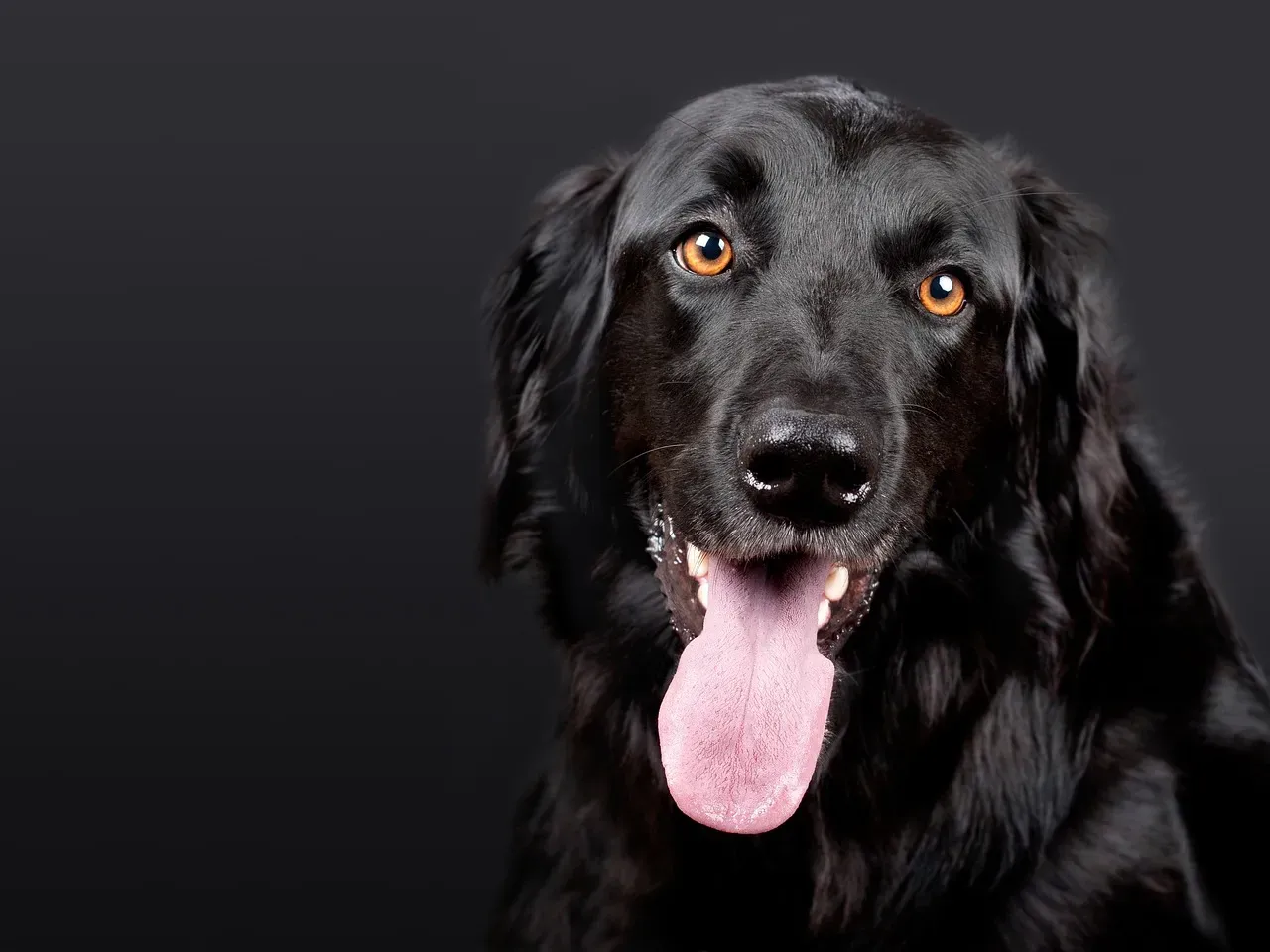
A washed-out, whitish tongue is one of the most urgent color changes a vet can spot, and it almost never means something minor.
Here’s the part that catches owners off guard: a pale tongue can point to internal bleeding that isn’t visible anywhere else on the body. It can also signal anemia, immune system breakdown, or even leukemia. This isn’t a symptom that earns a “wait and see” response – it earns a phone call.
Vets treat this color shift as a hard stop because the causes are rarely small. Blood loss from trauma, internal bleeding, kidney disease, or cancer can all drain the color out of a tongue that should be rich and pink. Add in lethargy or weakness, and most vets are already reaching for bloodwork before the dog is fully on the table.
A tongue that should be vibrant and blood-fed instead looks starved of color – because in a very literal sense, it is.
#2 – A Blue or Purple Tongue Means the Body Is Suffocating

This is the color that sends vets sprinting, not walking, toward the exam table.
Cyanosis – the medical term for that bluish tint – shows up because a healthy dog’s tongue is normally a warm, bright pink. Pink means good blood flow and good oxygen delivery. When oxygen delivery fails, the color can flip to blue in a matter of seconds.
Here’s the twist most owners never learn: some dogs are supposed to have blue tongues. Chow Chows and Shar-Peis carry genetics for darker, sometimes bluish-black tongues, and it’s completely normal for them. A vet’s first move is figuring out whether they’re looking at a breed trait or an oxygen crisis, because in a Labrador a sudden blue tongue can mean heart failure, airway obstruction, or severe respiratory distress – while in a Shar-Pei, it might just be Tuesday.
Quick Compare
- Normal blue tongue: Chow Chow or Shar-Pei, present since puppyhood, no breathing trouble
- Emergency blue tongue: Any other breed, sudden onset, paired with labored breathing or collapse
That one distinction changes the entire emergency response, which is exactly why vets never assume before they check.
#3 – A Yellow Tinge Exposes Liver Trouble Before Symptoms Show
Jaundice doesn’t just show up in the eyes – it hits the tongue too, and often earlier than owners expect.
A yellow tongue usually points to jaundice, which is most often tied to liver or gallbladder trouble, though gastritis can occasionally cause it too. The discoloration tends to be most noticeable in dogs with lighter tongues and gums, which is why vets often flip the tongue during even routine checkups.
The mistake most owners make is assuming a yellow tint would be obvious if it ever appeared. In reality, it can be subtle enough to miss for days. By the time jaundice is visible to the naked eye, the liver has often been under stress for a while already – which is why vets don’t wait around once they see it. Bloodwork usually starts the same day.
#4 – A Hot, Bright Red Tongue Can Mean Heatstroke Is Setting In
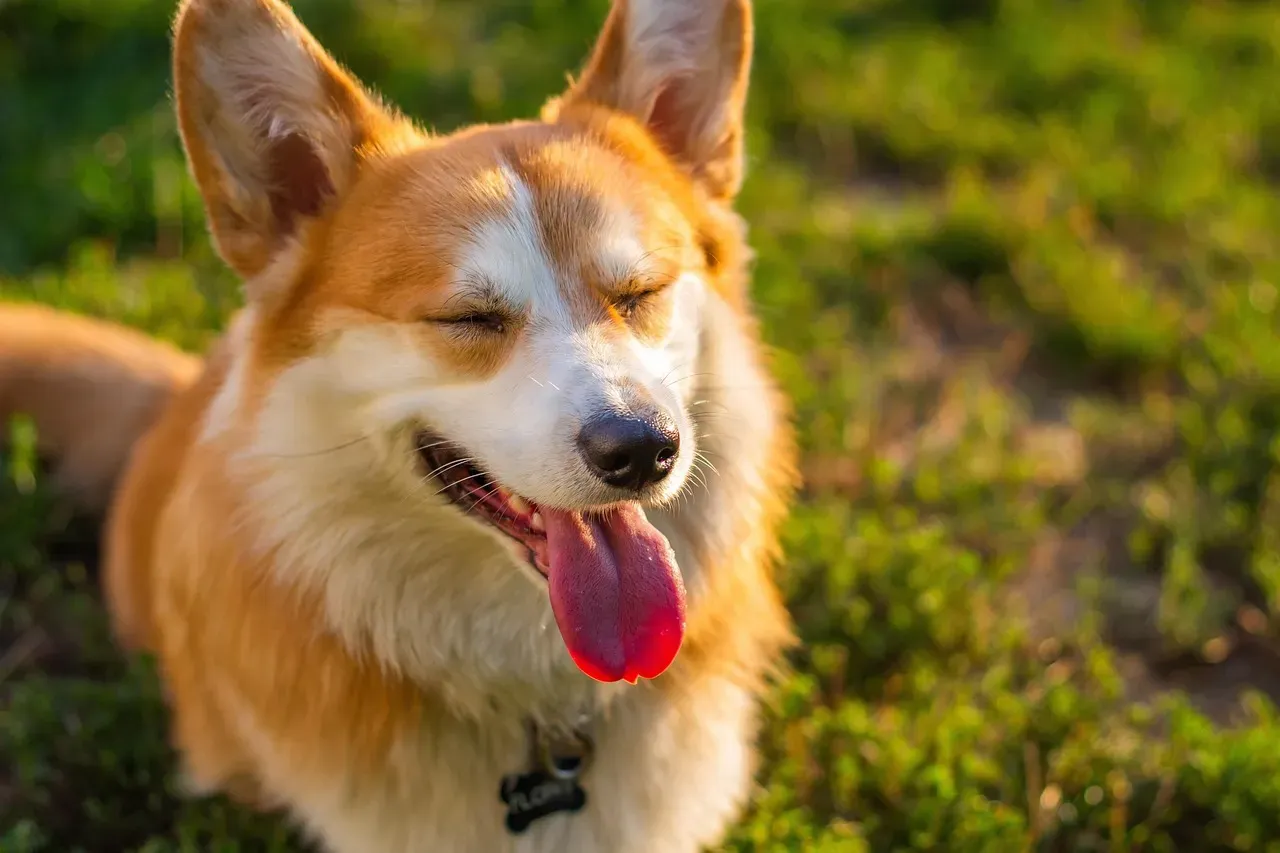
Not every red tongue is dangerous – but paired with heavy panting, vets treat it like a ticking clock.
A hot tongue is the body’s built-in cooling system working overtime. The blood vessels in a dog’s tongue dilate to help release heat, and combined with excessive panting, it’s often the earliest visible sign that a dog’s internal thermostat is losing the fight.
Most people don’t realize this is an emergency-room-level symptom, not a “let them nap in the shade” situation. The recommended first move is getting the dog into shade and soaking its fur with cool water immediately – then calling the vet, not the other way around. That order matters, because heatstroke damage can start before you even reach the car.
Fast Facts
- Move the dog into shade immediately
- Soak fur with cool – not ice-cold – water right away
- Call the vet while already heading to the car, not before
- Hot tongue plus heavy panting means minutes matter, not hours
Vets check tongue temperature almost by instinct during summer visits, because it’s one of the fastest ways to catch heatstroke before it reaches the organs.
#5 – A Cold Tongue Reveals Poor Circulation or Shock
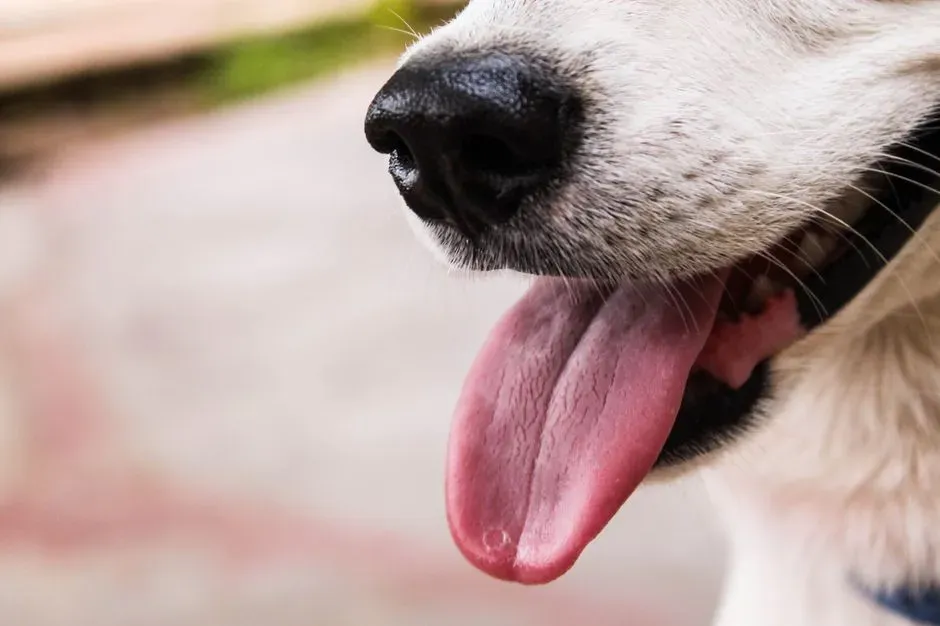
If a hot tongue means overheating, a cold one tells the opposite – and arguably scarier – story.
A cold, clammy tongue can mean body temperature has dropped dangerously low, or that blood supply is compromised. It’s one of the physical hallmarks of shock following trauma, blood loss, or severe illness. This is why vets use touch just as often as sight during an oral exam.
Here’s the part that doesn’t get said loudly enough: this two-second temperature check is wildly underused by everyday owners. A dog in shock will often have a cold tongue well before any other obvious symptom shows up. That single touch-test can be the earliest physical clue that a dog needs emergency stabilization – not just quiet observation on the living room floor.
#6 – Black Spots Are Usually Harmless, But Not Always
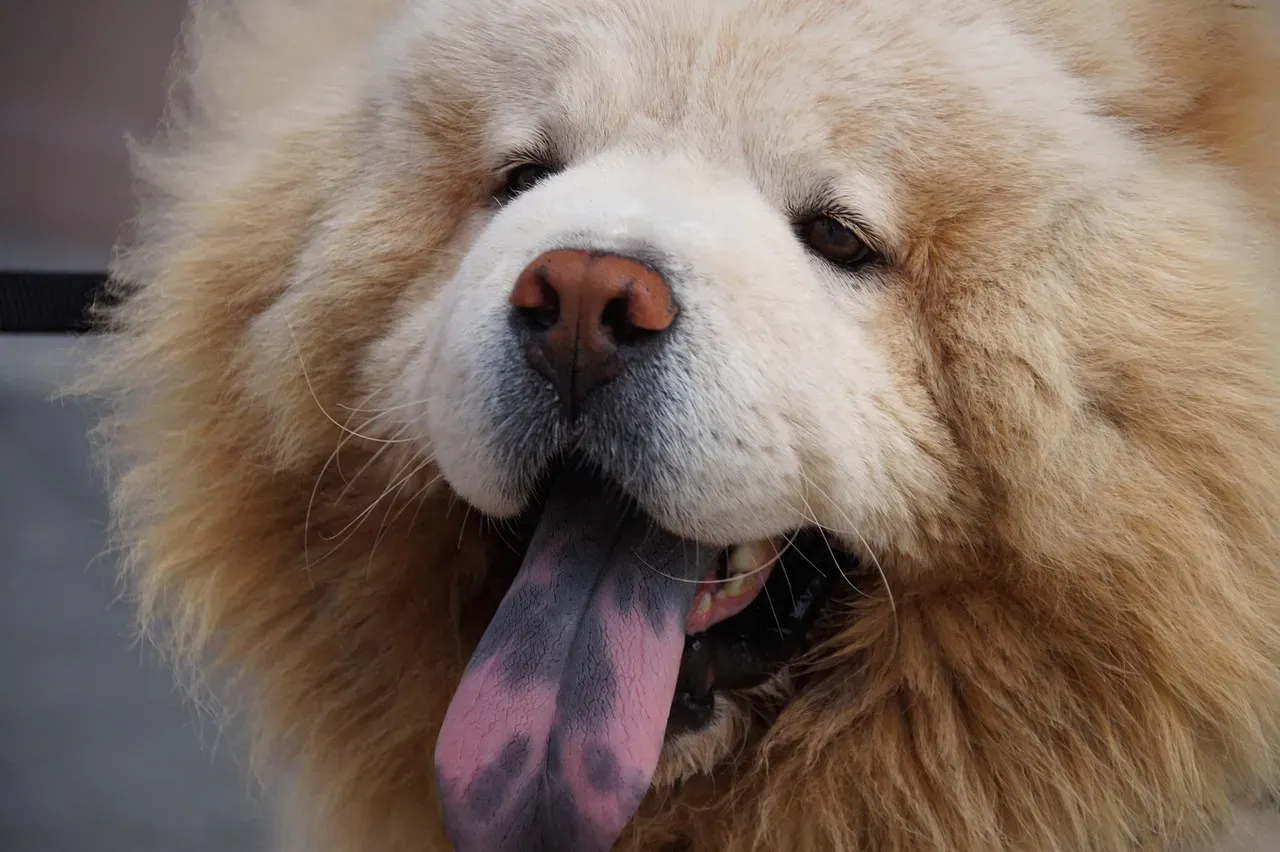
This is where vets have to slow down, because black doesn’t automatically mean bad news.
Most of the time, dark spots on a dog’s tongue are simple pigmentation – completely harmless and often genetic. Akitas, Dalmatians, and several other breeds naturally carry these markings from puppyhood, and they never cause a problem in a dog’s entire life.
At a Glance
- Present since puppyhood and unchanged for years: normal pigmentation
- Small, flat, and slowly darkening: normal pigmentation
- Appears suddenly, raised, or changing texture: worth a vet check
But here’s the detail that changes everything: timing and texture matter far more than color alone. A spot that’s raised, has an odd texture, or looks different from the surrounding tissue gets flagged immediately. Normal pigment spots typically start small and light, then darken slowly over months or years. A spot that shows up suddenly and darkens fast is treated very differently, because in rare cases it can signal oral melanoma or another form of cancer.
#7 – Small White Bumps Can Signal Calcium Deposits

This one surprises almost everyone, including longtime dog owners who thought they’d seen it all.
Small white bumps on the tongue can be a condition called calcinosis circumscripta – calcium deposits that build up under the tissue. It can be hereditary, triggered by trauma, or in some dogs, linked to abnormal blood calcium levels that need to be addressed directly.
Most people assume white bumps are just irritation from chewing a stick or a rough toy, and sometimes that’s exactly what it is. But because calcium-related bumps can point to a deeper metabolic issue, vets rarely dismiss them without asking a few follow-up questions about diet, kidney function, and recent bloodwork first.
#8 – A Dry, Crusty Tongue Exposes Hidden Dehydration
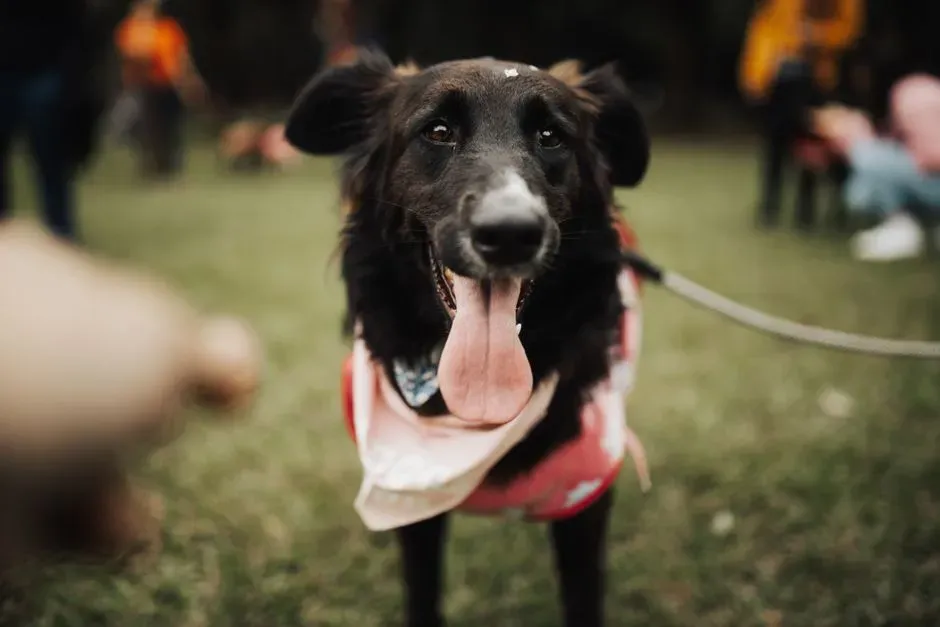
A moist tongue is so ordinary that owners barely register it – until it’s not moist anymore, and that’s exactly when vets start paying attention.
A well-hydrated tongue should feel damp to the touch. When that moisture disappears, it’s rarely a coincidence. Sometimes it’s mechanical – a tongue that no longer sits fully inside the mouth, which is common in brachycephalic breeds or dogs with tooth loss. But just as often, a dry, crusty tongue is a straightforward sign of dehydration.
Here’s an opinion that ruffles feathers in dog-owner circles: flat-faced breeds like Frenchies and Pugs get a pass on dry tongues far too often, with owners assuming “that’s just how they are.” Anatomy plays a role, sure – but that excuse lets real dehydration slip through unnoticed, especially in older dogs who are already losing teeth. A dry tongue deserves a water-intake check every single time, breed excuse or not.
#9 – Lumps or Thickened Texture Can Point to Oral Tumors
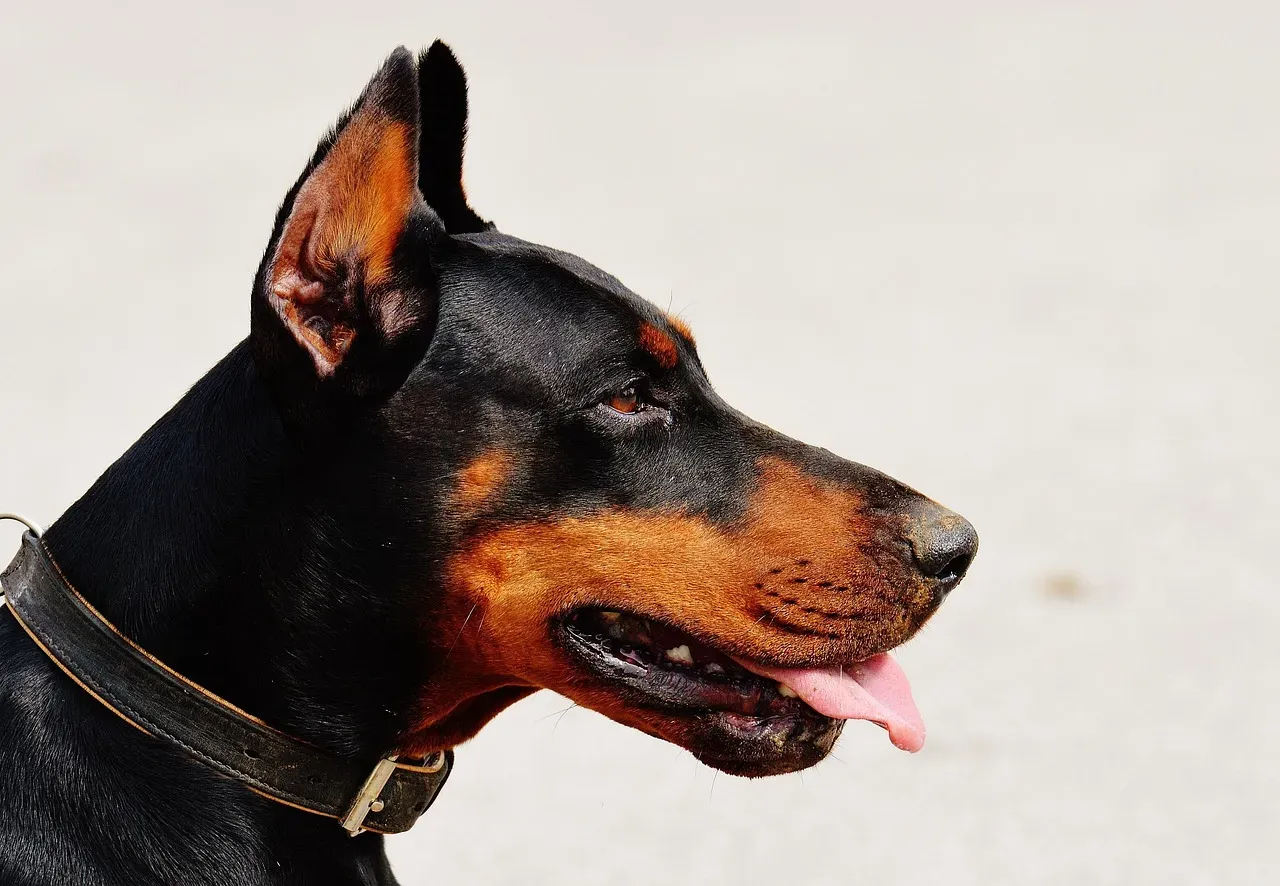
This is the moment that makes vets go quiet and reach for a light and a gloved finger.
Cancer can affect the tongue and surrounding soft tissue, and a lump or thickened, irregular patch can be an early tumor – one that may eventually bleed, become infected, or cause noticeably bad breath. Texture, not appearance, is the real giveaway here, and it’s exactly what a quick glance can miss entirely.
Worth Knowing
- Many oral tumors feel like a firm, slightly raised patch – not an obvious growth
- Texture changes often matter more than visible color or size
- Bleeding, infection, or sudden bad breath can be early warning signs
- Only diagnostics confirm malignant vs. benign – never guess by sight alone
The uncomfortable truth is that oral tumors don’t always look dramatic at first. Some feel like nothing more than a firm, slightly raised patch rather than an obvious growth. Diagnostics are the only way to confirm whether it’s malignant or benign, which is exactly why vets run a gloved finger along the tongue’s surface during exams instead of relying on sight alone.
#10 – Ulcers and Sores Reveal Chemical Damage or Systemic Disease

An ulcerated tongue tells a story that goes far beyond the mouth itself.
Ulcers or open sores on the tongue, lips, or gums can come from dental disease, systemic illness like kidney disease, a laceration, a swallowed foreign object, or even electrical and chemical burns. That’s a surprisingly long list of suspects for something that looks like a simple sore.
Most owners never connect a tongue ulcer to a kidney problem, yet vets make that link constantly. Ulcers can appear as red or white-coated erosions, a condition broadly known as glossitis when the whole tongue is inflamed. Even something as ordinary as licking up a bit of spilled bleach can cause chemical burns and ulceration on this delicate tissue – which is exactly why vets start asking about recent chewing habits, cleaning products, and appetite the second they spot a sore.
#11 – Excessive Licking and Drooling Expose Nausea and Anxiety Before You Notice Anything Else
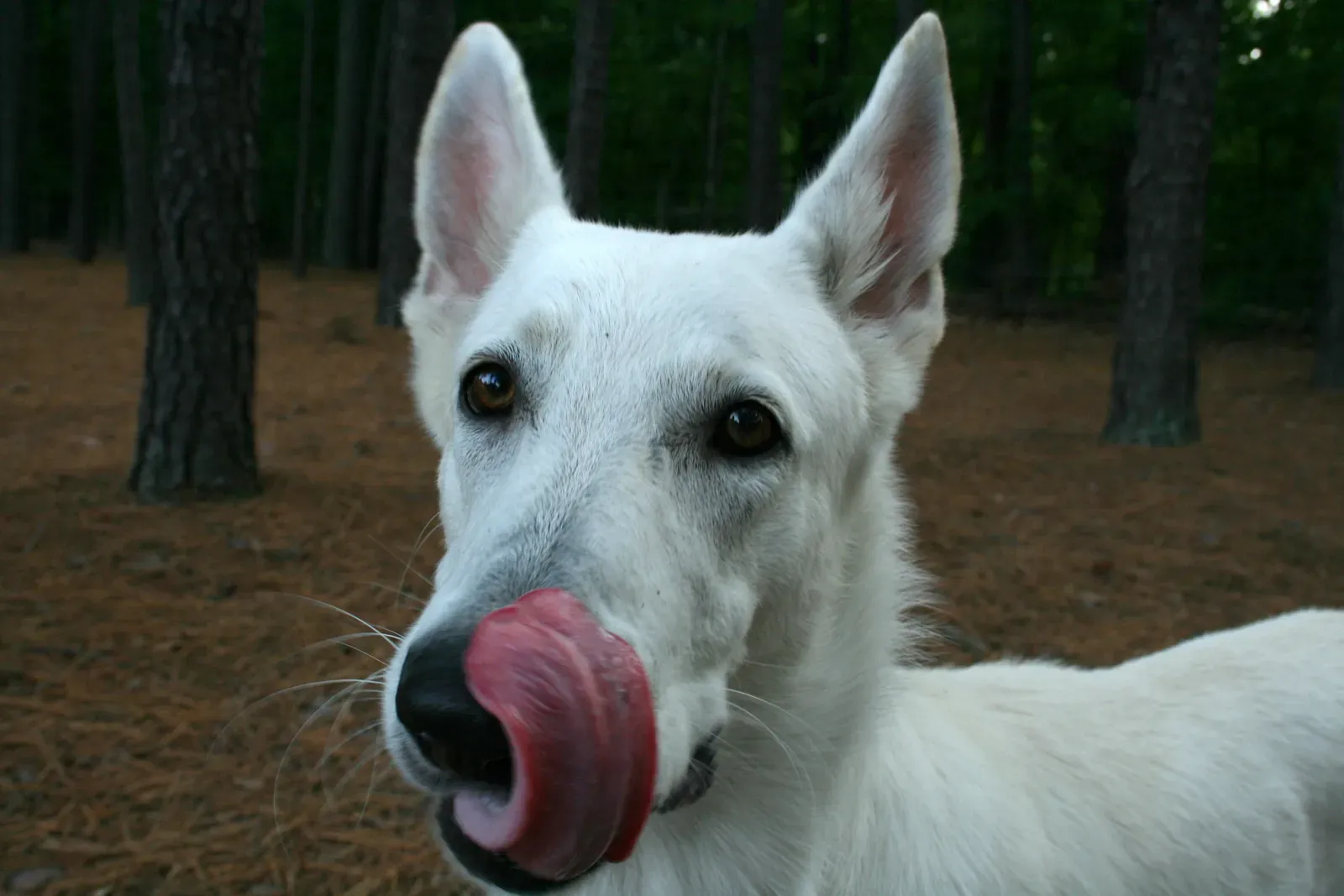
This is the behavioral clue vets weigh just as heavily as the tongue’s physical appearance – because sometimes the tongue’s actions matter more than its color.
Nausea often shows up as excessive lip licking long before a dog ever vomits or refuses a meal. It’s one of the earliest, subtlest tells that something internal is off, and it’s easy for owners to mistake for a random habit.
Here’s the part that surprises most people: it isn’t always physical. Repetitive licking can also stem from anxiety, with some dogs using it to self-soothe or distract themselves from stress. Vets treat sudden, repetitive licking as a genuine diagnostic clue rather than a quirky habit, and any new pattern like this is worth getting checked. A tongue that won’t stop moving is often trying to say something the rest of the body hasn’t shown yet.
The Bottom Line
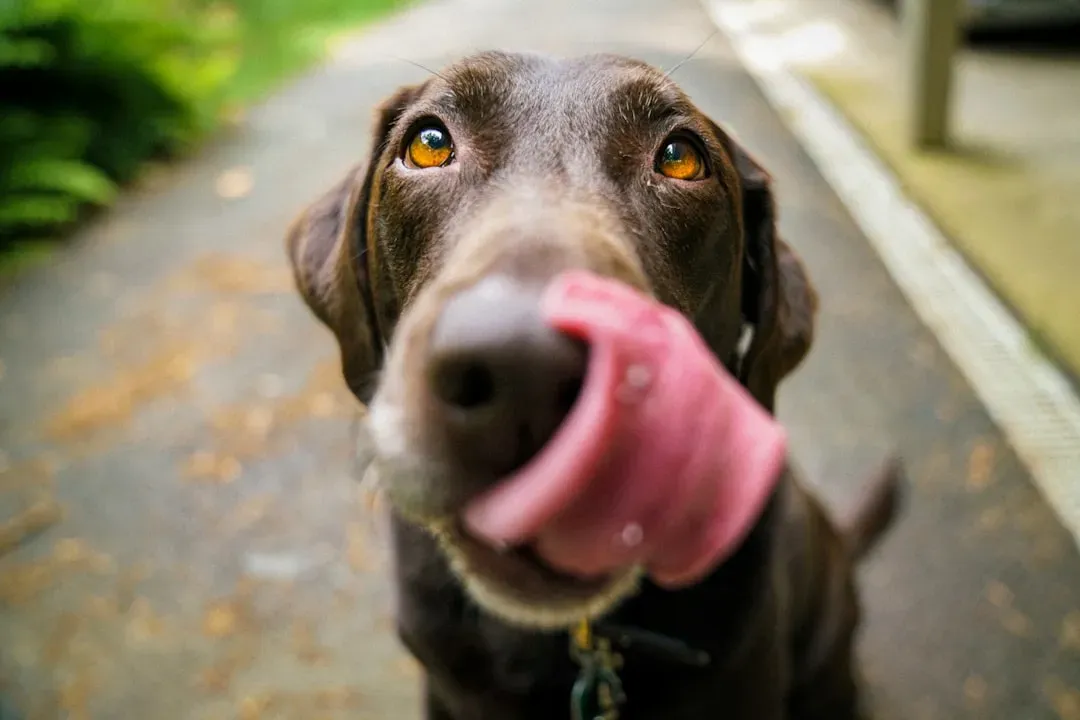
A dog’s tongue is doing far more than tasting kibble and slobbering on the couch cushions. It’s a live readout of circulation, oxygen levels, liver function, hydration, and even cancer risk, updating in real time every single day.
The most shocking part isn’t any single symptom on this list – it’s how many owners will check ears, eyes, and noses for years without ever once flipping up the tongue. Color matters, but so does temperature, texture, and behavior like nonstop licking. Skipping the tongue means skipping one of the earliest warning systems a dog has, and by the time other symptoms show up, that window for an easy fix may already be closing.