
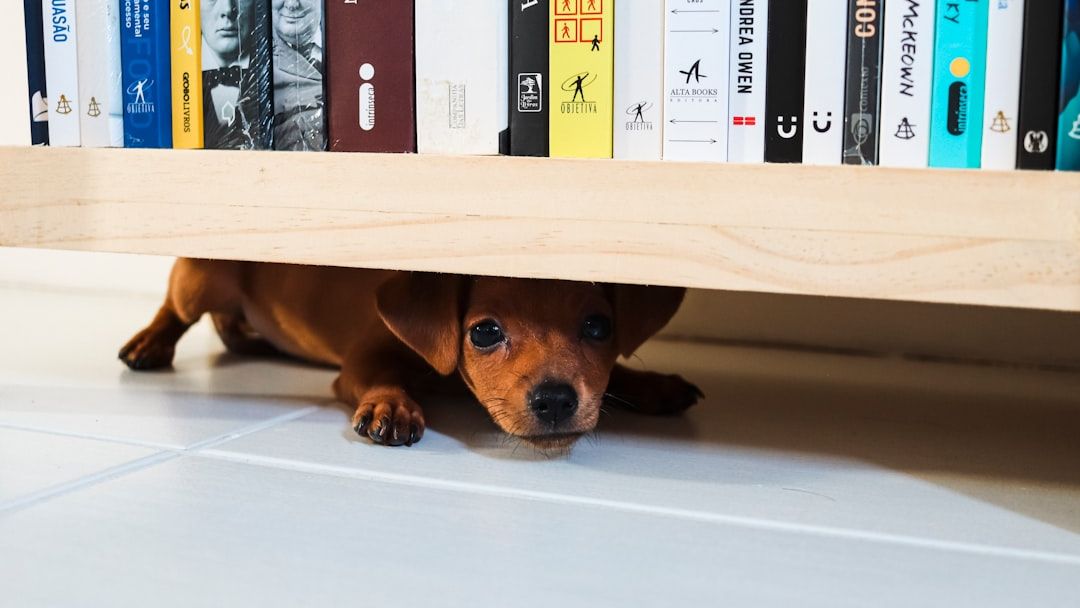
Most dog owners have watched their pet freeze in place or fixate on an empty corner of the room. The behavior feels sudden and unexplained, leaving people wondering what their companion might be picking up that human senses miss.
Stories like these have circulated for years, blending everyday observations with the idea that dogs notice shifts in the atmosphere around them. Whether rooted in heightened senses or something harder to define, these moments spark curiosity about what our four legged friends truly detect.
Intense Staring at Empty Spaces
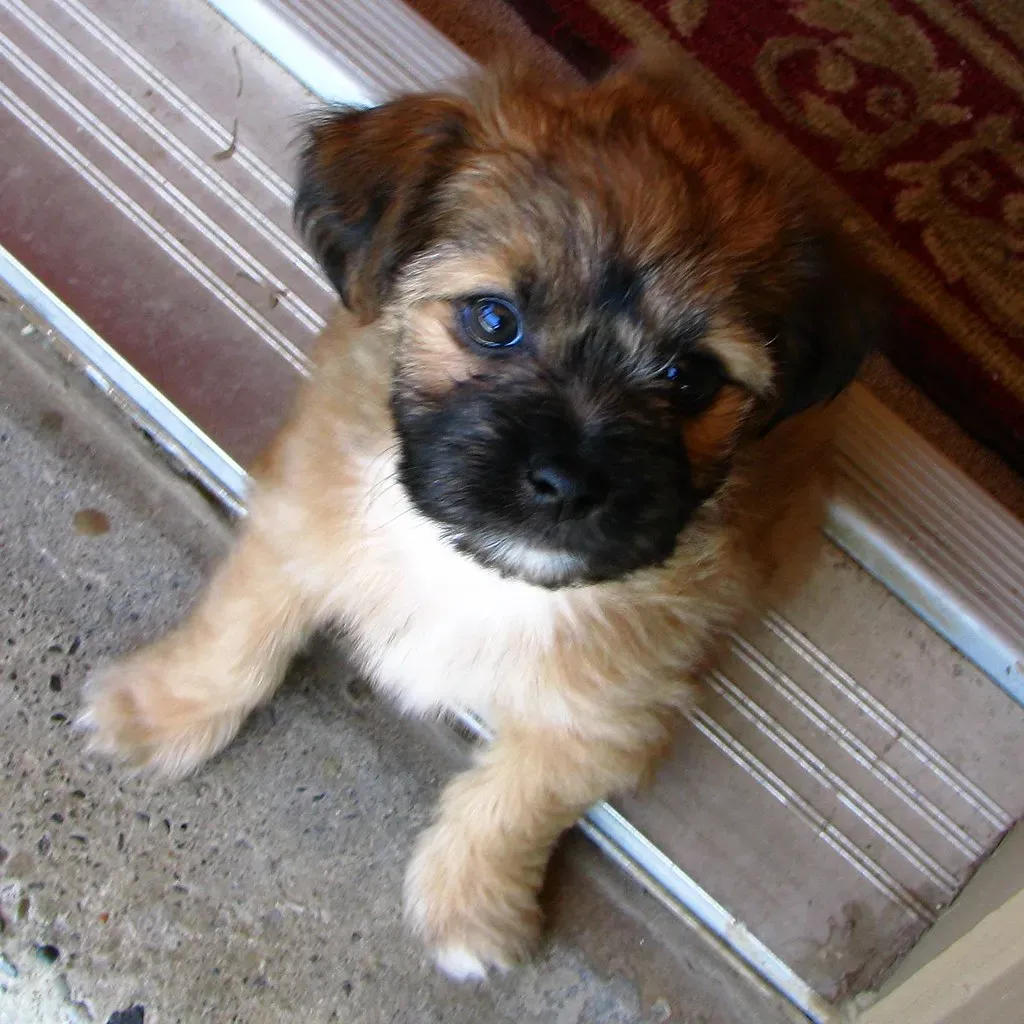
Dogs often lock their gaze on a blank wall or vacant spot in the room without any obvious trigger. This focused attention can last for minutes, as if they track movement invisible to everyone else. Owners report the stare feeling deliberate rather than random.
The behavior tends to occur in specific areas of the house, repeating over several days. Some notice their dog tilting its head slightly during these episodes, suggesting deeper concentration. It creates an uneasy atmosphere that prompts people to check the space themselves.
Sudden Barking at Nothing

A quiet house can erupt with sharp barks directed toward a doorway or hallway where nothing appears. The sound carries an alert quality, different from the usual excitement over visitors or squirrels outside. Timing often aligns with moments when the home feels unusually still.
These outbursts may stop as quickly as they start, leaving the dog calm again within seconds. Repeated episodes in the same location make owners wonder about unseen disturbances. The pattern sometimes shifts after changes like rearranging furniture or opening windows.
Pacing and Restlessness

Restless movement through rooms replaces the usual relaxed lounging when something feels off. The dog might circle the same path repeatedly, pausing only to glance toward certain corners. This activity increases during evening hours when shadows lengthen.
Owners observe the pacing accompanied by occasional pauses to sniff the air or floor. The energy level stays elevated until the dog settles in a different spot altogether. Such shifts in routine stand out against the animal’s normal calm demeanor.
Hiding in Unusual Places

Some dogs retreat under beds or behind furniture in rooms they normally enjoy. The chosen spot offers limited visibility yet feels secure to the animal. This withdrawal happens without any loud noises or obvious threats present.
The hiding persists longer than typical reactions to thunderstorms or strangers. Family members notice the dog emerging only after extended periods of quiet. Patterns like this often coincide with other subtle changes in household mood.
Following Owners Closely

A normally independent dog may shadow its person from room to room without seeking attention. The proximity feels protective rather than needy, with the animal positioning itself between the owner and certain areas. This closeness continues even during routine tasks like cooking or reading.
Attempts to encourage space result in the dog returning quickly to the same position. The behavior eases when the person moves to brighter or more open parts of the home. Many owners describe it as the dog acting as a quiet guardian.
Low Growling Without Visible Cause

A soft growl rumbles from the dog while it faces an empty section of the room. The sound lacks the intensity of a warning toward people or other animals. It surfaces intermittently, often fading when the dog is gently redirected.
These vocalizations appear tied to specific times of day or after certain visitors leave. The growl carries a cautious tone rather than aggression. Owners learn to recognize the difference through repeated observation over weeks.
Refusing Entry to Certain Rooms
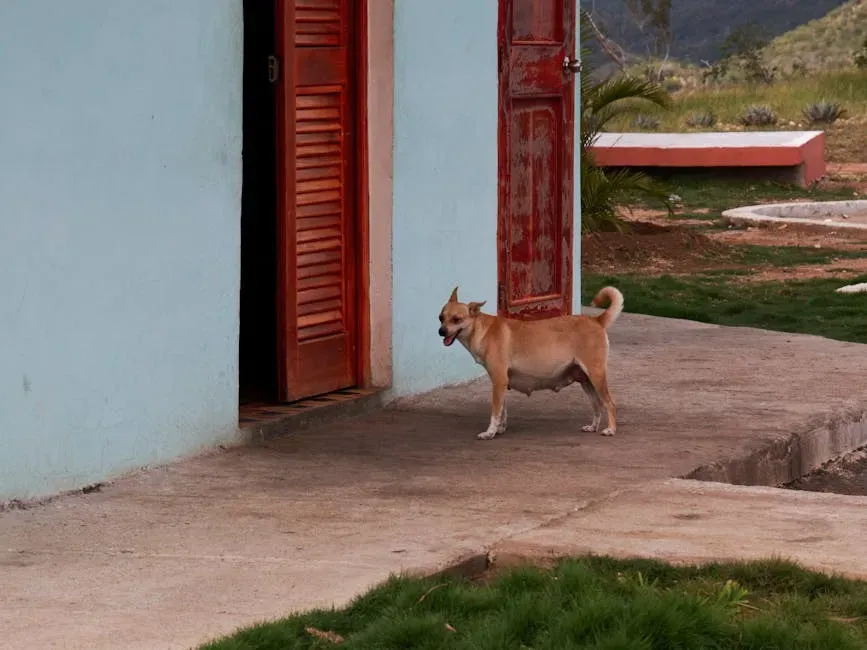
A dog that once roamed freely may halt at the threshold of a previously favorite space. Attempts to coax it inside meet resistance through body language like lowered head or tucked tail. The avoidance holds steady across multiple attempts.
Other rooms remain unaffected, highlighting the selective nature of the reluctance. Changes in lighting or scent from cleaning products sometimes alter the pattern temporarily. The selectivity makes the behavior stand out during daily routines.
Excessive Sniffing at Walls or Floors

Noses press against baseboards or floorboards in concentrated bursts lasting several minutes. The sniffing covers the same small area repeatedly without moving on to other spots. This focused investigation differs from casual exploration of new scents.
The activity often follows periods of staring or pacing in the same vicinity. Owners notice the dog returning to these locations even after being called away. The persistence suggests something compelling draws repeated attention.
Tail Tucked and Body Language Shifts

A normally wagging tail stays low and still when the dog enters certain areas. The overall posture appears more compact, with ears slightly back and movements more deliberate. These changes appear without any interaction from family members.
The body language normalizes once the dog moves to another part of the house. Repeated observations link the shift to particular times or after specific events like arguments or visitors. The contrast with usual relaxed carriage becomes noticeable quickly.
Unusual Howling or Whining
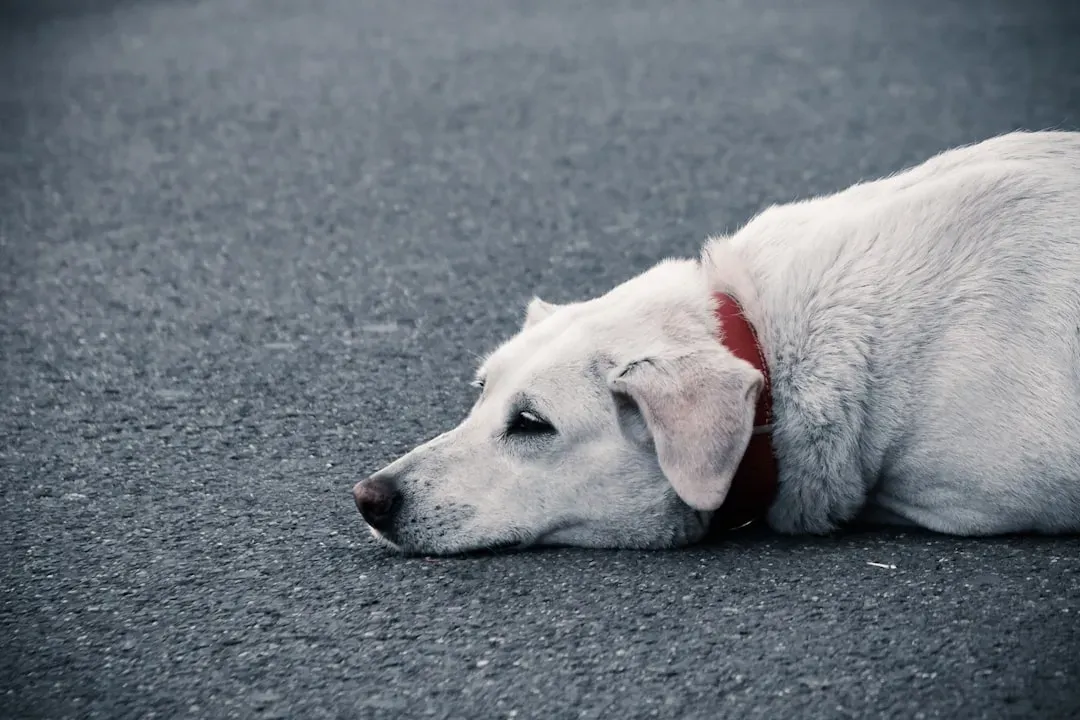
Soft whines or brief howls emerge at odd hours without external sounds like sirens. The vocalization carries a plaintive quality that differs from attention seeking. It occurs in short bursts followed by silence and resumed normal activity.
These sounds sometimes echo through the house at consistent intervals over several nights. Owners track the timing against household schedules to identify patterns. The episodes rarely disturb sleep yet leave an impression of unease.
Alert Ears and Heightened Awareness
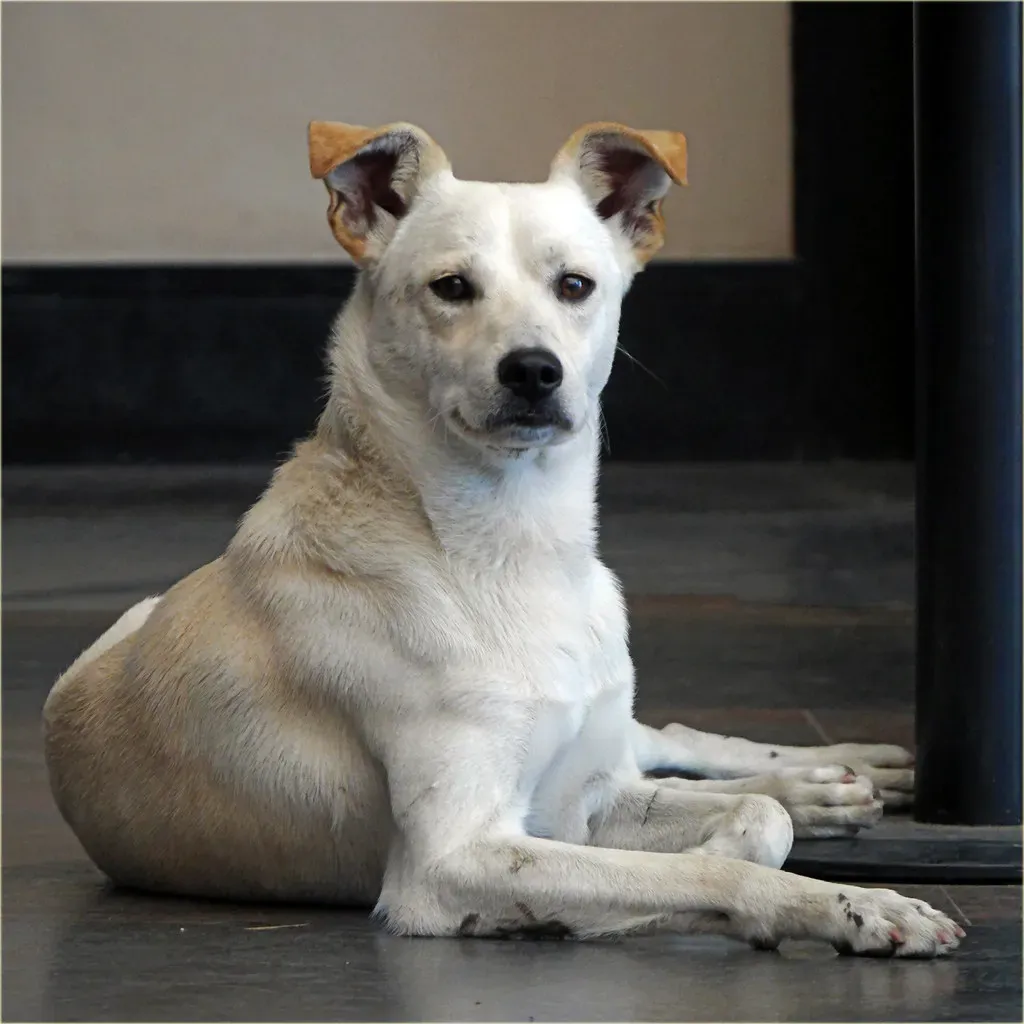
Ears perk forward at moments when no audible sounds reach human ears. The dog scans the room with quick head movements, maintaining a rigid stance. This heightened state lasts longer than typical reactions to distant traffic or neighbors.
Attempts to distract the animal meet limited success until the focus naturally breaks. The alertness often precedes other behaviors like staring or pacing. Over time, owners associate these moments with particular rooms or conditions in the home.
Dogs have shared our spaces for thousands of years, and their reactions continue to fascinate people seeking to understand the unseen. Paying attention to these signals can strengthen the quiet partnership between human and animal, even when explanations remain elusive. In the end, the bond itself offers the most reliable comfort when the house feels unsettled.


