
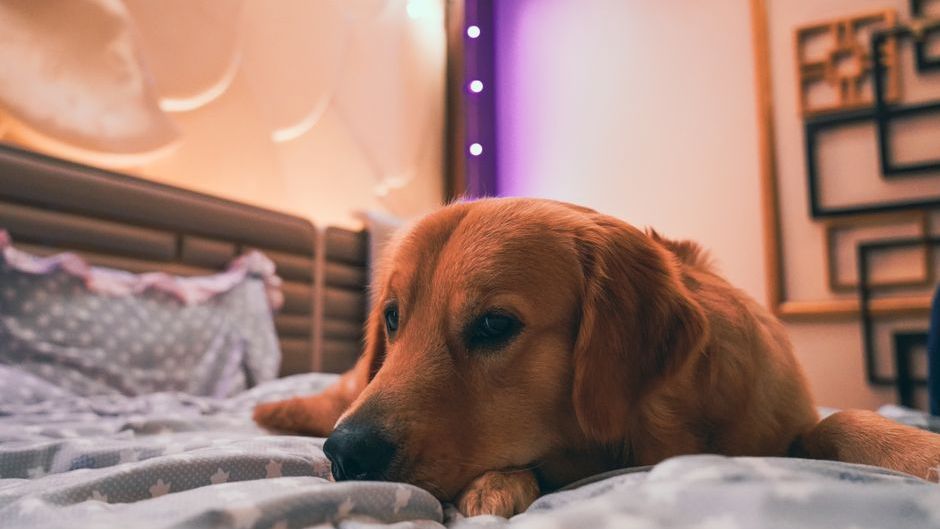
Many pet owners have watched their dog fixate on an empty corner long after the lights go out. The stare can last for minutes, sometimes accompanied by a low growl or sudden head tilt that leaves everyone in the house wondering what exactly is being seen or heard.
While the room looks ordinary to human eyes, dogs experience the space differently through sharper senses and instincts shaped by thousands of years of evolution. Understanding the possible reasons behind the behavior helps owners respond with patience rather than worry.
Heightened Hearing Abilities
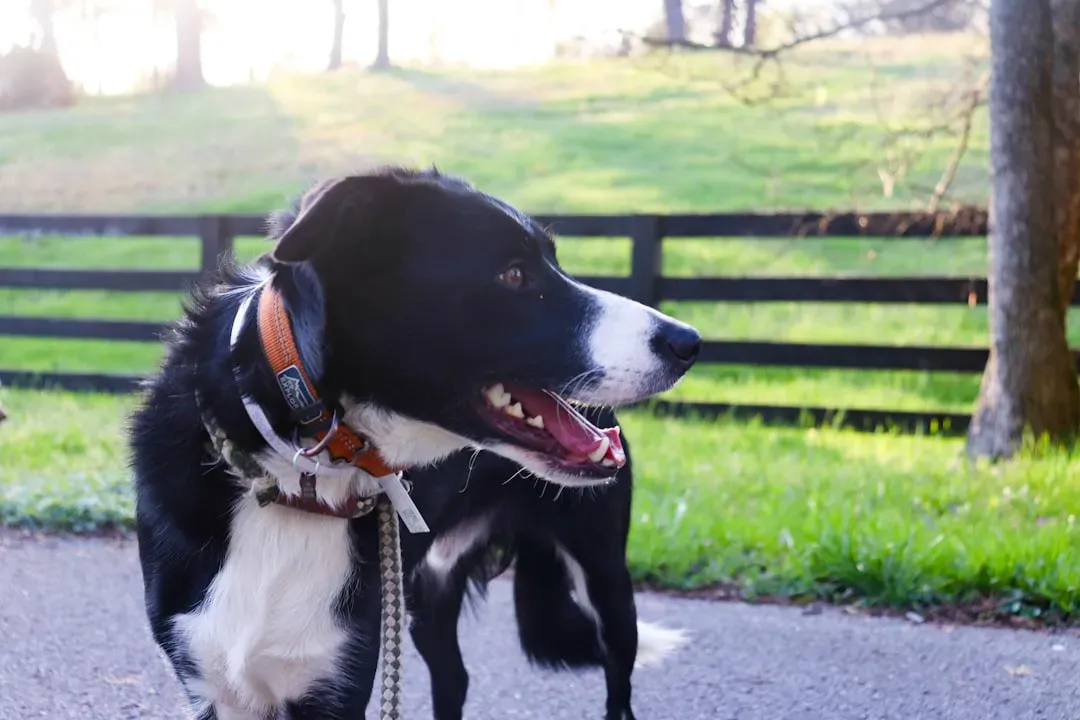
Dogs possess ears capable of picking up frequencies far beyond what people detect. A faint hum from wiring or a distant appliance can register clearly to them even when the house seems silent to everyone else. This sensitivity often explains why a dog pauses and stares at one specific spot night after night.
Small shifts in air pressure or the subtle creak of settling wood can also draw attention. Owners sometimes notice the staring begins right after a neighbor starts a late night project or when outdoor temperatures drop and heating systems activate. Paying attention to these patterns reveals how ordinary household sounds become focal points for a dog.
Detecting Inaudible Noises
Many dogs react to ultrasonic signals from electronics or pest deterrents that operate outside human range. These devices emit steady tones that may seem threatening or simply interesting to a canine listener. The corner of the room might align perfectly with where the sound appears loudest.
Wildlife outside can add another layer. Mice in walls or insects moving through insulation produce tiny vibrations that travel through floors and furniture. A dog may track these movements with intense focus because the noises carry information worth investigating.
Visual Stimuli Like Dust or Lights

Low light conditions change how reflections appear on walls and floors. A passing car headlight or the glow from a charging device can create moving shadows that catch a dog eye. What looks like nothing to a person might resemble another animal or an unfamiliar shape to the dog.
Dust particles floating in a beam of moonlight or from a nearby vent can also hold attention. Dogs notice motion more readily than stationary objects, so even gentle air currents turn ordinary specks into something worth watching. Over time the same corner becomes associated with these visual events.
Underlying Anxiety or Stress
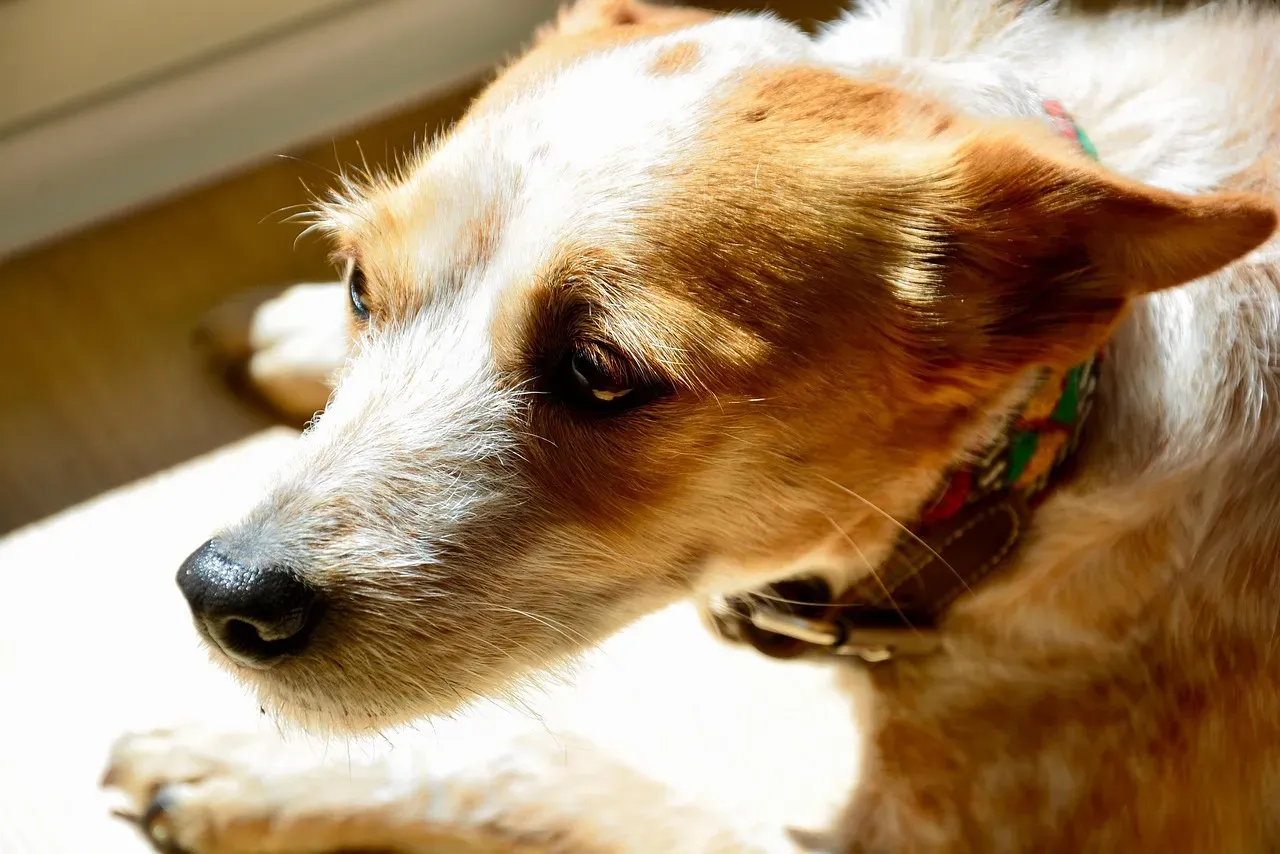
Some dogs develop staring habits when they feel unsettled by changes in the household. A new work schedule, recent move, or even rearranged furniture can increase overall tension that shows up as prolonged focus on one area. The behavior serves as a way to monitor the environment for potential threats.
Separation related worries sometimes surface at night when the family settles down. The dog may choose a corner because it offers a clear view of doorways or because past experiences taught the animal to stay alert there. Consistent routines and calm reassurance often reduce the intensity of these episodes.
Potential Medical Concerns

Occasional staring rarely signals serious problems, yet sudden or obsessive versions can relate to vision changes or neurological issues. Older dogs in particular may develop conditions that alter how they process visual information or create phantom sensations. A veterinary check helps rule out discomfort or declining senses.
Pain from arthritis or ear infections can make a dog seek out quiet corners while remaining unusually still. The staring might actually reflect an attempt to manage discomfort rather than any external stimulus. Regular health exams catch these possibilities early and keep the behavior from becoming a bigger concern.
Influence of Environment and Routine
The layout of a room often directs a dog attention toward corners where furniture meets walls. These spots can feel safer or more interesting because they limit the number of directions from which surprises might appear. Changes in lighting or the addition of new objects nearby can shift which corner becomes the favorite.
Daily schedules play a role too. Dogs that receive less daytime activity sometimes channel extra energy into nighttime vigilance. Adjusting playtime, adding puzzle toys before bed, or ensuring the sleeping area feels secure can redirect that focus toward rest instead of staring.
Interpreting the Behavior Thoughtfully

Most cases of corner staring reflect normal canine curiosity rather than anything alarming. Owners who observe the full context, including time of night, accompanying body language, and recent household changes, usually arrive at simple explanations that fit their individual dog. Jumping to dramatic conclusions rarely helps the animal or the relationship.
Still, persistent staring paired with other unusual signs deserves professional attention to protect both pet and peace of mind. The real takeaway lies in recognizing that dogs live in a richer sensory world than humans do and that small adjustments in daily life often restore calm. Watching with curiosity instead of fear turns these moments into opportunities to understand a companion better.


