
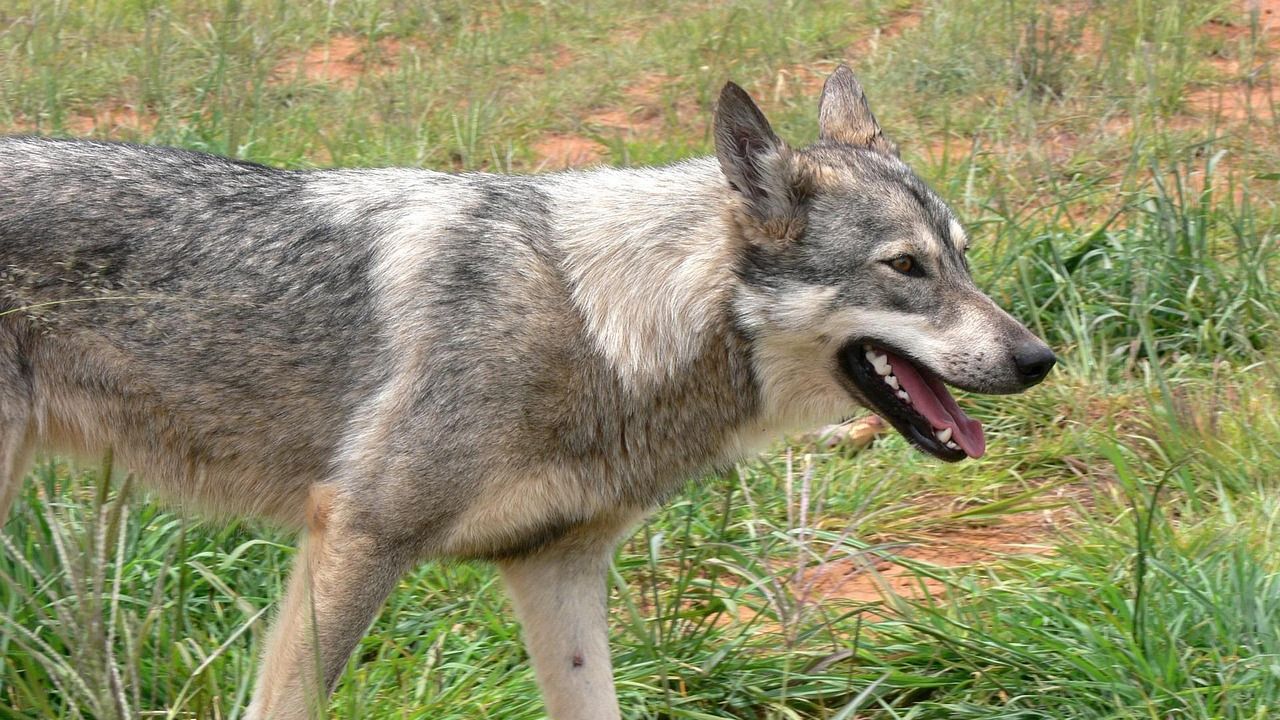
Montana’s vast backcountry has long been home to a recovering gray wolf population, yet recent data has prompted state wildlife managers to recalibrate harvest levels for the coming season. Officials with the Department of Fish, Wildlife and Parks released updated proposals in mid-July that reflect a lower statewide estimate of wolves. The changes come as the agency prepares for its annual review of hunting and trapping rules that will shape activities from September through March.
Updated Population Modeling Drives the Shift
A new estimation tool known as iPOM 2.0 has altered how biologists count wolves across the state. Earlier figures placed the population near 1,094 animals, but the revised analysis points to roughly 725 wolves and indicates a steady decline since 2021. Agency staff say the improved method accounts for reporting discrepancies and provides a clearer picture of current numbers. This adjustment directly influenced the harvest recommendation. Last season’s quota stood at approximately 450 wolves. The new proposal sets a statewide limit of 250 animals for the 2026-2027 season. Officials emphasize that the lower figure aligns with the updated population data while still allowing regulated hunting and trapping opportunities.
Public Comment Period Nears Its Close
The Fish, Wildlife and Parks Commission opened the proposal for public review shortly after its release. Interested residents and stakeholders can submit comments through August 12. The commission is scheduled to consider the regulations at its August 19 meeting, giving the public a narrow window to weigh in before final decisions. Many comments focus on the balance between sustainable harvest and long-term population health. Some groups have urged even stricter limits, particularly in areas adjacent to Yellowstone National Park where wolves from the park’s packs occasionally range. The agency has noted that input received will help inform any last adjustments before the season begins.
Broader Context of Wolf Management in Montana
Wolf management in the state has evolved considerably since federal delisting more than a decade ago. A new conservation plan adopted in 2025 updated monitoring methods and harvest strategies to reflect changing conditions on the landscape. The current proposal builds on that framework by incorporating the latest population modeling. Season dates and methods remain largely consistent with prior years, though the reduced quota represents the most noticeable change. Trapping and hunting will continue under established regulations, with the lower overall limit intended to match the revised abundance estimates. Agency reports highlight that adaptive management remains central to maintaining both ecological balance and recreational opportunities.
What Comes Next for the 2026-2027 Season
With the comment deadline imminent and the commission meeting just days away, the final quota and any unit-specific adjustments will soon be set. Hunters and trappers planning for the fall and winter will watch closely for the outcome. The decision will also shape how the state tracks wolf numbers in the years ahead as new data continues to refine management approaches. The process underscores the ongoing challenge of balancing conservation goals with public use of wildlife resources in a state where wolves remain a focal point of both ecological and social discussion.


