
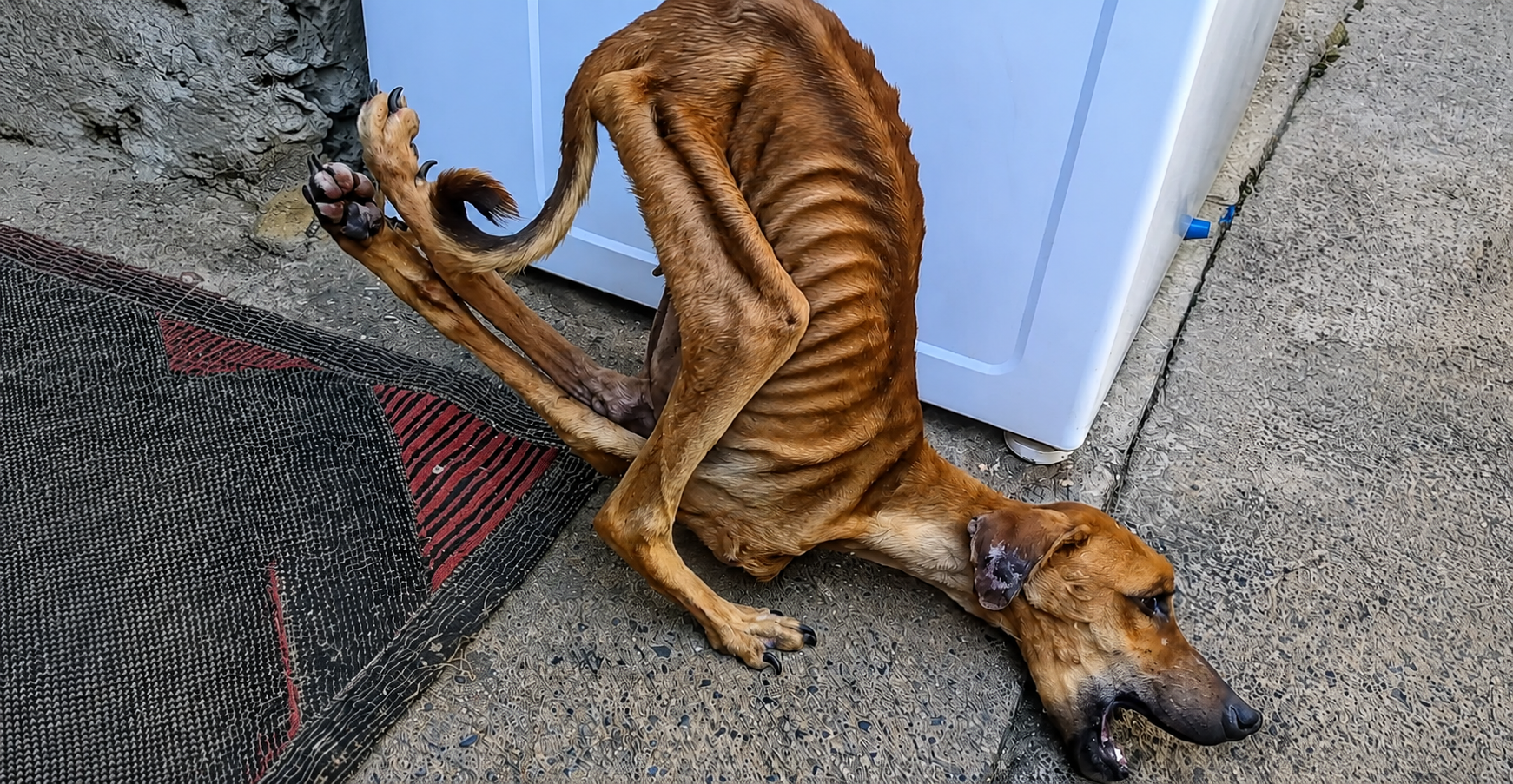
A young dog with severely deformed front legs faced immediate hostility from residents in a local community. His physical differences drew stares, mockery, and avoidance instead of any offer of care or shelter. The animal’s attempts to connect with people ended in pushes and dismissive gestures that left him retreating alone.
This situation unfolded when the puppy approached a group seeking basic interaction. Observers noted that his only apparent fault was his unique appearance, which triggered unkind responses rather than compassion. The lack of intervention allowed the rejection to continue without anyone stepping in to help.
The Incident and Its Immediate Impact
In a quiet neighborhood, a puppy born with severely deformed front legs encountered immediate hostility from those who crossed his path. His physical differences set him apart from other dogs, drawing stares and harsh treatment rather than care. Residents noted that the animal’s only apparent fault lay in his unique appearance, which triggered mockery and avoidance. As a result, the puppy found himself isolated, his attempts at connection met with pushes and dismissive gestures. This case highlights how visible disabilities in animals can provoke swift and unkind responses from bystanders. The incident unfolded when the dog approached a group seeking basic interaction or shelter, and instead of compassion he received taunts and physical rebuffs that left him retreating in distress.
Understanding Congenital Deformities and Emotional Effects
Veterinary experts explain that front leg deformities in puppies often stem from genetic factors or developmental issues during gestation. These conditions limit mobility and require specialized support, yet many affected animals receive none. The puppy in question exhibited pronounced malformations that made normal movement difficult from an early age. Animals subjected to repeated rejection exhibit clear signs of stress and withdrawal, much like the silent distress observed here. Prolonged isolation can lead to behavioral changes, including reduced trust in humans and other animals. In this instance, the puppy’s attempts to engage ended in further alienation, deepening his sense of abandonment.
Societal Attitudes and Paths to Better Support
Public reactions to animals with visible differences frequently reveal broader prejudices against imperfection. Communities sometimes prioritize uniformity over the welfare of those who deviate from the norm. The mockery directed at this dog reflects a pattern where difference invites derision instead of protection. Rescue organizations emphasize the importance of recognizing and aiding animals with disabilities before rejection escalates. Training programs for pet owners and community members can foster more inclusive environments. Animal welfare advocates call for stricter enforcement of anti-cruelty laws to deter acts of mockery and neglect.
Source: Original YouTube Video


