
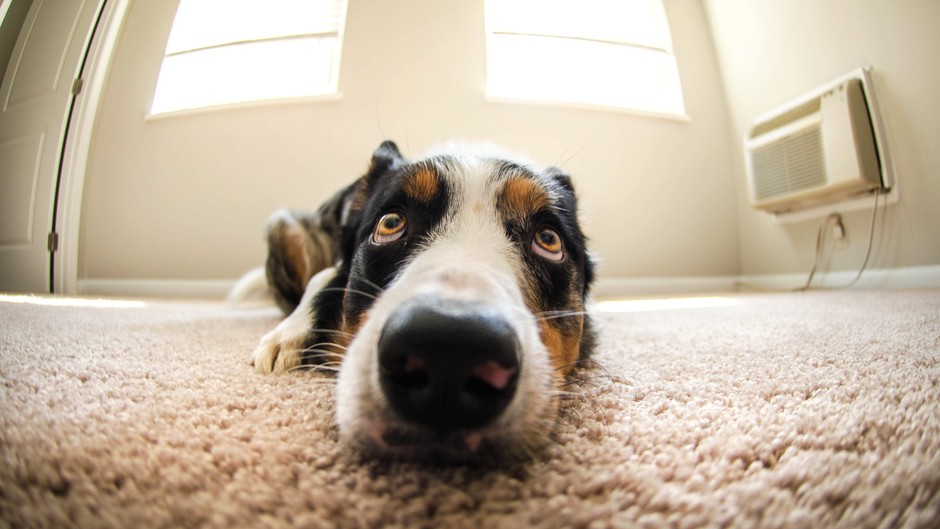
Staring Fixedly at Empty Corners
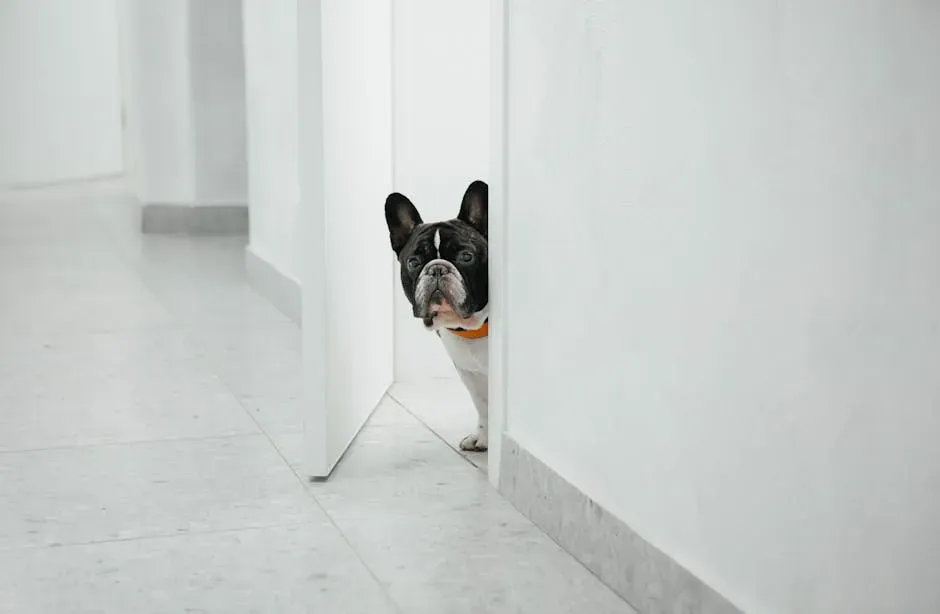
Dogs have vision tuned to movement and subtle light changes that escape human eyes. When a dog fixes its gaze on a blank wall or empty corner for minutes at a time, it can feel unsettling. Owners often report the animal remaining perfectly still, ears forward, as if tracking something invisible.
This behavior tends to repeat in the same spot over several days. The dog may tilt its head slightly or blink slowly without looking away. Such prolonged focus suggests the animal detects a presence or disturbance that does not register on our radar.
Growling at Seemingly Nothing
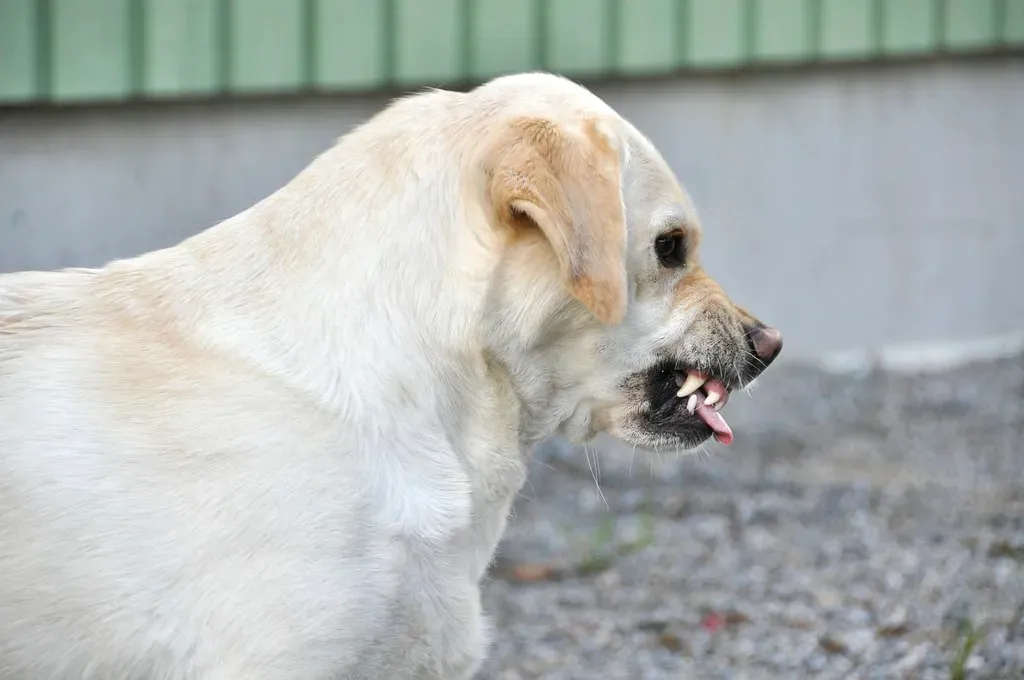
A low, steady growl directed at open space often signals discomfort. The sound carries a warning tone that differs from play growls or those aimed at visitors. Dogs may hold the posture with raised hackles even when the room appears calm to everyone else.
These vocalizations can occur at odd hours, such as late at night or early morning. The dog might back away slowly while continuing the growl. Repeated episodes in one area prompt many owners to check for drafts, sounds, or other ordinary explanations first.
Refusing to Enter Certain Rooms
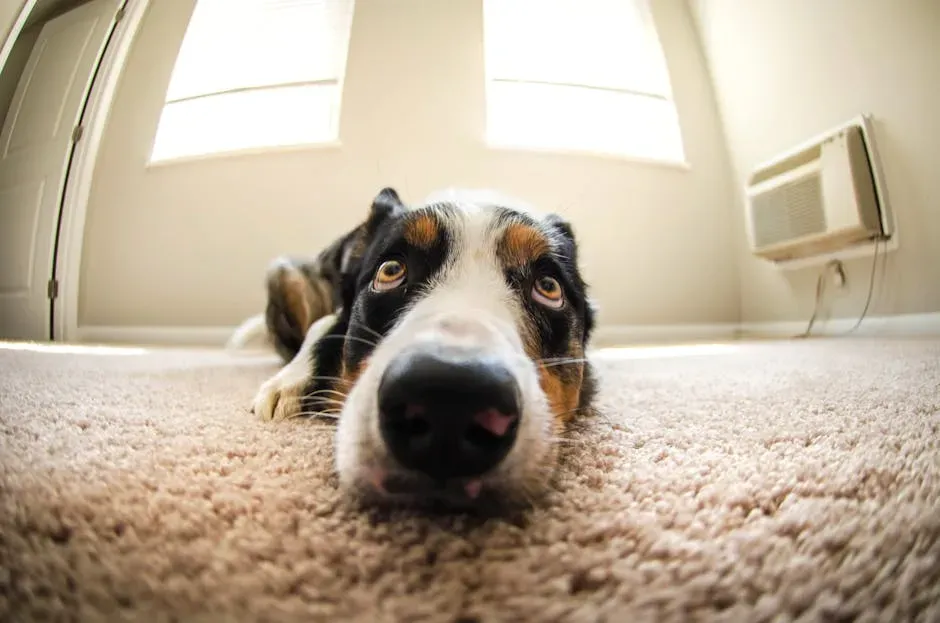
Some dogs suddenly avoid a familiar space they once entered without hesitation. They may plant their feet at the doorway or circle back to another part of the house. This selective avoidance can last for days or weeks.
The reluctance often appears without any visible change in the room itself. Owners notice the dog choosing alternate routes or waiting outside until coaxed. Over time the pattern becomes consistent enough to notice and track.
Pacing Restlessly Through the House
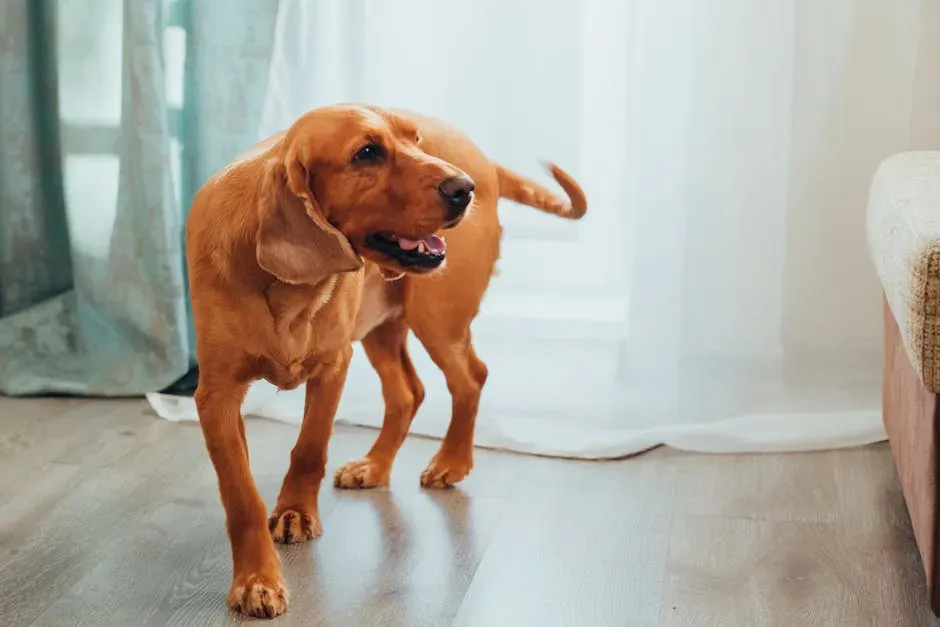
Restless movement from room to room without an obvious goal stands out against normal play or exercise. The dog may pause at thresholds, sniff the floor, then continue on. This circuit can repeat several times before the animal settles.
The pacing tends to increase during quiet periods when the household is still. It differs from the energetic zoomies dogs display when excited. Many owners describe the motion as purposeful yet uneasy, as though the dog is checking boundaries.
Whining or Whimpering Without Cause

Soft, intermittent whining can emerge in rooms that previously held no emotional charge for the dog. The sound carries a plaintive quality rather than the excited tone used during greetings. It may stop when the dog is moved to another area.
Owners sometimes observe the whining paired with glancing toward a particular spot. The behavior can appear and disappear without clear triggers. Over repeated instances it becomes a noticeable shift in the dog’s usual vocal habits.
Following the Owner More Closely Than Usual
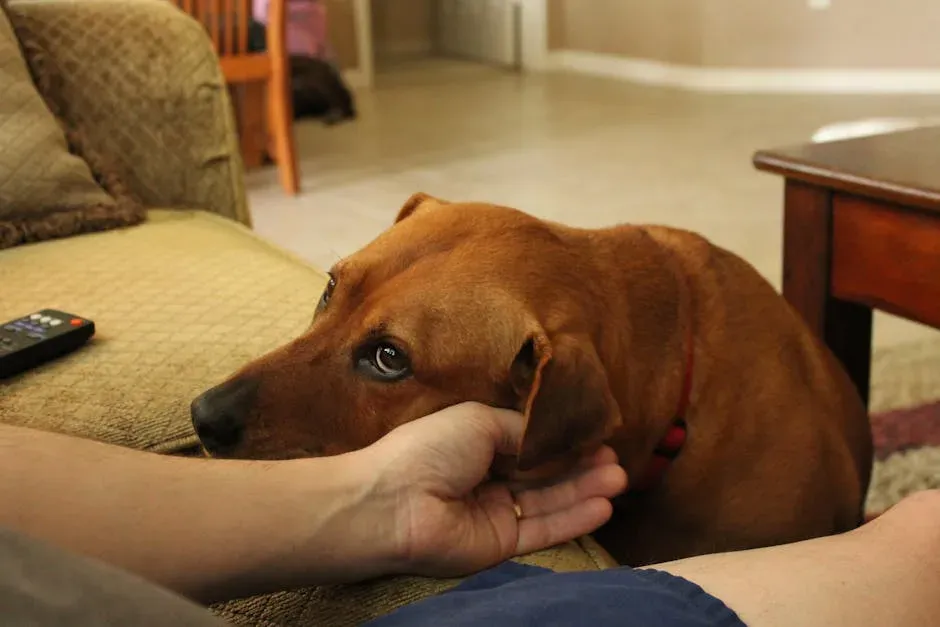
Clingy behavior often surfaces when a dog senses unease in its environment. The animal may shadow its person from room to room, staying within a few feet at all times. This closeness differs from the occasional check-in dogs normally perform.
The increased proximity can include leaning against legs or resting a paw on feet. Some dogs maintain this pattern even during routine activities like cooking or reading. The shift feels protective rather than merely affectionate.
Hiding Under Furniture or in Small Spaces
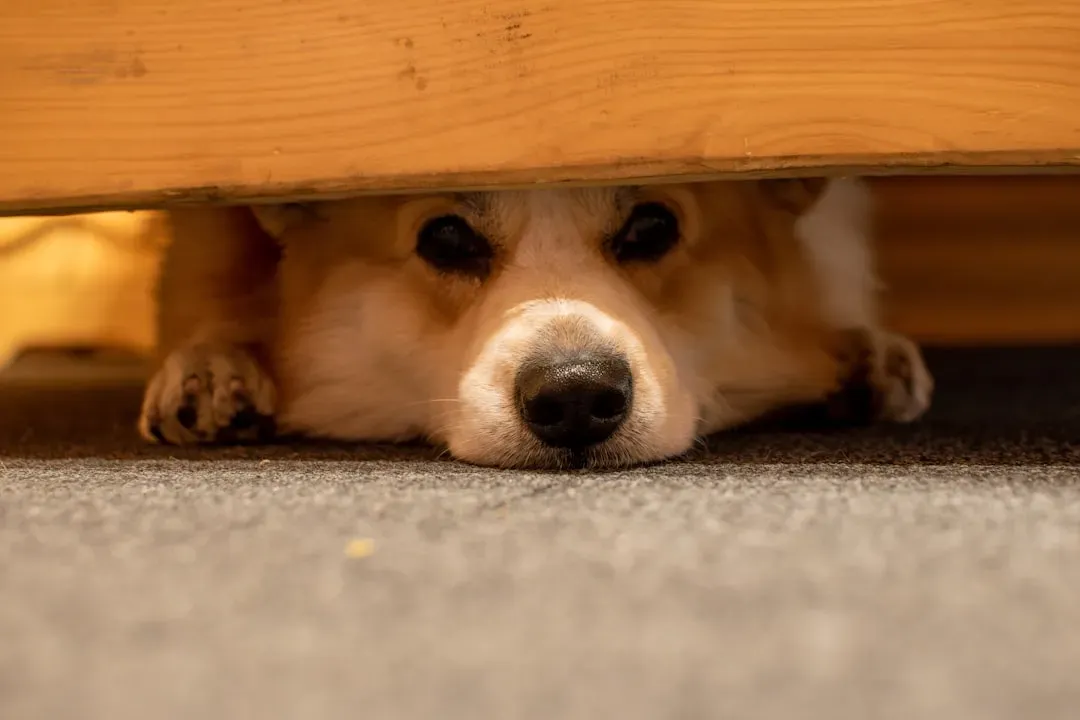
Seeking shelter in low, enclosed spots signals a desire for security. Dogs may tuck themselves beneath beds, behind sofas, or inside closets for extended periods. They emerge only when coaxed or when the household activity changes.
The hiding places chosen are often ones the dog rarely used before. The behavior can coincide with other signs such as reduced appetite or slower movement. Owners frequently note that the dog appears calmer once removed from the main living areas.
Barking at Doors or Windows With No Visitor
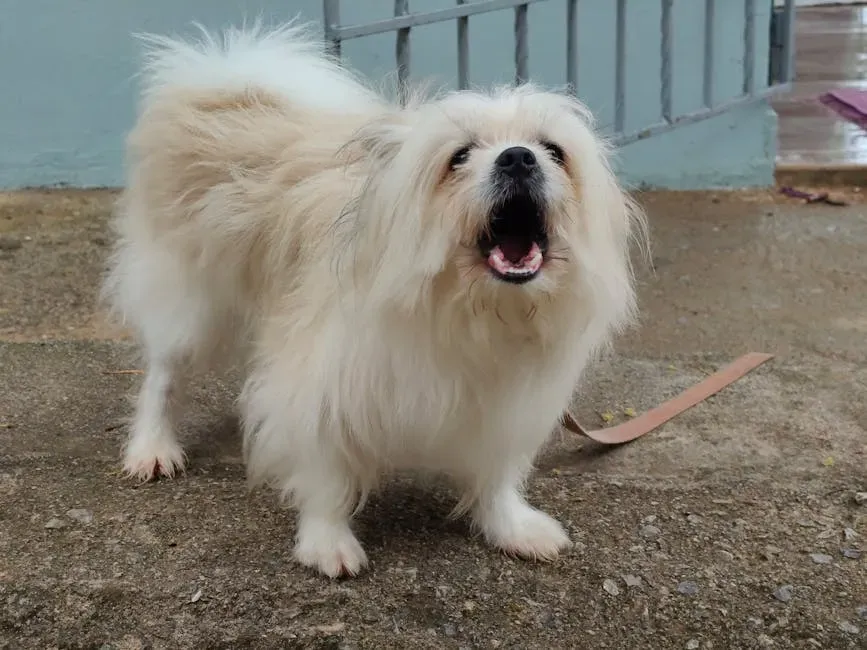
Alert barking aimed at entry points without any audible or visible stimulus draws attention quickly. The dog may stand rigidly, tail raised, and direct sharp barks toward the door or a particular window. The episode ends as abruptly as it began.
These barking fits can occur at consistent times or locations. The dog shows no interest in the usual outdoor sights or sounds that normally prompt vocalization. Repeated patterns lead owners to wonder what the animal perceives beyond the glass.
Sniffing the Air With Unusual Intensity
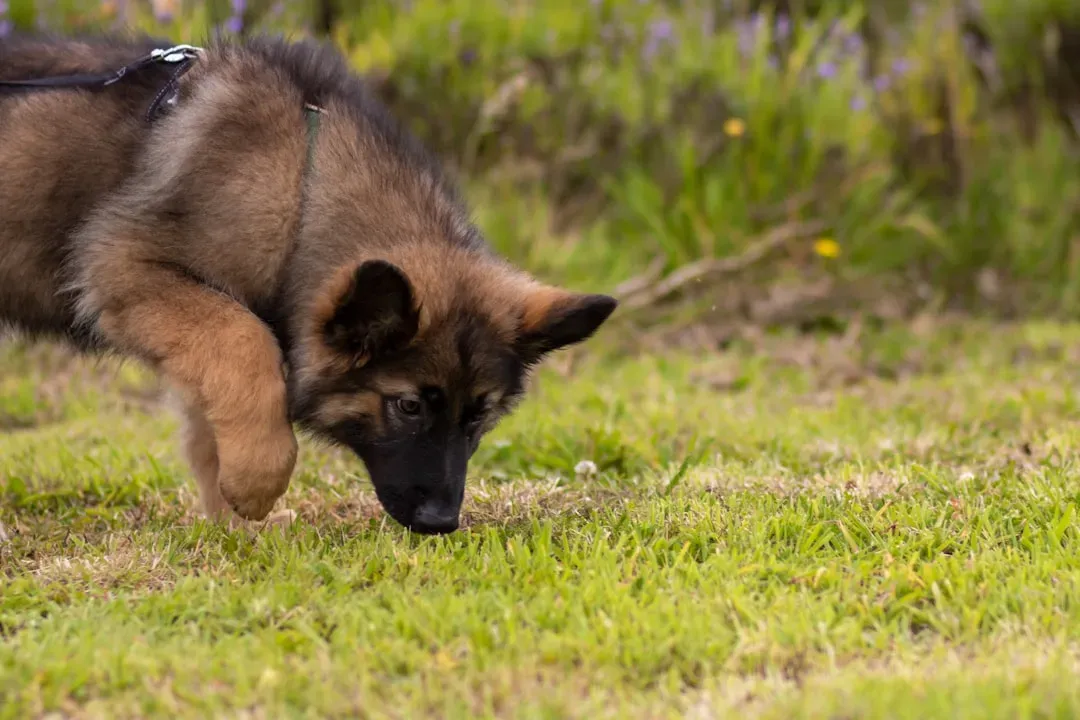
Intense air sniffing, often with rapid head movements, suggests the dog is processing an unfamiliar scent. The behavior stands apart from the casual sniffing dogs do during walks. It may focus on one area of a room before the dog moves on.
Owners sometimes notice the sniffing paired with lip licking or yawning, small signs of mild stress. The pattern can repeat when the dog returns to the same space later. Such focused investigation points to a change the human nose does not detect.
Altered Sleep Patterns and Restlessness at Night
Dogs that normally sleep through the night may begin waking frequently or changing positions. They might stand up, circle, then lie down again in a different spot. The restlessness occurs without external noises or lights.
Some animals choose new sleeping locations altogether, moving from a favorite bed to the floor near their owner. The change persists across multiple nights. Owners tracking the pattern often link it to other daytime behaviors already observed.
Seeking Extra Comfort From Family Members
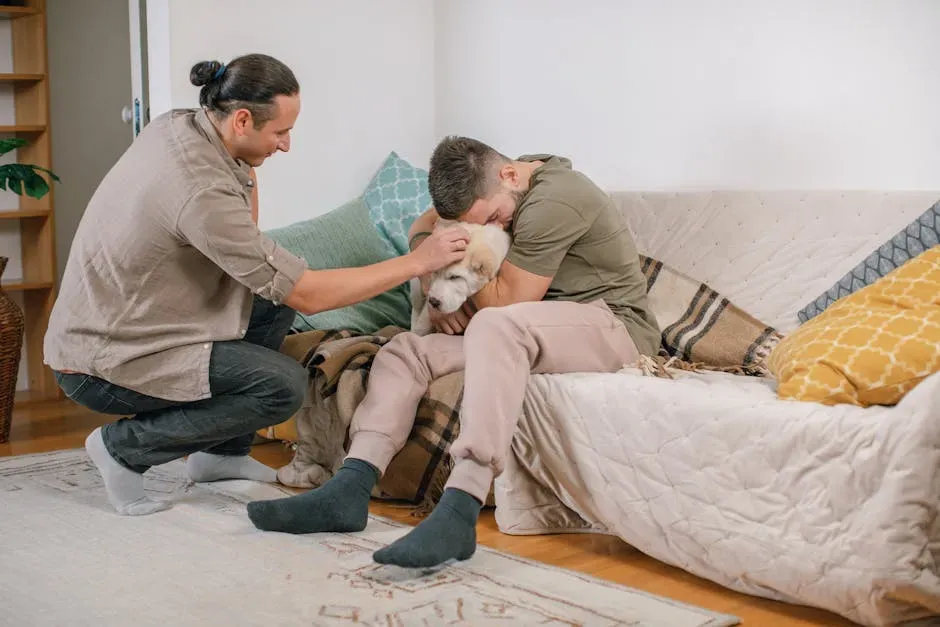
Dogs may press closer during quiet moments or solicit more petting than usual. The requests for contact feel steady rather than occasional. The animal appears to draw reassurance from human presence.
This increased need for touch can appear alongside any of the other listed behaviors. The dog may rest its head on a lap or lean heavily against a leg for longer stretches. The shift reflects a desire for connection when the surroundings feel unsettled.
Dogs have shared our homes for thousands of years, and their reactions often serve as an early warning system we still do not fully understand. Paying attention to these patterns can strengthen the quiet partnership between people and their pets. In the end, the most useful response remains simple observation paired with steady care for the animal that lives alongside us.


