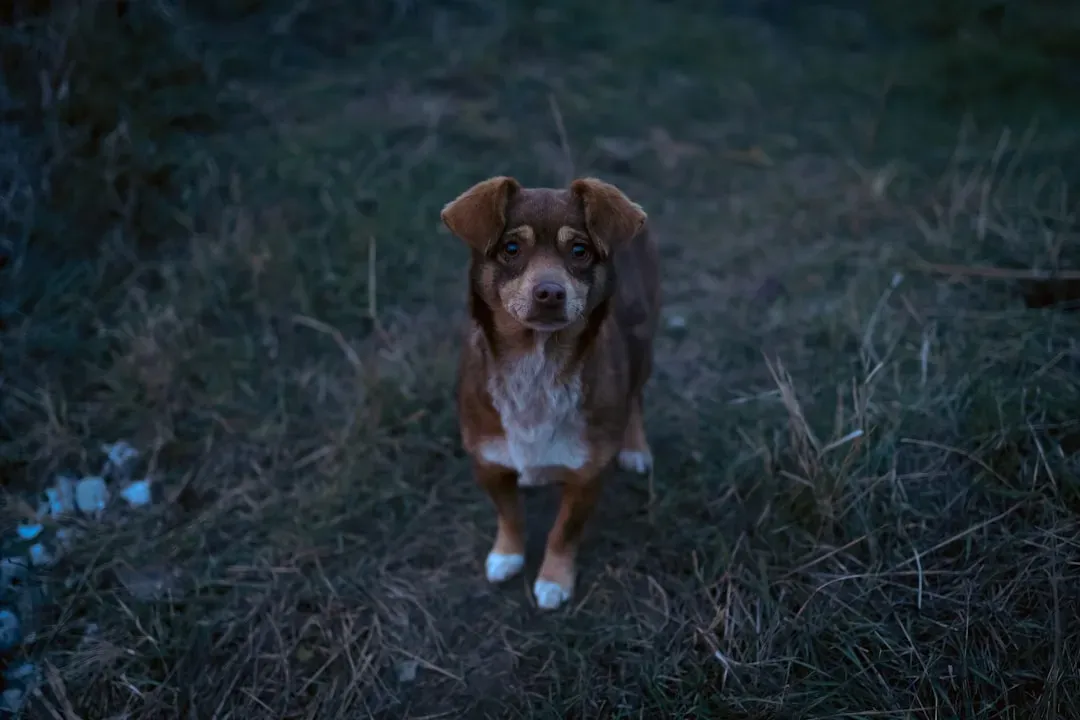
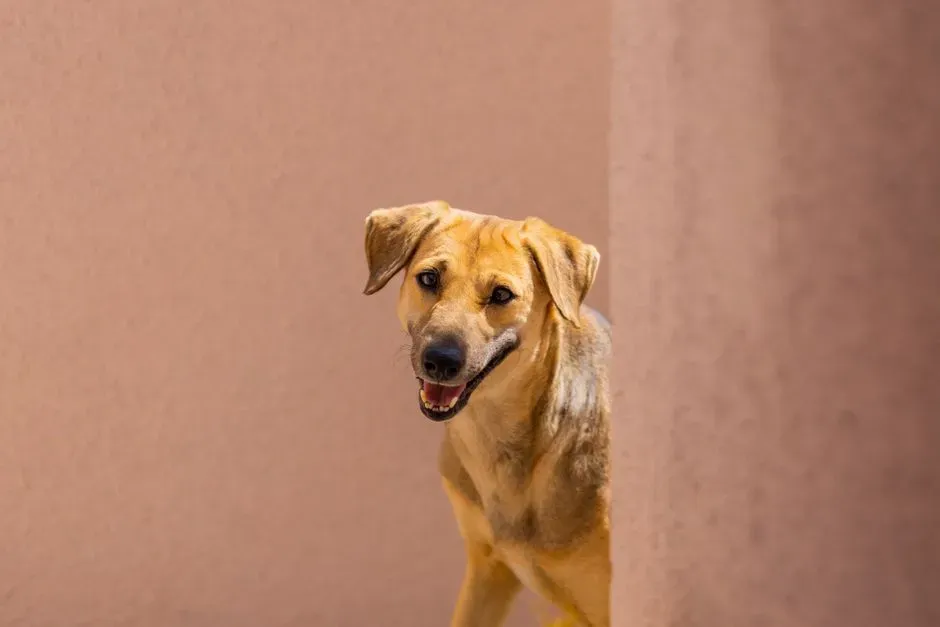
You settle in for the evening, the house quiet except for the low hum of the fridge, when you notice your dog locked in place. Eyes fixed on an empty corner, body still, as if something invisible holds all the attention. It happens often enough to make you wonder what draws that steady gaze once the lights dim. Many owners encounter this scene and feel a mix of curiosity and mild concern. Dogs experience the world through senses far sharper than ours, and nighttime can amplify small details that pass us by. Understanding the possible reasons helps turn a puzzling moment into something more manageable.
Your Dog’s Incredible Hearing and Smell
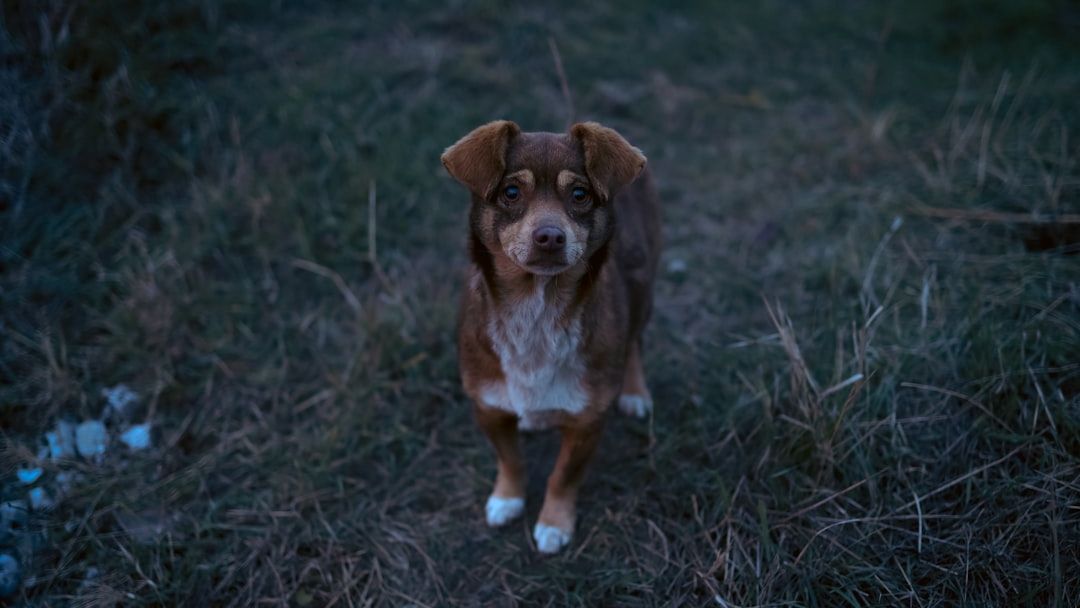
Your Dog’s Incredible Hearing and Smell (Image Credits: Pexels)Dogs pick up frequencies and scents that remain hidden to human ears and noses. A faint scratching behind the drywall or a trace of rodent activity outside the window can pull their focus completely. At night the quieter surroundings make these signals stand out even more. Experts note that what looks like empty space to us often contains a whole layer of information for them. Your pet might simply be tracking a sound traveling through the floorboards or catching a whiff carried on a draft. This behavior tends to appear more frequently after dark when competing noises fade away.
Seeking Attention or Interaction
Seeking Attention or Interaction (Image Credits: Unsplash)Sometimes the stare serves as a quiet request. Your dog may have learned that holding still in one spot brings you over to check in or offer a treat. The corner becomes a reliable spot for drawing your notice without barking or pacing. This pattern often develops gradually. A dog that feels understimulated during the day might use nighttime stillness as its moment to reconnect. Over time the habit strengthens if it consistently leads to engagement from you.
Cognitive Changes in Older Dogs
Cognitive Changes in Older Dogs (Image Credits: Unsplash)Senior dogs sometimes develop canine cognitive dysfunction, a condition that affects memory and awareness much like dementia in people. Staring at walls or corners ranks among the early signs owners report. Disorientation can make familiar rooms feel uncertain, especially when lighting is low. Veterinary sources describe how this change progresses slowly. Affected dogs may stand motionless for long stretches or seem unsure where to go next. The behavior does not appear suddenly in most cases but builds alongside other small shifts in routine.
Possible Neurological Factors
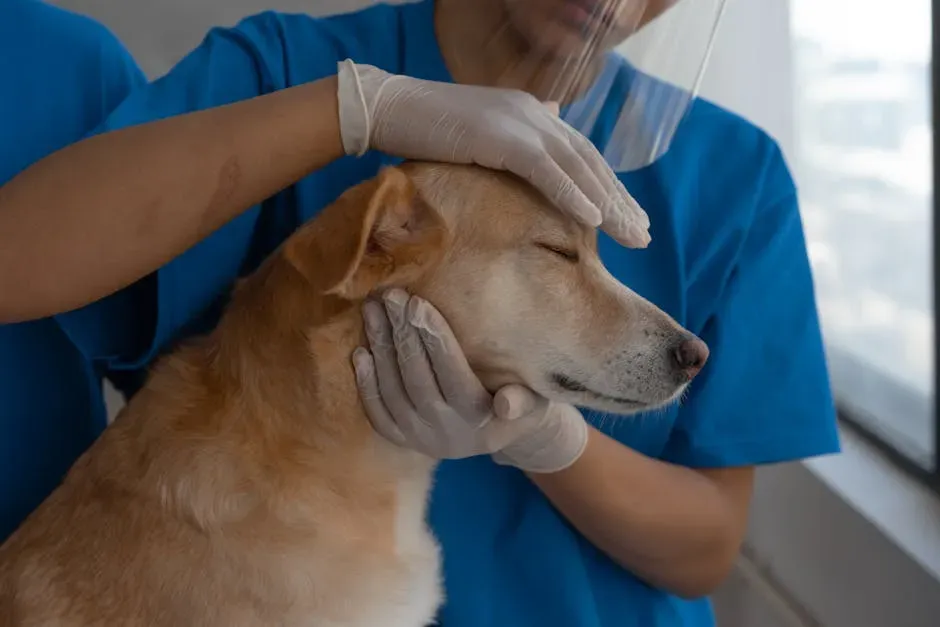
Possible Neurological Factors (Image Credits: Pexels)Focal seizures can produce brief episodes of staring without the dramatic convulsions many people expect. These events last only seconds to minutes yet leave a dog fixed on one point. Other medical conditions such as inflammation or metabolic issues occasionally contribute as well. Veterinarians emphasize that repeated episodes deserve professional evaluation. Bloodwork and neurological exams help rule out underlying problems. Early detection often leads to better management options when a health issue is involved.
Nighttime Environment and Visual Cues
Nighttime Environment and Visual Cues (Image Credits: Unsplash)Lower light levels create shadows and reflections that dogs notice more readily than we do. A glint from a window or the movement of a curtain in a breeze can hold their attention. Some dogs also react to subtle changes in air currents or temperature near certain spots. The corner itself may simply offer a vantage point where these minor stimuli converge. Owners often observe the behavior only after sunset because daytime activity masks the same cues. Adjusting room lighting or adding a night light sometimes reduces the intensity of the stare.
Compulsive Behaviors Linked to Stress
Compulsive Behaviors Linked to Stress (Image Credits: Pexels)Anxiety or boredom can manifest as repetitive actions, including prolonged staring. Dogs under stress may fixate on a single location as a way to self soothe. Changes in household routine, new pets, or even seasonal shifts sometimes trigger this response. Behavior specialists point out that the pattern tends to repeat in the same location night after night. Enrichment activities during the day and consistent bedtime rituals can ease the underlying tension. Identifying the trigger usually requires observing the dog across several evenings.
Practical Steps and a Measured Perspective
Practical Steps and a Measured Perspective (Image Credits: Pexels)Most instances of corner staring turn out to be harmless expressions of normal canine perception. Still, tracking when and how often it occurs gives useful information for a vet visit if the pattern changes or intensifies. Simple adjustments like more daytime exercise or a white noise machine can make a noticeable difference in some homes. Paying attention to your dog’s overall mood and health provides the clearest picture. In the end, these quiet moments remind us how differently our companions experience the same room we share. A little observation often reveals more about their world than any single explanation can capture.