

Imagine coming home to an empty house, the silence echoing off the walls, amplifying the loneliness that has become all too familiar. Now, picture opening the door to a wagging tail, eager eyes, and the unconditional love of a furry friend. For many, adopting a dog isn’t just about companionship; it’s a transformative journey that reshapes their emotional and social landscapes. Therapists have observed remarkable changes in individuals who, once isolated, find solace and connection through their canine companions. Let’s delve into the profound impacts a dog can have on a lonely person’s life.
Enhanced Emotional Well-being

Loneliness often casts a shadow over one’s emotional health, leading to feelings of sadness and despair. Introducing a dog into this scenario can be a game-changer. The simple act of petting a dog has been shown to release oxytocin, the “feel-good” hormone, while simultaneously reducing cortisol levels, the body’s primary stress hormone. This biochemical shift fosters a sense of calm and happiness, providing a natural antidote to the blues.
Moreover, the presence of a dog offers consistent emotional support. Their non-judgmental nature allows individuals to express themselves freely, without fear of criticism. This unconditional acceptance can be particularly therapeutic for those grappling with feelings of isolation, offering a comforting presence that listens without interrupting and loves without conditions.
Increased Physical Activity

Loneliness can lead to a sedentary lifestyle, further exacerbating feelings of lethargy and disconnection. Owning a dog naturally incorporates physical activity into daily routines. Regular walks, play sessions, and even the occasional game of fetch encourage movement and exercise, promoting better physical health.
These activities not only improve cardiovascular health but also release endorphins, which are natural mood lifters. The commitment to a dog’s exercise needs provides a compelling reason to get up and move, breaking the cycle of inactivity that often accompanies loneliness.
Structured Daily Routine

For many experiencing loneliness, days can blur together, lacking structure and purpose. Dogs thrive on routine, requiring regular feeding times, walks, and play. This necessity imposes a daily schedule on their owners, instilling a sense of responsibility and purpose.
Establishing and maintaining this routine can be incredibly grounding. It provides a framework for the day, reducing feelings of aimlessness. The predictability of caring for a dog offers stability, which can be particularly beneficial for those struggling to find direction in their lives.
Enhanced Social Interaction

Dogs are natural social catalysts. Walking a dog often leads to interactions with other dog owners, neighbors, or passersby. These encounters can spark conversations, fostering a sense of community and connection that was previously absent.
Therapists note that such interactions can significantly reduce feelings of isolation. The shared interest in dogs provides common ground, making socialization feel more natural and less intimidating. Over time, these brief exchanges can evolve into meaningful relationships, expanding one’s social network.
Reduced Stress and Anxiety

The companionship of a dog has been linked to lower stress and anxiety levels. Engaging with a dog can decrease blood pressure and heart rate, indicators of reduced physiological stress. The rhythmic act of stroking a dog’s fur can be meditative, promoting relaxation.
Furthermore, dogs can sense their owner’s emotional states and often respond with comforting behaviors. This intuitive support can be particularly soothing during moments of heightened anxiety, providing a tangible source of comfort and grounding.
Improved Self-Esteem
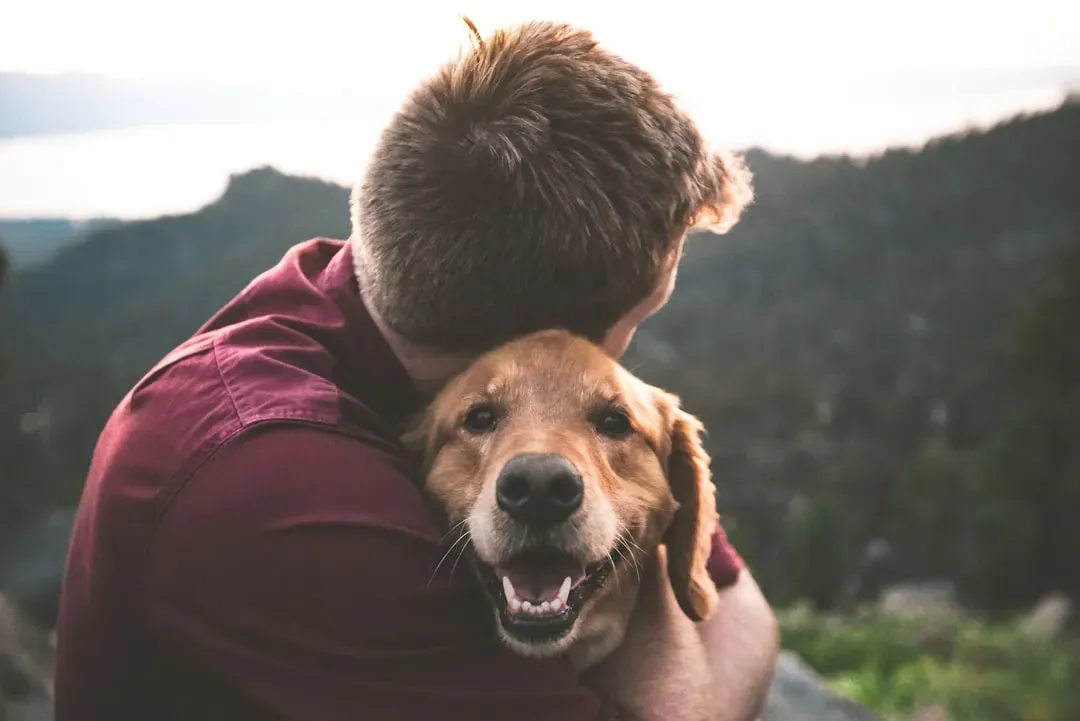
Caring for a dog instills a sense of accomplishment and self-worth. Successfully meeting the needs of another living being reinforces feelings of competence and responsibility. This positive reinforcement can boost self-esteem, counteracting the negative self-perceptions that often accompany loneliness.
Additionally, the unconditional love and affection from a dog can help individuals feel valued and appreciated. This unwavering support can be a powerful antidote to feelings of unworthiness or self-doubt.
Enhanced Sense of Security

For those living alone, a dog can provide a heightened sense of security. Their presence can deter potential intruders, and their keen senses can alert owners to unusual activities. This added layer of protection can alleviate fears associated with living alone.
Beyond physical security, dogs also offer emotional safety. Their consistent presence can make a house feel more like a home, transforming an empty space into a sanctuary of comfort and companionship.
Increased Mindfulness and Present-Moment Awareness

Dogs live in the moment, fully engaged with their surroundings. This behavior can encourage their owners to adopt a similar mindset, focusing on the present rather than ruminating on past regrets or future anxieties.
Engaging in activities with a dog, such as playing or walking, requires attention and presence. This immersion in the moment can be a form of mindfulness, promoting mental clarity and reducing stress.
Development of Empathy and Compassion

Caring for a dog requires attunement to their needs and emotions. This practice can enhance an individual’s capacity for empathy and compassion, skills that are transferable to human relationships.
Therapists observe that individuals who develop a deep bond with their dogs often exhibit increased sensitivity to the feelings of others. This emotional growth can improve interpersonal relationships and foster a greater sense of connectedness.
Alleviation of Depression Symptoms

Loneliness and depression often go hand in hand. The companionship of a dog can alleviate some symptoms of depression by providing consistent social interaction and physical activity.
The routine and responsibility associated with dog ownership can also combat feelings of hopelessness and helplessness. The daily care of a dog offers a sense of purpose, which can be a powerful motivator for those struggling with depressive symptoms.
Facilitation of Healing from Trauma

For individuals recovering from trauma, dogs can serve as therapeutic companions. Their non-judgmental presence and unconditional love create a safe space for healing.
Engaging with a dog can help rebuild trust and foster a sense of safety. Therapists often incorporate animal-assisted therapy into treatment plans, recognizing the unique role dogs can play in the healing process.
In conclusion, the decision to bring a dog into one’s life can be profoundly transformative, especially for those grappling with loneliness. The myriad benefits – ranging from emotional support to increased social interaction – underscore the unique bond between humans and dogs. While a dog is not a panacea for all of life’s challenges, their presence can be a significant step toward a more connected and fulfilling life. So, if you’ve been contemplating adding a furry friend to your life, perhaps it’s time to take the leap. After all, who wouldn’t want a loyal companion to share in the journey of life?


