
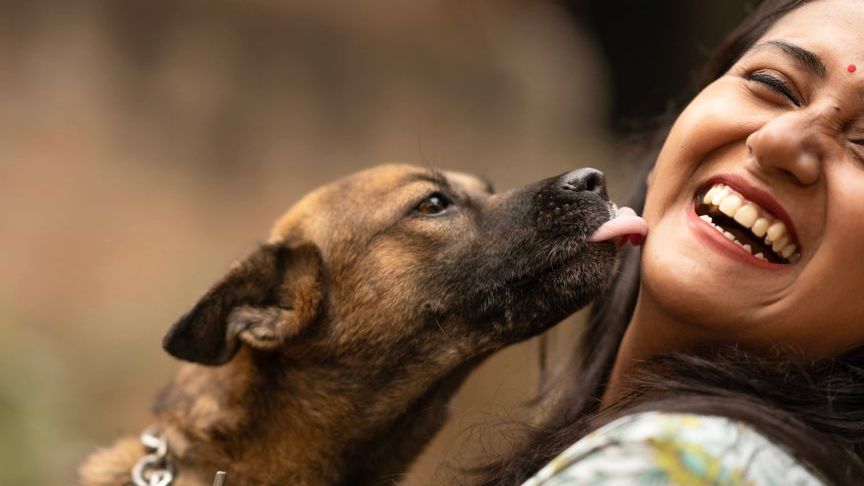
Imagine this: you’re sitting on your couch, tears streaming down your face after a tough day, and your loyal dog approaches, gently licking away your tears. It’s a touching moment that many dog owners have experienced, but have you ever wondered why your furry friend does this? Recent scientific studies have shed light on this behavior, revealing a fascinating blend of empathy, instinct, and sensory attraction.
Dogs Detect Emotional Changes in Humans
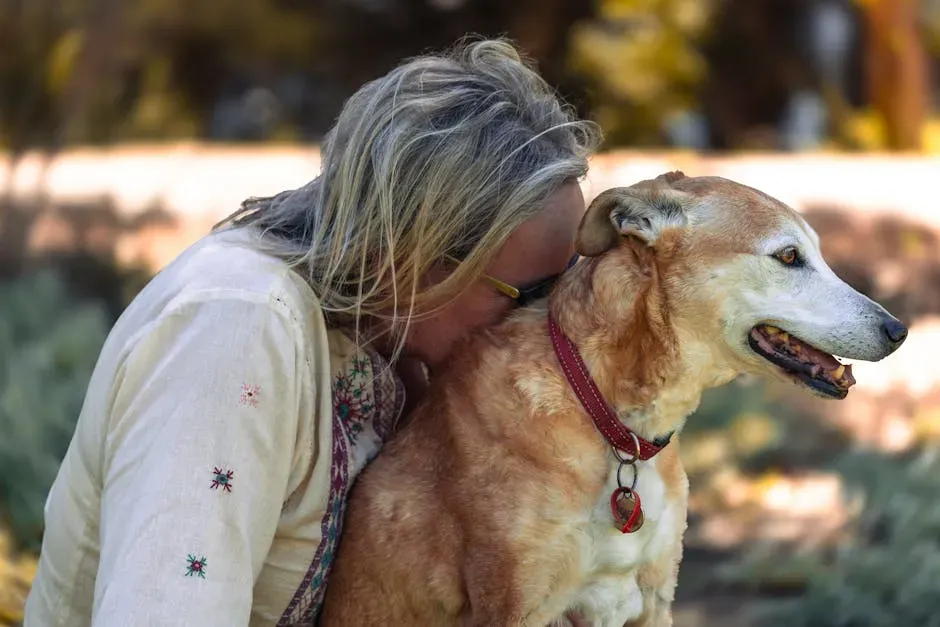
Dogs possess an extraordinary ability to sense human emotions. They can pick up on subtle changes in our facial expressions, body language, and even scent. When you cry, your dog perceives this as a sign of distress and responds accordingly. This sensitivity is rooted in their evolutionary history, where understanding the emotional states of pack members was crucial for survival.
Research indicates that dogs can distinguish between different human emotions and often react to negative ones with behaviors aimed at providing comfort. This suggests that their response to your tears is not just a random act but a deliberate attempt to console you.
Licking as a Soothing Mechanism
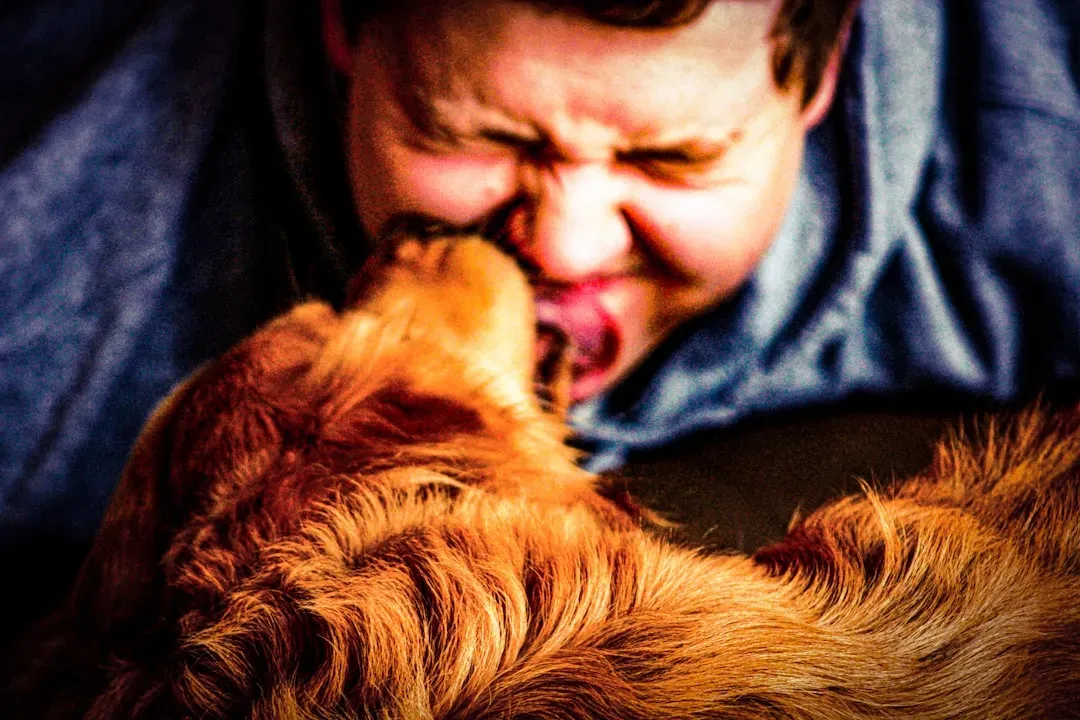
Licking is a natural behavior in dogs that serves multiple purposes, including grooming, exploration, and communication. When directed towards a crying human, licking can be a self-soothing action for the dog, helping them cope with the stress they perceive in their owner. This behavior may also be an attempt to calm you down, as the act of licking releases endorphins in dogs, promoting a sense of well-being.
Additionally, licking can be a learned behavior reinforced over time. If your dog has licked your tears before and received positive attention or affection in return, they are likely to repeat the behavior, associating it with a rewarding outcome.
Attraction to the Taste of Tears

Human tears contain a mix of water, salts, and proteins, giving them a distinct taste that dogs may find appealing. The salty flavor of tears can attract dogs, prompting them to lick your face when you’re crying. This sensory attraction is a simple yet compelling reason for their behavior.
While the taste factor plays a role, it’s important to note that this is likely a secondary motivation. The primary driver is their emotional connection to you and their instinct to provide comfort during your distress.
Empathy and Emotional Contagion

Empathy – the ability to understand and share the feelings of another – is not exclusive to humans. Studies suggest that dogs exhibit basic forms of empathy, known as emotional contagion, where they mirror the emotions of their owners. When you cry, your dog may experience a form of distress themselves, leading them to engage in comforting behaviors like licking.
This empathetic response highlights the deep bond between humans and dogs, showcasing their capacity to respond to our emotional states in meaningful ways.
Instinctual Grooming Behavior

In the wild, canines engage in mutual grooming to strengthen social bonds and maintain hygiene within the pack. Licking each other’s faces is a common practice among wolves and other wild dogs. When your domestic dog licks your tears, they may be exhibiting this instinctual grooming behavior, treating you as a valued member of their pack.
This behavior reinforces social connections and demonstrates their affection and loyalty towards you.
Seeking Attention and Reinforcement

Dogs are keen observers and quickly learn which behaviors elicit attention from their owners. If licking your tears has previously resulted in cuddles, soothing words, or other forms of positive reinforcement, your dog is likely to repeat the behavior. They associate licking with receiving attention and affection, making it a go-to response when they notice you’re upset.
Understanding this aspect can help you manage and guide your dog’s behavior through consistent training and reinforcement strategies.
Health Considerations and Boundaries

While your dog’s intention is to comfort you, it’s essential to consider hygiene and health implications. A dog’s mouth harbors bacteria that can potentially cause infections, especially if you have open wounds or a compromised immune system. It’s advisable to gently discourage your dog from licking your face and instead encourage other forms of comforting behavior, such as sitting close or offering a paw.
Setting boundaries ensures both your well-being and your dog’s, maintaining a healthy and happy relationship.
In conclusion, when your dog licks your tears, it’s a multifaceted behavior driven by empathy, instinct, sensory attraction, and learned responses. This endearing act underscores the profound connection between humans and their canine companions. So, the next time your dog offers this unique form of comfort, you’ll know it’s their way of saying, “I’m here for you.” Isn’t it remarkable how deeply our furry friends understand us?


