
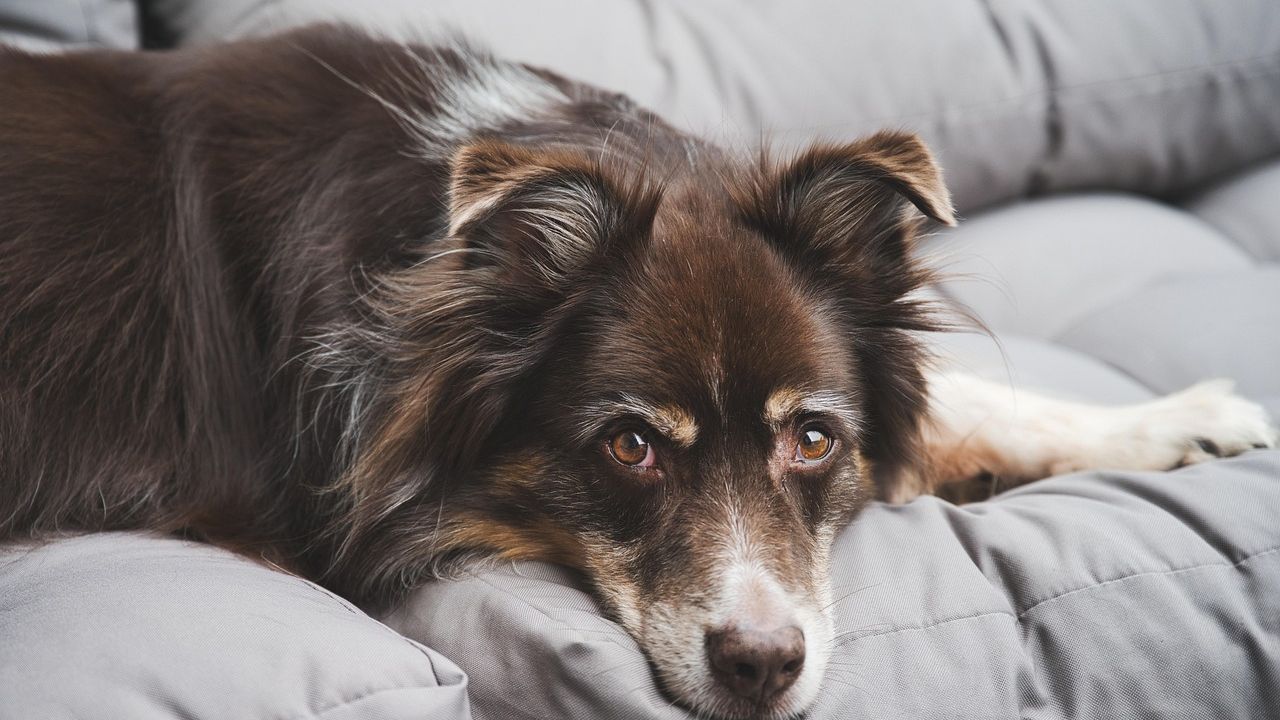
There’s something quietly profound about watching a dog grow old. The same animal that once burst through the back door at full speed now takes the stairs one step at a time, pausing to gather itself before moving on. It doesn’t ask for sympathy. It doesn’t explain what’s changed. It simply carries on, and in doing so, it communicates everything.
Just like people, senior dogs face physical challenges, aches, and discomforts that they cannot communicate through words. They do, however, communicate through their body language. The problem is that most of those signals are easy to miss if you don’t know what you’re looking for. This guide breaks down eleven of the most common, and often overlooked, ways your aging dog is reaching out to you right now.
#1 Resting Their Head in Your Lap
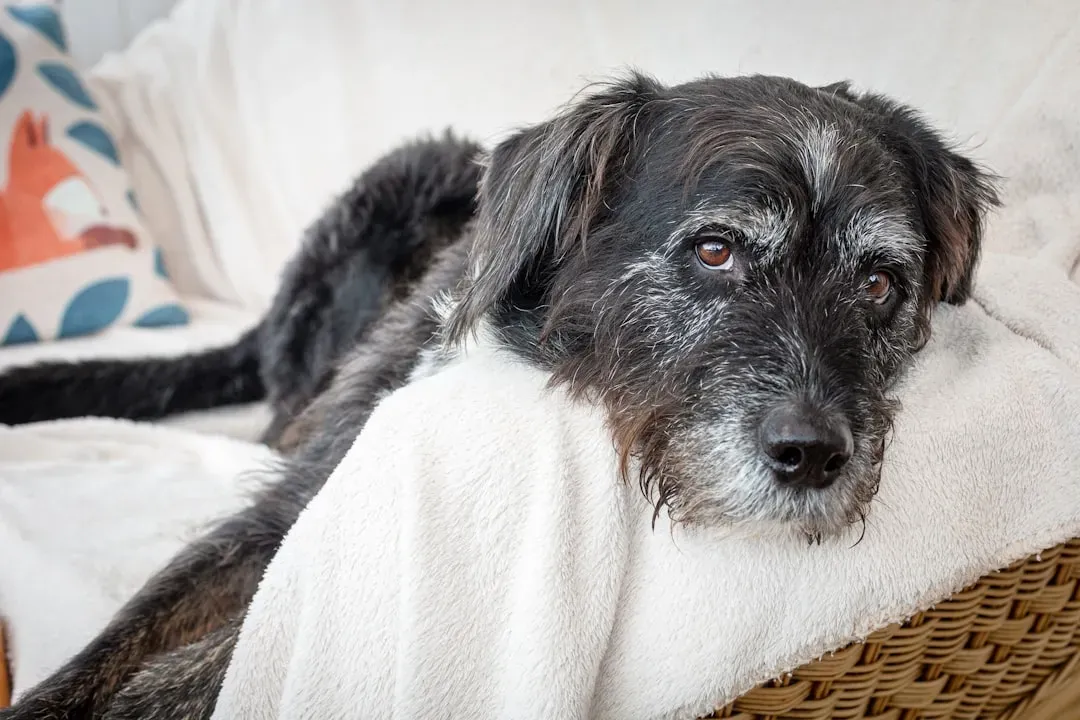
This one seems obvious, but its meaning goes deeper than a simple greeting. One of the most important aspects of senior pet body language is their expression of affection. While younger pets may be more overt in showing excitement, senior pets tend to be more reserved. Your senior dog may no longer wag their tail vigorously or jump up to greet you, but a gentle nuzzle or simply resting their head on your lap can be their way of saying they still love and trust you.
When your older dog seeks this kind of contact, they’re not just being affectionate. They’re leaning into you for reassurance and calm. Dogs often use touch to express the need for reassurance, and leaning against an owner signals trust and a desire for closeness. Don’t underestimate how much your simple stillness means to them in those moments.
#2 Following You From Room to Room
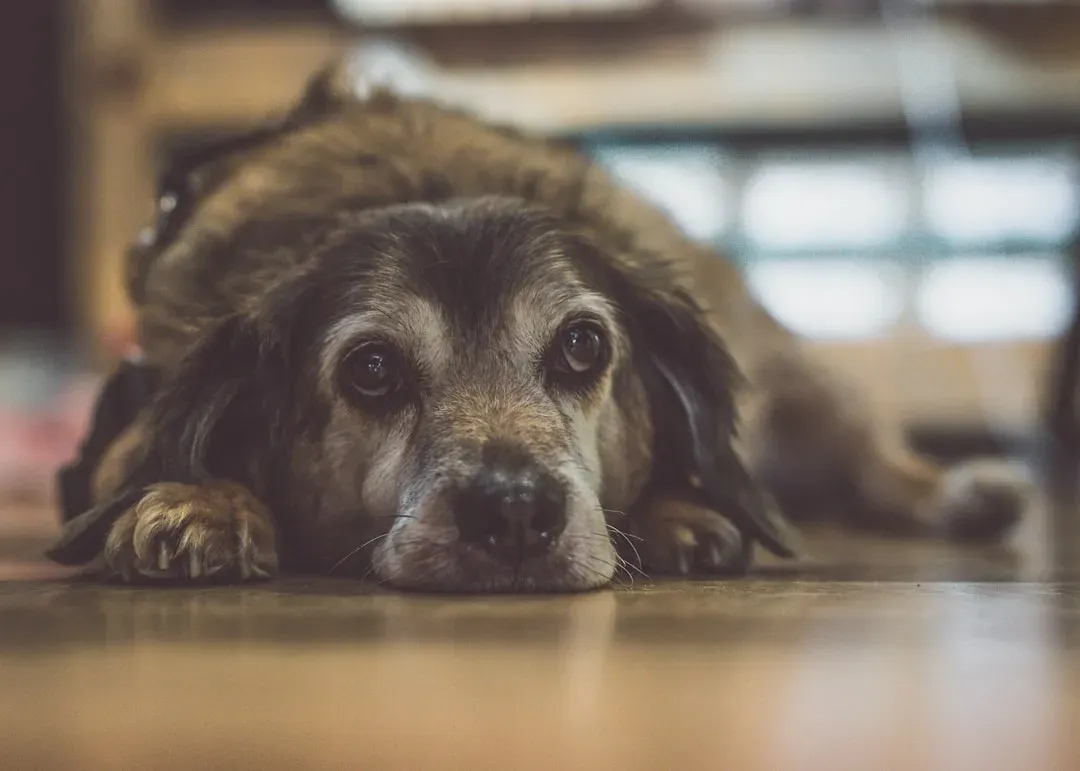
A senior dog that shadows your every move isn’t being clingy without reason. A distinct feature of geriatric separation anxiety is that it can manifest almost as if your dog views your absence, even briefly, as a true separation. The familiar scent and presence of their person becomes an anchor when their world feels increasingly uncertain.
Physical discomfort caused by age-related conditions such as arthritis, or a decline in sensory awareness, can result in increased anxiety. Changes in their environment, routine, or family dynamics can also trigger anxiety in older dogs. Staying close to you is their way of managing that anxiety without making a fuss about it. Let them.
#3 Staring at You With Soft, Still Eyes
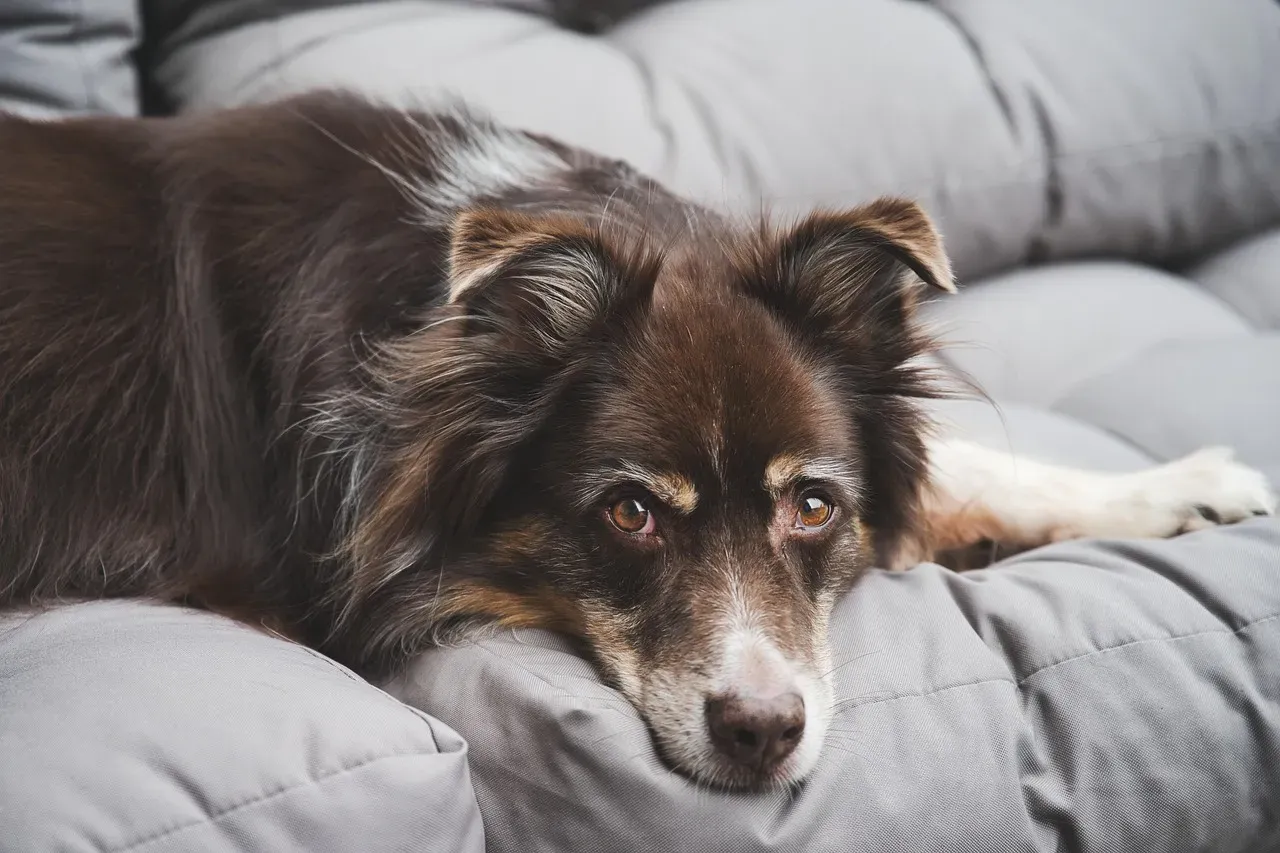
Dogs express their emotions through physical actions such as body stance, tail movement, ear position, and facial expressions. Even slight changes can indicate whether your dog feels comfortable, unsure, or alert. A long, soft gaze from your senior dog is one of the quieter signals, and one of the most sincere.
Dogs show trust through relaxed body language and seeking you out. A trusting dog looks to you for guidance in new or stressful situations. When an aging dog holds your gaze with soft eyes rather than an intense stare, it’s a form of emotional check-in. They’re looking to you for calm confirmation that everything is okay.
#4 Choosing to Sleep Pressed Against You
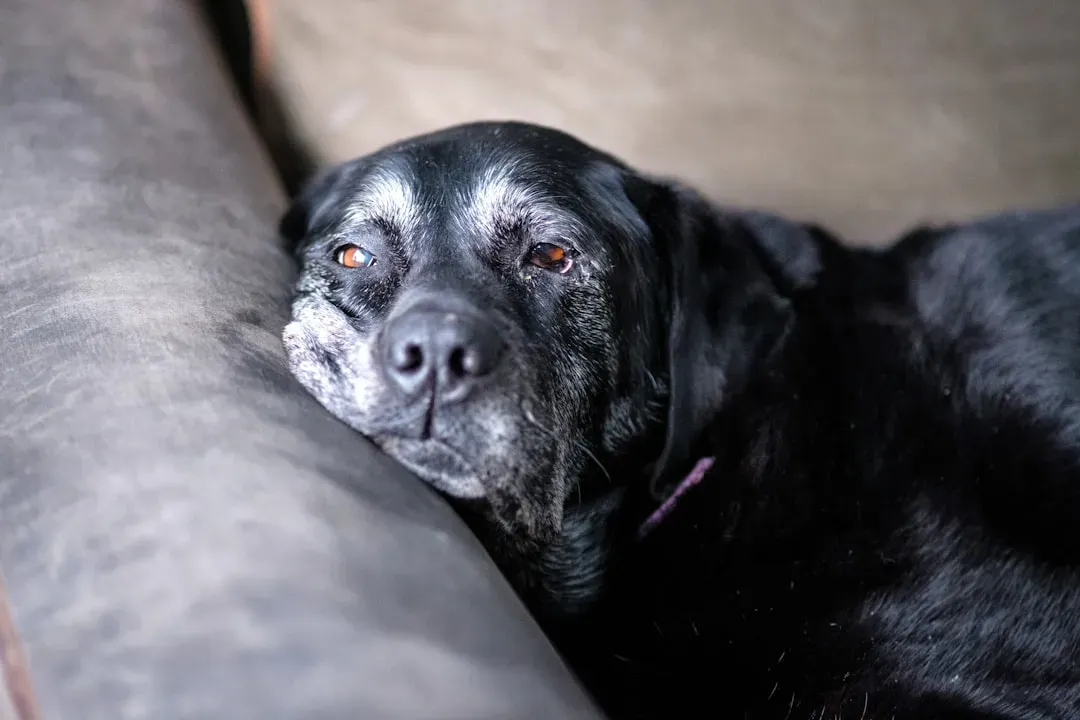
If your senior dog has started pushing themselves against your legs at night, or pressing their back to yours on the couch, this is physical communication. You might notice your pet spending more time lying down or resting in unusual positions, which can be indicators that they are trying to find a position that minimizes pain. Proximity to a warm, trusted body can help ease that discomfort naturally.
It’s essential to watch for these clues and provide your senior pet with soft, comfortable bedding and easy access to their favorite resting spots. Ensuring that they have a warm, quiet space to relax in can significantly improve their quality of life. Being close to you is part of that comfort equation, not just the bedding itself.
#5 Moving Slowly Toward You When You Enter a Room
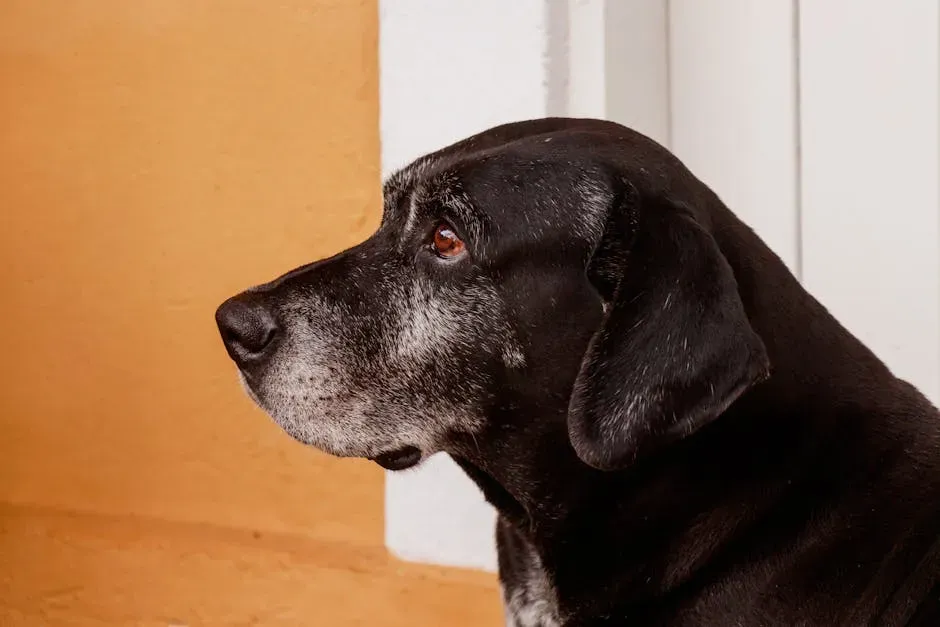
The dog that used to sprint to the door now walks over deliberately, perhaps stiffly. This is not indifference. Dogs that are in pain may be less social. If your dog previously came to greet you every time you walked through the door and is now not doing so, pain could be the cause. A slow approach is still an approach, and it takes real effort when joints ache.
A slight shift in posture, a change in how they rest, or a new hesitance in their movements can be a sign of something deeper. An older dog who once greeted you eagerly at the door might now move slowly or seem reluctant. Greet them gently and at their pace. That exchange still matters enormously to them.
#6 A Hunched Posture or Dropped Head
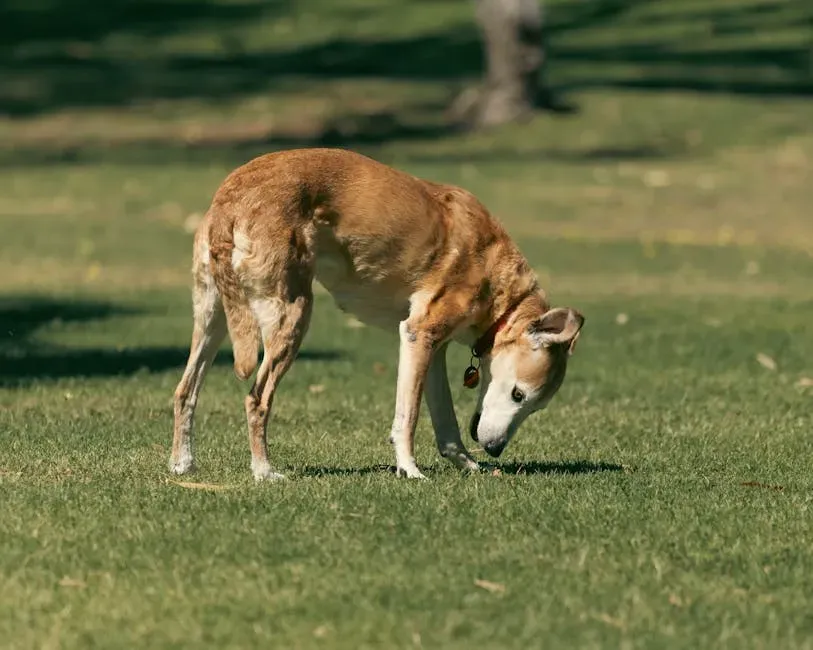
Posture shifts in senior dogs are among the clearest physical signals of discomfort. Due to discomfort, a senior dog might not have the flexibility to assume anything other than what might be misconstrued as a submissive or frightened posture, characterized by a hunched back. This position will likely also impact how the dog holds their head and tail, with both pointed toward the ground. The dog may also hold their ears flattened against their head.
A hunched back can signal a variety of possible medical issues, from bladder, kidney, or stomach conditions to arthritis. As with any dog body language that telegraphs possible pain, pet parents should seek support from their veterinarian to assess the severity of the issue. Don’t dismiss a slumped posture as tiredness alone. It warrants a closer look.
#7 Pacing or Circling Without Settling
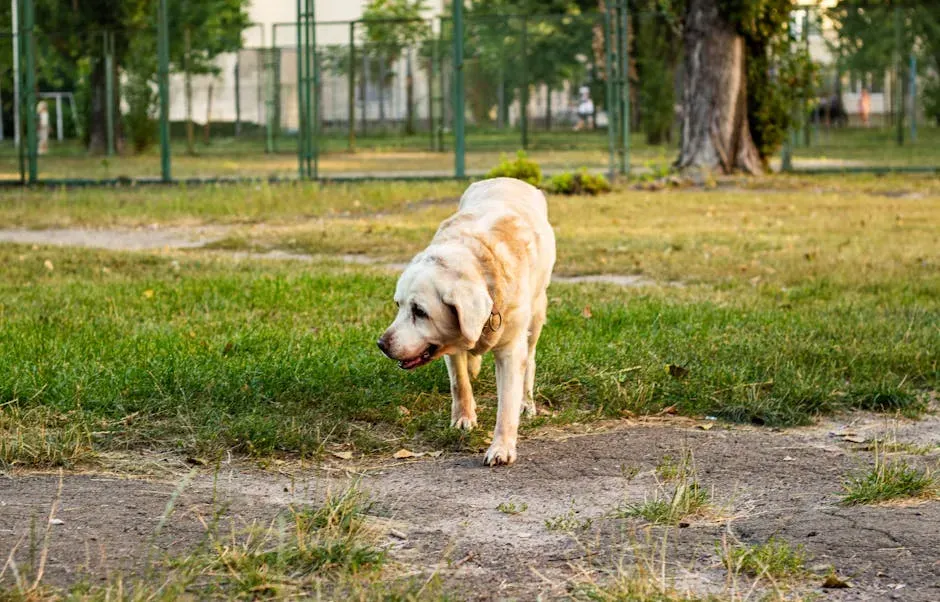
If your dog walks the same loop repeatedly or can’t seem to find a comfortable spot to lie down, it’s rarely random. Older dogs might walk the same route or repeatedly turn in circles, particularly at night. When a senior dog has a hard time settling down, it can look repetitive and ritualistic. This type of compulsive behavior might be related to cognitive decline or could indicate an underlying medical condition.
Senior dogs might also pace if they’re unable to find a comfortable place to rest. Providing dog beds that are easy for senior dogs to get in and out of might help a pacing dog settle down. Sometimes the solution is as straightforward as better bedding or a warmer corner. Other times, a vet visit is the right next step.
#8 Reluctance to Be Touched in Familiar Places
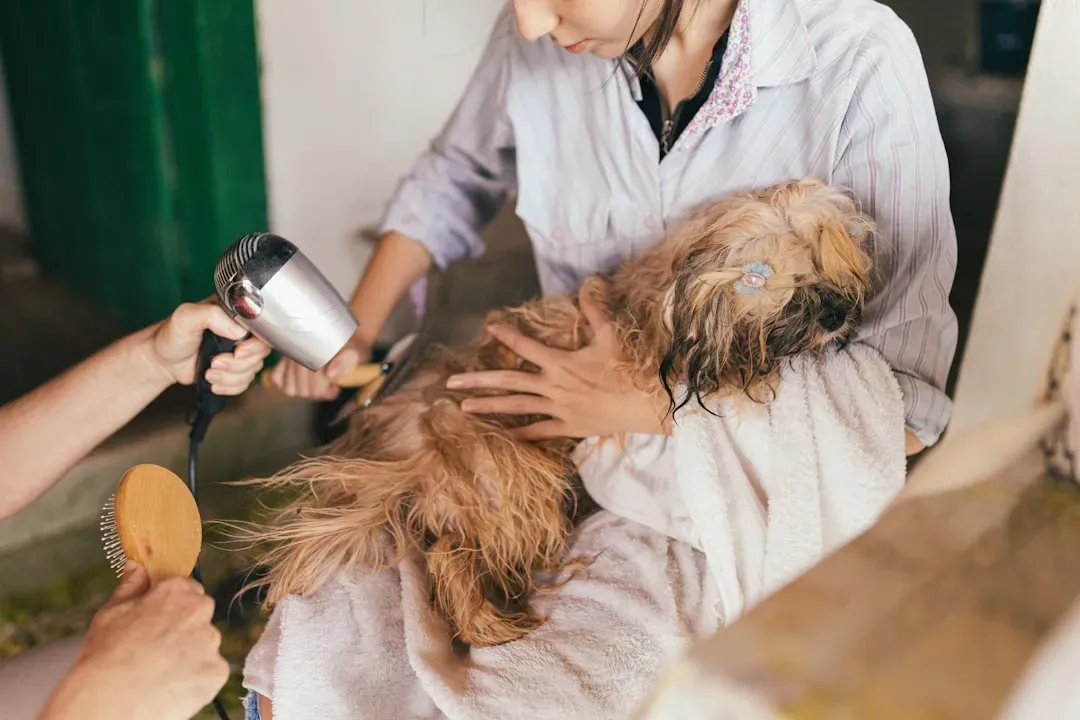
A dog that used to lean into every scratch but now flinches or pulls away from your hand is telling you something important. An often-overlooked sign of pain in dogs is a reluctance to be brushed, combed, or otherwise groomed. Pain of any kind, but particularly the chronic pain associated with osteoarthritis, can become generalized so that the dog feels discomfort even in areas far from the arthritic joints. When this happens, dogs become more sensitive in all areas of their body, and even being combed or brushed can feel painful.
This shift can be gradual enough that owners barely register it at first. A change in behavior can be the first sign of pain, illness, or degenerative disease. If your dog’s response to touch has changed, even slightly, it’s worth bringing up at your next vet appointment rather than waiting to see if it passes.
#9 Withdrawal and Choosing to Sit Alone
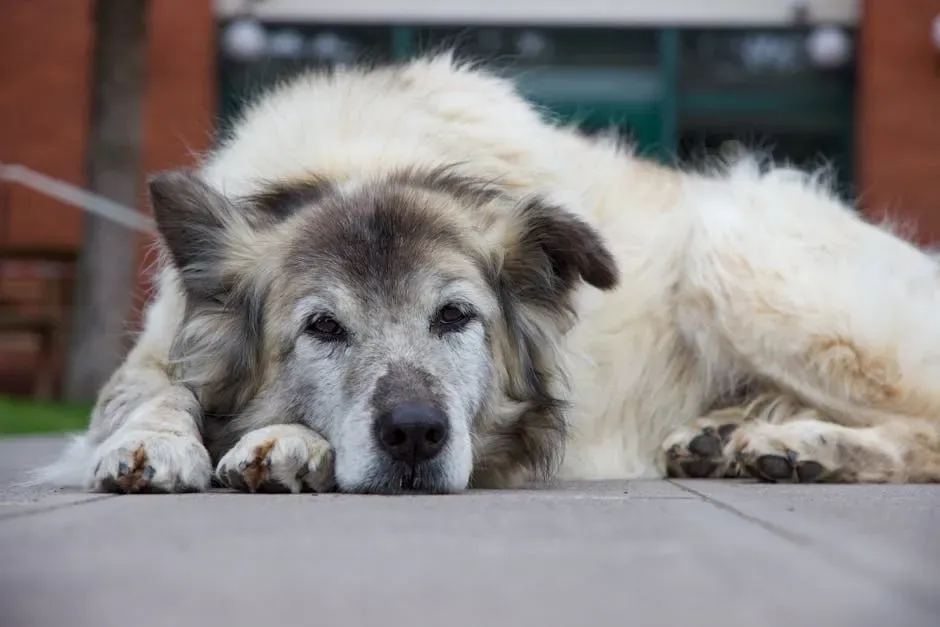
When an older dog starts retreating to corners or spending more time away from the family, it’s easy to interpret this as the dog “just wanting space.” Often, there’s more to it. If your pet begins to isolate themselves, avoid touch, or show signs of irritability, it could be an indication of underlying discomfort.
Dogs tend to hide their pain, so do not ignore these behavioral clues to your aging dog’s condition. As their caregiver, you must pay attention so any changes in behavior are observed and brought to your veterinarian’s attention. Choosing solitude is not always a preference. Sometimes it’s a quiet cry for help wrapped in stoic behavior.
#10 Changes in the Tail’s Position or Movement
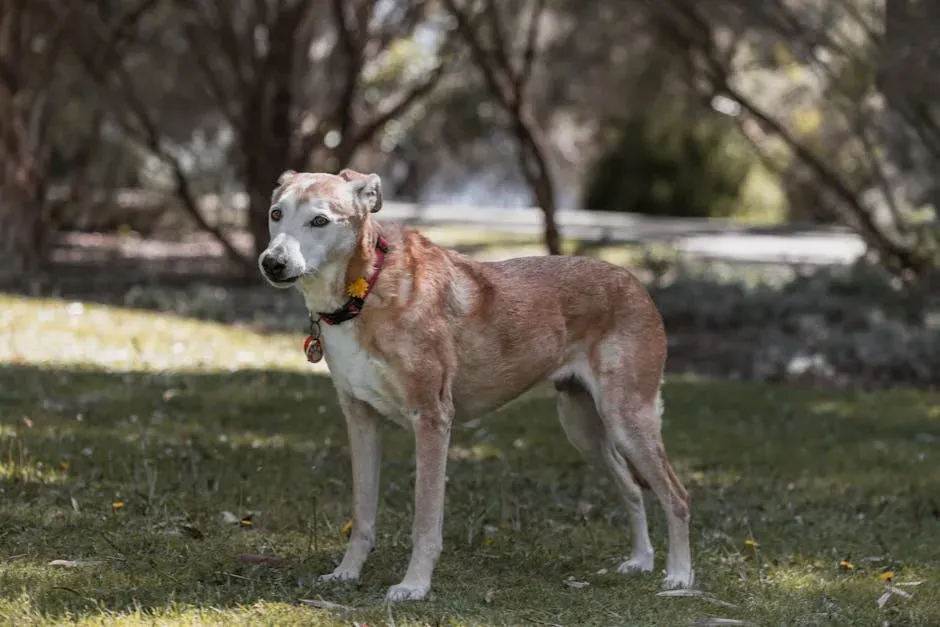
The tail is one of the most readable communication tools a dog has, and it changes with age in ways that carry real meaning. A senior dog’s wag might be slower or lower, or you could observe an old dog not wagging their tail at all. The tail might droop completely, almost as if it’s not fully attached to the body. The discomfort might be specific to just the hind end, or the rest of the body posture might appear normal.
An old dog not wagging their tail might be due to cognitive decline, stress, arthritis, or pain from a condition called limber tail syndrome. Pet parents should track their dog’s reactions to typical interactions to determine if the lack of wagging is related to general cognition issues or if the lack of wagging is pain-based. Context matters, and tracking these small changes over time will help your vet paint a clearer picture.
#11 Sleeping More but Seeming Restless When They Do
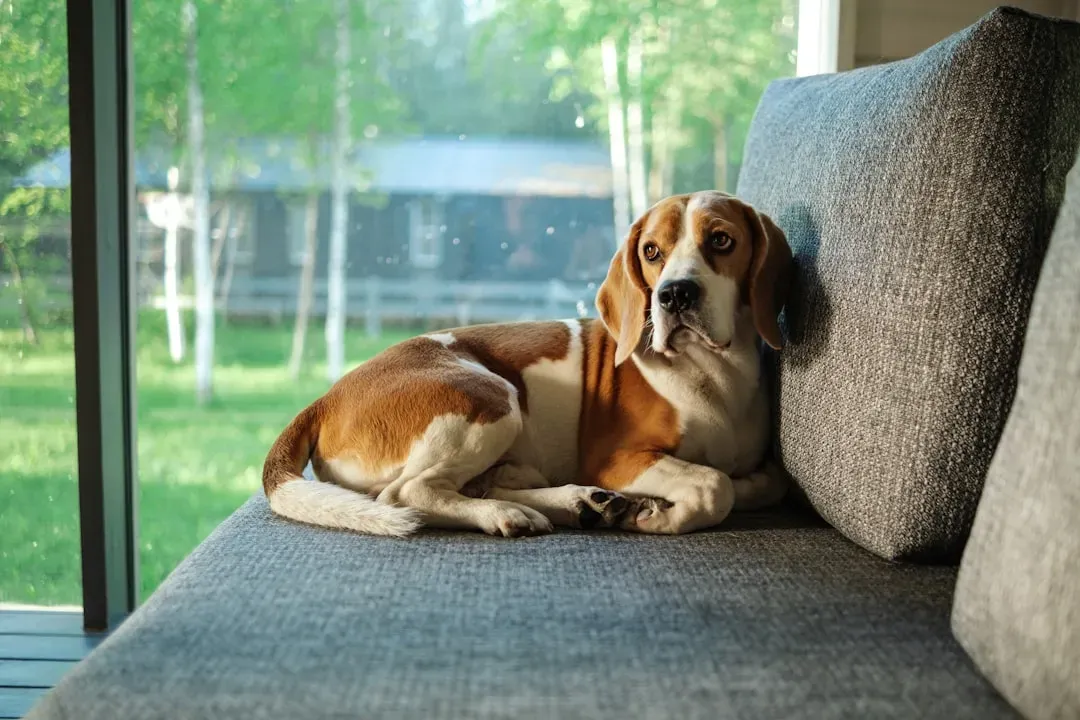
It’s expected that older dogs sleep more. What’s less expected, and worth paying attention to, is when that sleep looks troubled. Changes in sleep patterns, including restless sleep or a reversed day and night schedule where a dog is more active at night and more lethargic during the day, are signs that warrant attention.
Your dog may keep you awake by pacing, panting, and pawing at you, demanding attention. This type of nighttime anxiety may indicate undiagnosed disease, and it can be relieved by treating the disease or, at minimum, relieving your dog’s pain or discomfort. A dog reaching out in the middle of the night deserves a gentle hand, not frustration. That restlessness is communication.
What You Can Do Right Now
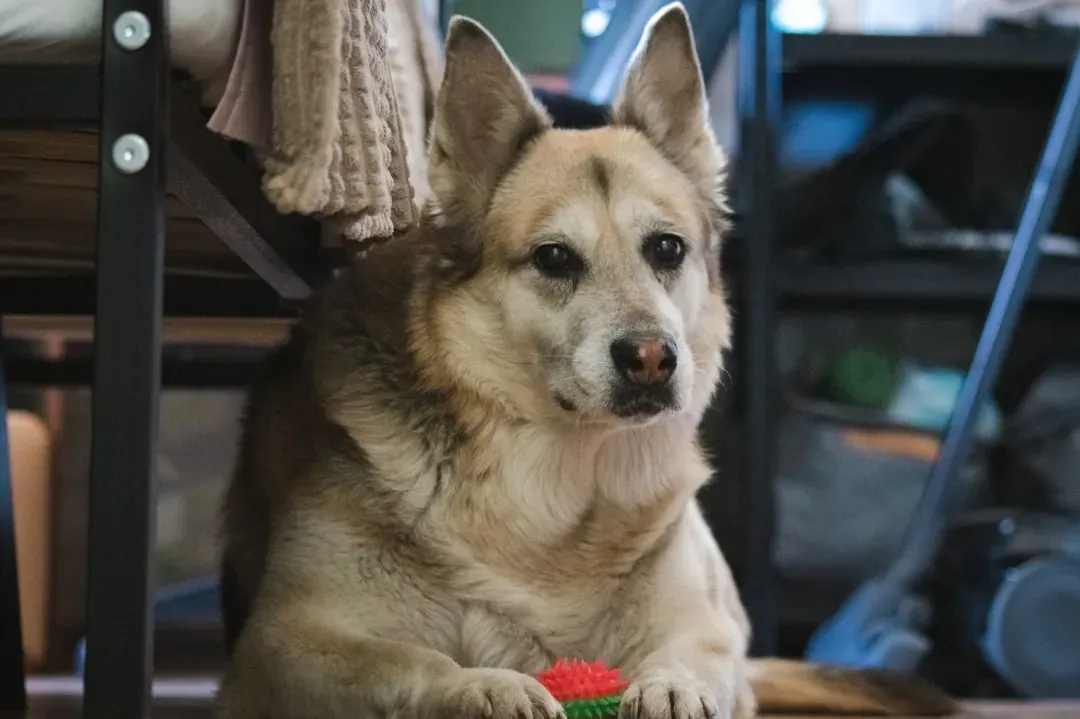
Recognition is the first and most important step. Understanding the subtle cues and signals your older pet gives can make all the difference in ensuring they live comfortably and happily through their golden years. You don’t need to overhaul your routine. You need to slow down enough to notice what’s already being said.
Don’t assume that your dog is “just getting old” and nothing can be done to help. Many changes in behavior can be signs of treatable medical disorders, and there are a variety of therapies that can comfort your dog and manage their symptoms, including any pain they might be experiencing. A vet visit prompted by something you noticed could genuinely change the quality of your dog’s remaining years.
As veterinarians often say, “Old age isn’t a disease.” There are many things that can be done to manage medical conditions, eliminate or reduce pain, and help senior pets enjoy a great quality of life. The relationship between you and your senior dog doesn’t diminish with age. If anything, it deepens, as long as you’re paying attention to what they’re quietly trying to tell you.
Loving an older dog well doesn’t require grand gestures. It requires presence. It requires looking up from your phone when they cross the room, running your hand along their back when they press against you, and sitting with them a little longer than you think you need to. They’ve given you years of uncomplicated loyalty. The least you can give back is your full attention while they still need it.


