
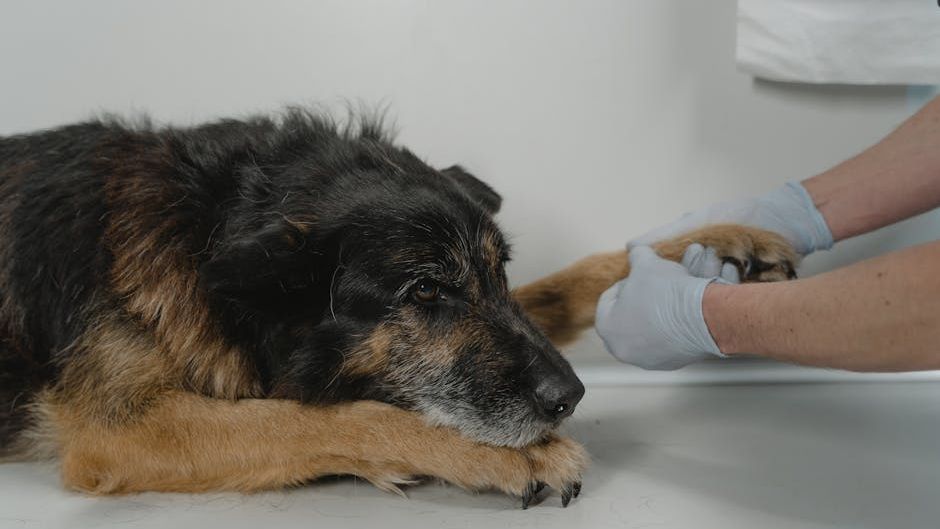
#1. Pain and Physical Discomfort
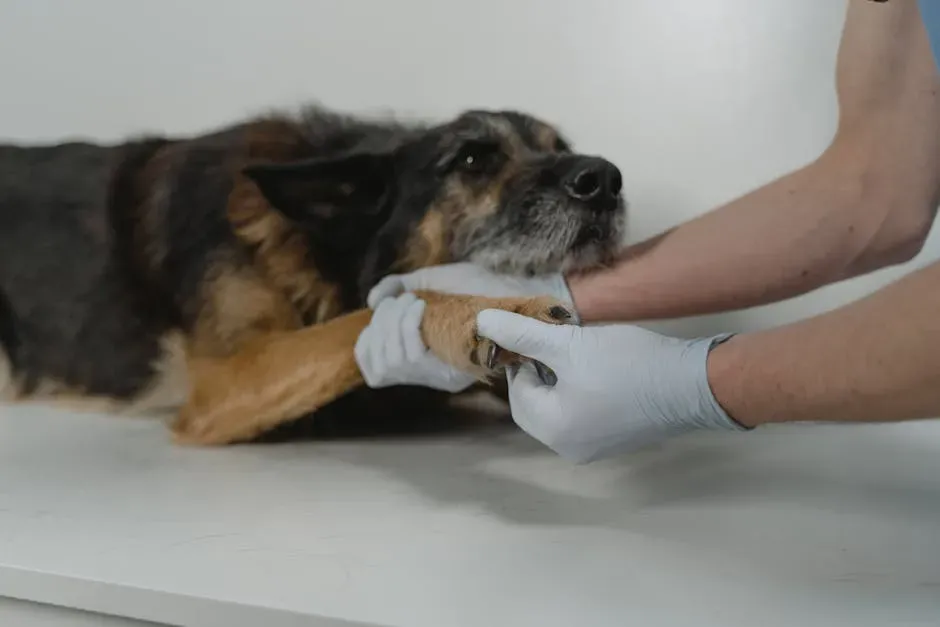
Pain is one of the most misread signals in a dog’s behavioral toolkit. Before jumping to conclusions about a sudden new behavior being a training issue, it’s important to look deeper into hidden culprits like pain, inflammation, and discomfort. We tend to think of pain in dogs as something dramatic, like limping, crying out, or yelping. In reality, it’s often far quieter than that.
For some dogs, the pain is sharp and acute. For others, it becomes a constant, dull hum in the background of daily life, quietly shaping their behavior. A dog may hesitate before going down stairs, jumping up, or performing previously known cues like “sit.” They may even avoid certain rooms with slippery surfaces altogether. These subtle physical withdrawals are easy to confuse with stubbornness or mood, which is exactly what makes pain so deceptive.
#2. Illness and Underlying Medical Conditions

When a dog is experiencing a health issue, whether it’s itchy skin, an upset tummy, achy bones, a cracked tooth, or a urinary tract infection, their body experiences some level of stress and discomfort. In turn, their mood, cognitive resources, and tolerance for stress are all negatively impacted.
Health problems cause behavior issues more often than people realize, and health issues are often missed. Think about it: if you are not feeling well, you are probably going to be cranky or not yourself. Your dog is the same way, except a dog doesn’t have words to tell you. Health issues that can change a dog’s behavior include arthritis, hip dysplasia, sore teeth, thyroid problems, epilepsy, ear infections, digestive issues, skin or environmental allergies, hearing loss, eyesight loss, and cancer. The list is long, and that’s the point.
#3. Anxiety and Fear

Dog anxiety is a heightened state of fear or nervous anticipation in response to perceived threats. Medical conditions such as pain, inflammation, and underlying disease can also cause dog anxiety. It’s a cycle that can be hard to break once it takes hold.
Just like humans, dogs experience stress and anxiety. When a dog feels anxious, their behavior can change dramatically. They may become more clingy, act out, or even withdraw from interactions. Dogs can get stressed often, and multiple factors contribute to their anxiety. Loud noises like thunderstorms, fireworks, construction, or even household appliances like vacuum cleaners can trigger fear and panic in some dogs. Recognizing the trigger is the first step toward helping.
#4. Separation Anxiety
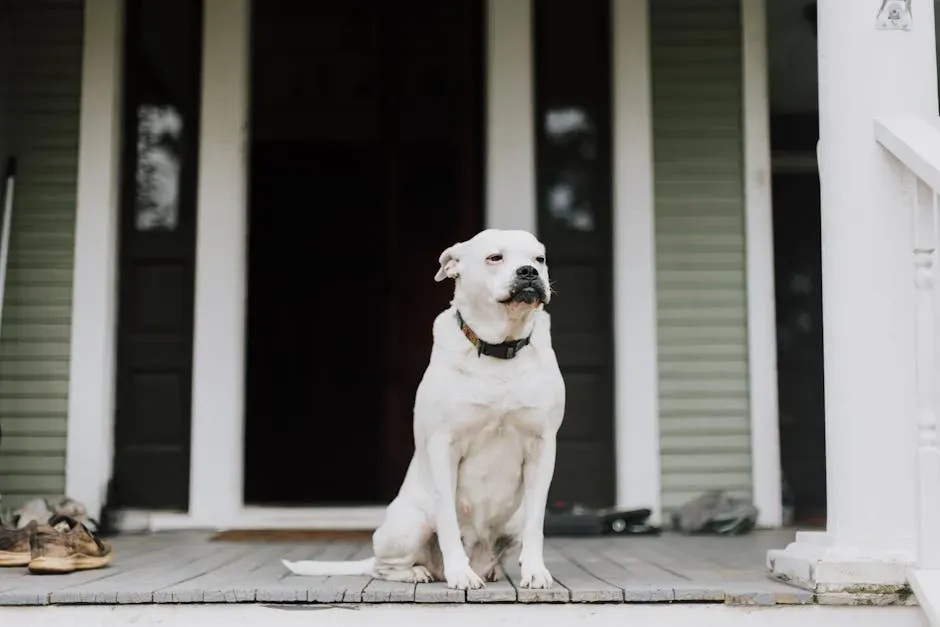
Separation anxiety is one of the most well-known causes of stress in dogs. If your dog becomes distressed when left alone, barks excessively, chews furniture, or has accidents in the house, separation anxiety could be the cause. It’s more than just missing you; it’s a genuine state of panic.
If you suddenly start working different hours, traveling more, or spending less time at home, your dog may experience stress. They might become more anxious, needy, or even develop separation anxiety. Many owners of senior dogs notice their dogs getting more clingy, some up to the point of developing separation anxiety, something they have never suffered earlier in their lives. It can emerge at any life stage, including in dogs who seemed perfectly calm for years.
#5. Canine Cognitive Dysfunction
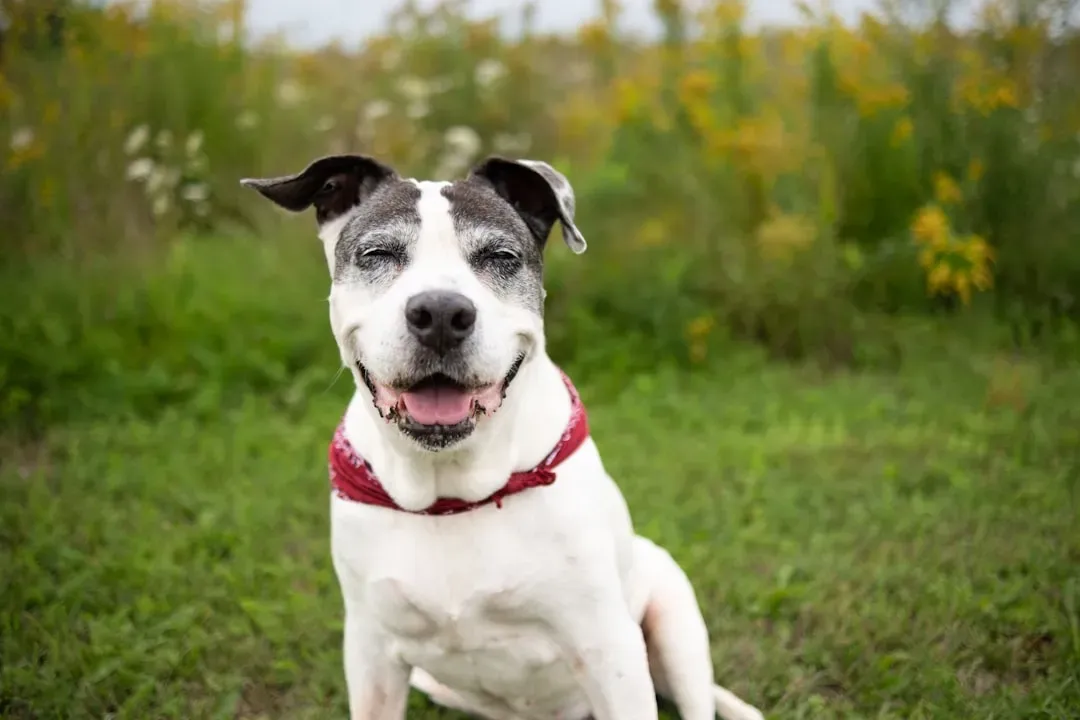
Older dogs can develop canine cognitive dysfunction (CCD), sometimes called “doggie dementia.” CCD is linked to age-related changes in the brain, including the loss of nerve cells, reduced blood flow, and changes in how the brain functions overall. Dogs living with CCD may seem confused in familiar places or forget routines they once knew well.
Some senior dogs may wander without a clear purpose, appear disoriented, or have trouble settling down and sleeping through the night. These changes can be upsetting to witness, but they are often gradual and may be subtle at first. Symptoms include disorientation, confusion, and altered sleep patterns, and these changes can lead to increased anxiety in the dog. This is one condition where early recognition genuinely matters.
#6. Aging and Sensory Decline

While aging is a natural process, it can bring noticeable changes to a dog’s personality, energy levels, and daily habits. Just like people, dogs go through physical and mental shifts as they get older, and these changes can sometimes be mistaken for bad behavior.
Changes in vision or hearing can lead to behavior changes as well. Declining vision may lead to reduced playfulness, a growing reluctance to go for walks or up and down stairs, a desire to sleep more, and clumsiness. A dog whose hearing is going will gradually stop responding to auditory cues, which can be misinterpreted as stubbornness. Dogs with vision and hearing problems can also startle easily, causing them to snap or jump if approached or touched from behind.
#7. Hormonal and Endocrine Disorders

Hormonal changes, particularly in unneutered or unspayed dogs, can cause mood swings and aggression. Conditions such as hypothyroidism can also lead to unusual behavior. These shifts can be slow and gradual, making them easy to overlook until the pattern becomes obvious.
Diseases involving the endocrine system such as Cushing’s Disease, Addison’s disease, and hypothyroidism can all cause varying behavioral symptoms such as lethargy, weight change, increased thirst and urination, weakness, trembling, changes in the haircoat, vomiting, and diarrhea. These symptoms tend to come and go, but your observations will be key to guiding your vet into choosing the correct tests. Keeping a log of when and how these behaviors appear can make a real difference during a veterinary visit.
#8. Neurological Conditions
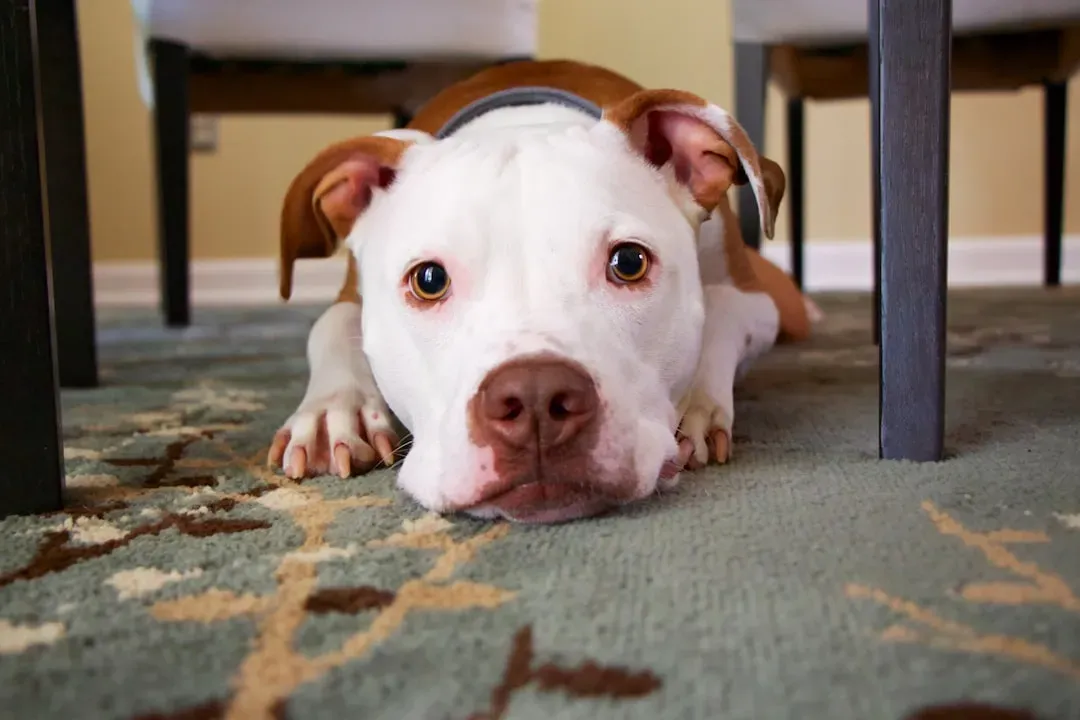
Diseases of the nervous system including the brain and spinal cord can lead to a number of behavior and personality changes. Conditions such as epilepsy, brain tumors, infections, immune and degenerative diseases can all directly affect a dog’s nervous system and therefore its behavior.
A sudden change in behavior is more likely due to trauma, severe pain, or possibly even a neurological issue. Technically, any neurological problem that causes a dog to feel unwell has the potential to cause a change in behavior. Conditions like canine cognitive dysfunction can make older dogs confused, forgetful, and even anxious. Other neurological issues, like brain tumors, canine strokes, or epilepsy, can lead to sudden behavioral changes. These are among the more serious causes and warrant prompt veterinary evaluation.
#9. Environmental and Routine Changes

Dogs are creatures of habit. They thrive on routine, familiarity, and a sense of stability in their environment. When something changes, it can have a big impact on a dog’s behavior. A house move, a new baby, a new pet, or even a shifted feeding schedule can be enough to tip a sensitive dog off balance.
Aging of the senses, nervous system, and joints can cause senior dogs to react differently to changes in their environment. What seems like a harmless rearrangement of furniture can create confusion for a senior dog. For younger dogs, the trigger is often social rather than physical. A new household member or the loss of a bonded companion can produce grief-like behavioral shifts that persist for weeks.
#10. Chronic Pain and Its Emotional Toll
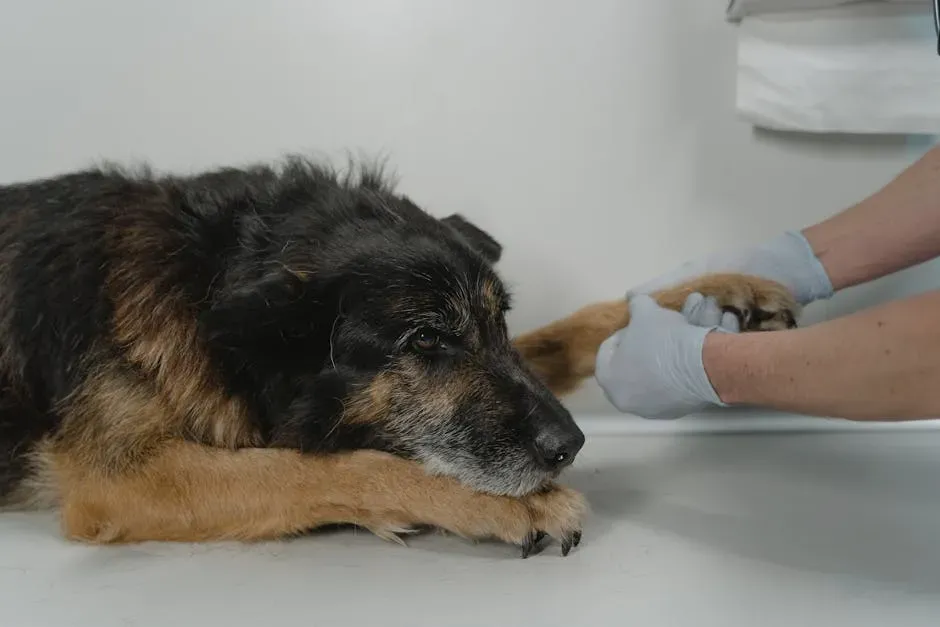
Since pain is an experience that is both sensory and emotional, continuous exposure to it may modulate not only the neural circuits processing pain but also those processing emotions. Chronic pain is known to negatively affect mood and reduce the capacity for pleasure. This is not simply about discomfort; it reshapes how a dog relates to the world around them.
Dogs suffering from chronic pain often experience frustration and anxiety because they frequently have difficulty accessing their daily needs. Chronic pain often manifests in specific contexts, such as difficulty navigating stairs, avoiding certain movements, or struggling with routine activities like eating, resting, or eliminating. Over time, these physical limitations compound emotionally, and a dog who was once socially confident can become withdrawn and reactive.
#11. Boredom and Lack of Mental Stimulation
Dogs need physical exercise to be happy, and on-leash walks around the block are not usually sufficient. Activities like off-leash runs, running with you, fetch games, or dog-dog play are more appropriate exercise choices. When those needs go unmet consistently, behavior shifts in ways that owners often find confusing or frustrating.
Often-forgotten mental stimulation is essential for a well-balanced dog. Mental exercise can be just as tiring as physical; someone who works at a desk job can be as tired at the end of the day as a landscaper. A dog with too much stored energy and not enough stimulation will find an outlet somehow, whether that’s destructive chewing, excessive barking, or restless pacing. The behavior isn’t the problem; the unmet need is.
#12. Trauma and Past Negative Experiences
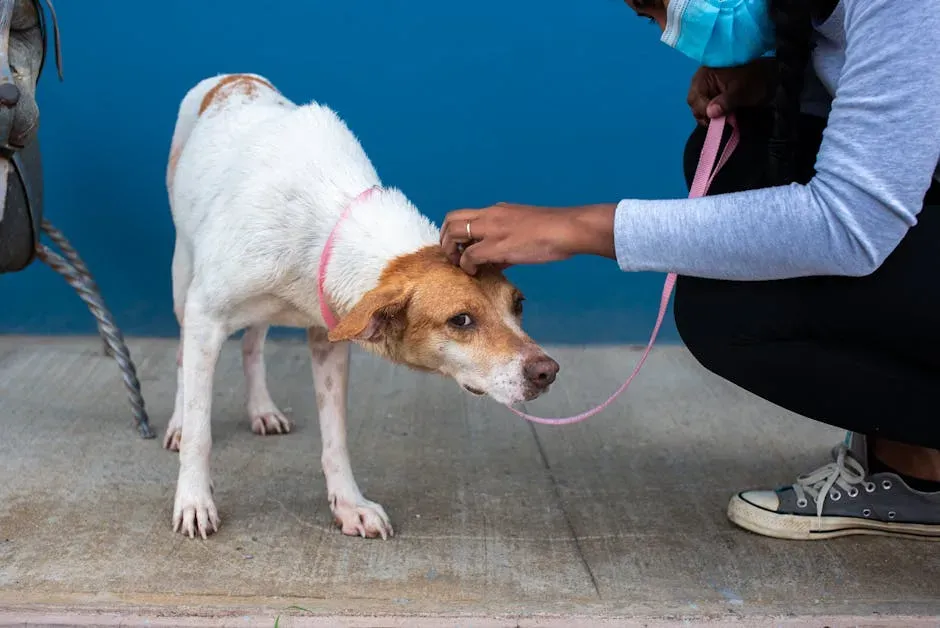
Fear-induced aggression is common in dogs. It may arise from traumatic experiences, such as abuse or neglect. Dogs with anxiety disorders may react aggressively to perceived threats, even if none exist. For rescue dogs or those with unknown histories, this layer is especially worth considering.
Fear learning that occurred while a dog was experiencing pain might result in subsequent defensive aggression when the dog is handled or approached, even after a painful physical health problem is resolved. The body heals faster than the emotional imprint. Treatment of fear, anxiety, and distress should not be delayed until investigation of the physical health problem has been completed. Environmental changes at home, such as avoiding handling or rough play or moving the pet’s bed away from a children’s play area, might provide the dog some immediate relief. Patience, consistency, and professional guidance are the most powerful tools available here.
What This All Means for You and Your Dog

Every single cause on this list has one thing in common: the dog cannot tell you directly. Since our four-legged companions can’t tell us how they feel in words, we need to try to decipher their actions, attitudes, and mannerisms instead. A change in normal behavior in your dog is a red flag. That instinct you have when something feels off? Trust it.
Whether you suspect an injury or illness might be behind a dog’s troubling new behavior or not, a trip to the vet is always the first step. In addition to running bloodwork and other diagnostics, your vet will ask a variety of questions to get to the bottom of what’s going on. Before the appointment, try to document your dog’s behavior by taking photos, videos, or written notes to share with your veterinarian. Anxiety or fear may mask certain pain behaviors in a clinic setting, so these observations from home can provide critical insights.
A behavioral shift is not a character flaw. It is communication. The most important thing any dog owner can do is stay curious, stay observant, and resist the urge to write off changes as “just a phase.” Your dog is always telling you something. The question is simply whether we’re listening closely enough to hear it.


