
#1. The Tail Is Not a Happiness Meter – It’s an Emotional Gauge
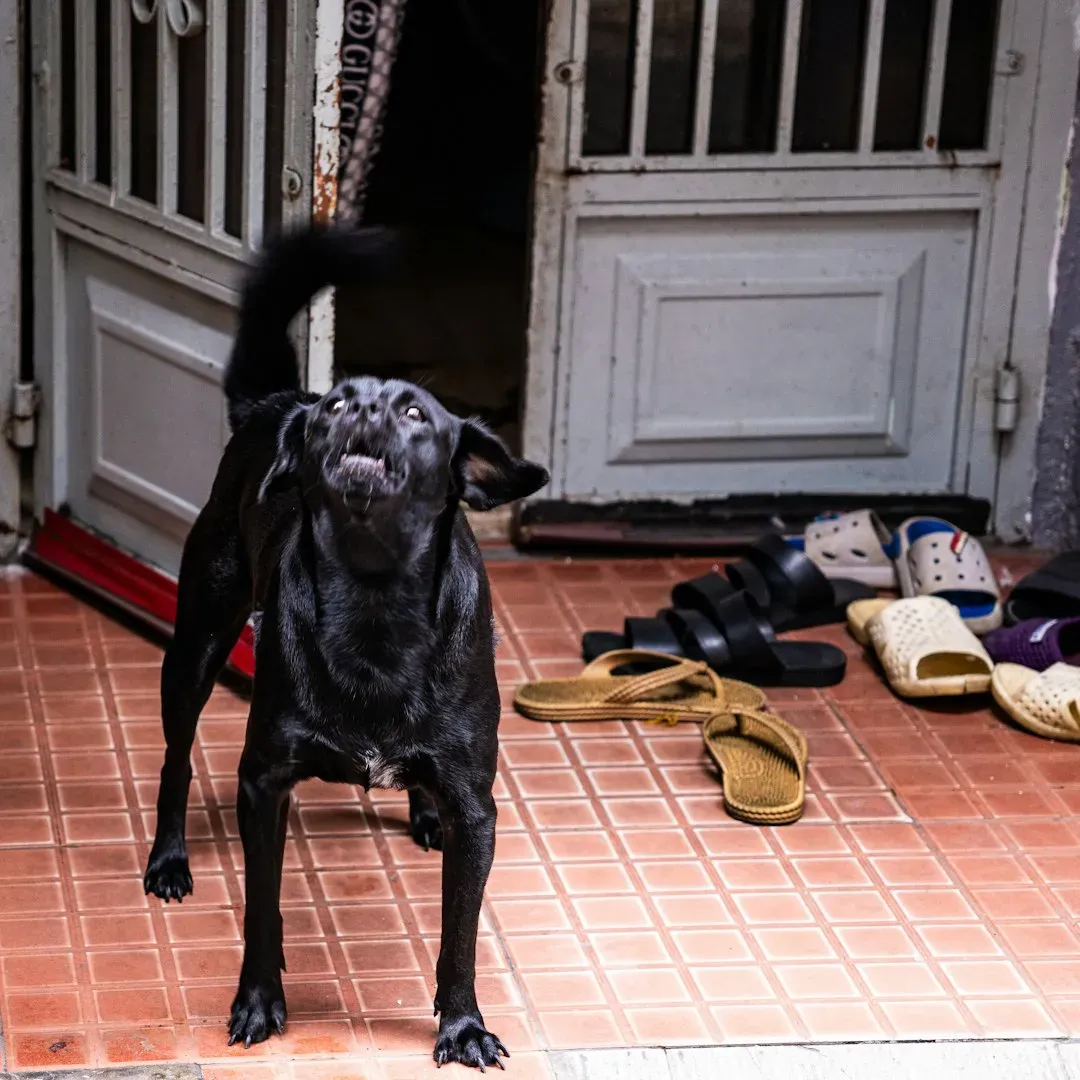
If there’s one piece of dog body language that gets misread more than any other, it’s the tail wag. The assumption is simple: wagging means happy. The reality is far more nuanced. Tail-wagging seems like an obvious body language signal. If a dog’s tail is wagging, the dog is happy, right? But all a wagging tail means is that the dog is emotionally aroused. That arousal can mean excitement, frustration, or something more threatening entirely.
Research has shown that dogs tend to wag their tails more to the right when they’re feeling positive, such as when interacting with their owner. Tails wagged more to the left when dogs faced something negative. Then there’s the helicopter tail wag, where the tail spins in a circle – without question, that’s a happy wag, usually seen when a dog is greeting a beloved person. So the direction actually matters, not just the fact of the movement itself.
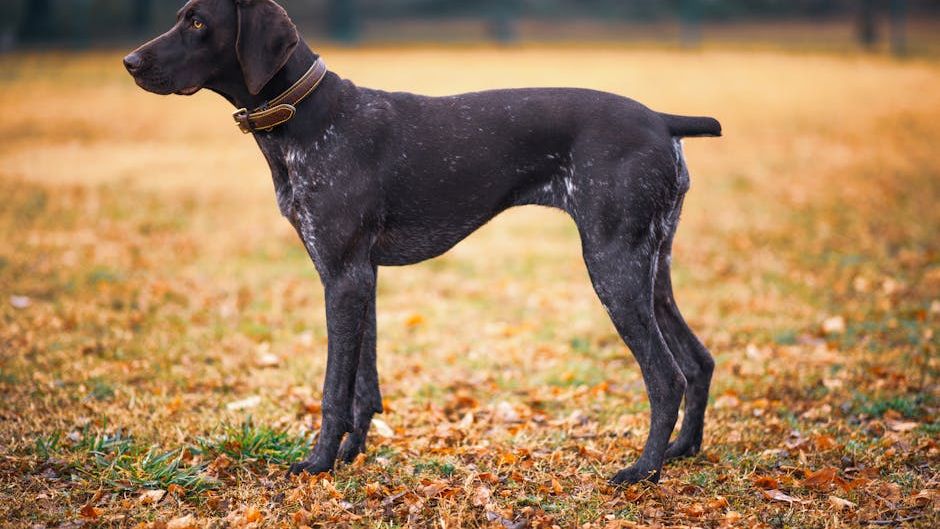
The position of the tail relative to the ground also holds important clues about a dog’s emotional state. Essentially, the higher the tail, the more assertive the dog. Dogs with their tails pointing down to the ground or tucked between their legs are feeling fear and stress, while dogs with their tails held up like a flag are feeling confident, perhaps even aggressive.
A tucked or low, fast-wagging tail can mean “I am scared or unsure,” while a high, stiff wag can mean “I am agitated or aroused.” The speed matters too. The rate at which a tail moves contributes to the dog’s overall communication. As a dog’s arousal increases, the tail may wag more quickly regardless of the nature of that arousal. Faster doesn’t mean happier. It means more emotionally activated, for better or worse.
#2. The Eyes Speak Volumes – If You Know What to Look For
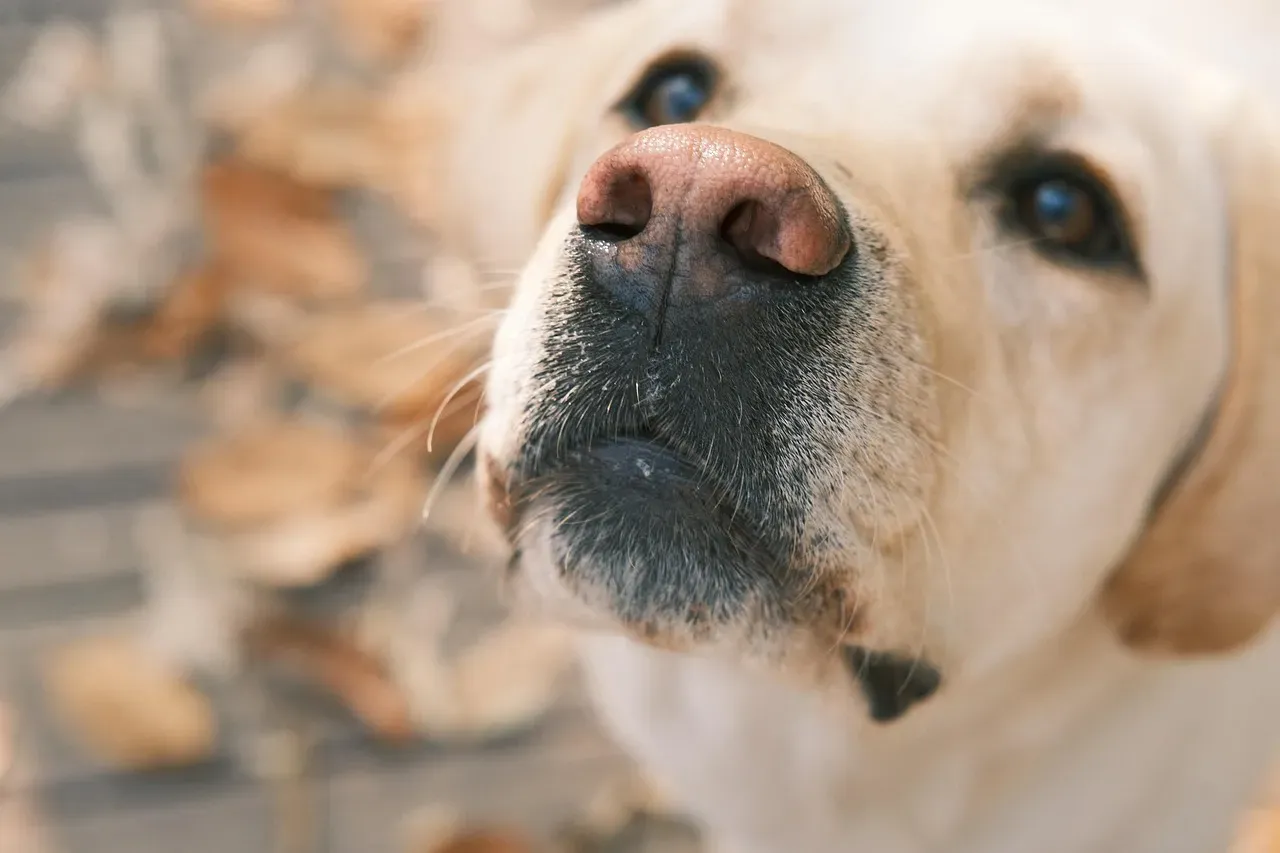
Eyes are one of the most direct windows into what a dog is actually feeling. You can learn a lot about your dog’s internal state by looking at their eyes. A dog’s eyes can be soft or hard. Soft eyes have relaxed lids and can sometimes look like the dog is squinting, indicating calm or happiness. Hard eyes, where the eyes seem to go cold, indicate a negative state of mind. Once you’ve seen the difference, you can’t unsee it.
The whites of the eyes are another key indicator. Known as “whale eye,” when a dog shows the whites of the eyes, it’s a signal that they’re feeling anxious or stressed. You might see this when you make your dog uncomfortable, such as patting them on the head, or when they’re afraid someone will take a bone or toy. It’s a subtle signal, but it’s actually a small red flag.
Eye contact itself is an important signal for dogs. Just as the hard stare can be a precursor to aggression, looking away is meant to calm a situation. When dogs feel stressed, they’ll pointedly look away and avoid eye contact. People often interpret this as their dog ignoring them or being stubborn, but the dog is expressing discomfort.
A dog’s use of eye contact and eye movements can communicate emotions and intentions. Prolonged eye contact or staring are indicators of aggression, especially when combined with body stiffness. It’s worth remembering that what feels natural to us as humans, like holding eye contact to show we’re paying attention, can read as a threat in dog language. That’s a mismatch worth knowing about.
#3. Posture and Weight Distribution Reveal Intent
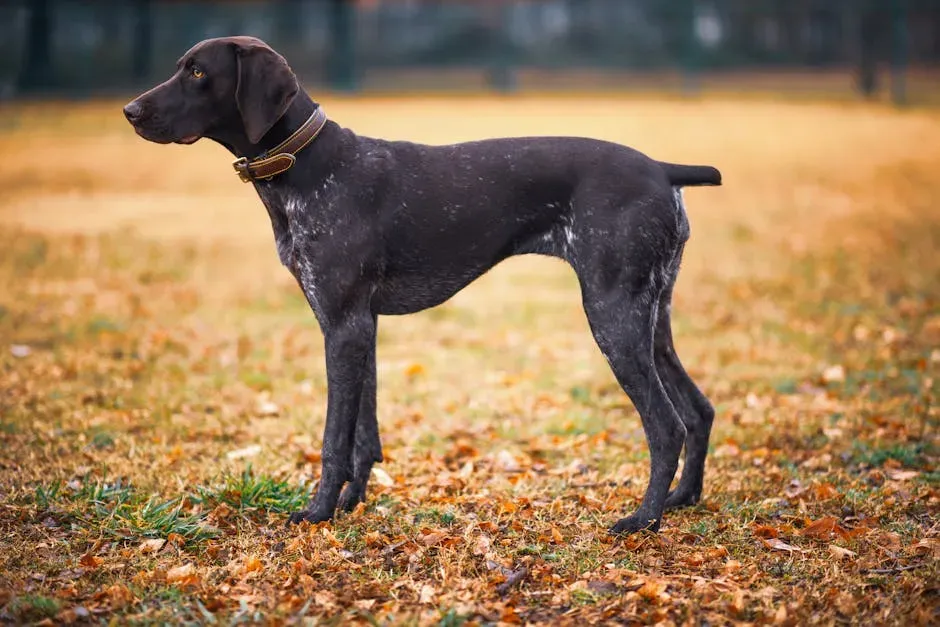
Before your dog makes a single sound, their body position is already broadcasting an intention. A dog’s weight distribution can reveal a lot about their mood and intentions. A cowering dog hunched low to the ground is showing fear or stress. The dog may be trying to get away from something, and the posture makes the dog appear smaller – essentially saying, “I mean no harm.”
The opposite posture is a dog with their weight shifted forward. This dog is trying to get closer to something, which might simply indicate interest. However, it could also indicate offensive intentions, particularly when paired with other aggressive body language cues like a twitching tail held high. Context always matters here.
When a dog’s hackles are raised, the hair along their back is standing up. Technically called piloerection, the fur can fluff up across the shoulders, down the back, or all the way to the tail. This is a definite sign that the dog is aroused, but not necessarily in a negative way. The dog might be upset or stressed, but could also be excited or intensely interested in something. It’s often an involuntary reaction, like goosebumps in people.
The play bow, when the rear end of the dog is up while the front end is down, often means “I want to play.” When a dog’s ears are forward, the dog is alert and interested in something. Play bows communicate that even if the behavior to follow is rough and involves biting, chasing, or slamming, it is playful in nature. There is no intent to cause harm. It’s a remarkably clear form of consent in the dog world.
#4. The Subtle Signals Most Owners Miss
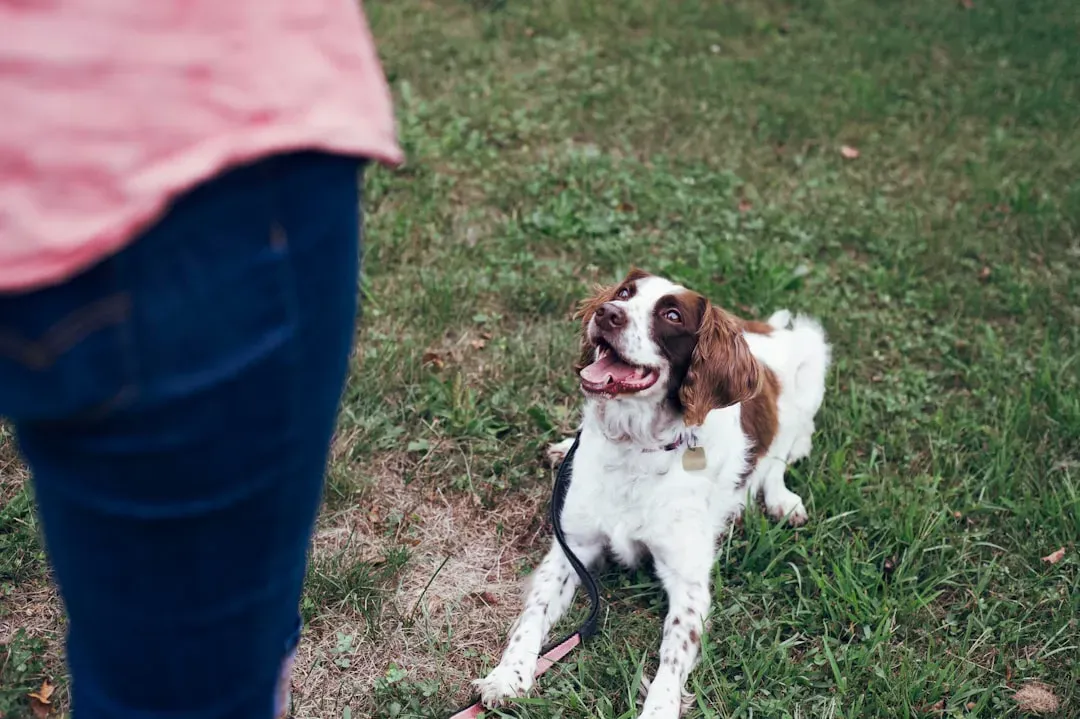
Beyond the big obvious gestures, dogs are constantly sending quiet, easy-to-overlook messages. These are the signals most people gloss right over, and missing them is where misunderstandings tend to stack up. When dogs are stressed and nervous they exhibit many different kinds of behavior that either help relieve the stress they’re feeling or appease a perceived threat. Yawning, for example, can be a sign that a dog is tired, but can also signal that they are stressed in a particular situation. Lip licking or tongue flicking may indicate hunger, but can equally be a sign of nervousness.
When a dog is stressed, they might show displacement behaviors, also known as calming signals. These can be a variety of activities that might seem out of place given the situation. For example, a dog might start self-grooming to calm down when afraid and faced with the decision to fight or run away. It looks random. It isn’t.
A dog freezes if they’re scared or guarding something, such as food or a toy, or if they feel cornered. This is a low-level warning sign on the ladder of dog aggression. Not respecting this warning can lead to escalation of growling, snapping, and potentially biting. A freeze isn’t inaction. It’s a communication, and it deserves a response.
If a perceived or actual threat approaches and the dog is nervous or uncomfortable, the dog will often show behaviors designed to send a peaceful signal. The threat’s attention is diverted onto the behavior the dog is doing, like sniffing the ground or scratching, rather than the dog itself. When your dog suddenly becomes very interested in a patch of grass during a tense introduction, they’re actually trying to de-escalate the situation. That’s worth respecting.
#5. Breed, Context, and Individual Personality Change Everything
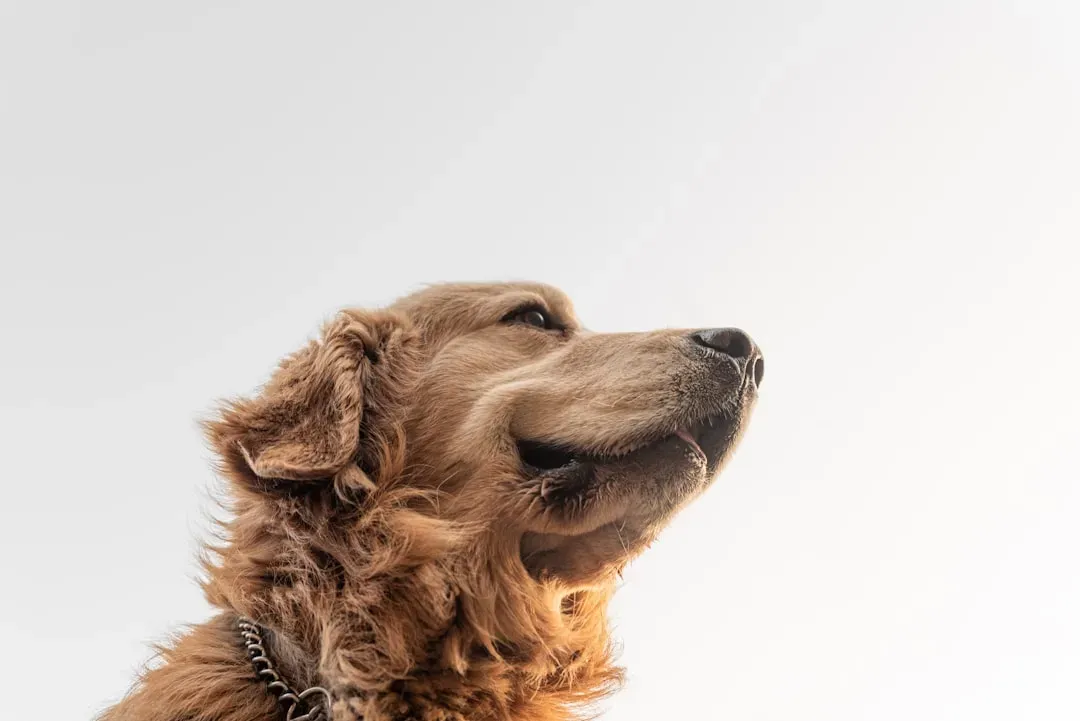
One of the most important things to understand about reading dog body language is that no single signal operates in isolation. No dog body language signals act alone. They’re all part of a package. So when you read a dog’s communication, look at every signal the dog is using, from the tail height to the eye shape. A wagging tail paired with a stiff body and a hard stare is a very different message from a wagging tail paired with a loose body and soft eyes.
Some breeds’ natural characteristics may appear alarmed upon first glance. For example, German Shepherds’ natural ear shape means their ears are often upright, and Husky and Malamute breeds have curled-up tails, even when completely relaxed. Relaxed dogs hold their tails in a neutral position, but neutral depends on the breed. Some breeds, such as the Chow Chow, have tails that naturally curl over their backs, whereas others like the Italian Greyhound have a very low neutral tail position. Becoming familiar with your own dog’s neutral tail position helps you more quickly recognize when their emotions have shifted.
Selective breeding has modified many breeds’ physical features in ways that can hamper their ability to communicate. Brachycephalic breeds like Pugs and Bulldogs have structural limitations that reduce their facial expression range. These dogs may struggle to communicate as clearly as breeds with longer muzzles. This is particularly important for owners of those breeds to understand.
Just like humans, individual dogs have different communication styles and expressions. Some dogs are naturally more expressive, others more subtle. Breed characteristics, past experiences, and personality all affect how individual dogs communicate. In understanding your dog’s body language, you can also be better prepared to recognize potential health concerns. A dog that suddenly withdraws, stops greeting you at the door, or carries their tail differently than usual may be telling you something important about their physical wellbeing, not just their mood.
Conclusion: The Conversation Has Always Been Happening
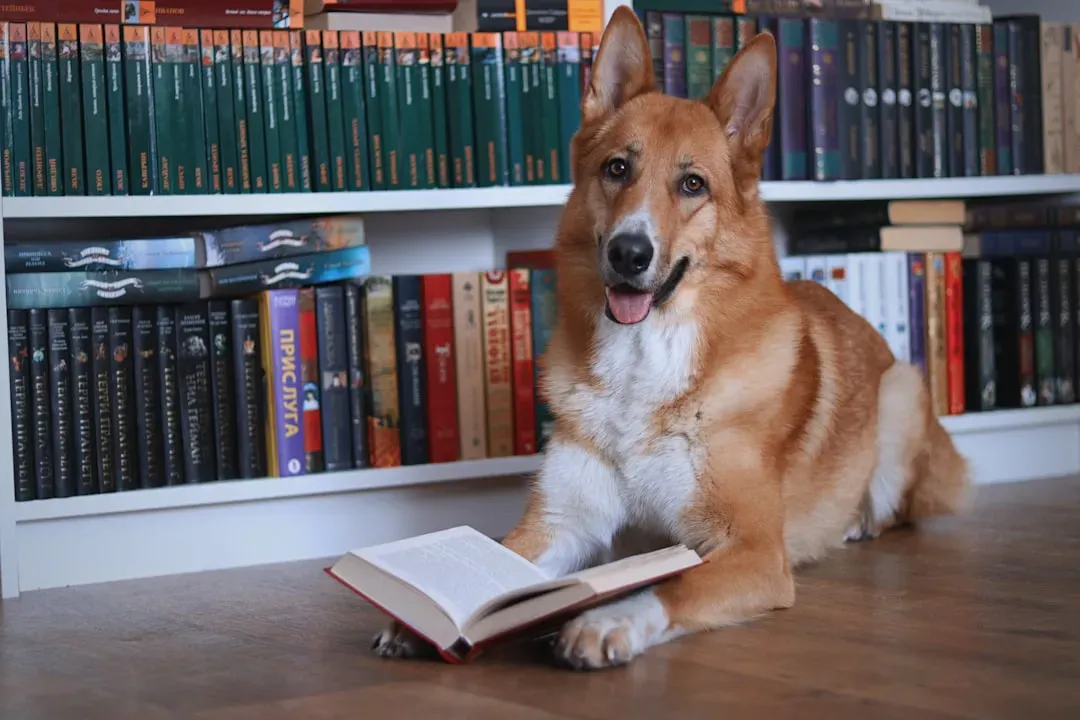
Your dog has never stopped talking to you. They communicate through posture, eye shape, tail height, the direction of a wag, a quiet yawn in a crowded room, and a sudden, very deliberate interest in sniffing the ground. The signals are all there. The gap has simply been on the human side of the conversation.
Reading, understanding, and responding to your dog’s body language is a key part of the companion-to-owner relationship. By understanding their cues and appropriately advocating for your dog, owners can continue to ensure their dogs remain happy, comfortable, and safe, while also guaranteeing the safety and well-being of those around them.
Frankly, we owe it to them. Dogs have spent thousands of years learning to read our faces, our moods, and our intentions with extraordinary accuracy. The least we can do is return the favor, one signal at a time. The bond deepens not when your dog learns to obey better, but when you finally start listening more honestly.


