
Dogs form attachments in all sorts of ways, yet some seem wired to pick one human and stick close for life while others greet the whole neighborhood like old friends. The difference often comes down to breed history, temperament, and how they were originally bred to work or live alongside people. If you have ever wondered why certain dogs shadow their owner everywhere or why others happily accept affection from anyone who offers it, the answers lie in these distinct groups.
Akita
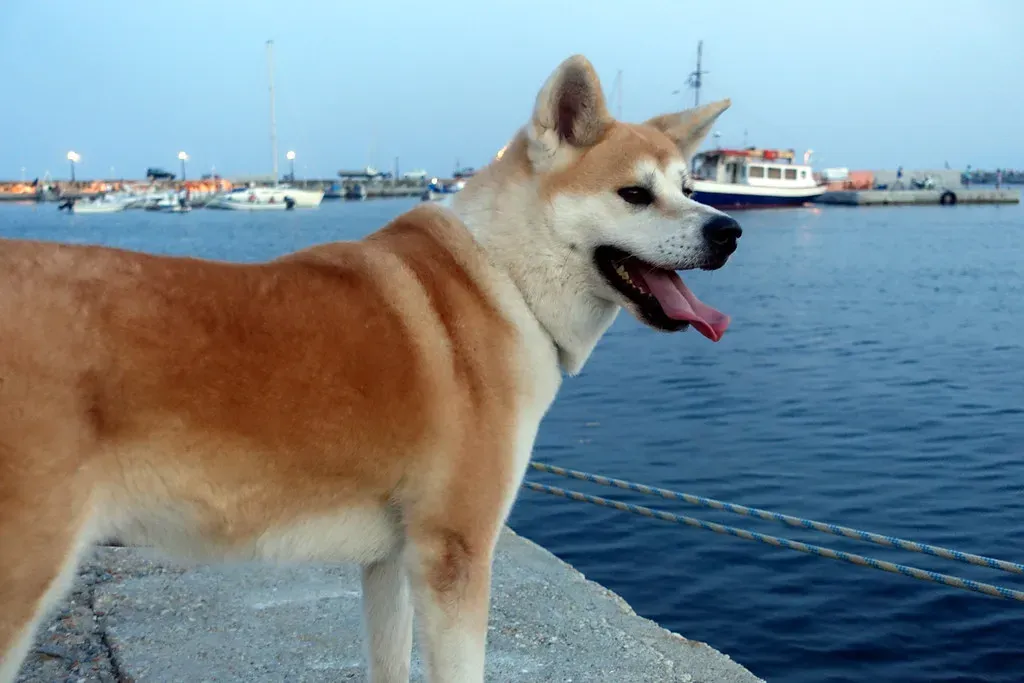
The Akita carries a long tradition of deep loyalty that traces back to its roots as a Japanese hunting companion. These dogs often form an intense bond with one person and can become protective or reserved around everyone else. Their independent streak means they thrive when they have a clear leader they trust completely. Owners frequently describe an Akita as a one person dog that watches over its chosen human with quiet devotion.
Training an Akita requires consistency and respect for its strong will. Early socialization helps, yet the breed rarely becomes a social butterfly even with effort. Families who value a calm, steadfast presence often find the Akita rewarding once the bond is established. The connection can feel almost exclusive, which suits households that prefer a dog focused on them alone.
Chow Chow
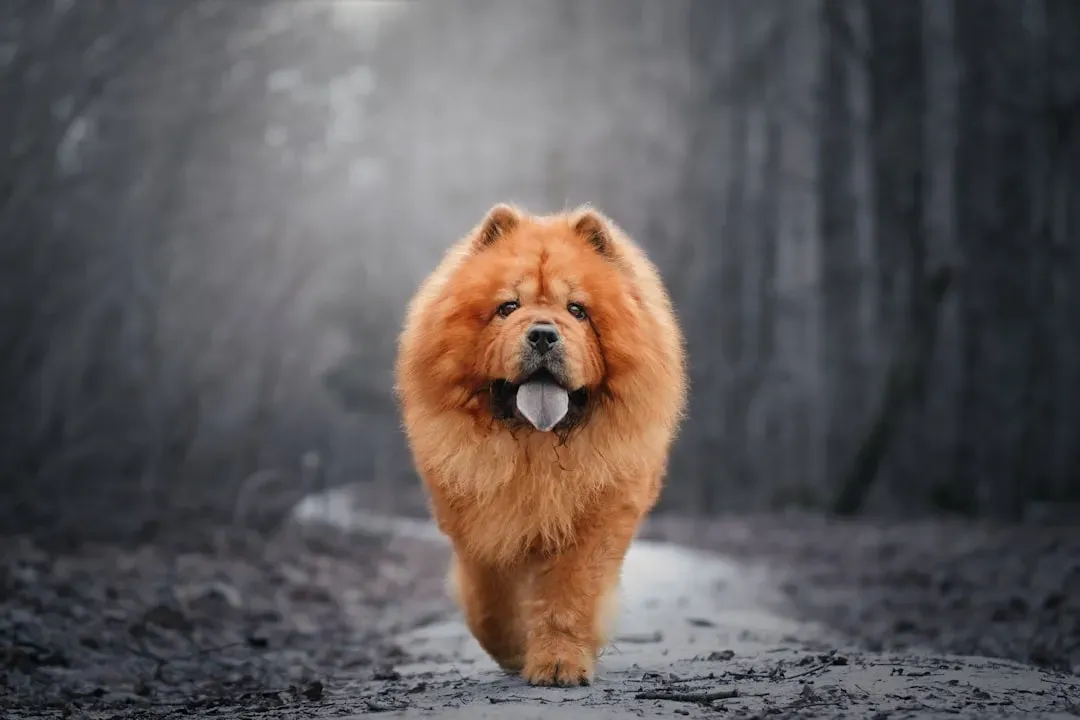
Chow Chows bring a dignified, almost catlike independence to the dog world. They typically attach to one primary person and show limited interest in winning over strangers or casual visitors. Their thick coat and sturdy build hint at origins in cold climates where they guarded property with focused attention. Many owners note that a Chow Chow will follow its person from room to room yet remain aloof with others.
Daily routines with a Chow Chow benefit from calm leadership and clear boundaries. The breed responds best to owners who appreciate its reserved nature rather than expecting constant tail wags. Proper exercise and mental stimulation keep them content without turning them into extroverts. This selective affection creates a special, private relationship that lasts for years.
Shiba Inu
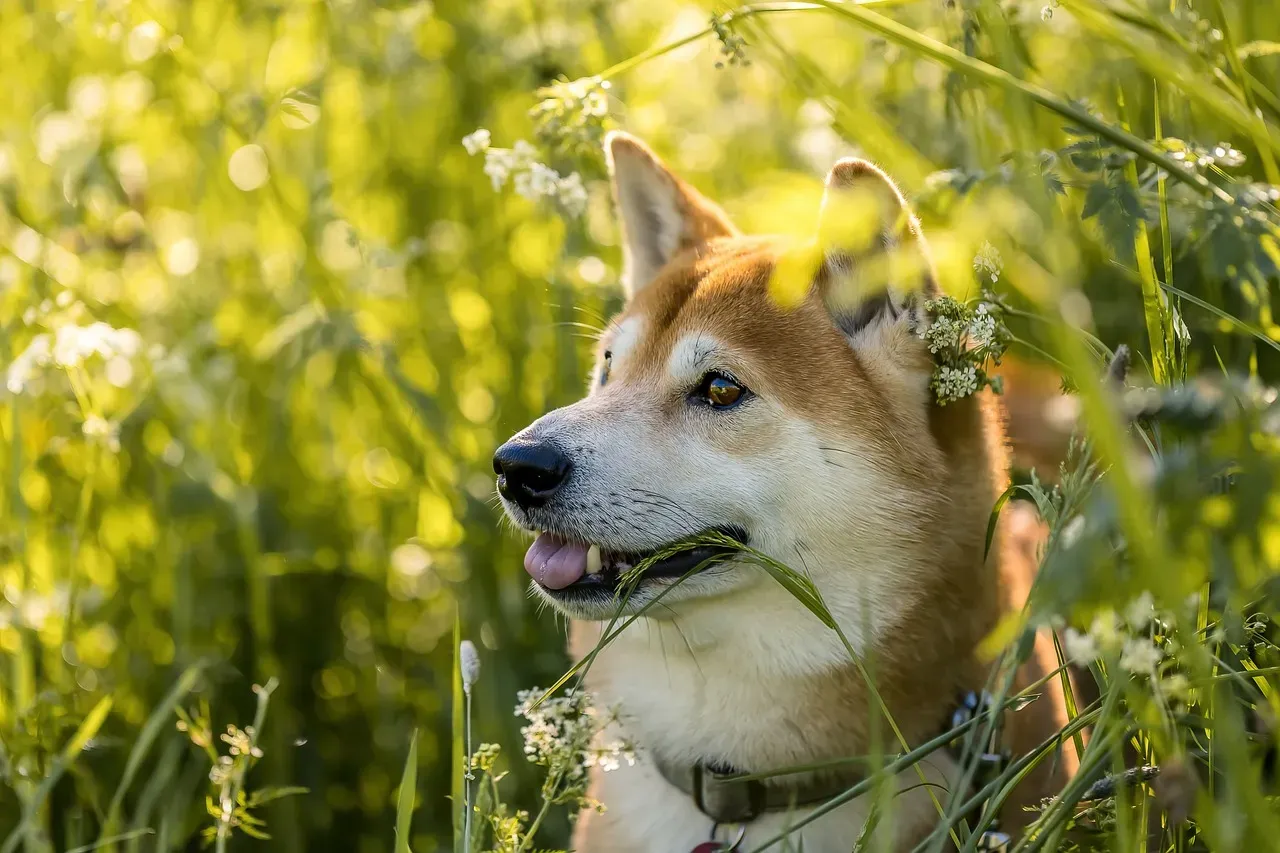
Shiba Inus combine agility and a bold personality that often leads them to choose one favorite human. Their history as Japanese hunting dogs encouraged self reliance and strong individual bonds. These small yet sturdy dogs can appear catlike in their grooming habits and selective affection. Owners frequently report that their Shiba ignores most people yet lights up around their chosen companion.
Households with a Shiba Inu learn to respect the breed’s need for personal space. Training works best with positive methods and patience for their occasional stubborn moments. The bond tends to deepen over time as the dog learns to trust its person completely. This focused loyalty makes the Shiba a devoted partner rather than a family wide greeter.
Afghan Hound
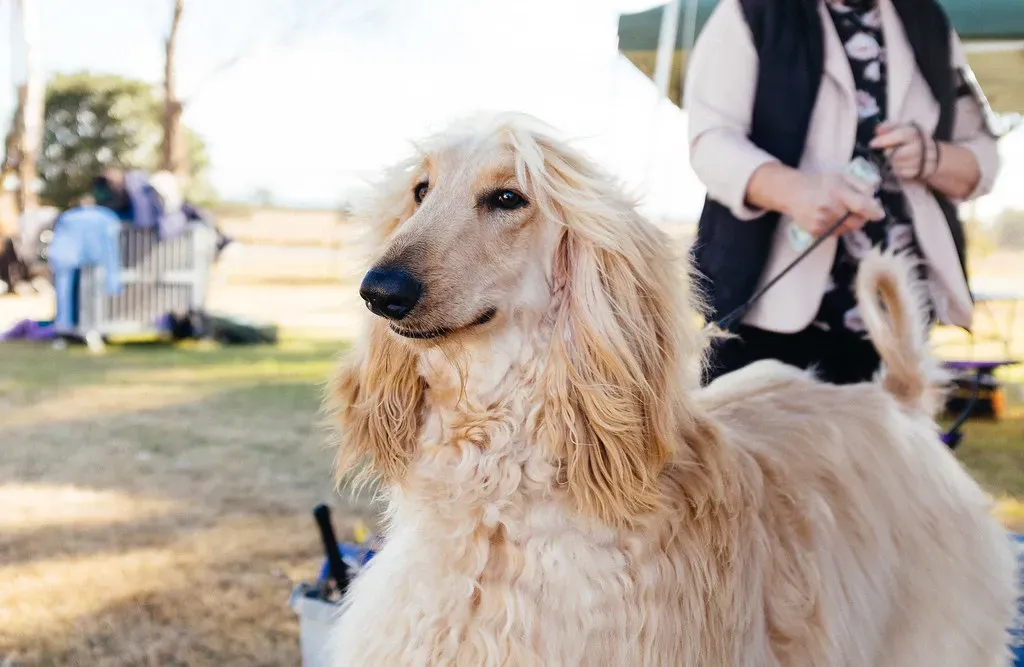
Afghan Hounds carry an elegant, independent air rooted in their history as sight hounds in rugged terrain. They often form a close attachment to one person while remaining polite but distant with others. Their long coat and graceful movement add to their somewhat aloof reputation. Many owners find that an Afghan Hound reserves its warmest moments for the individual who provides consistent care and understanding.
Exercise needs for this breed include regular runs to satisfy their hunting heritage. Grooming demands attention, yet the payoff comes in the quiet companionship they offer their chosen person. Afghan Hounds rarely seek attention from everyone in the room. The resulting relationship feels personal and enduring once trust is earned.
Basenji
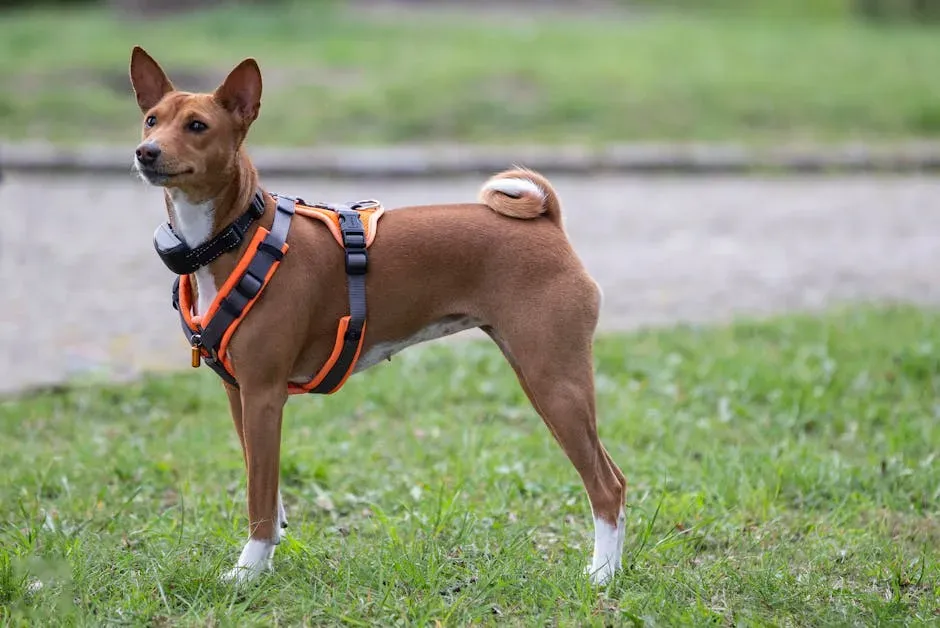
Basenjis stand out for their unique yodel like vocalizations and strong sense of independence. They frequently bond tightly with one owner and show less enthusiasm for widespread socializing. Their African origins as hunting companions encouraged clever, self directed behavior. Owners often describe a Basenji as a dog that picks its person and stays loyal through daily routines and adventures alike.
These dogs require mental challenges to stay happy because boredom can lead to mischief. Early training helps channel their energy while respecting their preference for a primary relationship. The Basenji’s selective affection creates a partnership that feels special and private. Families who enjoy a dog with personality rather than constant friendliness often appreciate this trait.
Shar Pei
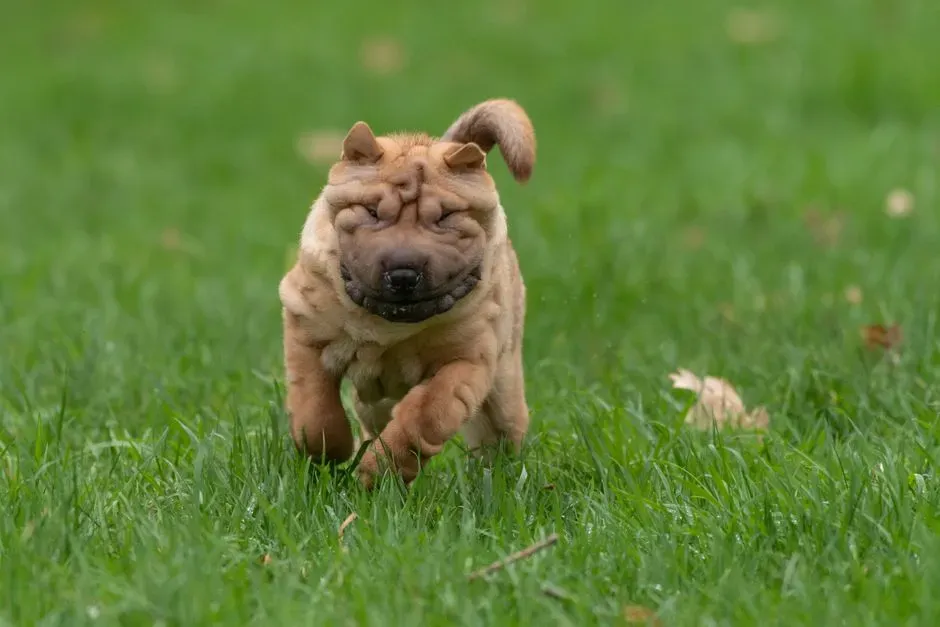
Shar Peis bring a wrinkled charm and a history of guarding that shapes their one person tendencies. They tend to attach deeply to a single owner and remain wary of unfamiliar faces. Their sturdy build and calm demeanor suit homes that value quiet loyalty over playful greetings. Many owners note that a Shar Pei will shadow its person while offering only polite tolerance to others.
Consistent routines help a Shar Pei feel secure in its bond. Socialization from puppyhood softens some reserve without turning the breed into an extrovert. The connection with their chosen human often grows stronger with age and shared experiences. This focused devotion rewards owners who prefer a dog that prioritizes them above all.
Siberian Husky
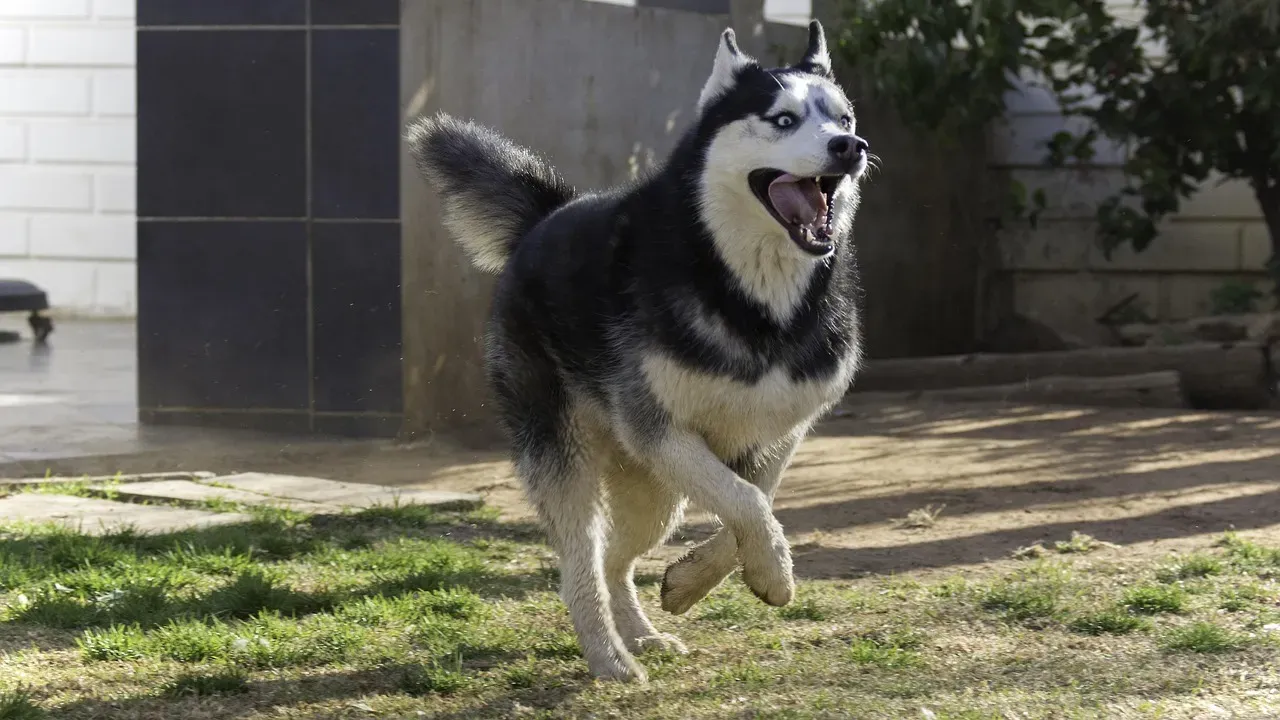
Siberian Huskies carry an adventurous spirit from their sled dog past that sometimes translates into strong individual bonds. While they enjoy company, many form a particularly close tie with one person who matches their energy. Their thick coat and striking eyes add to their striking presence in any home. Owners frequently mention that their Husky reserves certain playful behaviors or quiet moments for their favorite human.
Exercise remains essential for this high energy breed to prevent restlessness. Training benefits from firm yet kind guidance that respects their independent streak. The resulting relationship can feel like a true partnership built on mutual respect. Huskies that bond closely often become reliable companions for outdoor activities shared with their chosen person.
Alaskan Malamute
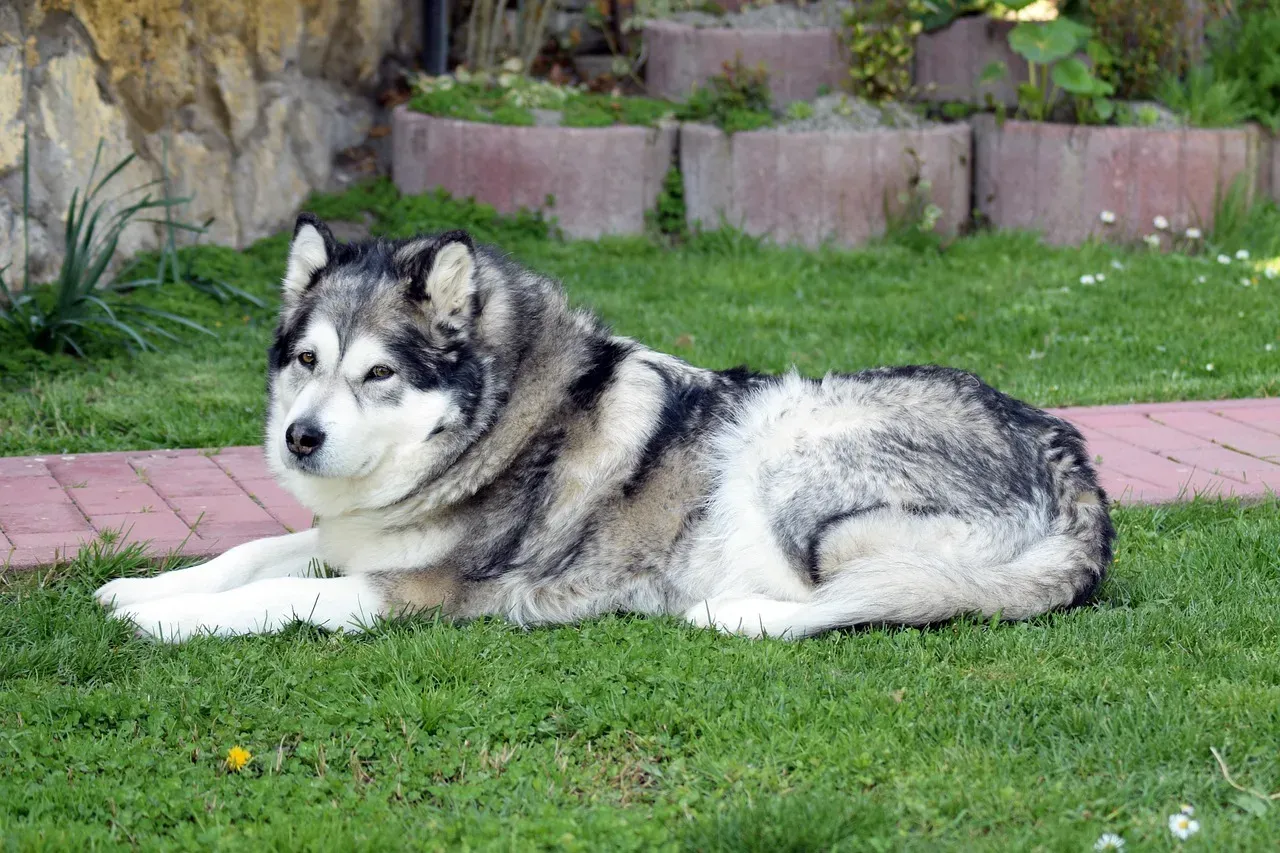
Alaskan Malamutes share a working heritage that encourages loyalty to a primary handler. They often develop a deep attachment to one person while remaining friendly yet not overly attached to the broader group. Their powerful build suits them for pulling loads and long treks. Many owners describe a Malamute that watches its chosen human with steady attention during daily life.
These dogs need substantial physical activity to stay balanced. Early exposure to different people helps manage their protective instincts without erasing their selective nature. The bond with their person tends to strengthen through shared work or play. Malamutes reward consistent leadership with devoted companionship that lasts for years.
Lhasa Apso
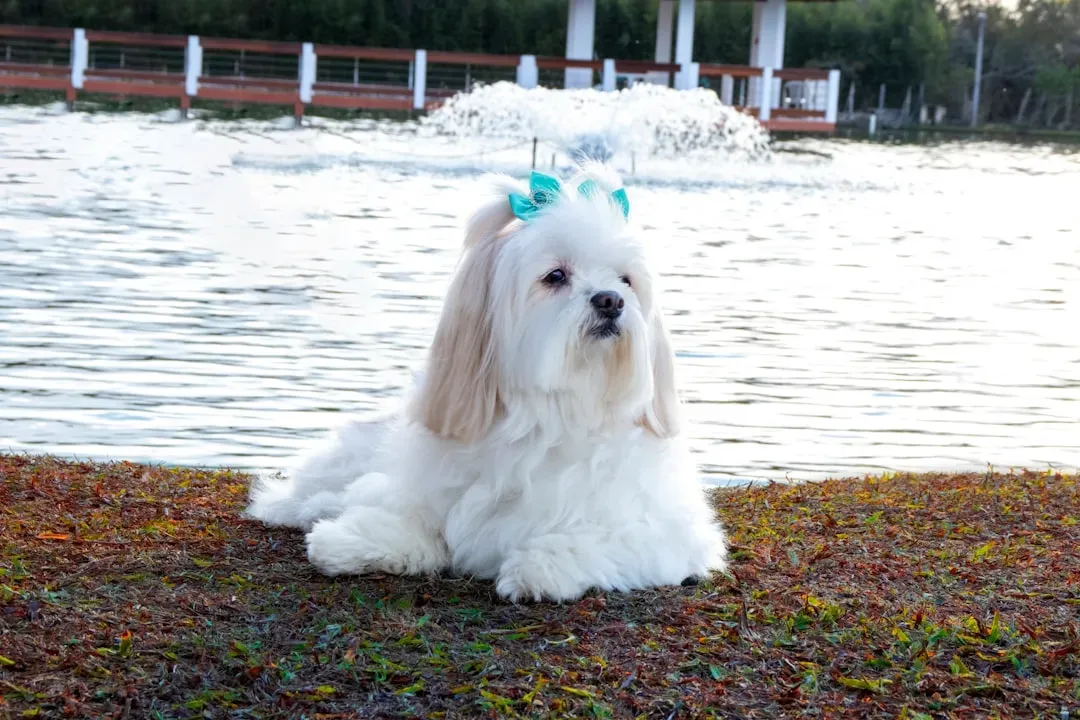
Lhasa Apsos originated as monastery watchdogs in Tibet, a role that fostered strong attachments to one guardian. They frequently choose a single person and show limited interest in charming everyone they meet. Their small size and flowing coat give them a regal appearance that matches their independent attitude. Owners often find that a Lhasa Apso offers quiet companionship to its favorite human while remaining reserved with others.
Daily care includes regular grooming to maintain their coat. Training works best with gentle persistence that respects their alert nature. The selective bond creates a sense of being truly chosen. This trait suits individuals who appreciate a dog that focuses its affection in one direction.
Tibetan Terrier
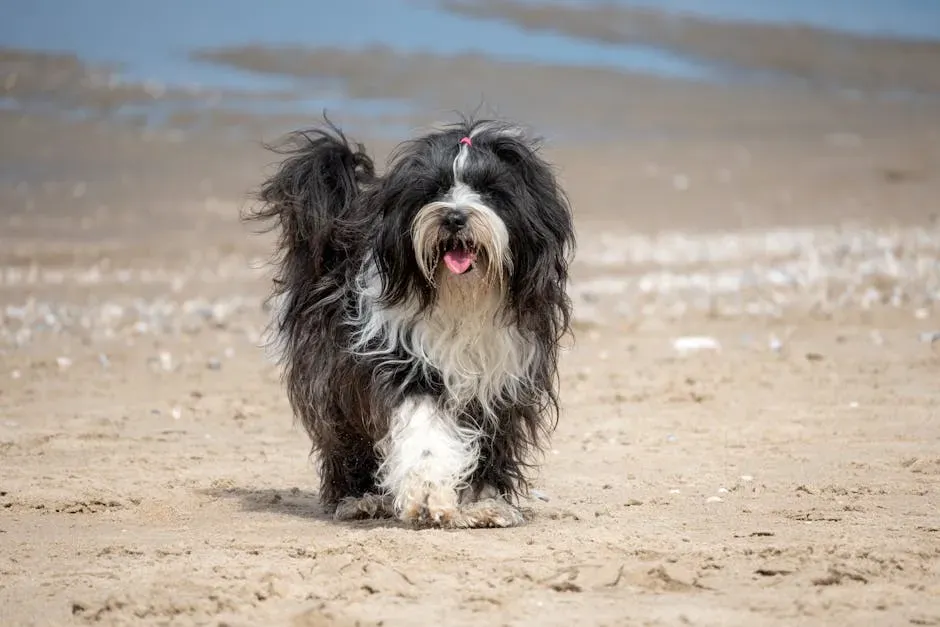
Tibetan Terriers bring a history of companionship in harsh mountain environments that shaped their loyal tendencies. They often form a close connection with one person while staying polite around the rest of the household. Their medium size and weather resistant coat reflect their origins. Many owners report that their Tibetan Terrier seeks out its chosen human for comfort and play.
These dogs enjoy moderate exercise and mental engagement. Socialization helps them feel comfortable without forcing widespread friendliness. The resulting relationship feels personal and steady over time. Tibetan Terriers reward owners who value a dog that bonds deeply rather than spreading affection evenly.
Saluki
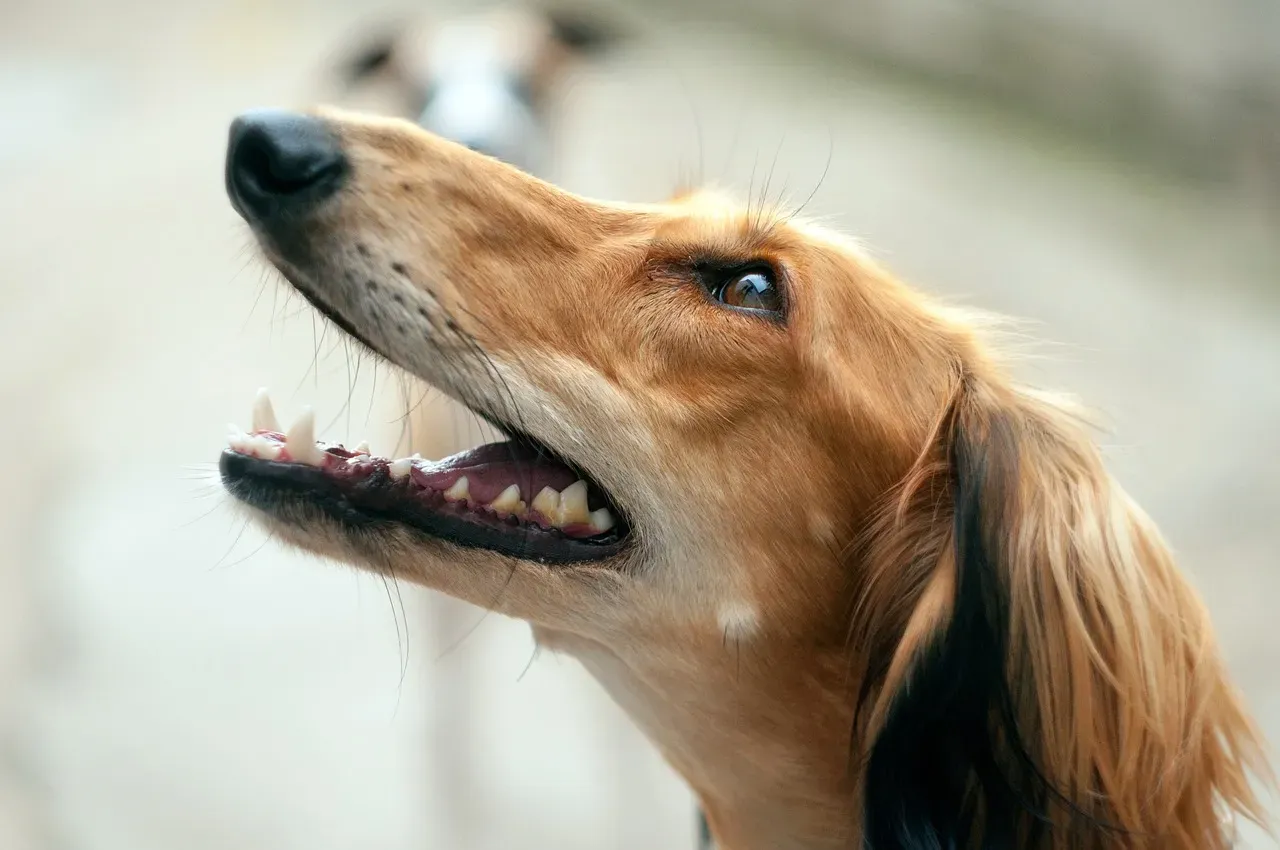
Salukis carry an ancient lineage as sight hounds that encourages independent thinking and selective bonds. They frequently attach to one person who understands their need for quiet companionship. Their slender build and graceful movement suit active yet calm households. Owners often note that a Saluki reserves its warmest interactions for its chosen companion.
Regular runs allow these dogs to express their hunting heritage safely. Training benefits from patience and positive reinforcement that builds trust. The focused loyalty creates a partnership that feels exclusive and lasting. Salukis thrive when their person appreciates their reserved yet devoted nature.
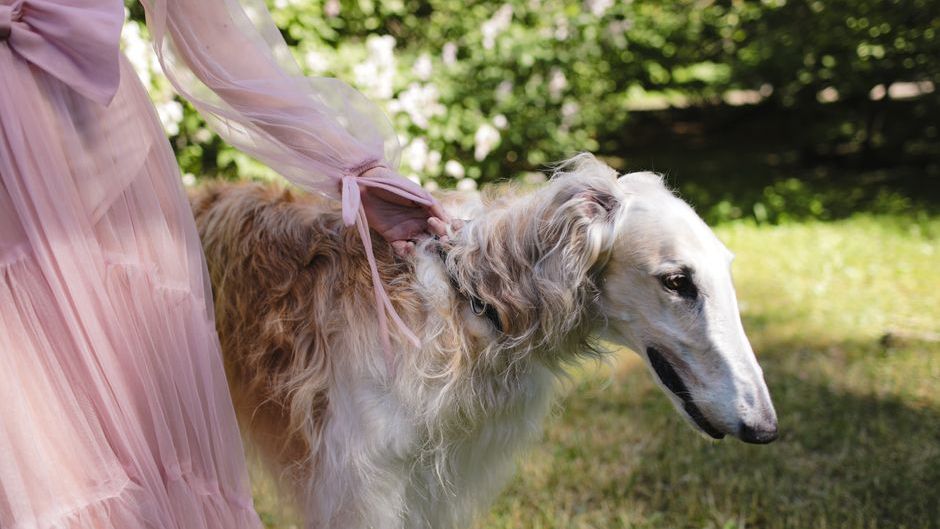
Borzoi
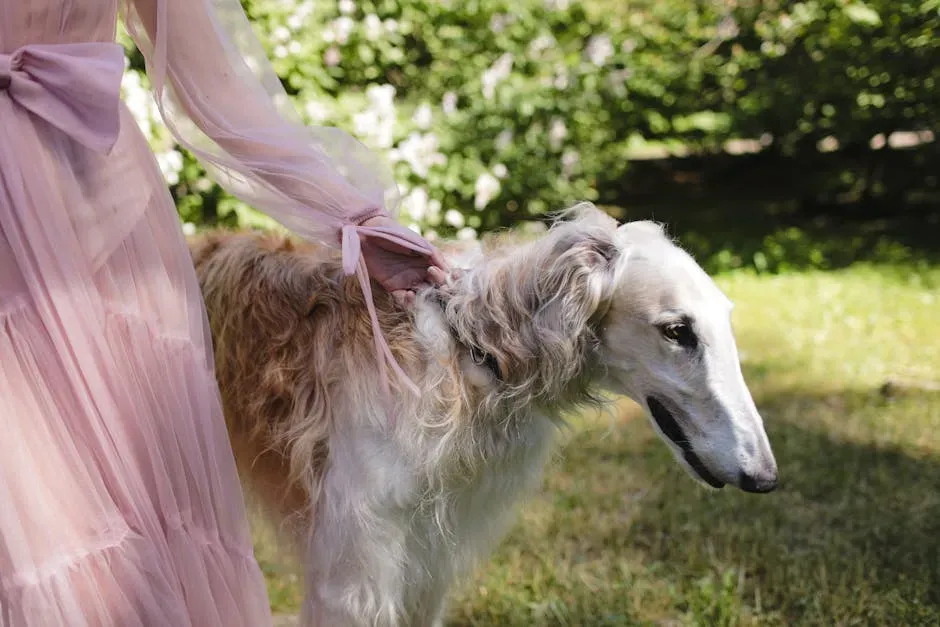
Borzoi bring elegance and a Russian hunting background that often leads to strong individual attachments. They tend to bond closely with one person while remaining gentle but distant with others. Their tall, slender frame and silky coat add to their aristocratic presence. Many owners describe a Borzoi that follows its chosen human with quiet grace through everyday moments.
Exercise needs include space to stretch their legs at a comfortable pace. Early handling helps them adjust to new situations without changing their selective affection. The bond with their person deepens through consistent care and respect. Borzoi reward understanding owners with a devoted presence that feels personal and enduring.
Golden Retriever
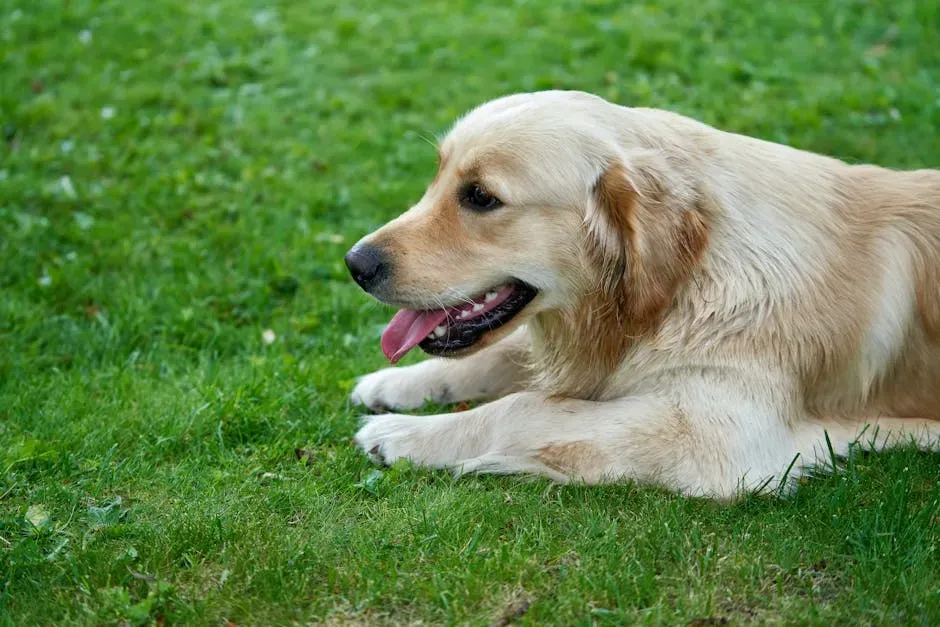
Golden Retrievers stand out for their friendly nature that extends warmth to nearly everyone they meet. Their history as hunting and retrieving companions encouraged a sociable temperament that welcomes family, friends, and strangers alike. These dogs often thrive in busy households where affection flows freely in many directions. Owners frequently observe that a Golden greets each new person with equal enthusiasm and tail wags.
Daily life with a Golden includes plenty of play and interaction to match their outgoing personality. Training comes naturally because they enjoy pleasing the people around them. The breed’s even temperament makes it a favorite for homes that value broad sociability. Goldens spread their love widely without losing their core loyalty to the family unit.
Labrador Retriever
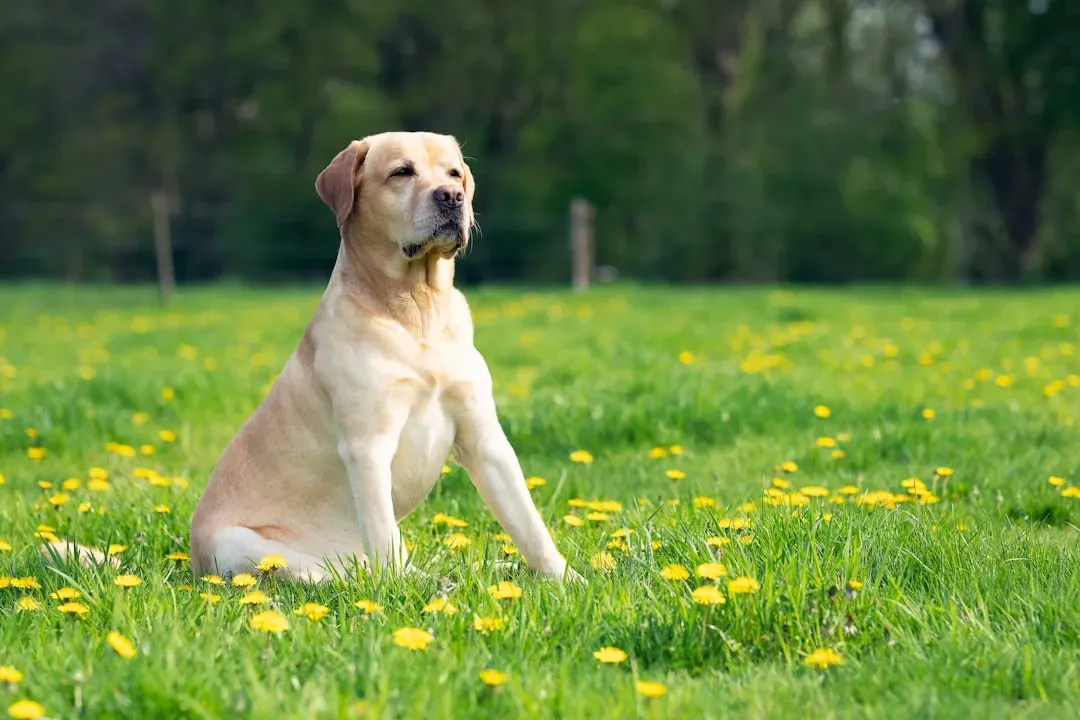
Labrador Retrievers carry a working background that shaped their desire to connect with multiple people. They typically show affection to family members, visitors, and even casual acquaintances with equal ease. Their sturdy build and energetic nature suit active lifestyles where they meet many different faces. Many owners note that their Labrador happily accepts attention from anyone willing to offer it.
Exercise and mental stimulation keep Labs content and prevent boredom driven behaviors. Training benefits from their eagerness to learn and please. The breed’s outgoing character makes it well suited for homes that enjoy frequent company. Labs often become the center of attention in social settings while remaining devoted to their household.
Beagle
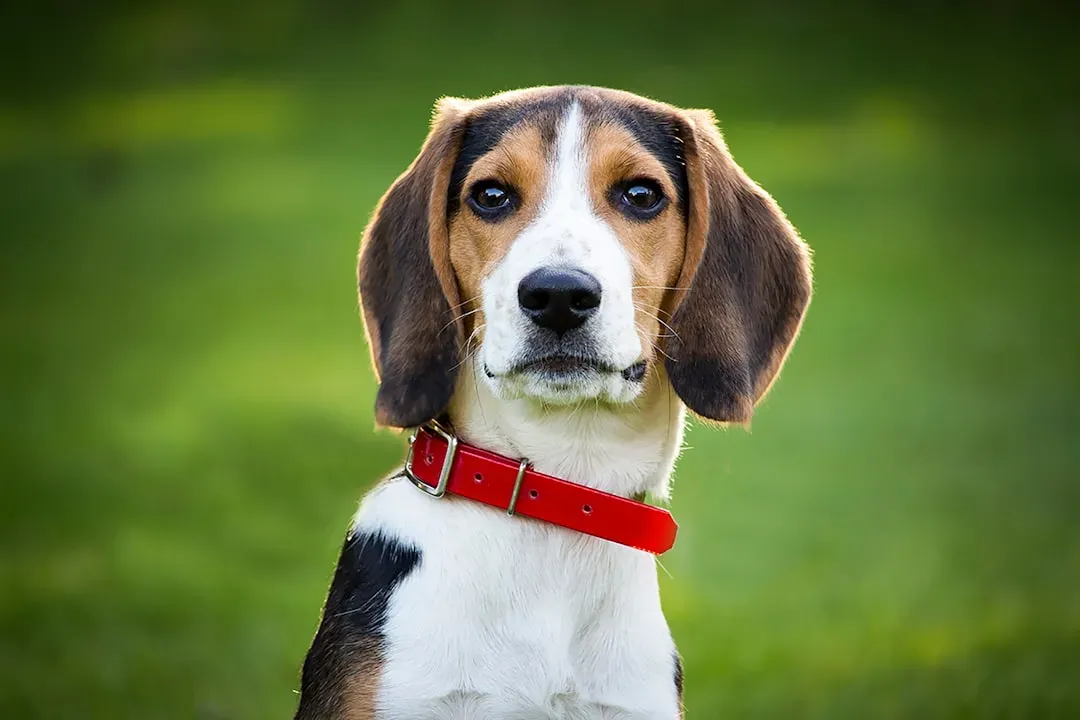
Beagles bring a pack oriented history that translates into friendliness toward a wide circle of people. They enjoy meeting new faces and often greet strangers with curiosity rather than reserve. Their compact size and cheerful expression add to their approachable charm. Owners frequently report that their Beagle seeks affection from everyone in the room without favoring one person exclusively.
These dogs need regular walks and scent work to satisfy their hunting instincts. Training works best with consistency and positive rewards that match their playful spirit. The breed’s sociable nature fits households that welcome visitors often. Beagles spread their enthusiasm evenly, creating a lively atmosphere wherever they go.
Pug
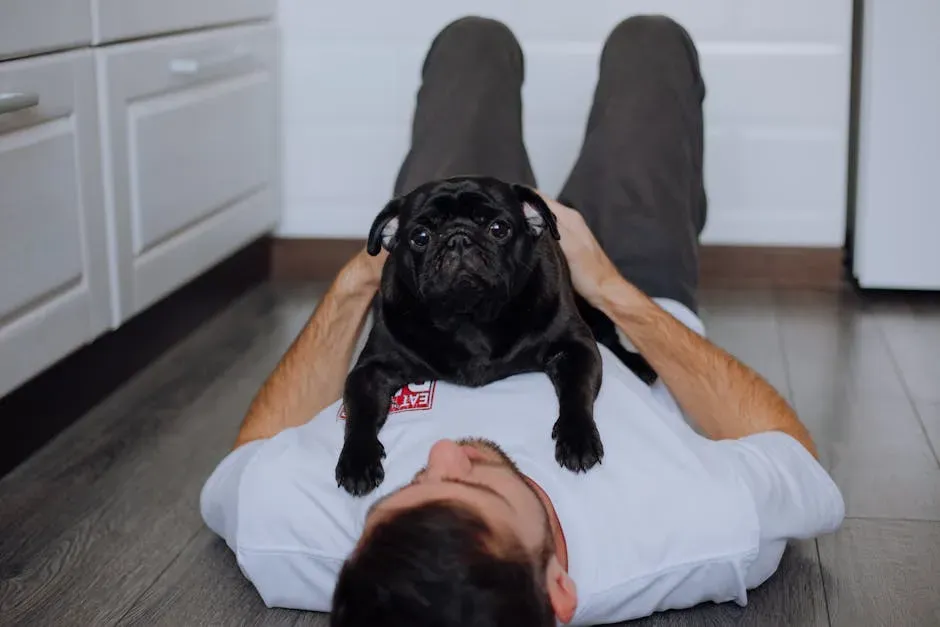
Pugs offer a compact, affectionate personality that extends warmth to nearly everyone they encounter. Their history as companions encouraged a desire for human attention in general rather than from one source alone. These small dogs often greet family and guests with equal enthusiasm and snorts. Many owners describe a Pug that happily accepts pets and cuddles from any willing hand.
Daily care includes attention to their facial wrinkles and moderate exercise needs. Training benefits from their eager to please attitude. The breed’s friendly outlook makes it a good fit for social homes. Pugs thrive when surrounded by multiple people who enjoy their outgoing charm.
Cavalier King Charles Spaniel
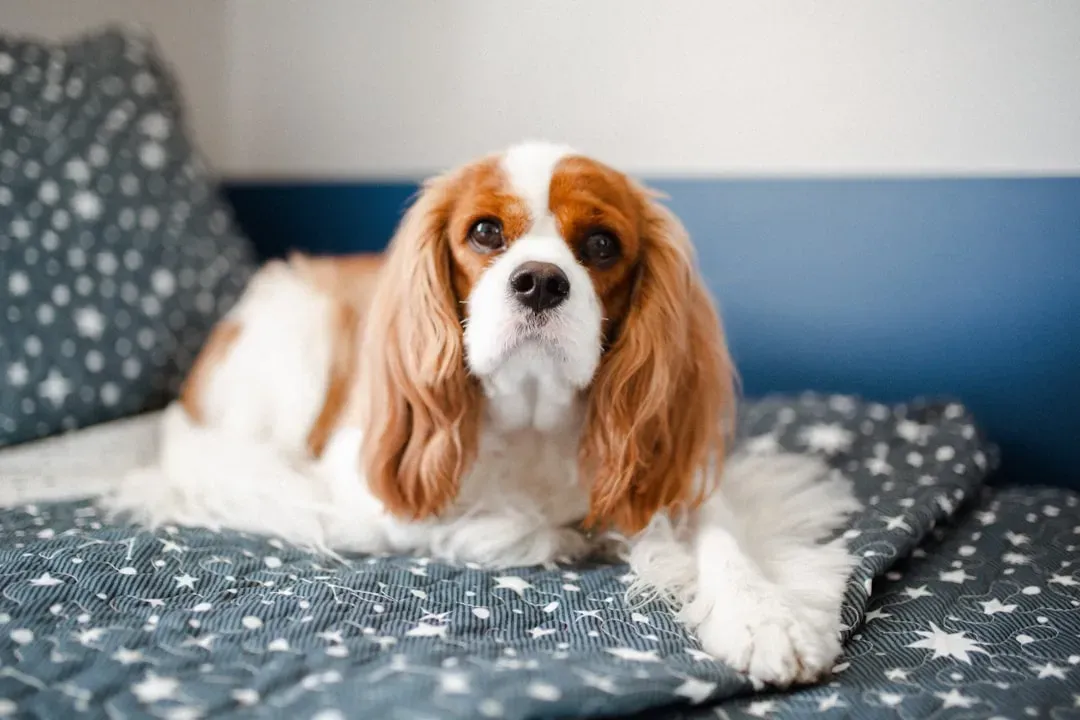
Cavalier King Charles Spaniels carry a long tradition as lap dogs that enjoy company from many sources. They typically show affection to family members and visitors without strong preference for one person. Their gentle expression and silky coat add to their approachable presence. Owners often observe that their Cavalier seeks out attention from everyone in the household and beyond.
These dogs need moderate exercise and regular grooming to stay comfortable. Training comes easily because they enjoy pleasing the people around them. The breed’s sociable temperament suits homes that value broad friendliness. Cavaliers spread their love widely while remaining loyal companions overall.
Conclusion
Choosing a dog involves matching lifestyle with temperament, and these breed tendencies offer useful guidance without guaranteeing every individual will behave exactly the same way. Some homes benefit from the focused devotion of a one person breed while others thrive with the open affection of a more sociable dog. The key lies in honest assessment of daily routines and expectations. A thoughtful match leads to years of companionship that fits naturally into life.


