
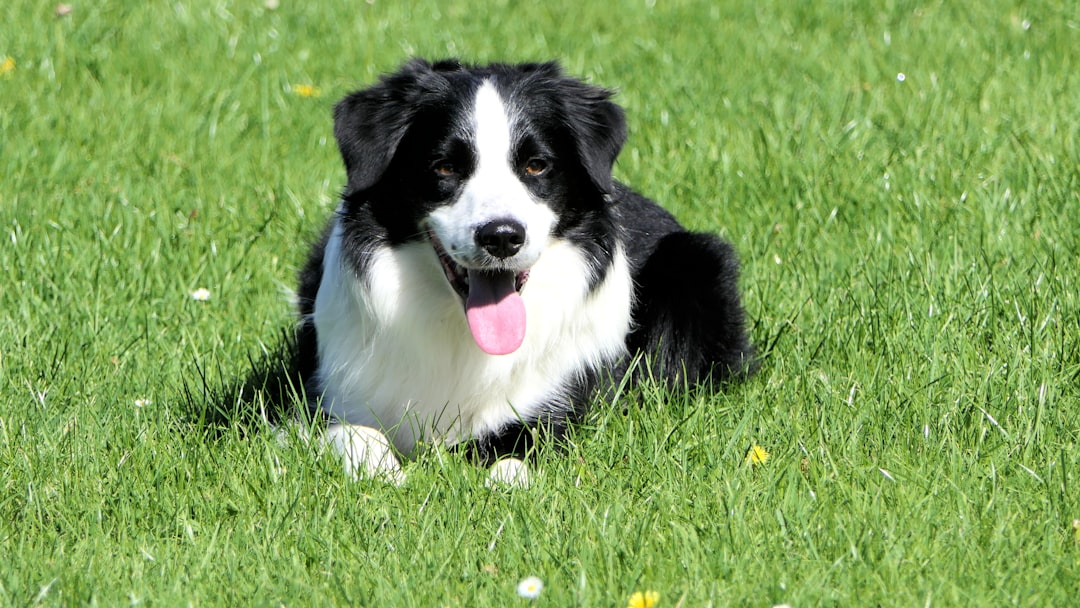
Labrador Retriever
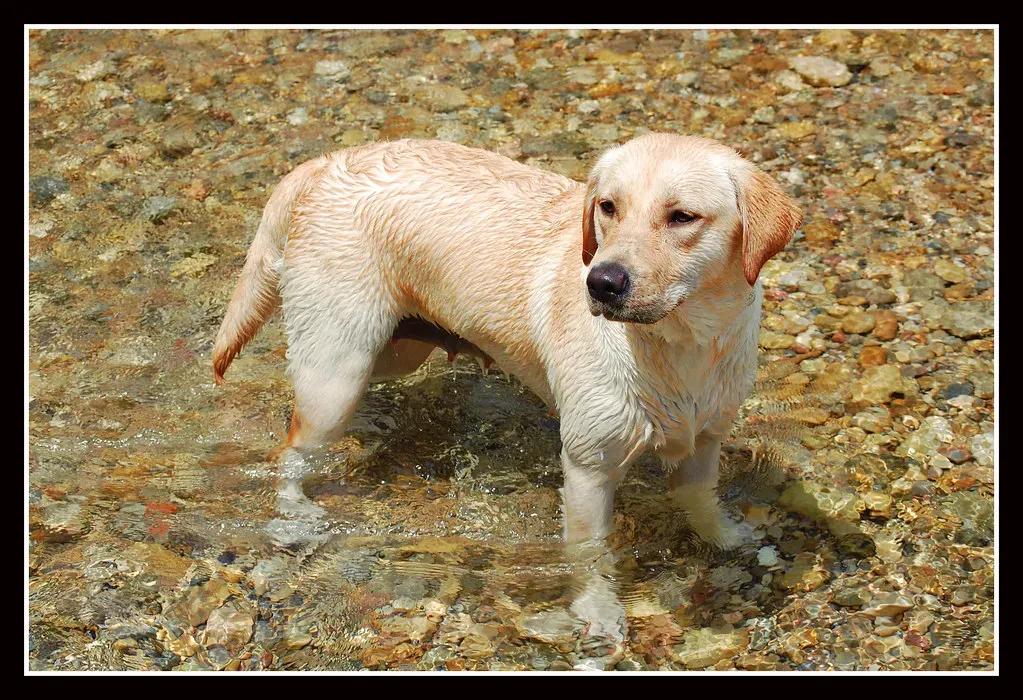
Labrador Retrievers trace their roots to water retrieving work in Newfoundland and later England. Their drive to find and bring back game translated well into scent tasks. Today many serve as medical alert dogs for conditions like diabetes or seizures.
Trainers value their steady temperament and eagerness to please. These dogs learn to recognize specific odor changes associated with low blood sugar or oncoming episodes. Their reliability makes them a frequent choice for families needing consistent support.
Golden Retriever
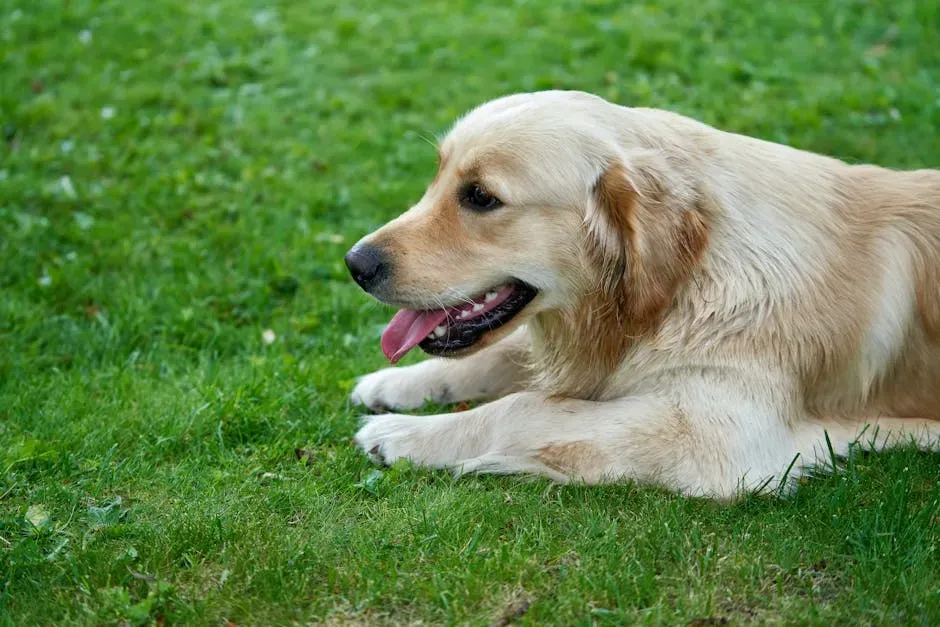
Golden Retrievers were developed in Scotland for retrieving shot birds from land and water. That same gentle persistence shows up when they focus on human scent samples. Handlers often note how naturally they settle into detection routines.
These dogs bring a calm presence that helps during training sessions. Their soft mouths and patient nature suit long hours of work without frustration. Many continue to excel at identifying early signs of cancer or other metabolic shifts.
German Shepherd
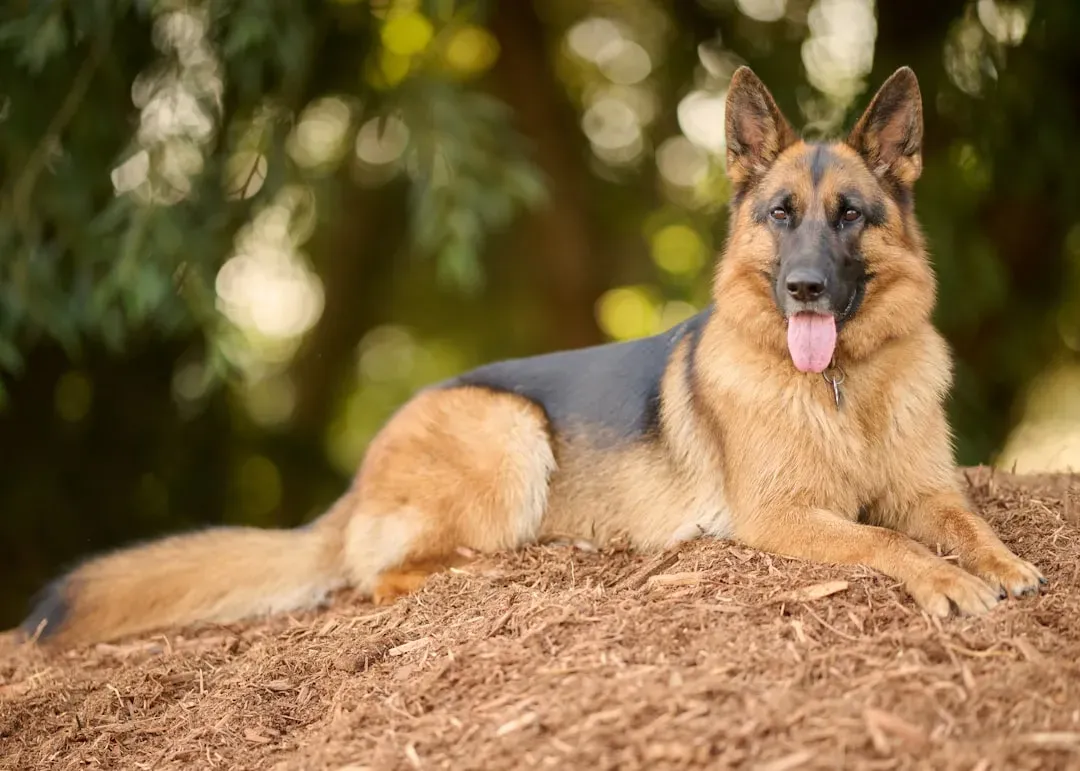
German Shepherds originated as herding and guarding dogs in Germany. Their intelligence and strong work ethic carried over into police and military roles. Those same traits now support medical detection programs around the world.
The breed learns complex scent patterns quickly. Handlers appreciate their focus even in distracting environments. German Shepherds have proven effective at spotting changes linked to Parkinson’s disease and certain infections.
Belgian Malinois
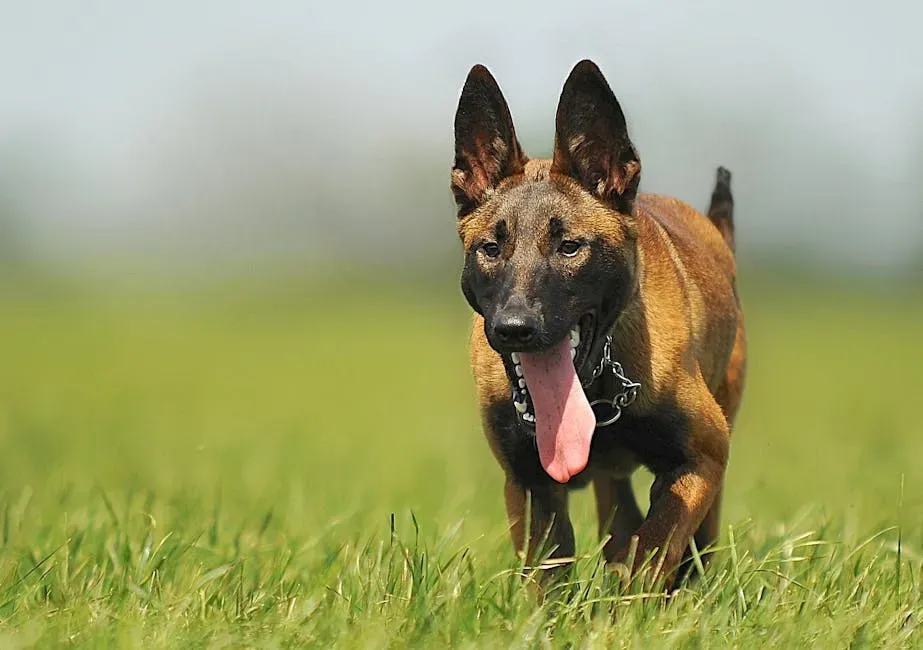
Belgian Malinois were bred for herding in Belgium and later became elite working dogs. Their high energy and sharp senses make them stand out in demanding scent work. Medical detection represents one more way they channel that drive.
Trainers often highlight their quick learning curve with new odor targets. These dogs maintain concentration during extended sessions. Their contributions appear in research on neurodegenerative conditions and other health alerts.
Beagle
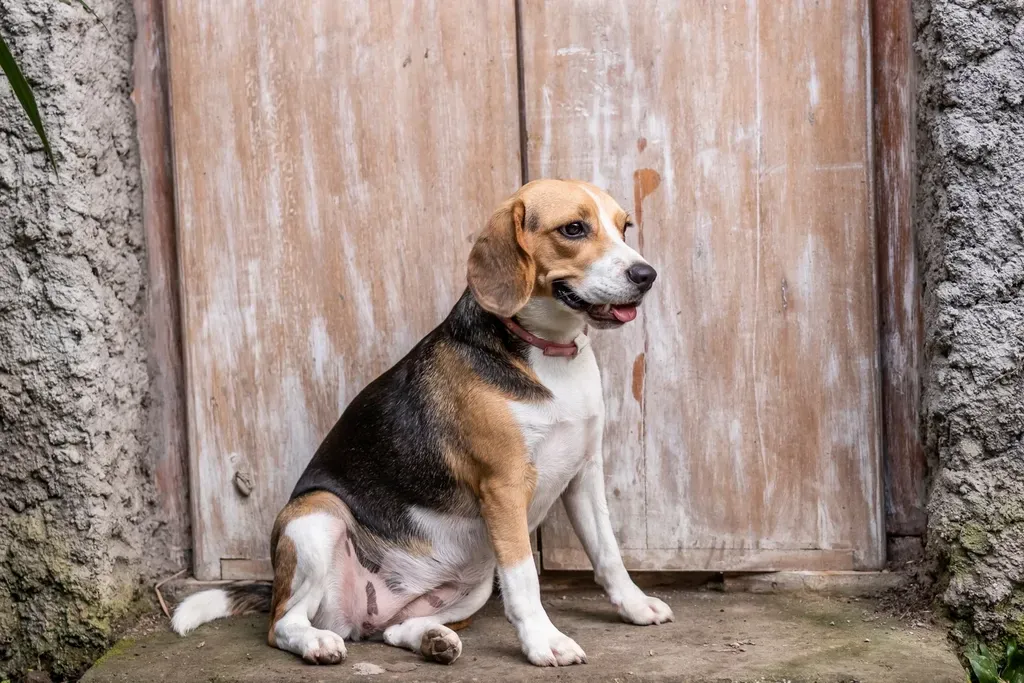
Beagles developed in England as pack hunters for hare and other small game. Their exceptional nose and stubborn tracking instinct remain core traits. Those qualities now help them in controlled medical scent exercises.
The breed’s compact size and friendly disposition ease integration into home settings. Handlers note their enthusiasm for repetitive scent games. Beagles frequently appear in studies involving infectious disease detection.
English Springer Spaniel
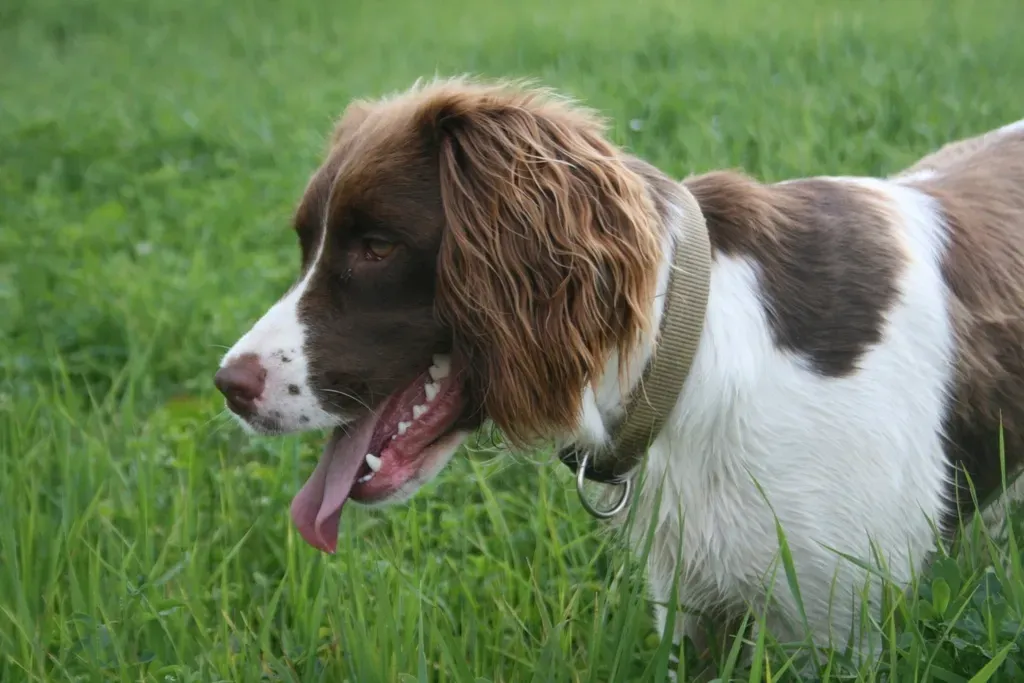
English Springer Spaniels were created for flushing and retrieving game in the field. Their lively energy and scent focus translate directly to detection tasks. Many programs select them for their natural enthusiasm.
These dogs adapt well to both field and indoor training environments. Their medium build allows easy movement during sample work. Springers have shown promise in identifying specific cancer markers through odor alone.
Border Collie
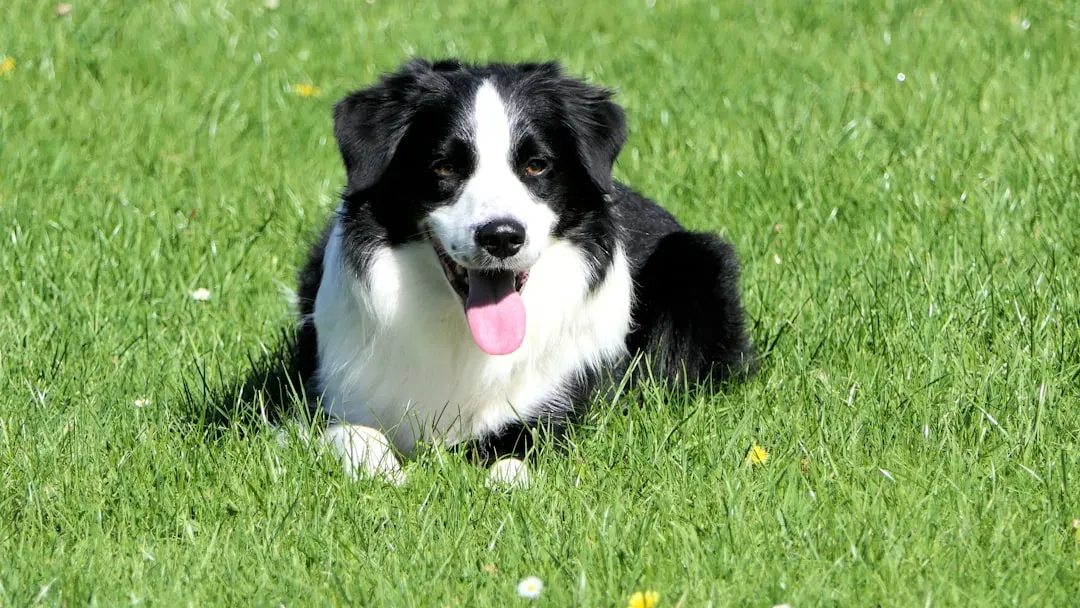
Border Collies emerged in the border region of England and Scotland for sheep herding. Their intense concentration and problem solving skills support precise scent discrimination. Medical roles tap into that same mental sharpness.
Handlers value how quickly they master new targets. The breed’s agility helps during active alert behaviors. Border Collies often participate in research exploring seizure or migraine prediction.
Standard Poodle
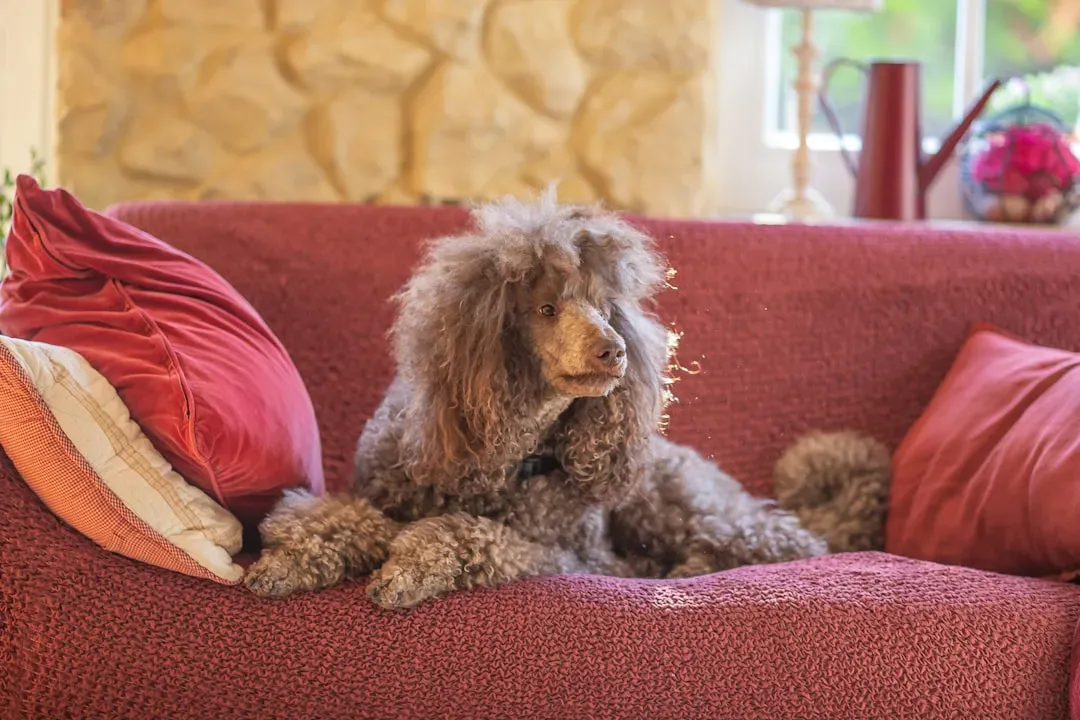
Standard Poodles originated in Germany and France as water retrievers. Their intelligence and hypoallergenic coat made them versatile companions. Those traits now support medical detection alongside other working roles.
The breed learns scent associations with minimal repetition. Their calm demeanor suits sensitive home environments. Poodles appear in programs training dogs for allergy or blood sugar alerts. Dogs like these remind us that partnership with animals can extend into unexpected areas of daily life. Their continued success in detection work shows how old skills find new purpose. Choosing the right breed often comes down to matching energy levels and training styles to individual needs.


