
Psychology Says Dogs Are More Likely to Act Out When They Sense Their Owner Is Suppressing Rage
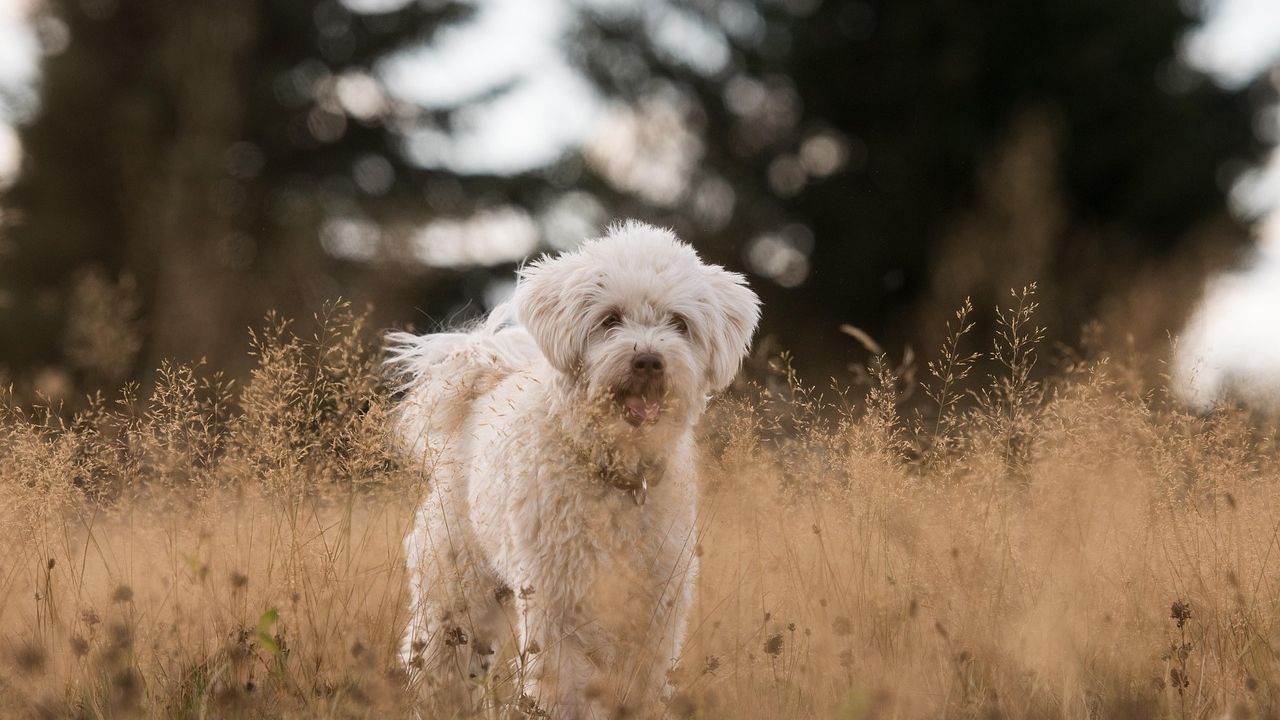
How Dogs Detect Subtle Shifts in Human Mood
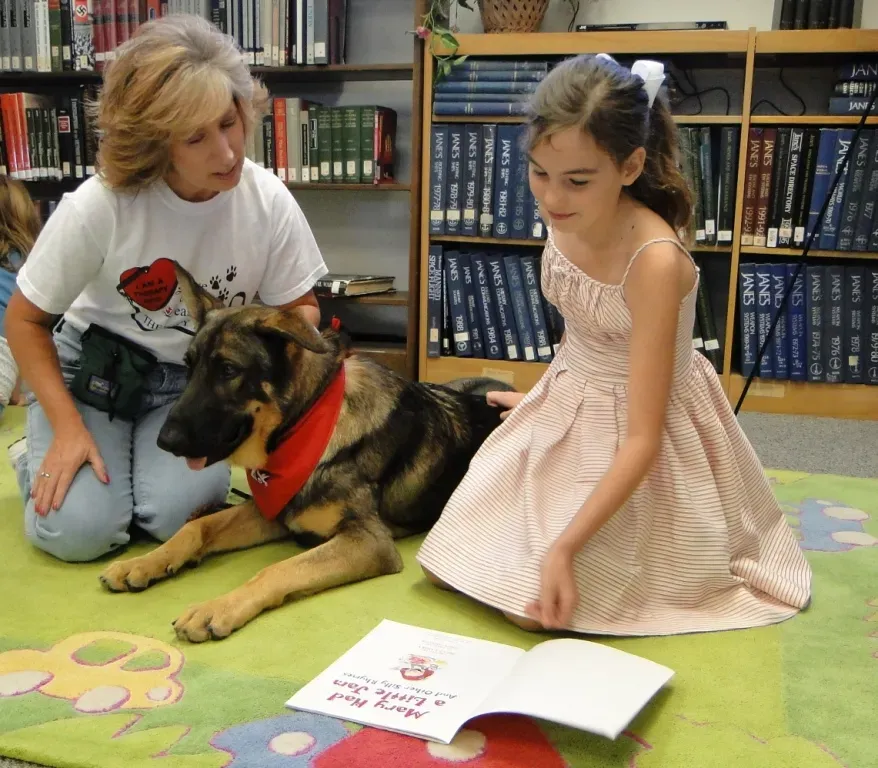
Dogs have evolved alongside people for thousands of years, sharpening their ability to read body language, tone, and even chemical signals we give off without realizing it. They notice when our breathing changes or when our movements become more rigid, even if our words stay calm and measured.
This sensitivity helps them navigate social situations in a pack, and it carries over to life with humans. Studies on emotional recognition show dogs respond differently to angry versus neutral expressions, adjusting their own behavior accordingly. Over time, these cues build a picture of what their person is really feeling beneath the surface.
The Impact of Hidden Tension on Canine Behavior
When anger stays suppressed, it often leaks out through small physical tells that dogs pick up easily. A dog might interpret this as uncertainty or low level threat in the home environment, prompting them to test boundaries or seek attention in disruptive ways.
Acting out can serve as their attempt to restore balance or draw focus away from the unspoken stress. Owners sometimes notice more chewing, jumping, or vocalizing during periods when they feel internally frustrated but try to stay composed. The connection appears rooted in how animals mirror the emotional climate around them.
Why Suppressed Rage Stands Out More Than Open Anger

Clear expressions of frustration can actually reassure a dog because they know where they stand and what to expect next. Suppressed versions create ambiguity, leaving the animal to fill in the gaps with their own heightened alertness.
Psychology research on emotional contagion suggests dogs absorb and react to these mixed signals by becoming more reactive themselves. They may not understand the source of the tension, yet they sense the mismatch between words and underlying energy. This mismatch often leads to increased restlessness or attention seeking as a coping response.
Common Ways Dogs Show They Sense the Strain
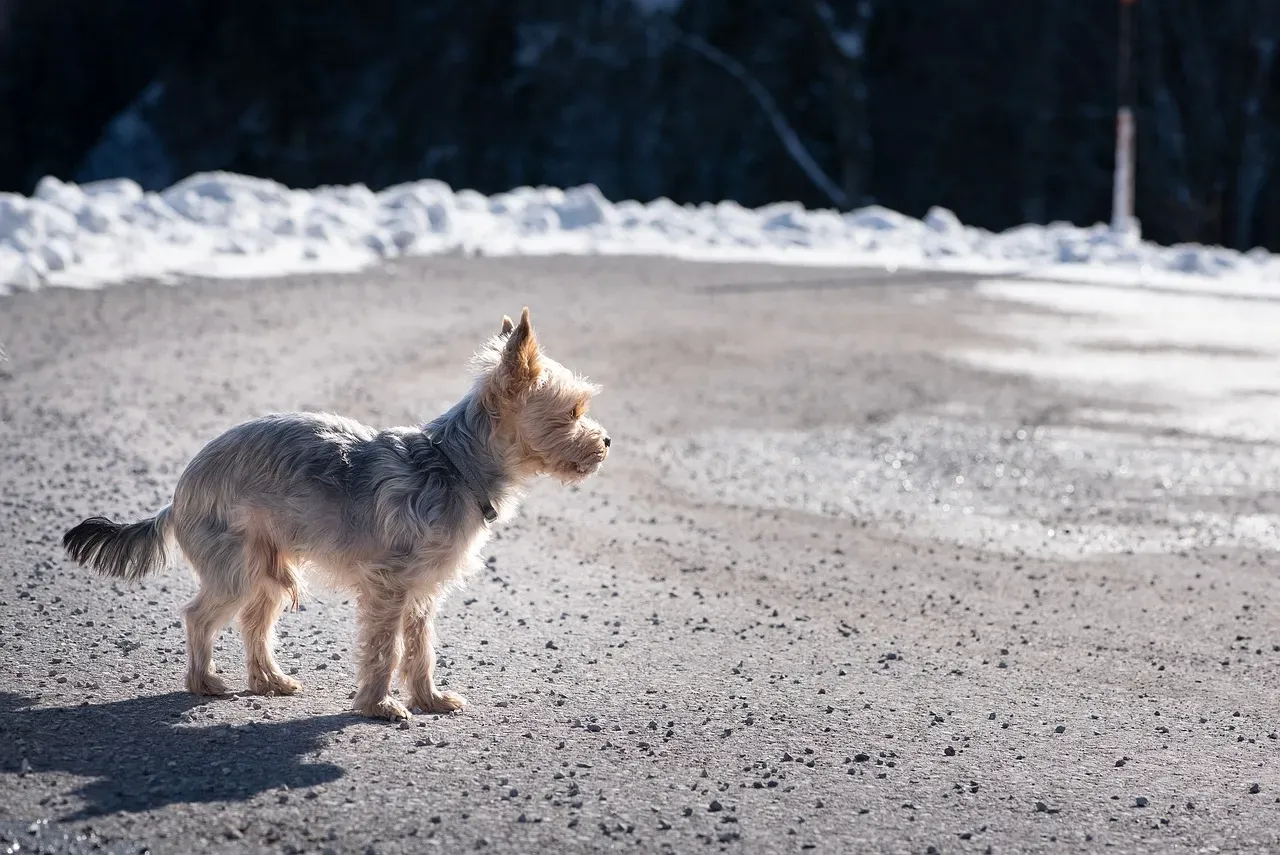
Watch for sudden changes like excessive licking, shadowing the owner more closely, or sudden bursts of energy at odd times. These behaviors can signal the dog is trying to manage the atmosphere they perceive as off kilter.
Some dogs become clingier while others withdraw or guard resources more than usual. The pattern tends to appear when the household mood feels inconsistent over several days. Noticing these shifts early gives owners a chance to address their own state before it escalates.
Insights From Studies on Pet Human Emotional Links
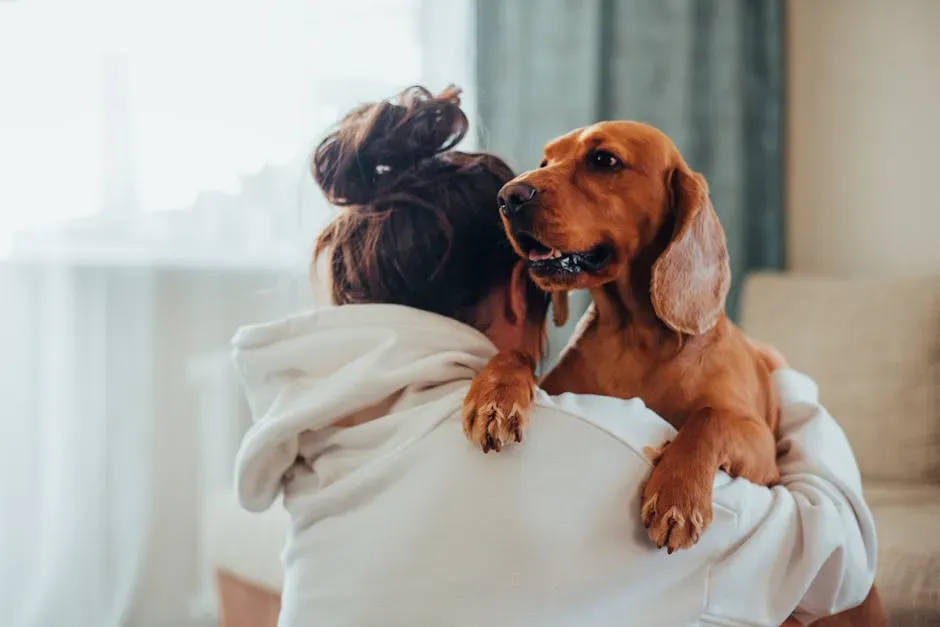
Research into how dogs process human faces and voices reveals they distinguish basic emotions and adjust their heart rates or gaze patterns in response. When owners carry unresolved tension, dogs often show corresponding signs of arousal or unease.
Links between owner personality traits like higher neuroticism and increased dog behavior issues appear in multiple observations. Suppressed emotions fit into this broader picture because they create unpredictable cues that challenge a dog’s sense of security. The findings remain consistent across different breeds and living situations.
Steps to Ease the Ripple Effect on Your Pet
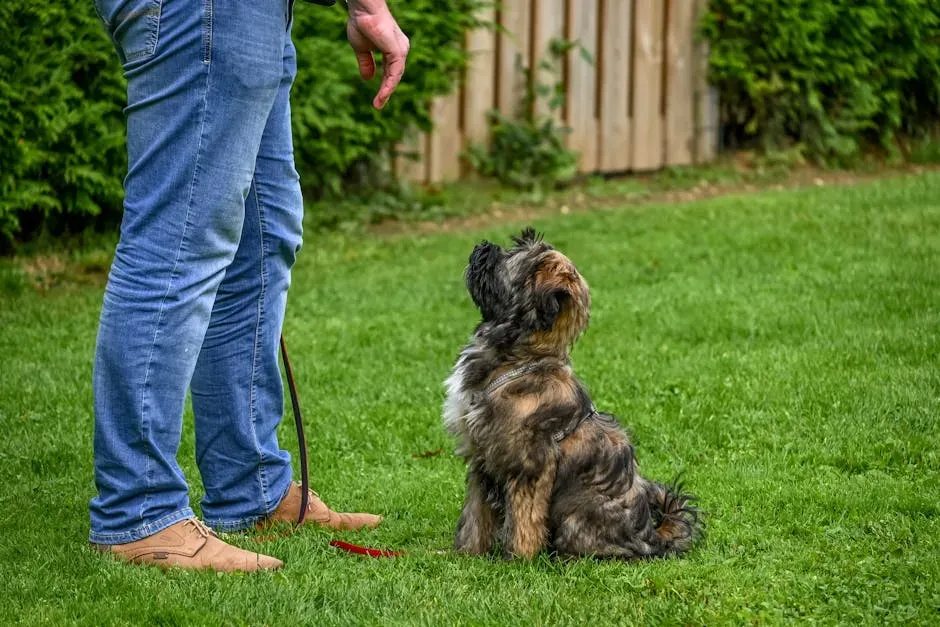
Simple awareness helps, such as taking a short walk or practicing steady breathing before interacting with the dog after a stressful day. Consistent routines and clear, calm communication reduce the mixed signals that can trigger acting out.
Positive reinforcement training builds confidence in both directions and gives the dog reliable ways to earn attention without needing to push boundaries. Many owners find that acknowledging their own feelings privately first leads to smoother interactions overall. Small adjustments compound into noticeable improvements in household harmony.
A Thoughtful Look at Shared Emotional Lives

Dogs thrive when the people they love feel steady, yet they also remind us that perfect composure is not always possible or even helpful. Recognizing how our inner states travel across the bond encourages more honest self care rather than constant suppression.
In the end, paying attention to these dynamics strengthens the relationship and makes daily life easier for everyone involved. It is a quiet reminder that our pets often know us better than we give them credit for, and meeting that awareness with kindness benefits the whole pack.