

You fall in love with the big eyes, floppy ears, or goofy grin. You imagine walks in the park, road trips, cuddles on the couch. What you probably don’t imagine is a four-figure vet bill landing in your inbox after a “small issue” suddenly becomes a medical emergency. Yet for some breeds, that’s not just possible – it’s likely.
This doesn’t mean you shouldn’t get these dogs. Many are loving, brilliant, hilarious companions. But it does mean you should go in with your eyes wide open. Let’s talk about twelve popular breeds that, while wonderful in many ways, are also linked with health issues that can quietly drain your savings if you’re not ready for them.
1. French Bulldog

French Bulldogs look like living cartoons: huge eyes, bat ears, and a pouty little face that seems permanently unimpressed. Under that charm, though, is a body that can be medically fragile. Their flat faces make them prone to breathing problems, overheating, and complications under anesthesia, and addressing airway surgery or emergency heat stroke care is rarely cheap.
On top of that, Frenchies are known for allergies, skin fold infections, spine problems, and eye issues. Many owners find themselves at the vet over and over for ear infections, itchiness, or mysterious rashes. If you adore this breed, it is smart to budget not just for routine care but for the real possibility of surgery, ongoing medications, and frequent checkups throughout their lives.
2. English Bulldog

English Bulldogs are basically walking memes: stocky bodies, rolling jowls, and a waddle that makes strangers smile. Unfortunately, decades of exaggerated breeding have left many of them struggling with major structural and health problems. Breathing difficulties, chronic skin fold infections, and orthopedic issues are common, and they can all come with serious price tags.
Many Bulldogs need help just to do normal dog things, like cooling down after a walk or giving birth. C-sections, airway surgeries, eye procedures, and treatment for joint problems can stack up fast. If someone asks my personal opinion on this breed, I always say: love them fiercely, but only get one if you’re prepared for heavy-duty vet costs and to work closely with a vet who really understands brachycephalic breeds.
3. Pug

Pugs are little clowns with big personalities, and it’s easy to fall for that wrinkly forehead and curly tail. Like other flat-faced breeds, though, they often pay a health price for their looks. They can struggle with breathing, and that makes them vulnerable to heat stress, exercise intolerance, and complications during something as simple as a dental cleaning under anesthesia.
Pugs are also prone to eye injuries, because those big, prominent eyes are… well, big and prominent. Add in a tendency toward skin problems, obesity, and spinal issues, and you get a dog who might visit the vet far more than you expected. A lot of pug owners end up becoming mini experts in air-conditioned walks, weight management, and pet insurance out of sheer necessity.
4. German Shepherd

German Shepherds are famous for their intelligence, loyalty, and working ability, but behind that heroic image sits a list of health challenges. The most notorious is hip dysplasia, where the hip joint does not form properly and can lead to pain, arthritis, and difficulty moving. Treating serious hip problems, especially in a large dog, can involve pricey imaging, long-term medications, and sometimes surgery.
They are also more likely than many breeds to develop elbow dysplasia and certain neurological conditions, such as degenerative myelopathy, which can look like a slow, heartbreaking loss of mobility. Add in a higher risk of some digestive issues and skin problems, and it is easy to see how a “healthy young shepherd” can suddenly turn into a long-term orthopedic or neurological patient. If you bring a German Shepherd into your life, it is wise to plan as if big-joint care is not an if, but a when.
5. Golden Retriever
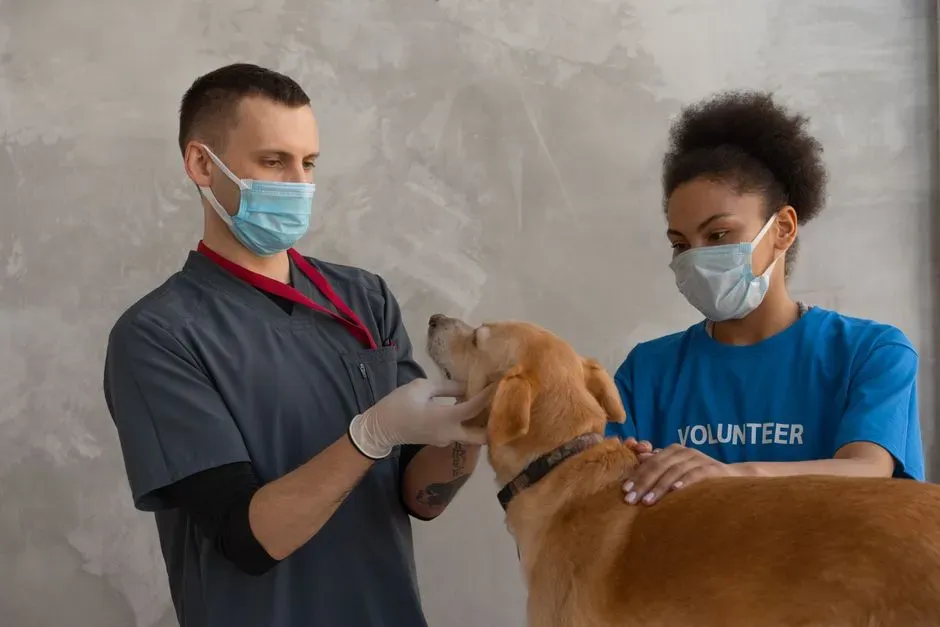
Golden Retrievers have the kind of reputation most breeds could only dream of: gentle, family-friendly, and endlessly eager to please. Unfortunately, they also have another, less advertised reputation in veterinary circles: a breed with a high risk of cancer. Many Goldens will need advanced diagnostics and treatment at some point, which can mean biopsies, imaging, surgery, or chemotherapy.
Beyond cancer, Goldens are prone to allergies, ear infections, and joint issues, especially if they grow too quickly or carry excess weight. These might sound minor, but chronic infections and long-term pain management add up in a hurry. Owning a Golden can feel a bit like caring for that sunny, optimistic friend who seems fine until you see their medical file – the love is absolutely worth it, but the financial reality can be sobering.
6. Labrador Retriever

Labradors might be the most “default dog” in people’s minds: friendly, goofy, hardy, and up for anything. While many Labs do stay relatively healthy, the breed as a whole does have some predictable trouble spots. Hip and elbow dysplasia are common, and when you combine that with a Lab’s famous love of food, extra weight can really punish their joints and spine.
Labs are also overrepresented in cases of cruciate ligament tears in the knee, which often need expensive surgery and months of rehab. On top of that, they can develop ear infections from their love of water, as well as certain eye diseases and, in some lines, a higher risk of cancers. In other words, the happy, ball-obsessed Lab can hide a body that will absolutely send you to the vet for orthopedic and chronic care if you are not careful with diet, exercise, and early screening.
7. Rottweiler

Rottweilers are powerful, affectionate, and often much more sensitive than their tough appearance suggests. They also belong to a group of large breeds at higher risk for serious joint problems like hip and elbow dysplasia. For a heavy dog, even mild arthritis can quickly affect quality of life, and managing it usually requires regular vet visits, pain medications, supplements, and sometimes surgical intervention.
Rottweilers are also more likely than many breeds to develop certain cancers and heart diseases. These are not minor conditions; diagnosing and supporting a dog with cardiac issues or cancer can involve echocardiograms, specialist consults, and complex treatment plans. I sometimes think of Rotties as sports cars: strong, impressive, and capable, but you’d better be ready for the maintenance costs if something goes wrong under the hood.
8. Great Dane

Great Danes are often called gentle giants, and it fits: they are usually calm, sweet, and surprisingly soft-hearted. But being enormous comes with a price. Their size makes orthopedic issues like hip dysplasia and arthritis more likely and more difficult to manage, because every joint is supporting a lot of weight. Surgeries, imaging, and medications for a giant breed quickly climb into serious money.
Great Danes are also at high risk for gastric dilatation-volvulus, commonly called bloat, a life-threatening emergency where the stomach twists. Treating this often requires immediate surgery, intensive care, and follow-up monitoring, all of which are expensive even before you factor in the emotional toll. If you live with a Dane, you learn fast that you are not only sharing your couch, you are sharing a long-term medical responsibility that can get intense without much warning.
9. Dachshund

Dachshunds are tiny bodies with massive personalities, confident enough to boss around dogs three times their size. Their long backs and short legs, though, are not just cute – they are a structural risk. Dachshunds are notoriously prone to intervertebral disc disease, where the discs between spinal bones can bulge or rupture, leading to pain, weakness, or even paralysis.
Treating serious back problems can mean advanced imaging like MRI, spinal surgery, and lengthy rehabilitation, sometimes including wheelchairs or physical therapy. Even when surgery is not needed, strict rest, pain control, and repeat visits add up surprisingly fast. When people tell me they want a Dachshund because they are small and “easier,” I quietly think about all the owners I have seen carrying their dogs into clinics after a sudden yelp on the stairs – and how unprepared many of them were for the costs that followed.
10. Cavalier King Charles Spaniel

Cavalier King Charles Spaniels look like they stepped straight out of an old painting: soft eyes, flowing ears, and a sweet, gentle nature. Sadly, this breed is strongly associated with a serious heart condition called mitral valve disease, which can show up relatively early in life. Managing heart disease usually requires lifelong medication, regular heart scans, and careful monitoring, all of which add up over time.
Cavaliers are also prone to a neurological condition called syringomyelia, where fluid-filled spaces form in the spinal cord, often causing pain, scratching, or strange behaviors. Diagnosis and treatment can involve advanced imaging, specialist visits, and long-term medication. It can be emotionally tough too, because these dogs are so affectionate and people-focused that watching them struggle is heartbreaking. If there is one breed where I’d say pet insurance should almost be considered mandatory, it is this one.
11. Boxer

Boxers are goofy, high-energy, and strangely expressive, turning everyday life into a slapstick show. Behind that fun-loving nature, though, is a body that can be medically vulnerable. Boxers have a known tendency toward several types of cancers, as well as heart problems like cardiomyopathy and arrhythmias. These conditions are not only serious; they are also expensive to diagnose and manage.
They can also be prone to allergies, digestive problems, and certain neurological issues. Many Boxer owners find themselves juggling dermatology visits, cardiology consults, and internal medicine workups over the course of their dog’s life. When you sign up for a Boxer, you are signing up for big feelings, big zoomies, and potentially big medical decisions that require both emotional and financial readiness.
12. Yorkshire Terrier

Yorkshire Terriers may be tiny, but they come with a surprising number of health quirks that can send them to the vet. Many Yorkies have fragile teeth and jaws, so dental disease can escalate quickly and require frequent cleanings or even extractions. For such a small dog, anesthesia and dental surgery are not simple, which is why the bill can feel shockingly high for such a small mouth.
They are also prone to issues like collapsing trachea, luxating patellas (slipping kneecaps), and certain liver and digestive disorders. Those might start as “mild coughing” or “odd bouts of upset stomach” and turn into ultrasounds, blood work, and specialist care. Having a Yorkie can feel like owning a piece of delicate jewelry: beautiful and full of personality, but you need to be prepared for careful, sometimes costly maintenance to keep them comfortable and safe.
Conclusion: Love the Dog, Respect the Risk

When you look at this list, it is tempting to feel a little overwhelmed or even guilty for loving these breeds. The reality is that every dog is an individual, and not every Frenchie, Golden, or Dane will become a walking vet bill. But at the population level, patterns are very clear: certain body shapes, sizes, and genetic lines simply come with higher medical risk, and pretending otherwise does not help the dogs or their owners.
My own view is pretty blunt: if you choose one of these breeds, you also choose the responsibility to plan for their likely health needs, whether that means pet insurance, a dedicated savings account, or being ready to say yes to expensive but necessary care. None of this makes the love any less real; if anything, it makes it deeper, because you are committing to the whole dog, not just the cute parts. So before you fall for the big eyes and silly grin, ask yourself one honest question: are you prepared not just to bring this dog home, but to afford the version of love that happens in the vet’s exam room too?


