
If you’ve ever watched your dog walk away from a tense moment, give a full-body shake, and then suddenly seem fine, you’re not imagining it. That dramatic rattle from nose to tail is not just about drying off or rearranging fur. Many behaviorists see it as a kind of physical reset, almost like your dog hitting a built‑in reset button after stress.
Once you start noticing it, you can’t unsee it: after a scolding, a too‑rough greeting at the dog park, an awkward vet visit, or a sudden loud noise, there’s the shake. It looks simple, almost casual, but under the surface it’s tied to your dog’s nervous system, hormones, and emotional balance. Understanding this tiny ritual can completely change how you read your dog’s inner world.
That Shake Is Not Random – It’s a Nervous System Reset
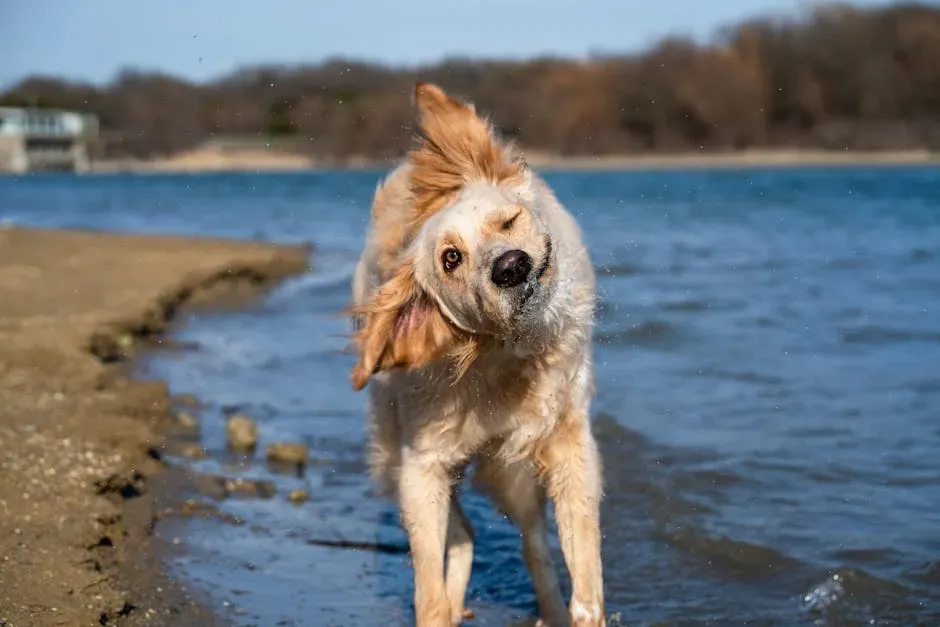
One of the most striking things about the shake‑off is when it happens: right after something intense, not necessarily after something wet. Behaviorists often describe it as the body’s way of discharging leftover stress energy so the dog can move on. It’s as if the nervous system says, “That was a lot, let’s clear the slate before we do anything else.”
From a biological standpoint, dogs are constantly shifting between states of arousal and calm. During a stressful interaction, their heart rate increases, muscles tense, and stress chemicals like adrenaline rise. The shake‑off can act like a small, fast reset that signals the body to step away from that revved‑up state toward something more neutral and functional again.
How Stress Builds Up in a Dog’s Body
To really appreciate the shake‑off, you have to understand what stress does to a dog’s body in the first place. When a dog feels threatened, worried, or overwhelmed, their sympathetic nervous system kicks into gear – the classic fight, flight, or freeze response. Even something that seems minor to us, like a stranger bending over them too quickly, can trigger that internal alarm.
In that alarmed state, their breathing changes, blood pressure rises, and their body prepares for action, even if they never actually run or fight. All of that tension has to go somewhere. If it just lingers, you get a dog who seems “on edge,” jumpy, or slow to settle. The shake‑off is one of the body’s clever ways to dump a bit of that built‑up energy instead of storing it like emotional clutter.
The Science Behind Shaking: From Adrenaline to Muscle Release
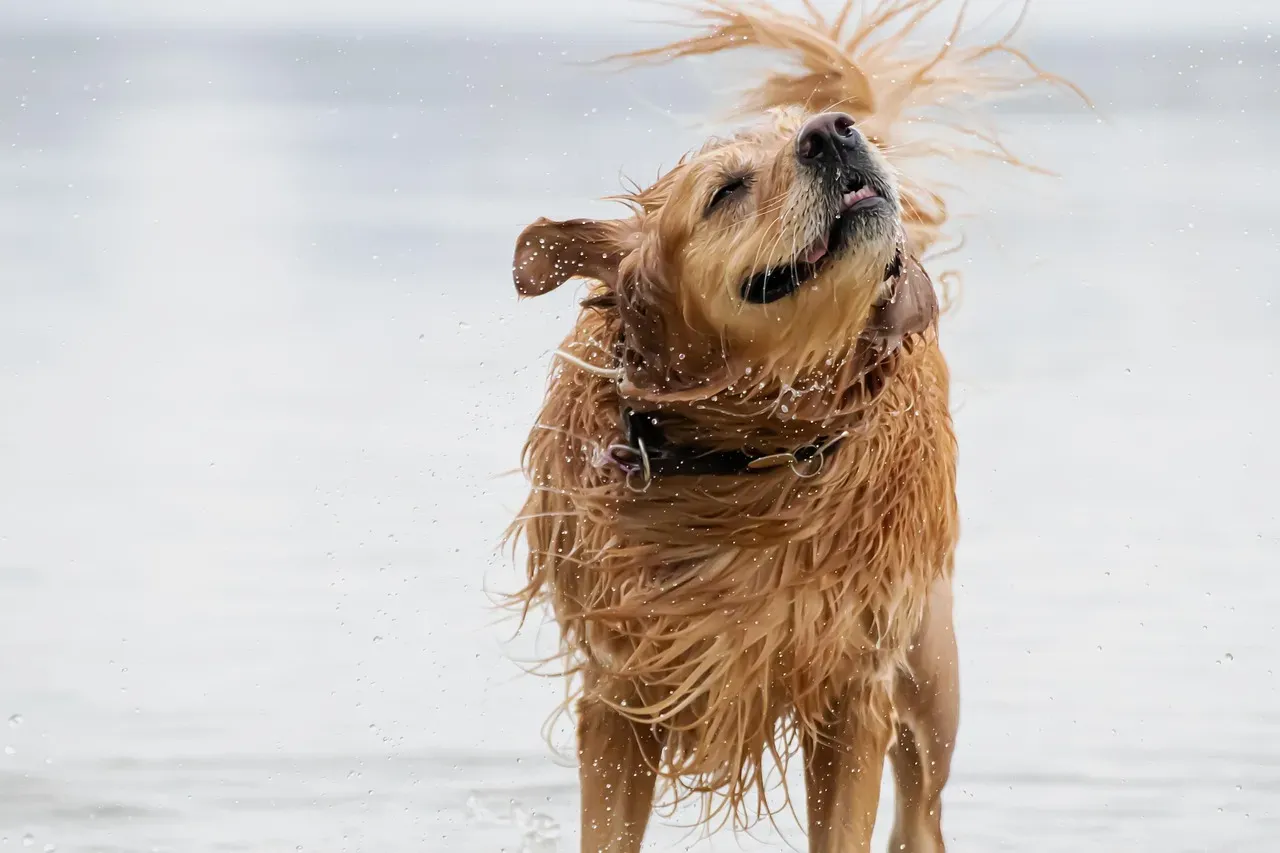
Think of the shake‑off as a mini full‑body reboot that starts in the brain and ripples out through the muscles. When a dog finishes a stressful moment, their nervous system begins to shift from the high‑alert sympathetic state toward the rest‑and‑recover parasympathetic state. The shake itself may help speed that transition by rapidly activating and then releasing many muscle groups at once.
This kind of big physical movement can help redistribute blood flow, normalize breathing, and give the brain a clear signal that the immediate “emergency” is over. You see something similar in other animals: after escaping a threat, many will tremble or shake before going back to normal behavior. It looks a bit dramatic, but physiologically it’s extremely efficient – like closing down all the extra apps on a phone that was about to overheat.
From Tense to “I’m Fine”: What the Shake Communicates
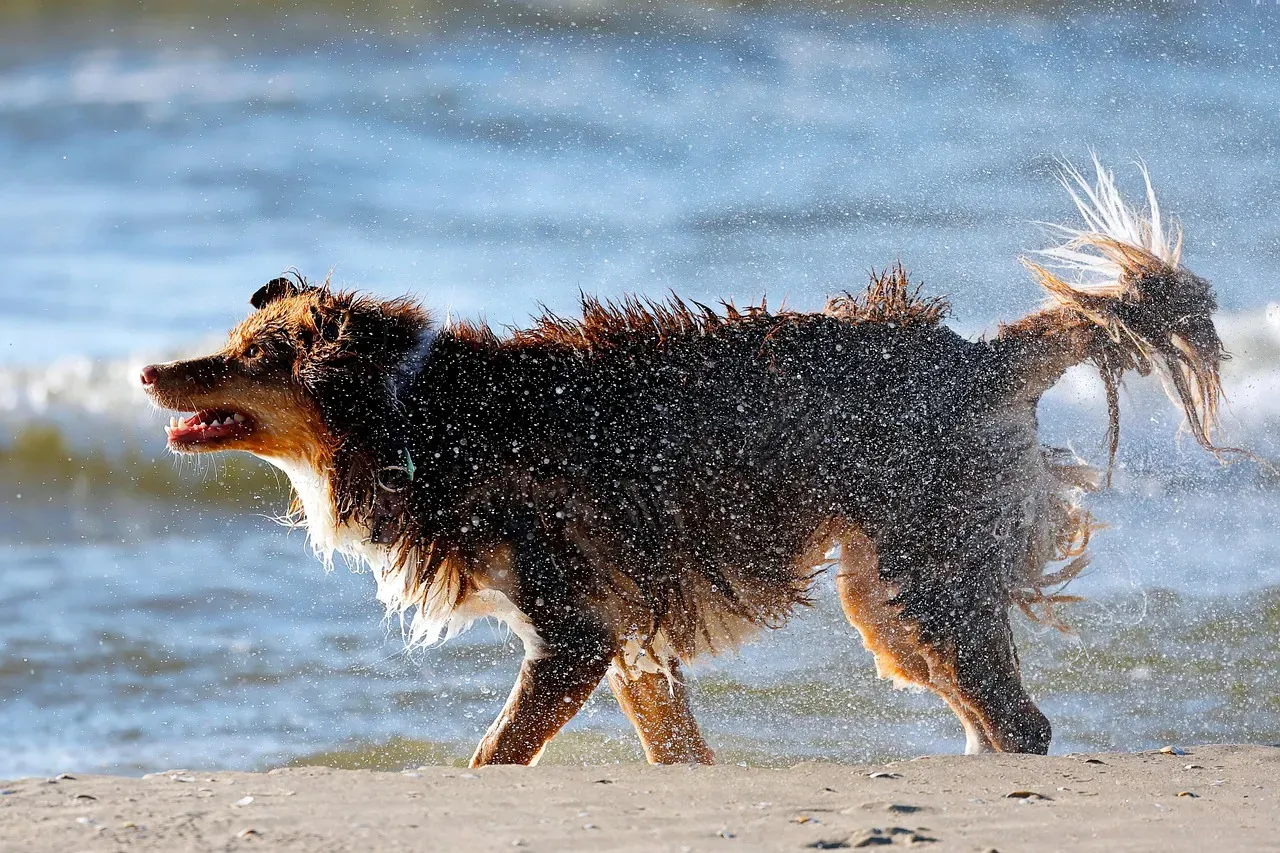
Dogs communicate with their entire bodies, not just with barks or tail wags, and the shake‑off can carry a subtle social message. When a dog walks away from a tense interaction, shakes, and then resumes normal activity, it can be read as, “I’m done with that, I’m okay now, and I’m choosing to move on.” It’s a physical punctuation mark at the end of an uncomfortable sentence.
Sometimes you’ll see this after a too‑intense play session, a near argument with another dog, or a moment when a human’s energy felt overwhelming. The shake is part stress relief, part social smoothing. It helps the dog transition from edgy or conflicted back to neutral, and it often coincides with more relaxed body language: softer eyes, looser muscles, and a calmer tail.
Everyday Moments When You’ll Notice the Shake‑Off
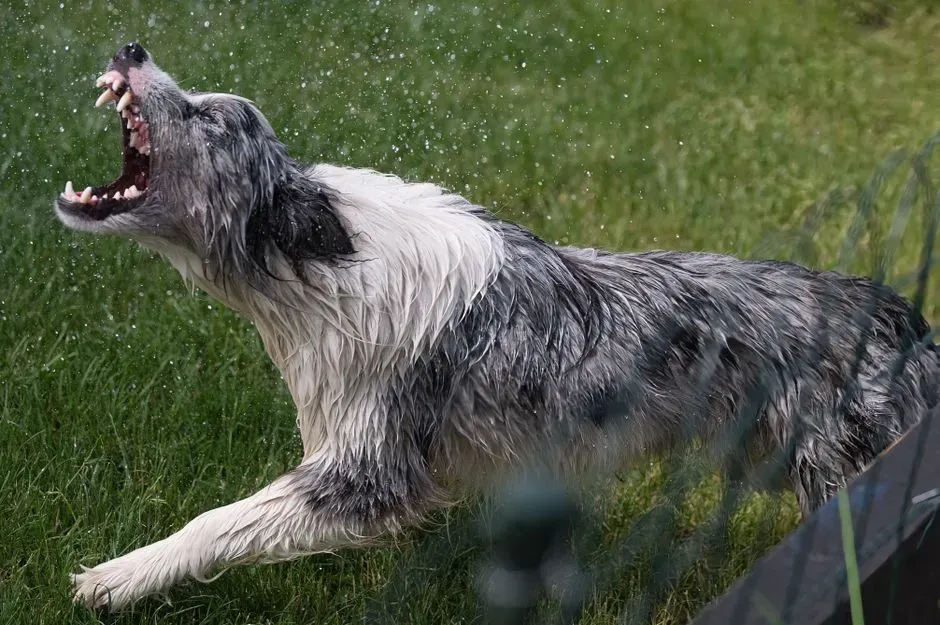
Once you know what you’re looking at, you’ll start spotting shake‑offs all over your dog’s day. After you finish an enthusiastic hug that your dog tolerated but did not exactly love, there it is. After a loud truck passes by on a walk or a child runs up too quickly, you might see a pause, a full‑body shake, and then a more relaxed trot forward.
You’ll often notice it after “polite but tense” interactions with other dogs, especially on leash where body language is constrained. Two dogs approach stiffly, sniff, maybe share a tiny flash of uncertainty, then separate – shake, shake – and walk on. It’s not a sign your dog is broken or unstable; it’s a sign they are actively managing their own emotions and doing the best they can to regulate in a complicated world.
Why You Should Pay Attention Instead of Ignoring It
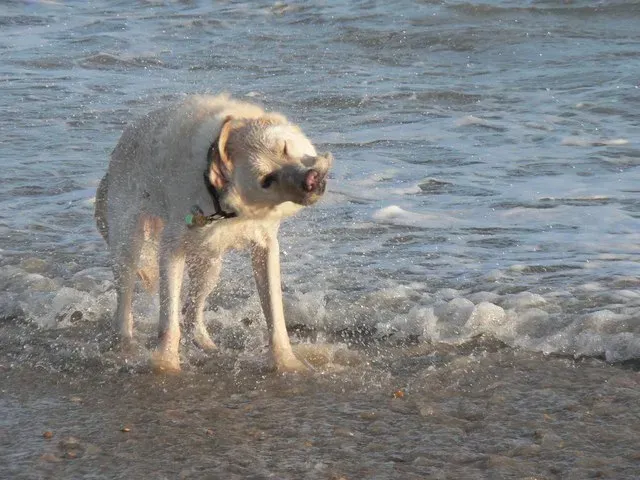
It’s easy to brush off the shake‑off as just another cute dog quirk, but treating it as information changes the game. When your dog shakes after certain interactions, they are telling you those moments carried some level of stress, even if they looked outwardly calm. That can be a hint that situations you thought were “fine” are actually a bit much for them.
Over time, patterns emerge. Maybe your dog always shakes after interactions with overly pushy dogs at the park, or after kids hug them, or right after you raise your voice. That is valuable feedback. It does not mean your dog is fragile, but it does mean you have a chance to adjust: give them more space, shorten certain encounters, or build their confidence more gradually instead of pushing them through things they simply endure.
How You Can Help Your Dog Recover From Stress Better
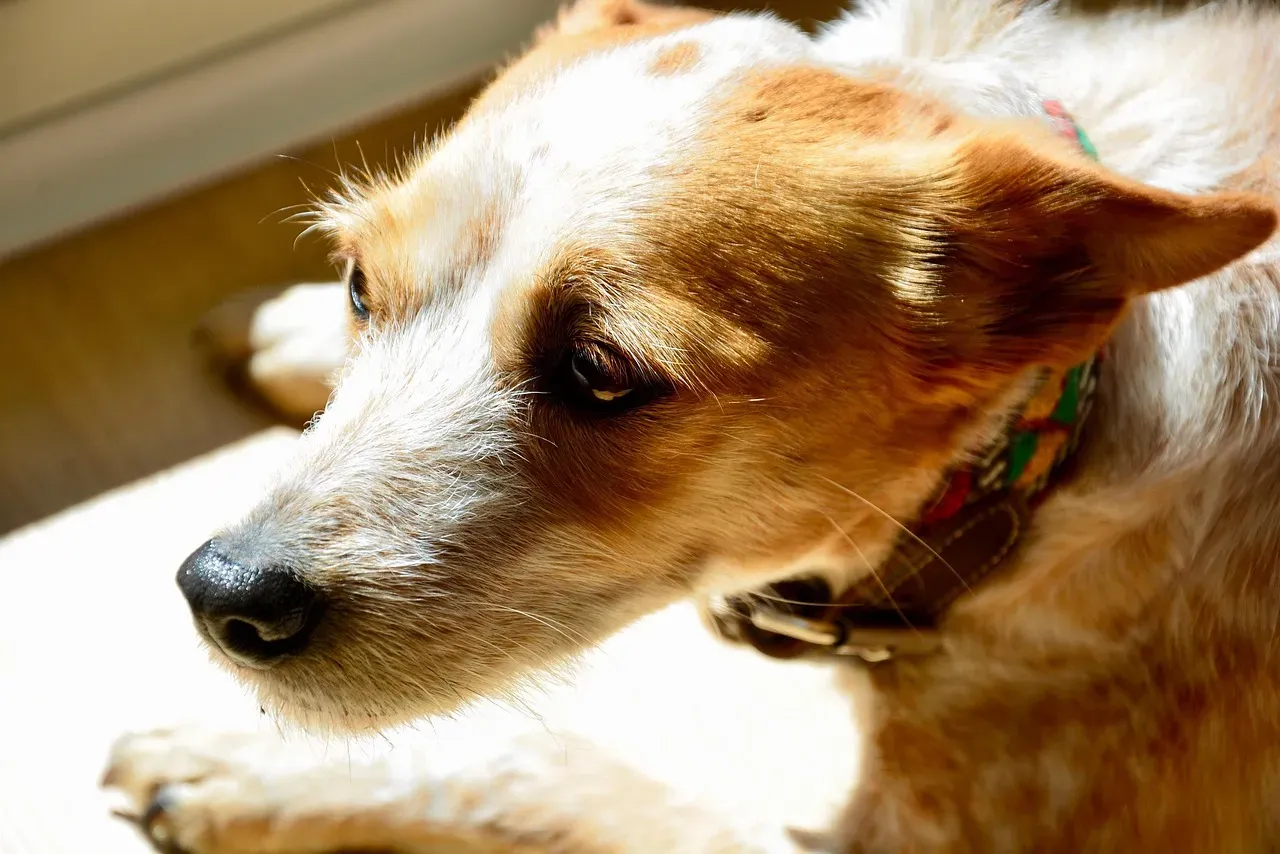
Since the shake‑off is a self‑soothing tool, one of the kindest things you can do is not interrupt it. Let your dog complete the shake, then offer a calm next step: a sniffy walk, a quiet corner, or a simple, low‑pressure activity like foraging for scattered treats. Think of it like giving them a breather after a tough conversation instead of dragging them right into the next challenge.
You can also build a lifestyle that makes it easier for your dog’s nervous system to recover in general. That means predictable routines, chances to move freely and sniff, plenty of rest, and training that relies on rewards instead of intimidation. The more often your dog can shift smoothly back into a relaxed state, the less those stressful spikes will define their overall mood or behavior.
When Shaking Might Signal Something More Than Stress
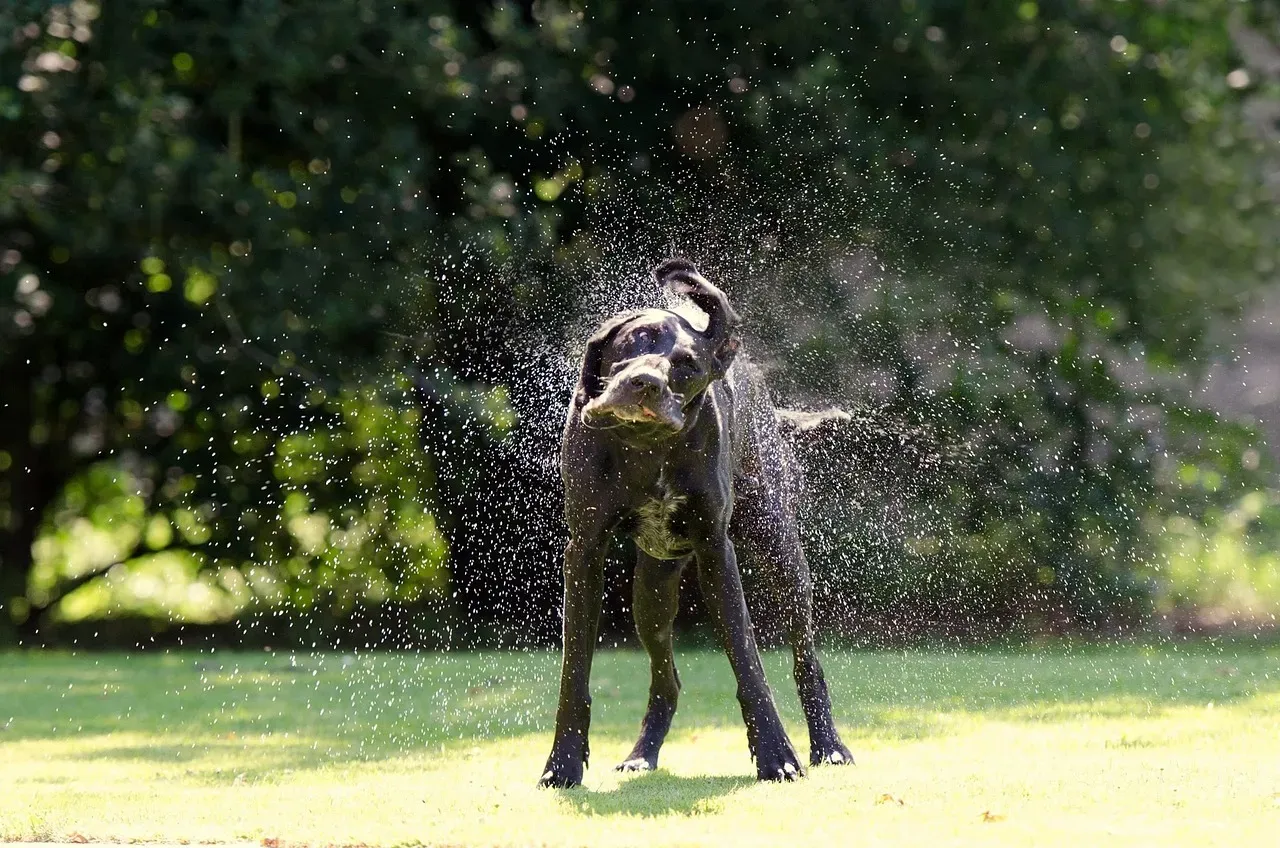
Not every shake is about emotions, and this is where your judgment really matters. Dogs also shake when they are wet, itchy, in pain, or dealing with medical issues like ear infections or neurological problems. If you see very frequent or unusual shaking, especially paired with scratching, head tilting, stiffness, or confusion, it is time to talk with a veterinarian rather than chalk it up to stress alone.
Context is everything: a single shake after a challenging moment is probably that physical reset behaviorists describe, but repeated, random, or intense shaking with no obvious trigger deserves a closer look. Trust your gut here; you know your dog’s “normal” better than anyone. Being curious and cautious is not overreacting – it is choosing to take their body seriously, just like you would your own.
Why This Tiny Behavior Deserves Big Respect
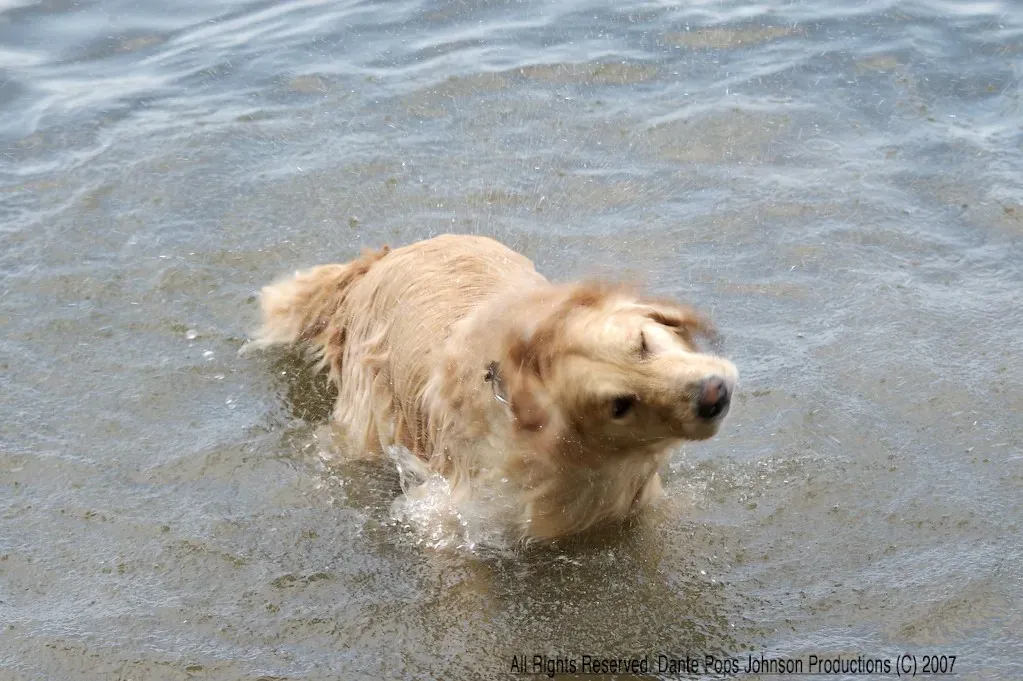
Personally, once I understood what the shake‑off really meant, I started seeing it as one of the most honest things a dog does. It is not dramatic, it is not attention‑seeking, and it is not “bad behavior.” It is an animal using the tools nature gave them to handle a world that often moves faster and louder than they would like. In my opinion, we should treat that little shake with the same respect we give to a deep human sigh after a long day.
When we slow down and actually notice it, the shake‑off becomes a quiet conversation between dog and human about how they are coping. It reminds us that behavior is not random and that emotions live in the body, not just in the brain. The more we honor this, the more likely we are to create lives for our dogs where they do not have to shake off quite so much tension in the first place. Next time your dog walks away, rattles from nose to tail, and then softens, what will you hear them saying?


