

You think you know what an “expensive dog” looks like… until the vet bills, grooming appointments, and specialty food start stacking up. Many people budget for the adoption fee and a cute starter bed, but the real shock comes years later, when you realize your dog quietly turned into a four‑legged subscription service.
This is where lifetime cost hits hard. Some breeds that look simple and low‑key can carry hidden expenses in health care, grooming, or behavior support. Others are big, fluffy proof that beauty sometimes comes with a very real price tag. Let’s walk through fifteen breeds that often surprise even experienced dog owners with what they cost over a full lifetime.
1. French Bulldog

Frenchies look compact, low‑maintenance, and perfect for apartment life, which is exactly why so many people underestimate their costs. Behind that squishy face is a brachycephalic (short‑nosed) anatomy that can mean breathing issues, overheating risk, and sometimes corrective surgeries that are anything but cheap. Add in common breed issues like allergies, eye problems, and spinal concerns, and you can be looking at a steady drip of specialist visits and medications over the years.
Their popularity also pushes prices up at every step, from initial purchase to pet insurance. Because insurers know French Bulldogs are high‑risk for health problems, premiums tend to reflect that reality. Many owners also end up investing in cooling mats, harnesses instead of collars, and even air‑conditioner upgrades just to keep their dog safe during warm months. On paper they are small; in your budget, they can act like a much larger, medically complex dog.
2. Golden Retriever

Golden Retrievers are the picture of the classic family dog, which makes them feel like a safe, predictable choice. What often catches people off guard is how prone this breed is to certain cancers, joint problems like hip dysplasia, and skin issues. Long‑term management of arthritis, surgical procedures for cruciate ligament tears, or repeated treatments for hot spots and ear infections can quietly add up to thousands over a lifetime.
Then there’s everything that comes with their personality: these dogs are energetic, social, and smart. That usually means investment in training classes, doggy daycare, pet sitters, and plenty of toys and enrichment to keep them mentally engaged. Their thick coat sheds heavily, so while you can groom at home, many families pay for regular professional grooming just to keep the tumbleweeds of fur under control. The “easy family dog” reputation is emotionally true – but financially, goldens are not always low‑cost.
3. Bernese Mountain Dog

Bernese Mountain Dogs turn heads with their huge, gentle presence, but they come with two major cost drivers: size and health. Larger dogs need more food, larger doses of medication, bigger crates, and more robust equipment, from beds to harnesses. Vet procedures that scale partially with weight, such as anesthesia, can cost noticeably more when your dog is well over one hundred pounds.
The harder part is their health profile and relatively short average lifespan. Berners are at higher risk of certain cancers and orthopedic issues, and many owners face costly decisions earlier in the dog’s life than they expected. Even routine joint care – like supplements, physical therapy, or weight‑management diets – can become a recurring expense. When I first met a friend’s Berner, I was blown away by how sweet he was, but I also watched the family build a small “medical budget” around him almost from day one.
4. English Bulldog

English Bulldogs might be the poster child for “surprisingly expensive” when you add everything up over time. Like Frenchies, they are brachycephalic, which raises the risk of breathing problems, heat intolerance, and complications under anesthesia. Many bulldogs eventually need airway surgery, eye surgeries like cherry eye repair, or skin‑fold treatments; each procedure can cost a significant amount on its own, and few dogs need just one intervention in a lifetime.
Beyond the obvious medical issues, their stocky build and joint structure often lead to early arthritis, hip or elbow dysplasia, or spinal problems. Preventive care, pain medications, and possible orthopedic surgeries all come with hefty price tags. You also need to factor in ongoing cleaning of facial and tail folds, often with specialized products, to prevent infections. When you see a bulldog waddling happily down the street, you are often looking at years of committed and expensive care behind the scenes.
5. German Shepherd

German Shepherds are working dogs at heart, and people are drawn to their intelligence and loyalty. What is less obvious is how much structure and support they need to thrive. Professional training, behavior work, and ongoing mental stimulation are not really optional with this breed if you want a stable, confident companion. Group classes, private trainers, advanced sport training, or protection work can become a substantial recurring cost over the dog’s life.
On the health side, German Shepherds have well‑known risks for hip and elbow dysplasia, degenerative myelopathy (a progressive spinal cord disease), and some digestive problems. Early screening X‑rays, orthopedic evaluations, and long‑term management of joint disease through medications, supplements, or physical therapy can significantly increase lifetime cost. They are a breed where the equation often becomes clear: if you invest heavily in preventive care and training up front, you usually avoid even costlier problems later – but you still have to budget for it.
6. Poodle (Standard and Miniature)
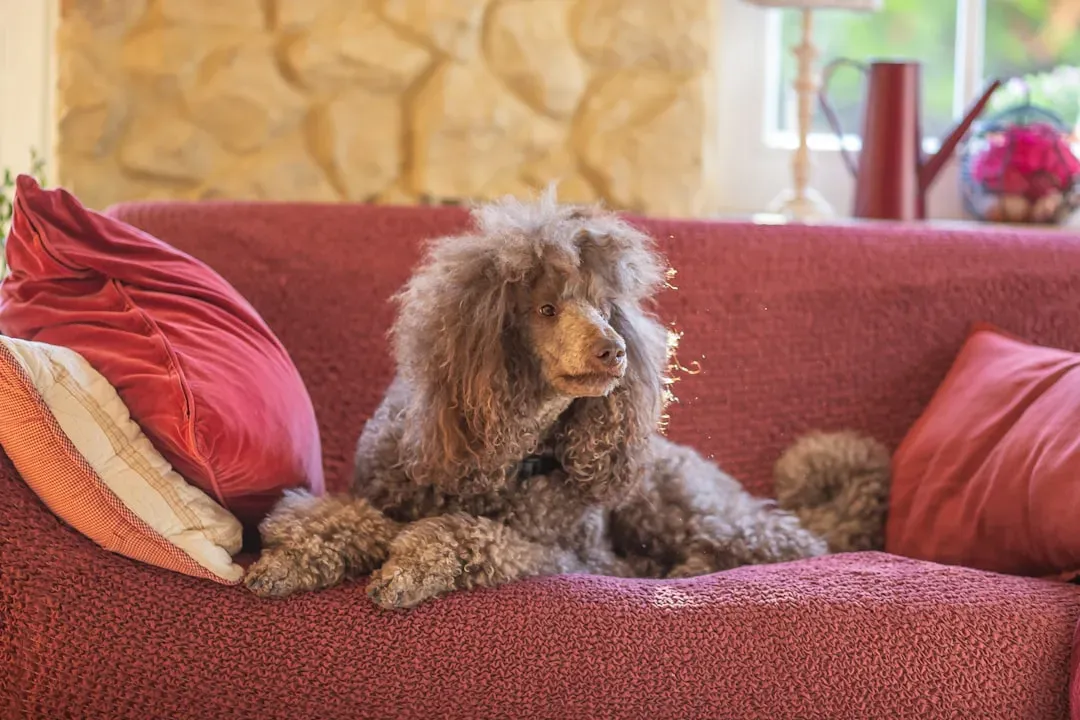
Poodles, especially the standard size, often surprise people because they look glamorous but are actually highly athletic, brainy working dogs. The grooming alone can be a major line item: regular, professional trims every four to eight weeks are pretty much standard if you keep them in a manageable coat length. Skipping grooming is not really an option, because their curly hair keeps growing and mats easily, which is uncomfortable and can lead to skin issues.
Health‑wise, poodles are generally solid, but they are prone to certain problems such as hip dysplasia in larger sizes, eye conditions, and endocrine disorders like Addison’s disease. These can require lifelong medication and monitoring once diagnosed. On the more positive side, many owners offset some medical risk through good breeding and early health screening, but that means paying more initially for a reputable breeder. It is one of those breeds where the phrase “pay now or pay later” really does apply.
7. Cavalier King Charles Spaniel

Cavaliers look like little storybook dogs, all soft ears and soulful eyes, which can hide how medically complex they often are. One of the biggest concerns is a heart condition called mitral valve disease, which is unfortunately common in the breed. Once it develops, you may be looking at regular cardiology visits, imaging, and daily medications for the rest of the dog’s life. That kind of chronic care adds up quietly month after month.
They are also prone to neurological conditions, ear infections, and eye problems. Many Cavaliers do just fine with careful breeding and proactive veterinary care, but you have to assume a higher‑than‑average chance of medical costs compared to some similarly sized breeds. I sometimes compare them to a classic sports car: beautiful, charming, and incredibly enjoyable, but you do not buy one expecting basic economy‑car maintenance fees.
8. Siberian Husky

Huskies often surprise people not because of constant medical bills, but because of lifestyle‑driven costs. These dogs are intense athletes with high energy and a strong instinct to roam and pull. That usually means investment in secure fencing, sledding or pulling equipment, harnesses, long‑lines, and plenty of durable toys and enrichment. If you live somewhere warm, you may also end up paying more for air conditioning and cooling gear just to keep them comfortable.
Health problems do exist in the breed – such as eye disorders and some autoimmune conditions – but many Huskies are physically robust if bred well and exercised properly. The bigger shock is often the “hidden” expense of time and activity: dog sports, long hikes, daycare or dog walkers, and training to manage their independence can all add to lifetime cost. With Huskies, the budget pain tends to come less from the vet and more from designing a life where the dog does not go stir‑crazy or escape every chance it gets.
9. Great Dane

Great Danes are a classic example of how size alone can multiply costs. They eat a lot, need giant‑breed food formulas during growth, and require oversized everything: beds, crates, vehicles with enough space, and even stronger leashes and collars. Routine medications like flea and tick prevention cost more because they are dosed by weight, and boarding or daycare may charge higher rates for such a large dog.
Medically, Danes are at higher risk for serious issues like bloat (gastric dilatation‑volvulus), heart disease, and joint problems. Many owners preemptively pay for a surgery called a gastropexy to help reduce the risk of life‑threatening bloat, which is a significant up‑front cost but often worth it. Even with good care, their shorter average lifespan means that major health issues sometimes emerge earlier than you might expect. The emotional and financial reality is that every extra inch of height tends to come with an extra dollar sign attached.
10. Cocker Spaniel

Cocker Spaniels look almost old‑fashioned in their charm, those long ears and soft eyes hiding a surprisingly high list of potential health concerns. Ear infections are extremely common because of the heavy, floppy ears that trap moisture and debris; regular cleanings, vet visits, and medications can become a routine expense. They are also prone to skin allergies, eye problems, and in some lines, autoimmune and neurological issues that require specialist care.
Grooming is another recurring cost with Cockers. Their silky coat tangles and mats if not brushed and trimmed regularly, so many owners commit to frequent professional grooming. Add in training and socialization to manage possible resource guarding or reactivity issues seen in some poorly bred lines, and lifelong costs can easily climb beyond what people expect from a medium‑sized family dog. They are a prime example of how a “cute and classic” breed can quietly become a serious investment if you want them healthy and comfortable.
11. Rottweiler

Rottweilers combine two major cost drivers: large, powerful bodies and a public reputation that demands responsible handling. On the health side, they are predisposed to hip and elbow dysplasia, certain cancers, and joint injuries, especially if they grow too quickly or carry extra weight. Advanced imaging, orthopedic surgeries, and cancer treatments can be exceptionally expensive in a dog this size, simply because everything – anesthesia, medication, recovery gear – scales up.
From a behavioral and legal perspective, many owners also invest heavily in early training, socialization, and sometimes additional liability insurance. In some areas, landlords and insurers treat Rottweilers as a restricted breed, which can translate into higher deposits, special policies, or fewer housing options. I have seen families absolutely adore their Rottie while also quietly budgeting for training classes and ongoing refreshers, knowing that a well‑managed, well‑trained dog is not just a pleasure – it is a safeguard against far more costly problems.
12. Dachshund

At first glance, Dachshunds seem like they should be budget‑friendly: they are small, fairly common, and do not require elaborate grooming. The hidden issue is their long back and short legs, which put them at higher risk for intervertebral disc disease. When those discs herniate, dogs can suddenly lose the ability to walk, and emergency spinal surgery – plus rehabilitation – can cost a very large sum in a matter of days. Even conservative treatment without surgery can mean multiple vet visits, imaging, medication, and strict rest.
Preventing problems also carries a cost. Many owners invest in ramps, stairs, and specific furniture arrangements to reduce jumping and strain on the spine. Pet insurance becomes especially important with this breed, but premiums often reflect the known back risks. This is the kind of dog that teaches you how a single anatomical quirk can quietly shape your home layout, your daily routine, and your financial planning.
13. Yorkshire Terrier

Yorkies are tiny, glamorous, and often treated like portable companions, which makes them look like a low‑impact, low‑cost choice. In reality, their small size means they are more vulnerable to dental disease, low blood sugar episodes in puppies, and injuries from falls or rough handling. Frequent dental cleanings under anesthesia can become a recurring cost, and advanced dental work in small mouths is often surprisingly expensive.
Their long, fine coat can be kept short for easier care, but many owners enjoy maintaining a longer style, which often means regular grooming and specialized products. Add in clothing for warmth in colder climates, travel gear for people who bring them everywhere, and sometimes behavioral support for separation anxiety or reactivity, and the lifetime bill climbs. Yorkies may not eat much, but the accessories and medical care that come with that “small but mighty” body can be anything but minimal.
14. Bichon Frise

Bichons are cheerful, fluffy little dogs that look like walking clouds, and that cloud has to be maintained. Their coat is hair rather than fur, which sheds less but grows continuously and mats easily. To keep them comfortable and looking like themselves, you are usually looking at professional grooming every four to six weeks, plus brushing at home. Over ten or more years, that grooming schedule alone can rival the cost of major medical procedures in other breeds.
Health‑wise, Bichons can be prone to allergies, bladder stones, and dental disease. Specialized diets to prevent urinary issues, regular tooth cleanings, and allergy treatments all carry ongoing costs. Many people are drawn to them as “hypoallergenic” companions, but that word can be misleading; it speaks more to hair type than complete lack of allergens, and it does not reflect the reality of grooming and possible medical needs. They bring a lot of joy into a home, but they do not come cheap if you care for them properly.
15. Labrador Retriever

Labradors are often seen as the ultimate all‑rounder dog: friendly, adaptable, and everywhere you look. That familiarity makes many people assume they are cheap to own, but their lifetime costs can be surprisingly high. Labs are prone to joint issues like hip and elbow dysplasia, cruciate ligament tears in the knees, and obesity. Managing weight with quality food, treating joint injuries, or even paying for orthopedics and long‑term pain control can significantly raise the total cost of ownership.
They are also high‑energy, people‑oriented dogs, which often translates into dog sports, daycare, training, and a never‑ending rotation of sturdy toys. A bored Lab can become a destructive Lab, and replacing chewed‑up furniture or yard repairs is another kind of hidden expense. When people say Labs are “easy,” they are usually talking about temperament, not the actual time, effort, and money it takes to keep a large, active, food‑loving dog healthy and well‑behaved into old age.
Conclusion: The Real Price of a “Good Dog”

When you zoom out and look at a dog’s full life, you start to see that the purchase or adoption fee is the smallest piece of the puzzle. Food, grooming, training, pet insurance, and especially veterinary care for breed‑related conditions can easily turn a cuddly puppy into one of the larger financial commitments in your home. The breeds in this list are not “bad choices,” but they do demand clear‑eyed budgeting and honest conversations up front, rather than regret and stress later.
In my view, the real question is not whether a dog is expensive, but whether you are ready for the particular way that dog will cost you – financially, emotionally, and in lifestyle changes. Some people gladly trade vacations for vet bills, others adjust housing just to keep a giant breed comfortable, and many say they would do it again without hesitation. If you met your dream dog tomorrow, would your budget be as ready for them as your heart is?


