
Labrador Retriever
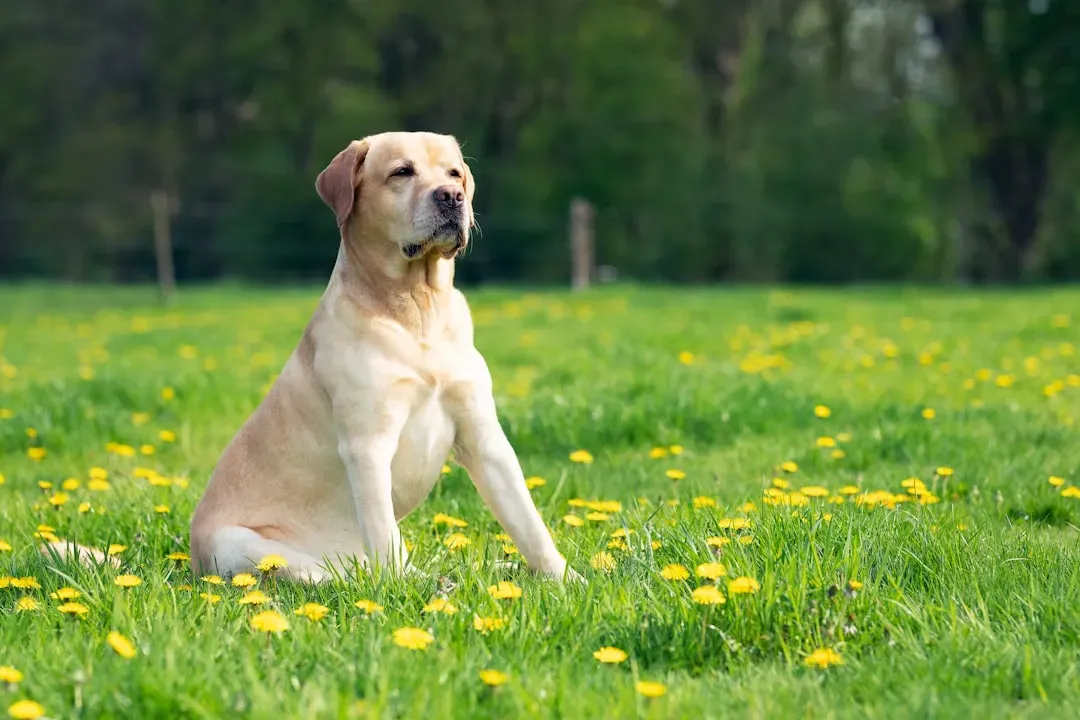
Labrador Retrievers have long been favorites in families and working roles alike. Their eagerness to please often translates into deep attachments that last a lifetime. Owners frequently describe these dogs as reliable partners in daily life and adventures.
Generations of breeding for retrieval and assistance work have reinforced their steady nature. Many Labs thrive on routine and affection, responding with consistent warmth. This combination helps explain why they appear so often in lists of devoted companions.
German Shepherd
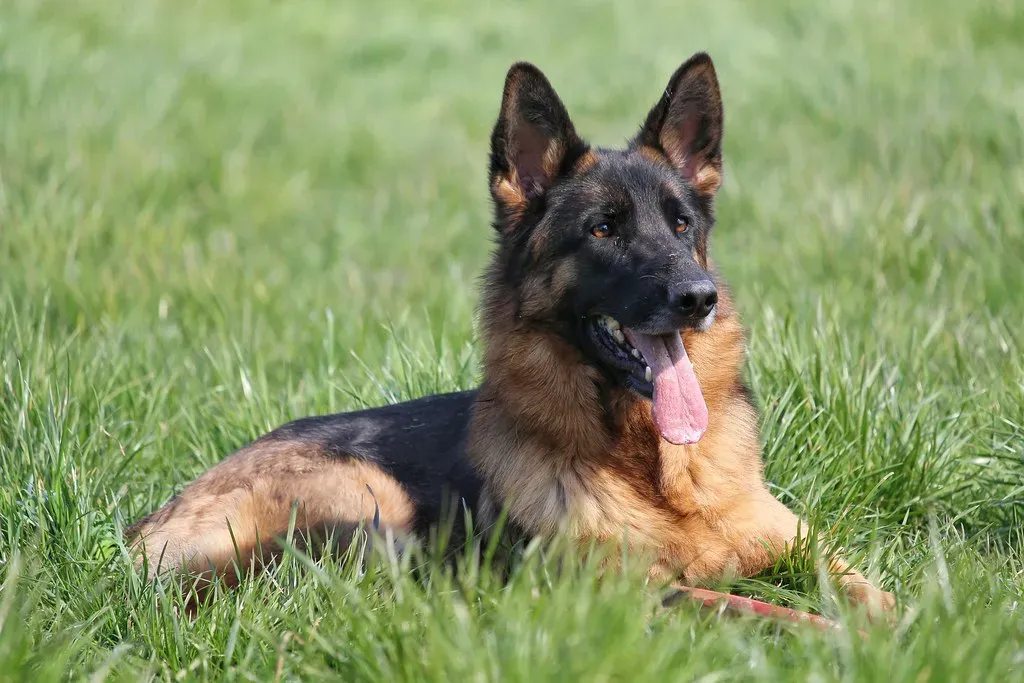
German Shepherds bring intelligence and focus to their relationships with people. They were developed for herding and protection, traits that foster close bonds with those they consider family. Their alertness pairs well with a calm presence around trusted humans.
These dogs often excel in roles that demand reliability, from search and rescue to everyday companionship. Proper socialization from a young age supports their natural inclination toward loyalty. Many owners find them attentive without being overly demanding.
Akita
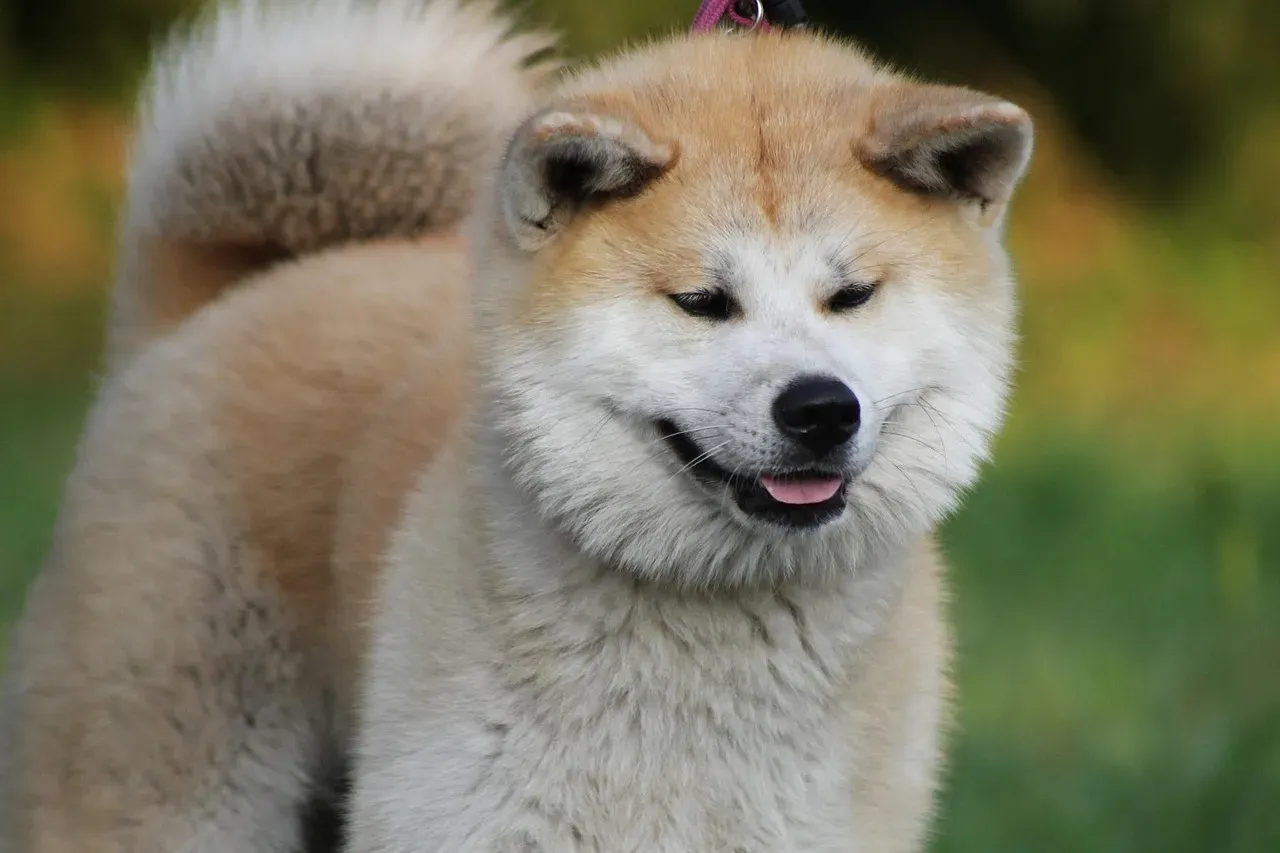
Akitas originated in Japan as guardians and hunters, roles that required strong ties to their handlers. Their independent streak comes with a notable devotion once trust is established. This breed tends to form selective but profound connections.
Historical accounts highlight their protective instincts directed inward toward the household. Akitas often prefer the company of their immediate circle and show patience in familiar settings. Their calm demeanor underpins a reputation for steadfast presence.
Golden Retriever
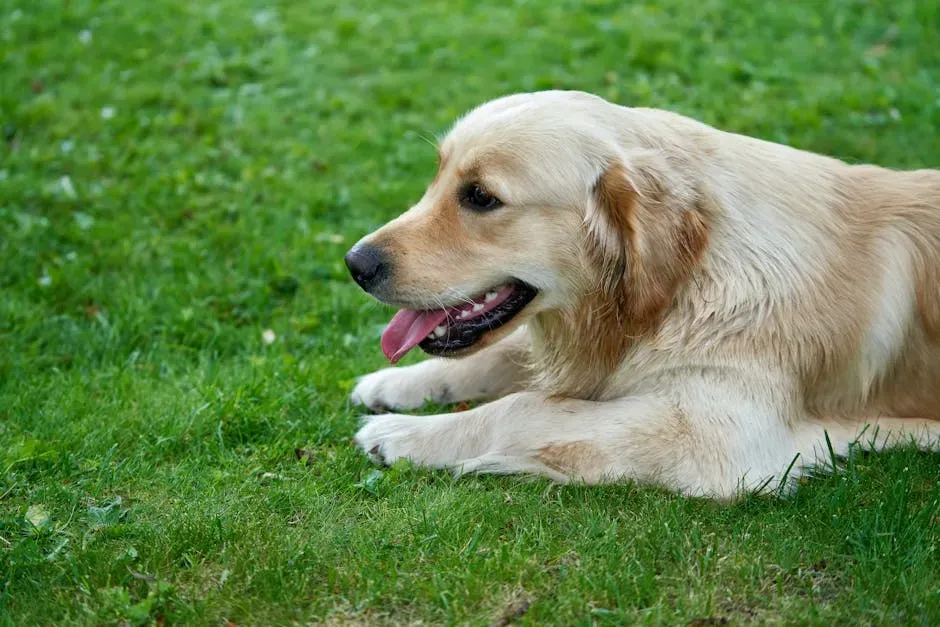
Golden Retrievers carry a friendly disposition that extends into lasting loyalty. Bred originally for retrieving game, they adapted easily to family life and service work. Their gentle approach makes them approachable for many households.
These dogs respond well to positive interaction and often mirror the energy of their surroundings. Consistent care helps maintain their affectionate outlook over the years. Owners appreciate how readily they settle into routines with their people.
Rottweiler
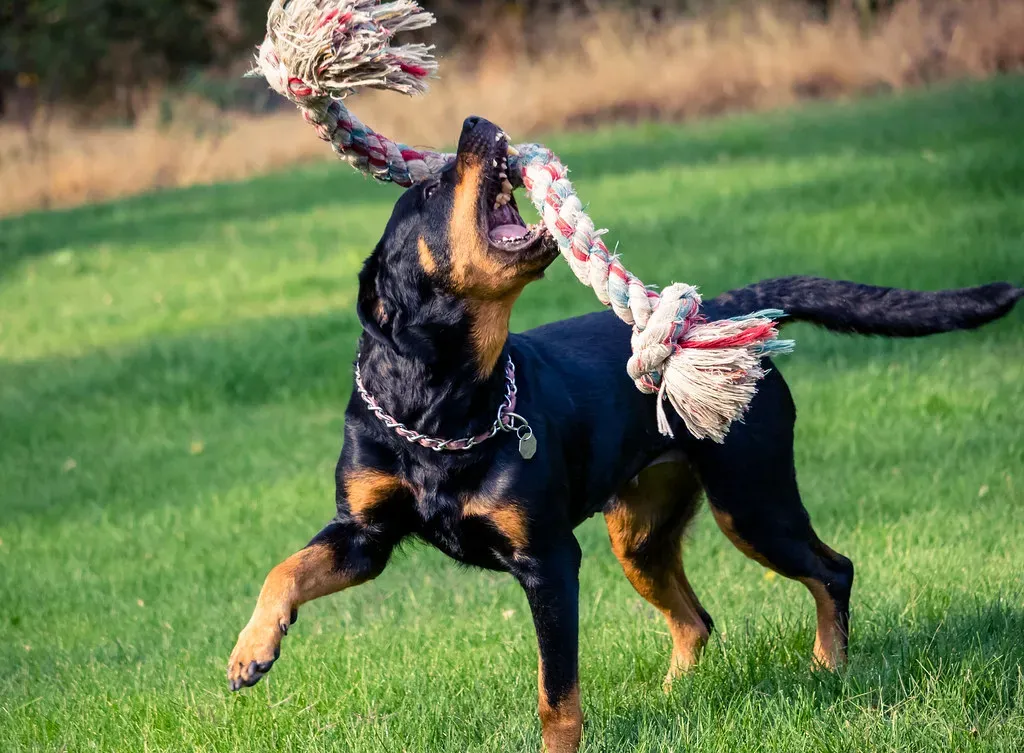
Rottweilers trace their roots to working dogs that pulled carts and guarded property. That background contributes to a protective loyalty when raised with clear guidance. They tend to watch over their home with quiet vigilance.
Modern breeding emphasizes temperament alongside strength, allowing many to become affectionate family members. Early training supports their ability to distinguish between familiar faces and outsiders. This balance helps sustain their reputation for reliability.
Collie
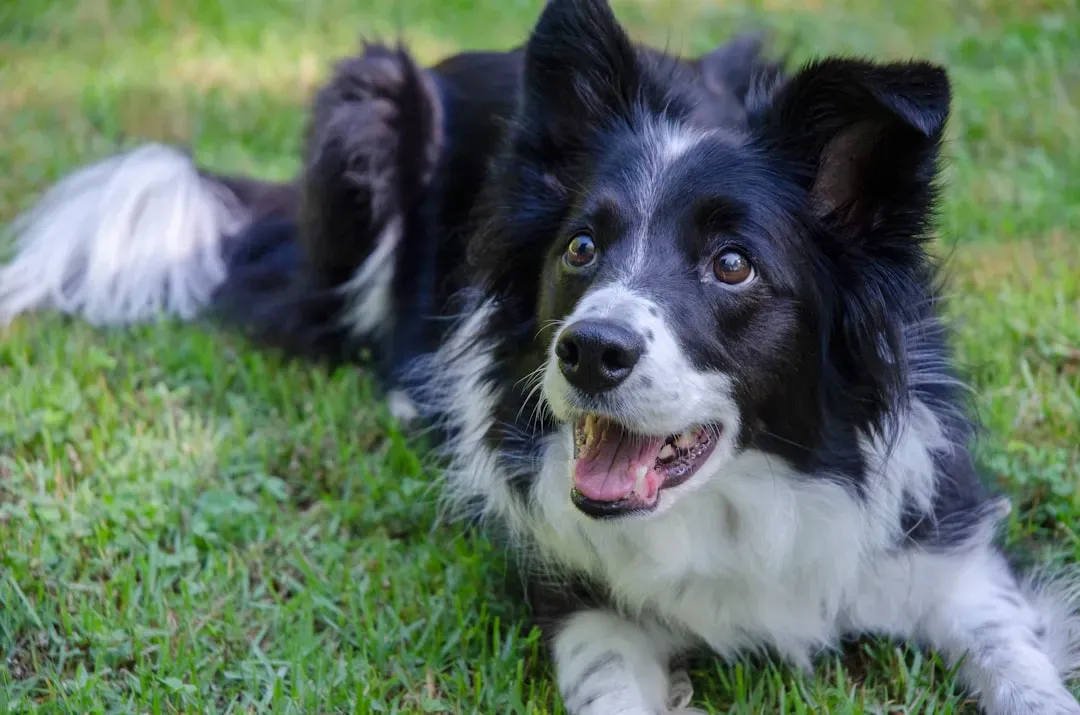
Collies gained fame through stories of herding dogs that stayed close to their charges. Their herding heritage encourages attentiveness to the movements and needs of those around them. Many display a gentle watchfulness that feels reassuring.
These dogs often enjoy mental stimulation and physical activity shared with their owners. Their expressive faces and responsive nature make daily interactions engaging. Over time, this builds a sense of mutual understanding.
Beagle
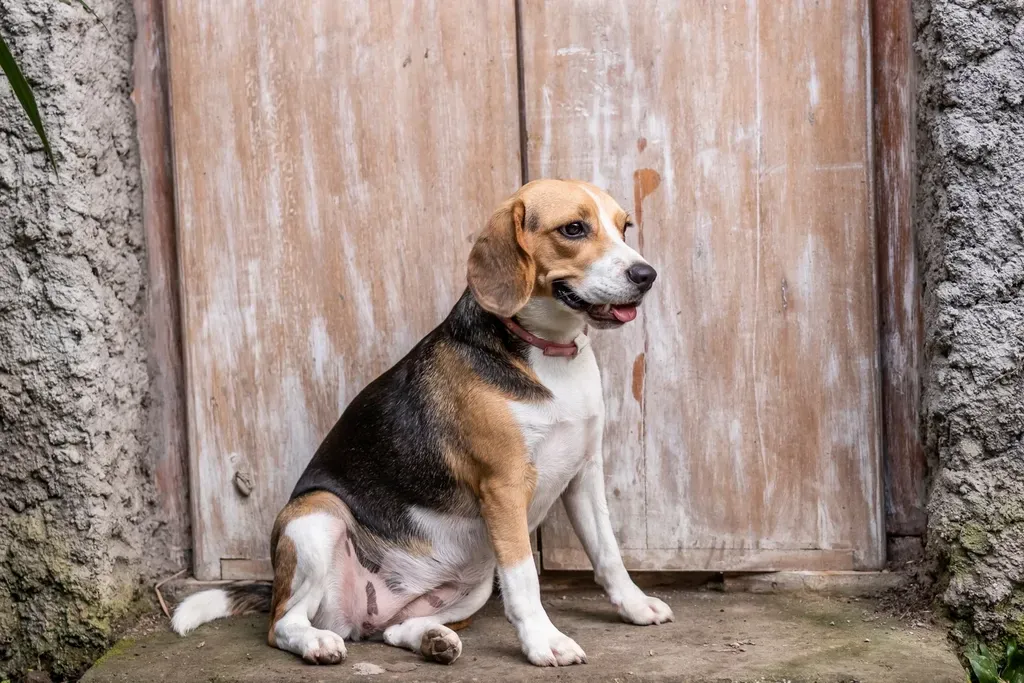
Beagles were developed for hunting in packs, yet they form strong individual bonds with owners. Their curious noses lead them on explorations, but they usually return to the security of home. This combination keeps them engaged without drifting too far.
Small size and sociable temperament make them adaptable to various living situations. Regular exercise and companionship help channel their energy positively. Owners often note their cheerful persistence in staying near loved ones.
Doberman Pinscher
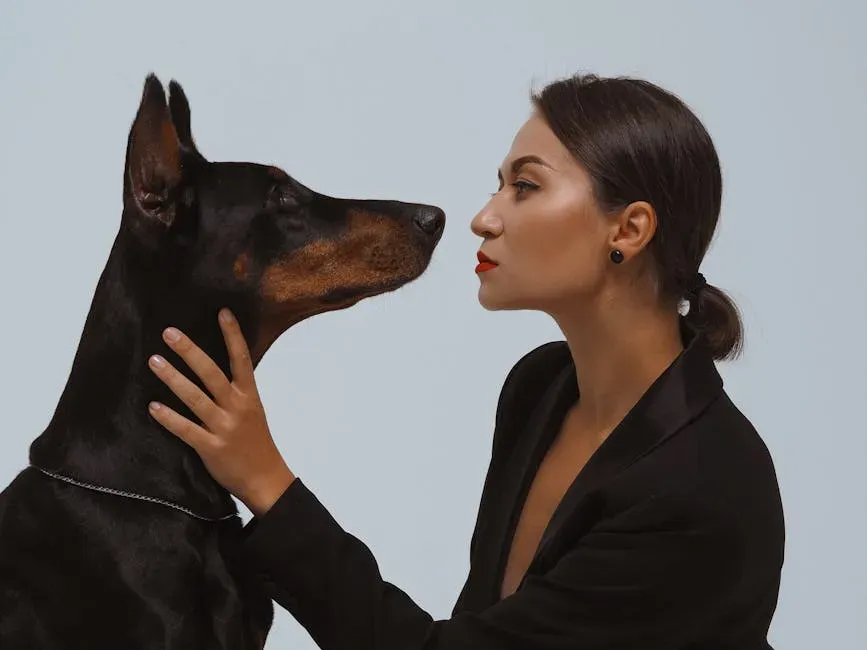
Doberman Pinschers were created as personal protectors, a purpose that demands close alignment with their handler. Their sleek build and quick mind support roles that reward loyalty and focus. Many thrive when given clear direction and affection.
These dogs frequently show sensitivity to their owner’s moods and routines. Proper exercise prevents restlessness and encourages calm companionship. Their history of service work reinforces a pattern of dependable attachment.
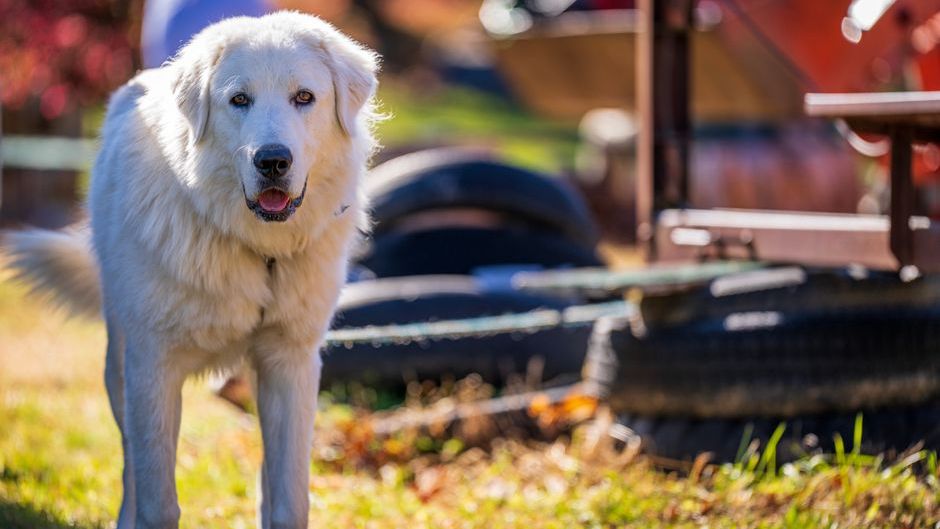
Great Pyrenees
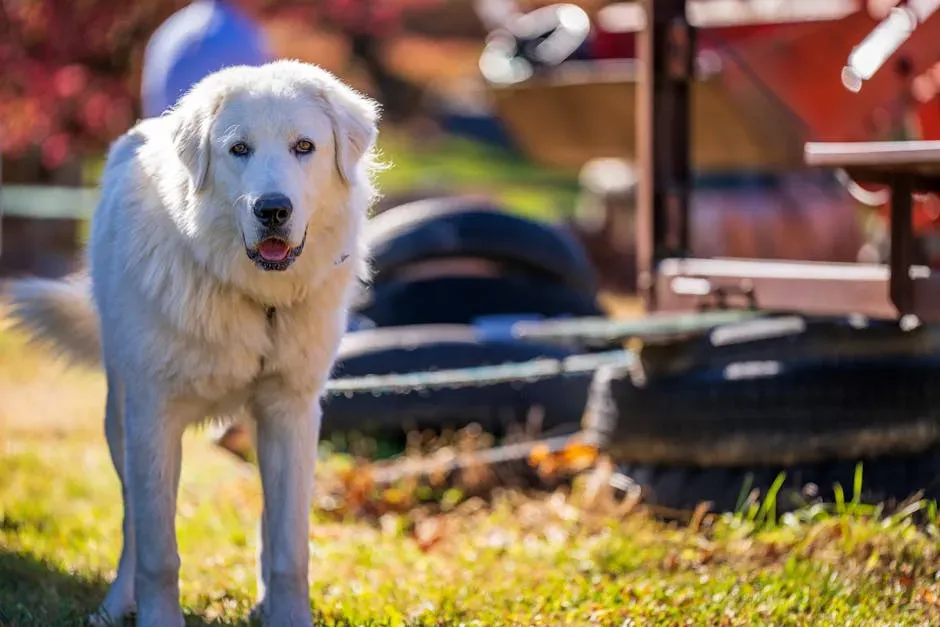
Great Pyrenees served as livestock guardians in mountainous regions, a job that required independent yet devoted behavior. They often patrol their territory while remaining attuned to the safety of their charges. This dual nature supports steady relationships with people.
Their thick coats and calm presence suit them to outdoor or rural settings. Early socialization helps them extend their protective instincts to family members. Many owners value their quiet, watchful loyalty over time.
Bulldog
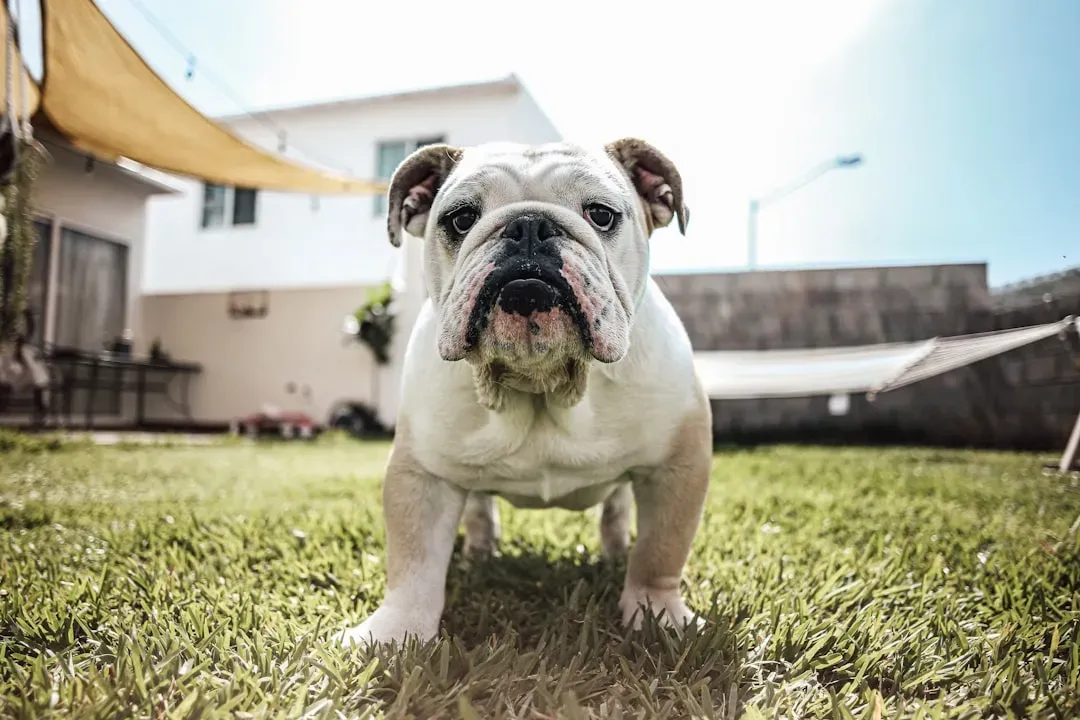
Bulldogs present a sturdy frame paired with a surprisingly affectionate side. Originally bred for bull baiting, they transitioned into companion roles that highlight their even temperament. Their relaxed pace encourages close daily contact.
These dogs often enjoy short bursts of play followed by rest near their people. Their loyalty shows in consistent greetings and a preference for familiar company. Gentle handling supports their steady, low key devotion.
Newfoundland
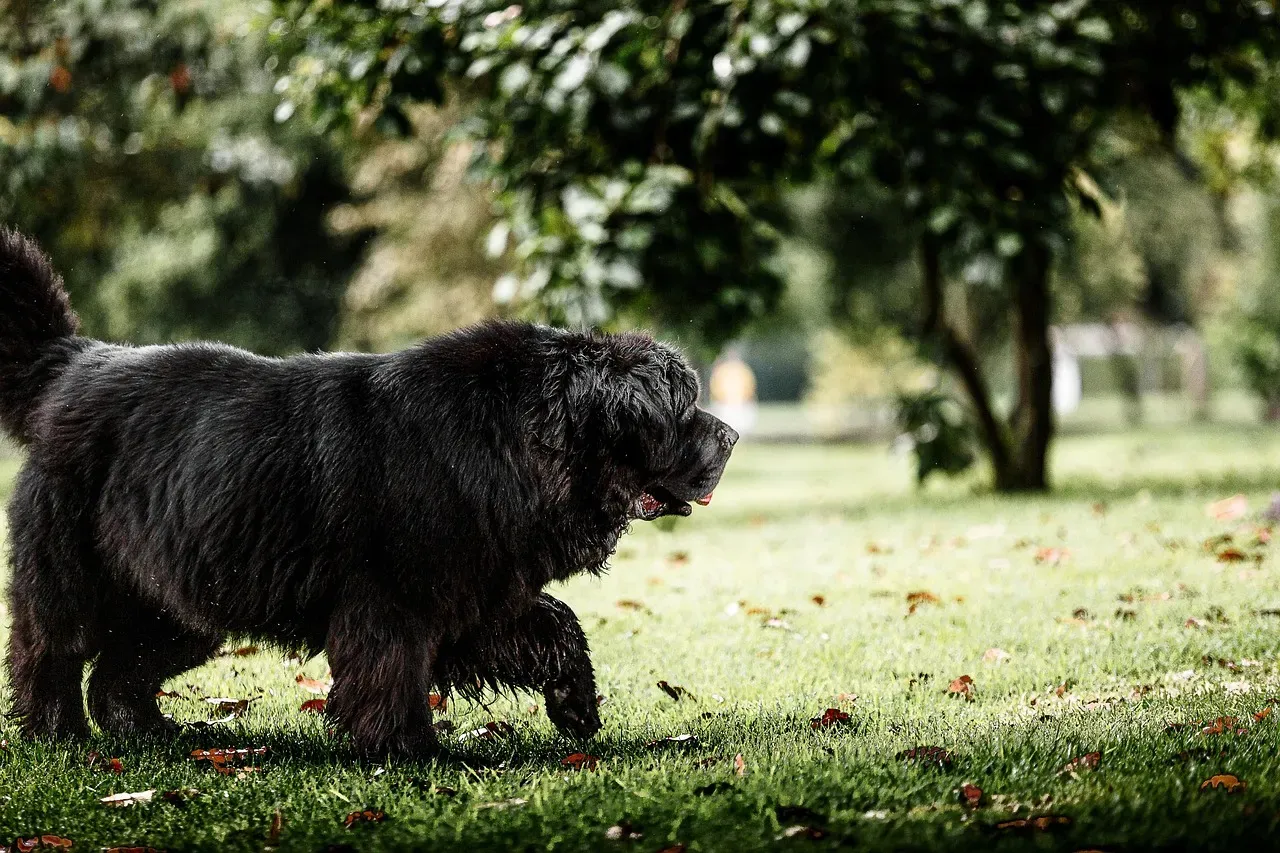
Newfoundlands earned fame as water rescue dogs, work that demands courage and attachment to handlers. Their large size and webbed feet suit them to lifesaving tasks alongside people. This heritage contributes to a gentle, reliable presence at home.
They respond well to training that channels their strength into helpful behaviors. Many enjoy swimming or outdoor time shared with family. Their calm demeanor helps maintain bonds through varied activities.
Boxer
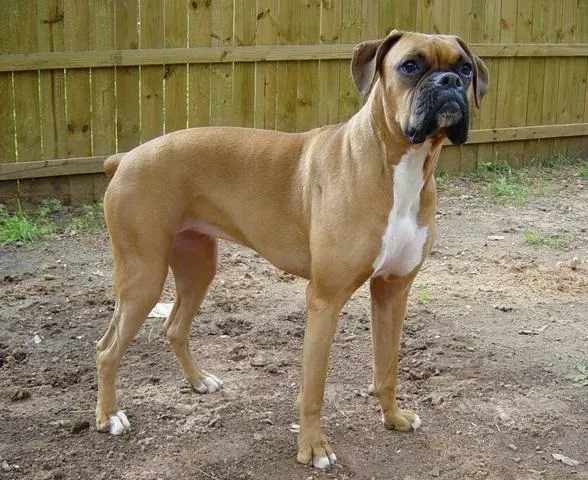
Boxers bring playful energy and a protective streak rooted in their working past. Developed in Germany for guarding and utility, they balance enthusiasm with attentiveness to their owners. This mix often results in lively yet devoted companionship.
Regular interaction keeps them mentally sharp and emotionally connected. Their expressive faces and bouncy greetings reflect a genuine interest in family life. Owners frequently describe them as eager participants in daily routines.
The idea that certain breeds carry an unbroken record of trust speaks to the power of consistent care and breeding history. In practice, every dog benefits from thoughtful ownership that nurtures those qualities. Choosing a companion becomes less about guarantees and more about matching lifestyles with temperaments that reward attention. Ultimately, the strongest bonds grow from mutual respect rather than assumptions about lineage alone.


