
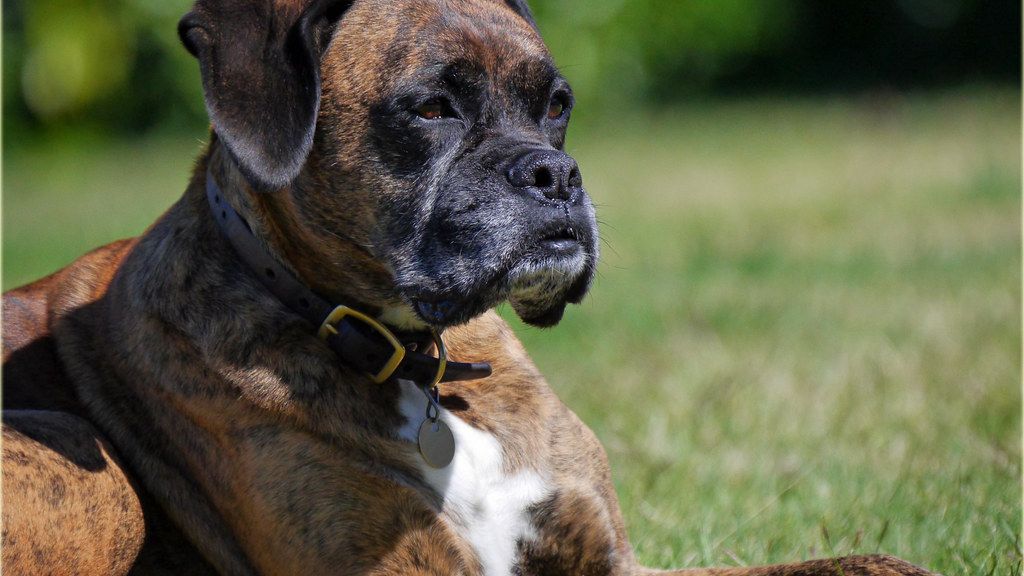
Dogs have a way of looking right into us that feels like a quiet conversation. One day the gaze is there, steady and familiar, and the next it drifts away without warning. That change can stir up questions about what your companion is trying to say.
Physical Discomfort Could Be at Play
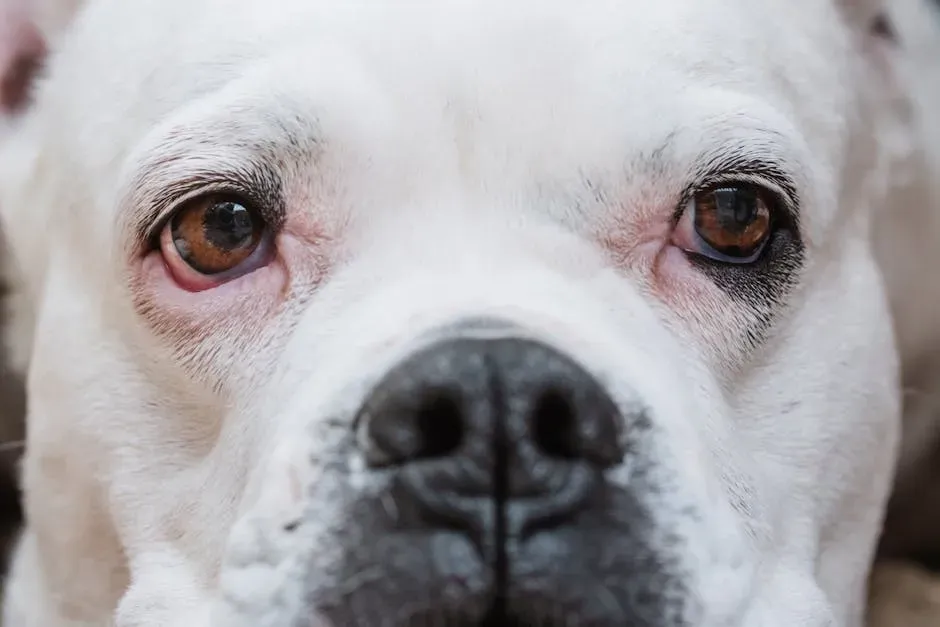
Eye contact avoidance sometimes points to pain or an underlying health issue that makes holding a stare uncomfortable. A dog might turn away because of dental problems, ear infections, or even something as simple as an irritated eye that flares up during close interactions. Owners often notice this shift alongside other small clues like reduced appetite or less enthusiasm for play.
Veterinarians frequently see cases where sudden behavioral changes trace back to treatable conditions rather than emotional distance. Checking for subtle signs of stiffness or sensitivity during routine petting can reveal more than the eyes alone. Addressing these physical factors early often restores the old connection without much fuss.
Emotional Signals in Dog Language
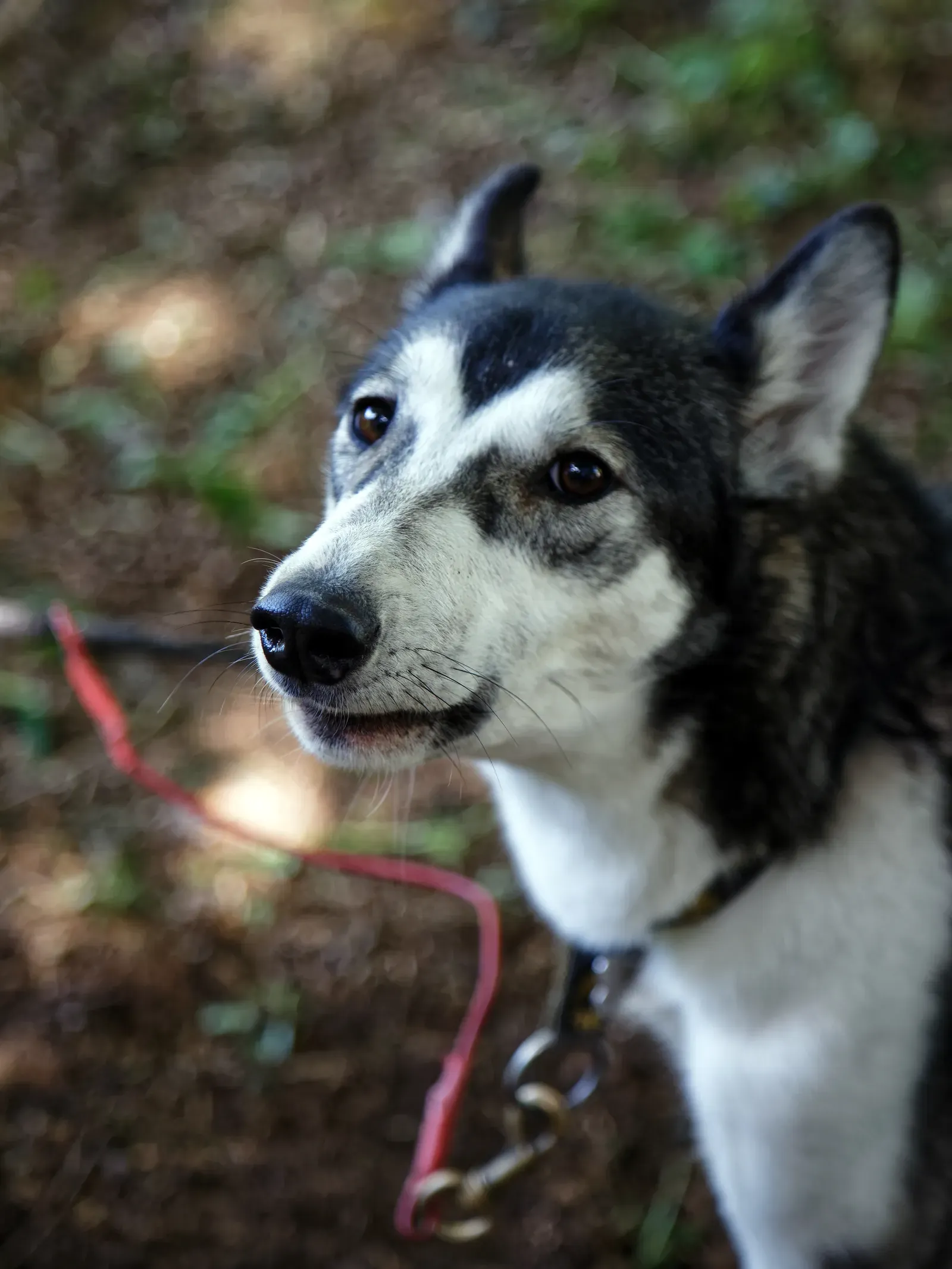
In the canine world, sustained eye contact can signal challenge or dominance, so some dogs pull back as a polite way to show respect or ease tension. This habit appears more often in certain breeds or individuals with a naturally reserved temperament. What looks like rejection to us might simply be their version of keeping the peace.
Anxiety plays a role too, especially if recent changes like new visitors, loud noises, or rearranged furniture have unsettled the household. Dogs read our moods closely and may avert their gaze when they sense stress in the room. Watching how the behavior lines up with other body language, such as tucked tails or flattened ears, helps separate calm deference from genuine worry.
Shifts in Daily Routines
Changes in schedule or attention levels can quietly reshape how a dog interacts during quiet moments. Less one on one time because of work demands or family adjustments sometimes leads to a more independent posture that includes less direct staring. The dog is not holding a grudge but adapting to the new rhythm of the home.
Training methods that emphasize calm focus rather than intense staring can also influence this habit over time. Positive reinforcement that rewards relaxed proximity instead of eye locking tends to produce dogs who feel secure without needing constant visual confirmation. Small consistent adjustments in how greetings and downtime unfold often bring the familiar gaze back naturally.
Age and Cognitive Factors
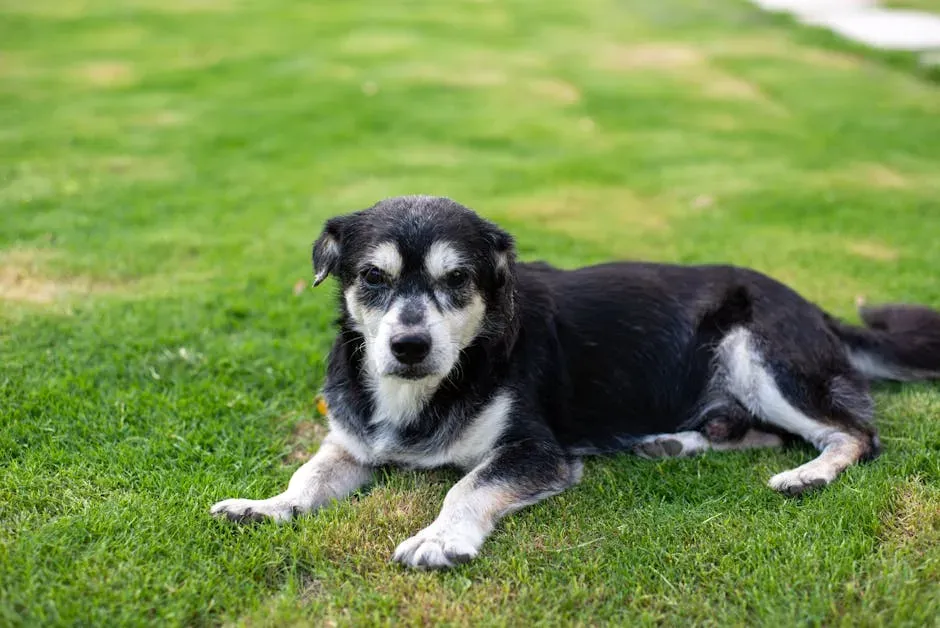
Older dogs sometimes lose interest in prolonged eye contact as vision softens or cognitive sharpness changes with the years. What once felt like an easy way to check in now requires more effort or feels less rewarding. This gradual shift appears in many senior pets and rarely signals sudden distress.
Cognitive decline can make familiar social cues harder to process, leading to a preference for side glances or peripheral awareness instead. Regular checkups that include vision and neurological assessments help distinguish normal aging from conditions that benefit from extra support. Many owners find that patience and adapted interaction styles keep the bond strong even when the eyes meet less often.
Rebuilding That Connection
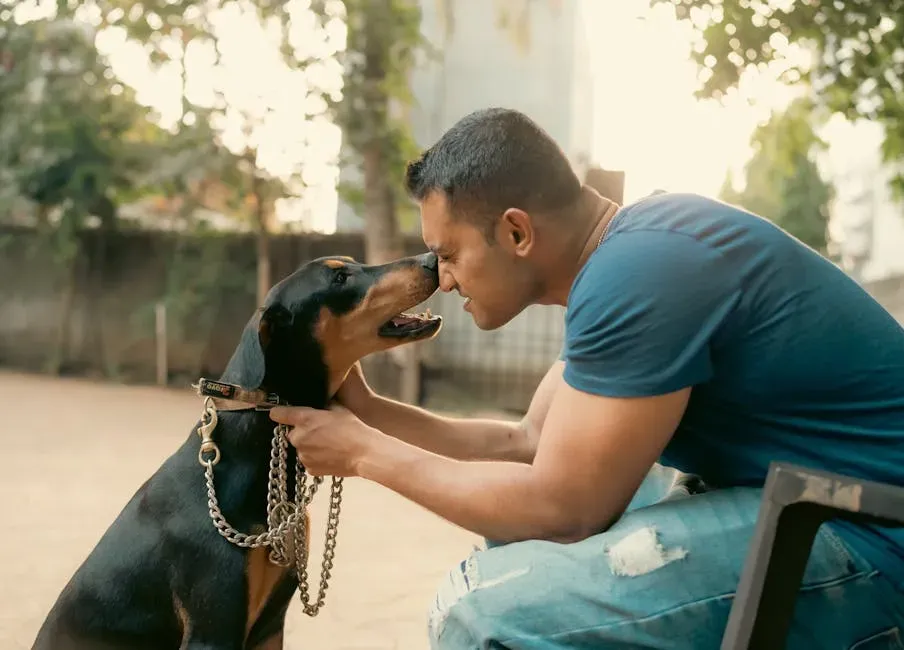
Paying attention to the full picture of your dog’s health, mood, and environment usually clarifies whether the change needs action or simply understanding. Gentle approaches like side by side walks, calm petting sessions, and familiar routines tend to invite renewed closeness without pressure. Most dogs respond well when owners meet them where they are rather than insisting on the old pattern.
Professional guidance from a veterinarian or certified behaviorist adds clarity when the shift feels abrupt or comes with other concerning signs. The real takeaway is that dogs communicate in layers, and a missing gaze is one small piece of a larger story worth reading with care. Staying observant keeps the relationship grounded in what actually matters between you and your companion.


