
More Defensive Posturing Toward Men
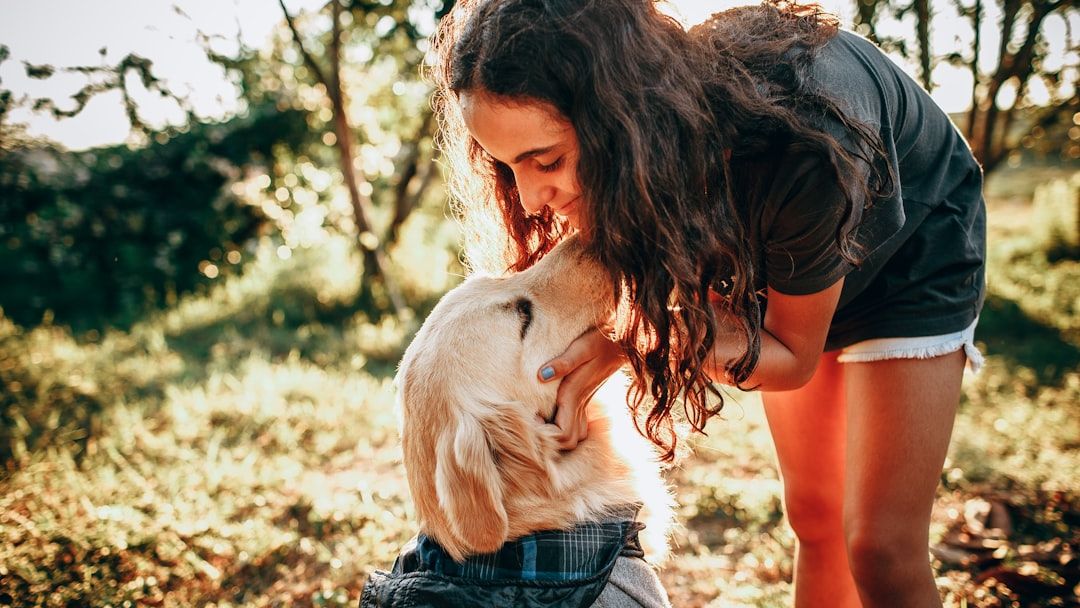
Owners frequently report that their dogs stand a little taller or hold their ground longer when an unfamiliar man enters the room. This reaction appears in several shelter studies where dogs barked more readily and maintained eye contact longer with male strangers than with female ones. The difference likely stems from men’s typically deeper voices and larger average stature, which can register as more imposing to a dog’s senses.
Still, the response varies widely by the individual dog and its past experiences. Rescue dogs in particular show this pattern more often, possibly because negative encounters with men occur at higher rates in some environments. Over time, consistent positive interactions with men can soften these initial signals.
Quicker Relaxation Around Women
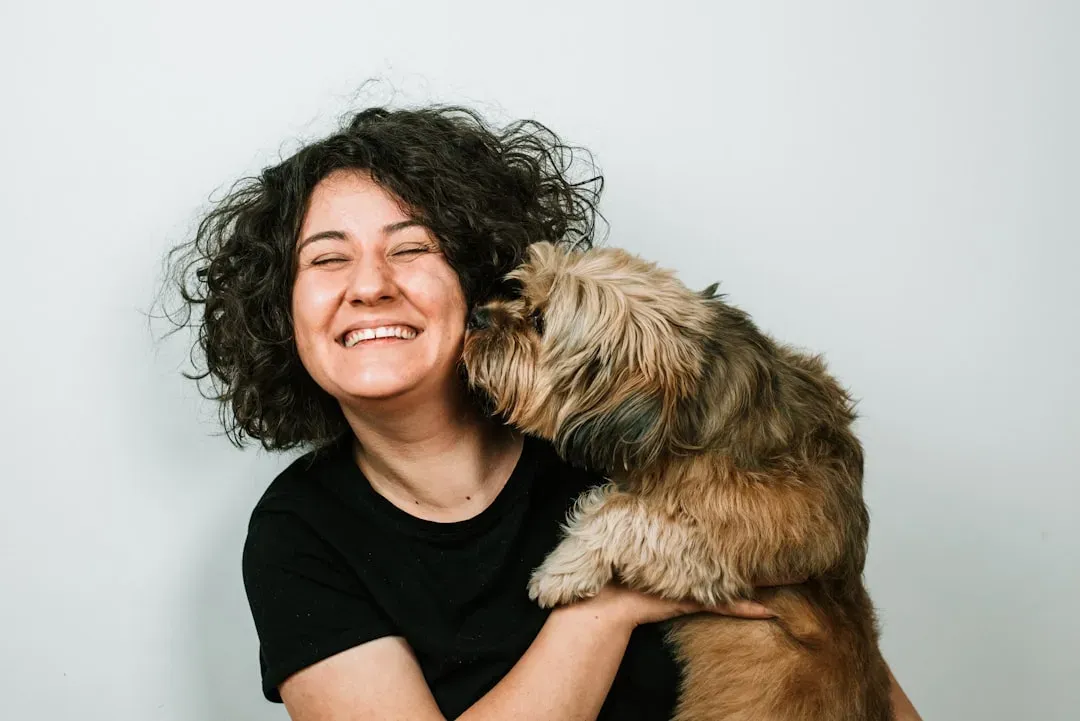
Dogs often settle into a calmer state faster when a woman approaches, with looser body language and quicker return to normal activities. Research from the late 1990s observed that dogs reduced their barking and visual focus more noticeably around women, suggesting a baseline comfort level. Softer vocal tones and gentler movement patterns probably play a role in creating that sense of ease.
Many households see this play out daily when female family members handle routine care like feeding or grooming. The dog may lean in for pets or rest nearby without the slight tension sometimes visible with male handlers. Individual personality still matters more than gender alone.
Stronger Response to Female Voices
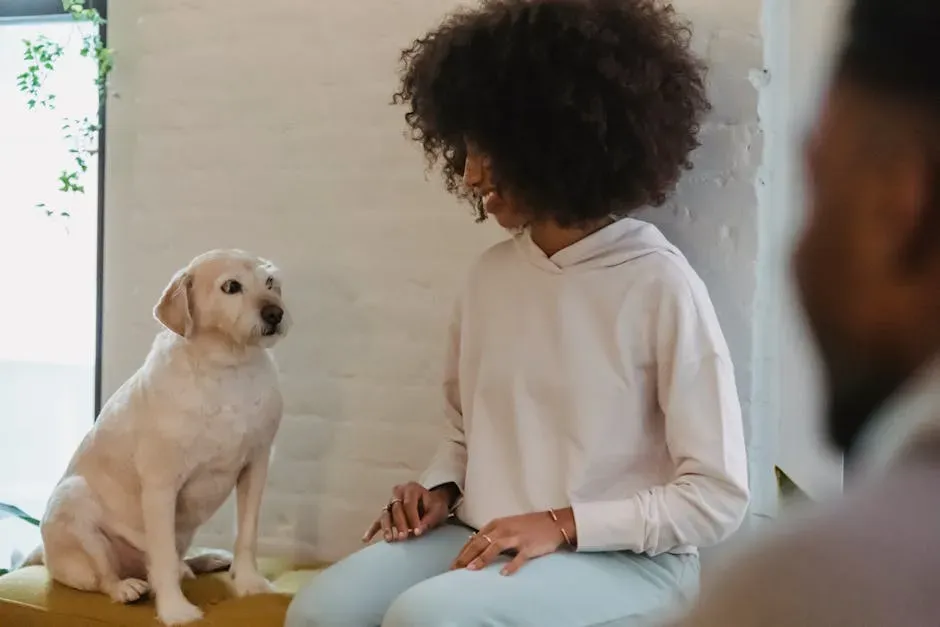
Brain imaging studies reveal that dogs show heightened activity in auditory areas when hearing women speak, especially in the higher-pitched, sing-song style often used with pets. Commands delivered in a female voice tend to elicit faster compliance in controlled tests compared with deeper male tones. This tuning likely developed because women more commonly use exaggerated prosody when talking to dogs.
In everyday settings the effect shows up as quicker head turns or immediate sits when a woman calls. Male voices can still work well with training, yet the initial draw often favors the lighter pitch. Repetition and positive association help bridge any gap.
Preference for Gentler Play Styles With Women
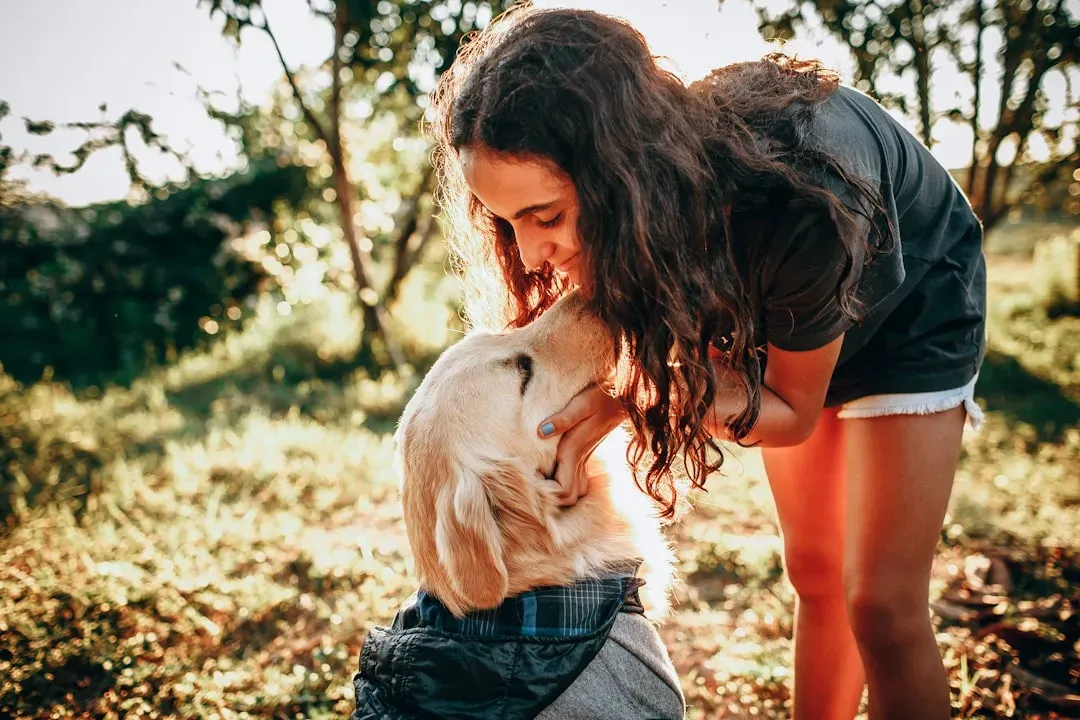
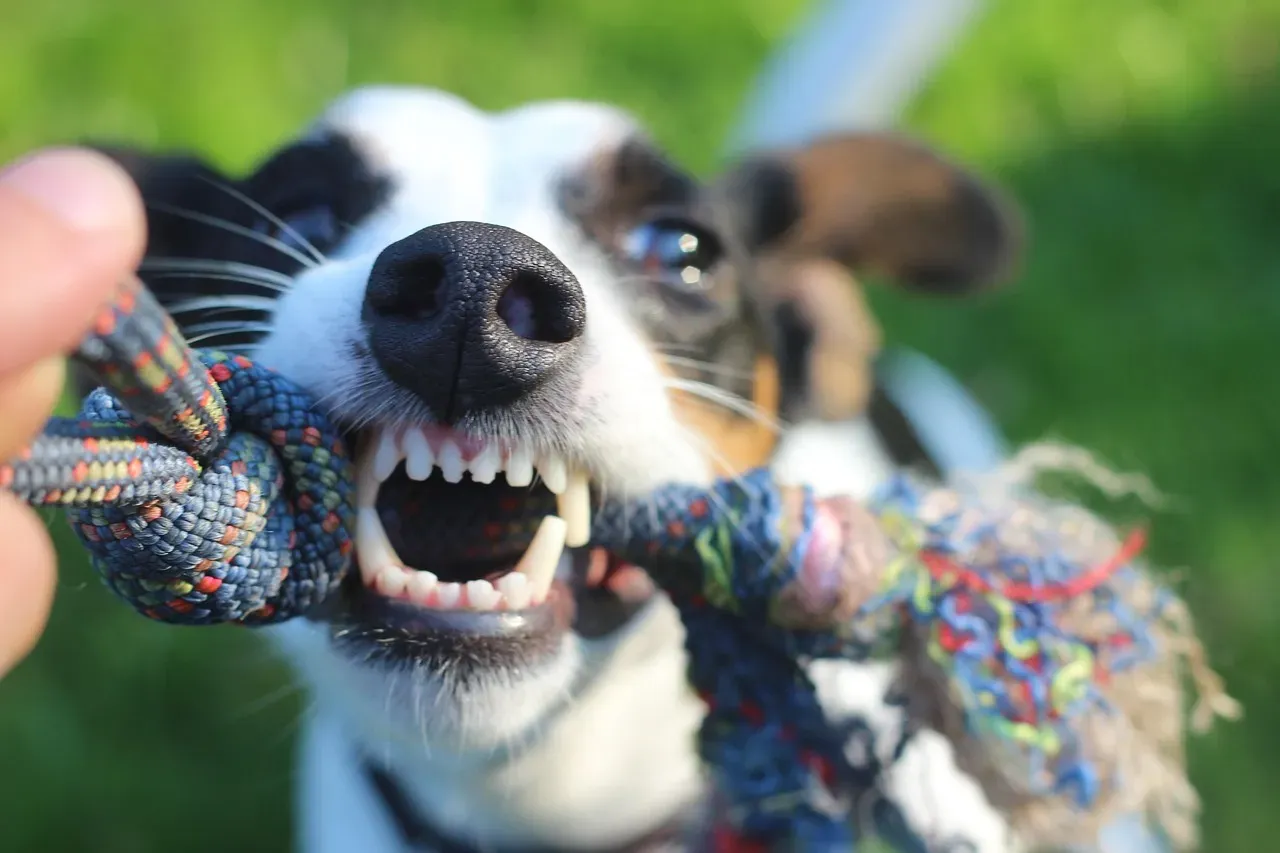
Many dogs initiate softer, more interactive games like gentle tugging or fetch when engaging with women. Men’s play often involves more physical roughhousing, which some dogs enjoy while others step back or offer appeasement signals. The difference reflects typical human movement patterns rather than any fixed preference.
Over repeated sessions dogs learn to match energy levels to the person in front of them. A dog that bounces excitedly with one man might choose calmer circles with a woman in the same household. Observation and adjustment keep interactions positive on both sides.
Heightened Scent Interest Toward Women
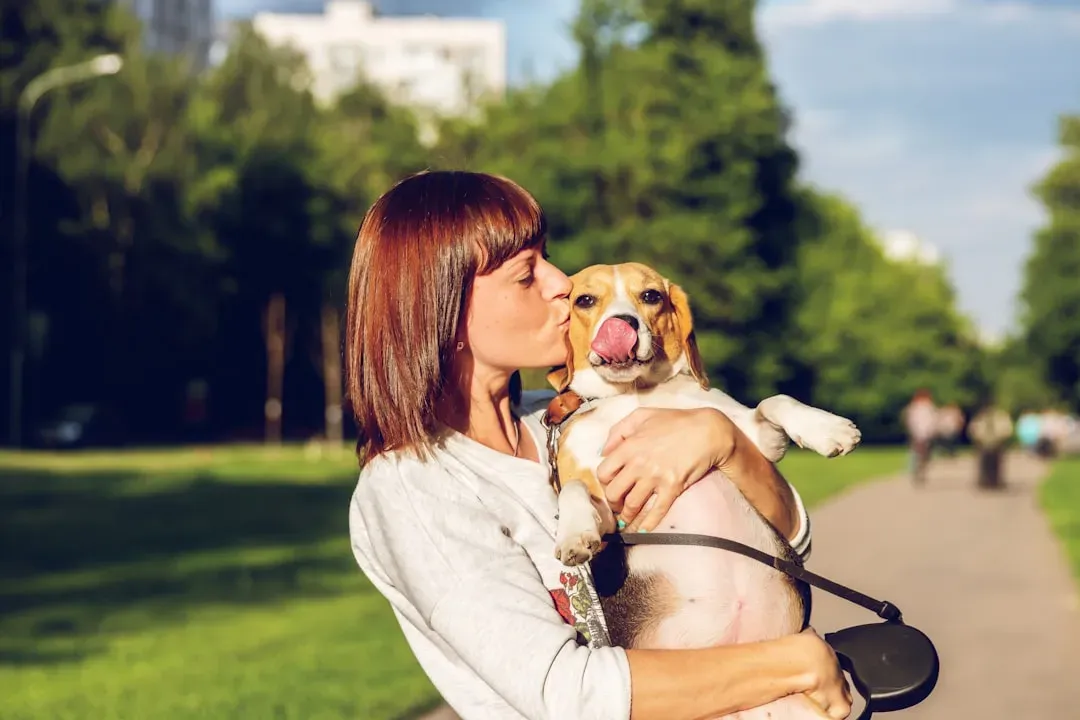
Dogs possess an extraordinary sense of smell and sometimes linger longer near women, sniffing hands or clothing with apparent curiosity. Hormonal differences and personal care products create distinct scent profiles that dogs readily detect and investigate. This exploratory behavior appears more frequently in casual observations than any dramatic avoidance of men.
The interest rarely translates into strong preference or rejection. It simply adds another layer of information dogs gather when meeting someone new. Neutered or spayed dogs show the pattern less intensely in some reports.
Greater Wariness in New Situations With Men
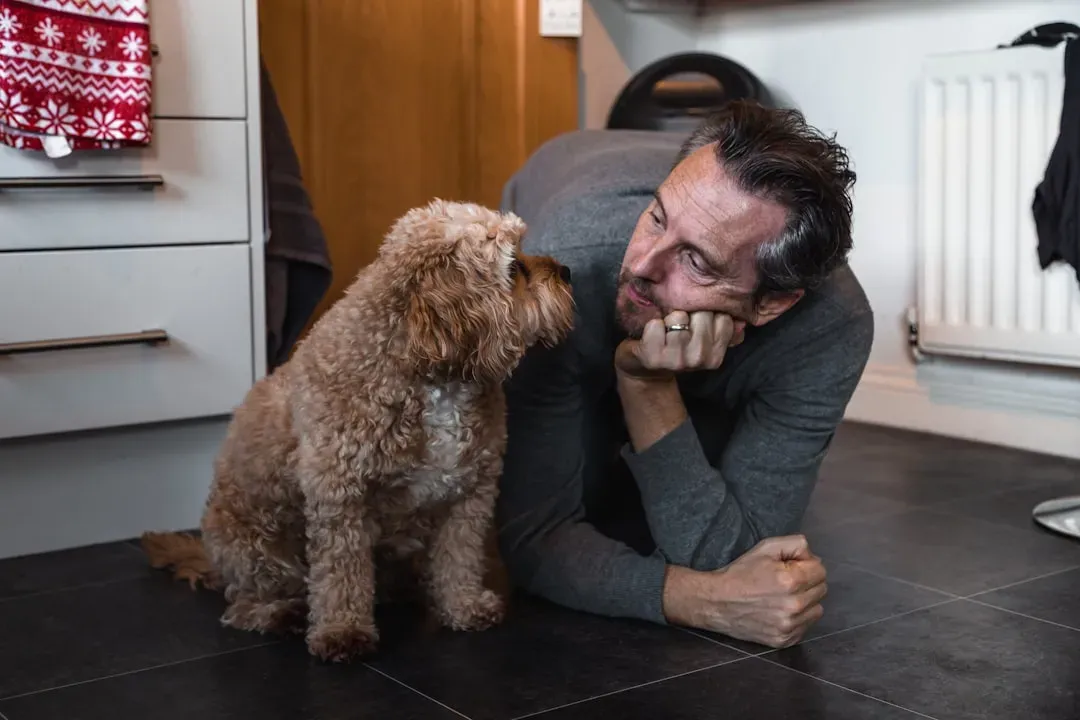
In unfamiliar settings or with new people, dogs sometimes display extra caution around men, such as staying closer to their owner or offering fewer spontaneous approaches. Shelter data and owner surveys note that male strangers trigger more avoidance or alert barking than female ones across various breeds. Size, voice depth, and movement speed contribute to this initial assessment.
Early socialization with a range of men reduces the effect considerably. Dogs raised in balanced households often greet everyone with equal curiosity once introductions begin. Patience during the first few meetings helps most dogs adjust quickly.
Stronger Bond Formation With Primary Female Caregivers
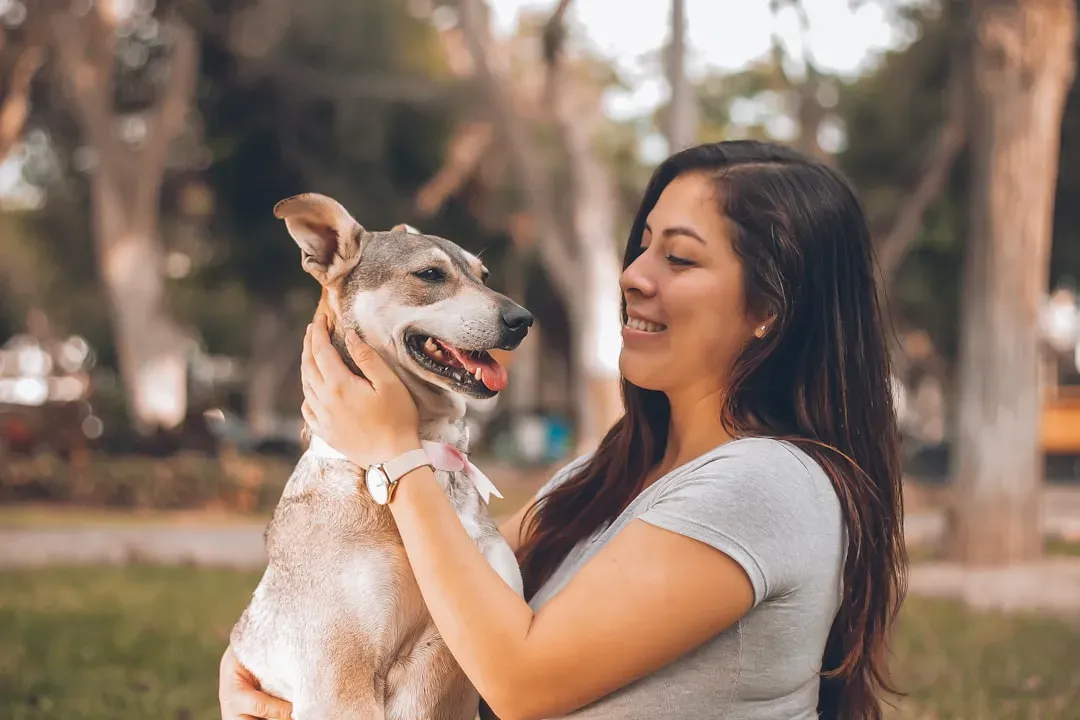
Dogs that spend the majority of their time with women frequently develop deeper attachment behaviors toward them, following more closely or seeking comfort during mild stress. This pattern emerges from daily routines rather than any innate gender bias in the dog. Consistent feeding, walking, and affection build the connection over months and years.
Male caregivers who take on similar daily roles see comparable loyalty develop. The key remains time spent and quality of interaction, not the person’s gender. Many dogs happily split their affections across the household once routines feel predictable.
Dogs read the full picture of a person, from tone and posture to scent and history. Small differences in behavior around men and women reflect those combined signals more than any universal rule. With steady, positive exposure most dogs learn to greet everyone on their own terms.


