
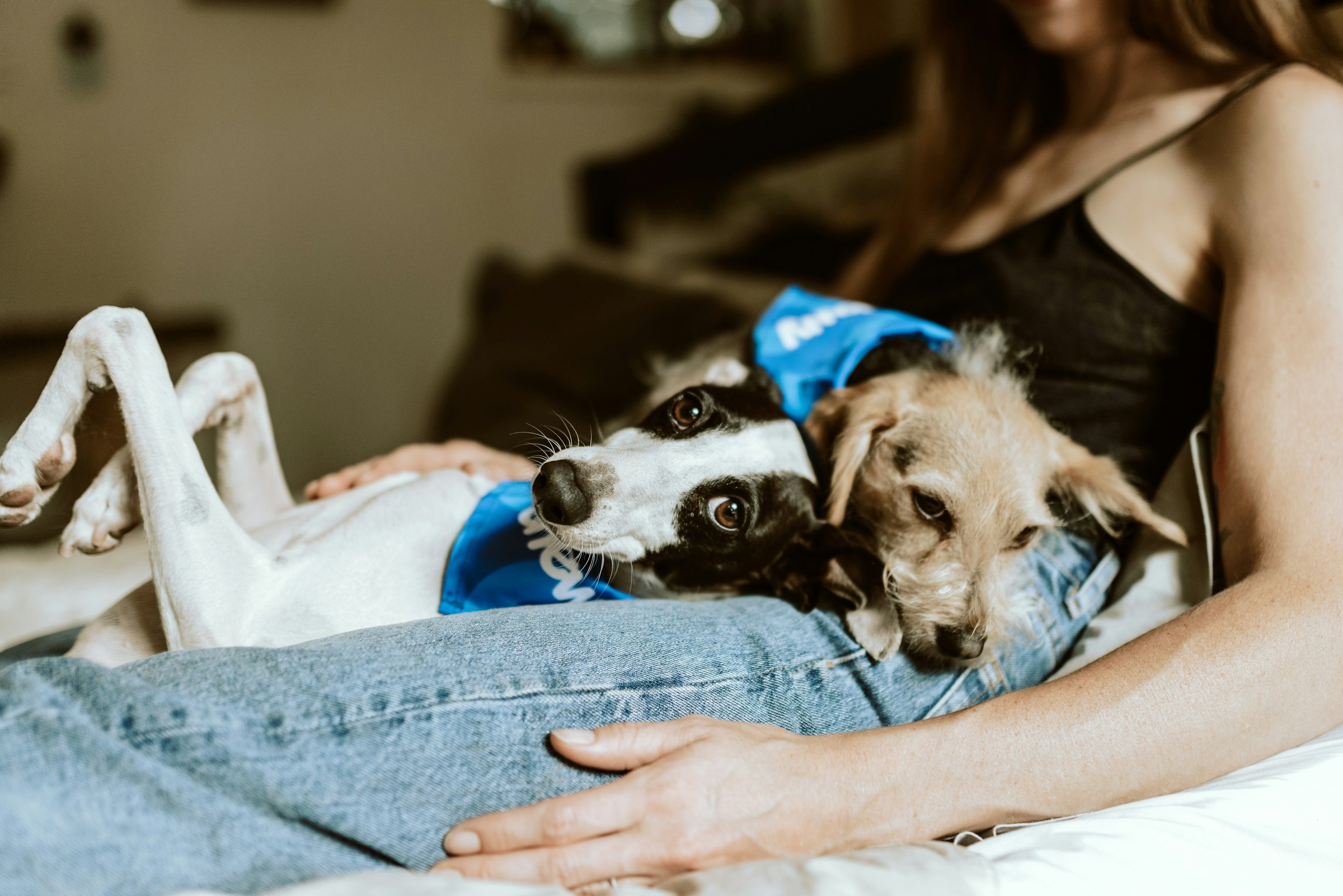
You hear it almost every night. Your dog flops onto the floor, exhales like they’ve just carried the weight of the world across the living room, and you think, “aww, tired pup.” Most owners stop right there – but that sigh is doing a lot more talking than anyone gives it credit for.
Dog behaviorists have quietly cataloged what these long exhales actually mean, and the list runs from pure contentment to something closer to a polite complaint. Some sighs are relief. Some are protest. A few are your dog gently telling you they’re not okay. Here are the 14 real messages hiding inside that one small sound – starting with the one most owners get backwards without even realizing it.
#14 – “I Finally Feel Safe Enough To Relax”

That long slow sigh you hear as your dog flops onto the couch is often a stress-release valve, not boredom. After a walk, guests leaving, or the kids finally settling down, many dogs let out a deep exhale right at the moment their nervous system flips the switch from “on alert” to “I’m good.” It’s the canine version of you collapsing onto the bed after a brutal day and muttering, “ugh, finally.”
You’ll usually see soft eyes, loose muscles, and maybe a little stretch right before or after the sigh. That combination is your dog saying, “I trust this moment. I don’t have to watch the door or worry about weird noises.” If your dog came from a shelter or a rough background, these “I feel safe now” sighs can carry an extra layer of meaning – they’re proof that your home actually feels like home to them now.
At a Glance: Signs Your Dog Feels Truly Safe
- Soft, relaxed eyes instead of darting toward doors or windows
- Loose muscles and a full-body flop rather than a tight curl
- A slow blink or easy stretch right around the sigh
- No flinching when you move or shift nearby
#13 – “I’m Content… But I Don’t Need Anything From You”
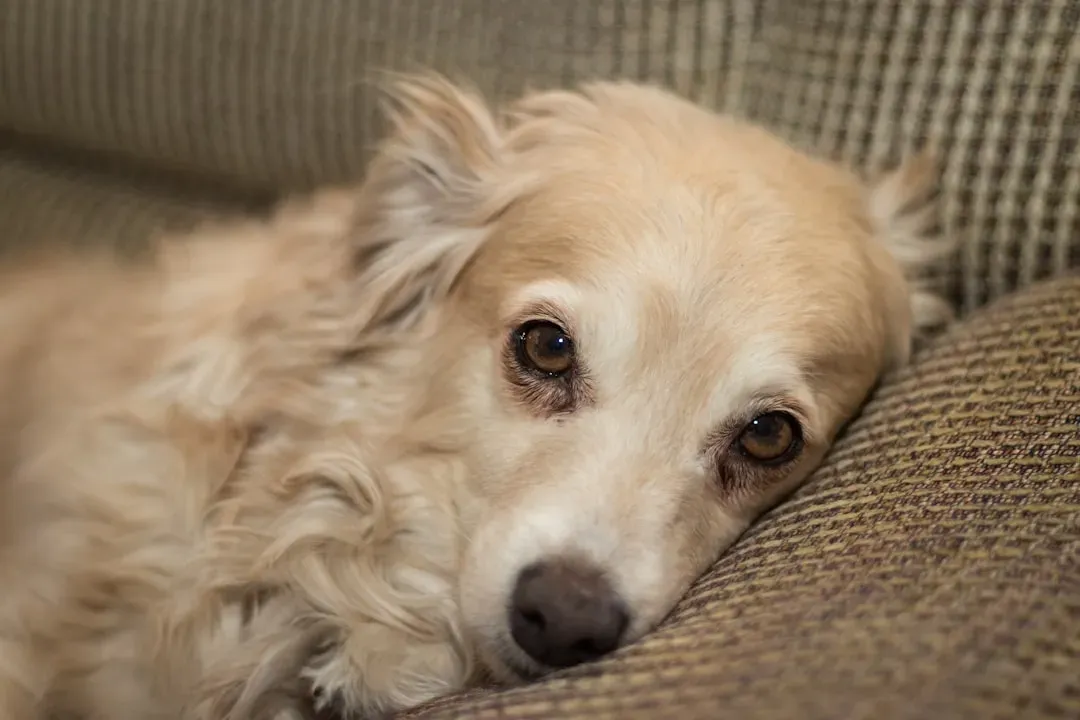
Many owners misread every sigh as a cry for attention. In reality, a lot of those long, slow exhales mean the exact opposite: “I’m satisfied. You don’t have to do a thing.” After play, a good meal, or a solid cuddle session, dogs often settle into a donut curl or sprawl on their side and let out a quiet, relaxed sigh.
Look at the body language: floppy ears, a slow blink, maybe a little tail thump against the floor. They’re not asking for more – they’re closing the tab on a good moment. Ironically, this is exactly when a lot of humans jump up to offer more toys, treats, or attention, accidentally interrupting the very contentment they helped create.
#12 – “I’m Low-Key Frustrated With You Right Now”
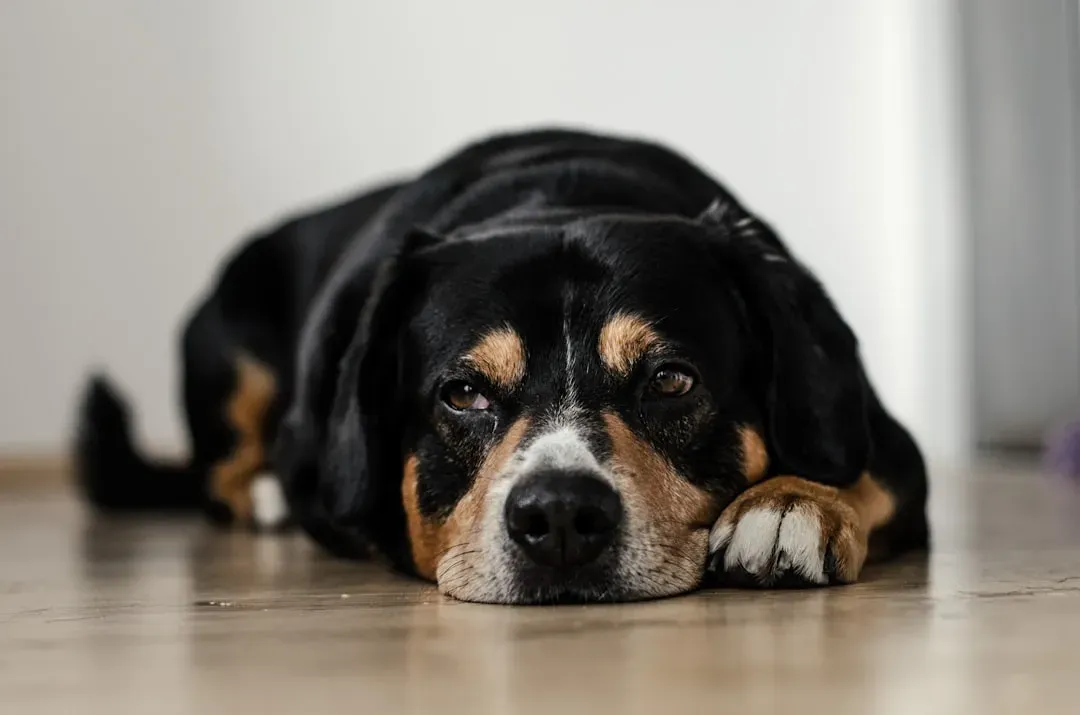
Here’s where it gets a little uncomfortable: some sighs are polite doggy complaints. When your pup stares at you, sighs dramatically, then flops down with a little thump, that’s often “I wanted something, you ignored me, and I’m giving up… for now.” Think about it – you chose your phone over fetch, or you told them “not now” for the third time in a row.
Watch for a pointed look right before the sigh, or a slightly tense body with a huff or snort mixed in. It’s not a meltdown; it’s resignation. Good owners don’t panic here, but they also don’t wave it off. Ask yourself honestly whether their real needs – exercise, mental stimulation, connection – have actually been met today, or whether you’ve just been phoning it in.
#11 – “I’m Tired, But My Brain Is Still Clocked In”

You know that sigh you let out when you’re exhausted but your brain is still spinning from the day? Dogs have that too. After a busy outing, a training session, or a chaotic family evening, a dog may lie down, stare into space, and release a slow, almost shaky exhale. Their body has clocked out, but their brain is still running the numbers.
Signs this is a mental-fatigue sigh: their eyes stay slightly open or keep tracking movement even while lying still, and their ears still twitch at sounds their body doesn’t react to. This is your cue to help them truly decompress – lower the noise, skip more excitement, give them a calm space instead of more interaction. Push through it instead, and you end up with an overtired, cranky dog who suddenly “acts out” for no obvious reason.
#10 – “You’re Giving Me Mixed Signals And I’m Confused”
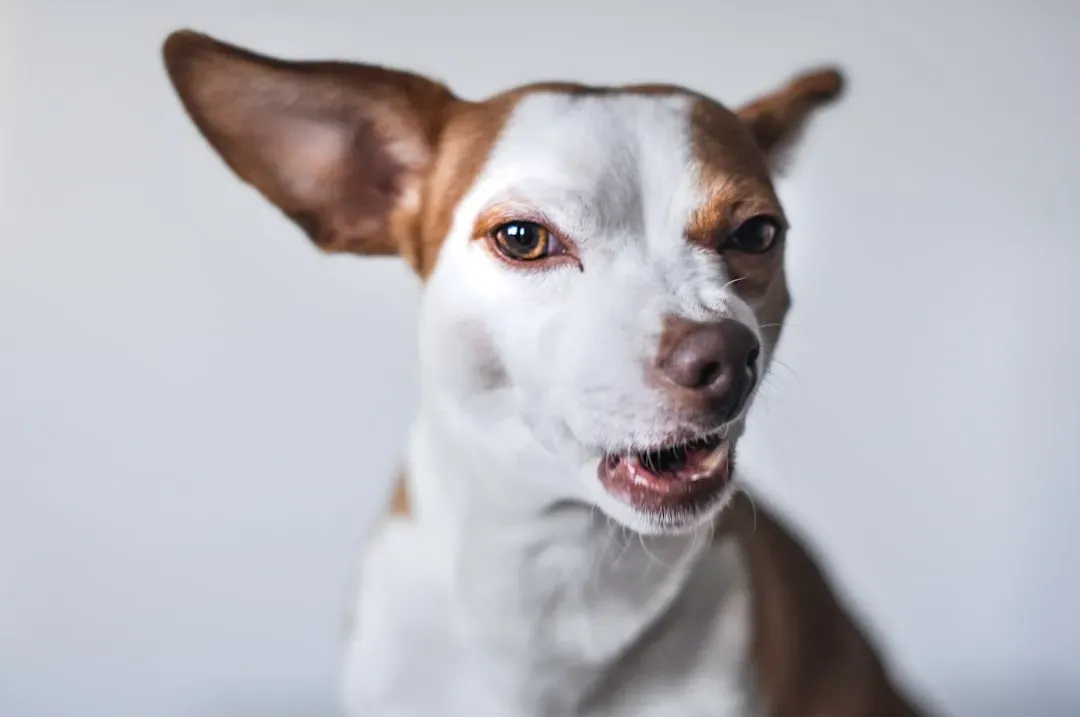
Some sighs are the sound of a dog trying very hard to be good without actually understanding the rules. If your commands shift depending on your mood – “off” sometimes, “down” other times, allowed on the couch on Tuesday but not on Wednesday – your dog may sigh in quiet confusion after trying to follow your lead and failing anyway.
Watch for a dog who offers a behavior, looks at you, then sighs and turns away. You might also see flattened ears, lip licking, or an averted gaze. This isn’t stubbornness; it’s mental overload. The sigh here says, “I tried. I’m done guessing.” Most people blame the dog, but the truth is usually that the training is fuzzy – and clearer, more consistent cues will turn these confusion-sighs into the satisfied “I did it!” kind instead.
Quick Compare: Confused Sigh vs. Content Sigh
- Confused sigh: flattened ears, lip licking, eyes darting toward you for guidance
- Content sigh: soft eyes, slow blink, body fully loose with zero tension
- Confused sigh: usually follows mixed or inconsistent commands
- Content sigh: usually follows play, a good meal, or settled cuddle time
#9 – “I’m Politely Tapping Out Of This Social Situation”
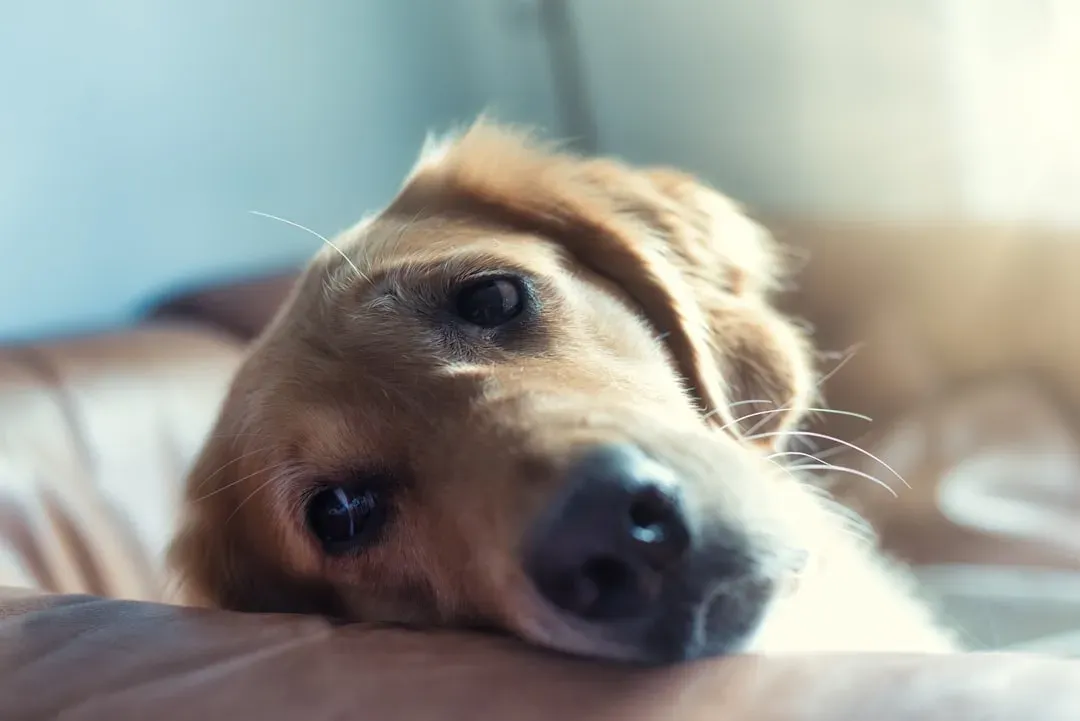
Dogs that are socially tolerant but not truly extroverted often use a long sigh as a soft “I’m over it” signal. After kids have been hugging, guests have been petting, or another dog has been in their space too long, they may drift a little farther away, lie down facing slightly away, and exhale dramatically. That’s a boundary, not attitude.
The sigh here often comes with the head turning away from the action, or a heavier-than-usual flop onto the floor or bed. Most people ignore this and push for “one more” photo, cuddle, or interaction, which is exactly how polite discomfort slides into real stress. Respect this sigh and give them space, and you’re telling your dog “I hear you” – which does more for trust than any treat ever could.
#8 – “You Just Said ‘No,’ And I’m Accepting It… Kind Of”
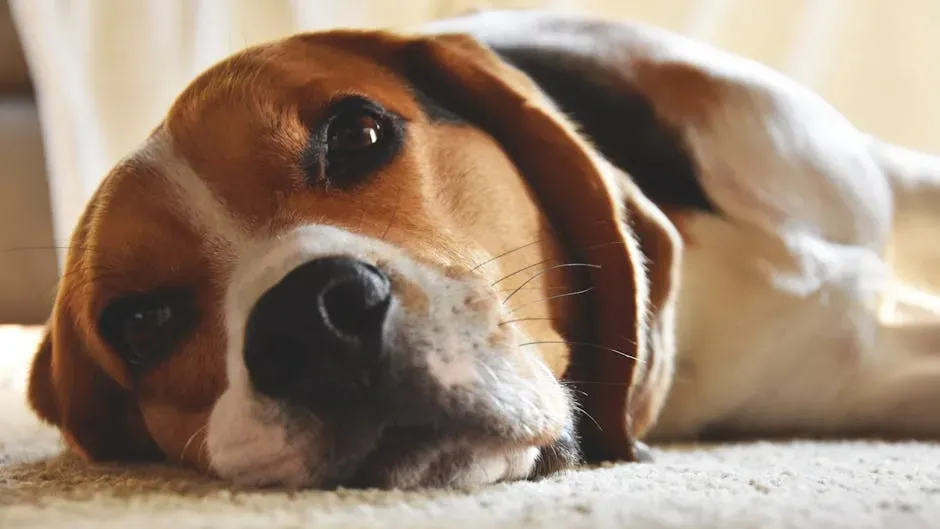
When you stop a behavior – no more begging, no jumping on the couch, no chasing the cat – and your dog responds by settling down with a big sigh, that’s often structured disappointment, not heartbreak. They heard your boundary, they’re complying, and they’re filing it away… with opinions.
Typically you’ll see a lingering look at whatever they wanted – the counter, the toy, the guest – followed by a deliberate lie-down and that slow, heavy exhale. This is actually healthy. Dogs need to learn that “no” means no, and sighing is a sign they’re shifting from pushy to resigned. The mistake owners make is feeling guilty and immediately “making it up” to the dog, which just teaches them that sighing and sulking works.
#7 – “I’m Scanning For Stress… But I Think We’re Okay”
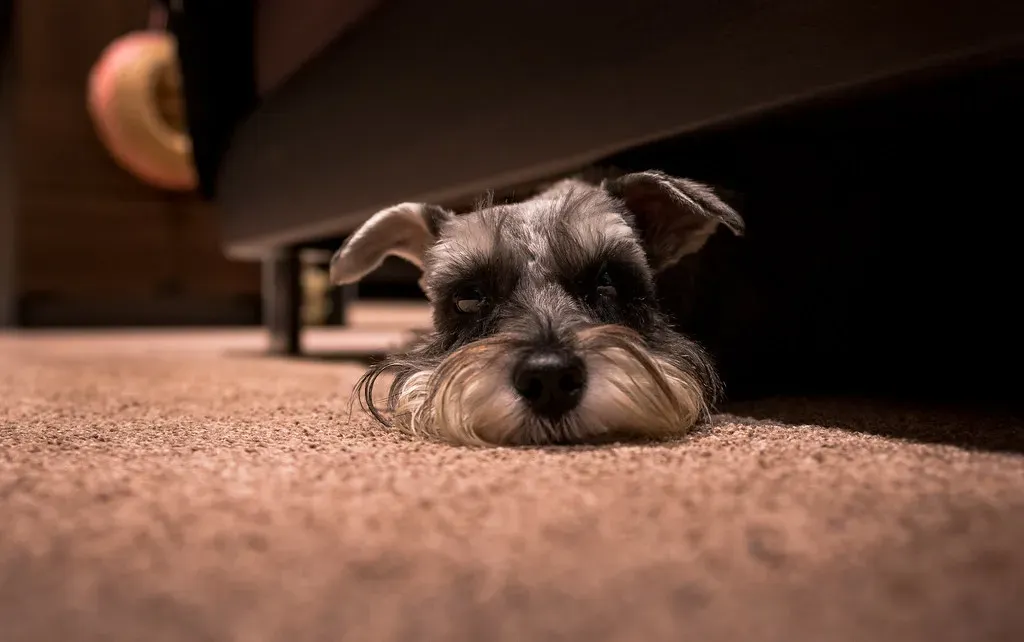
Sometimes a dog sighs in that specific moment right after they’ve checked their environment. They’ve heard a noise outside, lifted their head, maybe let out a soft “woof,” and then – nothing happens. So they lie back down and give a long sigh. That’s their nervous system powering down from mild alert.
Look for brief tension first – ears up, a slight freeze, a sniff toward the door – followed by a visible release: muscles softening, an exhale, maybe a yawn. If this pattern shows up constantly, your dog may be living on the edge of over-alert, especially in noisy apartments or busy neighborhoods. Calm routines, white noise, and predictable schedules can turn those half-anxious sighs into the genuinely relaxed kind over time.
#6 – “I’m Bonded To You… Even When Nothing’s Happening”
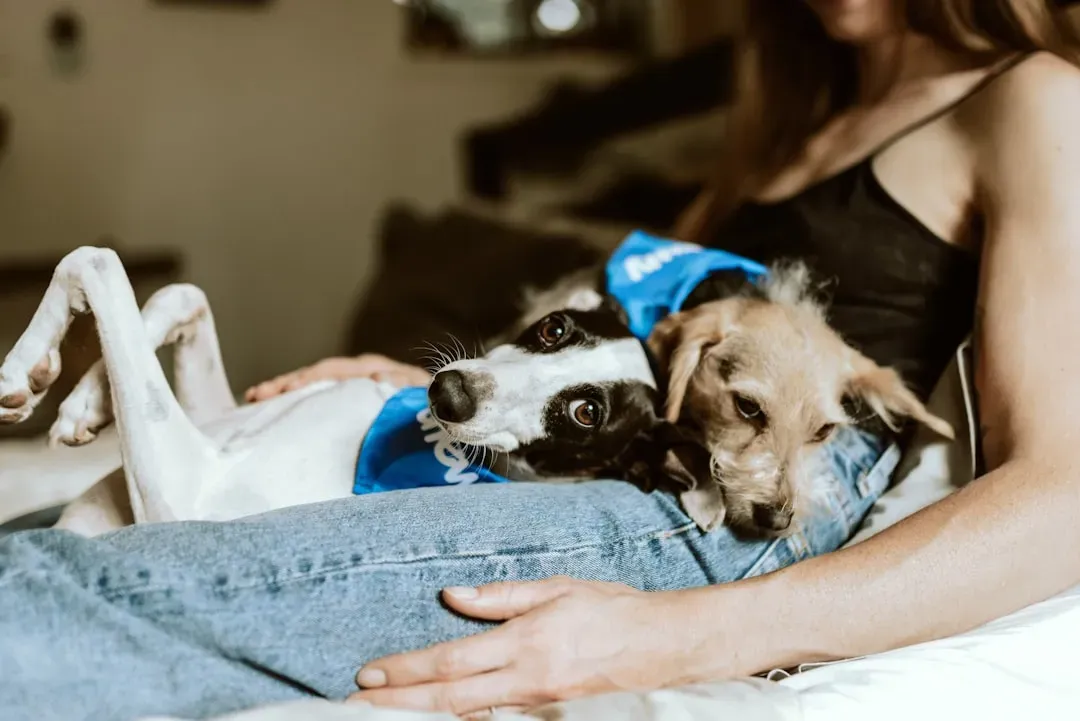
This is the one owners underestimate: the quiet sigh your dog gives while simply lying near you – on the floor by your desk, at your feet on the couch, or in their bed across the room. No big event triggered it, no obvious need behind it. That sigh often means, “Existing near you feels right.”
You’ll notice they’re oriented in your direction even without touching you, and their breathing slows after the sigh as their eyes close fully. It’s low-key, unspectacular affection – not the Instagram-worthy hug, but the everyday “I like being in your orbit” energy that securely attached dogs show. Ironically, this is the connection a lot of people miss entirely while chasing flashy tricks or constant entertainment.
Why This Sigh Stands Out
- It shows up with zero triggering event – no walk, no guest, no treat involved
- Your dog stays angled toward you even without any physical contact
- Breathing slows and eyes fully close right after the exhale
- It’s one of the clearest everyday signs of a securely attached dog
#5 – “I’m Bored… But Too Checked Out To Make A Fuss”
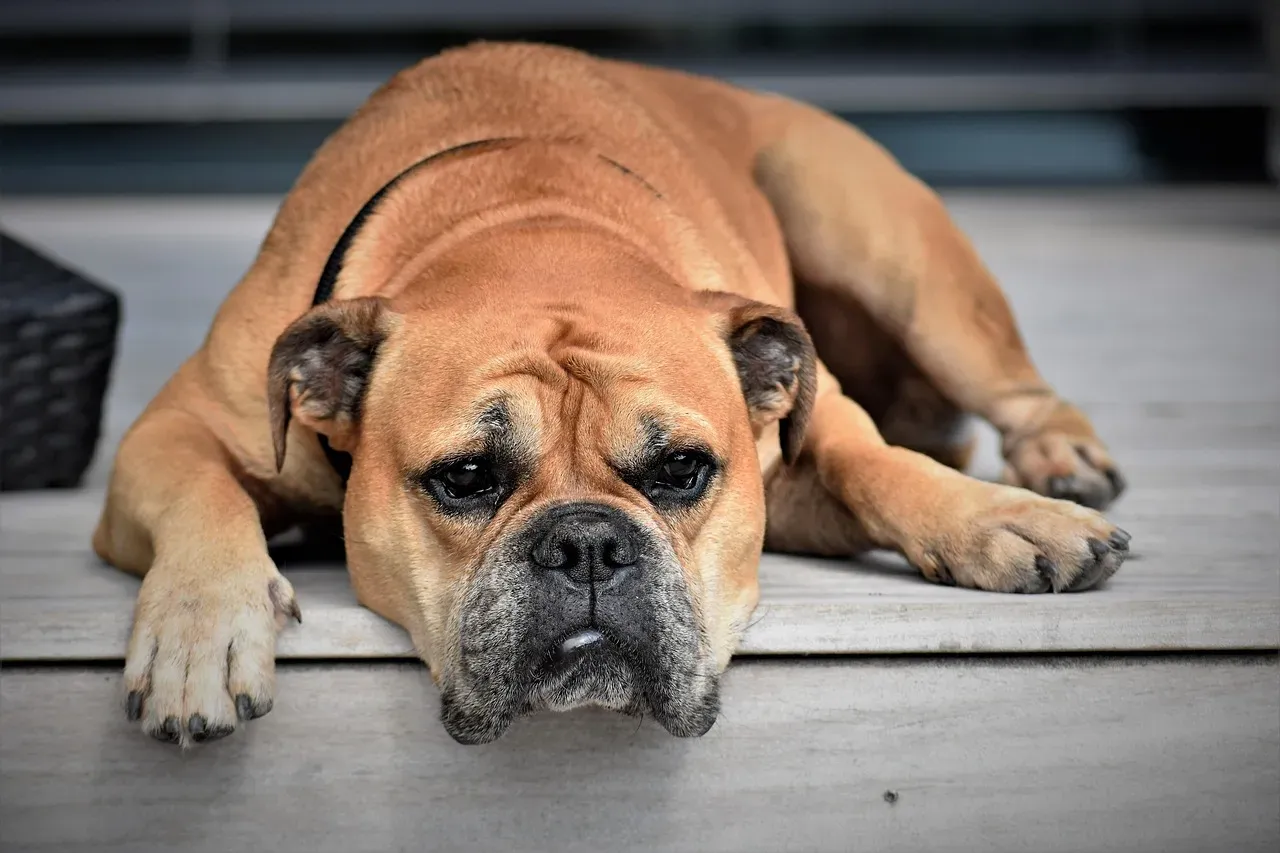
Yes, sometimes the sigh really is boredom. But not the active, “let’s go!” kind. It’s passive, defeated boredom – the version where your dog has already given up trying to get you engaged. They’ve done the paw tap, the play bow, the toy drop. You’ve ignored all of it. So they plop down, stare at nothing, and sigh.
The key difference from contentment: their eyes look a bit dull or “far away,” with no tail wag and no relaxed stretching – just stillness. A lot of “good” dogs who never make trouble get stuck here far more often than people realize. If the sigh comes after rejected attempts to interact, that’s your wake-up call to schedule movement, sniff time, or training games – not just more cuddle time on the couch.
#4 – “I’m Physically Uncomfortable, But Trying To Stay Chill”
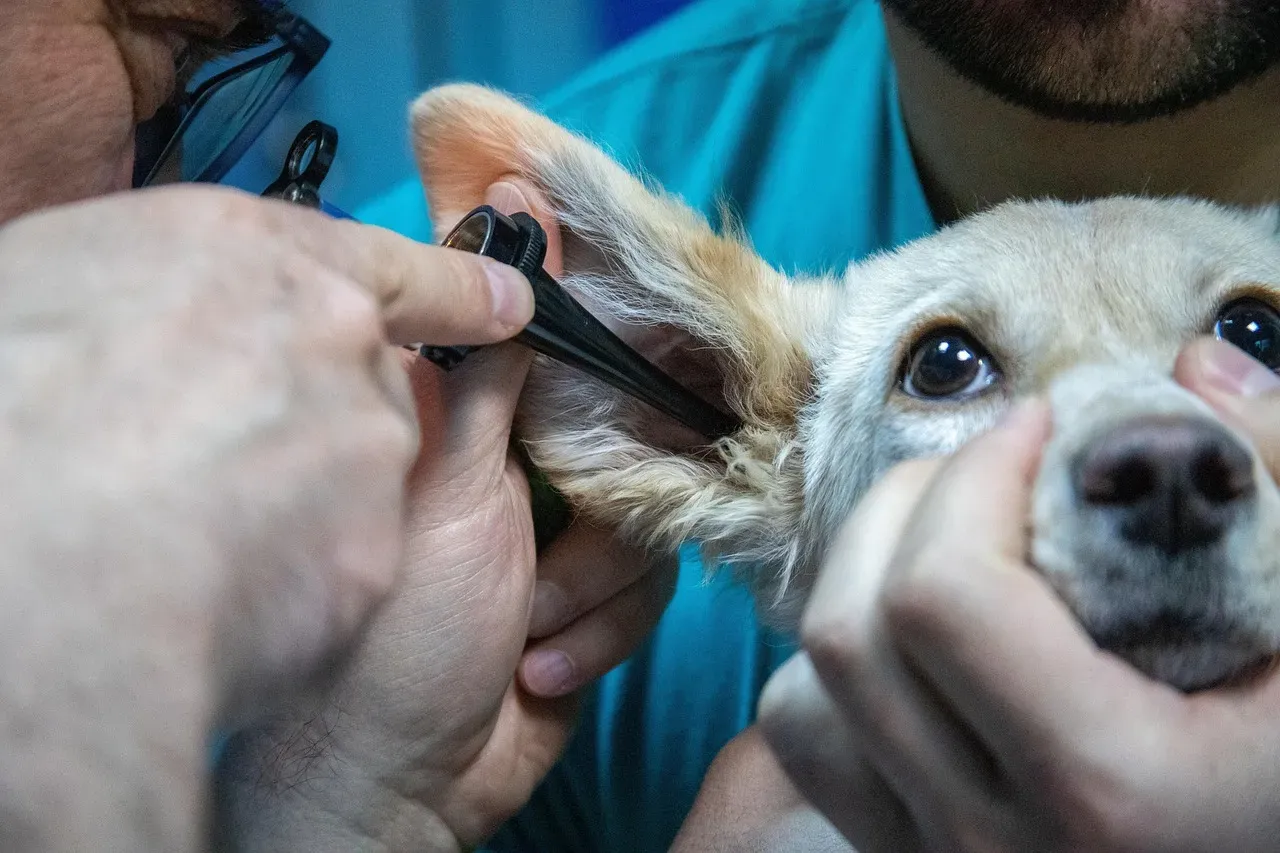
Here’s the one people don’t like to think about: sometimes a long sigh is your dog trying to settle despite pain or discomfort. Older dogs with arthritis, pups recovering from surgery, or dogs with sore muscles may shift position, groan lightly, and sigh only once they’ve finally found a spot that hurts a little less.
Watch for frequent repositioning before the sigh, stiffness when getting up, reluctance to jump, or subtle limping. If the sighs are paired with these physical signs, don’t write it off as “cute old-dog noises.” They may be communicating, “I’m dealing, but this isn’t easy,” and it’s worth a vet check – a lot of pain in dogs goes under-treated simply because it gets mistaken for normal aging.
Worth Knowing: When A Sigh Signals Pain
- Frequent repositioning, shifting, or a light groan before settling
- Stiffness when standing up or noticeable reluctance to jump
- Subtle limping or uneven weight on one leg
- A sigh paired with these signs is worth a vet visit, not a shrug
#3 – “This Routine Is Predictable… And Honestly A Little Dull”

Dogs actually like routines, but they can get emotionally stuck in them too. When your dog seems to sigh at the same times every single day – after the same short walk, the same quick potty break, the same rushed evening – it might be a subtle protest against a life that’s a little too small for them.
Clues this is a “life is fine, but meh” sigh: they perk up briefly for the usual activity, then deflate the moment it’s over, without ever misbehaving or showing much excitement. A lot of well-cared-for dogs live in this gray zone – food is good, the bed is comfy, but there’s not enough challenge, novelty, or sniffing the world. Switching up routes, adding puzzle feeders, or doing five minutes of training can turn these routine sighs into genuinely tired, fulfilled ones.
#2 – “I’m Matching Your Vibe – And You’re More Stressed Than You Think”

Dogs are emotional mirrors. If you come home drained, flop on the couch, and let out a huge sigh, don’t be surprised when your dog lies down, stares at you, and does the exact same thing. They co-regulate with you, for better or worse – which means sometimes their sigh is less about them and more about what they’ve soaked up from you all day.
You may notice they sigh right after you do, or right when you visibly crash after work, shadowing you more on stressful days before settling into a synchronized exhale. It’s sweet, but it’s also a quiet red flag: your dog might be riding your emotional roller coaster with you. Building calm, consistent rituals – like a short decompression walk after work – helps both of you shift from wired to relaxed instead of dumping your stress straight onto them.
#1 – “I Trust You Enough To Show You My Vulnerable Side”
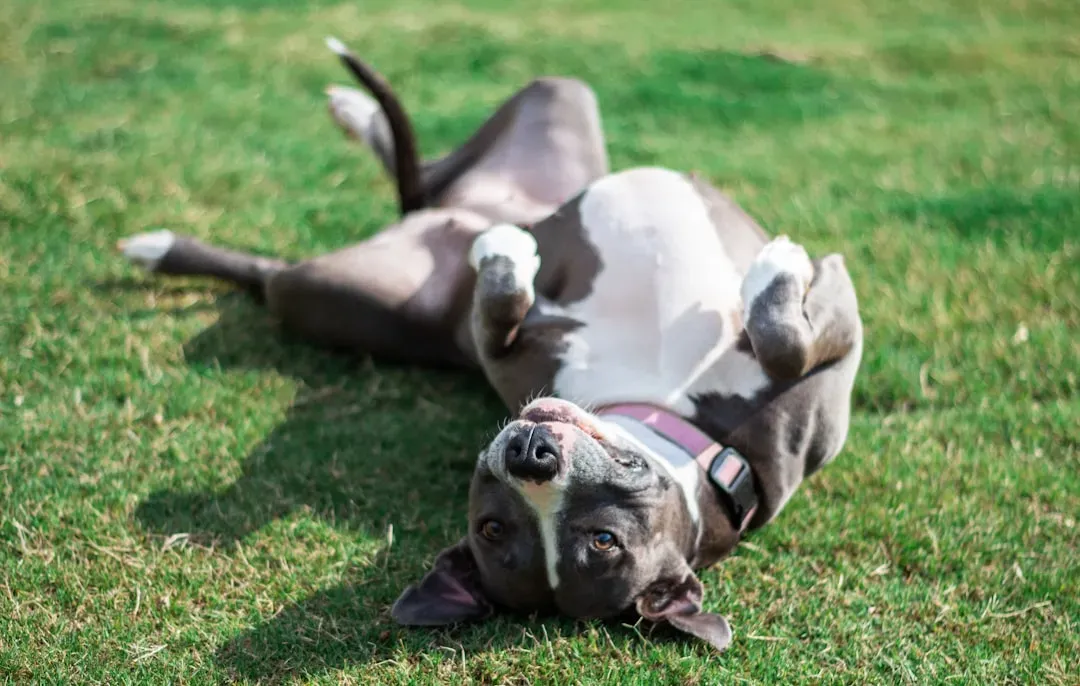
The most powerful meaning behind that long, slow sigh is emotional transparency. When a dog stretches out fully, exposing their belly or turning their back to you, and then exhales in that soft, heavy way, they’re doing something genuinely risky in dog language: relaxing their guard completely in your presence.
Look for a loose, sprawled posture instead of a tight curl, and zero startle response when you move slightly or shift your weight nearby. That sigh isn’t just “I’m sleepy.” It’s “I believe nothing bad happens to me when you’re around.” Dogs that never fully relax – the ones that always sleep half-curled, facing the door, or popping up at every sound – usually aren’t there yet. When your dog finally gives you one of these honest, vulnerable sighs, it’s the loudest silent “I love you and I feel safe” they know how to give.
The Bottom Line
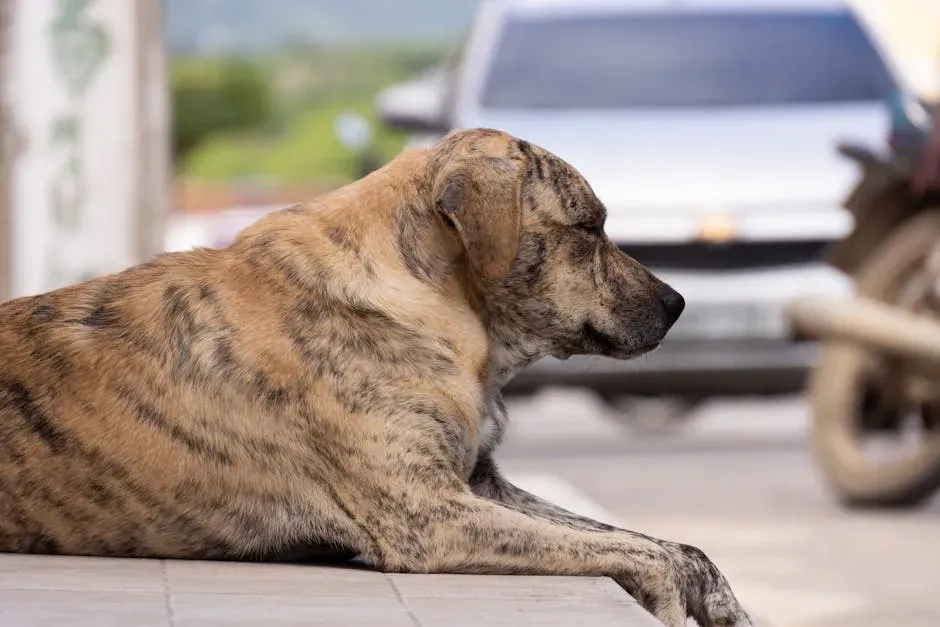
Your dog’s long, slow sigh is almost never random background noise. It’s a tiny, daily truth bomb about how they feel in their body, in your home, and in your relationship with them. Sometimes it’s comfort, sometimes it’s a quiet complaint, and sometimes it’s a red flag for pain or under-stimulation that’s easy to miss.
Here’s the uncomfortable part: a lot of “easy, good” dogs are actually just resigned, and their sighs are the only honest feedback they ever give us. If you start really listening – not just hearing – you’ll probably realize you’ve been missing half the conversation your whole time together. So which one of these sighs sounds exactly like your dog, and be honest: do you think most owners over-interpret these moments, or completely miss them?


