
12 Essential Items Every New Dog Owner Needs to Buy (Before Bringing Puppy Home)
Picture this: it’s the night before your puppy comes home. You’re excited, maybe a little terrified, and suddenly you’re staring at an empty living room wondering if you’ve forgotten something important. Trust me, nearly every new dog owner has been there. That swirl of joy mixed with “am I actually ready for this?” is completely normal.
Here’s the thing though. The difference between a chaotic first week and a smooth, joyful one often comes down to preparation. Not perfection, just preparation. The right supplies, waiting and ready before that tiny tornado of fur walks through your door, can change everything for both of you.
So let’s get into it. Whether you’re a first-timer or it’s been years since you last raised a pup, this list is your trusted starting point.
1. The Right Puppy Food (and a Smart Feeding Schedule)
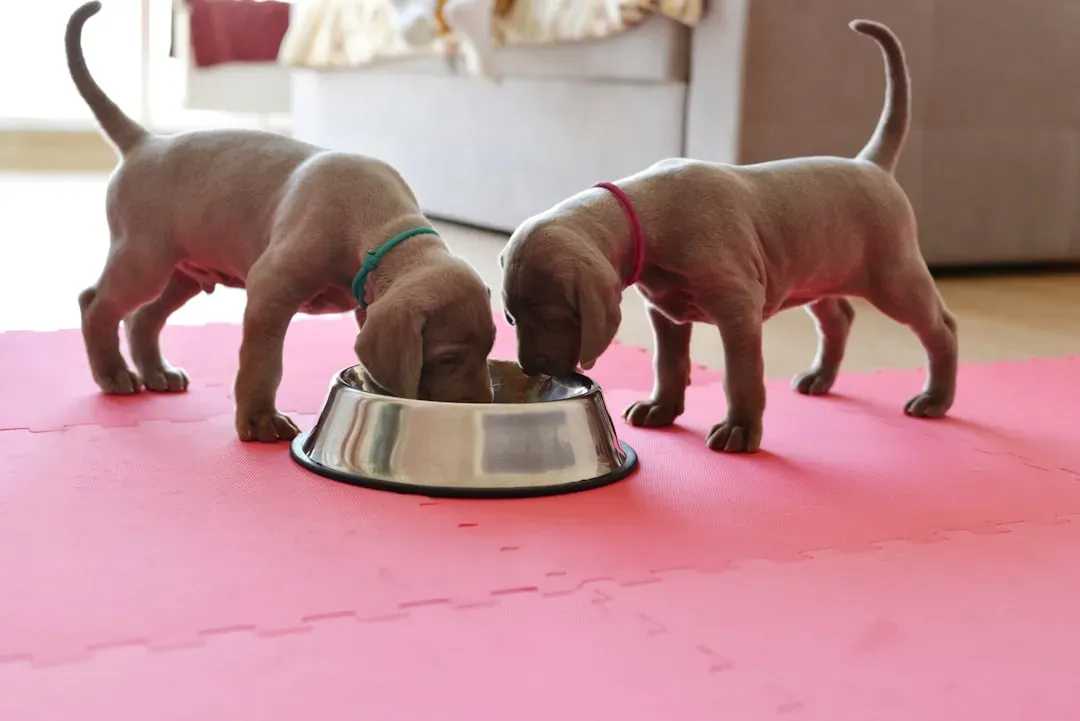
Let’s be real, puppy nutrition is not as simple as grabbing whatever bag is on sale. Feeding your puppy a well-balanced, age-appropriate diet is crucial for healthy growth. The formula that works beautifully for a tiny Cavalier King Charles Spaniel is not necessarily the right choice for a growing German Shepherd.
Choose an AAFCO-approved formula designed for growth, selecting a large-breed specific formula if needed. No matter which food you choose, make sure you’re feeding the correct amount. Puppies usually need at least three meals a day. Think of it like a toddler’s schedule – consistency is everything.
2. Food and Water Bowls That Are Actually Safe
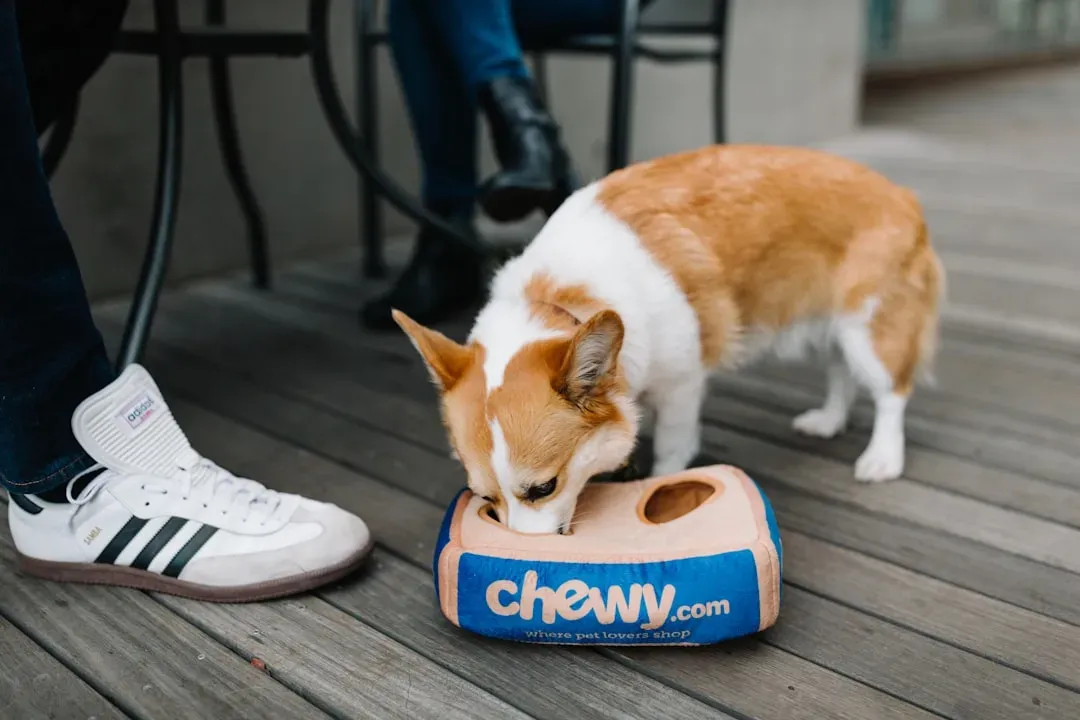
Here’s something most people overlook when shopping for a new pup. The bowl material genuinely matters. Stainless steel, stoneware or ceramic dog bowls are preferred over plastic, which can harbor bacteria if not well cleaned. Dishwasher-safe bowls will make regular cleaning easier.
Non-slip bases prevent spills, while elevated feeding stations can help larger breeds eat more comfortably. Also consider getting a slow-feed bowl if your pup tends to inhale food at lightning speed. Slow-feed bowls help prevent gulping and digestive issues, and non-slip mats reduce messes. Simple upgrades, big difference.
3. A Crate That Feels Like Home, Not a Punishment
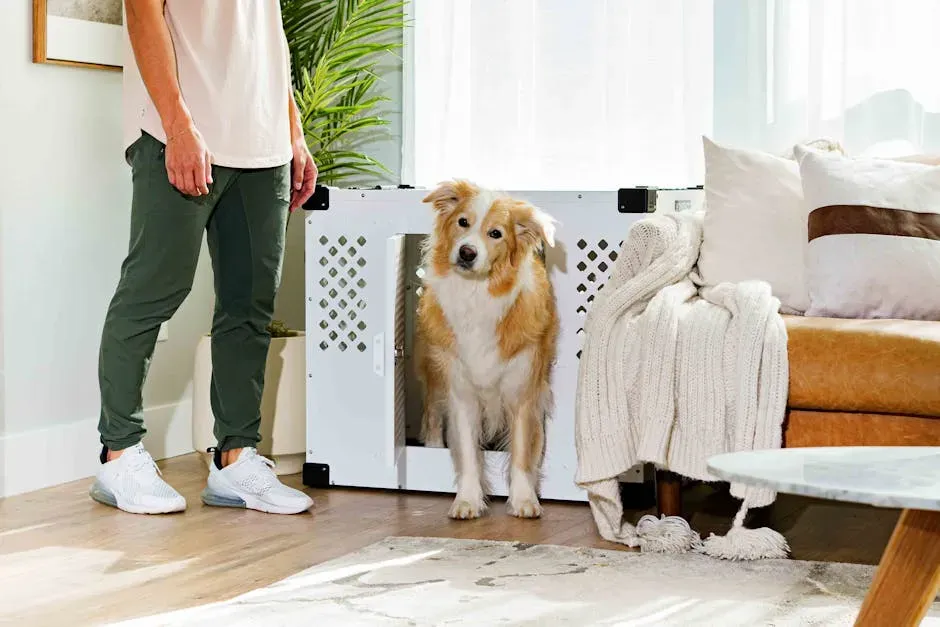
Honestly, the crate is probably the most misunderstood item on this list. Many new owners feel guilty using one. I get it. But here is what experienced trainers will tell you every single time: a dog crate is one of the most important puppy essentials before you bring your puppy home. It can give your new puppy some much-needed downtime and keep them safe and comfortable.
When ordering a crate for your puppy, buy one big enough so that it can stretch out and stand up in it when fully grown. A great trick is choosing a crate with a built-in divider. Some crates come with a divider so you can adjust the size of their space – buy the size they’re likely to need when they’re an adult, and then move the divider as they grow. Never use the crate as a timeout space. Keep it cozy and positive.
4. A Comfortable, Washable Puppy Bed
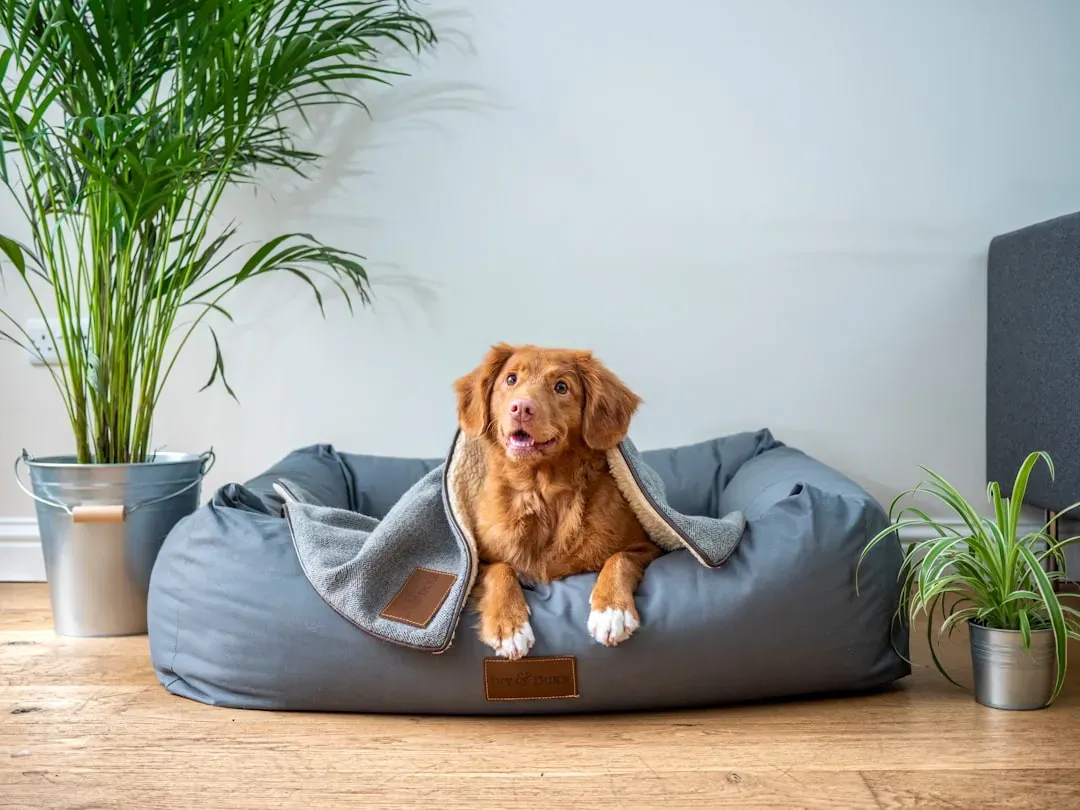
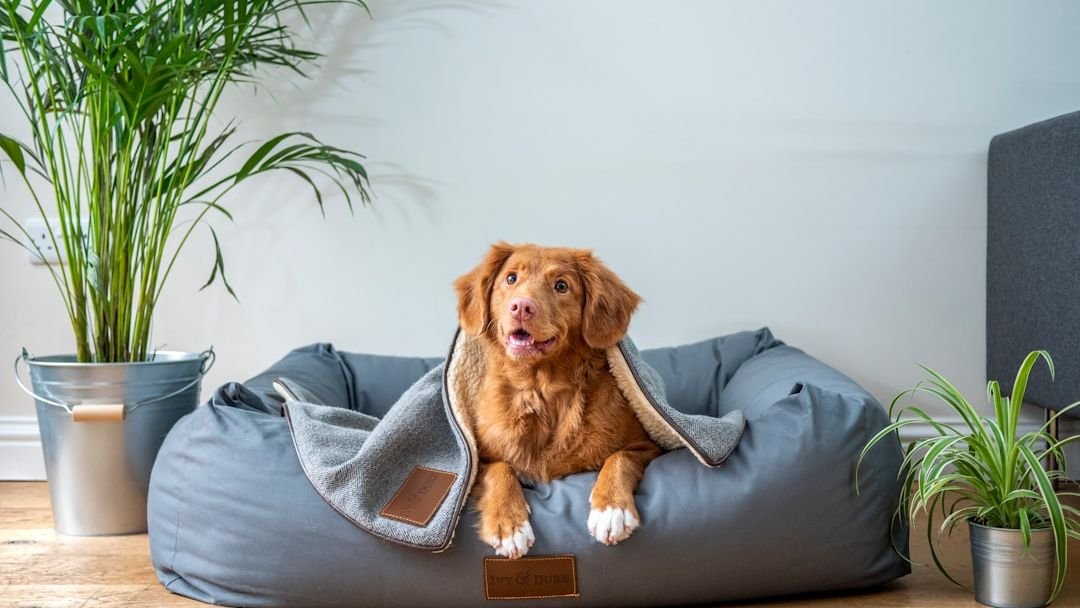
Your pup is leaving behind everything familiar – their mom, their littermates, every smell they’ve ever known. A proper bed can ease that transition significantly. A donut-shaped bed covered in faux fur can be a game-changer in calming anxiety as it mimics their mom’s warmth. It’s like giving them a tiny hug they can snuggle into at midnight.
A puppy bed should ideally have a non-slip, water-resistant backing to contain accidental liquid messes. Look for a bed that is easy to wash in the washer and dryer. Because accidents will happen. That’s just the truth of puppyhood, and you want a bed you can throw in the wash without drama.
5. Collar, Harness, and Leash (The Holy Trinity of Walks)
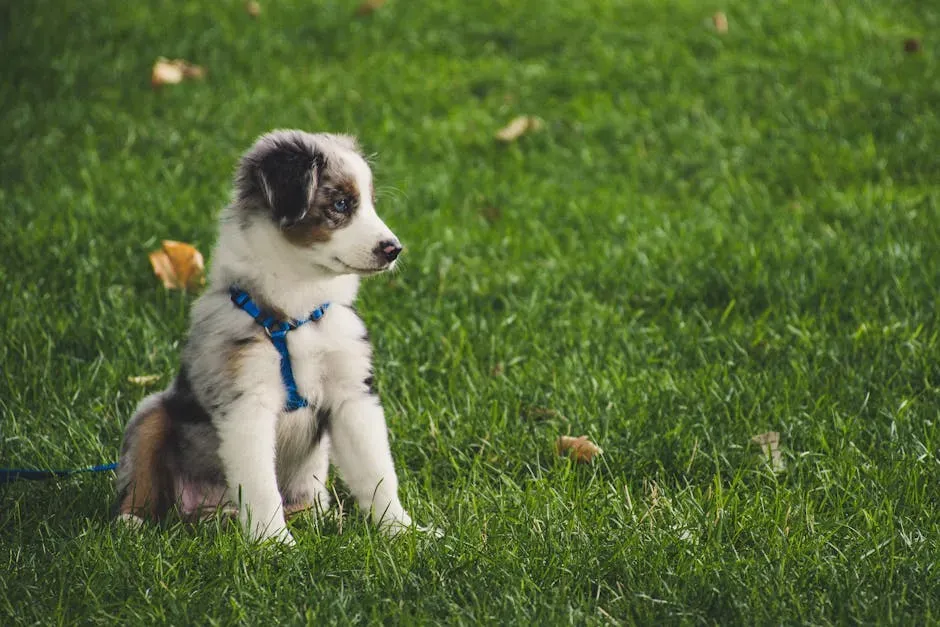
Before your puppy steps one paw outside your front door, these three items need to be ready and properly fitted. A secure collar, properly fitted harness, and reliable leash are the foundation of safe outings. Collars should be adjustable and comfortable, with enough space to fit two fingers between the collar and your puppy’s neck.
For better control and reduced risk of neck injury, especially with small or brachycephalic breeds, a harness is recommended for walks and training. Think of a harness like a seatbelt – your puppy might resist it at first, but you’ll both be glad it’s there. An adjustable dog collar is best at this stage since your puppy will grow quickly. Check the fit almost daily in those early weeks.
6. ID Tag and Microchip Registration
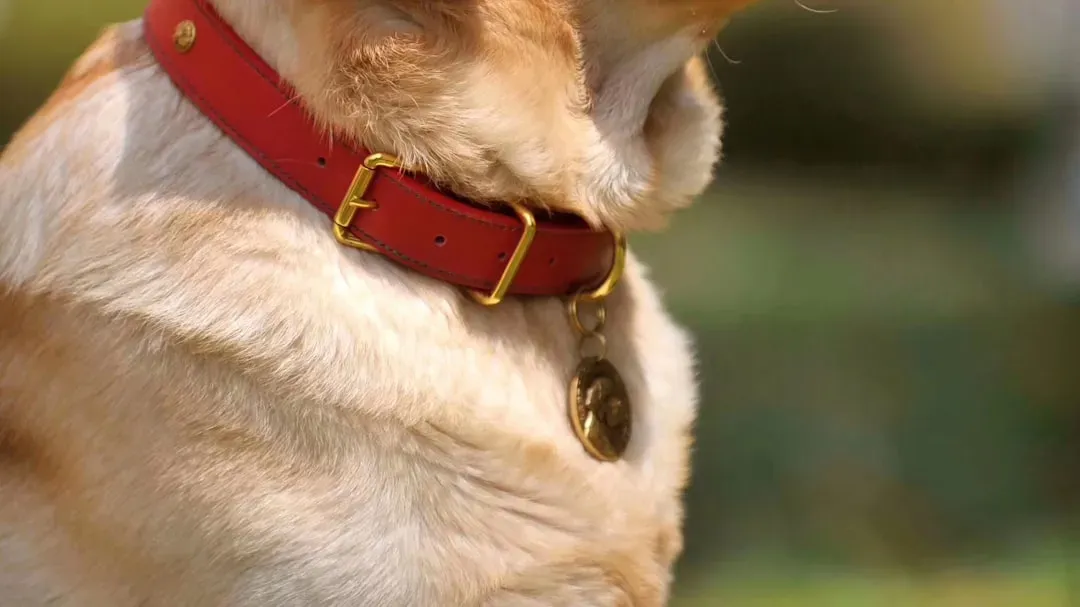
This one feels less exciting than buying cute toys, but it could genuinely save your dog’s life one day. Identification devices are essential for dogs. If your puppy gets lost, these devices can help the person who finds them contact you. Two common identification methods are ID tags and microchipping.
A microchip is a tiny electronic device that is implanted under your dog’s skin. It’s about the size of a grain of rice and contains a unique identification number for your dog. If your dog ever gets lost, a veterinarian or animal shelter can scan the microchip and contact you to bring your pet home, even if their collar has slipped off. Get both the tag and the chip. No debate.
7. Age-Appropriate Toys and Chews for Mental Stimulation
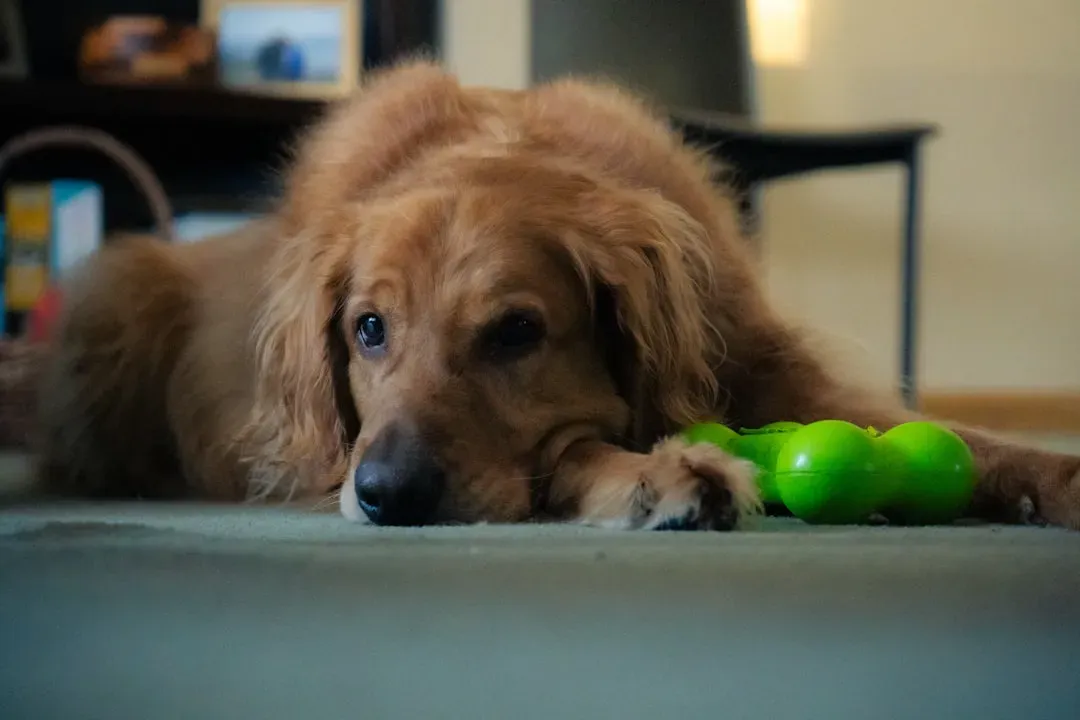
A bored puppy is a destructive puppy. I cannot stress this enough. Chew toys will satisfy your dog’s natural chewing instincts, especially if you have a teething puppy. Without these outlets, your dog might turn to less ideal alternatives like your shoes or furniture! Your favorite sneakers are basically an irresistible chew toy in a pup’s eyes.
Puzzle and treat-dispensing toys are mentally stimulating toys that make your puppy work for a payoff, which can help keep them occupied and out of trouble. Rotate toys regularly to keep things fresh. Rotating your dog’s toys every now and then can keep things exciting for them, and it can make them want to find out where the other toys are, which is a good way of developing their natural curiosity. Think of it like a kid with new birthday presents every week.
8. Puppy Pads and an Enzymatic Cleaner
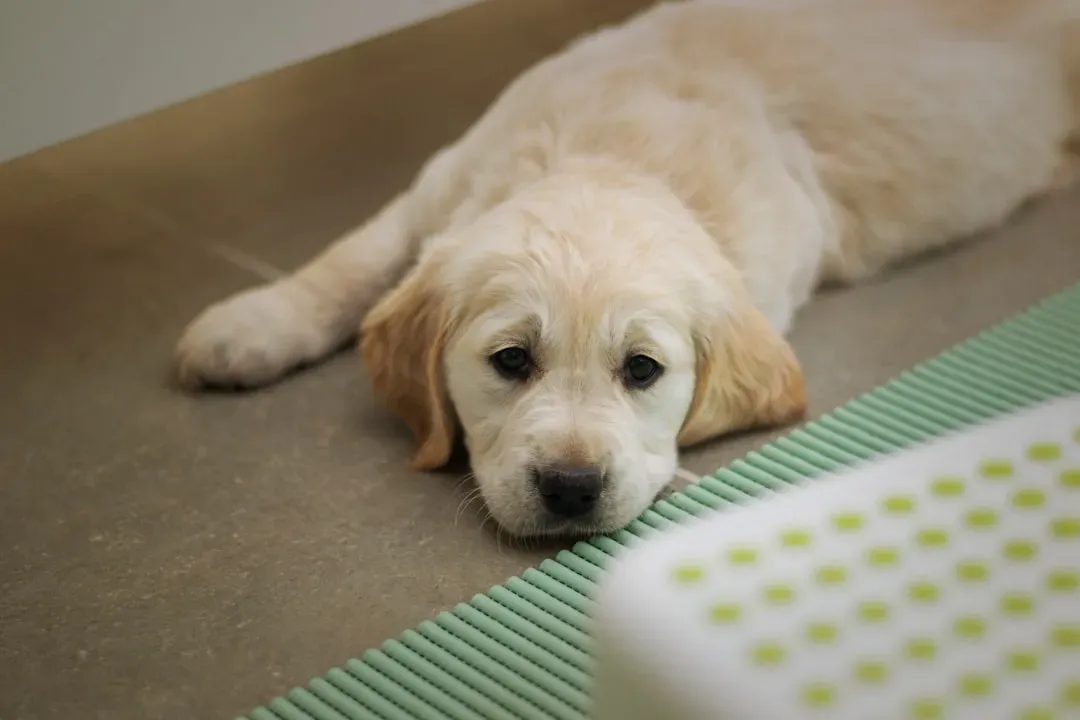
Potty training is a marathon, not a sprint. House training can be a real test of patience, especially with puppies. Puppy pads are a lifesaver while your dog is learning where to go. They help keep things clean and prevent accidents from happening all over the house. Celebrate the wins, and breathe through the accidents.
Enzymatic cleaner is crucial for removing odor and preventing repeat accidents. Here’s the science behind it: dogs are drawn back to spots where they’ve previously eliminated because they can smell traces you cannot. Enzymatic cleaners remove odors that might attract repeat accidents, and pet-safe wipes make spot-cleaning a breeze. This is not optional gear – it’s your best friend during housetraining.
9. Grooming Supplies for a Healthy Coat and Happy Vet Visits
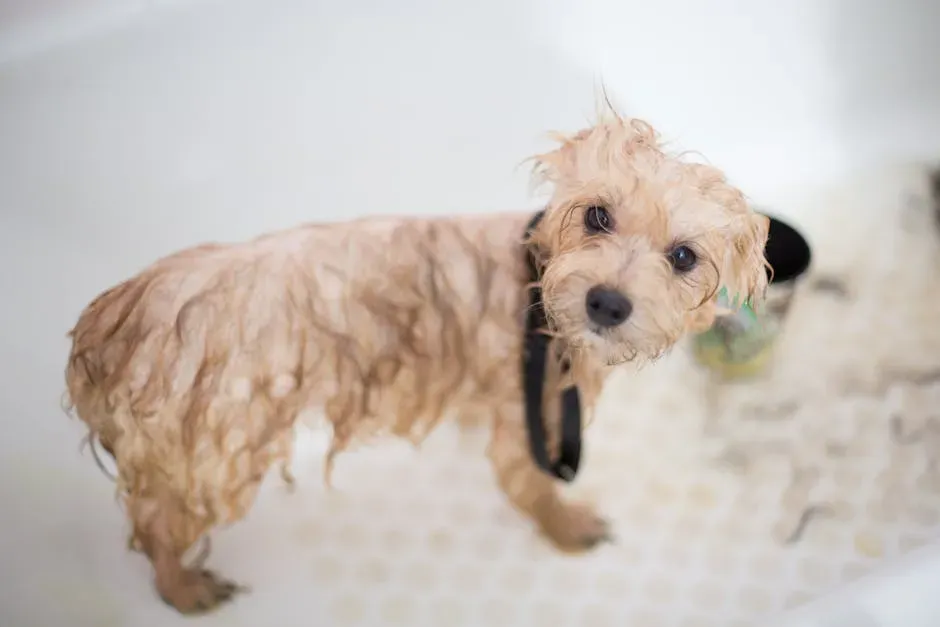
Grooming isn’t vanity – it’s genuinely about health. When you’re shopping for new puppy essentials, don’t forget grooming supplies. Grooming your dog isn’t all about looking pretty – it’s about health, too! Starting early also means your dog grows up comfortable with being touched, brushed, and handled.
Starting grooming early helps build trust. Puppies who grow up accustomed to being brushed, having their nails trimmed, or their ears cleaned are calmer adults. This reduces stress during vet visits, grooming appointments, and even travel. Avoid human soaps and shampoos as these can be too harsh on them. Always go for formulas made specifically for puppies and pair every grooming session with a treat or two.
10. Training Treats and a Clicker
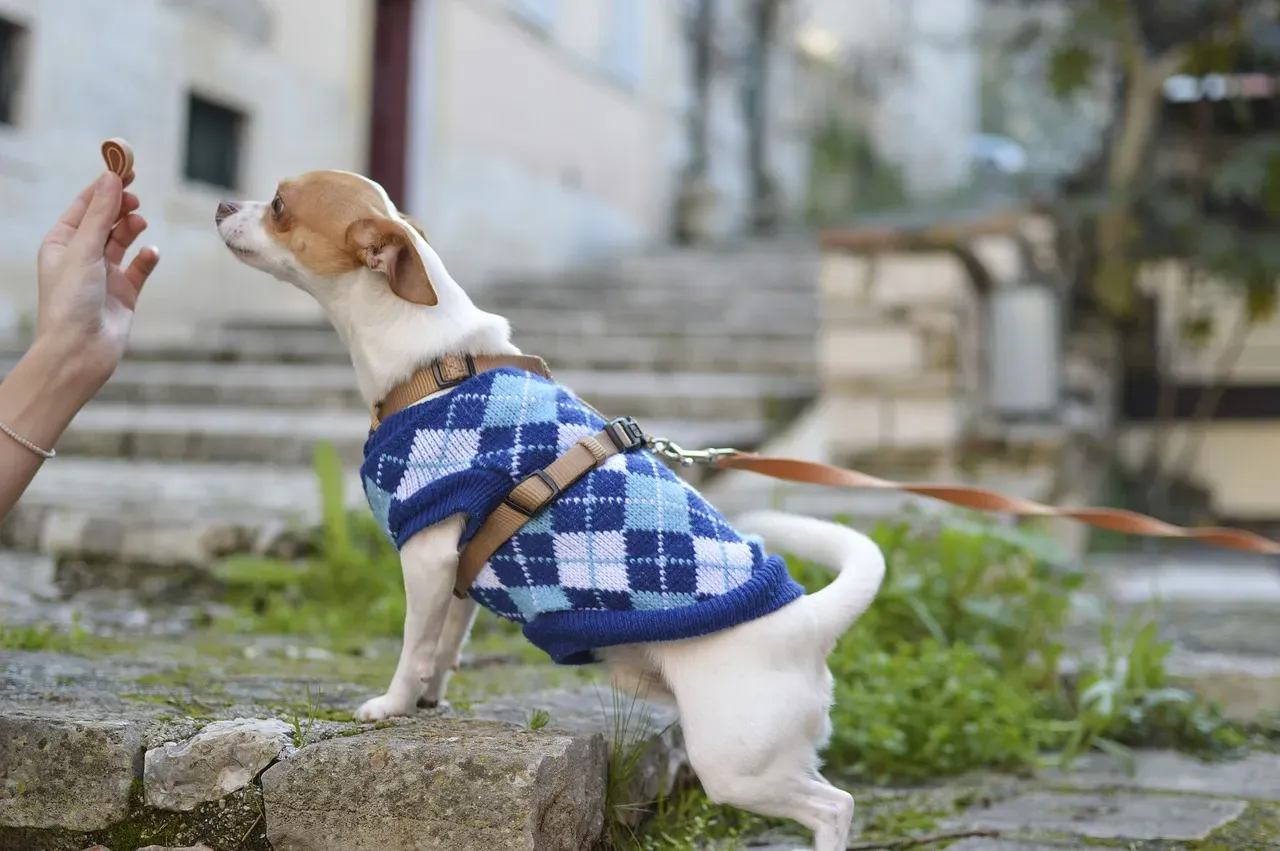
Training starts the moment your puppy walks through the door. Not next week, not after they’ve “settled in.” Right now. Early training builds trust and prevents behavior problems. Begin simple commands like “sit,” “stay,” and “come” right away. These foundational moments shape who your dog becomes.
Bite-sized, low-calorie treats are made specifically for training situations, so you can reward your dog’s progress as much as you want. Think of treats like currency in your dog’s world – small coins of motivation. In dog training, a click with a clicker, followed immediately by a treat, is a highly effective way of helping your dog identify the exact behavior you’re looking for. Dogs should get ten percent or less of their daily calories from treats, so keep training sessions short and sweet.
11. A Basic Pet First Aid Kit
This one is easy to skip because it feels dramatic. Until the day you actually need it and you’re scrambling through your junk drawer in a panic. Accidents happen, but a simple dog first aid kit can save the day. It should include essentials like bandages, antiseptic wipes, tweezers for removing splinters or ticks, and any specific items your vet recommends.
Think of it the way you think of a smoke alarm. You hope you never need it, but the peace of mind it provides is absolutely worth it. Keep the kit somewhere accessible, not buried in a closet. And while you’re at it, save your vet’s emergency number in your phone before day one. You’ll be glad it’s there at 11 PM on a Sunday.
12. A Trusted Veterinarian (Chosen Before Puppy Arrives)
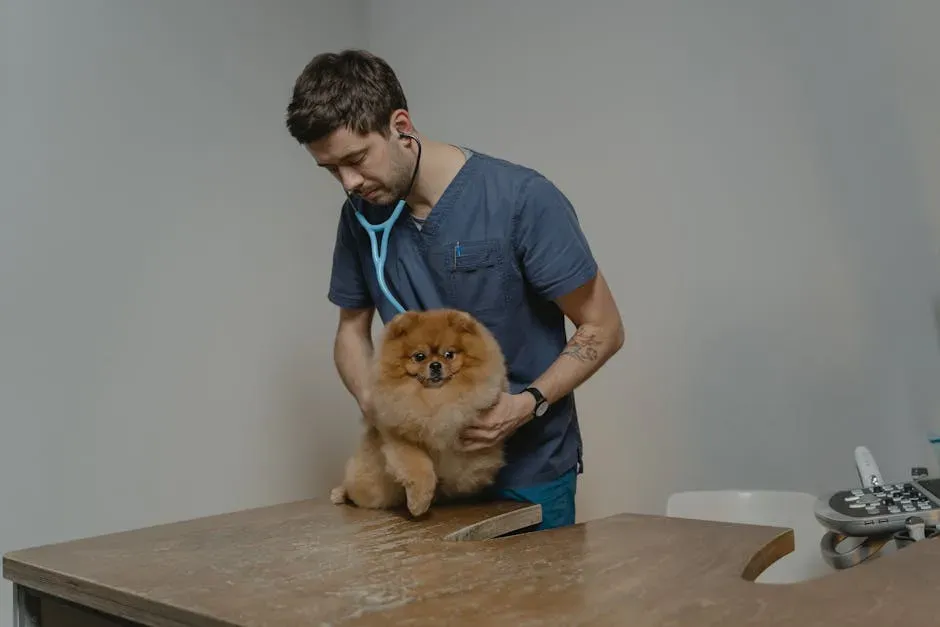
Here’s something many new owners don’t think about until they need one urgently: your vet relationship should be established before your puppy comes home, not after. Schedule a vet appointment within the first week of bringing them home. Actually, choose your vet in advance so you’re not making stressed calls on day three.
Puppies need essential vaccines that allow them to safely explore the outdoors and socialize with other pups. They’re also prone to parasites, which your vet can check for by using a fecal test and quickly beginning treatment if necessary. Schedule your first vet check within days of arrival, then every three to four weeks during the vaccination period. This isn’t just ticking a box. It’s the foundation of a long, healthy life together.
You’ve Got This More Than You Think
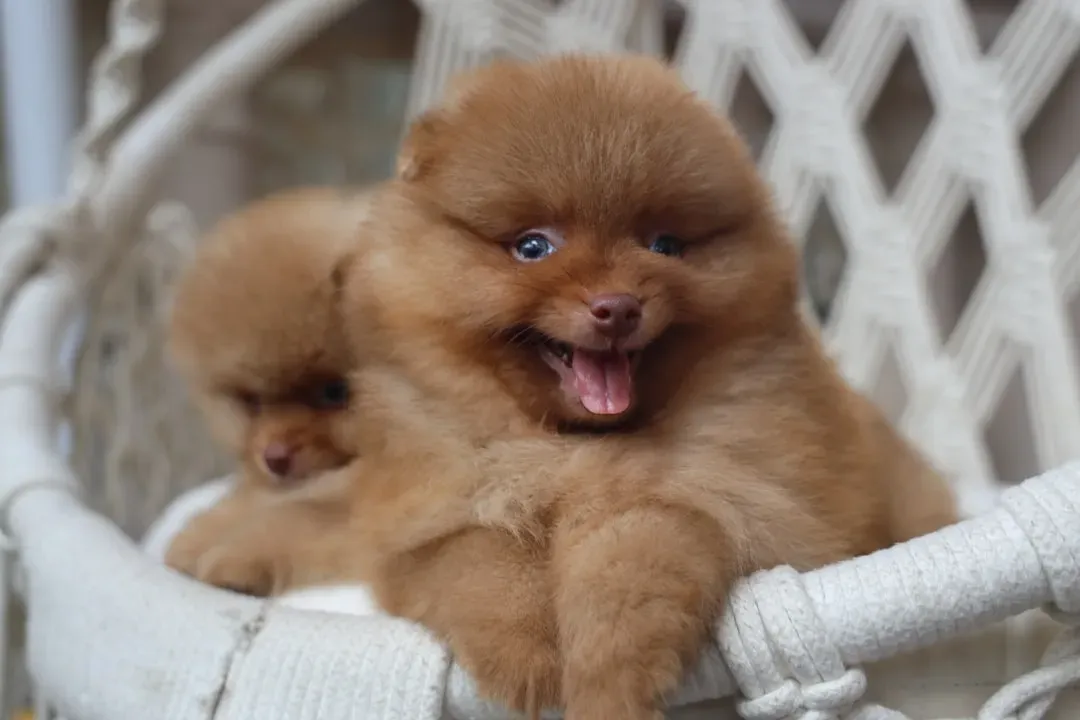
Preparing for a puppy can feel like studying for an exam you didn’t know was coming. But here’s the reassuring truth: the first thirty days with your new puppy are crucial for setting the foundation of a happy, healthy life together. With the right preparation, you’ll enjoy a smoother transition and avoid common pitfalls.
No one gets it perfectly right from day one. Not even the most seasoned dog owners. What matters is that you show up with the right tools, a mountain of patience, and a whole lot of love. Your puppy isn’t expecting perfection. They’re just hoping to be safe, fed, and close to you.
So stock up, breathe deeply, and get ready for one of the most rewarding adventures of your life. Which item on this list surprised you most? Drop it in the comments – we’d love to hear your story.