
There’s a particular kind of quiet that settles over a home when a dog is nearing the end of its life. Things shift in ways that are hard to name at first. Your dog lingers a little differently near the door. They press closer to you at night. They stop finishing their bowl. For anyone who has watched a beloved dog move through their final days, the experience can feel both profoundly intimate and deeply confusing – because so much of what they do seems almost deliberate, almost communicative, and yet you can’t quite be sure.
What’s remarkable is that science is now catching up with what dog owners have quietly observed for generations. From neurobiology to veterinary behavioral research, researchers are beginning to put real explanations behind the behaviors that once left owners feeling helpless. These aren’t random signs of a body giving up. Many of them are rooted in deep-seated instinct, neurological change, and a kind of biological wisdom we’re only starting to understand. Here are twelve of the most heartbreaking and scientifically meaningful things dogs do in their final days.
#1: They Stop Eating, Even Their Favorite Foods

Pets may lose interest in food or water as vital organ functions begin to shut down and end-of-life behaviors set in. This isn’t stubbornness or a passing mood. It’s a physiological reality: as organ function declines, the body’s metabolic demands change dramatically, and the drive to consume food becomes suppressed at a biological level.
Refusing to eat even highly palatable foods or favorite treats indicates a general lack of enjoyment in things that once pleased them. Loss of appetite is common at the end of life, and dogs who feel sick often don’t want to eat. Some medications may also cause a dog to lose their sense of smell or taste, making food even less appealing. Watching a dog turn away from the treat they once begged for is one of the quieter heartbreaks of this period.
#2: They Seek Unusual or Secluded Places to Rest
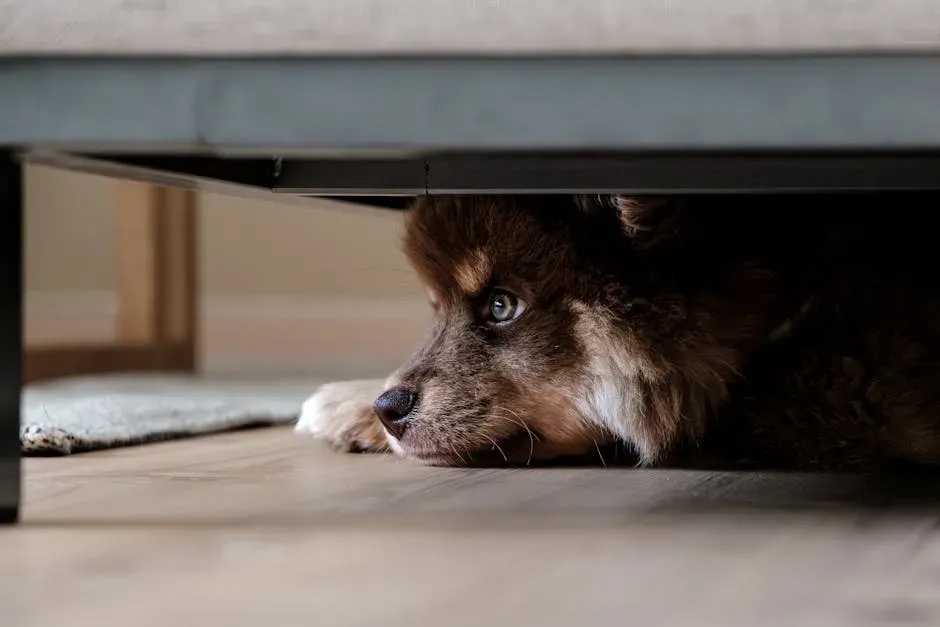
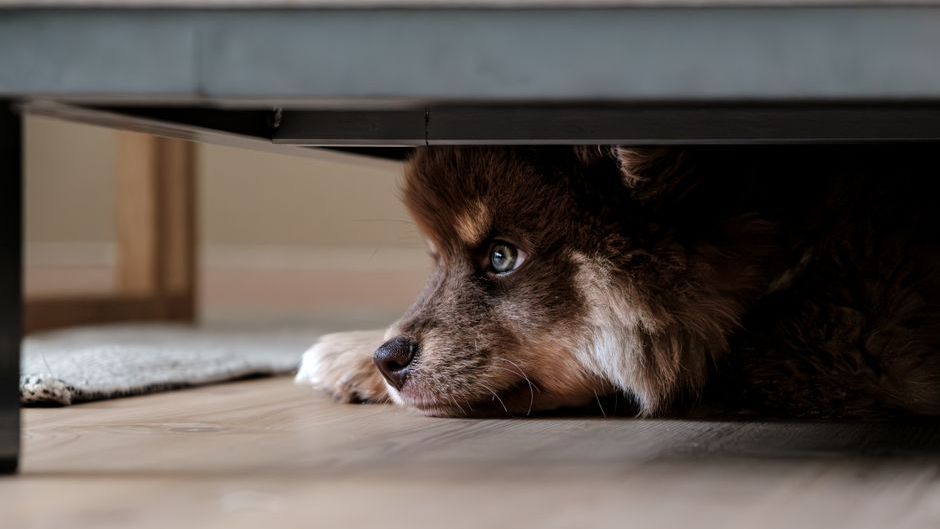
As their body temperature regulation changes or their urge to feel safer increases, dying dogs start seeking unusual places to rest. You might find them under the bed, behind a couch, or tucked in a corner of a room they barely used. It catches owners off guard precisely because it seems so out of character.
Choosing to hide or isolate themselves may reflect fatigue and a desire for quiet, or an instinct to separate oneself from others when the end is near. Wild canines, like wolves, often distance themselves from the pack when they are sick or injured to avoid attracting predators. Domestic dogs may retain this survival instinct, even if they live in a safe home. That instinct to find a quiet corner isn’t abandonment. It’s ancient, and it’s self-protective.
#3: They Become Unusually Clingy or Distant
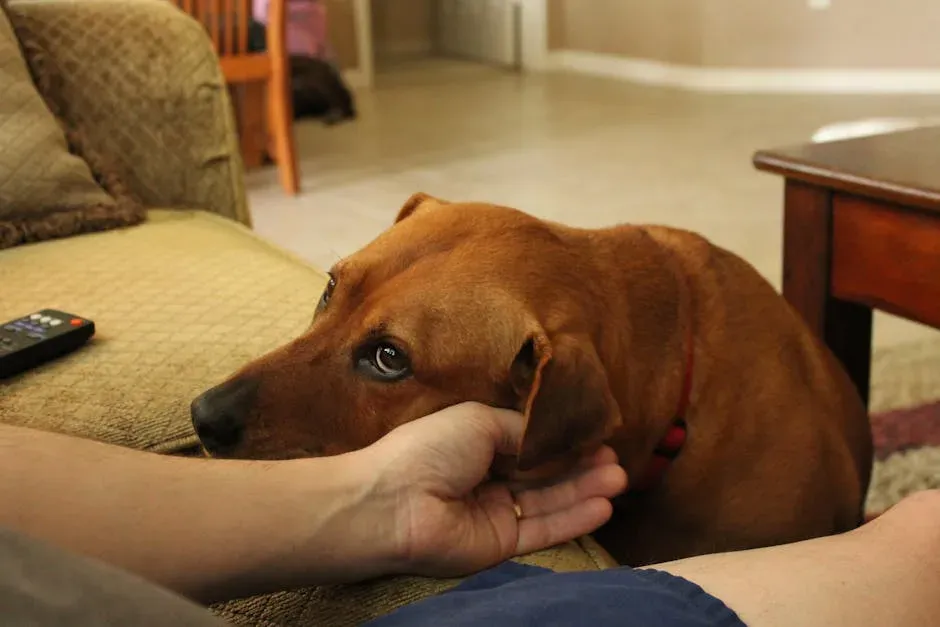
Changes in behavior patterns, such as withdrawal or clinginess, are also common. Some dogs may become more attached and want to be close to their owners at all times, while others may withdraw and avoid social interaction. Both responses are valid, and both reflect the same underlying truth: a dog responding to deep internal change.
Beyond the purely physical, dogs can undergo significant behavioral shifts in their final stages, reflecting pain and diminishing capacity for interaction. Changes in social behavior are often subtle yet profound indicators of a dog’s declining energy levels. Some dogs press against their owners’ legs for hours at a stretch. Others disappear into a quiet room and simply rest. Neither is wrong. Both are their way of navigating something their body is telling them, even if their mind cannot fully process it.
#4: They Lose Interest in Activities They Once Loved

A once playful dog may lose interest in toys, walks, and other activities they previously enjoyed. This lack of enthusiasm is a natural consequence of their declining physical and mental state. As dogs age, their bodies may become less able to handle exertion, leading to fatigue and a preference for rest over playtime.
A noticeable decline in interest in previously enjoyed activities and surroundings is a significant behavioral change that indicates a dog’s diminishing vitality. They may show no interest in toys or games they once enthusiastically enjoyed. They can also become less responsive to familiar sounds or even the presence of their loved ones. To watch a ball-obsessed retriever stare blankly at their favorite toy is genuinely gutting. The science tells us it’s the body conserving what little energy remains.
#5: They Pace, Circle, or Repeat Behaviors Seemingly Without Reason
Some dying dogs may exhibit repetitive behaviors such as pacing, circling, or licking themselves excessively. These behaviors can be a sign of boredom, anxiety, discomfort, or cognitive dysfunction. It can look alarming, especially in dogs that were previously calm and settled. The pacing often happens at night, which only adds to an owner’s exhaustion and worry.
Some pets become mentally disoriented as they decline, which may reflect serious cognitive dysfunction or a health condition affecting the brain. Affected pets may pace, stare, vocalize, develop anxiety, or seem lost in their once-familiar home. Medication and sticking to a routine can sometimes help these pets, although the behaviors can be distressing for pet owners too. The repetitive motion is rarely purposeless at a neurological level – it reflects real disruption happening inside the brain.
#6: Their Breathing Changes Dramatically

Labored or shallow breathing is linked to fluid buildup in the lungs or weakening respiratory muscles. Open-mouth breathing even when not warm can indicate difficulty getting enough oxygen. These aren’t subtle changes. They tend to be visible and audible, and they’re often what alerts owners that something has shifted profoundly.
Dogs may start panting even while at rest, develop a cough, or have increased difficulty drawing a normal breath. This can be secondary to heart failure, respiratory diseases, cancer, or a metabolic disease such as diabetes or kidney failure. The breathing changes are the body’s final attempt to compensate for systems that are no longer functioning efficiently. It’s a deeply uncomfortable thing to witness, and understanding the cause can at least help owners know what they’re seeing.
#7: They Show Signs of Confusion and Disorientation

Canine Cognitive Dysfunction (CCD), or “dog dementia,” can become more pronounced in a dog’s final stages. This can manifest as disorientation, where they may seem lost in familiar surroundings or have trouble recognizing family members. CCD is a highly prevalent neurodegenerative disease that affects older dogs, characterized by progressive signs of altered mentation, deficits in memory and learning, and changes in socialization. Due to its clinical and histopathological similarities, CCD is considered the canine analog of Alzheimer’s disease.
Early signs of CCD include pacing at night, fussiness, and irritability. As it progresses, a dog may seem to get lost in the house and yard or not to know who you are. Research on older dogs revealed that a notable percentage exhibited CCD signs, despite only a small fraction receiving a formal clinical diagnosis. That means many dogs quietly experience this cognitive unraveling without it ever being formally identified. The dog staring blankly at the wall may not be ignoring you. They may genuinely not know where they are.
#8: They Become Incontinent Despite Years of Perfect House Training

Dying pets may lose control of their bladder or bowels in the days before passing. Accidents can occur due to weakness, decreased mobility, nervous system problems, or organ failure, even after previously perfect housetraining. Owners often feel distress about this on their dog’s behalf, sensing the dog’s embarrassment. That instinct isn’t entirely wrong.
Incontinence and an increase in accidents are common as a dog’s body systems begin to fail, often signaling a loss of control over bodily function. The loss of continence is one of the clearest indicators that the nervous system is being affected. It has nothing to do with the dog’s awareness or dignity – it’s physiological. Keeping them clean and comfortable during this time matters enormously for their quality of remaining life.
#9: They Seem to Detect Their Own Internal Changes Through Scent
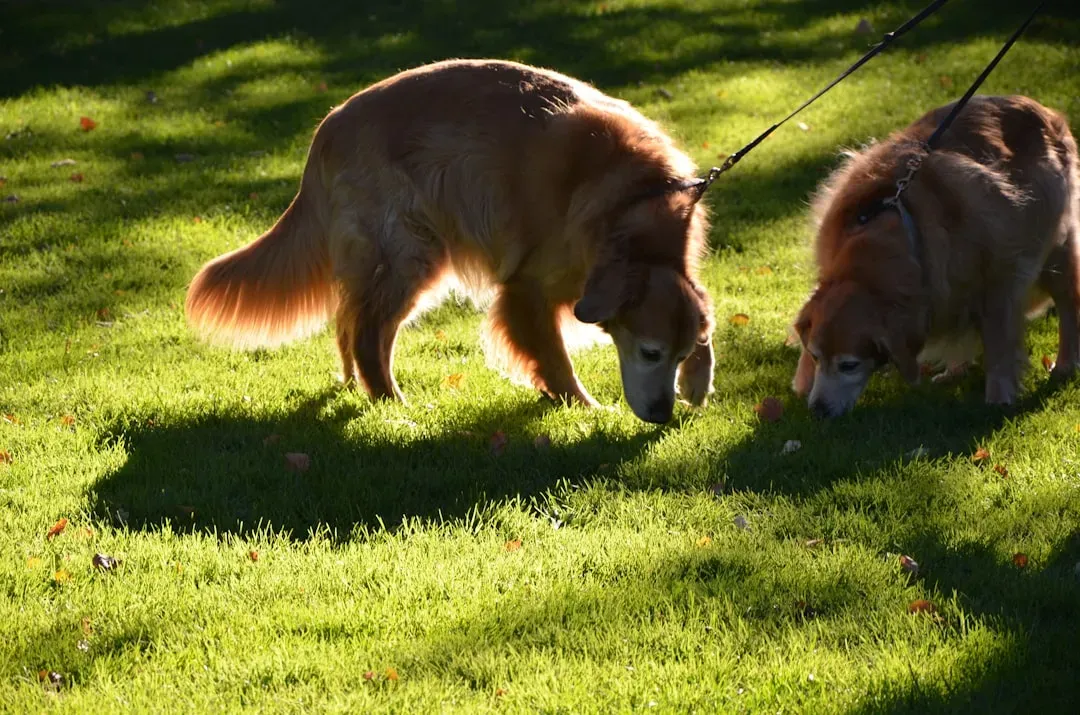
Dogs possess an extraordinary sense of smell that allows them to notice subtle biochemical changes when someone is sick or dying. They can detect volatile organic compounds released by dying cells, which humans cannot perceive. This acute olfactory ability might explain why some dogs exhibit unusual behavior around those whose energy is waning near death.
The main culprit of this detection is scent. As the body shuts down, it releases volatile organic compounds. While we might miss those cues, dogs are equipped with the perfect toolkit: their noses. What we might not be able to sense at all, they could already be reacting to. There’s genuine scientific weight behind the idea that a dog’s behavioral shift near the end partly reflects their awareness of their own changed biochemistry. They smell something different in themselves, even if they have no language for what it means.
#10: Their Coordination and Mobility Deteriorate Noticeably
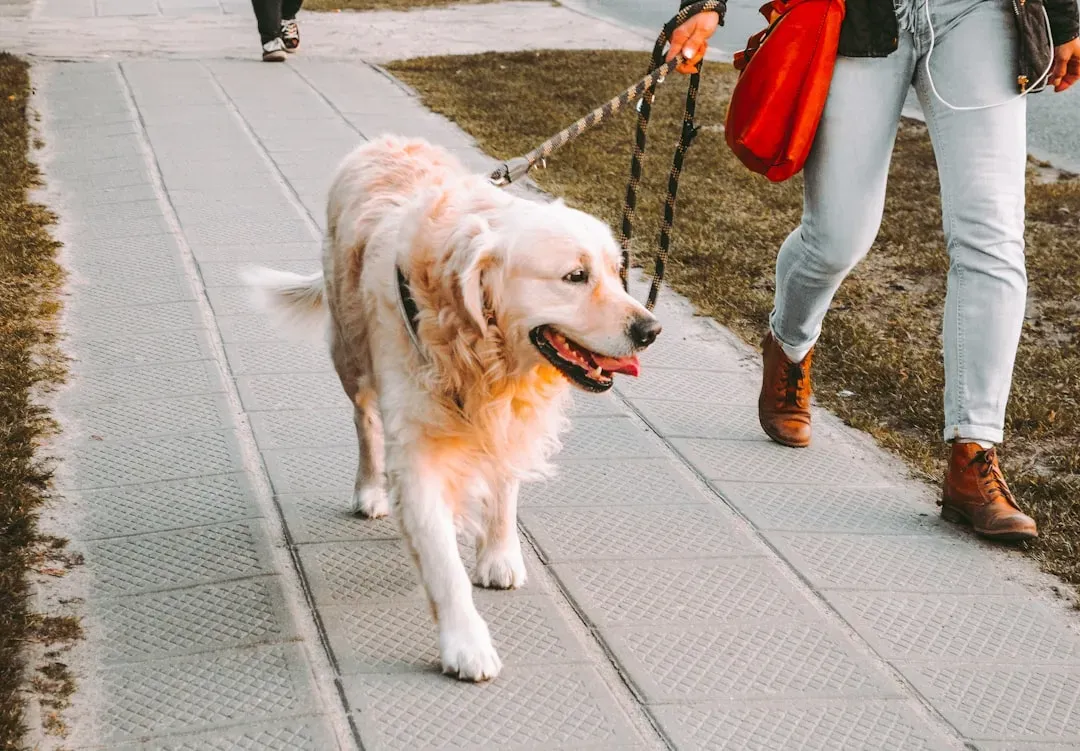
Declining mobility and reduced activity are clear indicators of a dog’s deteriorating physical strength and energy. There may be a reluctance to stand, walk, or even shift positions due to pain. Unsteadiness, stumbling, or a loss of balance when attempting to move can also occur. Worsening coordination can lead to difficulty navigating stairs or jumping onto furniture.
Decreased mobility and poor coordination are common in senior dogs and can steadily worsen with age. Changes often begin slowly, like walking instead of running, then become more progressive, like stumbling when walking, slipping on non-carpeted surfaces, or struggling with stairs or jumping on furniture. What looks like clumsiness is frequently pain and muscle weakness working in tandem. The dog that once bounded up the stairs now approaches the bottom step and simply stops. That hesitation carries real meaning.
#11: They Vocalize Differently – Whimpering, Howling, or Going Silent

Increased vocalization, such as whining or whimpering, can be significant indicators of discomfort or a need for attention. This can manifest as whimpering, whining, or even howling, all of which are ways dogs communicate their needs or distress. Some dogs, conversely, go almost completely silent – and that quiet can be just as telling as noise.
Dogs show various signs before dying, including altered appetite, breathing, and mobility. Pain may also result in behavioral shifts, including altered social interaction, heightened anxiety, and disinterest in activities. Emotionally, expect sensory changes, confusion, and different vocalization patterns that reflect their internal experience. The shift in vocalization is the dog’s final language – and paying close attention to it, whether it’s louder or more absent than usual, is one of the most important things an owner can do in these days.
#12: They May Hear You, Even When They No Longer Respond
Hearing is the last sense to go in humans, with touch being second-to-last, and this may be similar for pets. Smell is the strongest sense in dogs and cats, and possibly the last sense to go for them. A landmark study published in 2020 measured dying human patients’ brain waves with an EEG in response to auditory stimuli. The results confirmed what many had suspected: the last sense to go in a dying brain is hearing, at least in humans.
Science is just beginning to understand what it is like to die, and may actually be catching up with some things we suspected all along. Intuition and witness accounts suggest that people in the last stages of dying can hear and feel the loved ones beside them as they approach death. If this applies to dogs as well – and researchers believe it may – then your voice, your presence, and your touch during those final moments are not wasted. The dog lying still and seemingly unresponsive may still know you’re there. That isn’t sentiment. That’s science catching up to love.
A Final Thought Worth Holding Onto
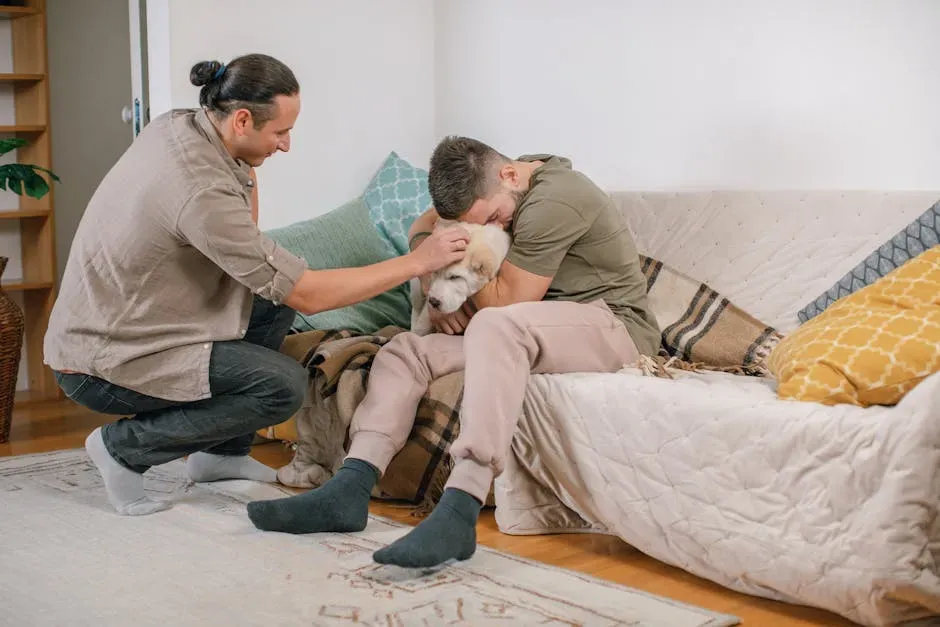
There is something both painful and quietly extraordinary about what dogs do in their final days. These behaviors are not random. They are the product of millions of years of evolution, a nervous system winding down, and a bond between species that runs deeper than most of us fully appreciate until we’re sitting on the floor next to a dog who can no longer stand.
Science doesn’t make grief easier. It doesn’t close the hole that follows a dog’s death. What it does do is offer something meaningful: an explanation, a context, a reminder that your dog’s behavior in those final days was not confusion or rejection or suffering beyond understanding. It was their biology, their instinct, and in some ways, their last form of communication.
The most important thing any of us can do – knowing what we now know – is stay close, stay calm, and let them know through touch and voice that they are not alone. That, as it turns out, is exactly what the science suggests they can still receive.


