
Veterinary Science Shows Independent Sleeping Habits in Dogs Indicate Temperature Preference and High Attachment Security
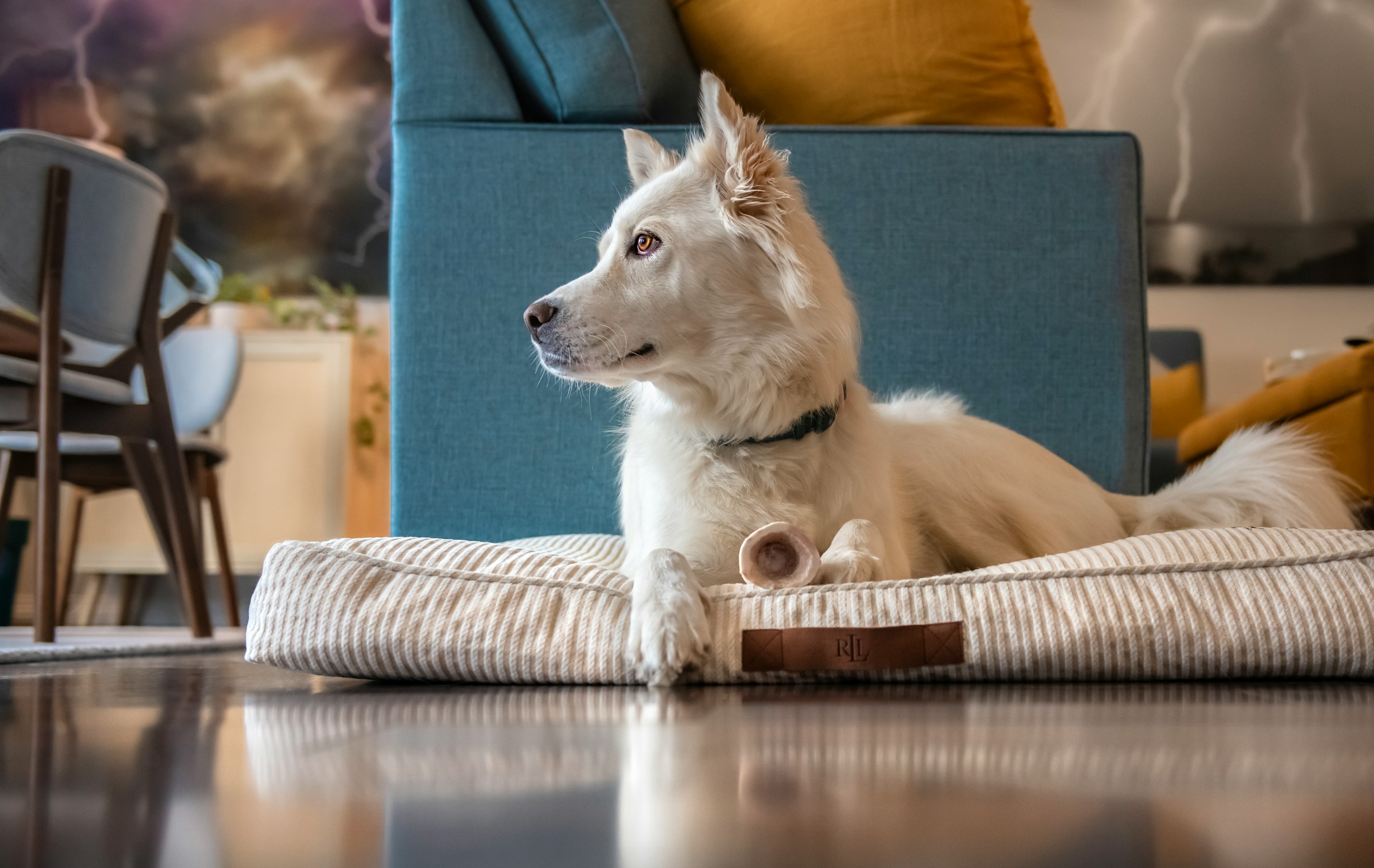
Ever noticed your dog choosing to sleep away from you, perhaps in another room or on a cool tile floor? While it might seem like a sign of detachment, recent veterinary studies suggest that these independent sleeping habits are actually indicators of your dog’s temperature preferences and a strong, secure attachment to you.
Understanding Canine Temperature Preferences

Dogs, much like humans, have individual comfort zones when it comes to temperature. Some breeds, especially those with thick coats like Huskies or Malamutes, are naturally inclined to seek cooler sleeping spots to avoid overheating. Conversely, short-haired breeds or smaller dogs might prefer warmer areas to maintain their body heat.
Observing where your dog chooses to sleep can provide insights into their temperature comfort. If your dog opts for a cool tile floor or a breezy hallway, it’s likely they’re trying to cool down. On the other hand, if they snuggle into blankets or seek out sunny spots, they might be trying to stay warm.
Independent Sleeping as a Sign of Secure Attachment
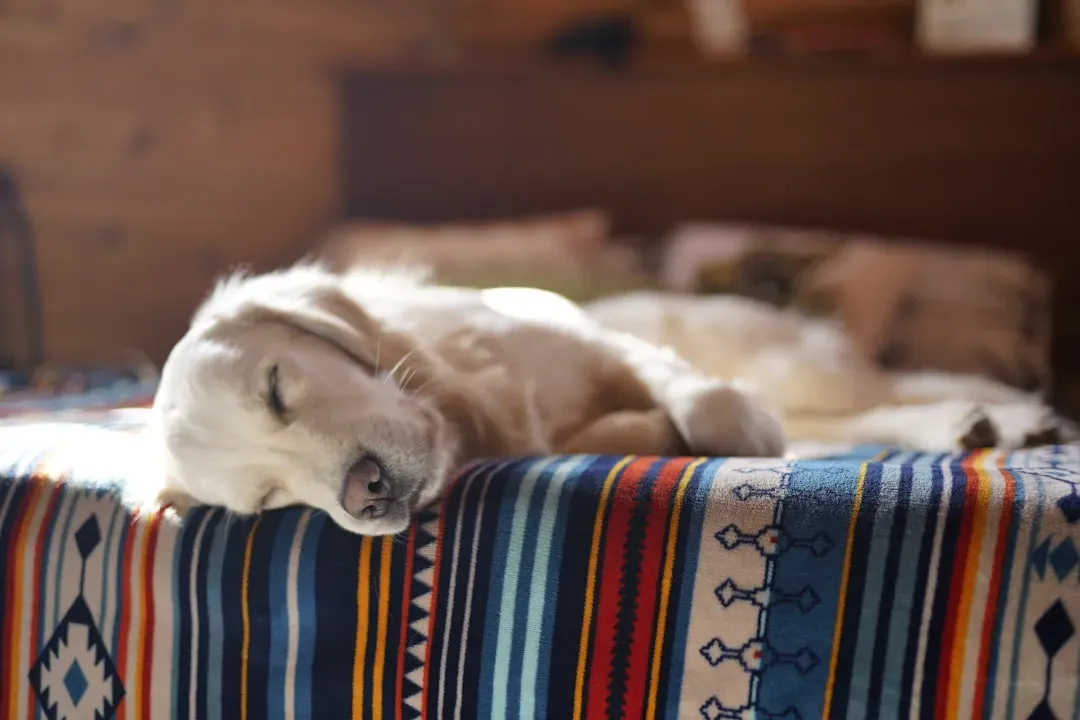
Contrary to the belief that dogs sleeping away from their owners might be a sign of detachment, veterinary science indicates that this behavior often reflects a secure attachment. Dogs with high attachment security feel confident enough to rest independently, knowing their bond with their owner is strong and unwavering.
This independence doesn’t mean your dog loves you any less. In fact, it’s a testament to the trust and confidence they’ve developed in your relationship. They feel safe enough to choose their own sleeping spot without the need for constant proximity.
The Role of Breed and Coat Type
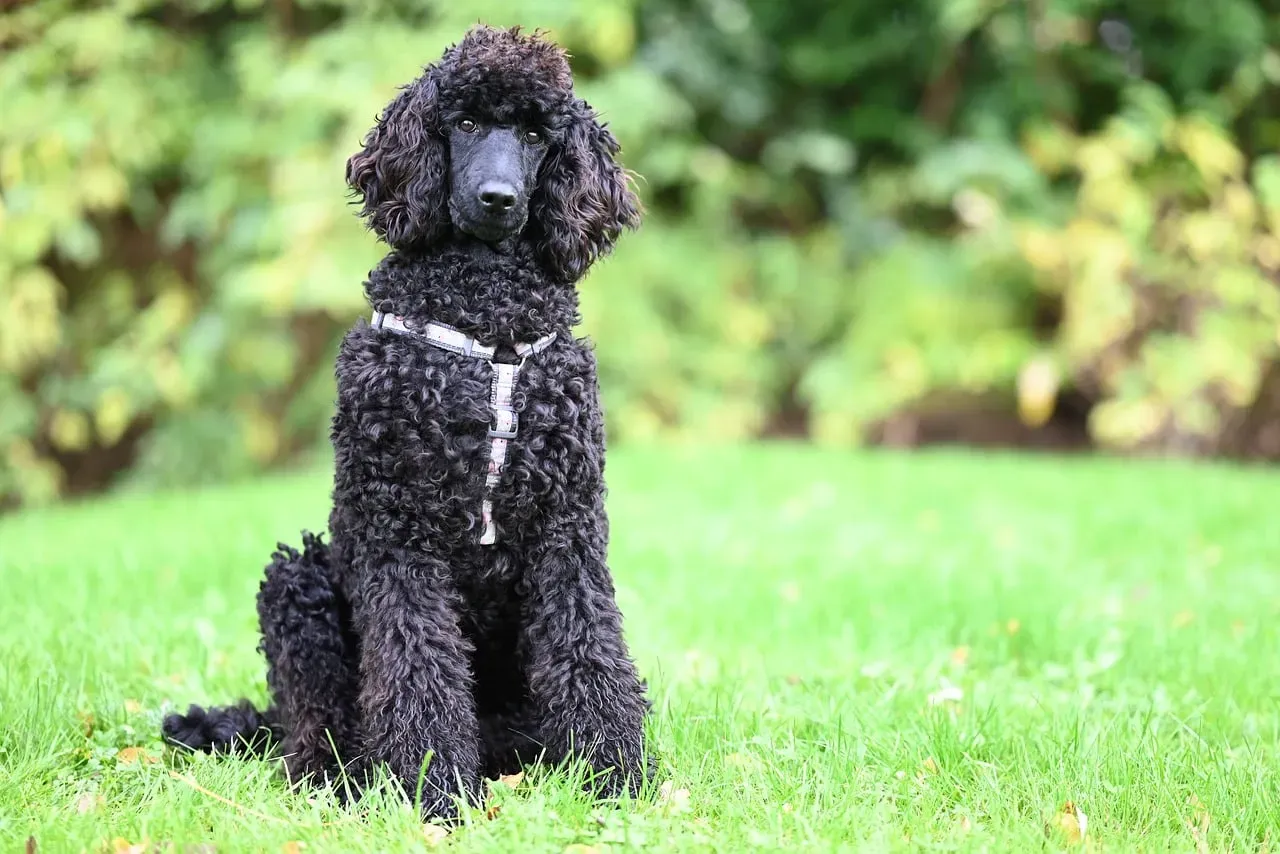
Breed and coat type play significant roles in a dog’s temperature regulation and, consequently, their sleeping habits. Dogs bred for colder climates, equipped with dense fur, are more prone to seeking cooler environments to prevent overheating. In contrast, breeds with minimal fur may gravitate towards warmer spots to conserve heat.
Understanding your dog’s breed-specific needs can help you create a comfortable sleeping environment that caters to their natural inclinations, ensuring they rest well and stay healthy.
Age and Health Considerations
A dog’s age and health status can influence their temperature preferences and sleeping behaviors. Puppies and senior dogs often have more difficulty regulating their body temperature and may require additional warmth or cooling aids.
Health conditions such as arthritis can also affect a dog’s comfort, making them more likely to seek out specific sleeping areas that alleviate discomfort. Providing orthopedic beds or temperature-controlled environments can significantly enhance their quality of sleep.
Creating the Ideal Sleeping Environment
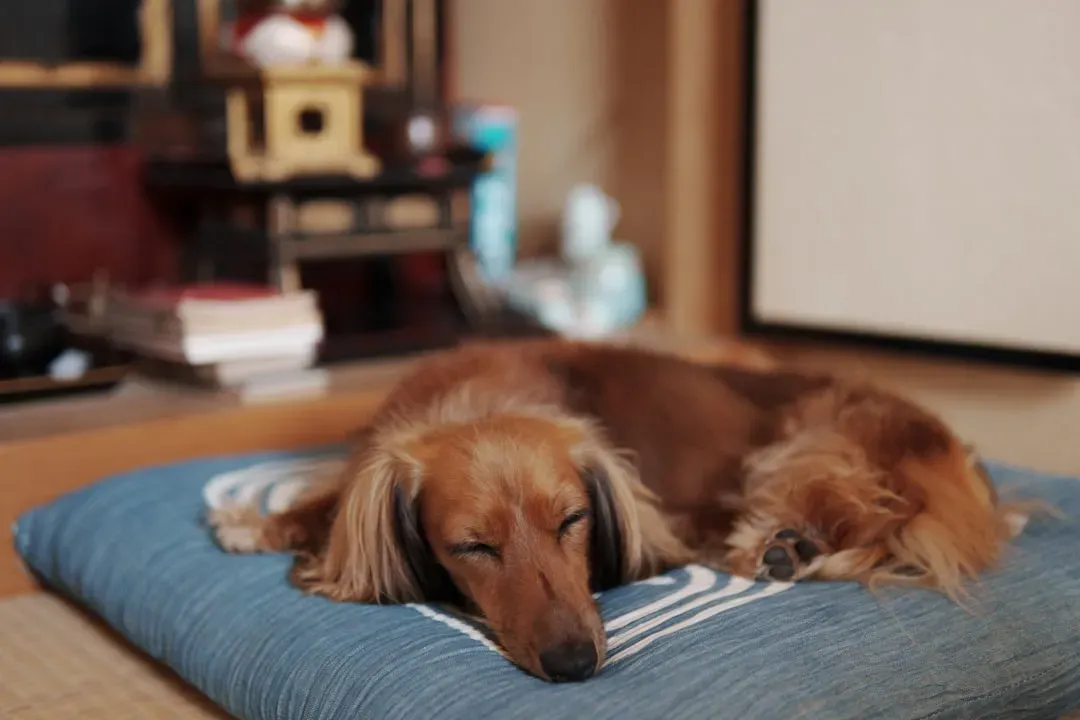
To support your dog’s independent sleeping habits and temperature preferences, consider offering a variety of sleeping options. Provide both warm and cool areas within your home, allowing your dog to choose what suits them best at any given time.
Ensure that their sleeping spots are comfortable, safe, and free from drafts or excessive heat. This approach not only caters to their physical needs but also respects their autonomy and natural behaviors.
Recognizing and Respecting Individual Preferences

Every dog is unique, and their sleeping habits are influenced by a combination of factors, including breed, age, health, and personal preference. Observing and respecting these choices is crucial in fostering a trusting and secure relationship.
By acknowledging and accommodating your dog’s independent sleeping habits, you’re affirming their needs and reinforcing the bond you share. It’s a beautiful balance between providing care and allowing independence.
Conclusion
In essence, a dog’s choice to sleep independently is not a sign of detachment but rather an indication of their temperature preferences and a secure attachment to their owner. By understanding and respecting these behaviors, we can ensure our canine companions are comfortable, happy, and confident in their environment.
So, the next time your dog chooses to sleep in another room or on a cool floor, take it as a sign of their trust in you and their comfort in their surroundings. Isn’t it fascinating how our furry friends communicate their needs in such subtle ways?