
Canine Behavior Studies Confirm Full-Body Leaning is a Form of Social Bonding and Emotional Co-Regulation

Ever noticed your dog pressing its entire body against you and wondered what it means? Recent canine behavior studies have shed light on this behavior, revealing that full-body leaning is more than just a quirky habit – it’s a profound expression of social bonding and emotional co-regulation between dogs and their human companions.
Understanding Full-Body Leaning in Dogs
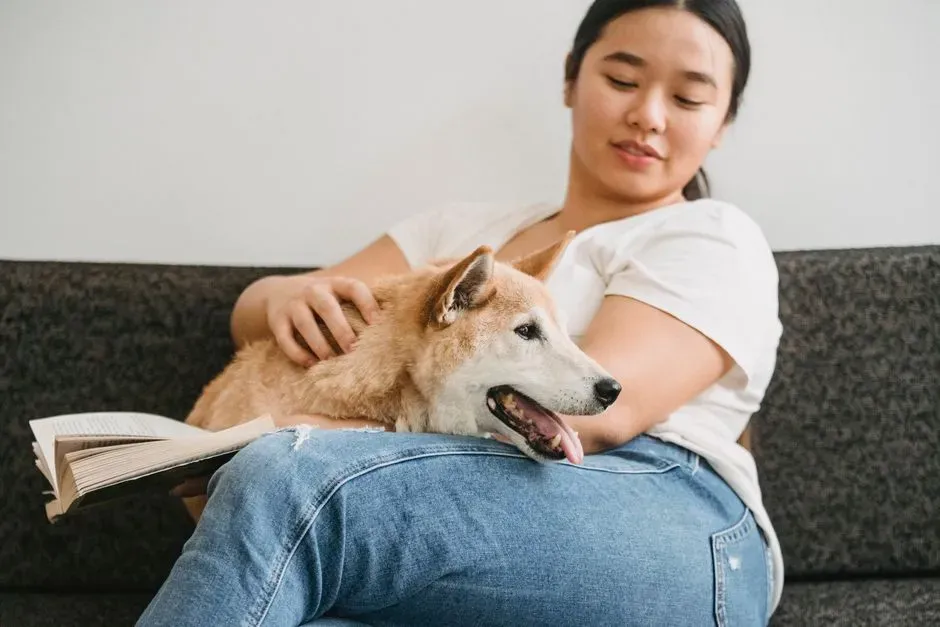
When a dog leans its full body against a person, it’s engaging in a behavior that signifies trust and affection. This physical closeness allows dogs to feel secure and connected, much like a child seeking comfort from a parent. It’s a dog’s way of saying, “I feel safe with you.”
Beyond seeking comfort, full-body leaning serves as a method for dogs to communicate their emotional state. By pressing against their owners, dogs can convey feelings of anxiety, excitement, or contentment, depending on the context. This behavior fosters a deeper understanding and connection between the dog and its owner.
The Science Behind Emotional Co-Regulation
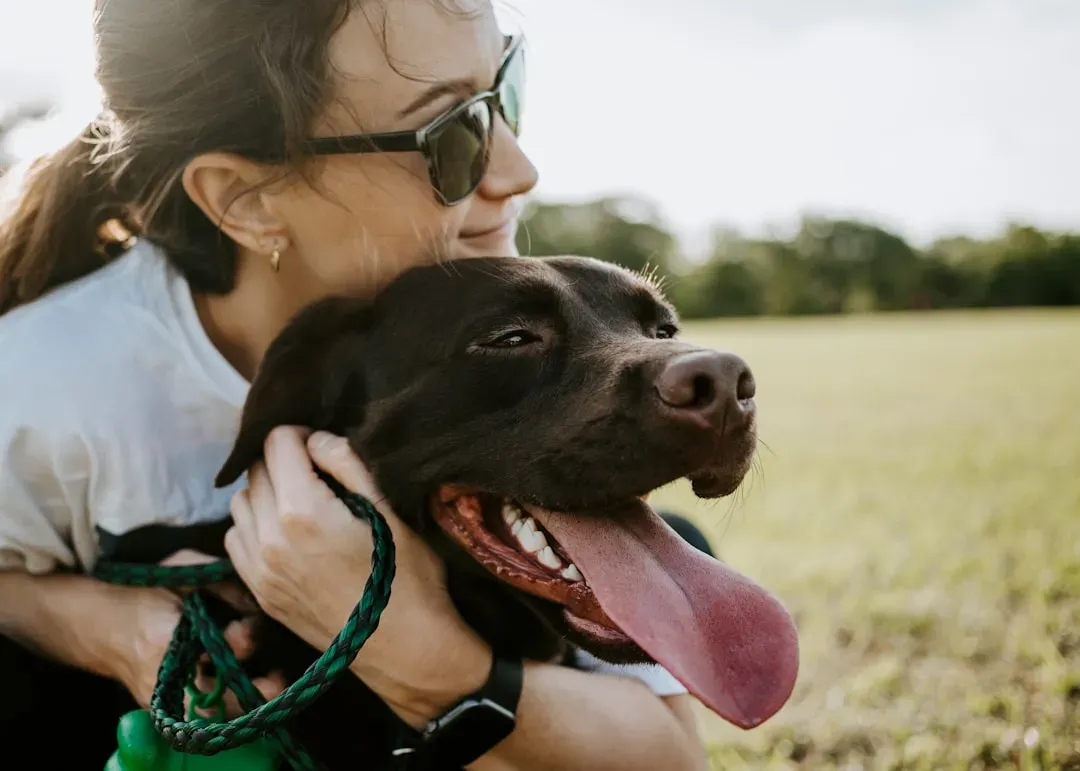
Emotional co-regulation refers to the process where individuals influence each other’s emotional states. In the context of human-dog relationships, this means that dogs and their owners can affect each other’s emotions through interactions like full-body leaning. This mutual regulation helps maintain emotional balance and strengthens the bond between them.
Studies have shown that during interactions involving physical closeness, both dogs and humans experience synchronized changes in heart rate variability, indicating a shared emotional experience. This physiological synchronization underscores the depth of the emotional connection facilitated by behaviors such as full-body leaning.
Heart Rate Variability: A Window into Emotional Synchrony

Heart rate variability (HRV) is a measure of the variation in time between each heartbeat, reflecting the body’s ability to adapt to stress and maintain balance. In studies examining dog-owner interactions, synchronized HRV patterns have been observed, suggesting that both parties are emotionally attuned to each other.
For instance, during moments of physical closeness like full-body leaning, both dogs and owners exhibit similar HRV patterns, indicating a shared emotional state. This synchronization not only highlights the emotional bond but also suggests that such interactions can have calming effects on both the dog and the owner.
Behavioral Synchronization: Mirroring Emotions
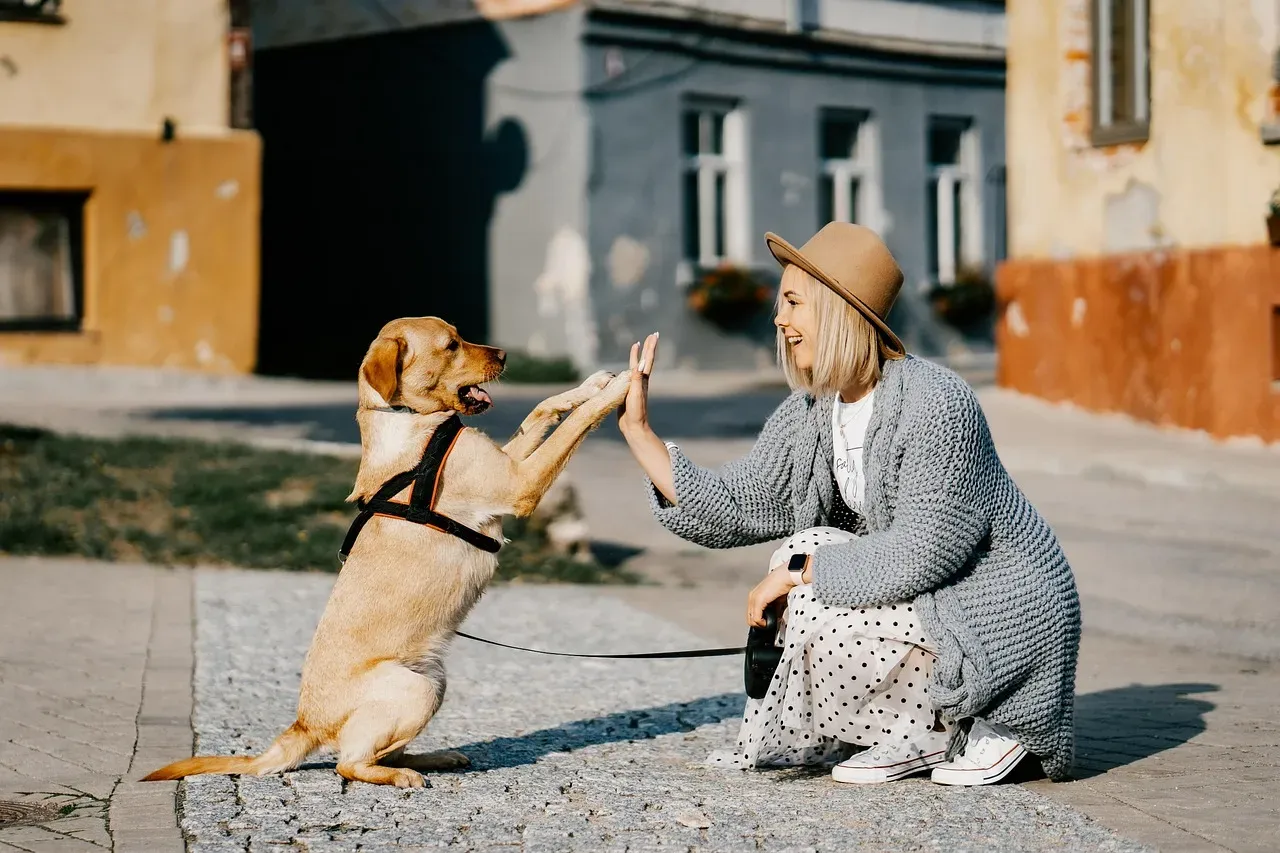
Beyond physiological measures, behavioral synchronization plays a crucial role in emotional co-regulation. Dogs often mirror their owners’ behaviors and emotions, a phenomenon that is particularly evident during close physical interactions. This mirroring can manifest in synchronized movements, shared attention, and mutual responsiveness.
Such behavioral alignment enhances communication and understanding between dogs and their owners. It allows for a non-verbal exchange of emotions, where both parties can sense and respond to each other’s feelings, thereby strengthening their bond.
Implications for Dog Training and Therapy
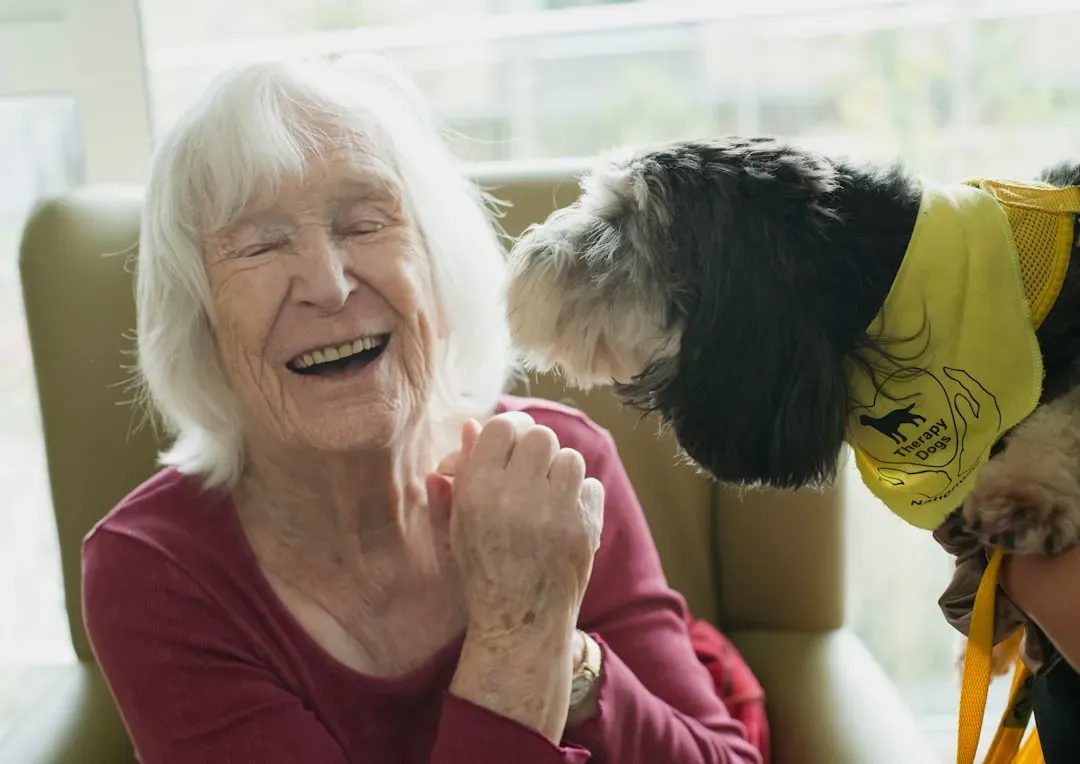
Understanding the significance of full-body leaning and emotional co-regulation has practical applications in dog training and therapy. Trainers can use this knowledge to foster trust and cooperation, creating a positive learning environment for dogs. Recognizing and responding to a dog’s leaning behavior can also aid in addressing anxiety and building confidence.
In therapeutic settings, the emotional connection facilitated by behaviors like full-body leaning can be harnessed to provide comfort and support to individuals. Therapy dogs often use physical closeness to alleviate stress and promote emotional well-being in humans, demonstrating the profound impact of canine companionship.
Strengthening the Human-Dog Bond

Engaging in activities that promote physical closeness, such as cuddling, petting, and allowing your dog to lean against you, can significantly strengthen the bond between you and your dog. These interactions provide opportunities for mutual emotional support and deepen the trust and affection shared.
Being attentive to your dog’s body language and responding appropriately to their leaning behavior can enhance communication and understanding. Recognizing when your dog seeks comfort or connection allows you to meet their emotional needs, fostering a harmonious and fulfilling relationship.
Conclusion
Full-body leaning in dogs is more than a simple gesture; it’s a profound expression of trust, affection, and emotional co-regulation. By understanding and embracing this behavior, we can deepen our connection with our canine companions, enriching both their lives and ours. So, the next time your dog leans into you, remember – it’s their way of saying, “I’m here with you, and I trust you completely.” How will you respond to strengthen this bond?