
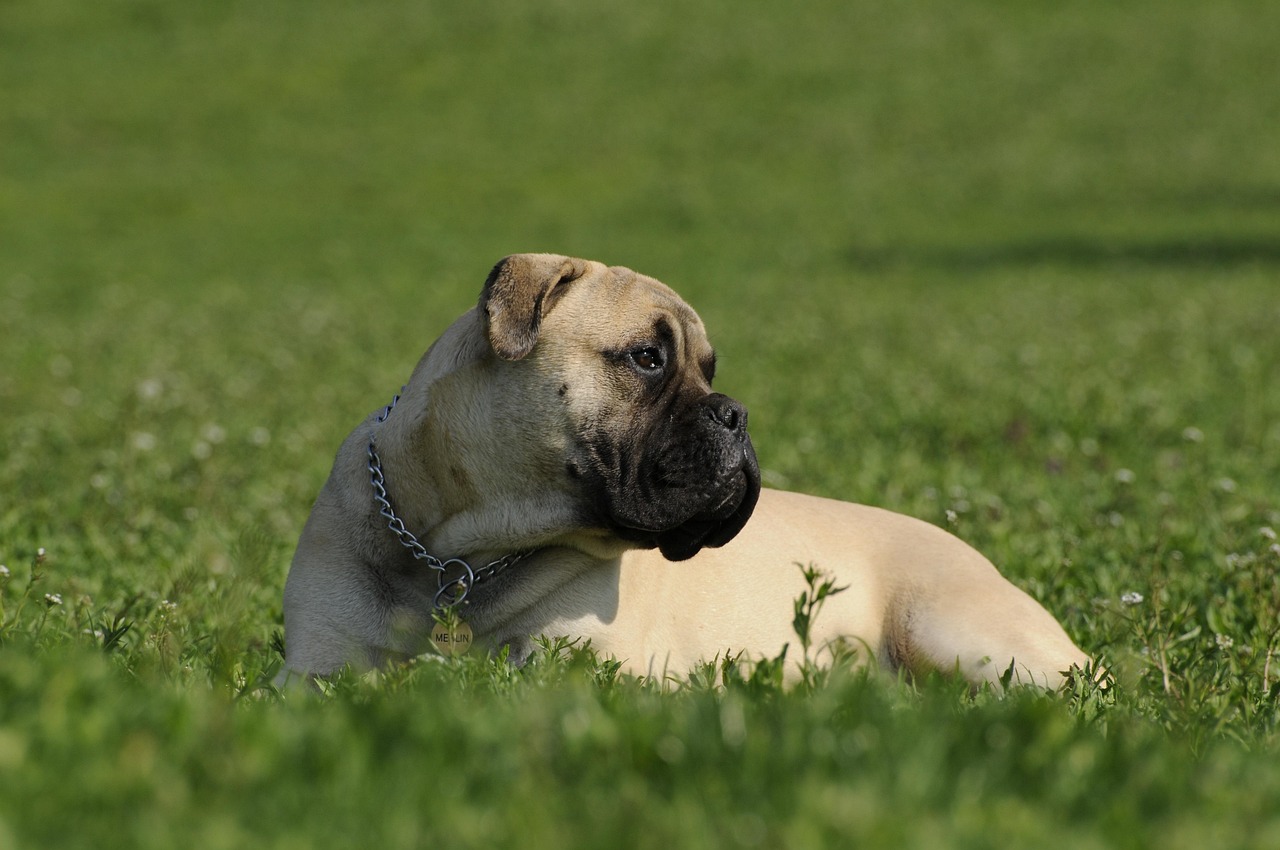
There’s something magical about a big dog. That heavy head on your lap, the bear-sized hugs, the feeling of safety when they’re by the door. But as much as many seniors love large breeds, some dogs are simply a tough match for aging bodies, reduced stamina, or fixed incomes. Loving dogs also means being honest about what you can realistically handle day in and day out.
This article is not about blaming any breed or shaming seniors. It’s about protecting both people and dogs from heartbreaking situations: falls, injuries, rehoming, or chronic stress. We’ll walk through twelve large breeds that are often too demanding for many seniors’ lifestyles, explain why, and offer practical signs and tips so you can make kinder, clearer choices – for yourself and for the dog who trusts you.
1. German Shepherd: Brilliant, Intense, And Always “On”
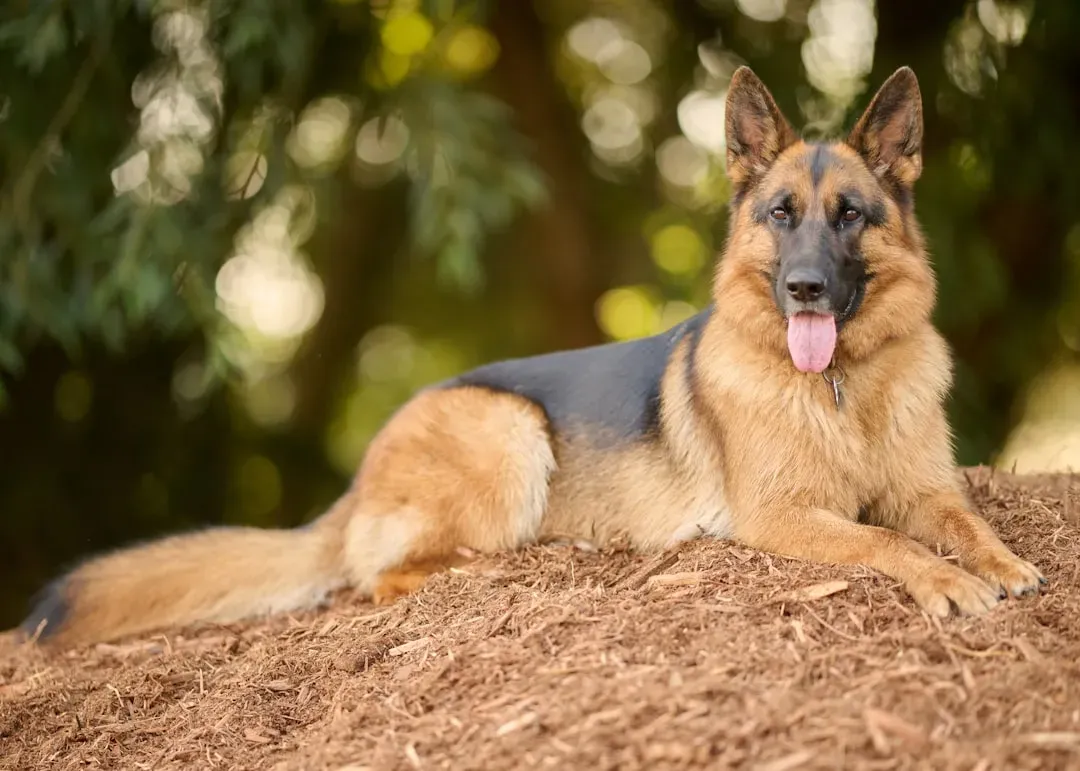
German Shepherds are incredibly smart working dogs, originally bred for herding and later used widely in police and military roles. That means they’re wired to move, think, and respond quickly to the smallest sound or motion. For a senior who wants a relaxed daily rhythm, living with a dog that is always scanning, patrolling, and ready to bolt toward a perceived threat can be exhausting and even dangerous.
Behavior cues that a German Shepherd isn’t getting what they need include constant pacing, obsessive barking at noises, and fixating on people or other dogs during walks. Without heavy daily mental and physical exercise – think training drills, scent work, long structured walks – they can become anxious, reactive, or even aggressive. For many seniors, simply managing a powerful, highly driven shepherd on leash when they lunge at a squirrel or bicycle is more physical strain than their joints or balance can safely handle.
2. Siberian Husky: Escape Artist With A Marathon Engine
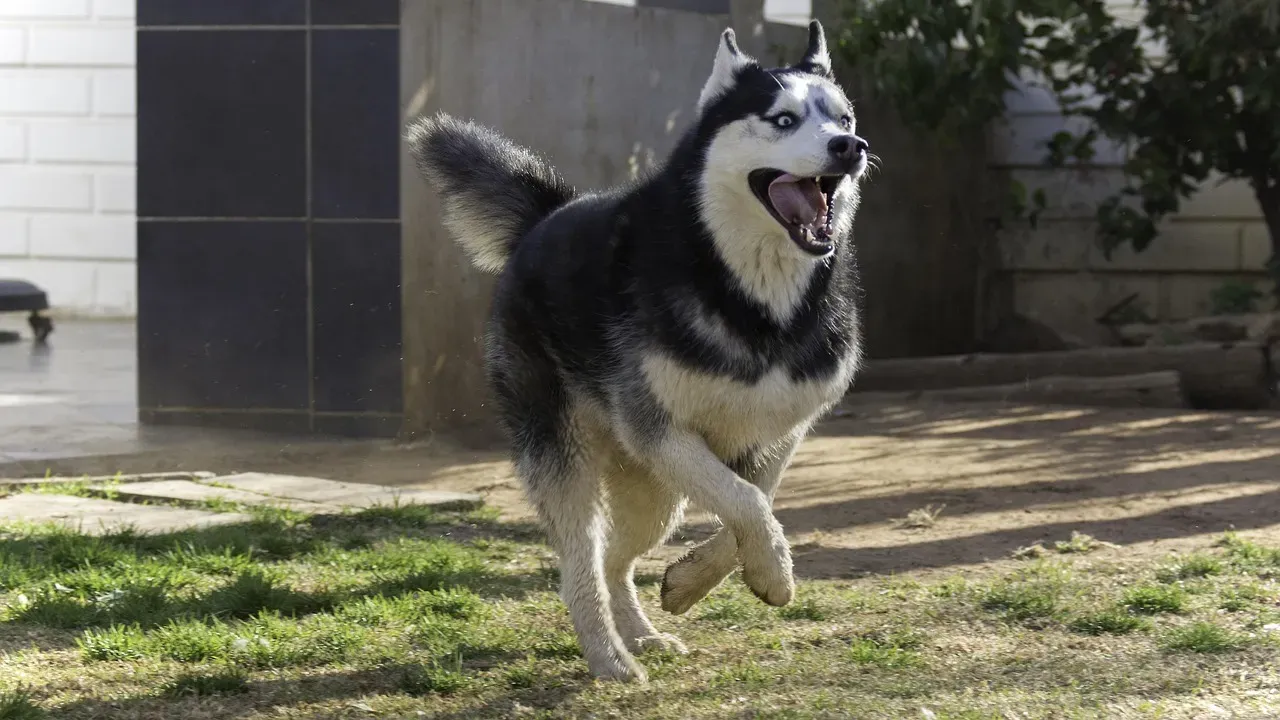
Huskies look like fluffy snow wolves, but under that gorgeous coat is a long-distance runner built to pull sleds for hours. They are famous for needing far more exercise than the average family can give, and that challenge only increases with age. A senior who feels tired just thinking about multiple long walks, play sessions, and secure off-leash running will likely find a Husky’s energy overwhelming.
Many Huskies are also skilled escape artists, digging under fences or slipping out of doors in a second. That means a senior with slower reflexes or mobility issues might struggle to catch a dog that can sprint at impressive speeds and has a strong instinct to roam. Warning signs include nonstop howling, destructive chewing, and frantic attempts to bolt on walks. Keeping a Husky truly safe and fulfilled often requires stamina, quick reactions, and time outdoors that many older adults simply do not have.
3. Great Dane: Gentle Giant With Very Real Physical Demands
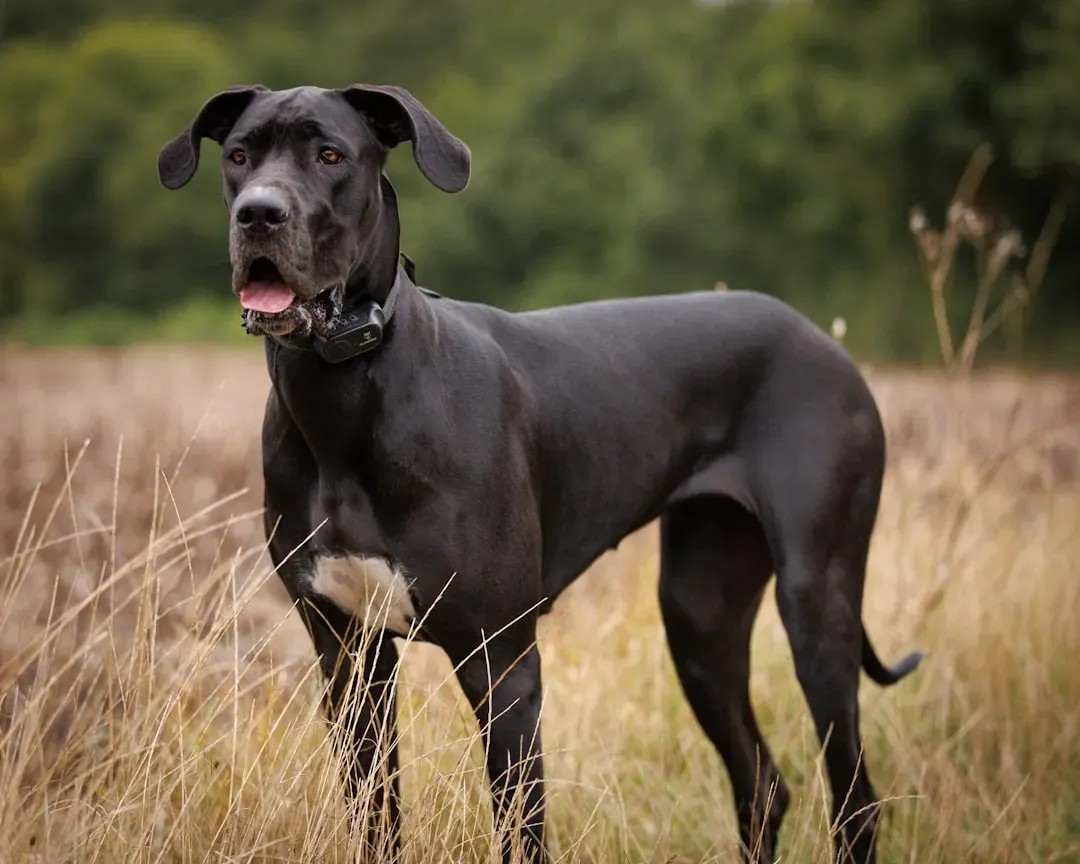
Great Danes are often called gentle giants for a good reason; many are affectionate, slow-moving, and deeply devoted. The problem is not usually their temperament, but their sheer size and physical needs. An adult Dane can weigh as much as a grown man, and even a friendly, excited hop or lean into your legs can knock down someone with weaker balance or brittle bones.
In addition, large and giant breeds like Great Danes are prone to serious health issues such as joint disease and bloat, both of which can require emergency vet visits, special diets, and often expensive treatment. Seniors on fixed incomes may find the cost of giant-breed care overwhelming, especially as the dog ages. Helping an arthritic 150‑pound dog up stairs, into a car, or onto a vet’s exam table can be physically impossible for many older caregivers, no matter how loving they are.
4. Rottweiler: Powerful Guardian Needing Firm, Consistent Handling
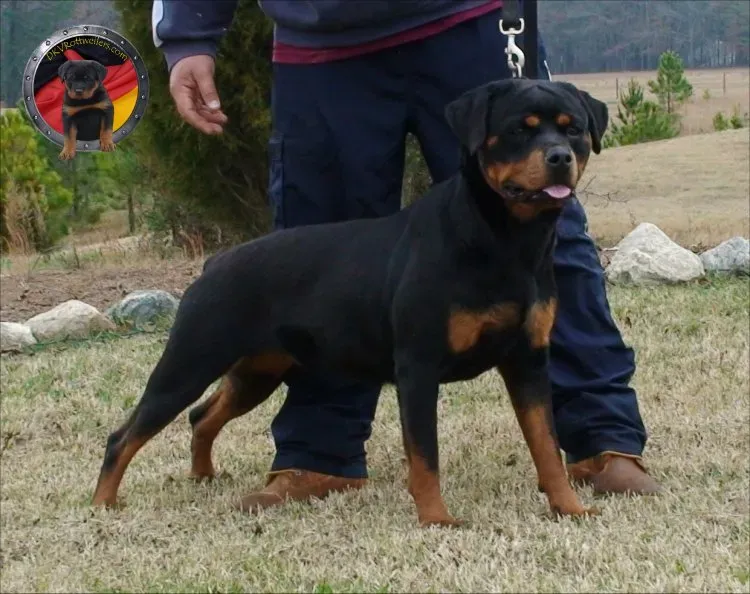
Rottweilers are loyal, confident, and often deeply bonded to their families, but they are also powerful guard dogs with strong protective instincts. They need experienced, calm, and consistent leadership from someone who can physically control them in any situation. If a senior is even slightly unsteady on their feet, managing a muscular Rottweiler that suddenly pulls toward another dog or stranger becomes a serious fall risk.
Without enough structure, socialization, and mental work, Rottweilers can become pushy, territorial, or reactive. Behavior cues to watch for include stiff body posture when visitors arrive, blocking behavior (standing between you and others), and intense staring at other dogs. Proper training classes, regular social exposure, and daily exercise are non-negotiable, and that combination can be a heavy load for someone dealing with reduced energy, chronic pain, or transportation challenges.
5. Belgian Malinois: The “Too Smart” And “Too Intense” Athlete
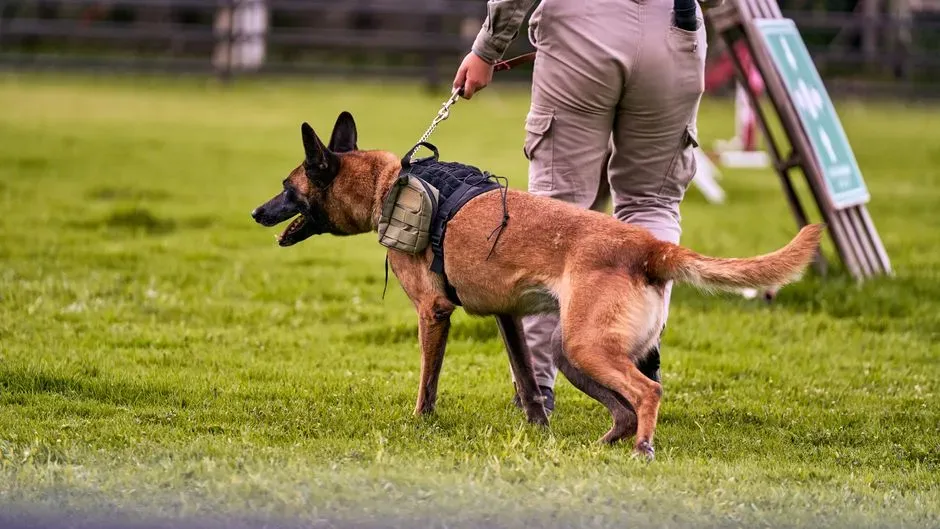
The Belgian Malinois has become widely known as a favorite for elite police and military units, and that alone is a clue that they are not casual companion dogs. They are extremely energetic, mentally sharp, and often described as “workaholics” who do best when they have a serious job. For most seniors seeking a calm, cuddly friend around the house, a Malinois will feel like living with a canine tornado.
They can develop serious behavior issues when under-stimulated: obsessive spinning, nipping, frantic pacing, and hyper-vigilance toward windows or doors. Many Malinois need several hours a day of training, running, and task-based play such as obedience, agility, or protection sports. This level of commitment is similar to having a high-performance athlete in the family, and it’s simply not realistic for an older adult who may struggle with fatigue, mobility, or medical appointments of their own.
6. Alaskan Malamute: Strong-Willed Sled Dog In A Modern Home
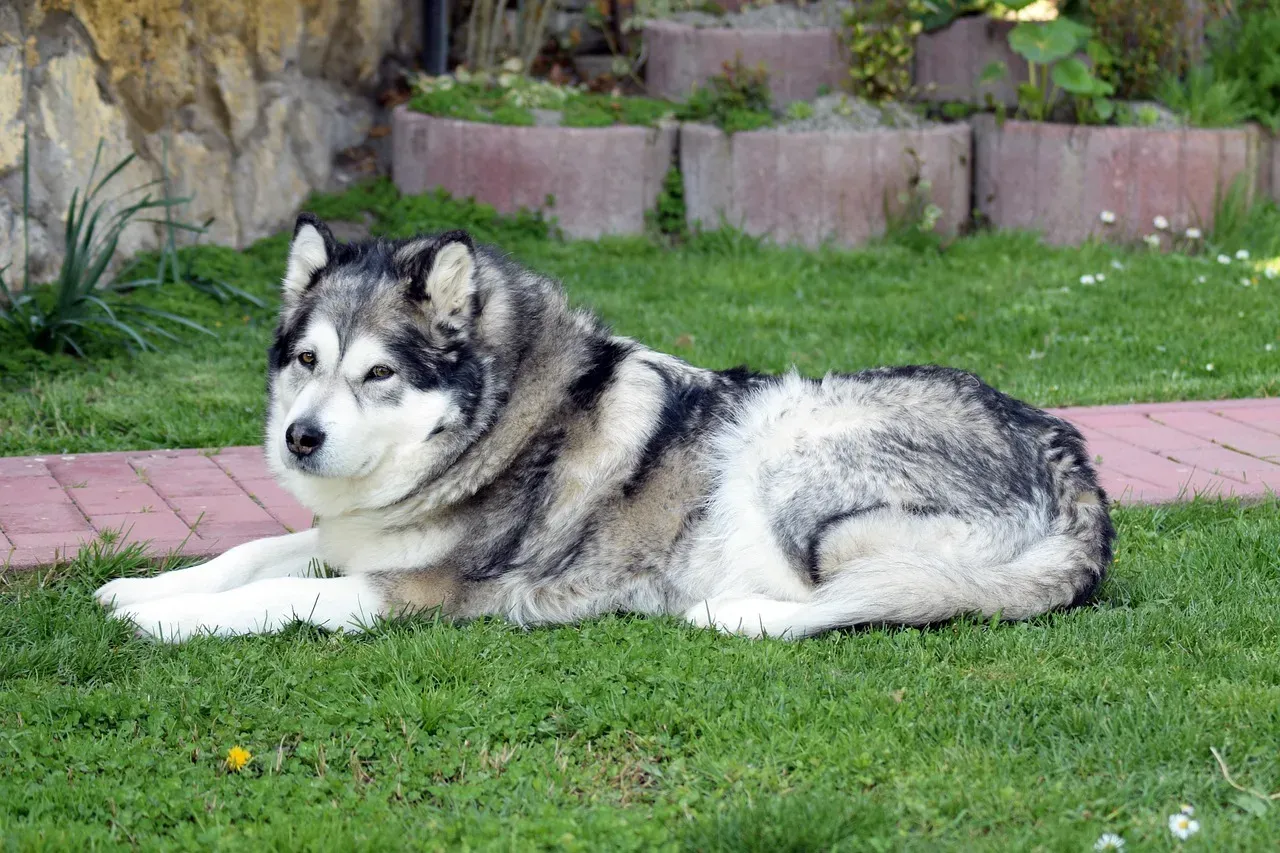
Alaskan Malamutes are big, beautiful, and incredibly strong, bred to pull heavy loads in harsh Arctic conditions. That strength translates into serious pulling power on leash, which can drag even a younger adult off balance. For many seniors, one sharp lunge on an icy sidewalk or uneven path can mean a fractured wrist, hip, or shoulder.
Malamutes can also be quite independent and stubborn, less eager to please than some other breeds. They are prone to digging, howling, and testing boundaries, which means their guardians need the energy to enforce rules consistently and provide robust daily exercise. Signs that a Malamute is under-exercised include destructive yard work, nonstop attempts to escape, and rough play that can accidentally knock someone over. This is not a dog that flourishes with a slow-paced, mostly indoor lifestyle.
7. Saint Bernard: Sweet Nature, Huge Body, Heavy Care
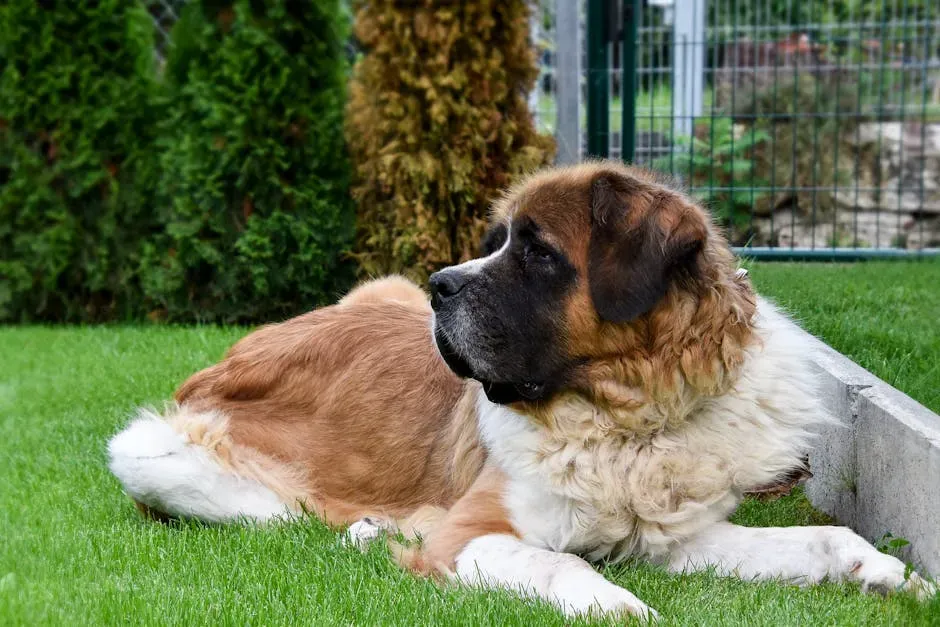
Saint Bernards are often portrayed as gentle rescue heroes in the snow, and many really are sweet, steady companions. But they are enormous, drooly, and physically demanding in ways that can overwhelm older owners. Cleaning up after a Saint’s drool, shedding, and large-volume waste can be a daily chore that strains backs and knees already dealing with age-related wear and tear.
These dogs are also prone to joint problems, heart issues, and overheating because of their size and thick coats. Seniors may struggle to move quickly enough in an emergency, such as a dog collapsing from heat stress in warm weather, or to lift or assist a dog that can weigh as much or more than they do. Even simple tasks like bathing a Saint Bernard, trimming nails, or helping them in and out of a car can require professional help or younger family members, adding cost and logistics that not every senior has available.
8. Newfoundland: Water Rescue Dog With A Heavy Health Burden
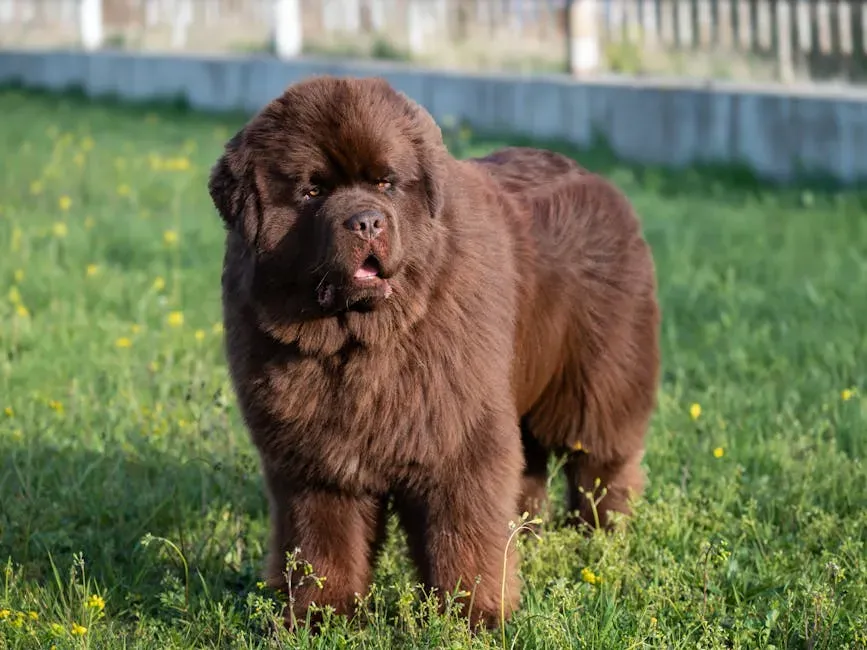
Newfoundlands are renowned as gentle, water-loving rescue dogs, and their calm demeanor can be very appealing to older adults. However, they are massive, fast-growing dogs that carry a high risk of orthopedic problems such as hip and elbow dysplasia, as well as heart and joint issues. Providing proper care often means frequent vet visits, specialized diets, and sometimes physical therapy – all of which can be expensive and time-consuming.
Their dense, water-resistant coat also requires regular grooming to prevent mats, skin infections, and overheating in warmer climates. Brushing a Newfoundland thoroughly and bathing them is a physically demanding job. Seniors with arthritis in their hands, back problems, or limited stamina may find the grooming alone is too much. And if a 130‑pound Newfoundland decides to greet someone by bounding forward in joy, even a slight bump can be enough to cause a dangerous fall.
9. Doberman Pinscher: Sensitive Guardian Who Feels Everything
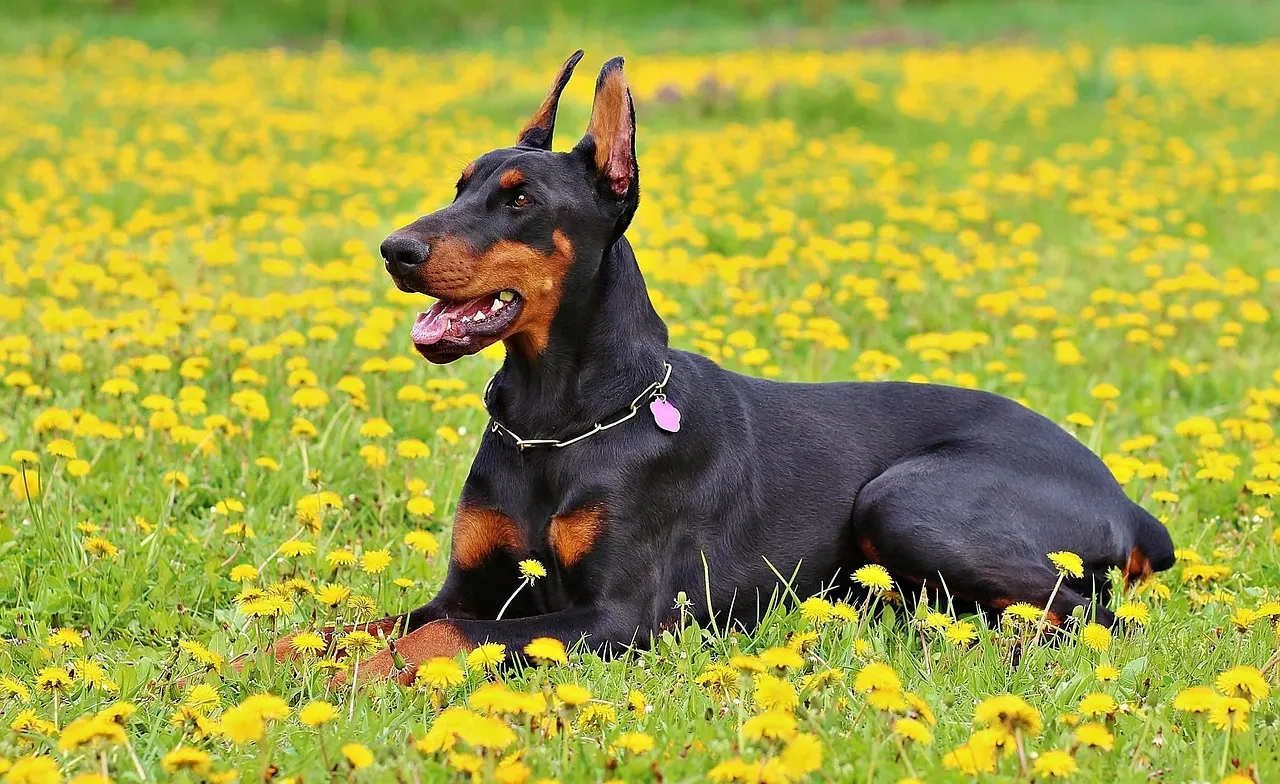
Dobermans are athletic, alert, and deeply loyal to their people, often forming intense one-on-one bonds. They are also highly sensitive and can react strongly to their environment, picking up on tension, fear, or changes around the home. This emotional intensity, paired with their physical power, means they require thoughtful, confident handling that not every senior feels able to provide.
They need daily, structured physical activity and engagement – brisk walks, training games, and mental challenges – to prevent boredom and anxiety. If that need is not met, a Doberman may start pacing, barking at every sound, shadowing their owner obsessively, or becoming overprotective. For a senior who may already be managing stress or health issues, navigating a dog that responds so strongly to every knock at the door or passerby can feel more like a full-time job than a source of calm companionship.
10. Cane Corso: Massive Guardian With Serious Responsibility
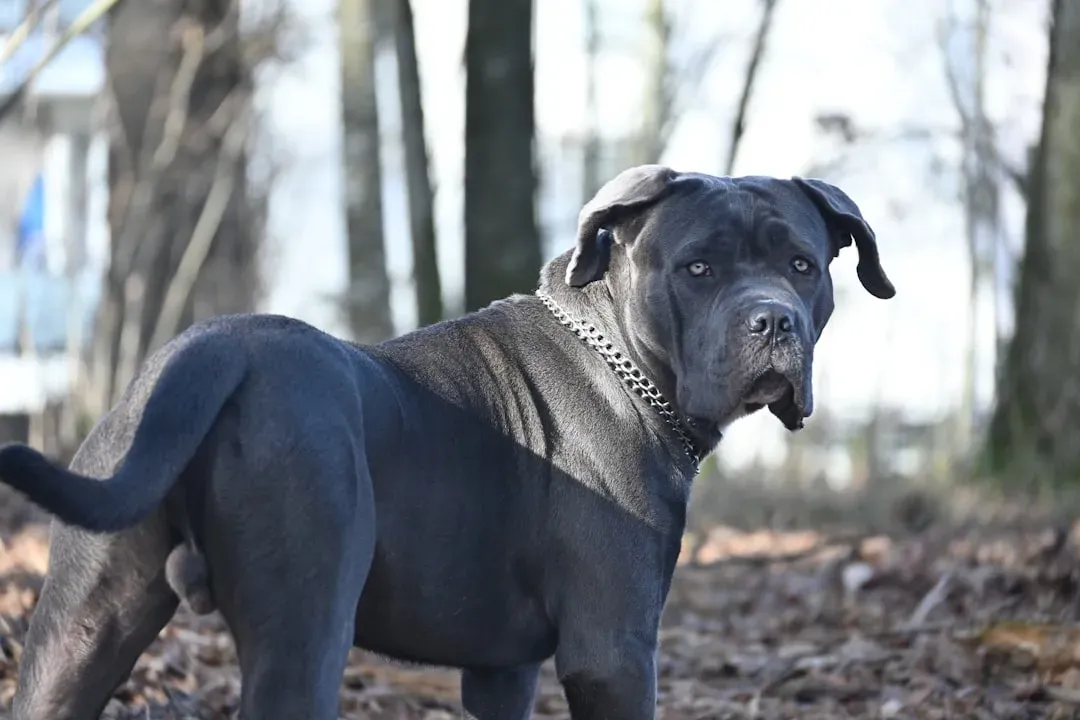
The Cane Corso is a large, muscular mastiff-type breed developed as a guardian and farm dog. They are naturally wary of strangers and can be incredibly protective of their home and family. This is not inherently bad, but it means their guardian must be capable, confident, and committed to early and ongoing socialization and training. Many seniors simply do not need or want the level of responsibility that comes with managing such a serious guardian breed.
Because of their size and strength, any behavior missteps – lunging at visitors, challenging other dogs, or blocking doorways – can quickly escalate into safety concerns. In some communities, large guardian breeds also face strict housing rules or insurance challenges, which require time, paperwork, and sometimes added costs to navigate. A senior who desires a peaceful, low-drama lifestyle is usually better off with a mellow, smaller companion rather than a dog whose natural role is to question every stranger at the gate.
11. Bullmastiff: Calm Couch Companion… Until They Need Moving

Bullmastiffs are often surprisingly calm indoors, preferring to lounge and watch the world go by. That mellow personality can be attractive for older adults; however, their size and weight are again a major factor. When a Bullmastiff does decide to move – whether to greet someone, chase a smell, or react to another dog – they do so with the force of a small boulder. A single, unexpected pull on the leash can put a senior on the ground.
They also drool, shed, and require strong, clear boundaries to prevent them from becoming pushy or ignoring commands. Health issues like joint disease, breathing problems in some lines, and skin conditions can be common, adding to vet bills and physical handling needs. Helping a heavy dog with weak hips to stand up, navigate a few stairs, or get into a vehicle can be beyond the safe limits of many older caregivers, no matter how much they adore the dog.
Bernese Mountain Dogs are affectionate, people-oriented, and often very gentle with children and family members. On the surface, they seem like an ideal match for many seniors. But they are large, slow-maturing, and unfortunately prone to several serious health problems, including cancers and joint diseases. That can mean high medical costs, emotionally difficult decisions, and physically demanding care, especially in their later years.
Their thick double coat also sheds heavily and requires regular brushing to prevent mats and skin issues. For seniors already managing fatigue or hand pain, that grooming routine can quickly become a burden rather than a pleasure. On walks, their size and strength still pose a fall risk if they suddenly lunge after wildlife or pull downhill. Even if their personality is gentle, the overall physical and financial demands often make this breed a tough fit for many older adults.
Conclusion: Choosing A Dog That Loves Your Lifestyle Back

If you have always loved big dogs, reading this might feel a little bittersweet. It can be hard to admit that your body, energy, or budget is different now than it was twenty or thirty years ago. But there is deep kindness in choosing a dog whose needs match the life you can comfortably and safely offer. That way, you are not constantly apologizing to your dog in your head for the walks you cut short or the training you never quite had energy to finish.
The good news is that there are many smaller or more moderate breeds – and countless mixed-breed dogs in shelters – who would thrive with a slower pace, shorter walks, and plenty of couch time. When you choose a dog with your current reality in mind, you protect yourself from injury and heartbreak and give a dog the priceless gift of a stable, loving home that truly fits. If you picture the next ten years of your life, what kind of dog can you see walking beside you comfortably all the way to the end?


