
#1 The Name Game
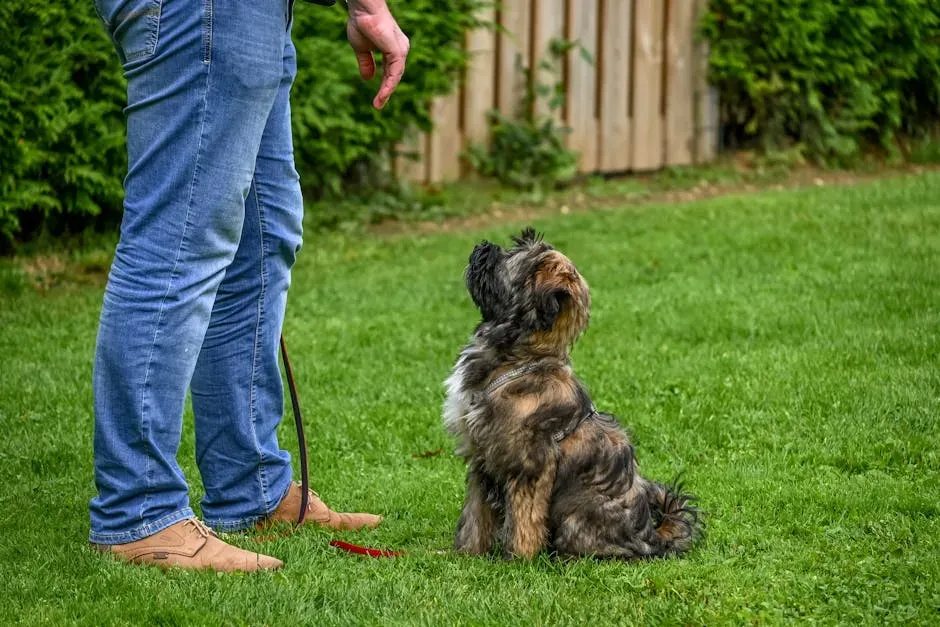
Expanding your dog’s vocabulary by associating names with toys or objects is a surprisingly powerful training tool. Teaching them to fetch specific items by name adds an extra layer of mental stimulation to their playtime. Start with one toy your dog already loves. Say the name every single time they touch it, pick it up, or bring it to you.
According to the American Psychological Association, the average dog can learn around 165 words. Chances are your dog doesn’t know that many yet, but a great way to teach them new words is to name their favorite toys, people, and activities. The name game lays the groundwork for more complex communication down the road, and it’s one of the easiest games to fold into your everyday routine without a formal training session.
#2 The Up-Down Game
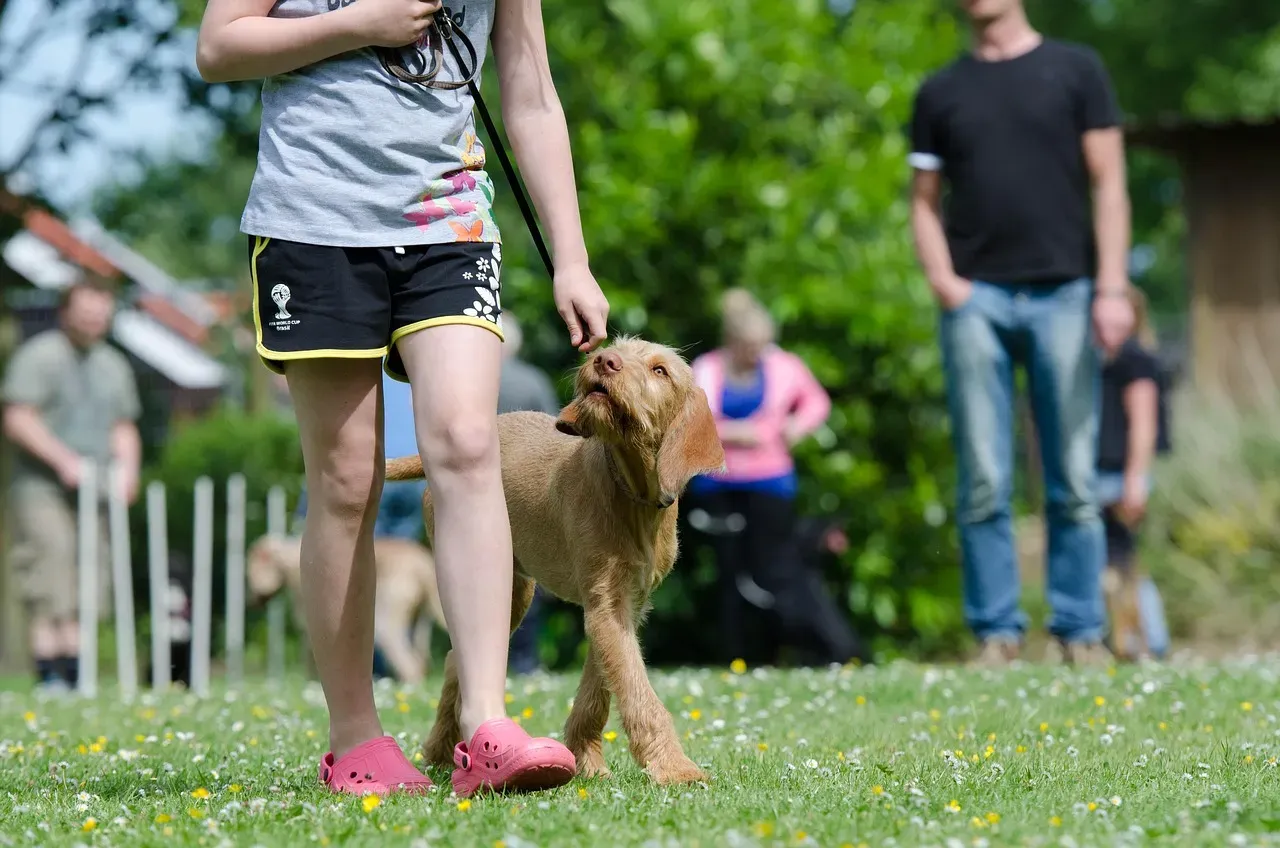
The Up-Down pattern game from Leslie McDevitt’s Control Unleashed series is a favorite among professional trainers who work with fearful and reactive dogs. It’s simple in concept but remarkably versatile when it comes to changing behavior. You drop a treat on the floor, and the moment your dog finishes eating and looks back toward you, you mark that moment with a clicker or a word like “yes.”
This game teaches dogs that paying attention to their humans will pay off, and it’s a helpful foundation skill for everything from loose leash walking to coming when called. It also helps nervous and reactive dogs process scary things from within the safety of a familiar pattern, with a predictably positive routine that can help dogs feel more comfortable even when strange things are happening around them.
#3 Hide and Seek

Hide and Seek is a classic childhood game that translates beautifully into canine enrichment. It requires your dog to know a few simple commands such as “stay” and “come.” To play, tell your dog to stay while you go hide. When you call out, they have to use both their nose and their memory to track you down. It sounds simple. For your dog, it’s genuinely thrilling.
Beyond enhancing scent work, this game provides excitement and joy while reducing stress levels. It transforms basic play into an adventurous experience that is enriching and rewarding. Over time, it can significantly contribute to a dog’s cognitive and emotional health. Dogs that play hide and seek regularly tend to develop stronger recall instincts too, which is a practical bonus most owners appreciate.
#4 Tug With Rules
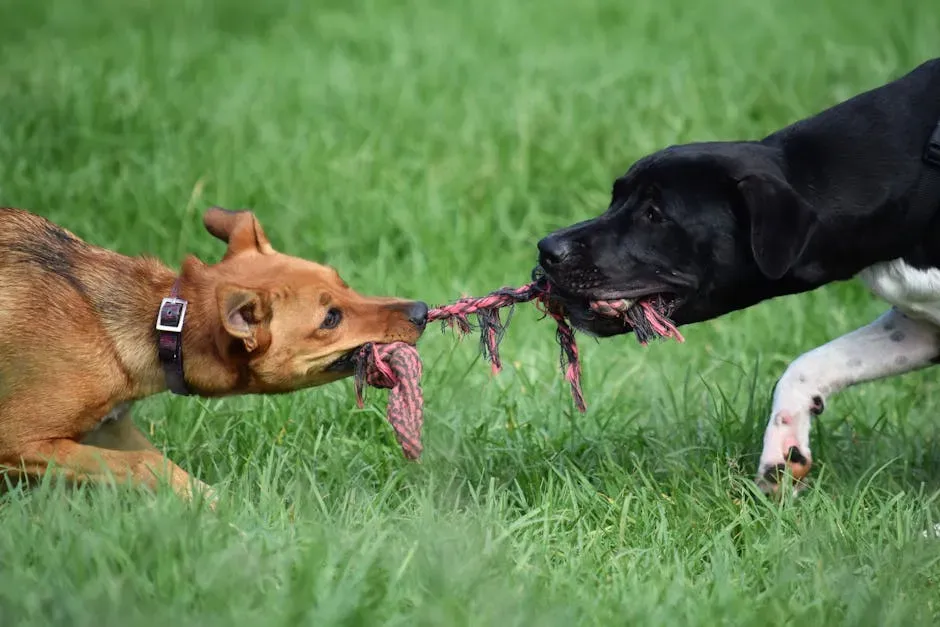
Tug with Rules introduces commands like “take it,” “give,” and “leave it,” which introduce impulse control in a genuinely fun way. The game itself taps into a dog’s natural predatory drive, but the rules layered on top teach them that excitement and self-control can coexist. That’s a lesson that transfers into almost every other part of their life.
Tug-of-war is a classic game that provides great exercise for your dog. Typically using a rope toy, you can play inside or outside with very little space needed. You want to challenge your dog but also allow them to win on occasion. It’s also important to train your dog to drop the rope on command, as they need to understand the basic structure of the game.
#5 The Treasure Hunt
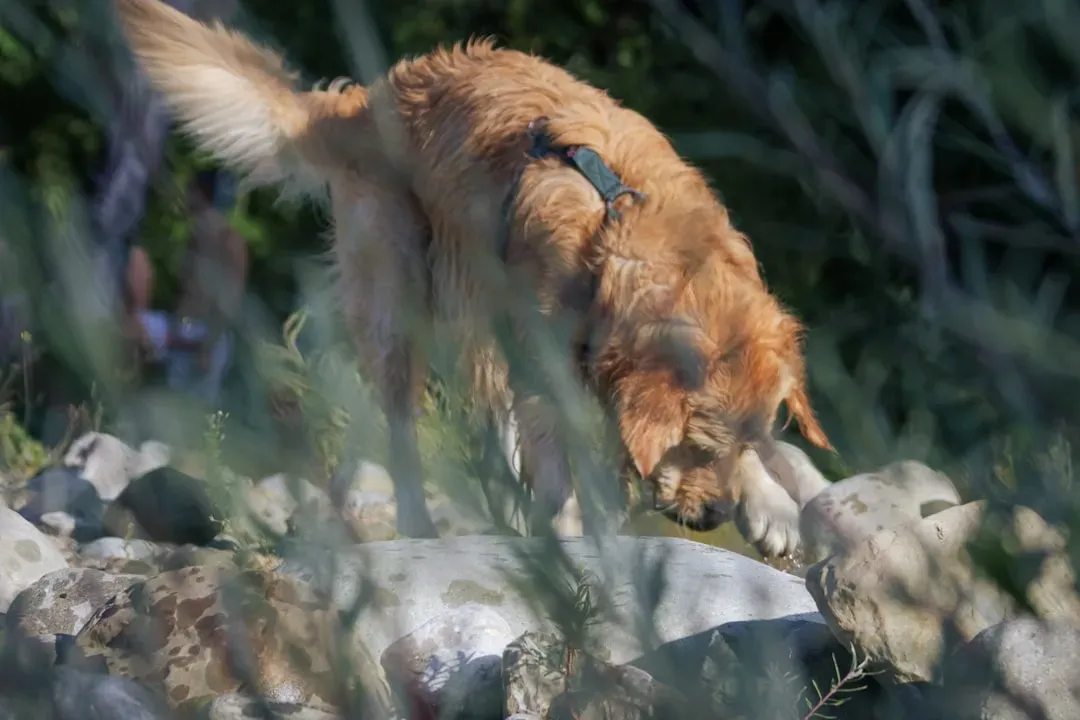
For a treasure hunt, find something extra smelly that your dog loves, like a Kong full of peanut butter or a favorite toy. Show them the treasure, then tell them to sit and stay while you go hide it. Once you release them, let their nose do the work. Don’t rush in to help. The searching itself is the reward.
Brain games like treasure hunts activate problem-solving skills and natural instincts. This cognitive engagement releases mental energy, reducing boredom-related behaviors like excessive barking, chewing, or digging. For dogs that seem to have endless energy indoors, a ten-minute treasure hunt can produce a noticeably calmer animal afterward.
#6 Puzzle Feeders
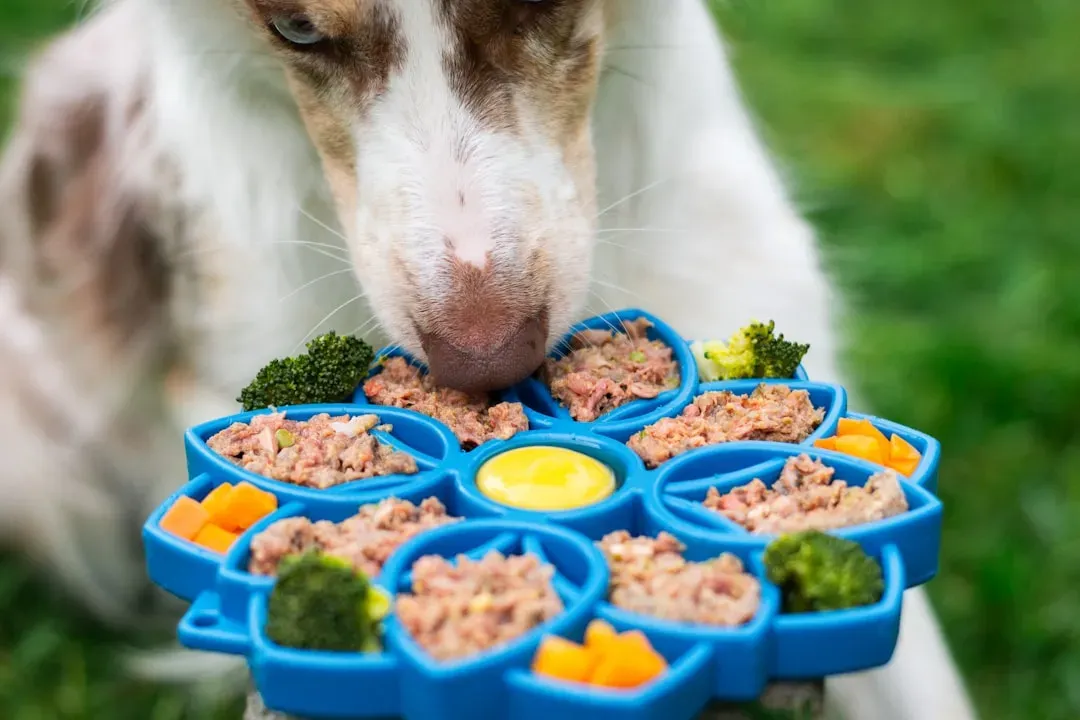
Puzzle toys stimulate a dog’s problem-solving abilities and can range from treat-dispensing balls to interactive puzzle feeders. Watching your pup figure out how to access the hidden treats adds an extra layer of mental enrichment to their day. The beauty of puzzle feeders is how little effort they require from you while delivering significant cognitive exercise to your dog.
Dog puzzles teach problem-solving skills with a variety of treat and kibble-based enrichment activities. Starting with beginner-level puzzles and gradually introducing more advanced games challenges your dog’s mind. These mentally stimulating activities not only engage your dog’s instincts but also promote cognitive development, keeping them entertained and mentally sharp.
#7 The Place Game
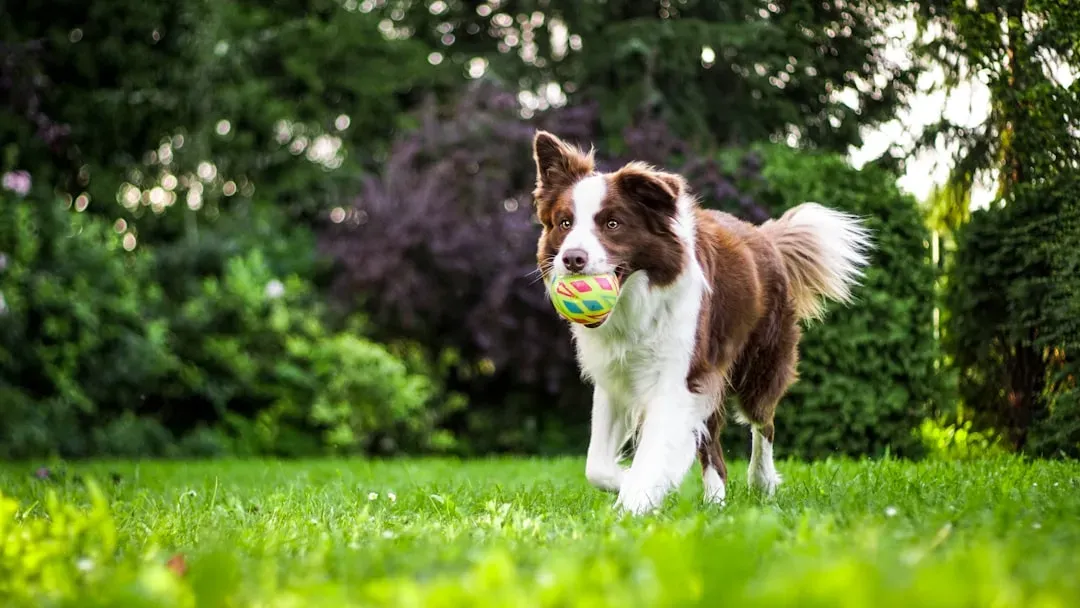
Relaxed dogs are less stressed and more open to learning new things. Teaching your dog to go to their “place” and stay calm there is one of the most practical training games you can play. Introducing a cue like “place” and reinforcing it with treats gives your dog a clear job. Once they’re good at it, you can challenge them by moving further away or stepping away and doing something distracting. If they remain calm, they get their reward.
The place game is one of those unassuming training tools that quietly shapes a dog’s entire demeanor over time. Game-based learning creates positive associations that make dogs eager participants rather than reluctant students, and viewing training as playtime eliminates resistance and accelerates learning. A dog that knows “place” becomes genuinely easier to live with in almost every daily situation.
#8 Shaping Games
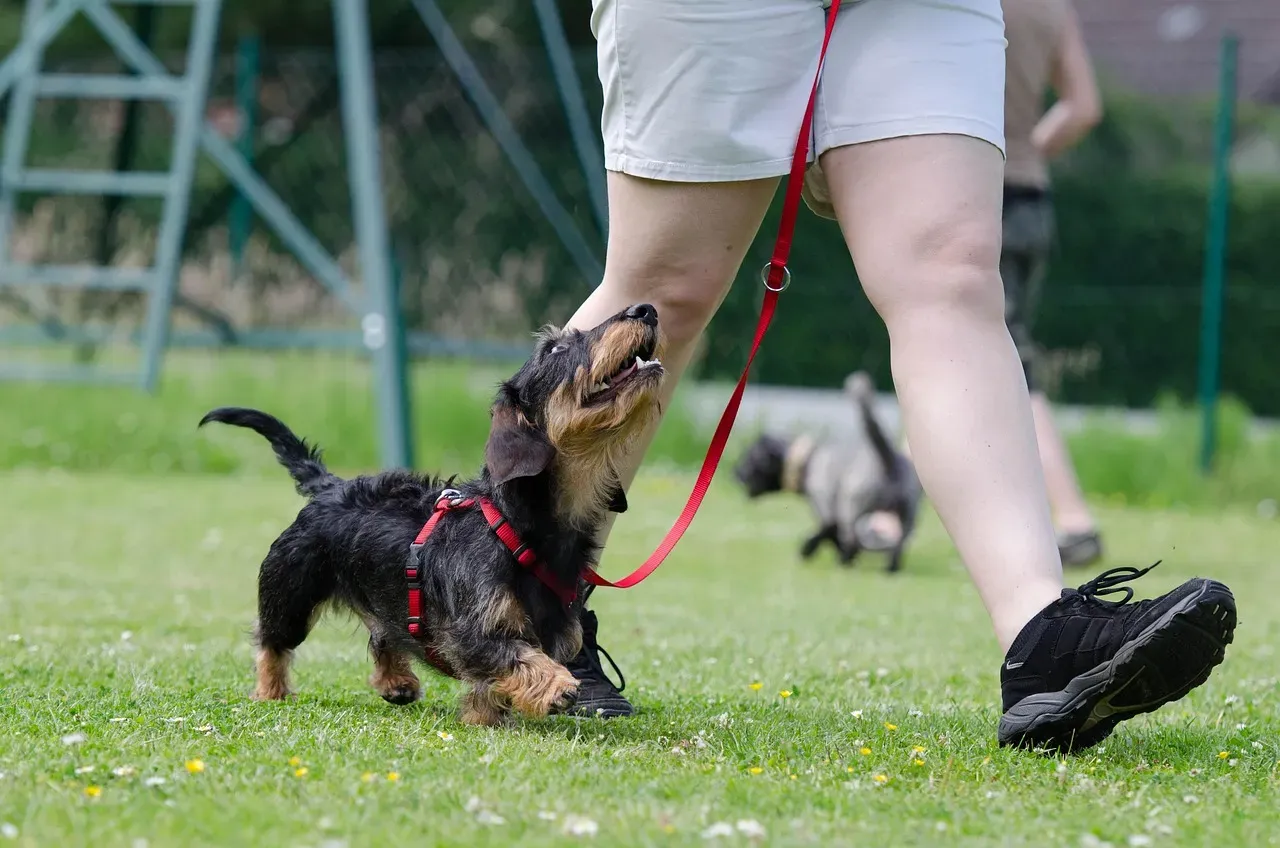
Shaping exercises encourage your dog to think independently. Starting with simple behaviors and rewarding small steps toward the desired action not only builds their problem-solving skills but also boosts their confidence. In shaping, you never push or guide your dog physically. You simply reward movement in the right direction and wait for more.
The environment does the teaching in a well-designed shaping game. Your job is to create a clear setup, stay quiet, and let your dog make the decisions. You set the stage, reinforce thoughtful choices, and your dog begins to understand how their decision-making shapes the game. That awareness follows them into every other part of training.
#9 The Stop and Go Game
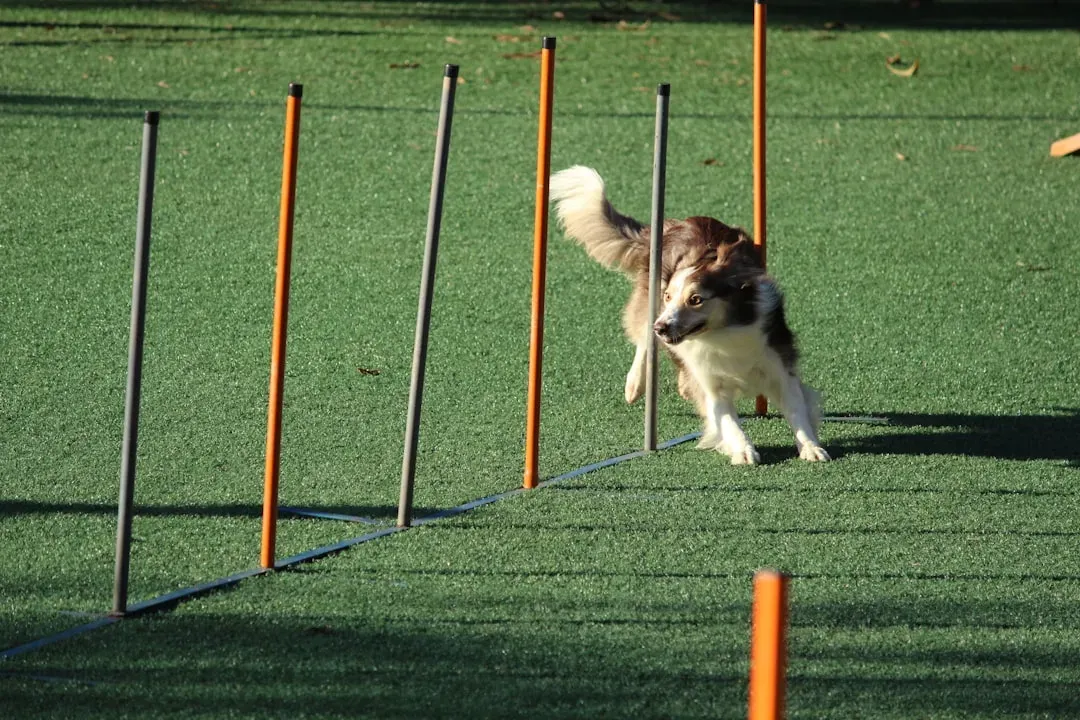
Stop and Go is a game that helps dogs practice their “come” and “stay” commands. You get your dog riled up and excited, then create some space between the two of you. Ask your dog to “come,” but before they can reach you, tell them to “stay.” If they successfully stop in their tracks, they earn a reward. Then you release them to come all the way to you.
Stop and Go teaches your dog how to control themselves while also strengthening their listening skills. It’s a genuinely fun game that works on two commands simultaneously, and dogs tend to pick it up fast because the emotional energy of the game keeps them engaged. The stop-start rhythm also mirrors real-world situations where impulse control actually matters.
#10 Trick Training
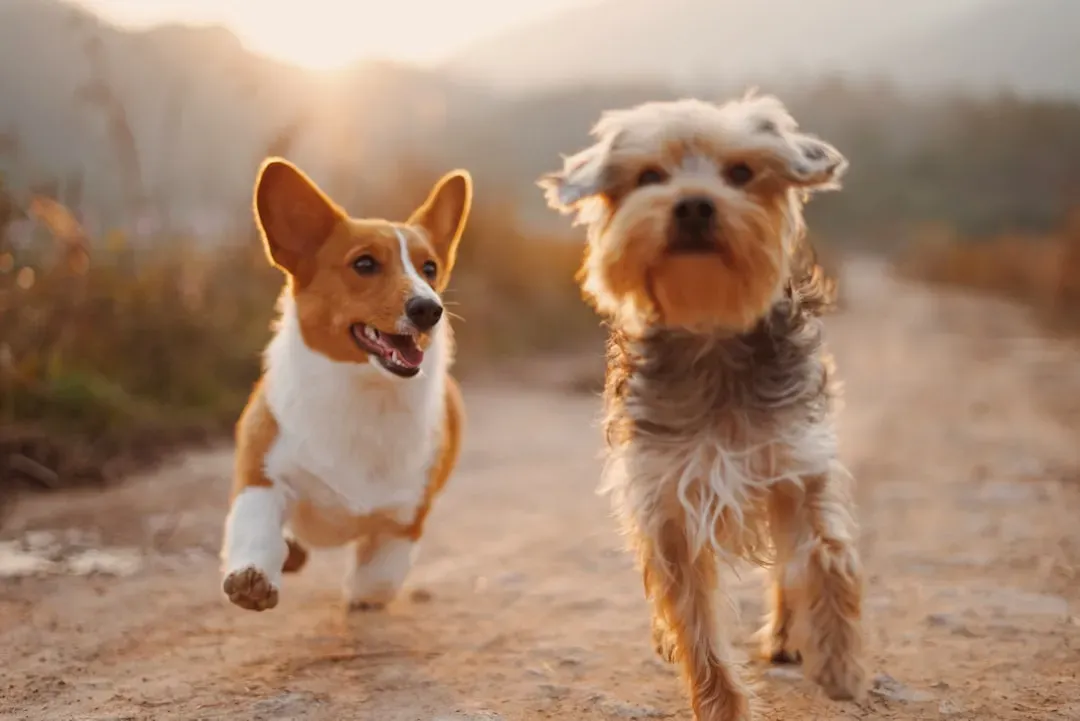
Teaching new tricks is one of the most effective dog enrichment activities because it combines mental stimulation with positive reinforcement training. Learning new behaviors creates new neural pathways, keeping your dog’s brain young and engaged. Tricks don’t have to be elaborate to be valuable. Something as simple as “spin,” “bow,” or “shake” gives a dog a task to master and a way to earn genuine praise.
Just 10 to 15 minutes of training can tire a dog as much as a long walk. That’s not a small thing, especially for owners who can’t always get outside. Trainers are adopting games that stimulate a dog’s problem-solving skills, memory, and concentration, designed to entertain and challenge the dog’s mind, promoting mental agility and delaying cognitive decline in older dogs.
#11 The Shell Game
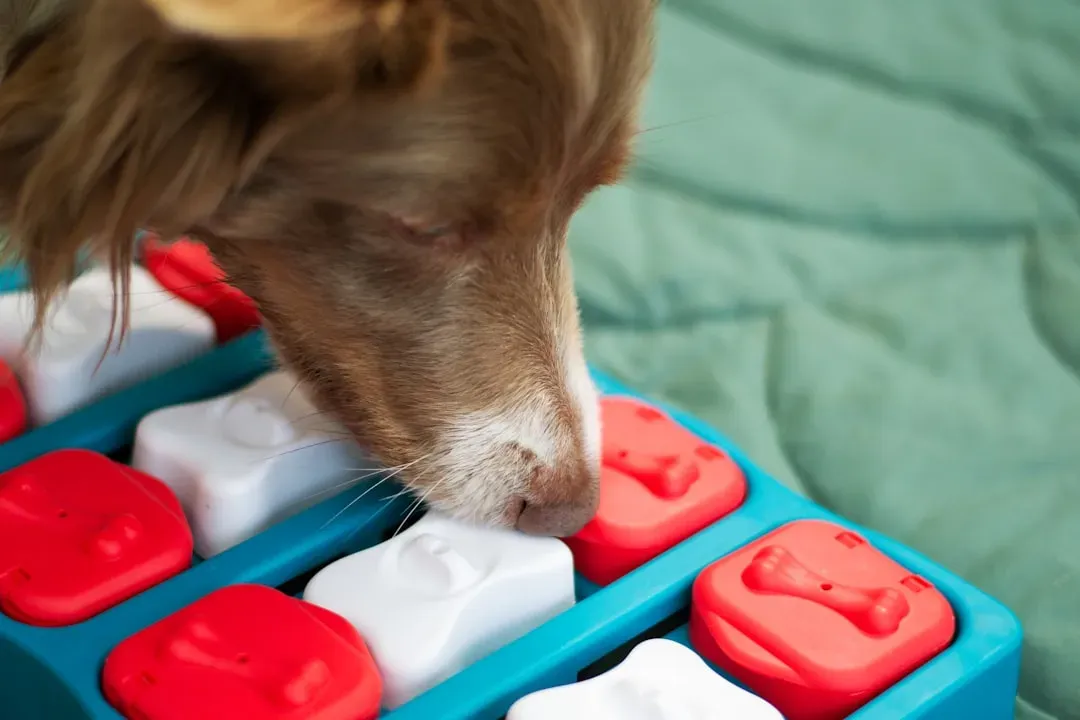
The classic shell game is an excellent brain training exercise that challenges memory and concentration. Your dog must remember the sequence, plan their movements, and respond to your cue, making it an intermediate-level activity with primary benefits in memory development, impulse control, and focus. To play, hide a treat under one of three cups, shuffle them slowly, and let your dog sniff out the right one.
If your dog gets frustrated during the shell game, make it easier. Success builds confidence and keeps the game fun. Start with just one cup over the treat so there’s no guessing involved, then gradually add the other cups as your dog grows more confident. Dogs process information through multiple sensory channels simultaneously, and their olfactory system plays a crucial role in learning, with scent memories often persisting longer than visual or auditory ones. This means training techniques that incorporate multiple sensory inputs create more robust and lasting learning experiences.
#12 The Agility Course Game
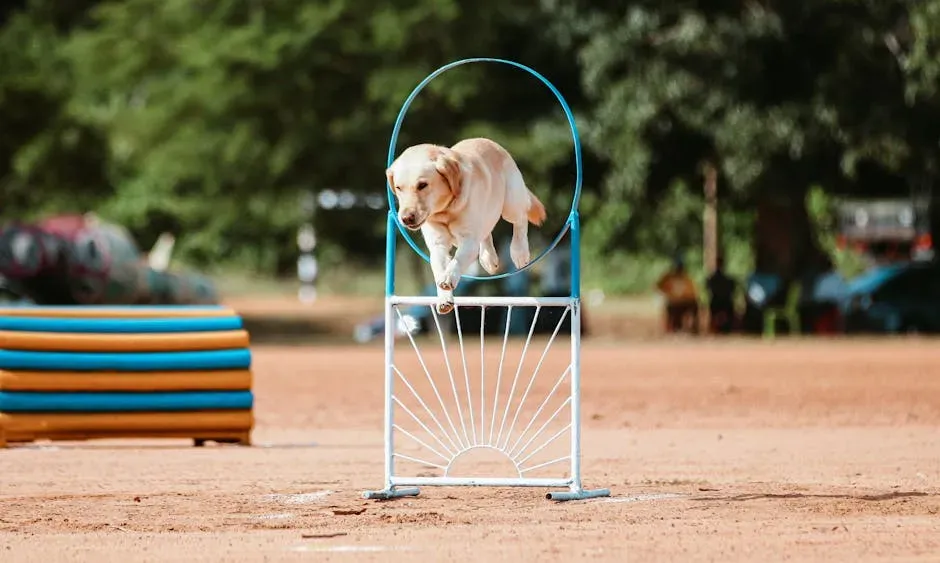
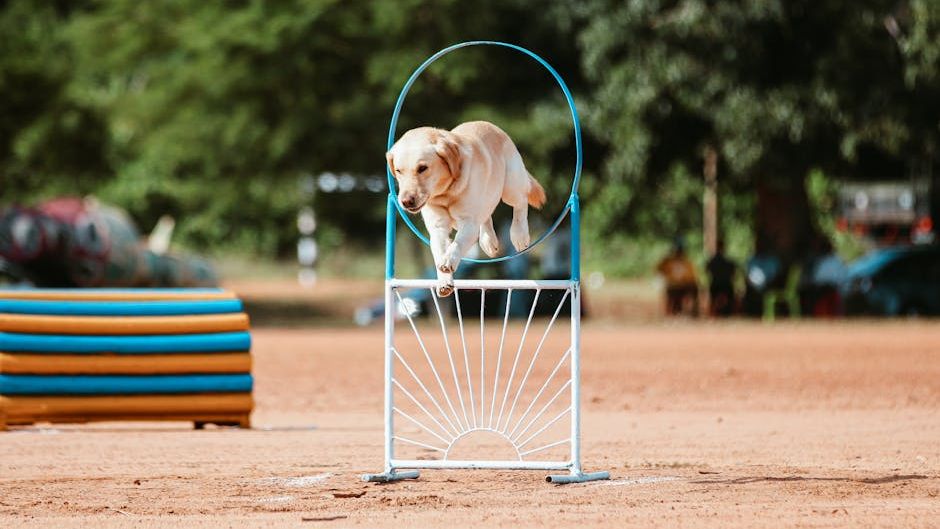
Agility exercises are a fantastic way to spice up a training routine. Setting up a mini obstacle course using household items or investing in agility equipment provides physical exercise while engaging your dog’s mind as they navigate through tunnels, jumps, and weave poles. Even a basic setup using a broom across two chairs or a hula hoop held low is enough to get started.
Incorporating everyday items like a balance board or a small platform into your training routine and teaching your dog to navigate or balance on them enhances their proprioception and core strength. It’s a fantastic way to build confidence and coordination. Research from the University of Lincoln shows dogs demonstrate an exceptional ability to generalize learning across different contexts, and intermixed training approaches significantly improve a dog’s capacity to identify and respond to varied stimuli. An agility course challenges all of that at once.
Why Training Games Matter More Than You Might Think
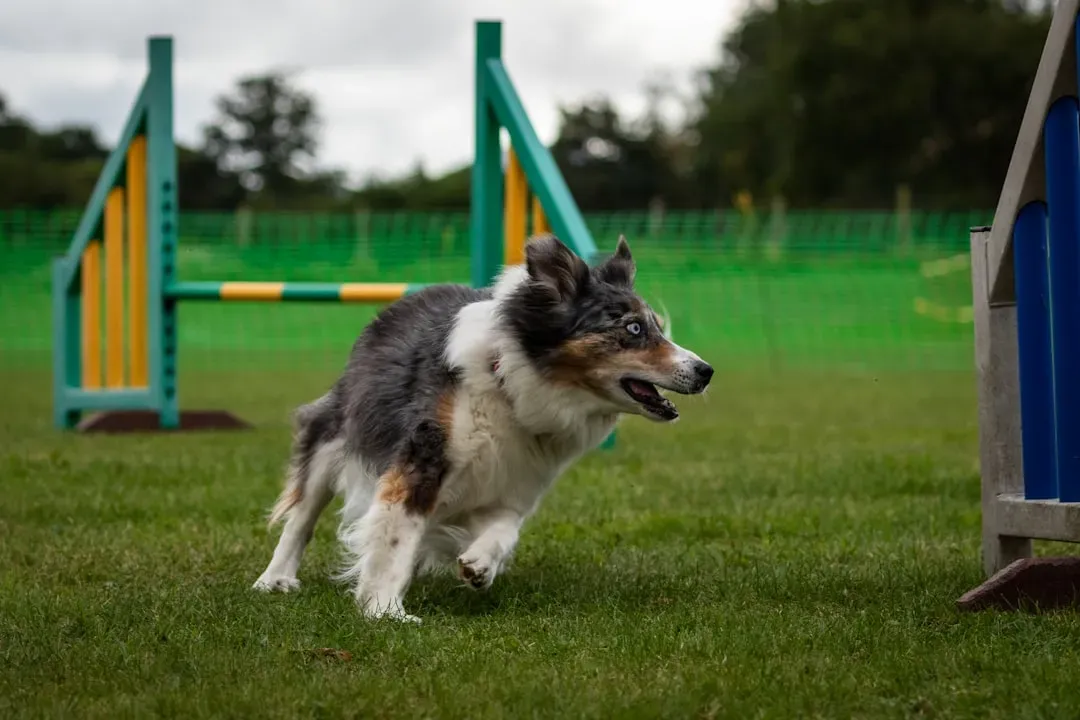
Here’s an honest opinion: the idea that training is a chore is one of the most counterproductive beliefs in the dog-owning world. Dogs learn faster when they enjoy the process, making reward-based training games more effective than traditional drilling methods. These activities address common challenges like destructive behavior, hyperactivity, and poor recall, providing cognitive enrichment that keeps your dog mentally sharp and physically satisfied.
When games are used intentionally, they teach the same principles humans use in therapy: predictability, choice, fun, and mastery. Dogs’ brains are wired to seek out new experiences, solve puzzles, and interact with their environment. When these needs aren’t met, boredom and frustration can set in, leading to destructive behaviors or anxiety. The twelve games in this list aren’t just activities to fill time. They’re a framework for building a dog that actually wants to work with you.
The most well-behaved dogs you’ve ever met weren’t trained through correction and repetition alone. They were engaged, stimulated, and treated like the intelligent animals they are. Pick one game from this list, start today, and pay attention to how quickly your dog shows up differently. That shift, quiet and real, is what training games are actually about.


