

#1: Losing Interest in Favorite Activities

Veterinary behaviorists say the main red flag is a change in normal demeanor. What most clients notice first is that their dog is no longer willing to engage in activities they previously seemed to really enjoy. A dog who usually loves fetch, for instance, may now play for one or two rounds and then simply lose interest. That kind of disengagement is rarely nothing.
Dogs with depression will show a decreased enthusiasm for walks, playtime, or socializing with people or other pets. They don’t stop showing excitement entirely; they are simply less engaged than before. Over time, that fading enthusiasm can become a near-complete withdrawal, and that is when vets start treating it as an urgent concern rather than a passing phase.
#2: Sleeping Far More Than Usual

Just like people, when dogs are depressed, they tend to sleep a lot. Even when you come home from work, your dog may still be sleeping. Sleeping more than usual is a strong indication of something being wrong, and in some cases, your dog may choose to sleep in secluded places away from you. That retreat to isolation is worth paying close attention to.
Disrupted sleep patterns, such as sleeping much more or less than usual, along with restlessness or difficulty settling, may indicate a shift in emotional well-being. When this coincides with other behavioral changes, new sleeping patterns combined with reduced interest in favorite toys or activities are cause for concern, and because these changes can also point to pain or disease, the best first step is always to contact your veterinarian.
#3: Changes in Appetite or Sudden Refusal to Eat

A sign your dog may be depressed is changes in appetite. In addition to having a reduced appetite, they may also eat slowly and with noticeably less enthusiasm than before. It’s one of those signs that’s easy to dismiss on a single day but becomes increasingly alarming when it stretches across multiple meals.
If your dog seems depressed and has completely stopped eating, this warrants a visit to an emergency veterinarian. If your dog has undergone significant weight loss in a brief period, this may indicate a chemical imbalance triggered by clinical depression. Rapid weight loss combined with food refusal is one symptom combination that vets consistently flag as requiring same-day attention, not a wait-and-see approach.
#4: Withdrawing from Family and Social Contact

Depression in dogs manifests through alterations in social interactions. A dog that once eagerly joined family gatherings might seek isolation, or a previously independent dog might become unusually clingy. Both extremes are significant. It’s not always the hiding dog that worries vets. Sometimes it’s the dog that suddenly cannot bear to let you out of their sight.
Withdrawn behavior often goes hand-in-hand with reduced activity levels. A depressed dog may seem a bit grumpy, actively avoiding cuddles and attention that they once sought out. Significant changes in social behavior or complete withdrawal from activities previously enjoyed require prompt professional evaluation, as these symptoms could indicate either severe depression or an underlying medical condition requiring specific treatment.
#5: Excessive Paw Licking or Repetitive Self-Soothing Behaviors

Repetitive behaviors such as licking or chewing can be coping mechanisms for depressed and anxious dogs. They may lick their paws, their bedding, or a particular area of their body excessively to release endorphins that provide temporary comfort. While this self-soothing behavior can seem harmless, it can lead to skin irritation or infection over time.
If appetite vanishes for more than 48 hours, weight drops, or your dog shows self-harm behaviors such as excessive paw licking or flank chewing, contact your veterinarian promptly. The physical consequences of compulsive licking can escalate quickly into open wounds and secondary infections, which then become their own medical emergency on top of the underlying emotional issue. This is one symptom that many owners brush off as a simple habit, often for far too long.
#6: Dull Eyes, Drooping Ears, and Changes in Body Language

Depression may cause subtle but consistent changes in body language and expression. Ears may droop, tails may hang low, and eyes may appear dull or disengaged. A depressed dog often moves more slowly and may avoid eye contact. These physical shifts in posture can be easy to miss at first because they happen gradually rather than all at once.
Changes in body language or posture, including ears down, lack of tail wagging, or tail tucked between the legs, are among the signs that warrant a veterinary examination. Your dog’s body tells its own story, and these postural cues have meaning in the context of everything else happening. A vet assessing your dog will look at the whole physical picture, not just a single behavior in isolation.
#7: Unexplained Aggression or Irritability
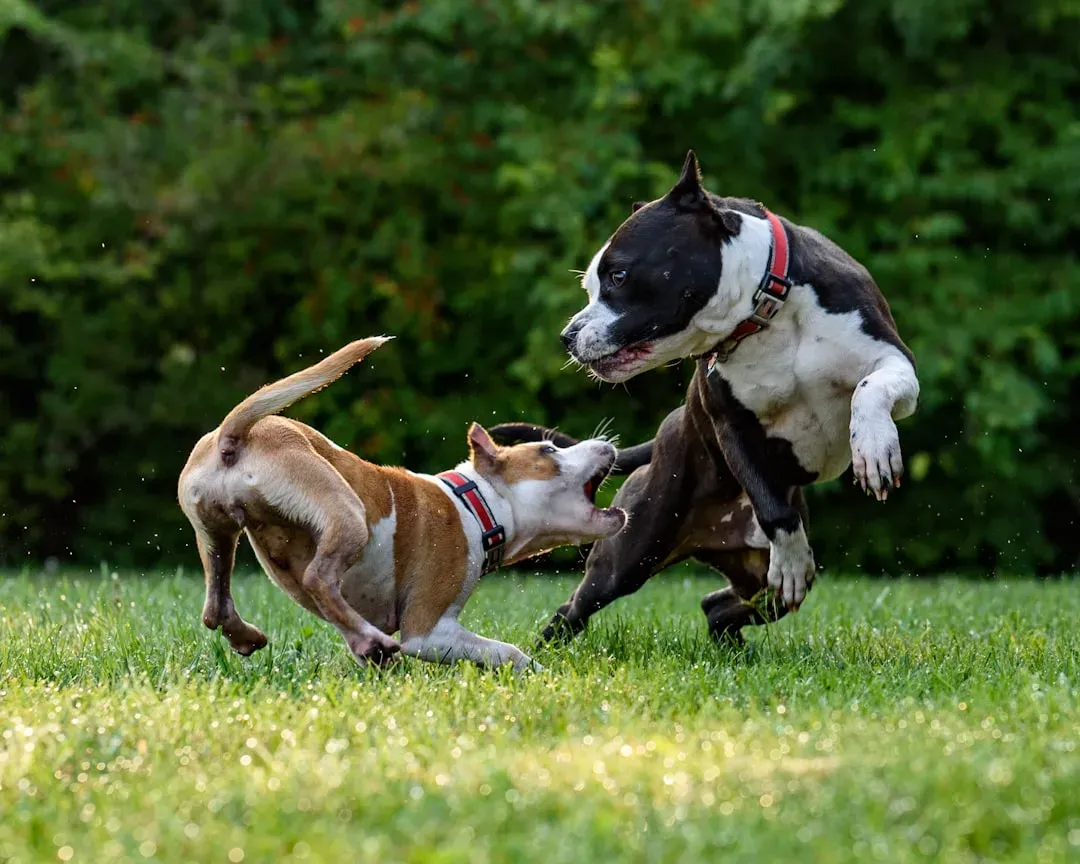
Not all dogs react to depression with sadness alone. Some become more irritable or short-tempered, showing frustration in ways that are completely out of character. A normally calm dog might growl or react defensively to touch or noise. A dog in emotional distress may feel uncertain about their surroundings and lash out as a form of self-protection.
You may notice a loss of interest in the things they typically enjoyed, a change in eating or sleeping habits, and low energy or activity levels. Depression can also present as signs of aggression, including howling or whining. When an otherwise gentle dog begins snapping without clear provocation, that shift in temperament should never be dismissed as attitude. It is almost always communicating something deeper, whether physical pain, emotional distress, or both.
#8: Excessive Vocalization Like Whining or Whimpering

Dogs don’t shed emotional tears like humans do, but they can express distress in their own way. When a dog feels sad or distressed, they may whine, whimper, or sigh more often than usual. These vocalizations are ways of expressing emotional discomfort or seeking reassurance. Some owners interpret this as attention-seeking. It can be, but it can also be a dog in genuine distress asking for help.
When whining becomes persistent and paired with other signs on this list, like reduced eating, social withdrawal, or changes in body posture, it moves out of the category of quirk and into the category of clinical concern. Some symptoms of depression and anxiety can have physical causes that need urgent, same-day medical attention. Continuous vocalization without an obvious trigger is one of those symptoms vets want to hear about sooner rather than later.
#9: Slowing Down in Ways That Mimic Physical Illness
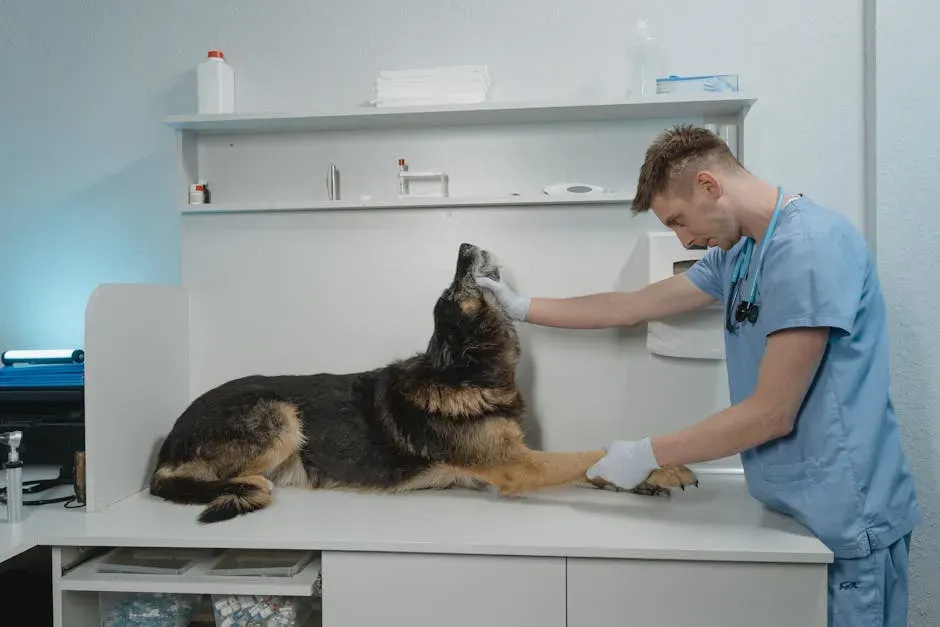
The symptoms of dog depression are commonly similar to those displayed by a dog suffering from an underlying medical condition or chronic pain. Sometimes these issues can even be triggers for depression. Veterinary behaviorists consistently encourage owners to have their dogs medically evaluated to rule out any medical problems, noting that if a dog is slowing down or reluctant to engage, especially without a clear life-changing event, it is very likely medical or pain-related.
What appears as depression might actually be physical pain or illness. A dog that seems unwilling to go for walks might be experiencing joint pain rather than emotional distress. This is precisely why a vet visit is so critical. A veterinarian might recommend diagnostic procedures like blood work to check organ function, urinalysis to identify infections, or imaging studies to evaluate joint health, all of which help rule out conditions like hypothyroidism, arthritis, or dental disease that can mimic depression symptoms.
#10: Hiding or Seeking Out Unusual Spaces

There’s a difference between a dog napping in their favorite corner and a dog retreating behind furniture, inside closets, or under beds for hours on end. Social withdrawal that includes hiding in secluded areas or behind furniture is one of the recognized warning signs of canine depression. When the hiding becomes a pattern and replaces the dog’s normal social presence in the home, something has genuinely changed.
Age-related cognitive dysfunction in senior dogs often presents as disorientation, decreased interaction, and changes in sleep patterns, symptoms easily confused with depression. Vision or hearing loss can make dogs appear withdrawn or startled easily, mimicking anxiety or depression as they struggle to navigate their changed sensory world. This is why context and age matter enormously when a dog begins hiding. What looks like emotional withdrawal in an older dog may have a neurological or sensory explanation that requires its own course of treatment.
#11: Destructive Behavior or Sudden Regression
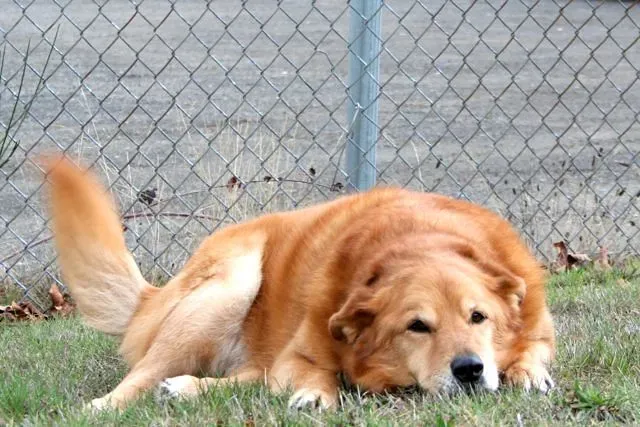
If your dog seems depressed and is partaking in destructive behaviors or is extremely lethargic, taking them to an emergency veterinarian is the appropriate response. Destructive behavior as a depression signal is surprising to many owners, who tend to associate it with boredom or poor training. The reality is that a dog in significant emotional distress may tear through furniture, destroy their own bedding, or engage in behaviors they haven’t shown since puppyhood.
Experienced dog owners who provide appropriate amounts of exercise, enrichment, play, and training can still have dogs that suffer from fear, anxiety, and depression. A highly anxious dog can freeze or shut down in a way that leads to depression, where the dog doesn’t want to eat, doesn’t want to move, and doesn’t want to engage, ultimately removing itself from social interaction. When regression and destructive behavior appear together without any obvious cause, that combination warrants urgent veterinary attention, not a training solution.
#12: Mirroring the Owner’s Emotional State

Research has found that dogs can show stress levels synchronized with those of their owners. As a result, some dogs may become depressed if their owner shows signs of depression. This is one of the more overlooked causes of canine depression, partly because owners going through grief or hardship are often focused inward and may not notice the shift in their dog’s mood until it becomes severe.
Be careful the dog isn’t simply responding to the reactions of other people in the home. Dogs pick up on human emotions, so if a family member has died, the dog could be responding to the grief of those around them. Your dog is likely to sense those around them experiencing grief if there’s been a passing in the family, and all of these emotional dynamics can impact a dog’s general emotional state. The bond between dog and owner runs genuinely deep, and in this case, that depth becomes its own kind of vulnerability worth watching for.
A Final Word: Trust What You Know About Your Dog
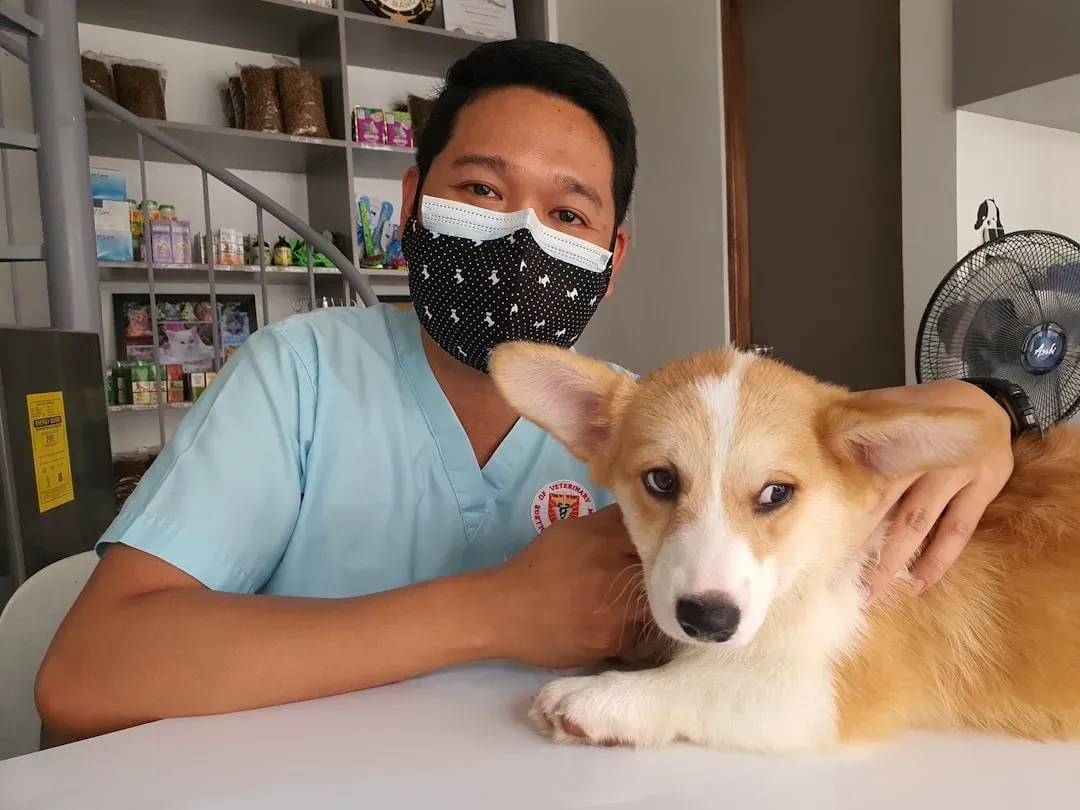
The 12 signs covered here are not reasons to panic every time your dog has a quiet afternoon. Dogs, like people, have off days. What matters is pattern, duration, and the combination of symptoms you’re seeing together. Dogs can feel sad sometimes, but their behavioral changes should not be ignored. Their behavior is a sign that something else is going on, warranting evaluation and management. With appropriate environmental support or medical care, many cases of depression can be effectively managed.
While there’s no simple test to diagnose depression in dogs, veterinarians can speak with the pet parent about what behavioral changes are occurring and rule out other conditions that may be contributing factors. A veterinarian may ask about recent changes to the home environment, what concerning symptoms the dog is experiencing, and whether the dog has lost interest in activities they used to enjoy. That conversation is worth having sooner than later.
Here’s the honest opinion: too many pet owners wait weeks before calling a vet about behavioral changes, convincing themselves it’s temporary. Sometimes it is. But the signs above can also be the early language of serious illness, chronic pain, or a deteriorating emotional state that compounds over time. Your dog spent years learning to read you. The least we can do is return the favor, and act when they’re clearly trying to tell us something is wrong. The earlier you step in, the better the odds of getting your dog back to the version of themselves you know so well.


