
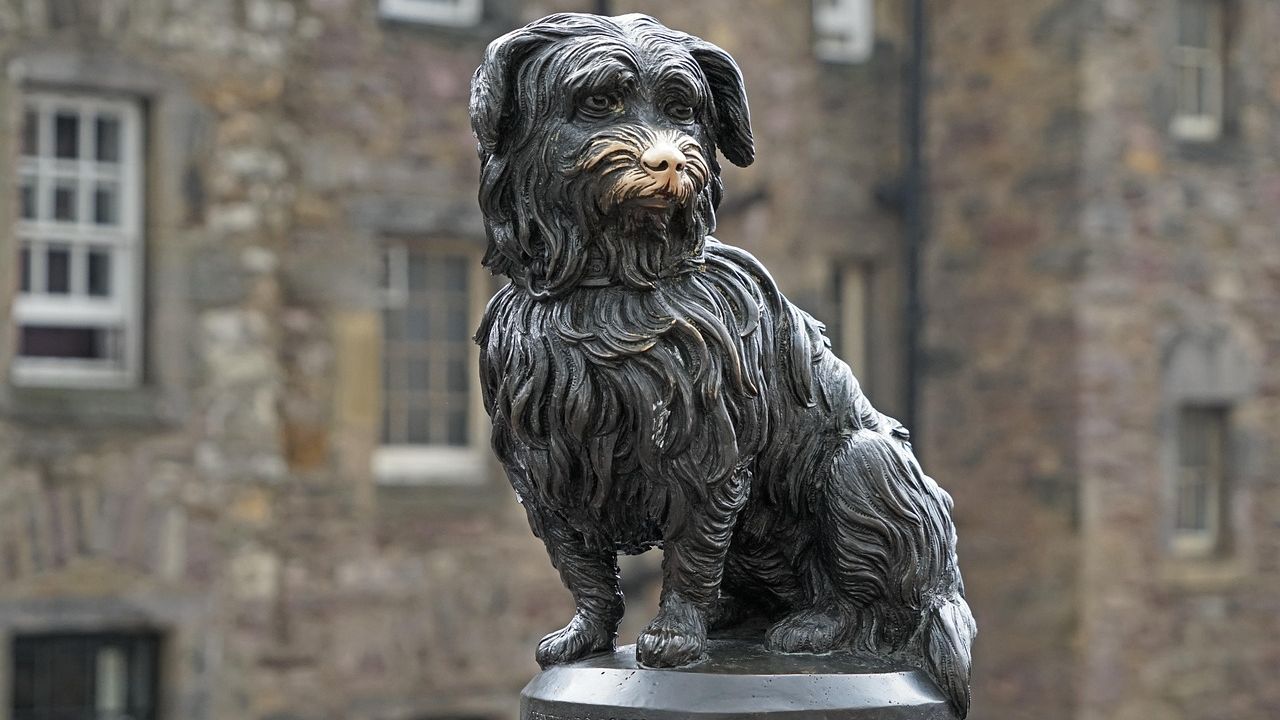
There is something that stops you cold when you first hear about a dog sitting beside a grave, not for hours, but for days, weeks, even years. It isn’t a fable. These are documented stories that span continents and centuries, from the fog-laced cemeteries of Edinburgh to the hillsides of Argentina. Something about a dog’s refusal to leave its person, even after death, cuts through every cynical thought and lands somewhere deep.
What’s more fascinating is that scientists have begun to take this seriously. A landmark study published in the Journal of Veterinary Science in 2021 explored the behaviors of dogs following the death of a human companion, studying 150 dogs who had experienced the death of their primary caregiver, and found that a significant number displayed grief-like behaviors such as reduced appetite, increased lethargy, and seeking comfort from other family members. So while it might be tempting to call these stories sentimental, the data tells a different story. Certain breeds, shaped by thousands of years of selective bonding with humans, appear more inclined than others to grieve with remarkable and sometimes heartbreaking intensity.
#1: Akita – Japan’s Most Devoted Guardian
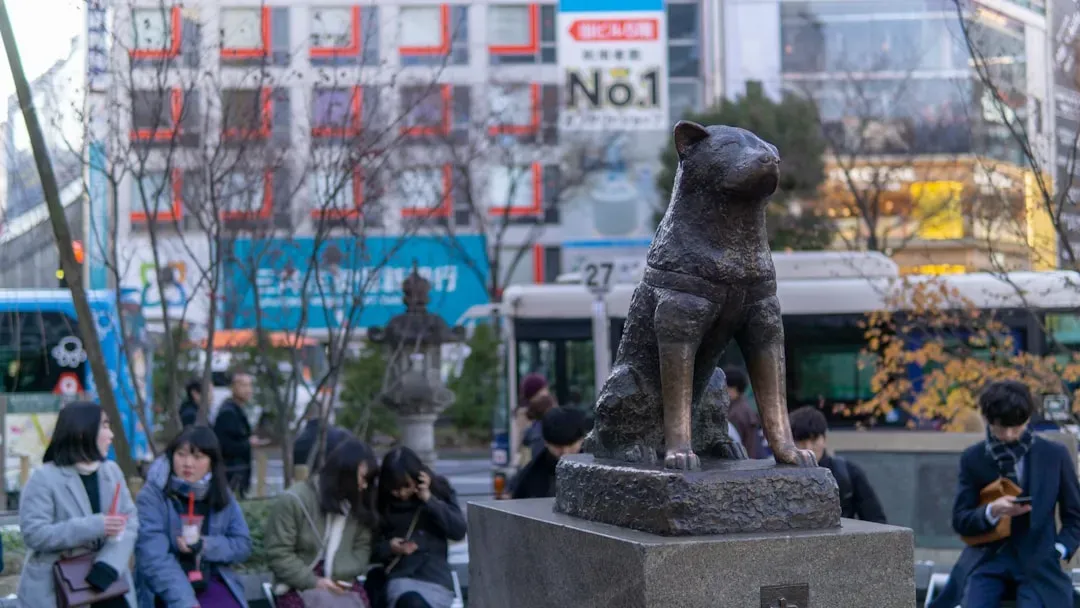
The Akita is a proud and powerful breed from Japan, known for its noble spirit and fiercely devoted nature. Originally bred to guard royalty and nobility, Akitas were natural protectors, brave, alert, and always ready to defend their loved ones. That heritage runs deep, and it shows up most powerfully in the way they form singular, almost unshakeable bonds with a specific person.
No story captures this better than Hachikō. Among the most famous loyal dogs is Hachikō, an Akita who used to wait every night at a train station to greet his human, a college professor named Hidesaburo Ueno, after his evening commute. After Ueno unexpectedly died at work one day, Hachikō kept returning to the station every night for a decade. Akitas are intensely loyal, sometimes focusing on one person in particular. Their courage is legendary, and they require early socialization. The emotional architecture of this breed isn’t wired for casual attachment. When an Akita loves you, it appears to do so completely.
#2: Skye Terrier – The Breed Behind the World’s Most Famous Vigil
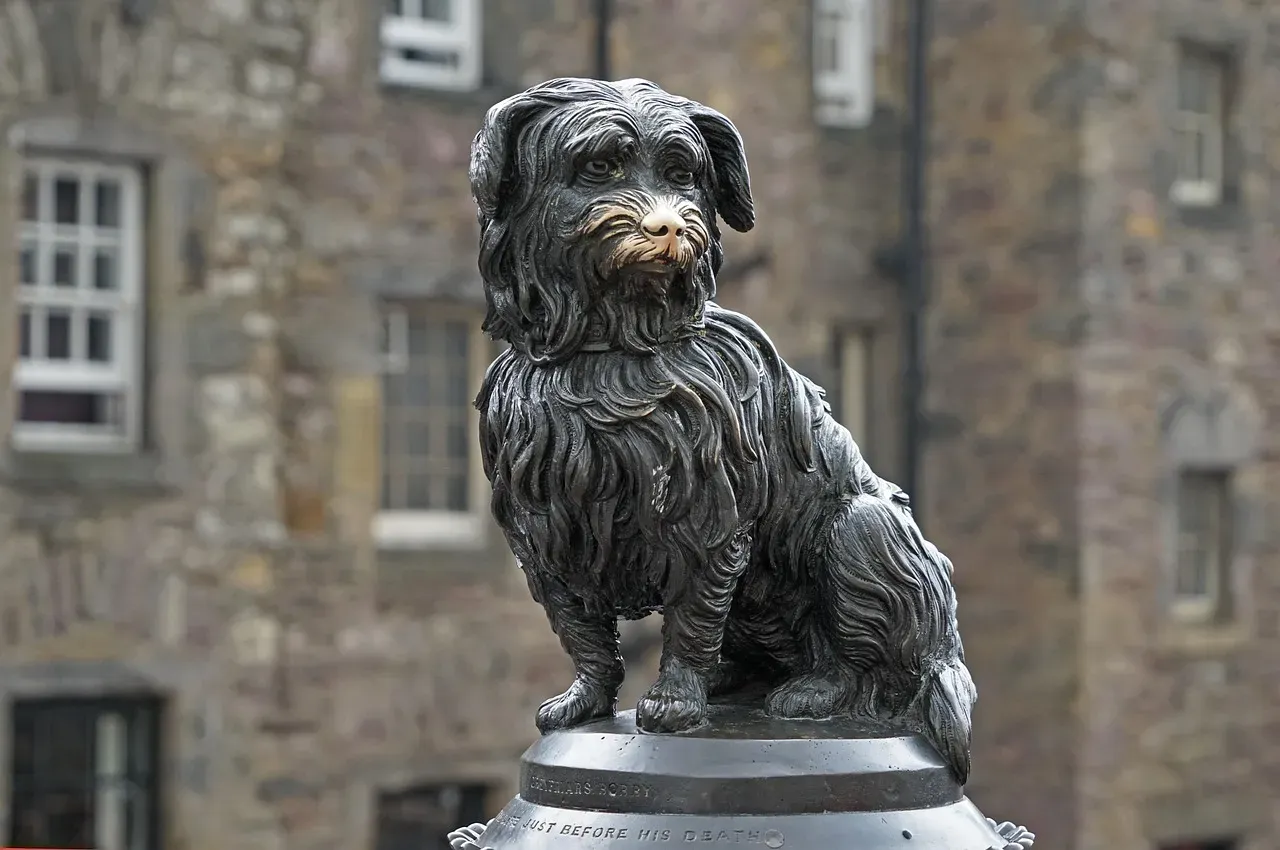
Greyfriars Bobby was a Skye Terrier or Dandie Dinmont Terrier who became known in 19th-century Edinburgh for reportedly spending 14 years guarding the grave of his owner until his own death. The story continues to be well known in Scotland through several books and films, though its accuracy is disputed. Whether the exact details hold up to scrutiny or not, the core of it, a small terrier refusing to abandon a grave site through Edinburgh winters for year after year, says something undeniable about the depth of canine attachment.
Bobby soon touched the hearts of local residents when he refused to leave his master’s grave, even in the worst weather conditions. The gardener and keeper of Greyfriars tried on many occasions to evict Bobby from the kirkyard. In the end he gave up and provided a shelter for Bobby by placing sacking beneath two tablestones at the side of John Gray’s grave. Skye Terriers, though small in stature, were originally bred as tenacious hunters in the rugged Scottish highlands. That same stubbornness and single-mindedness, the very quality that made them hunters, seems to translate into loyalty that outlasts even death.
#3: German Shepherd – Built to Bond, Built to Grieve
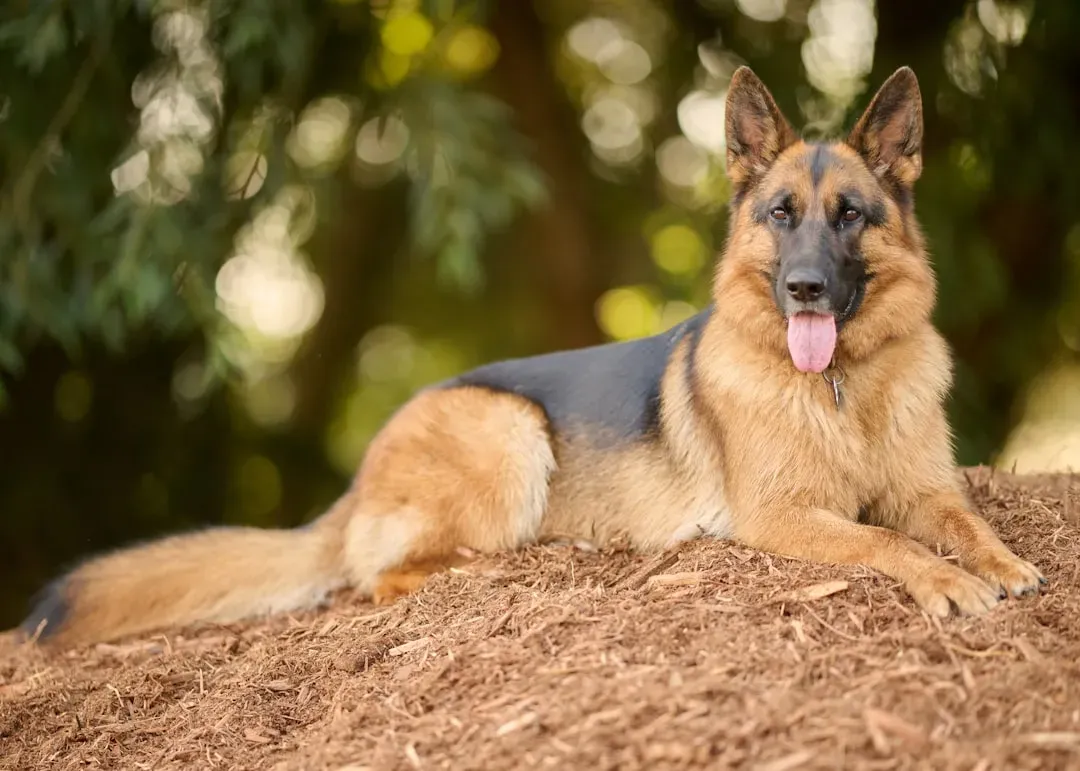
The German Shepherd is widely recognized as one of the most faithful dog breeds, prized for its intelligence, loyalty, and devotion to its family. These dogs aren’t just physically capable. They form emotional partnerships that are deeply personal, and when that partnership is severed by loss, they carry it visibly. In June 2014, Constable Dave Ross, a Canadian general duty officer and police dog handler, lost his life in the line of duty. His service dog, a German Shepherd named Danny, stood alongside him during his time on the force. Throughout Ross’ funeral, the loyal canine whimpered next to his owner’s casket.
German Shepherds need a sense of purpose and can feel disoriented and at a loss when suddenly separated from their humans. From walking alongside their owner’s funeral to sitting on their grave for days, a Doberman can express its grief in its own way, but it will miss its deceased human. The German Shepherd’s intelligence compounds its grief. These are dogs that read human cues, understand routine, and notice absence with precision. When that absence becomes permanent, their response is rarely quiet.
#4: Labrador Retriever – Gentle Love That Doesn’t Know When to Let Go
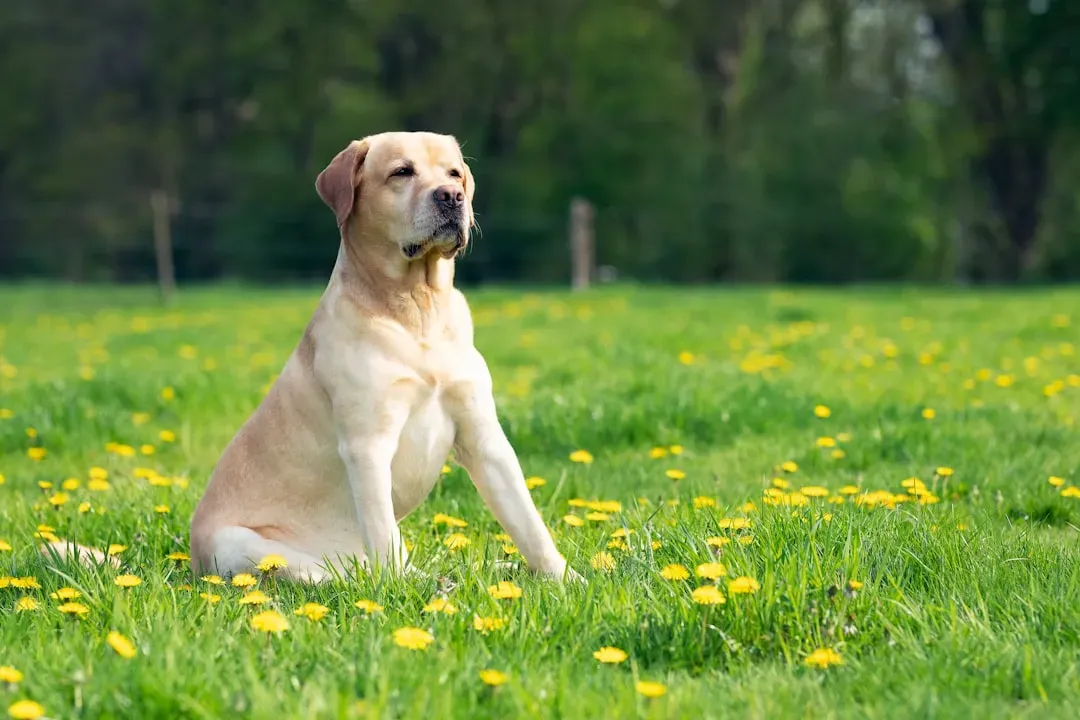
Labrador Retrievers are gun dogs and have worked closely with humans for ages. Today they are one of the most loved family pets, focused as police, military, and therapy dogs. All their roles are about forming deeper partnerships with humans and understanding their cues and needs. That deep partnership is the key. Labs don’t just love their people. They orient their entire daily existence around them.
The story of Hawkeye, a chocolate Labrador, became widely known for precisely this reason. Hawkeye’s owner, 35-year-old Navy SEAL Jon Tumilson, died in a helicopter crash in August 2011. Roughly 1,500 mourners came out to a local high school gym in Iowa to pay their respects, and all eyes were on the heartbreaking display of devotion as Hawkeye, unwilling to leave the side of Tumilson’s casket, seemed to grieve for his fallen friend. As companions, Labs adore their owners beyond imagination. From becoming cuddle companions to hiking partners, the Labrador is dedicated head to toe, and all these traits are what make them experience grief when separated from their owners.
#5: Border Collie – The Dog That Guards With Its Whole Heart
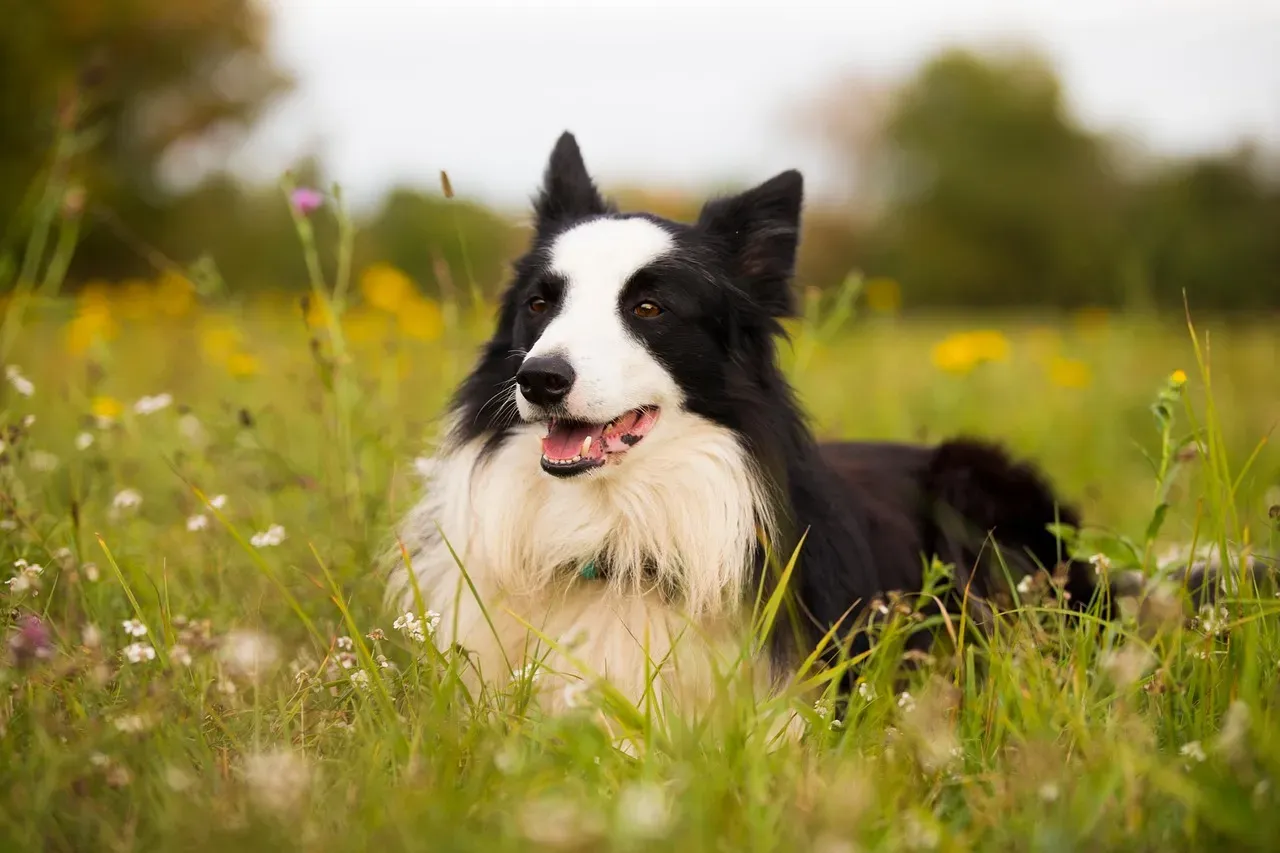
Border Collies are known to be the Einsteins of the dog world. Their intelligence, work ethic, and emotional awareness make them one of the most loyal dog breeds you will ever meet. That intelligence isn’t just about learning tricks. It means Border Collies process emotional information at a level that few breeds match, sensing shifts in mood, routine, and, critically, permanent absence.
The story of Ruswarp, a Border Collie, is one of the most striking accounts in this space. Another such story is about a Border Collie, Ruswarp, who went missing with its owner, Mr. Nuttall. A search party swept the whole area and finally found Nuttall’s body near a mountain stream, with a weakened Ruswarp by his side, who had protected the body for 11 weeks. Border Collies are born with strong herding instincts, and that sense of responsibility naturally extends to their humans. They will “herd” kids away from danger, keep watch over the family, and always look for cues from their favorite person. Staying beside someone they love is not instinct alone. It seems to be a kind of purpose.
#6: Collie – Devotion Wrapped in Gentleness
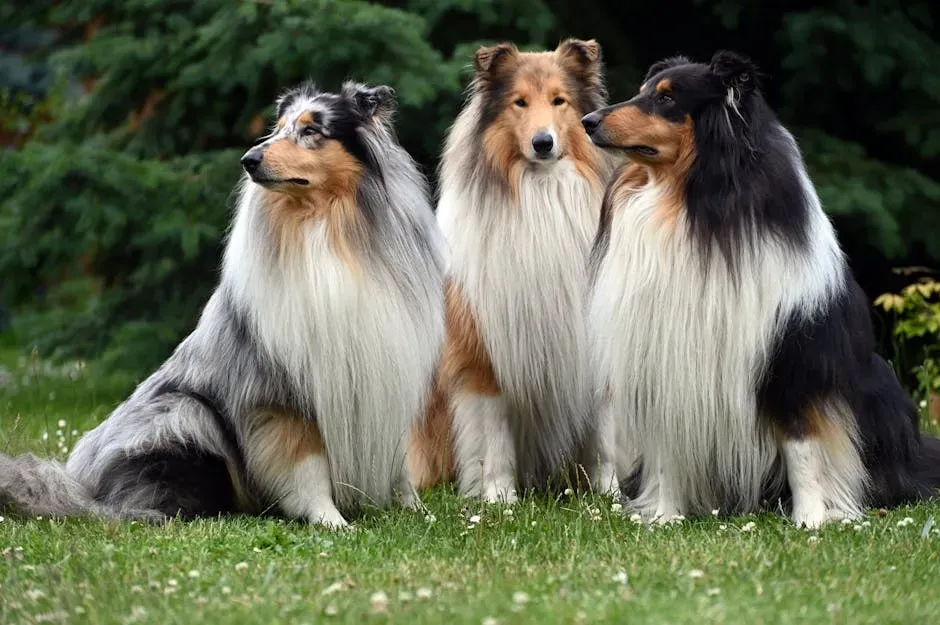
The Collie is one of the most recognizable and beloved dog breeds, originally developed in the border region between Scotland and England to herd sheep. Known for their intelligence, energy, and gentle nature, Collies are hardworking dogs that thrive on companionship and purpose. Their devotion and loyalty have made them cherished family pets all over the world. That word, purpose, is worth sitting with. Collies don’t thrive when they have nothing to do and no one to do it for. Their sense of self is deeply linked to their person.
Collies are one of the impressively intelligent herding dogs known for their amazing instincts and work ethic. As eager-to-please dogs, they center their lives around their humans once they’ve adjusted to a household. As brainy dogs, Collies don’t just learn complex commands amazingly. It’s also not beyond them to understand when their owner is gone for good. They won’t just miss the daily walks and the game sessions together. They’ll miss their owner’s mere presence in the home. If they’ve witnessed where their owner has been put to rest, these smart dogs might try to guard the grave or sit there for hours. There is something quietly devastating about that.
#7: Golden Retriever – The Breed That Feels Everything
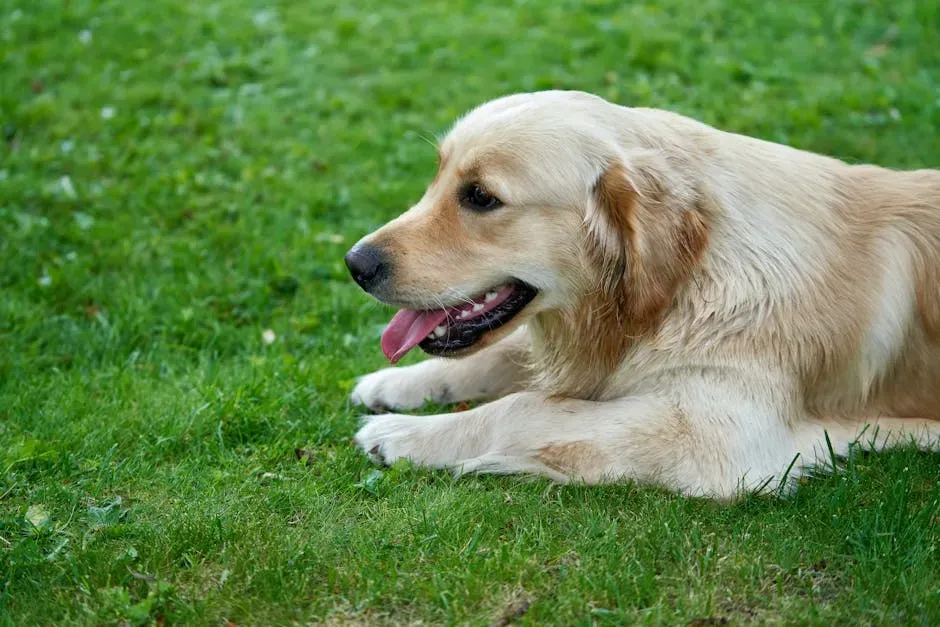
Golden Retrievers are gentle yet energetic, famous for their loyalty and patience with children. They thrive on human interaction and enjoy being part of family activities. That need for connection isn’t a personality quirk. It’s baked into the breed at a cellular level. Goldens are emotionally attuned to the people around them in a way that veterinary behaviorists have consistently noted. Goldens are deeply loyal and will absolutely step up to protect their people if needed.
One Golden Retriever was hailed as a hero for saving her elderly owner from freezing to death after the man slipped and fell in the snow. The dog stayed with him, using her body to keep him warm and barking continually until help arrived. That instinct to stay, to not abandon a person in distress, is the same force that drives a Golden to remain beside a grave. The love and the loss travel the same neural path. Scientists found that a significant number of dogs displayed grief-like behaviors, such as reduced appetite, increased lethargy, and seeking comfort from other family members. Some dogs even exhibited signs of depression, including withdrawal from social interactions and a lack of interest in previously enjoyed activities.
#8: Doberman Pinscher – Fierce Outside, Fragile Within
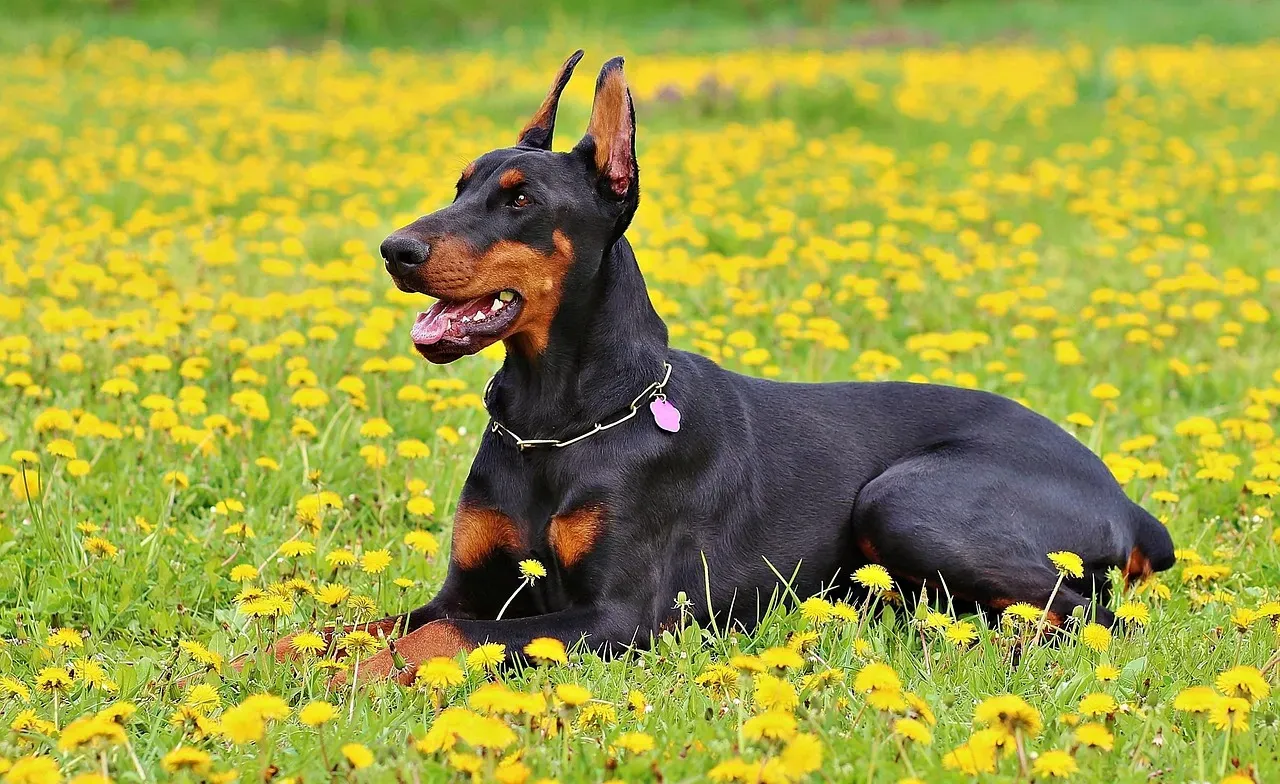
The Doberman Pinscher is a sleek and powerful breed known for its intelligence, unwavering loyalty, and courage. Developed in Germany in the late 19th century, this breed was originally created to protect its owner during risky work. Despite their fearless nature, these protective dogs form strong emotional bonds and enjoy spending time close to their families. Whether on duty or relaxing at home, the Doberman remains a loyal and devoted companion through and through.
The gap between a Doberman’s public image and its private emotional life is one of the most misunderstood things about the breed. These dogs need a sense of purpose and can feel disoriented and at a loss when suddenly separated from their humans. From walking alongside their owner’s funeral to sitting on their grave for days, a Doberman can express its grief in its own way, but it will miss its deceased human. The science here points to something researchers have described plainly: dogs are known to suffer what’s called “separation anxiety” when apart from their owners or left alone, and grieving behaviors are an extreme form of the same thing. For a Doberman, whose entire identity is organized around protecting and being close to one person, that separation is not minor. It is total.
The Science of Why They Stay
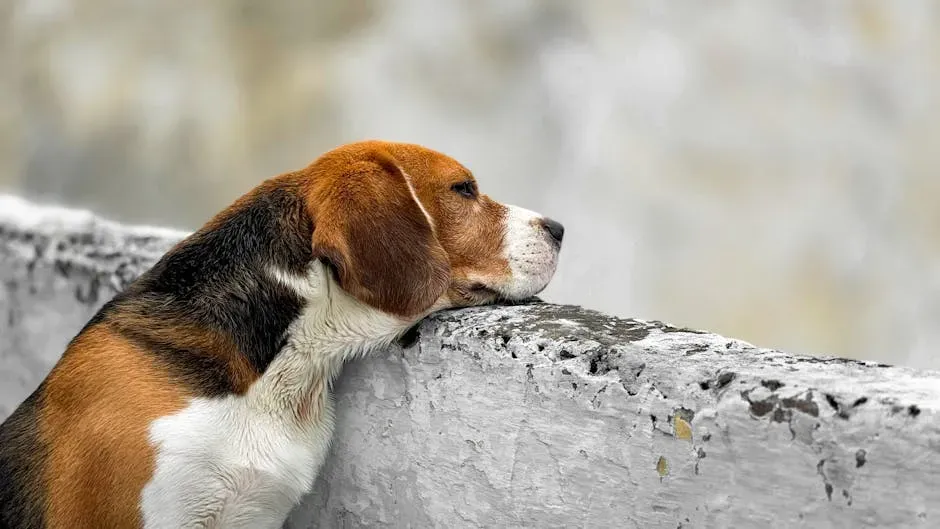
The question that lingers behind all of these stories is the same one: do dogs actually understand death, or are they simply waiting for someone who will never return? The scientific consensus is nuanced. It’s not unusual for dogs to grieve the loss of a person they’ve bonded with. While dogs might not understand the full extent of human absence, dogs do understand the feeling of missing a human who’s no longer a part of their daily lives. That distinction matters. Grief doesn’t require a full intellectual understanding of mortality. It requires only attachment, and attachment dogs have in abundance.
There is also a sensory dimension that often gets overlooked. Decomposing human bodies release almost 500 different chemical compounds, and tests have revealed that dogs are much better at detecting these than even the most sophisticated machines. So unless a corpse is embalmed, a dog can tell where its owner is buried, which explains why they sometimes wait by graves for such long periods. Animal behaviorist John Bradshaw, formerly the director of the Anthrozoology Institute at the University of Bristol, said dogs experience grief differently than humans. Dogs cannot recall many memories spontaneously, but only when prompted by external events, and so the smell of a departed person in a house, which can linger for weeks, can trigger those memories. A grave, then, is not just a symbolic place. For a dog, it is a sensory anchor to the person they loved.
Conclusion
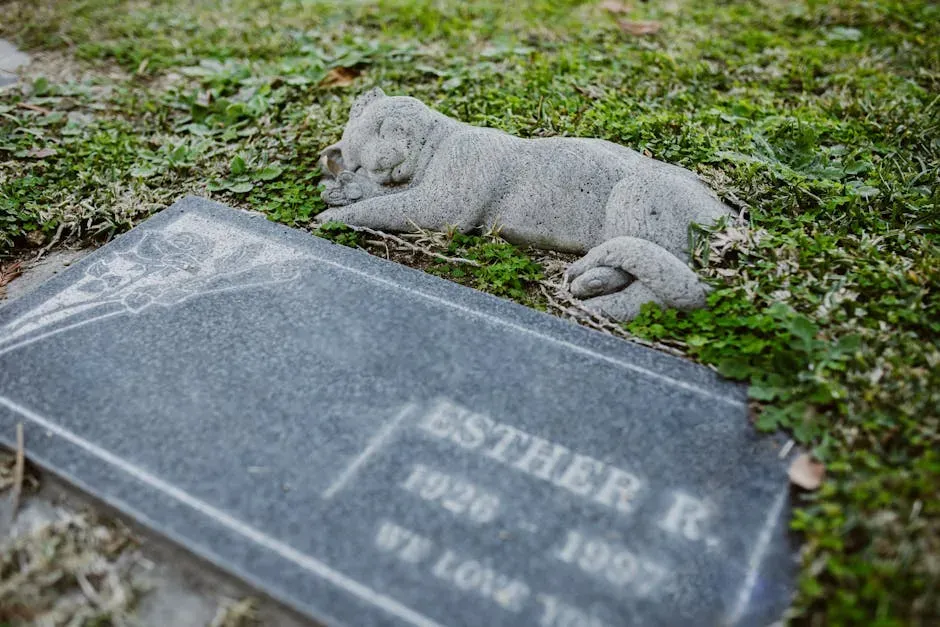
These eight breeds don’t stay at graves because they are broken or confused. They stay because they are, in the most literal sense, loyal to the end of their understanding. Whether that’s a Skye Terrier braving an Edinburgh winter or a German Shepherd whimpering beside a casket, the behavior is consistent: these animals do not simply move on. They mourn in the only language available to them, proximity and presence.
What I find most compelling isn’t the sentiment of it. It’s the science. The same capacity for deep attachment that makes these breeds extraordinary companions is the very thing that makes loss so hard for them. You can’t have one without the other. The fact that dogs remain so loyal even after their owners have died is, according to researcher Stanley Coren, “a testimony to the emotional bond” that exists between the two species. That bond, forged across tens of thousands of years of shared history, isn’t just about food or shelter or training. It is something rarer, and a dog sitting silently beside a grave is perhaps the most honest proof of it we’ll ever see.


