
12 Things a Dog Does the Moment a Routine Shifts by Half an Hour
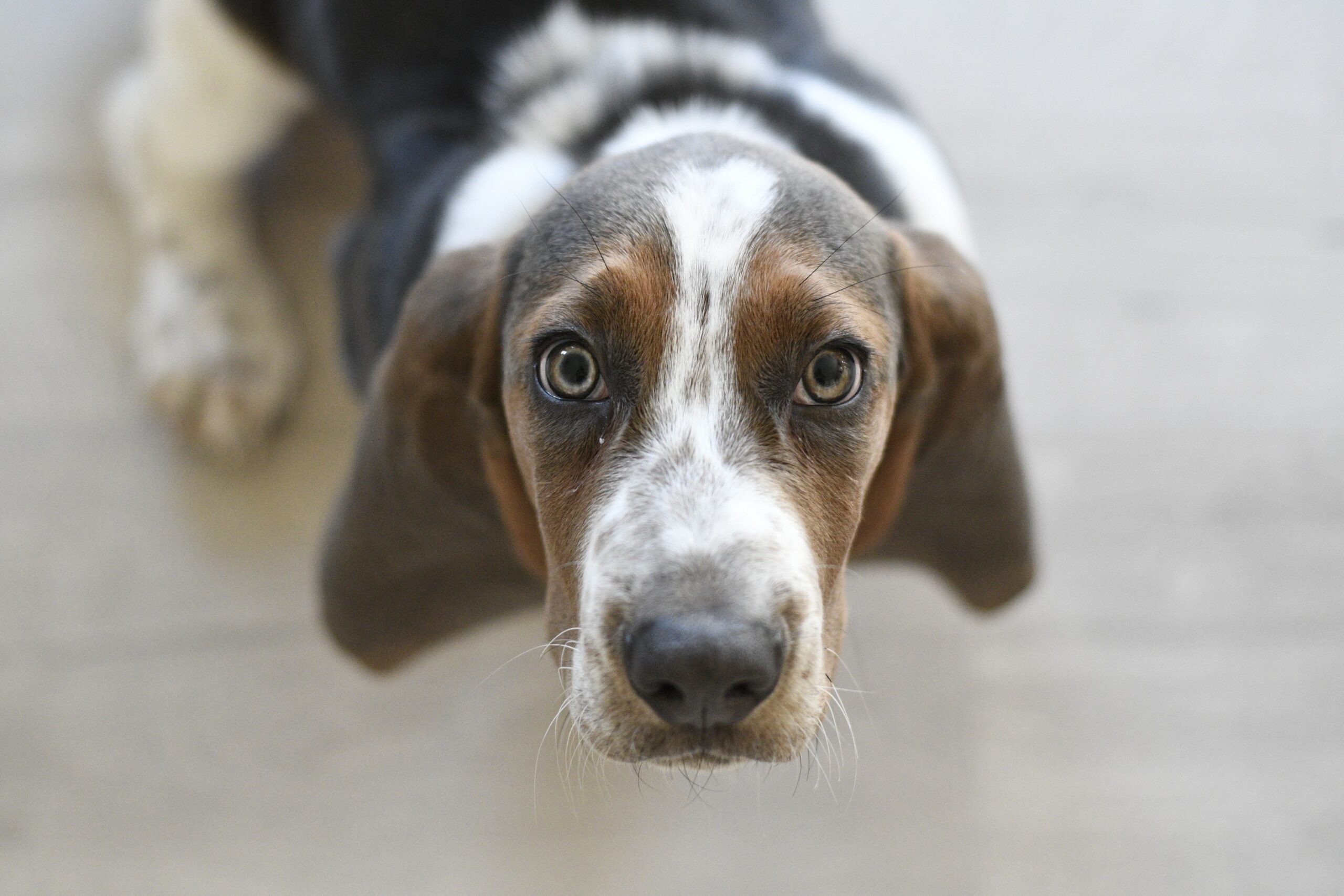
Everyone swears their dog is easygoing. Then dinner comes thirty minutes late one Tuesday and suddenly the “chill” dog is pacing, staring, whining, and glued to your ankles like something’s wrong.
Nothing dramatic happened. You didn’t skip a walk. You didn’t forget them for hours. You were just… a little late. But to a dog, thirty minutes isn’t a rounding error – it’s a broken promise. Their body clock, their stress hormones, even their bladder have quietly synced to your schedule, and the moment that schedule slips, they start telling you about it in ways most owners completely misread as “being dramatic” or “acting spoiled.”
Here’s the part that changes everything: those little behaviors aren’t attitude. They’re an early-warning system. Vets and behaviorists have mapped out exactly what happens, in order, the moment your routine shifts by even half an hour – and once you see it, you can’t unsee it in your own dog.
#1 – They Start Shadowing You Like Velcro
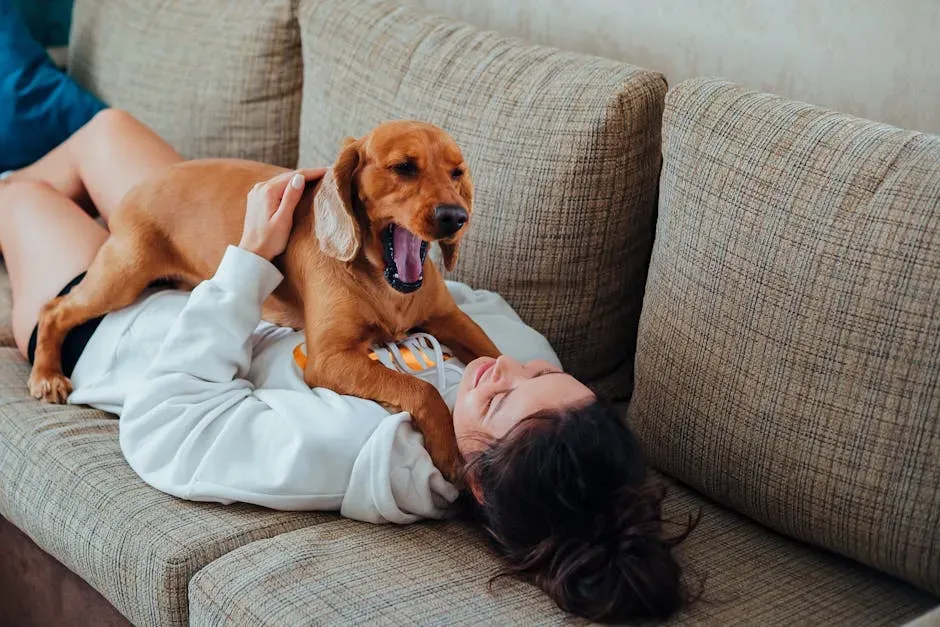
Your dog doesn’t consciously decide to get clingy. That half-hour change flips an internal alarm they don’t have words for. Dogs run on predictable patterns to feel safe, so when feeding or walk time slips by even thirty minutes, many quietly switch into what looks like surveillance mode.
You’ll notice it fast: they’re suddenly glued to you room to room, watching your every move like you might vanish. This is mild separation anxiety playing out in real time, not neediness. They’re trying to prevent you from disappearing again without warning, and if you brush it off long enough, that quiet shadowing can curdle into pacing, whining, or something chewed to pieces while you’re gone.
#2 – They Pace the Same Path Over and Over

Before the barking starts, most dogs try something quieter: pacing. Watch their feet when dinner or the walk is running thirty minutes behind. They’ll often trace the exact same loop – door, window, the spot where the leash hangs – over and over.
Behaviorists call this anticipatory behavior. Their internal clock is insisting “it’s time,” but the world isn’t matching it, so they physically check the pattern to see if it’s still there. In some dogs it stays low-key. In others it ramps into frantic back-and-forth, nails clicking on the floor, tail low, eyes locked on you – their nervous system trying to burn off uncertainty it has nowhere else to put.
Worth Knowing
- The same fixed loop – door, window, leash hook – repeats almost exactly each time
- Pacing usually spikes right at the old routine time, then fades if nothing happens
- Tail carriage often drops low while ears stay pricked and alert
- High-energy and working breeds tend to pace harder and longer than laid-back breeds
#3 – They Stare You Down With Unblinking, “Creepy” Eye Contact

Ever notice your dog plant themselves in front of you and just stare when the schedule slips? That’s not random, and it’s not guilt. Dogs read your micro-routines with scary precision – the phone going down, the laptop closing, the keys coming off the hook – and when the timing shifts, they call you out with a hard, unblinking gaze.
That stare is a question: why is the script different today? In multi-dog homes, one “timekeeper” dog often does the glaring for the whole pack while the others wait it out. Ignore that calm communication long enough, though, and your dog learns it doesn’t work – so they escalate to vocalizing, pawing, or dropping toys in your lap, all because a thirty-minute shift broke a pattern they were quietly counting on.
#4 – They Start Vocalizing in Strange, Out-of-Character Ways

Most owners brace for barking at the door or at strangers. Nobody’s ready for the odd little “woo-woo” muttering that shows up when dinner runs late. Soft whining, low grumbles, half-formed talking noises – this is your dog’s second attempt at negotiation after the staring didn’t work.
They’re testing buttons, trying to find whatever gets the routine back on track. Some owners mistake this for dominance and try to shut it down with punishment, which is exactly backwards – you’re punishing communication, not defiance. Silence that enough times and a dog will eventually skip the polite signals altogether, jumping straight to barking outbursts, door-scratching, or tension between housemates.
#5 – They Grab a Toy… Then Just Stand There Holding It

One of the strangest reactions to a shifted schedule looks like goofiness at first. Your dog sprints for a toy, zooms around the room, then just stands there holding it, staring at you. That’s not play – it’s displacement behavior, stress wearing a silly costume.
Their body is shouting “do something,” and their brain lands on “…ball?” This tends to hit right around the time a walk or meal should have already started. If you don’t match that old internal clock, the energy has to go somewhere – a toy dash for some dogs, your shoe or sleeve for others, or zoomies that feel a little too frantic to be fun. Ignore it, and “goofy” eventually stops being their coping mechanism of choice.
#6 – They Suddenly “Forget” Years of Potty Training
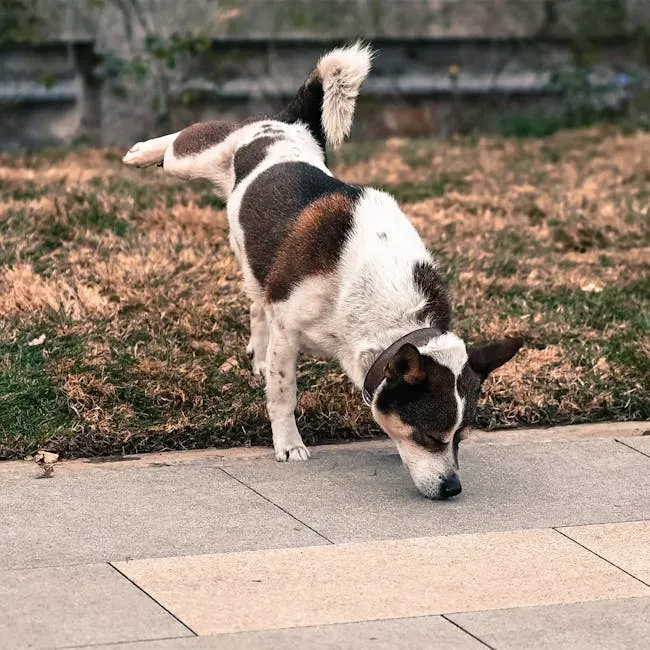
This is the one owners take personally, and it’s almost never personal. A simple thirty-minute delay can cause an accident in a dog that’s been reliably house-trained for years, because their digestive and urinary systems are synced to your routine more tightly than you’d guess.
If the walk always happens at 7 a.m. and suddenly it’s 7:30 or 8, their body may hit “go” before you’re anywhere near the door. Older dogs, small breeds, and anxious dogs get hit hardest, since their bladder capacity and gut motility are the least flexible. Owners often respond with frustration, which only spikes anxiety and makes the next accident more likely – punishing a dog for a clock we moved on them.
Fast Facts
- A healthy adult dog can typically hold its bladder six to eight hours – but only when the potty schedule stays consistent
- Seniors, puppies, and small breeds have far less bladder buffer than mid-size adult dogs
- Stress hormones released during a schedule shift can speed up digestion, not just urination
- Scolding after an accident raises cortisol, which makes future accidents more likely, not less
#7 – They Guard Their Spot Harder Than Usual
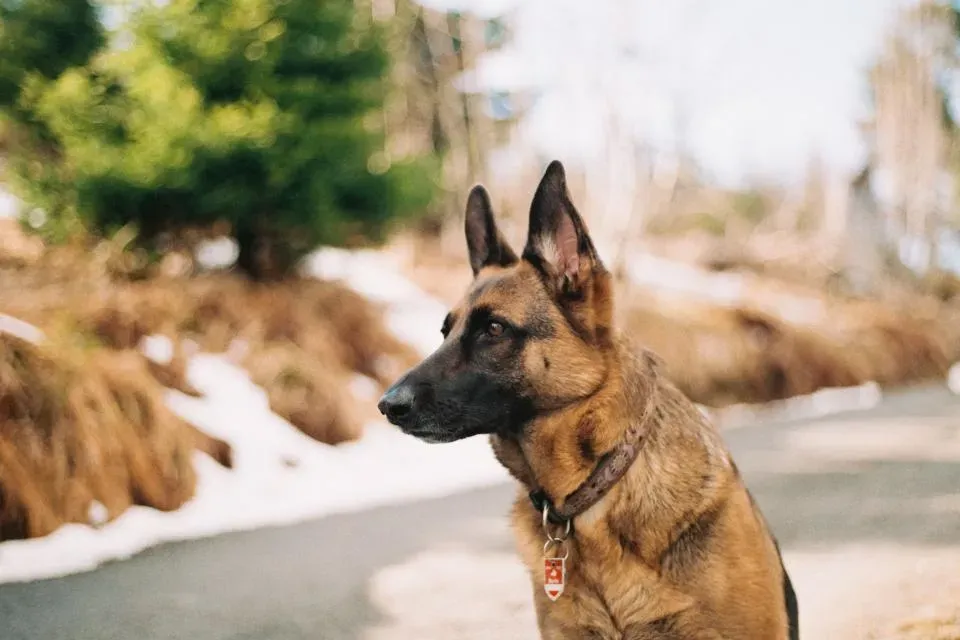
This is where a shifted routine tips into something that actually looks like a behavior problem. When a dog isn’t sure what happens next, they grip tighter to whatever they can still control – their bed, their bowl, their favorite chew.
Dogs are pattern-seeking animals, and when the pattern breaks, security has to come from somewhere else.
Patricia McConnell, applied animal behaviorist
In multi-dog homes, a shifted mealtime is a classic trigger – bowls that usually go down like clockwork suddenly don’t, and competition spikes fast. The more insecure dog may hover earlier, block a housemate, or give hard side-eye over nothing. Even solo dogs start guarding the couch or the crate if bedtime drifts, and what looks like “random aggression” is often just predictable fallout from an unpredictable schedule.
#8 – Their Sleep Looks Fine but Isn’t Actually Restful
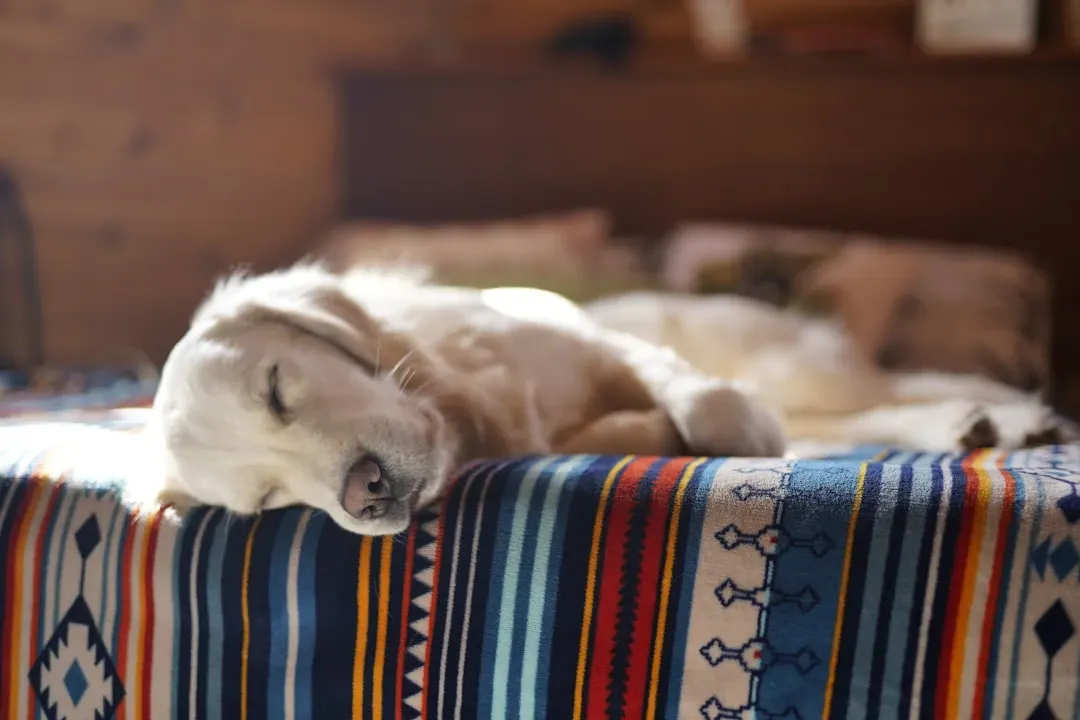
“He’s fine, he’s just sleeping” is one of the most common misreads in dog ownership. Look closer during a routine shift and you’ll often see shallow breathing, constant repositioning, and ears popping up at every small sound.
Their body is trying to power down while their brain stays on guard duty. That half-hour delay can shift cortisol and adrenaline just enough to make real, deep rest hard to reach, and chronic low-grade sleep disruption in dogs is linked to irritability and reactivity over time. If your dog keeps popping up around the old walk time or startling every time you stand, they’re not resting – they’re guarding a schedule that no longer holds.
#9 – They Start Over-Grooming, Licking, or Chewing Themselves

This is the one owners almost never connect to timing. When a routine shifts and a dog feels like they have zero control, many turn inward – paw licking, chewing a spot on their leg, obsessively grooming their tail. What looks like random itchiness can actually be a stress-coping loop.
Watch when it spikes. If it clusters around the old walk or feeding time, there’s a behavioral thread here alongside anything medical. Licking releases endorphins that soothe a stressed dog, and if their usual outlet – walk, play, cuddle – keeps arriving late, self-soothing becomes the backup plan. That’s how you end up with raw paws or hot spots a vet can’t fully explain with an allergy panel alone.
At a Glance
- Common self-soothing targets: front paws, flank, tail base
- Licking triggers endorphin release, which temporarily calms a stressed dog
- Behavioral licking tends to cluster tightly around the old routine time, not randomly through the day
- Vets often rule out allergies first, then look at timing patterns if the skin issue keeps recurring
#10 – They Start Testing Rules They Normally Respect
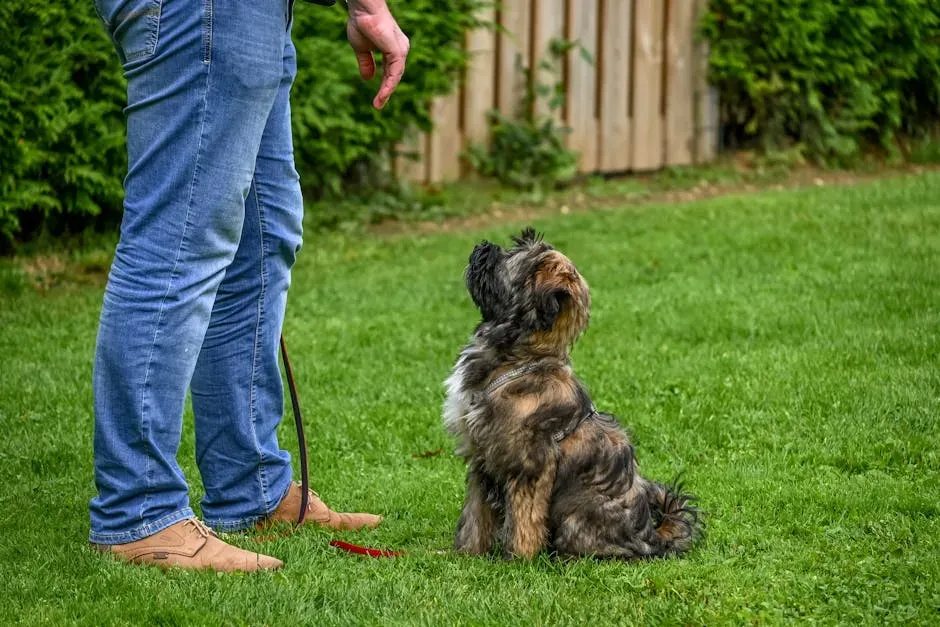
You moved the schedule, so your dog starts moving the rules. This isn’t calculated rebellion – it’s a natural reaction to a world that suddenly feels less solid. The dog who never jumps on the couch hops up without asking. The one who always waits at the door slips through the second it opens.
When the big, load-bearing thing – timing – becomes inconsistent, smaller rules feel less anchored too, so your dog quietly checks whether anything is still enforced. Harsh corrections add more unpredictability; total inconsistency confirms nothing is reliable. The fix is calm, steady boundaries while you shift timing gradually, so your dog relearns that even when the clock moves, your reactions don’t.
#11 – They Become Hyper-Aware of Tiny Pre-Routine Cues
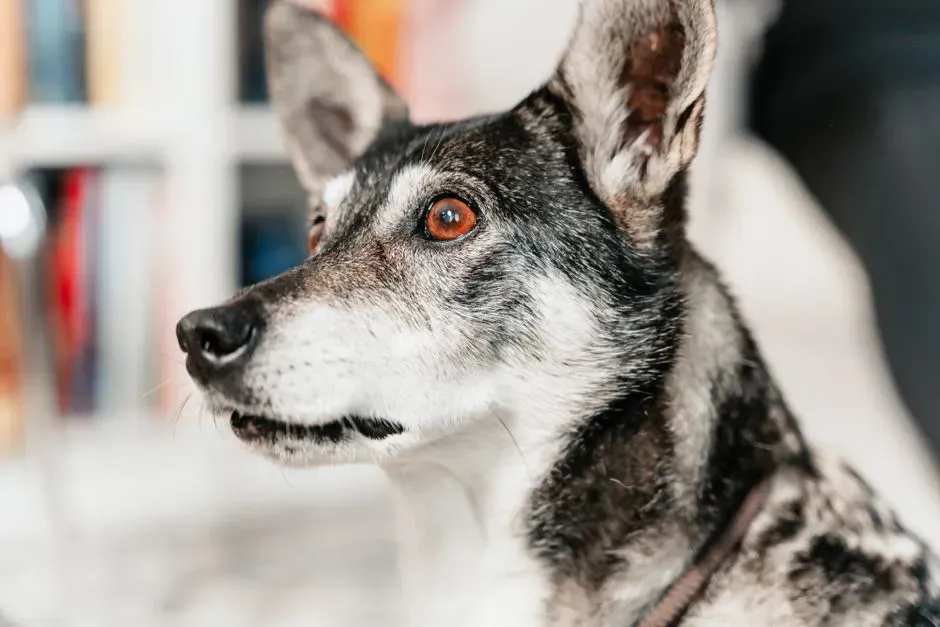
Shift the walk time for a few days and don’t be shocked when your dog starts reacting to things you didn’t even know were cues – a browser tab closing, a specific hoodie coming off the hook, one lamp switching off. Once the clock stops being trustworthy, dogs double down on reading you instead.
It sounds harmless, but it keeps some dogs wired all day, constantly scanning for the one signal that means it’s finally time. That’s the dog who explodes with excitement the second you merely think about a walk, or whines when you touch your keys just to move them. People call this “over-reactive,” but it’s really the logical result of mixed signals – and without a consistent cue to anchor them, their nervous system stays dialed up for hours.
#12 – They Either Shut Down or Turn Into a Tiny Control Freak
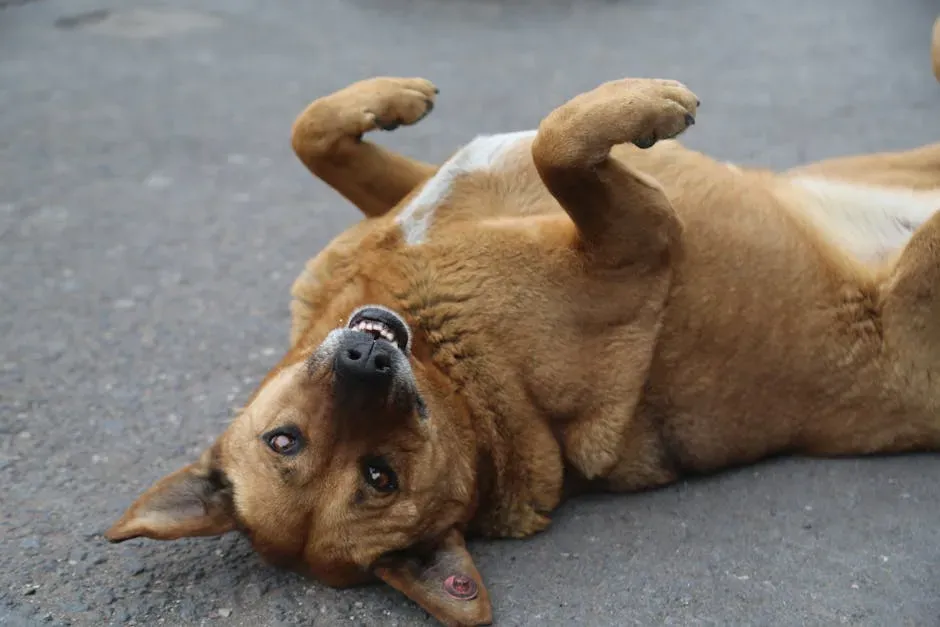
Here’s the big one most owners never trace back to routine. Over time, a schedule that keeps jumping around by “just” thirty minutes tends to push dogs toward one of two extremes. Some shut down – they look calmer, but they’re actually giving up, no longer asking for walks or bringing toys, sleeping more not because they’re content but because they’ve learned their input doesn’t matter. People often mistake this for “maturing.”
Other dogs go the opposite direction and become the household’s tiny control freak – barking at every hallway noise, herding family members toward certain rooms, pushing you toward the door at their preferred time. If you’ve ever joked that your dog “runs the house,” there’s a real chance an unstable routine helped build that role. In both cases, the root issue is identical: dogs don’t need military-grade timing, but they do need patterns they can trust, and most “over-attached” dogs are actually just under-scheduled in a way that makes no sense to a species built on pattern.
Quick Compare
- Shutdown Dog: stops asking for walks, sleeps more out of resignation, mistaken for “calm” or “mature”
- Control-Freak Dog: barks at every noise, herds family members, pushes you toward the door on their timetable
- Shutdown Dog: input feels pointless, so engagement quietly fades
- Control-Freak Dog: tries to seize the timing itself since no one else is keeping it steady
The Bottom Line
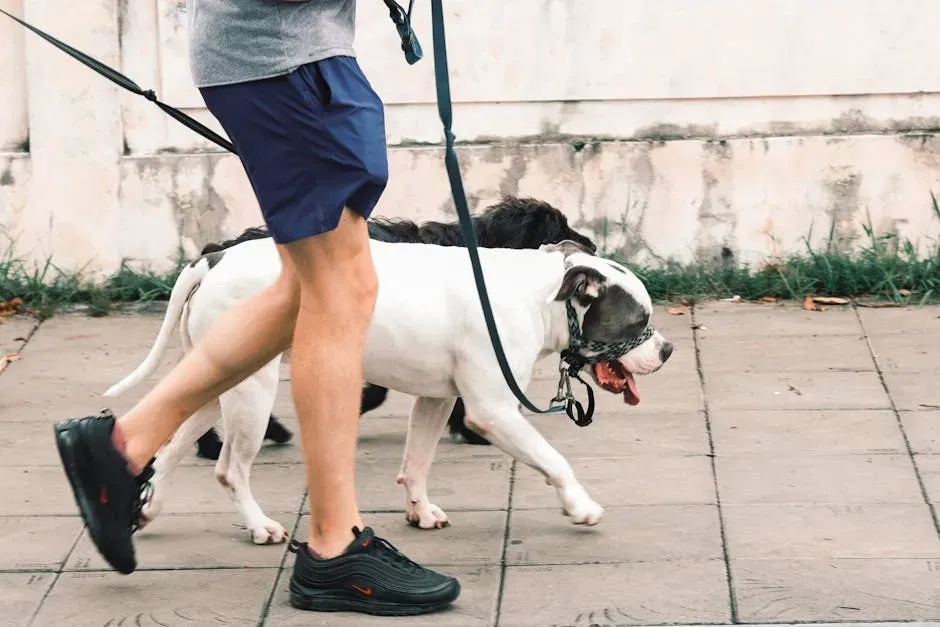
A half-hour shift sounds like nothing to you. To your dog, it can feel like someone quietly moved the walls of their world an inch to the left overnight.
Shadowing, pacing, odd vocalizing, “random” accidents, guarding, licking, rule-testing – it’s all the same story wearing different costumes: a pattern-obsessed animal trying to cope with a pattern that stopped behaving. The most uncomfortable part is realizing how many so-called behavior problems are really schedule problems in disguise.
That doesn’t mean you can never run late – life happens, and dogs can adapt. But if your dog is suddenly clingy, “lazy,” or bossy, it might not be attitude at all. It might just be timing. Gradual changes, consistent cues, and a routine you actually stick to will out-perform any training hack you buy. My honest opinion, whether people want to hear it or not: most dogs don’t need stricter discipline – they need a life that finally makes sense.
Do you think people underestimate how much their schedule affects their dog, or have you already watched this play out in your own living room?