
9 Signs a Vet Reads in a Dog That Mean the Home Is Calmer Than It Looks
Two dogs walk into the same exam room. One lives in a spotless house with matching furniture and a strict schedule. The other lives in a home with toy landmines, three kids yelling over a video game, and laundry piled on the couch. Most people would bet the tidy house wins the “calmer home” contest, no contest.
Vets know better, and it’s not close. They’re not looking at the throw pillows or the noise level – they’re watching the dog’s eyes, shoulders, and sleep posture, and those tiny signals almost always tell a different story than the room does. Here are the nine things an experienced vet quietly clocks before they even say hello.
#1 – Soft, Blinky Eyes (Not the “Frozen Stare”)
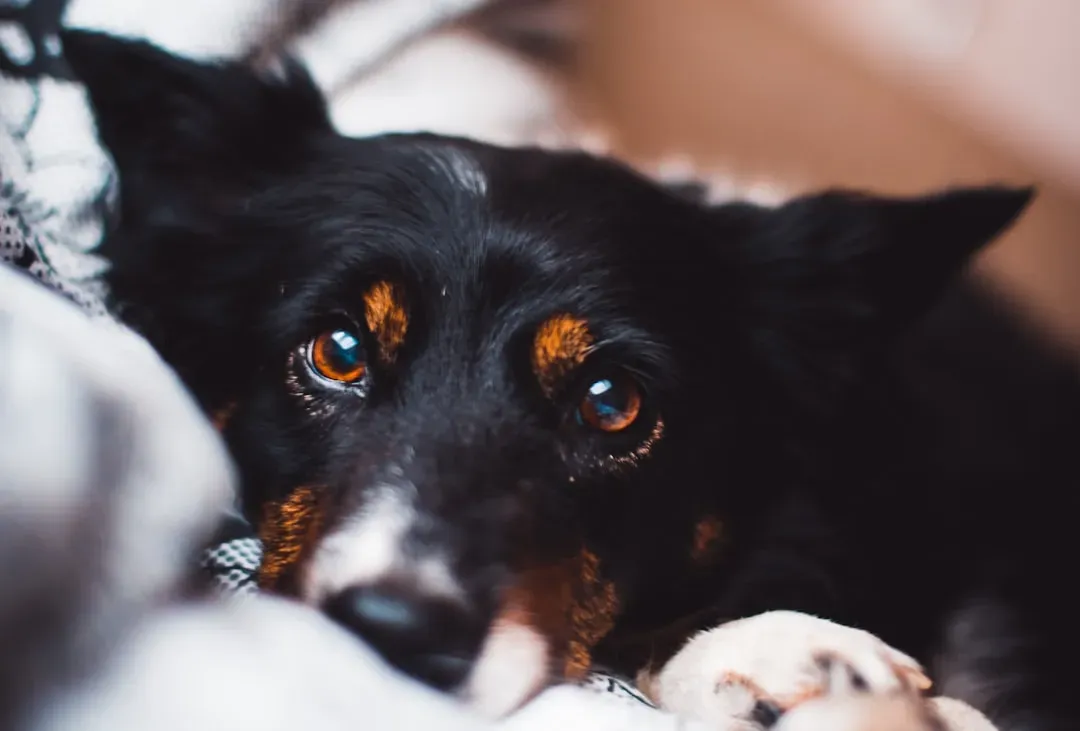
A lot of owners assume intense eye contact means their dog is confident, loyal, even proud. Vets read it differently. What actually catches their attention is the opposite: soft, slightly squinty eyes with slow, easy blinks and no hard stare – the canine version of a shoulder drop. It’s a dog silently saying, “I feel safe enough to stop watching the exits.”
What matters just as much is what’s missing. No wide “whale eyes” showing white around the iris, no constant scanning of doorways, no locked-on stare tracking every person in the room. A dog sprawled in the middle of a busy living room, lazily blinking at whatever’s moving past, is basically confirming that nothing in this house requires a nervous system on high alert – and that usually traces straight back to adults who don’t randomly explode.
#2 – Loose, “Slinky” Body Language (Even When It’s Loud)

Walk into a house full of shrieking kids, blasting cartoons, and a dog still moving like a half-melted noodle, and a vet will privately register that as a huge green flag. A calm home was never about silence. It’s about whether bodies – human and canine – stay loose in the middle of the noise instead of bracing for it.
Vets are scanning for the absence of tension: no tail clamped between the legs, no flinching when a door clicks shut, no crouching when someone stands up too fast. Instead, the dog stretches lazily, flops onto its side mid-conversation, or greets someone with that full-body wiggle where the back half seems to have a mind of its own. That kind of looseness usually means corrections in that house are fair, not frightening, and conflict never turns into shouting.
Fast Facts: Reading a Dog’s Stress Signals
- A tucked tail, pinned-back ears, or repeated lip-licking often signal discomfort, not “guilt.”
- Yawning when a dog isn’t tired can be a self-soothing response to mild stress.
- A truly relaxed tail moves in loose, wide sweeps – not stiff, fast little wags.
- Panting with a tight jaw or closed mouth can mean tension rather than heat.
#3 – Choosing to Be Near the Action (Not Hiding in Doorways)
Here’s something most owners never think about: where a dog chooses to lie down says more about a home’s emotional temperature than any amount of tidying ever could. A dog voluntarily flopped in the middle of the living room, close to people but with a clear path to leave if it wanted to, is quietly broadcasting that the everyday noise of this house doesn’t feel like a threat.
It gets even more telling when the dog follows the family from room to room and actually settles each time – trailing into the kitchen and curling up, wandering into a kid’s room and going boneless on the rug, drifting to the couch at night and sighing into sleep. A dog that keeps choosing proximity, rather than retreating to a back bedroom, is telling a vet something specific: moods in that house are predictable enough that closeness feels good, not risky.
#4 – Calm Reactions to Sudden Noises (Startle… Then Reset)
Owners love to brag that “nothing fazes” their dog, but vets look past the bravado. The real marker of a calm home isn’t a dog that never reacts – it’s a dog that startles appropriately and then resets almost instantly. A dropped pan, a burst of laughter, a slammed door: the dog’s head pops up, maybe one alert bark escapes, and then it’s back to chewing its bone like nothing happened.
Dogs from chronically tense homes don’t get that luxury. They stay braced long after the noise fades – watching doorways, pacing at small sounds, taking minutes instead of seconds to settle back down. Vets quietly tally how often a dog overreacts versus how often it just glances up and lets it go, because that reset speed is one of the clearest signs a nervous system isn’t living on the edge of a threat that never actually arrives.
#5 – Content Chewing and Napping (Not Constant “Busy Work”)
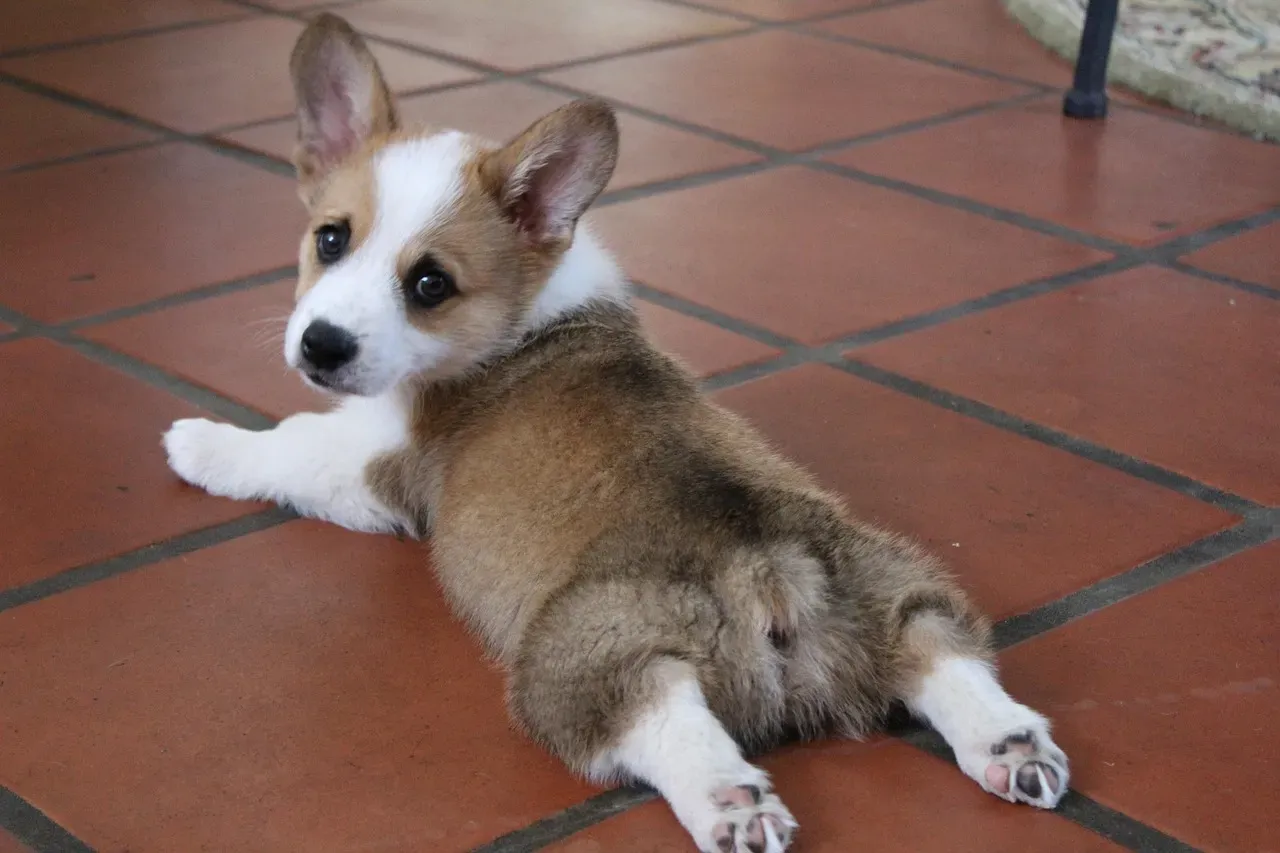
A dog that can chew contentedly on a toy for a while, then melt into a deep, sprawled-out nap in the middle of household chaos, is telling a very specific story. Chewing and deep sleep are what behaviorists sometimes call “luxury behaviors” – animals only fully surrender to them when nothing feels urgent or unsafe.
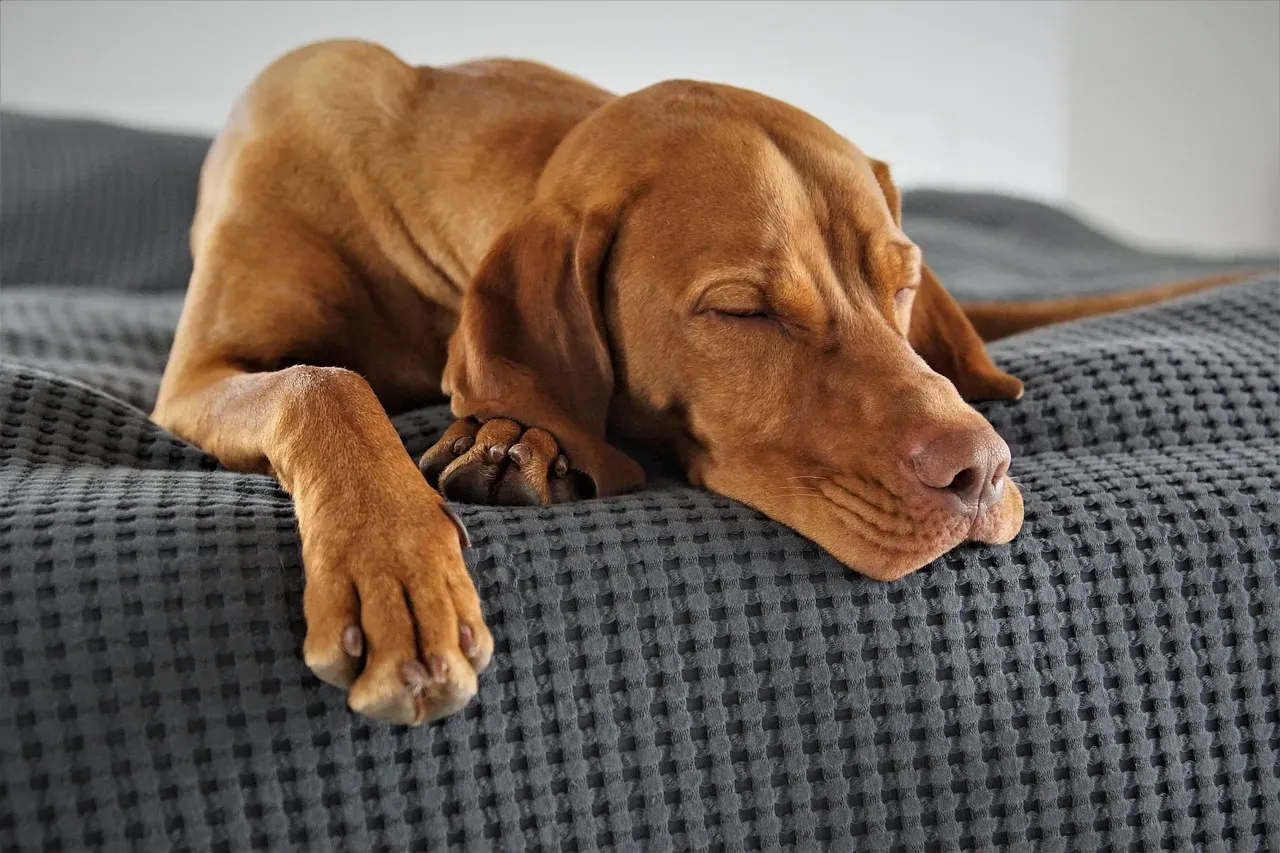
The contrast shows up fast in tenser homes, where dogs lick, chew, or pace compulsively and never quite drop into that heavy, twitchy-dream sleep. Vets specifically notice posture: a dog sleeping on its side with limbs stretched out, or flat on its back with belly exposed, almost never does that in a house where shouting or harsh punishment is the norm. That vulnerability is a nervous system betting that tomorrow will feel exactly like today.
Worth Knowing: What Sleep Position Reveals
- Side-sleeping with legs fully extended usually means a dog feels completely secure.
- Curling into a tight ball can mean conserving warmth – or staying subtly on alert.
- Belly-up “sploot” sleeping exposes the most vulnerable part of the body, a strong trust signal.
- Choosing to sleep near a doorway instead of a quiet corner can hint at low-grade watchfulness.
#6 – Easy, Happy Greetings (Without Climbing the Walls)
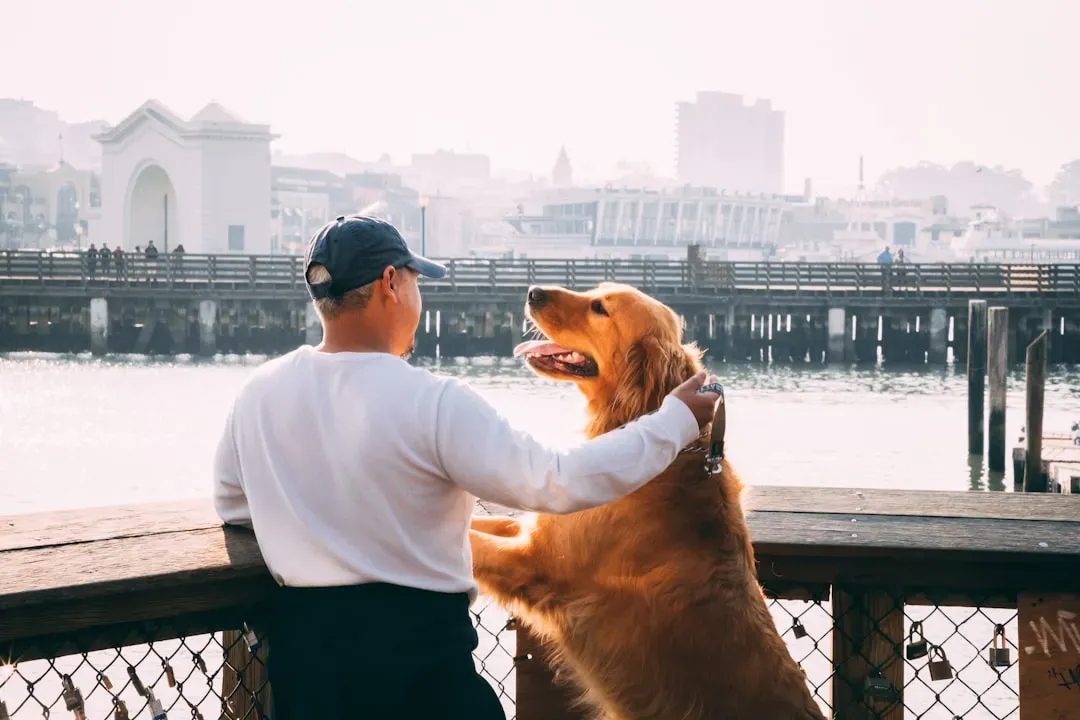
People love bragging about the dog that loses its mind the second someone walks in the door, but vets are a little skeptical of that frantic, spinning-in-circles welcome. The greeting that actually signals a calmer home looks smaller: a waggy approach, maybe a toy clenched proudly in the mouth, a quick happy sniff – and then the dog settles on its own.
In these households, the dog checks in with each person without body-slamming them, kids running past doesn’t send it spiraling into hyper-arousal, and the greeting winds down naturally instead of needing constant shushing. While social media glorifies the dog that “loses it” every time the door opens, many behaviorists actually read that as a dog that never fully unwinds – joy without chaos is the harder, calmer trick.
#7 – Respectful Kids… and a Dog That Trusts Them
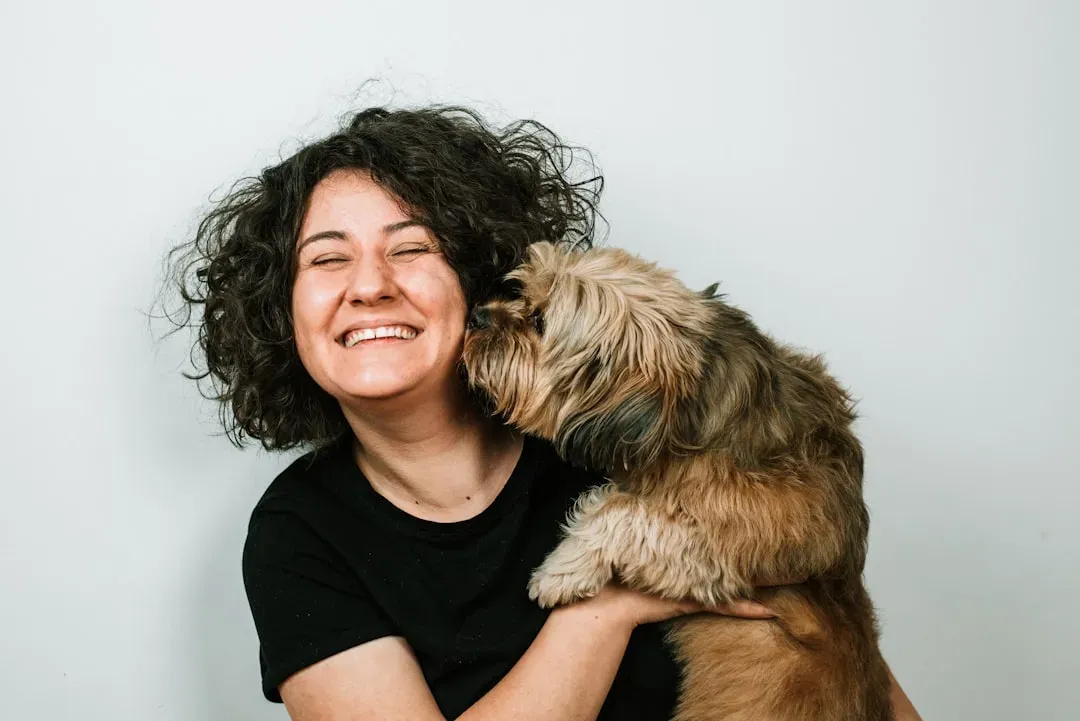
This is the sign that tends to start arguments at dinner parties, but vets see it every single day: you cannot fake how kids and dogs move around each other. A dog that tolerates hugs, clumsy petting, or a kid leaning its full weight against it – without stiffening, lip-licking, or angling for an exit – is usually living somewhere boundaries are taught kindly and consistently.
Vets watch for the small stuff: kids who ask “can I pet him?” instead of diving straight in, adults who intervene the moment the dog looks tired instead of shrugging it off, and a dog that seeks the kids out on its own rather than just enduring them. A loud household full of children isn’t automatically an unstable one – what matters is whether the dog still chooses to be near them, which usually means noise is normal there, but unpredictability isn’t.
#8 – Predictable Routines the Dog Can “Read”
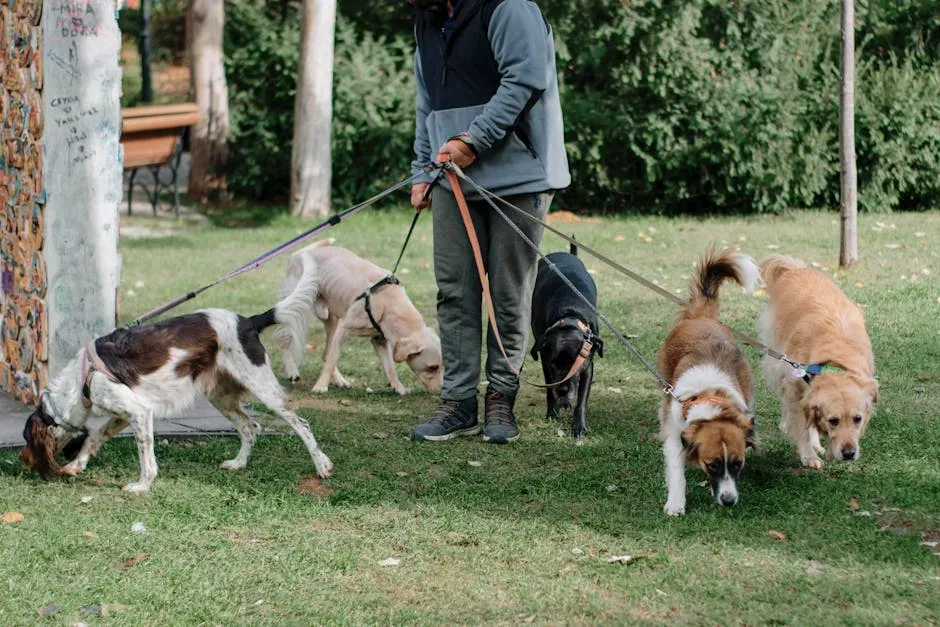
One of the most underrated things a vet notices is a dog that seems to know exactly what happens next – heading to the kitchen at the same time every evening, walking itself to bed without being told, or parking calmly by the door minutes before a walk. That quiet fluency in the day’s rhythm usually means the emotional tone of the house doesn’t swing wildly, even if the schedule itself is packed.
The tells are small but consistent: the leash coming out produces mild happiness instead of frantic spinning, meals happen at roughly the same time with no desperate begging, and bedtime doesn’t involve the dog getting shooed from room to room. Most people underestimate how much a dog relaxes simply from being able to predict its world – and how directly that predictability points back to a genuinely steadier home.
Quick Compare: Predictable Home vs. Unpredictable Home
- Predictable home: the dog anticipates meals, walks, and bedtime without fuss or anxiety.
- Unpredictable home: the dog paces, whines, or begs well before routine events happen.
- Predictable home: leash or harness cues bring calm, contained excitement.
- Unpredictable home: the same cues trigger frantic spinning, barking, or hiding.
#9 – Trust in Handling: The Dog Lets You Do “Annoying” Things
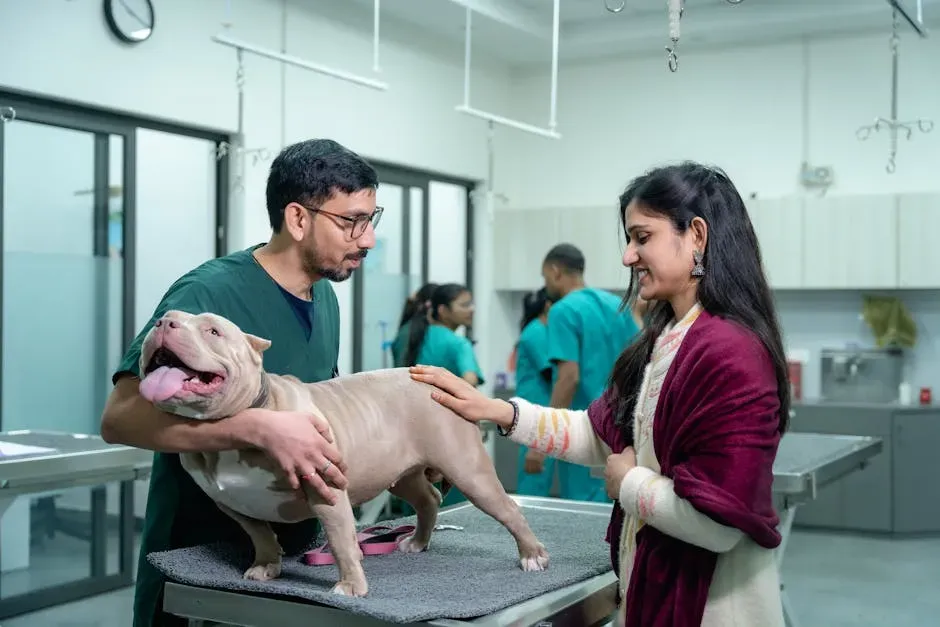
For a lot of vets, this is the real truth-teller. Any dog can look relaxed sprawled on a couch. The better test is whether you can wipe its paws, check its ears, gently move it off the furniture, or clip on a harness without triggering a wrestling match. Dogs that tolerate these small, mildly annoying moments without fear or drama are almost always living somewhere physical touch has always meant care, not control.
Vets treat their own exam table as a mini-mirror of home life. A dog that allows gentle restraint, leans into its owner for comfort, and looks to its people for reassurance instead of shutting down has typically experienced far more kindness than conflict. Trauma histories can complicate this, and not every flinch means a bad home – but easy trust during handling doesn’t come from a perfect life. It comes from a baseline of patience that held steady even on the hard days.
Dogs are not our whole life, but they make our lives whole.
Roger Caras
The bottom line: vets rarely say this out loud, but they are constantly reading the emotional climate of a house through the dog sitting in front of them. Soft eyes, loose shoulders, real sleep, quick recoveries after noise, balanced greetings, respectful kid-dog trust, predictable routines, and calm tolerance for handling aren’t just proof of a “good dog.” They’re proof of a home that’s steadier than the mess on the counter or the noise in the hallway would ever suggest.
People obsess over obedience – sit, stay, don’t jump. Vets care about something harder to fake: whether the dog actually feels safe. That safety is never an accident. It comes from humans who are mostly predictable, mostly kind, and not ruled by their worst moments. Argue with that if you want, but the dog in the corner, half-asleep and totally unbothered, is usually the one telling the truth.