
There’s a particular kind of love that lives in the space between a person and their aging dog. It’s quieter than it used to be. The walks are shorter. The naps are longer. The graying muzzle tells a story that no one wants to read too fast. Most dog owners know something is shifting in those final months or years, but many aren’t quite sure what their dog actually needs most during that time.
The truth is, the end stages of a dog’s life demand a very different kind of care than anything that came before. It’s less about doing more and more about doing the right things. Here are the 12 things that matter most.
#1: Genuine, Consistent Pain Management
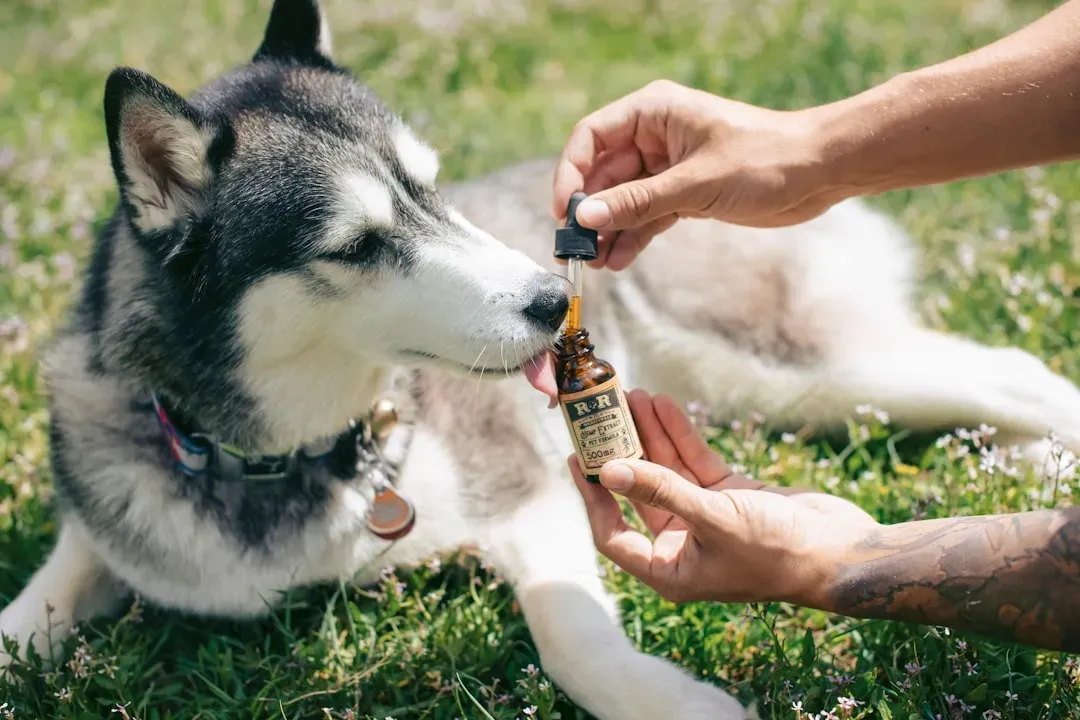
Pain management is the most important part of palliative care. It’s best handled using multiple therapies together, both pharmaceutical and non-pharmaceutical, to achieve maximum comfort. This isn’t something to approach casually or to delay until things seem obviously wrong. Dogs are remarkably good at masking discomfort, and by the time pain becomes visible to an owner, it’s often been present for some time.
Veterinarians may suggest medical acupuncture, which can change a dog’s perception of pain by sending signals to the brain and nervous system, and can also release painful trigger points in muscles. Massage can be performed by a trained provider, and techniques can also be taught for use at home. Most dogs find massage comforting. Working with your vet to build a multi-layered pain plan isn’t overreacting. It’s the single most important thing you can do.
#2: A Safe, Adapted Home Environment
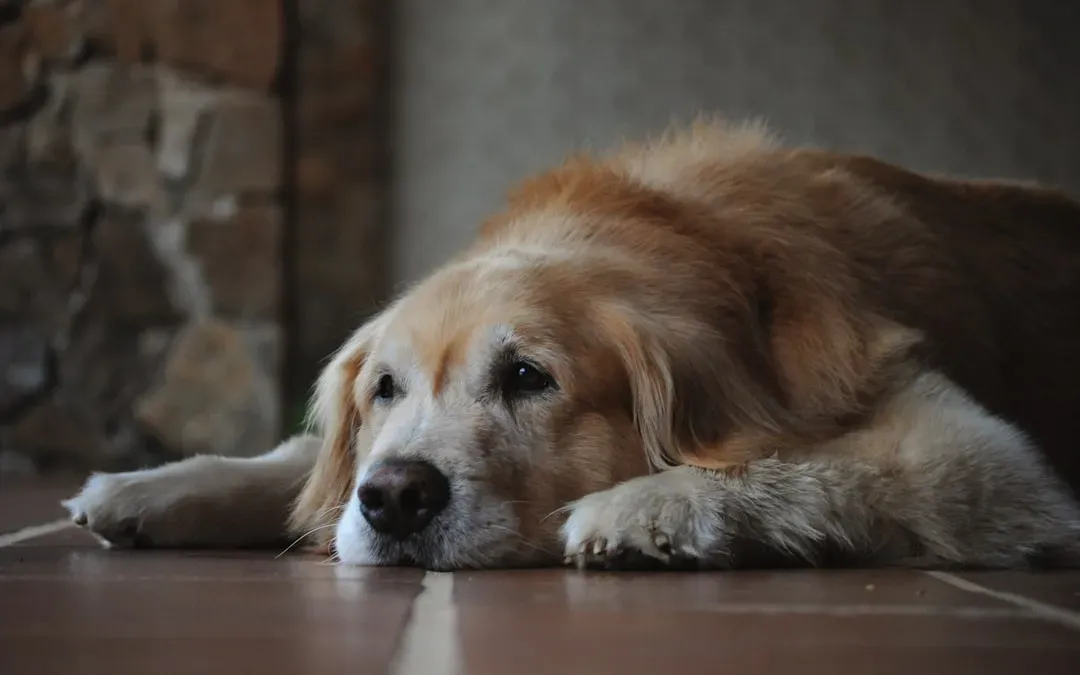
Palliative care includes modifying the home environment to maximize mobility and prevent injury to a dog whose balance and ability to move normally may be compromised. Simple modifications include adding non-skid floor surfaces, which make moving around the house much easier, including using area rugs or interlocking foam tiles. These changes cost almost nothing but can dramatically reduce the risk of painful falls that set a senior dog back significantly.
Raising food and water dishes to just above elbow height allows a dog to eat and drink with the spine in a neutral position, minimizing back pain. If your pet is permitted on the bed or couch, placing steps in front of the furniture helps them get up without jumping. Even easier is a ramp that allows them to access higher areas like furniture, vehicles, and stairs. Small changes compound into real comfort.
#3: An Orthopedic, Supportive Place to Rest

Providing an orthopedic dog bed for a senior pet is a great idea to promote comfort. Since older pets tend to spend more time lying down, these beds provide additional support for their joints and prevent pressure sores on their elbows and legs. A senior dog in the later stages of life may sleep the vast majority of the day, and the surface they rest on matters far more than most owners realize.
Older dogs need extra rest, so providing a quiet, cozy space where they can relax without disturbances is essential. Orthopedic or memory foam beds help cushion joints and regulate body temperature. Their sleeping area should be kept clean, warm, and easily accessible, especially if they struggle with stairs. Placing extra beds in multiple rooms means they never have to struggle to find a soft place to land.
#4: Adjusted, Thoughtful Nutrition
Nutrition for dogs in hospice focuses on making food tasty, easy to eat, and providing enough calories, protein, and water, rather than strictly meeting nutrient targets related to a health issue. If your dog turns down their regular food, talk with your veterinarian about changing the diet or adding new treats and food toppers that may kickstart their enthusiasm for meals. Appetite changes are common and completely normal in aging dogs, especially near the end of life.
Many diseases cause decreased appetite, so a dog’s lack of interest in food may stem from unmanaged pain, nausea, or dehydration. A veterinarian can help determine the cause and assess what therapies and medications are necessary. Switching to wet food is worth considering, as the higher water content is good for the kidneys and its softer texture is easier on aging teeth. Eating should feel like pleasure, not effort.
#5: More Frequent Veterinary Visits
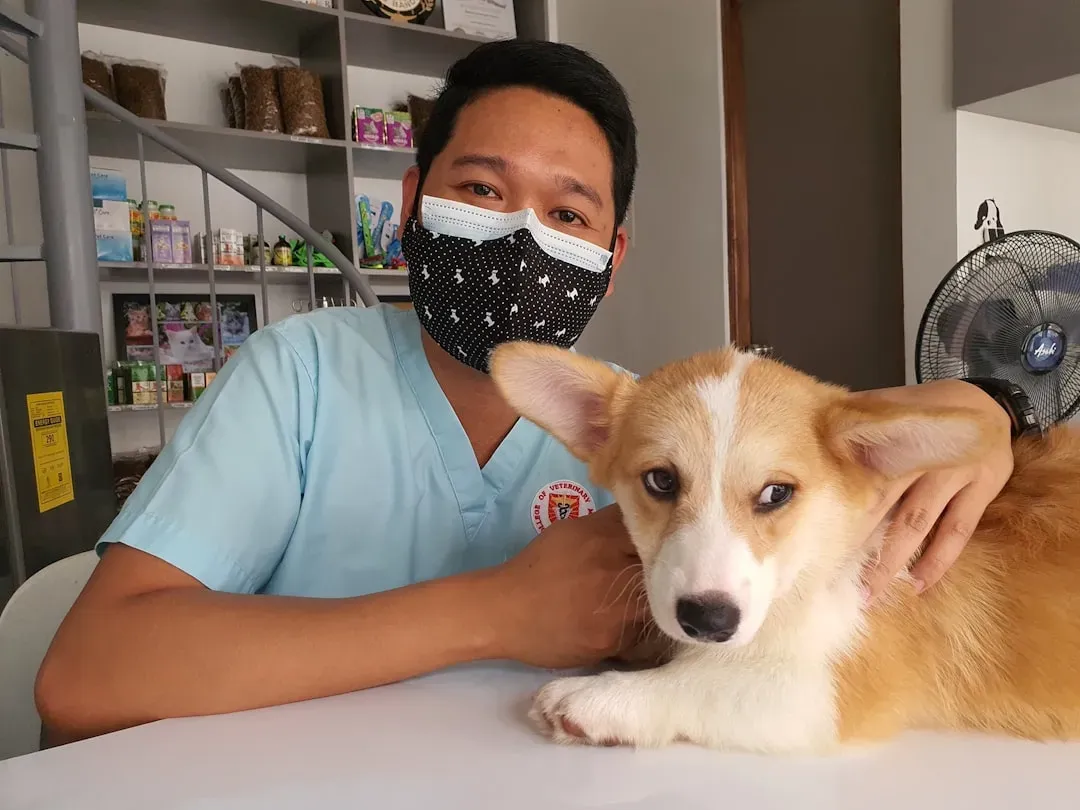
Twice-yearly veterinary checkups are essential for senior pets. Because their health status can change rapidly, it is important for a veterinarian to assess your pet every six months. In the final stage of life, that frequency may need to increase even further, especially if a dog is managing a chronic condition or showing signs of rapid decline. Your vet is your most important partner during this time.
The first step in creating a palliative care plan is to meet with your veterinarian to discuss the expected course of the disease and how it will affect your dog’s quality of life. This visit also gives you a chance to talk about your dog’s daily activities, and it allows everyone to participate in the palliative care planning. Having those honest, sometimes hard conversations early gives you more time to act on what matters.
#6: Emotional Presence and Physical Closeness
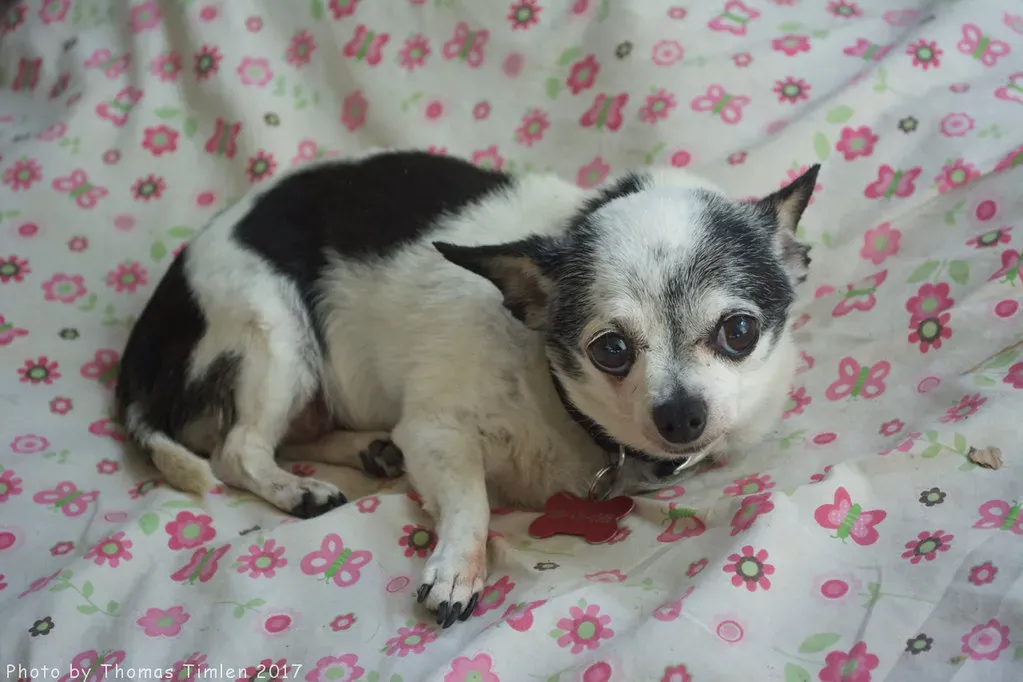
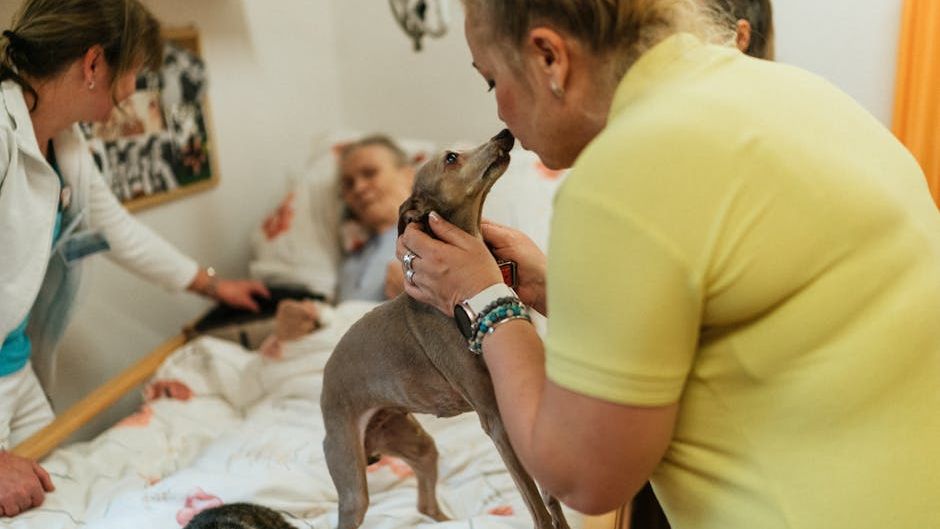
Continuing to offer reassurance and love is essential. Gentle affection, a soft place to rest, and your familiar presence can make a world of difference. Dogs are deeply social animals who have spent their entire lives reading your moods, your routines, and your movements. Near the end, your presence is not just comforting. It is, in many ways, everything to them.
During dog hospice care, vets can help guide pet parents on how to maintain the bond they share with their dog while caring for their declining health. Providing extra affection and patience is particularly important, as older dogs may become more anxious. Sitting quietly beside them, speaking softly, or simply resting a hand on their side can communicate more than any amount of busy activity ever could.
#7: Gentle Physical Activity on Their Terms
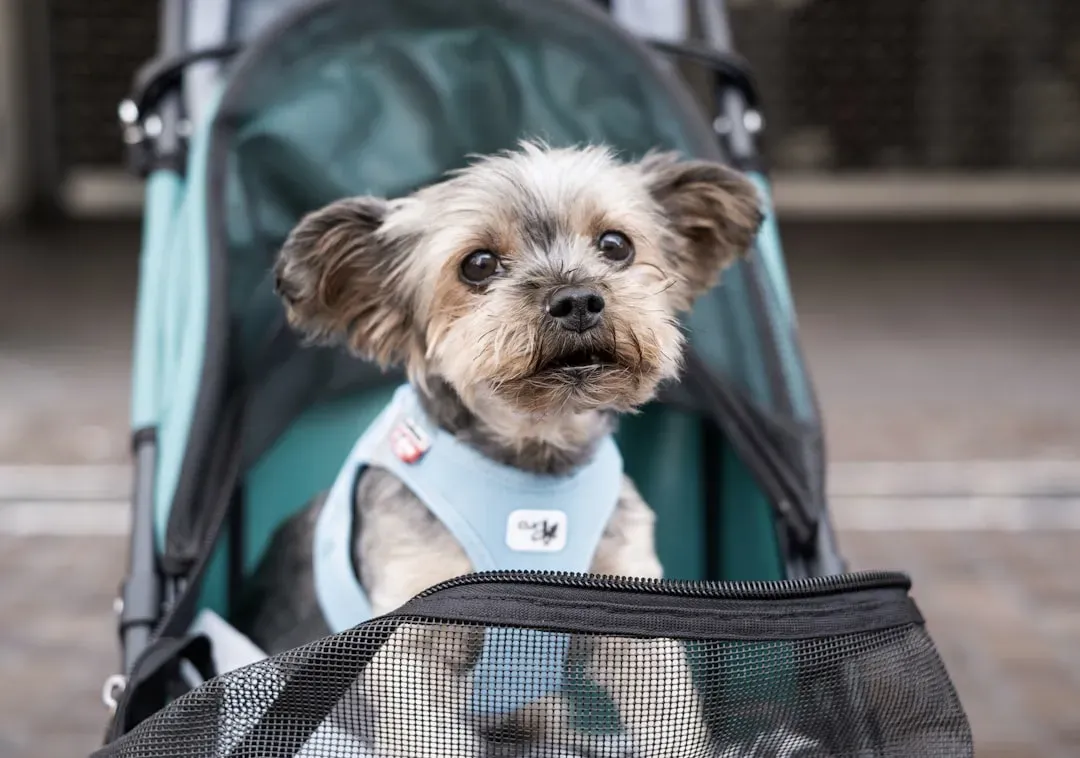
A total comfort care plan for senior dogs would also include allowing them to move at a slower pace while participating in the activities they’re still able to enjoy. Forcing activity when a dog is struggling causes unnecessary stress and pain. Letting them lead, even on a two-minute shuffle to the front yard, honors their remaining autonomy in a way that genuinely matters.
Gentle activities such as short walks, low-impact play, and stretching help maintain flexibility. Avoiding overexertion and adjusting pace to match the dog’s comfort level is key. Joint care not only reduces pain but also improves mood and independence. Just because a dog is dealing with stiff joints doesn’t mean outdoor time has to end. Dog wagons and strollers can allow them to experience all the sights and smells of a walk without the physical toll.
#8: Mental Stimulation Suited to Their Capacity
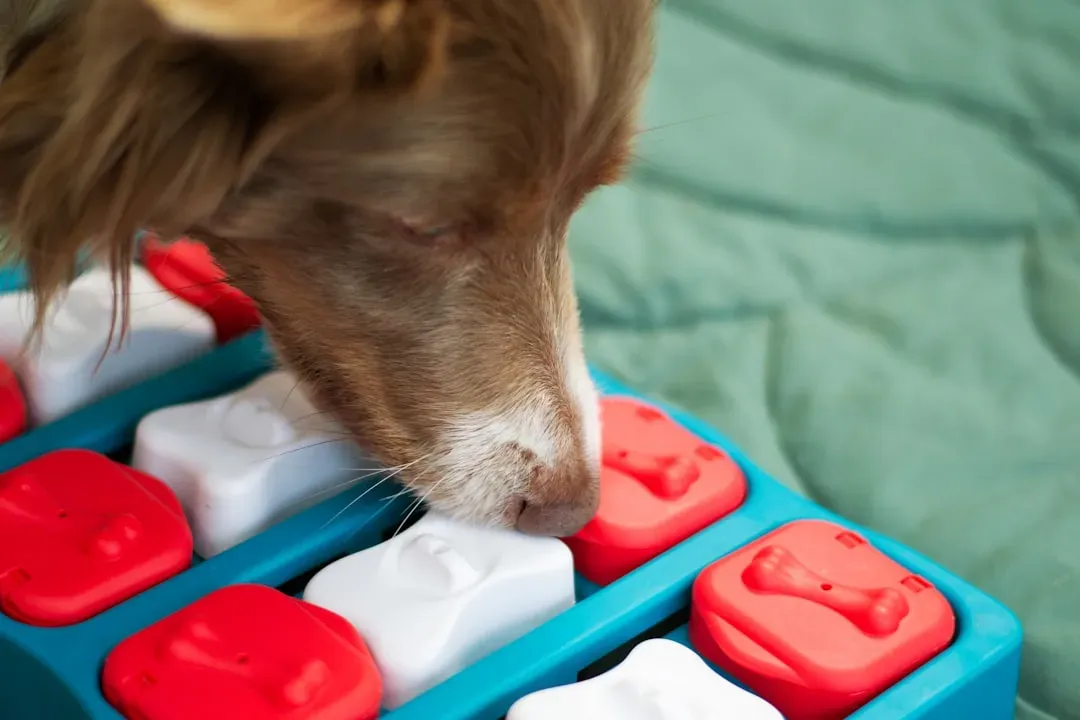
Senior dogs can suffer from age-related cognitive decline, including cognitive dysfunction syndrome, which makes enrichment opportunities especially important. Mental stimulation is a reliable way to prevent boredom, encourage engagement with the environment, and keep a dog happy. Enrichment doesn’t have to be intense. It just has to be present, gentle, and appropriate for where a dog currently is in their health.
Mental engagement is just as important as physical exercise for senior dogs. As they age, some may experience mild cognitive decline, so keeping their minds active helps them stay alert and content. Scent games, gentle training sessions, or puzzle toys can challenge them in enjoyable ways. Even just letting them sniff the wind from an open door can be meaningful enrichment for a dog whose world has grown smaller.
#9: Temperature Comfort and Climate Control
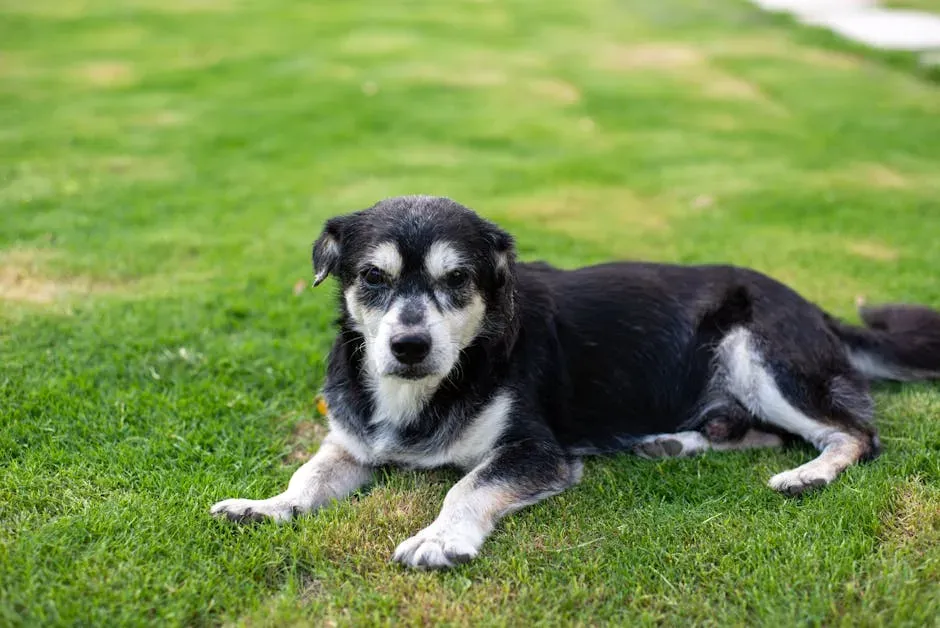
As dogs age and their bodies change, they become more sensitive to outside conditions. Senior dogs are more susceptible to hot and cold weather, so keeping them cool in summer and warm in winter matters. Fans and air conditioning help with heat, while coats help with cold. Adding more blankets to their beds and even keeping a coat on indoors during cold spells provides meaningful comfort.
As dogs age, they begin losing large amounts of hair and their bodies become more sensitive to temperature fluctuations. Avoiding wide temperature variations and keeping humidity consistent increases their comfort. A senior dog should be offered frequent access to a temperature-controlled environment to help them maintain a normal body temperature. It’s a simple thing that’s easy to overlook and carries a genuine impact on daily wellbeing.
#10: Hygiene, Grooming, and Skin Care
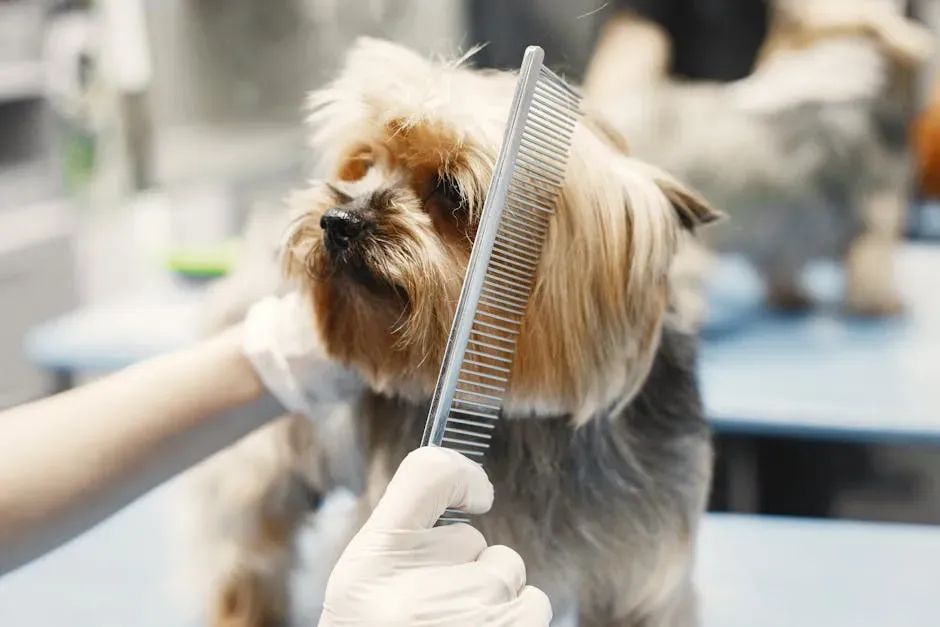
Senior dogs appreciate a bit of extra grooming. As they stiffen with age, it becomes hard for them to reach every area of their body, so regular brushing and hair cuts help prevent matting. Gentle, regular grooming also provides an opportunity to check for new lumps, dry spots, or changes in their skin. Mild, hypoallergenic shampoos help soothe aging skin. Grooming sessions also become quiet bonding moments that dogs often seem to genuinely enjoy.
Some older pets may develop incontinence, so checking regularly for any wetness or soiling is important. If a dog needs help getting up to urinate or defecate, a sling or large towel wrapped under the body can assist them. Incontinence can become more common with age due to weaker bladder muscles. Offering more frequent bathroom breaks and, if needed, considering waterproof bedding can keep a dog comfortable and clean. Keeping a senior dog clean is a direct form of dignity.
#11: A Quiet, Low-Stress Environment
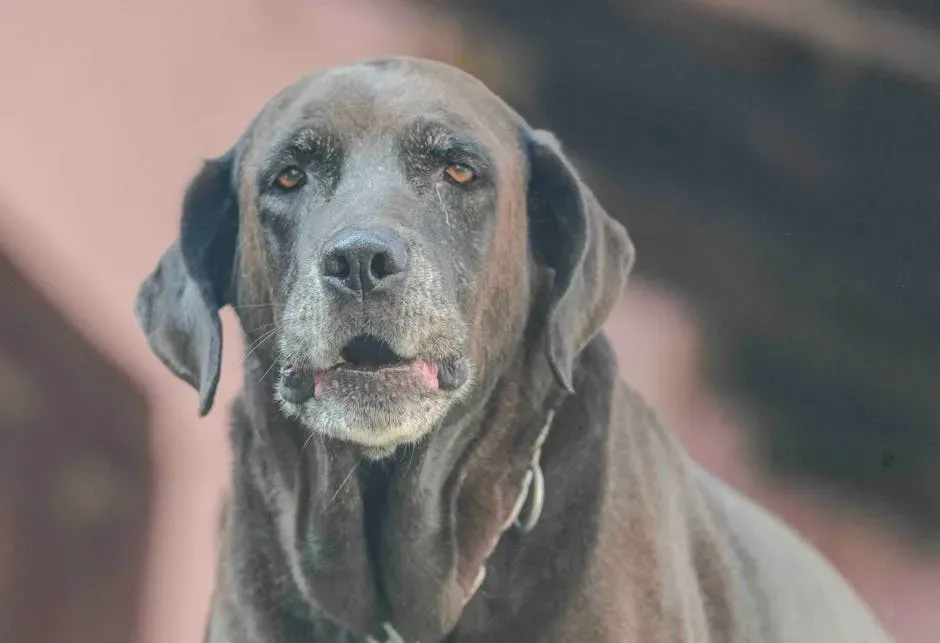
Near the end of life, some dogs want nothing to do with noise or crowds. If a dog is seeking out quiet places of solitude, it could be a sign they are near the end of their time. Responding to this by creating a calm, quiet space is important. Removing them from other pets, family members, or noisy environments shows genuine respect for what they’re going through.
Senior pets need to know they have a quiet, secure place where they can walk away and rest, undisturbed, in comfort. Older dogs may have poor hearing and eyesight, so asking family members to avoid sudden loud noises prevents startling them. The world can feel confusing and overstimulating to a dog in decline. A calm, predictable environment tells them that everything is okay, even when it isn’t.
#12: A Quality-of-Life Plan and Honest End-of-Life Discussions

Part of planning for the end involves knowing how to assess a dog’s quality of life and tracking good days and bad days. Many quality-of-life assessments are available for pets. Being honest about whether an ailing dog is still enjoying life is important, and if perception seems unclear, talking with trusted friends and consulting a veterinarian can help. Having that framework in place before a crisis hits makes everything more manageable.
A veterinarian is the best person to advise on when the time is right for euthanasia. Information from medical tests is often more accurate than what a pet owner can observe, and pet owners often delay the moment of euthanasia in anticipation of grief. Home euthanasia services have become more readily available, offering a peaceful, familiar setting for a final goodbye. Knowing that this option exists, and planning ahead for it, is itself a profound act of love.
Conclusion
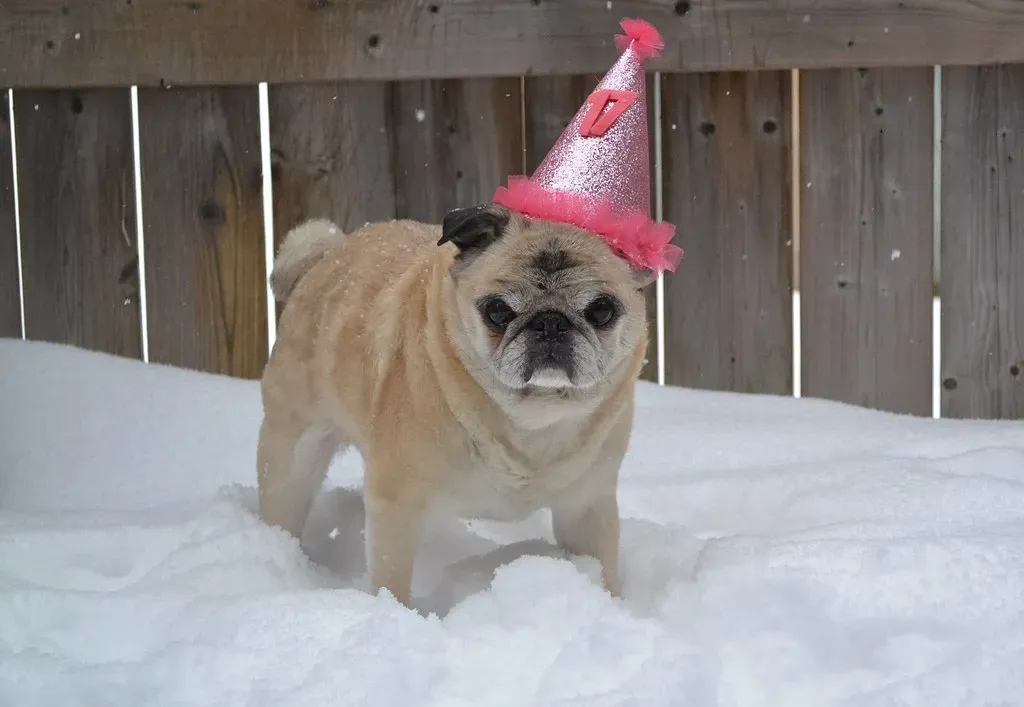
Here’s what I believe, after sitting with all of this: the dogs who get the most dignified endings are the ones whose owners stopped waiting for things to get worse before responding. Every item on this list is something you can start today, or refine, or simply pay closer attention to. None of it requires perfection.
Senior dogs don’t need grand gestures. They need the basics done consistently and with real care. A warm bed, a meal that smells good, a hand that’s always there. The relationship you built across all those years is still alive in those quiet final moments, and what you choose to do with that time reflects not just how much you loved your dog, but how well you understood them.
The most meaningful thing you can give a senior dog at the end of their life isn’t expensive or complicated. It’s simply you, paying attention, showing up, and refusing to look away. That is enough. That has always been enough.


