
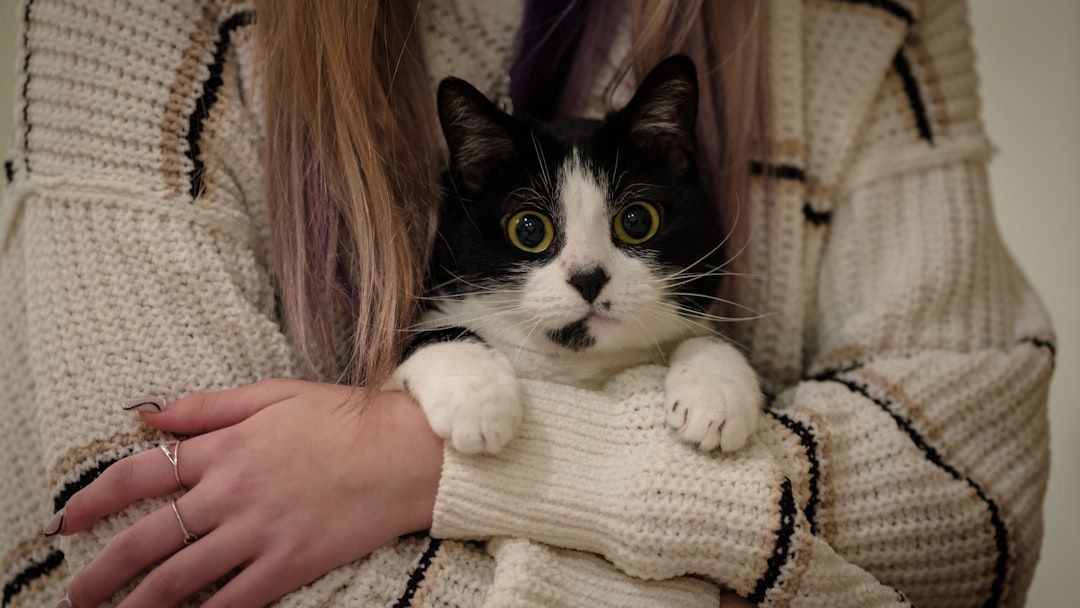
Most people assume a cat is being aloof when it stares at the wall for five minutes, bats a glass off the counter, or sits perfectly still while watching you from across the room. The truth is far more interesting. Those behaviors that look random, stubborn, or vaguely rude are actually windows into a surprisingly complex mind at work.
Beneath their quiet and sometimes unpredictable nature lies a highly adaptive intelligence expressed through subtle behaviors rather than overt displays. Unlike dogs, cats do not typically perform for approval. Their intelligence is revealed in how they observe, calculate, and respond to their environment in ways that most owners overlook entirely. Science has been slowly catching up to what cat owners have long suspected. What you’re watching isn’t random. It’s calculated.
#1. Extended Periods of Silent Observation

Cats often sit still and watch their surroundings without obvious engagement, but experts recognize this as active information gathering. During these moments, cats are not idle. They are tracking movement patterns, sound changes, and spatial relationships within their environment. It can look like daydreaming. It’s anything but.
This behavior reflects a form of continuous environmental analysis. Instead of reacting immediately, cats collect data before deciding whether action is necessary. This selective attention allows them to conserve energy while maintaining full awareness of potential changes around them. It is a strategy rooted in survival efficiency, but it also demonstrates a high level of cognitive control and situational awareness.
#2. Anticipating Your Daily Routine
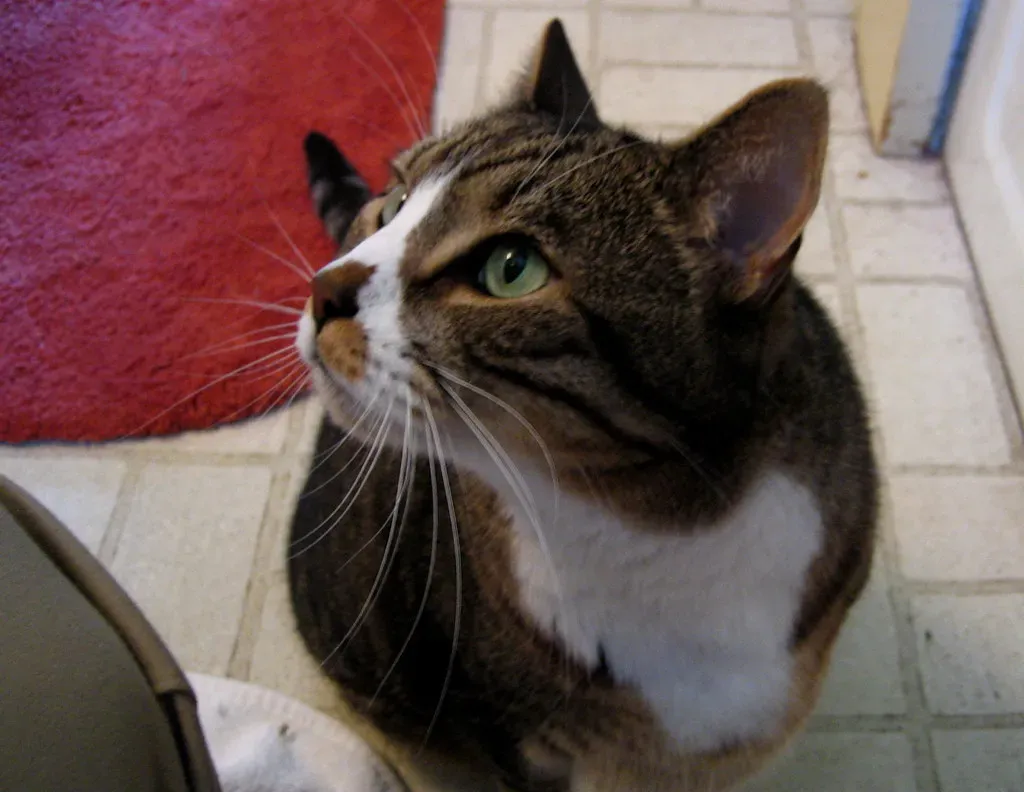
Perhaps one of the most overlooked signs of feline intelligence is their ability to adapt to human behavior patterns. Over time, cats begin to anticipate daily routines such as feeding times, movement within the home, and periods of activity or rest. This is not based on clocks but on observation of repeated patterns. That thing where your cat appears in the kitchen before you even think about opening a can? That’s pattern recognition.
Experts describe this as associative learning, where the cat connects certain cues with expected outcomes. As a result, cats often appear to “know” when something is about to happen, such as meal preparation or a change in household activity. This predictive behavior highlights their ability to process patterns and adjust their actions accordingly, demonstrating a level of intelligence rooted in observation and memory rather than instruction.
#3. Testing Objects Before Committing to Action

Cats rarely interact with new objects immediately. Instead, they often approach slowly, observe, and then make tentative contact using paws or whiskers. This behavior is not random curiosity alone. Experts view it as a testing phase where the cat gathers sensory feedback before fully engaging. Think of it as a safety audit before any real investment of energy.
By lightly touching or nudging objects, cats assess stability, texture, and potential response. This methodical approach indicates a problem-solving mindset where the animal is gathering information before committing to action. It shows that cats do not rely on assumption. They rely on verification through experience. That gentle paw tap isn’t clumsiness. It’s due diligence.
#4. Returning to the Same Spots With Purpose

Many cat owners notice that their pets frequently return to the same spots in the home, even when multiple alternatives are available. While this may seem like habit, experts interpret it as a sign of strong spatial memory. A smart cat doesn’t wander without a mental map. It navigates according to one.
Cats display neuroplasticity, allowing their brains to reorganize based on experiences. They have well-developed memory, retaining information for a decade or longer. These memories are often intertwined with emotions, allowing cats to recall both positive and negative experiences associated with specific places. That favorite sunny corner or that one spot by the window isn’t a coincidence. It was chosen, remembered, and returned to deliberately.
#5. Understanding Object Permanence
A 2006 study published in Animal Cognition found that cats can perform object permanence tasks, meaning they understand that objects continue to exist even when hidden. This is a cognitive skill that human babies only develop around 8 months of age. The fact that your cat digs behind the couch for a toy it watched disappear there is not obsession. It’s mental representation in action.
This kind of recognition is a cognitive milestone for human infants. Evidence for the skill in felines comes from several studies showing that they can easily solve “visible displacement” tests in which they see an object disappear and then search for it where it was last seen. Researchers say that not only do cats easily master this type of test but that the older they are, the better they become at solving the problems posed.
#6. Learning by Watching Others
Simply by watching their owners, and mirroring their actions, cats are capable of learning human-like behaviors like opening doors and turning off lights. This is called observational learning, and it places cats in the company of animals widely recognized for cognitive sophistication. A cat that has never opened a door before can figure it out just by watching you do it enough times.
Kittens learn essential survival skills by observing their mothers, while adult cats refine their abilities through trial and error. Some cats even learn by observing humans or other animals. For example, a cat might learn how to open a drawer by watching you do it repeatedly. The lesson here is that your cat’s curiosity about your hands is not random. It’s watching for information it can use.
#7. Recognizing Their Own Name and Yours

Research reveals that cats can recognize their names and their owners’ voices, responding with subtle behaviors like head and ear movements rather than overt actions. This ability highlights their social intelligence and awareness of their surroundings. A cat who doesn’t come when called isn’t necessarily confused. More often, it heard you perfectly well and made a conscious choice about what to do next.
Studies have shown that cats do recognize their names. Not only that, but they know their friends’ names, too. In addition, cats can recognize different people’s voices, and can tell the difference between various quantities as well as short and long periods of time. For a creature often dismissed as indifferent, that’s a remarkably rich social awareness.
#8. Reading Human Facial Expressions and Emotions
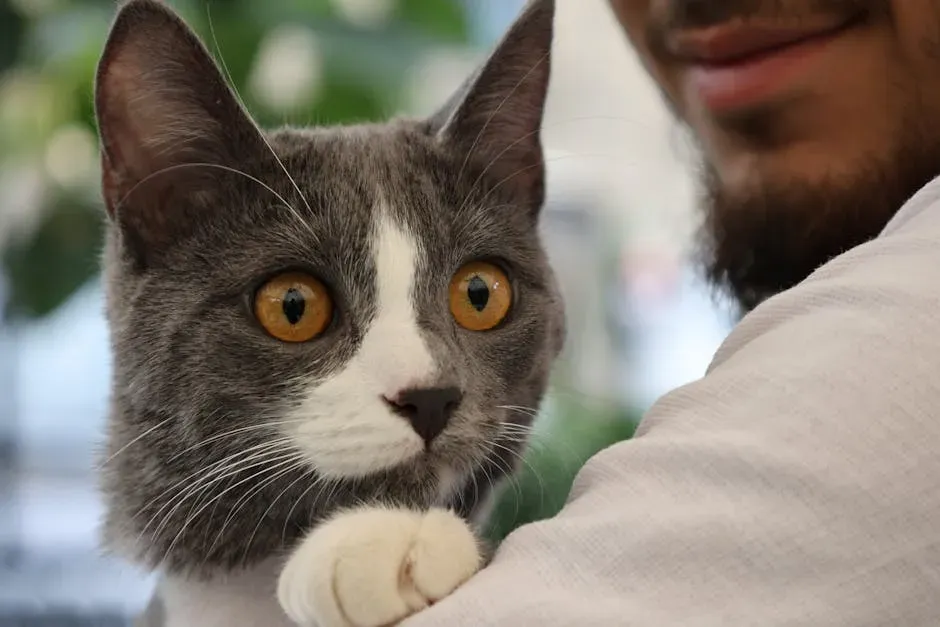
A 2019 study in Animal Cognition showed that cats can read human facial expressions and emotional cues. They are more likely to seek affection from a smiling owner than one who is frowning. Pay attention the next time you’re having a rough day. There’s a decent chance your cat noticed before you said a word.
Cats will respond to their owners’ low moods, such as depression, by increasing interaction, such as meowing more frequently and rubbing against them. This indicates that cats are not only passively perceiving emotions, but also actively participating in and responding to this emotional relationship. That kind of tuned-in social behavior requires genuine emotional intelligence, not just reflex.
#9. Using Trial-and-Error Problem Solving

Early research on cat intelligence can be traced back to the late 19th and early 20th centuries, when psychologists such as Edward Thorndike used puzzle boxes to study animal learning. Thorndike’s experiments demonstrated that cats could learn to manipulate levers and latches through trial-and-error, thereby revealing their capacity for associative learning. That research still holds up. Cats don’t give up easily on a problem once they’ve decided it’s worth solving.
The cats were observed to free themselves from the boxes by “trial and error with accidental success.” Though cats did perform worse on occasion, Thorndike generally found that as cats continued the trials, the time taken to escape the boxes decreased in most cases. In other words, they got faster and more efficient with each attempt. That’s not luck. That’s learning.
#10. The Calculated Pause Before Acting
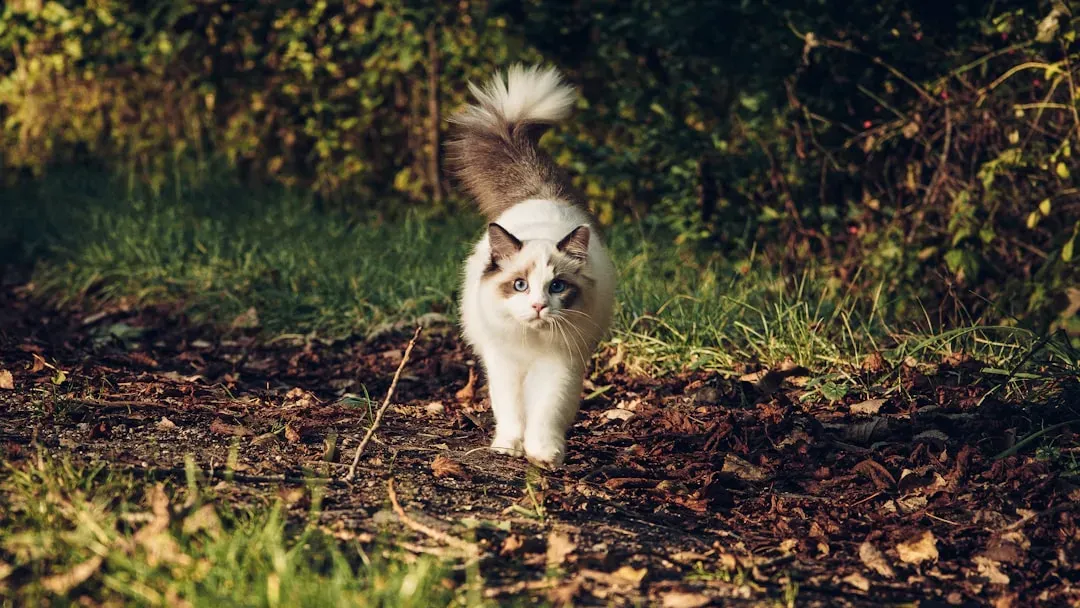
Another behavior that often goes unnoticed is the brief pause cats take before jumping, entering a room, or interacting with an object. That stillness right before a leap or a pounce isn’t hesitation born from confusion. It’s a moment of rapid mental calculation: distance, angle, timing, risk. All processed in a fraction of a second.
A sign of : a cat won’t waste its paws digging at point A where the mouse “disappears.” It will understand that the mouse is in “continuous movement,” so it will immediately run to the “other side” of the furniture, lie in wait at the expected exit, and wait for the prey to reappear. That’s predictive spatial reasoning, and it’s impressively sharp.
#11. Engaging in Strategic, Complex Play
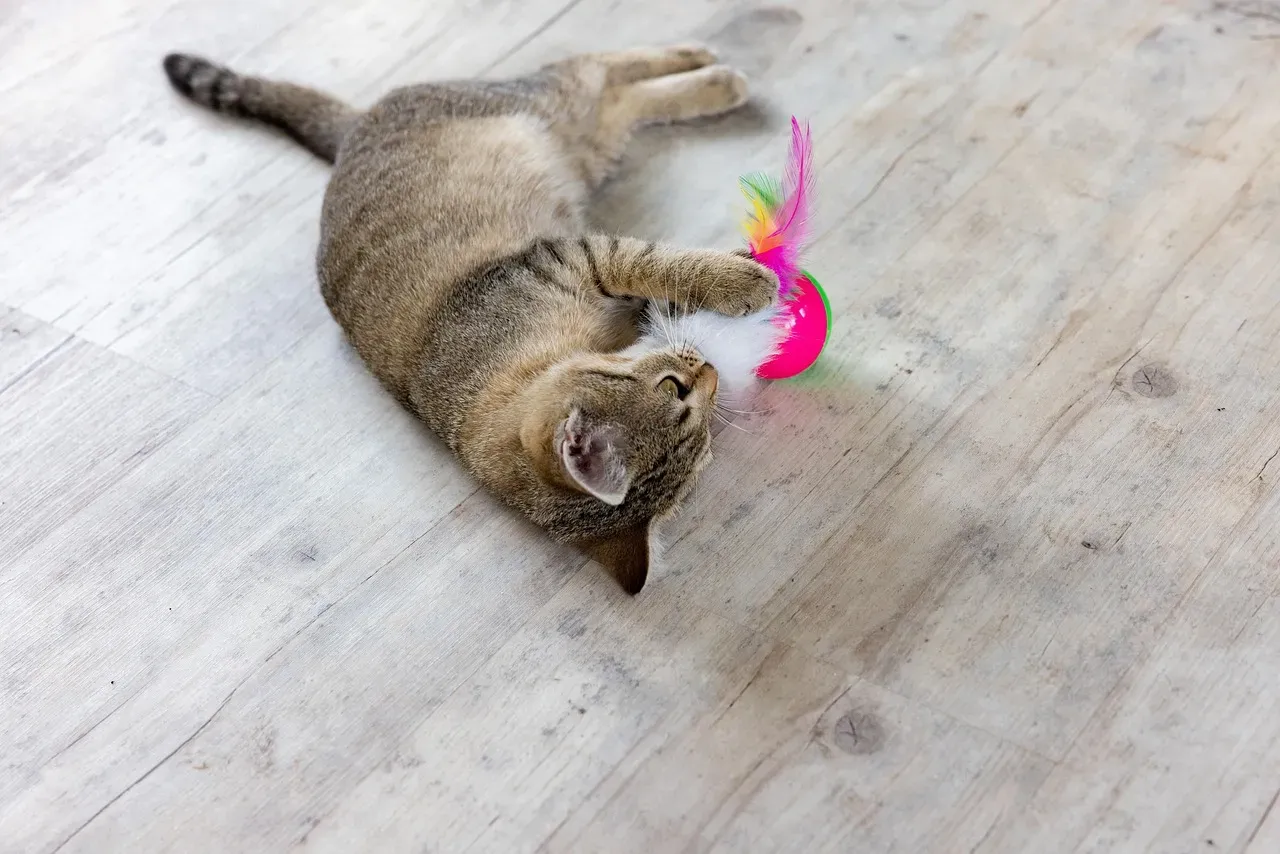
Play is another indicator of intelligence. Cats engage in complex, strategic play that mimics real-life hunting. This “play” is actually critical for developing and sharpening cognitive and motor skills. Even adult cats continue to play throughout life, particularly when mentally stimulated. When a cat stalks a toy mouse, it’s running through a full mental simulation of a hunt, including patience, timing, and the final calculated strike.
Smart cats need stimulation and mental challenges like puzzles, training, and exploration to prevent boredom. A cat that grows disinterested in a repetitive toy isn’t lazy. It already solved that puzzle. It’s asking for the next level, which is itself a form of intelligence worth recognizing.
#12. Adapting Behavior Based on What Works
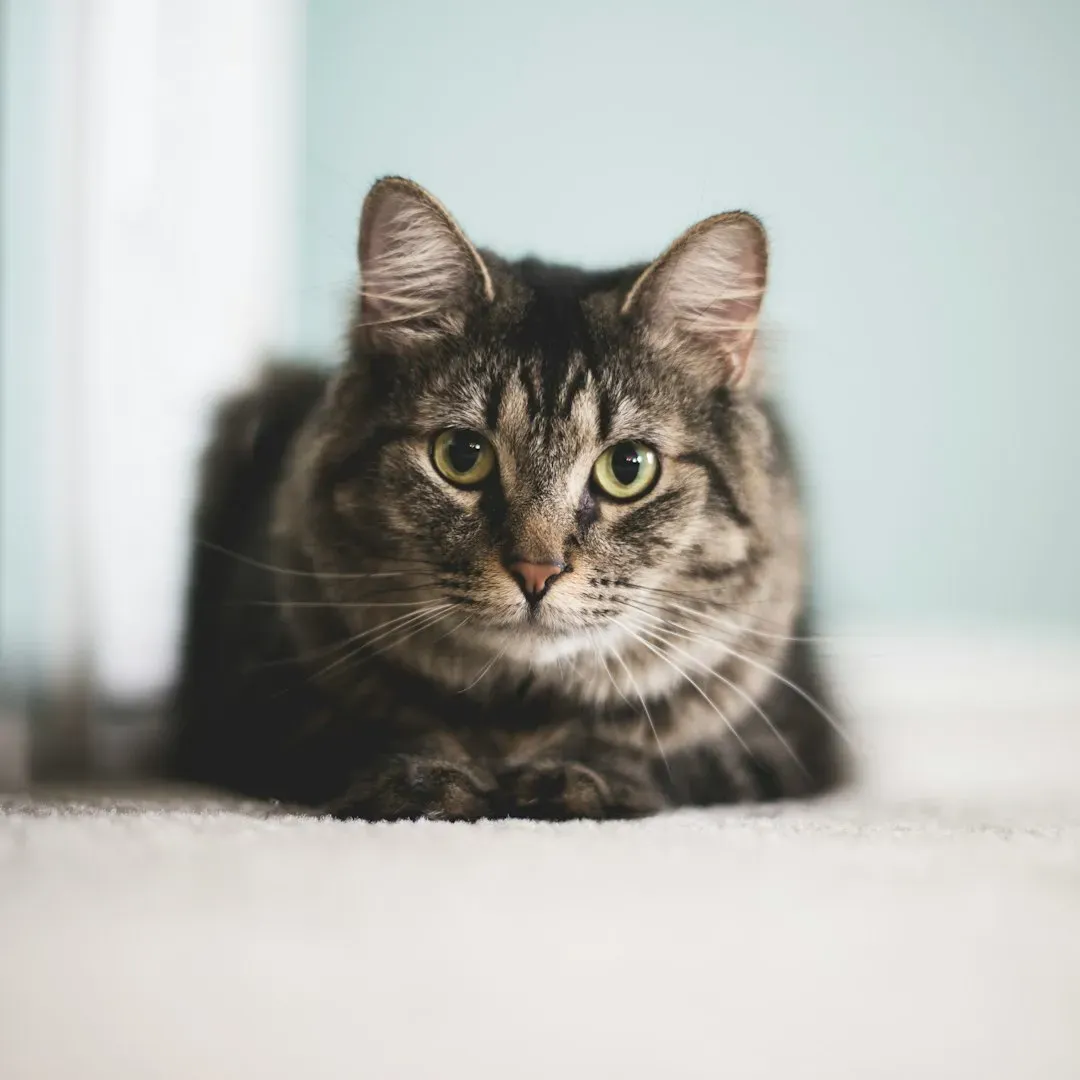
Cats not only excel at learning new information, but they can also mesh that information with things they’ve learned previously, recall it when needed, and apply it to the current situation. This is a form of flexible memory use, the ability to pull from past experience and apply it to new scenarios. It’s something many animals simply cannot do.
Cats’ intelligence may have increased during their semi-domestication: urban living may have provided an enriched and stimulating environment requiring novel adaptive behaviours. Living in urban environments has exposed them to challenges that require adaptive behaviors, contributing to cognitive development. Essentially, living alongside humans has sharpened cats, not dulled them.
#13. Independent Decision-Making Without Prompting
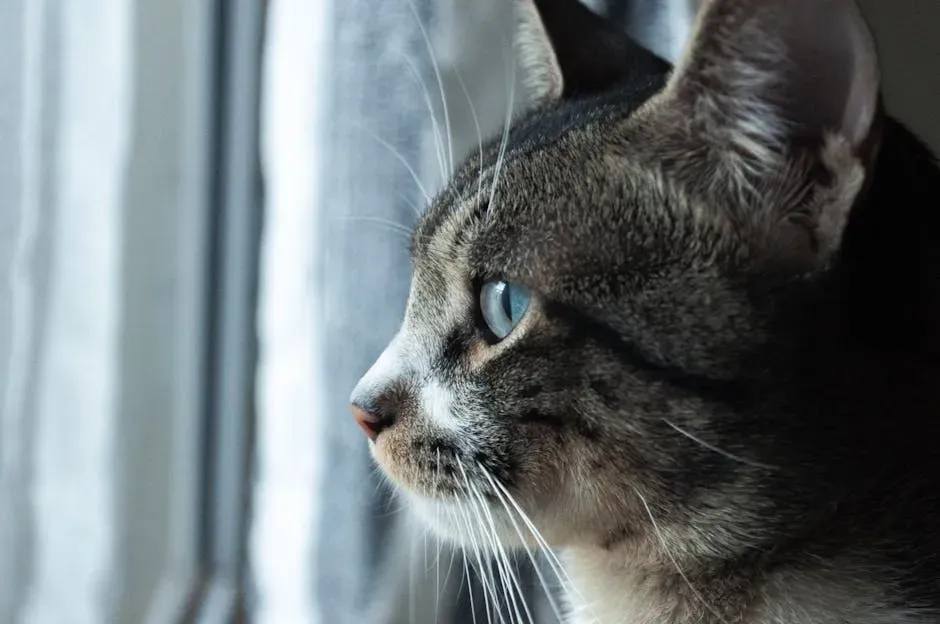
Feline cognition encompasses a diverse array of cognitive abilities, including problem-solving, social interaction, and adaptability. Unlike dogs, whose cleverness is often assessed by their compliance and trainability, cats showcase their intelligence through independent actions and unique problem-solving skills. The stubbornness people attribute to cats is, in many cases, evidence of a mind that evaluates options and makes its own call.
Cats are social when it suits them but can also take on a more solitary lifestyle. So it shouldn’t be too surprising that dogs turn to people more often for social cues, while cats more frequently try to solve problems on their own. Both traits are signs of intelligence that fit with how each species moves through the world. Self-reliance isn’t a cognitive weakness. In cats, it’s a feature.
#14. Responding Differently to Each Person in a Household
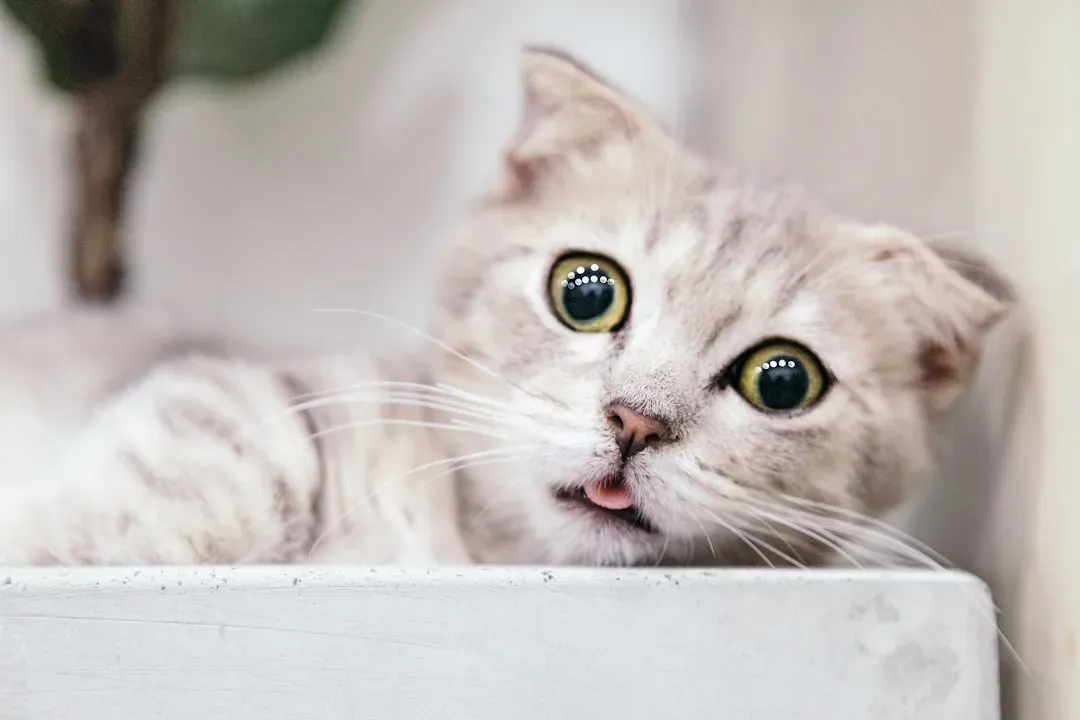
A later study suggests that cats can even distinguish between people’s voices, and that our vocalizations elicit measurable changes in behavior. This means a cat isn’t just reacting to sounds generally. It’s building and maintaining separate behavioral profiles for different people, adjusting how it acts depending on who it’s dealing with. That’s a sophisticated form of social intelligence.
While the way that your small feline interacts with you isn’t necessarily a direct indicator of their intelligence, it’s still a good sign that they are attuned to your emotions. Indeed, cats that respond to human emotions are often perceived as having higher cognitive abilities. A cat that tries to comfort you when you’re sad or joins in the celebration when you’re happy is likely aware of your emotions. Different moods from different people get different responses. That level of social calibration requires a working model of other minds.
#15. Adjusting Circadian Behavior to Fit Human Schedules
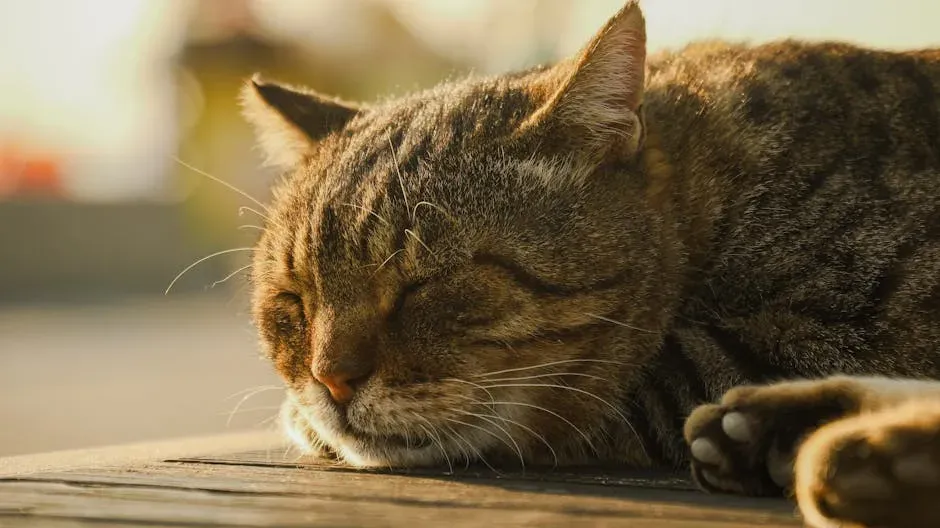
An early study looked at whether cats have an internal clock. It stands to reason that they would, since felines are active during dusk and dawn. “Having natural cycles, knowing when they need to hunt and when they need to rest, makes sense for them.” Notably, when cats live alongside us, they’re smart enough to readjust their natural behaviors. This kind of voluntary behavioral shift, overriding instinct to align with a social environment, is a significant cognitive act.
Feline cognition and welfare research shows that stimulation, play, and social contact strongly shape how cats learn and adapt, often overshadowing the influence of breed. A cat that reshapes its own schedule to be awake when you’re awake isn’t just being convenient. It’s choosing relationship over instinct, which is about as socially intelligent as it gets.
Final Thought

Cats have spent centuries being underestimated. Dismissed as cold, untrainable, or simply less impressive than their canine counterparts, they’ve absorbed the criticism with characteristic indifference. This has led many to underestimate feline intelligence or to mistakenly believe that their aloofness is a sign of lesser cognitive ability. In reality, feline intelligence is rich, multi-dimensional, and deserving of far more attention than it traditionally receives.
The honest truth is that cats are highly intelligent in ways that don’t always flatter us as their owners. They’re not trying to please us. They’re observing, calculating, remembering, and adapting. For a long time, cats have been stereotyped as “aloof,” “independent,” and even “untrainable.” However, from the perspective of cognitive science, these misunderstood behaviors are precisely a manifestation of their remarkable intelligence.
The cat sitting on your lap right now isn’t just warm and soft. It’s been paying close attention to you far longer than you’ve been paying attention to it. That, in itself, says something.


