
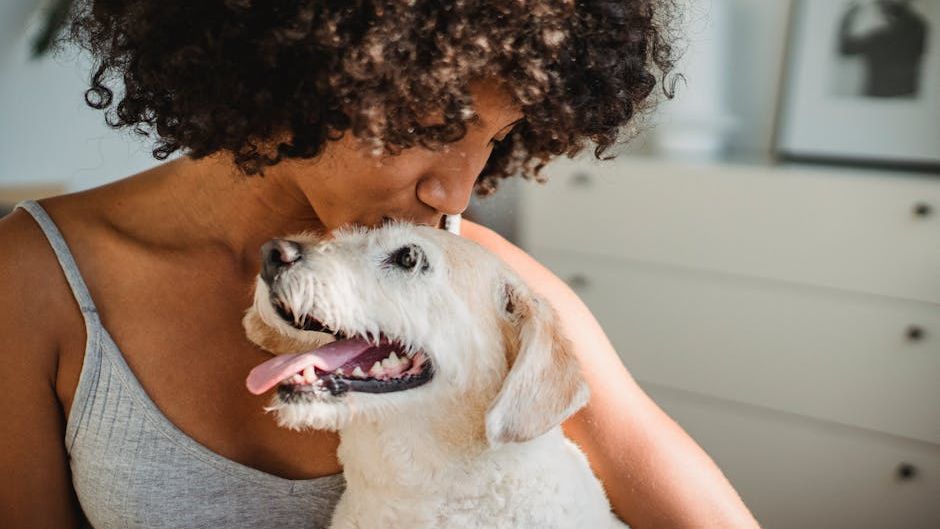
There’s a particular kind of quiet that settles over a house when your dog starts to slow down. The walks get shorter. The graying muzzle gets a little whiter each week. The spot on the couch they’ve claimed for years becomes where they spend most of their day. You start paying attention differently – watching more closely, listening harder – because somewhere in the back of your mind, you already know what’s coming.
Caring for a senior dog at the end of life is about making them as comfortable as possible and improving their quality of life. It starts when the focus shifts from trying to treat an illness or extend the length of a dog’s life to helping the dog stay happy and comfortable while nature takes its course. What that actually looks like day to day, though, is something most pet owners have to figure out on their own – and that’s exactly why this list exists.
#1. Consistent, Compassionate Pain Management
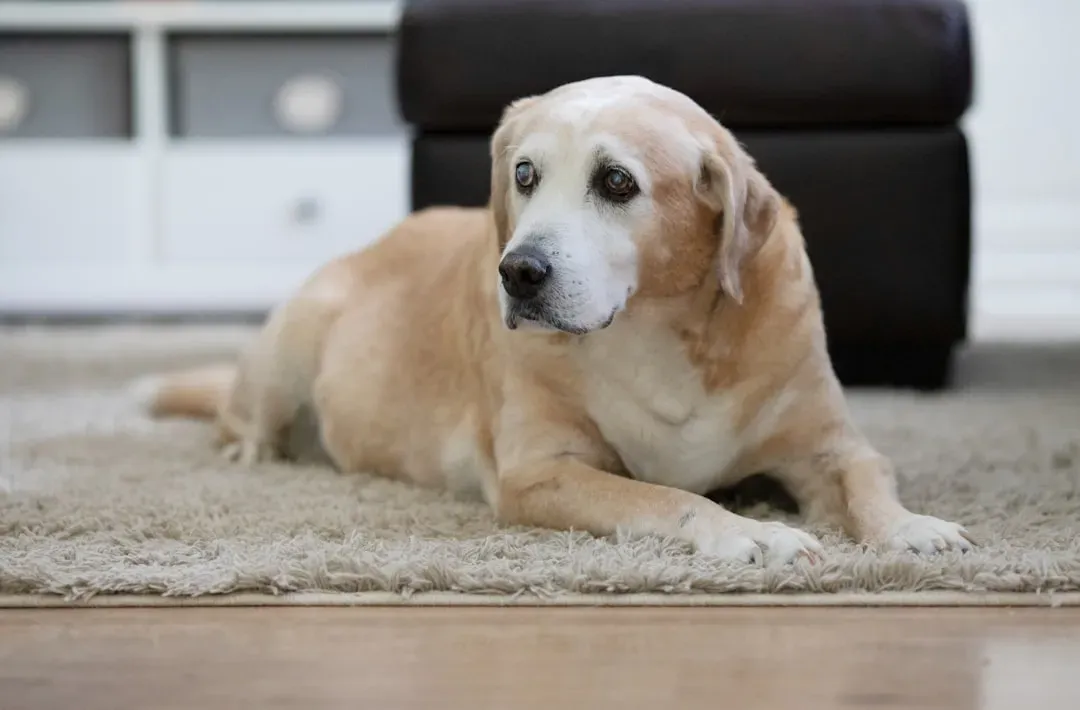
Pain in senior dogs is often quieter than people expect. When dogs are suffering, they may not show outward signs we normally associate with pain like whimpering or crying. Sometimes an animal will continue to eat or drink in spite of pain or disorientation. Some physiological and behavioral signs that your pet might be experiencing pain include excessive panting or gasping for breath, reclusiveness, reluctance to move, and food pickiness.
Whether senior dogs are in decline or terminally ill in the last stages of disease, palliative care focuses on managing pain and other symptoms and extending quality of life as long as possible. This is done through medications, therapies such as acupuncture, chiropractic care or laser therapy, and home care such as administering fluids, applying heat therapy, and helping dogs do more of what they enjoy for as long as they’re able to enjoy it. Working closely with a vet to find the right combination of these approaches is one of the most meaningful things you can do.
#2. A Comfortable, Supportive Place to Rest

Providing an orthopedic dog bed for your senior pet is a great idea to promote comfort. Since older pets tend to spend more time lying down, these beds provide additional support for their joints and prevent pressure sores on their elbows and legs. This isn’t a luxury – it’s a genuine medical need that gets overlooked far too often.
Senior pets need to know they have a quiet, secure place where they can walk away and rest, undisturbed, in comfort. That safe corner of the home, padded and warm and away from household traffic, can become the most important spot in the house. Senior pets often prefer a calm, quiet area away from household activity. Respect that preference – it’s how they manage what’s left of their energy.
#3. A Senior-Appropriate, Vet-Guided Diet

When your dog becomes a senior, it may be necessary to transition them to a new diet specially formulated for the health and well-being of older pets, particularly if they have an underlying health condition. Your veterinarian can provide diet recommendations for the best senior dog food based on your dog’s unique health needs. There’s no universal formula here – what works for one dog may not work for another.
One important factor to consider is how much protein and what quality of protein they are getting. Older dogs tend to lose muscle mass, and feeding adequate protein can help prevent this. Another important factor is the number of calories your dog actually needs on a daily basis. Senior dogs tend to have a slower metabolism and thus may not need as much food as before. Small, more frequent meals can also help those with sensitive digestion, making eating feel less like a chore and more like a comfort.
#4. Frequent Veterinary Check-Ins
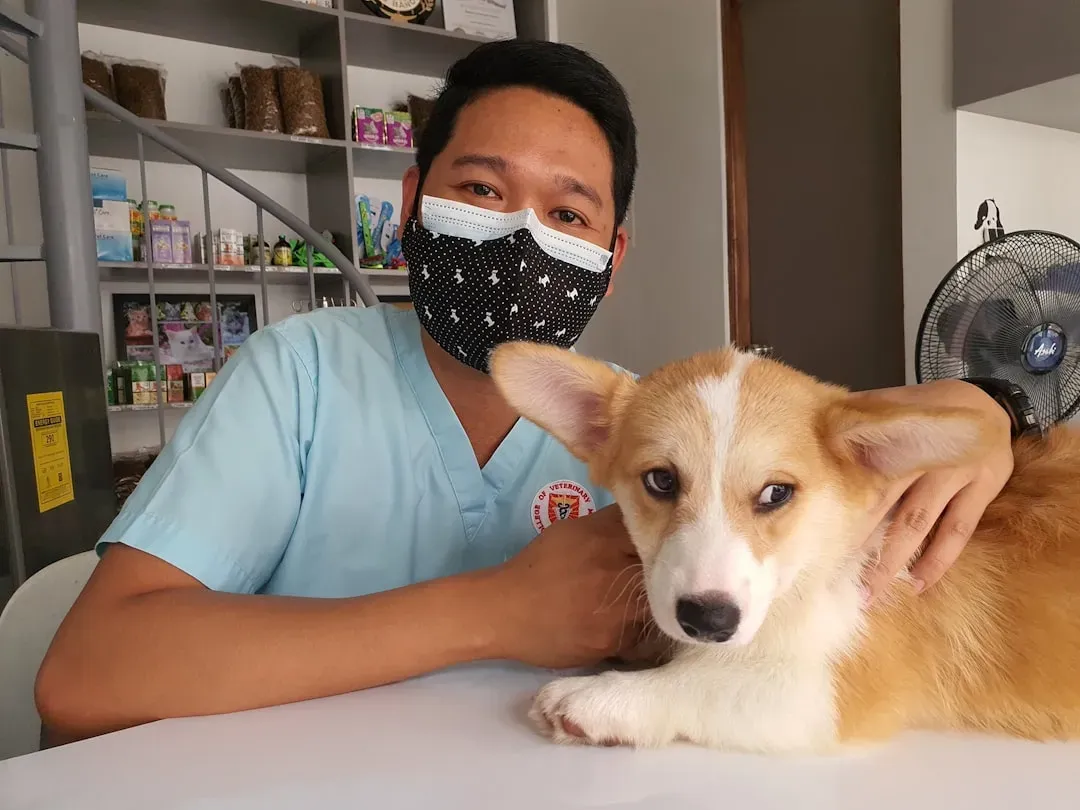
Twice-yearly veterinary checkups are essential for senior pets. Because their health status can change rapidly, it is important for a veterinarian to assess your pet every six months. That timeline can feel too long when a dog is in decline – some owners find monthly or even more frequent check-ins become necessary, and that’s completely appropriate.
Having blood and urine tests evaluated at least once a year is important. Early detection of chronic diseases such as kidney disease, thyroid disease, and diabetes is the key to successful treatment and preservation of quality of life. These visits also give you and your vet the chance to adjust care plans as your dog’s condition evolves, rather than scrambling in a crisis. Regardless of the type or extent of care you choose, it’s helpful to work with your veterinarian to construct an end-of-life plan for your dog. That plan can be adjusted as your dog’s health circumstances shift or your resources change.
#5. A Safe and Accessible Home Environment
If loss of vision or reduced mobility is an issue, it might be necessary to lay down carpets to make floors easier to walk on or to rearrange furniture to make the home easier to navigate. These small physical changes can make an enormous difference in how safe and confident a dog feels moving through their own space.
If your pet is permitted on the bed or couch, place steps in front of the furniture to help them get up without the need to jump. Even easier for your pet is a ramp that allows them to get to higher areas like furniture, in and out of a vehicle, and up and down stairs. Adding rugs to slippery floors is also helpful. As dogs age, they may hesitate to walk on wood or vinyl floors as they can lose their footing. Adding anti-slip rugs or yoga mats to floors can help provide a non-slip surface. These are cheap, practical interventions that add immediate dignity to daily life.
#6. Gentle, Adapted Exercise and Movement

A total comfort care plan for senior dogs would also include allowing them to move at a slower pace while participating in the activities they’re still able to enjoy. The goal isn’t to push them through activity – it’s to keep their body moving gently enough to maintain circulation, prevent stiffness, and lift their mood. Even short, slow walks count.
Low-impact activities like short walks, swimming, or stretching are vital parts of senior dog care to maintain mobility and prevent obesity. The key is reading your dog’s cues. As their body slows down, senior dogs may struggle more than younger ones to regulate their temperature, so it’s important to take extra care on very cold or very hot days. Some days a gentle wander around the yard is the full extent of what’s needed – and that’s perfectly fine.
#7. Cognitive Support and Mental Stimulation
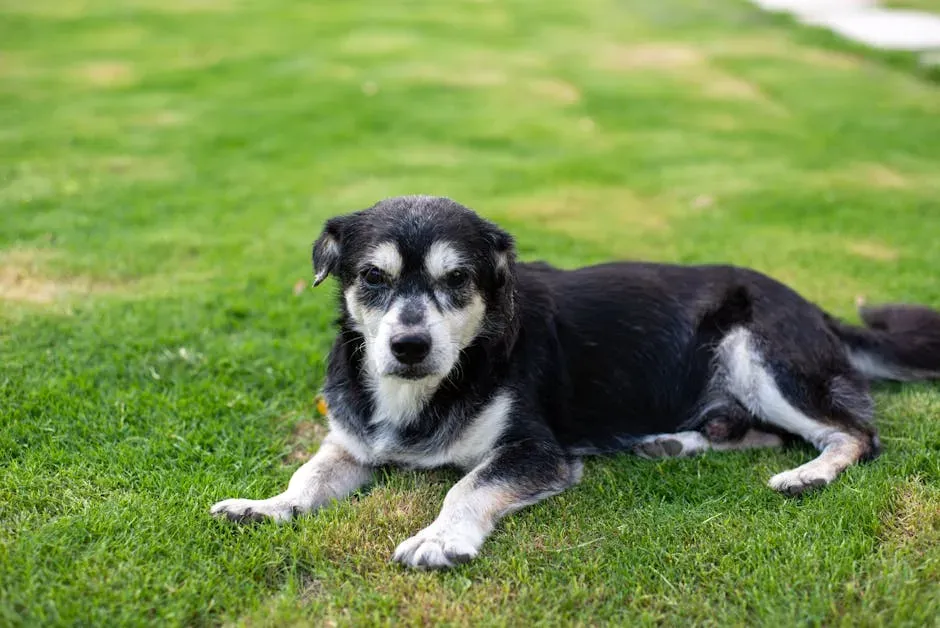
About half of dogs over 11 years old will show some degree of cognitive dysfunction due to aging. This is more common than most people realize, and it often goes unrecognized because the signs look a lot like ordinary “old dog” behavior. Common symptoms include disorientation, less interaction with family, interrupted sleep, and house-training issues. Dementia can also cause a dog to not recognize a familiar person or fail to respond to commands.
Diet therapy has been shown to be helpful for senior pets. Diets rich in antioxidants and medium chain triglycerides can aid brain function. Beyond diet, keeping a dog mentally engaged matters too. Making time every day to play with your dog is important. Bringing out special toys encourages brain involvement. If your dog is food motivated, treat puzzle toys can engage their problem-solving skills. These small moments of engagement do more than entertain – they help preserve a sense of purpose and connection.
#8. Temperature Regulation and Physical Comfort
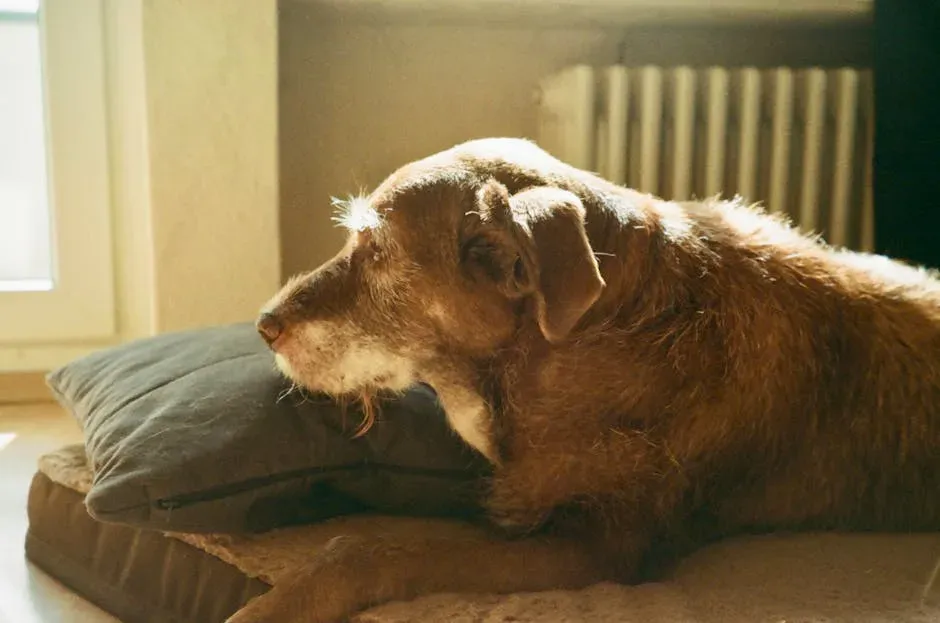
Older pets are more sensitive to temperature extremes due to thinner fur, reduced muscle mass, and slower circulation. This is easy to overlook in a busy household, but it matters more than most owners expect. A dog that was once completely unbothered by a drafty room or a cool floor may now genuinely struggle with the same conditions.
Maintaining your home at a steady, comfortable temperature is important. As dogs age, they begin losing large amounts of hair and their bodies are more sensitive to temperature fluctuations. Avoiding wide temperature variations and keeping the humidity consistent increases their comfort. Providing extra bedding in colder months – heated pet beds or blankets – can help. Warmth and physical comfort become increasingly intertwined at this life stage.
#9. Dental and Grooming Care
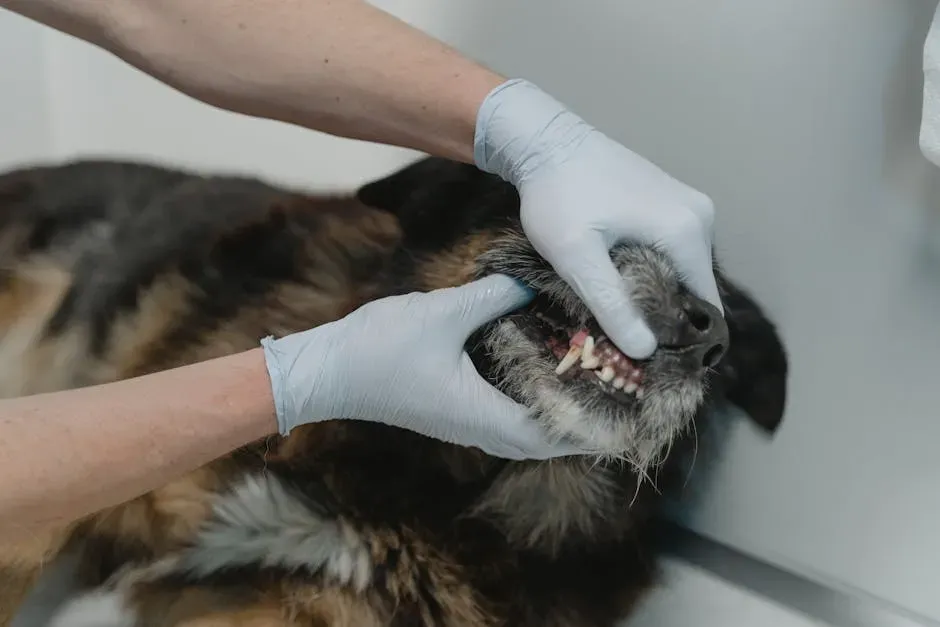
Dental health is important at all ages, but particularly during your dog’s senior years, as a lifetime of eating and chewing takes its toll on their teeth and gums. Periodontal disease is incredibly common in senior dogs, and causes pain, inflammation, gum infections, bone loss, and plaque and bacteria can even enter your dog’s bloodstream, affecting their organs. Dental pain is notoriously silent in dogs – they’ll keep eating even when their mouth is in significant discomfort.
Gentle, regular grooming helps maintain comfort and provides an opportunity to check for new lumps, dry spots, or changes in their skin. Choosing mild, hypoallergenic shampoos helps soothe aging skin, and making sure your dog has a soft, supportive bed to rest on is equally important. Grooming at this stage is also one of the quieter ways you communicate care – the physical contact, the attention, the gentleness. Dogs feel all of it.
#10. Emotional Presence and Human Connection
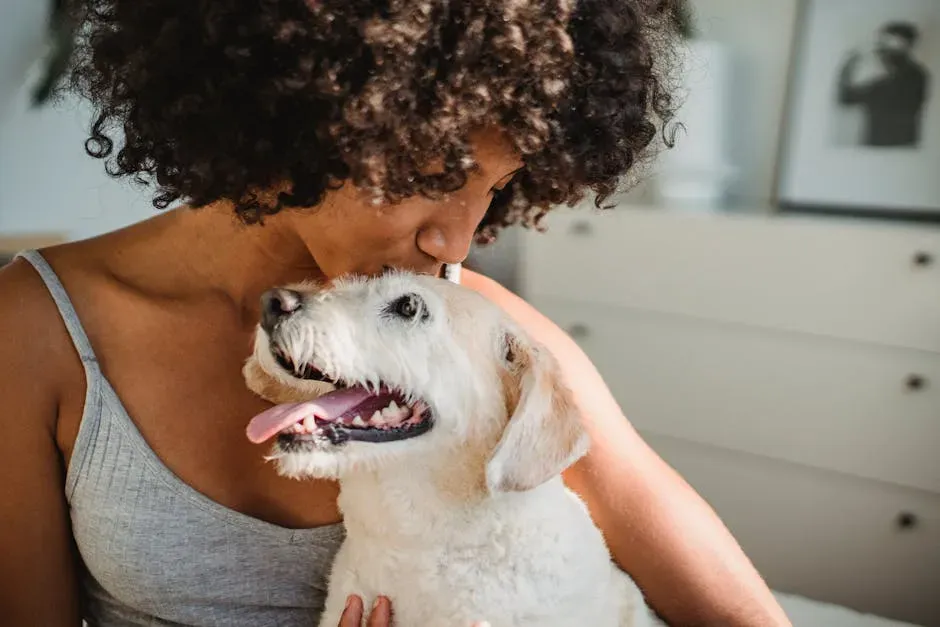
Some senior dogs become more clingy or demanding, seeking constant attention and affection from their family members. This behavior is often a response to the physical and emotional distress caused by declining health. When your dog starts following you from room to room, or pressing close against your leg, they’re communicating something real. That’s not neediness – that’s trust.
Continuing to offer reassurance and love matters deeply. Gentle affection, a soft place to rest, and your familiar presence can make a world of difference. Gentle massages, soft-spoken words, and simply being present can provide immense emotional support. In the end, your presence is one thing no medication or therapy can replace. Being there – really there – is the most profound form of care you can offer.
#11. Predictable Routine and Reduced Stress
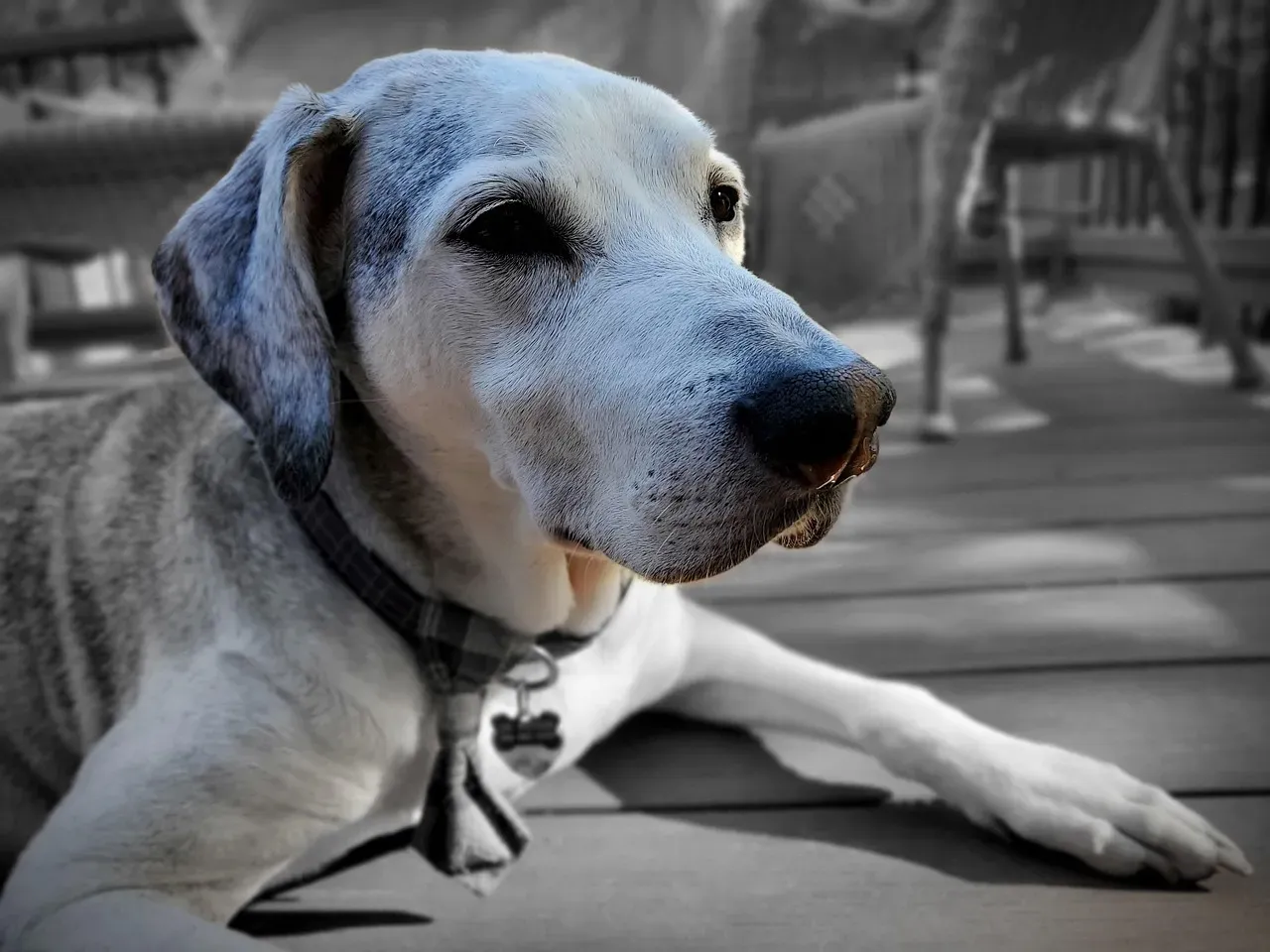
Maintaining a consistent routine reduces anxiety in senior dogs, particularly those experiencing cognitive decline. When a dog’s world is shrinking physically and mentally, the predictability of daily life becomes a form of safety. Feeding times, potty breaks, rest, and gentle interaction – all of it helps a dog know what to expect, and that knowing brings calm.
To alleviate a dog’s stress levels, creating a calm environment by reducing noise levels, providing a comfortable place to rest, and engaging in gentle activities like massage or soothing walks can help significantly. Maintaining a predictable schedule for feeding, potty breaks, and gentle interaction is important even as their activity levels decrease. Structure isn’t about rigidity – it’s about giving a dog with a fading sense of the world something solid to hold onto.
#12. Dignity, Respect, and a Quality-of-Life Plan
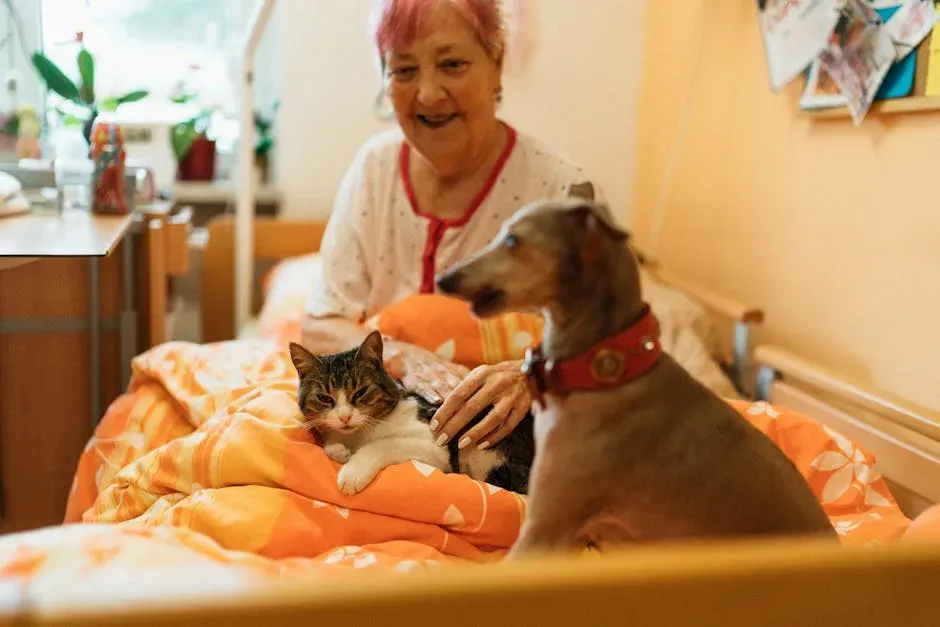
Quality of life is an important consideration when caring for a senior pet. There are several tools available to help pet parents assess their pet’s well-being and track changes over time. These tools consider physical comfort, emotional well-being, and the ability to engage in daily activities. Using a quality-of-life scale in partnership with your vet isn’t a morbid exercise – it’s one of the most loving things you can do.
Pet hospice is not a place, but a personal choice and philosophy based on the principle that death is a part of life and can be dignified. When considering hospice care, pet parents should be very careful not to prolong the suffering of pets who are in pain or experiencing poor quality of life. Aside from caring for their physical needs and alleviating pain, the best end-of-life care you can provide your dog is to continue to love them with the gentle, loving attention they deserve. Dignity looks different for every dog – and you know your dog better than anyone. Trust that.
A Final Word: What This Season Actually Asks of You
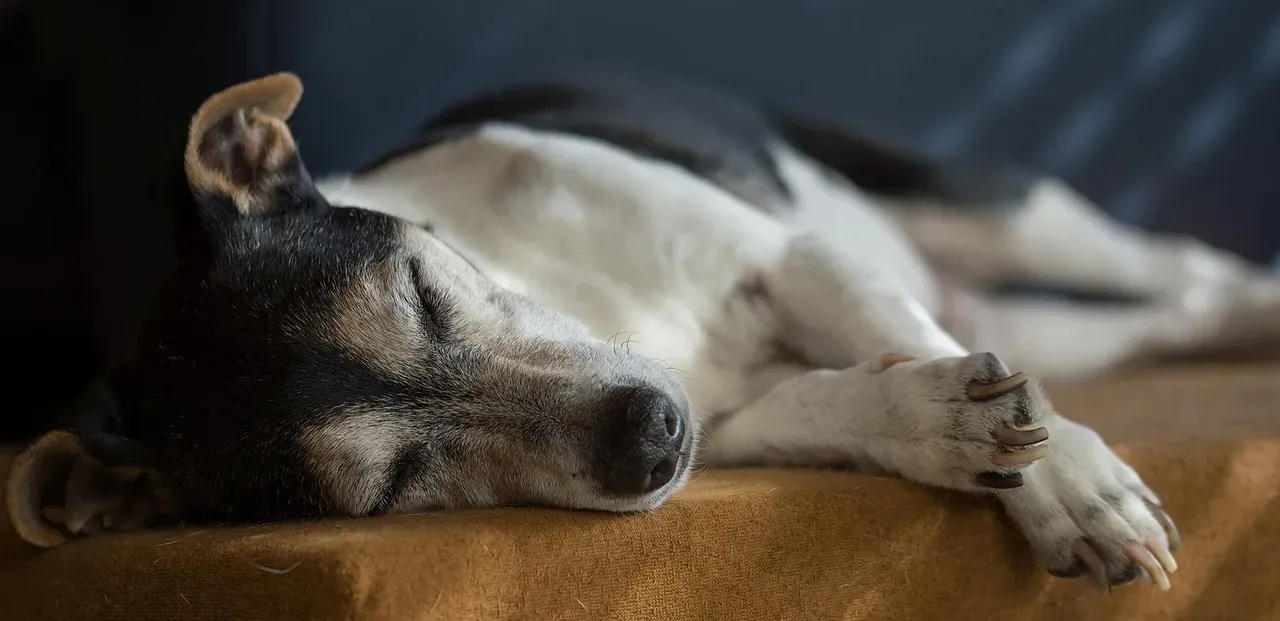
Caring for a senior dog in their final chapter is one of the most quietly demanding things a person can do. It asks for patience you didn’t know you had. It asks you to be present when being present is hard. It asks you to make decisions that have no perfect answer.
Research has confirmed that for most people, the loss of a dog is, in almost every way, comparable to the loss of a human loved one. That weight is real. What you’re feeling – the love, the grief that arrives before the loss, the exhaustion of daily care – is all completely valid. While caring for an older dog certainly has its difficult times, the joyful moments make it all worthwhile. Every day with your dog is a gift, an opportunity to enjoy life together.
The truth is, senior dogs don’t need grand gestures. They need you. They need warmth, they need familiarity, they need relief from pain and the sense that they are still deeply loved. If you’re reading this and doing your best – adjusting the food, checking in with the vet, sitting on the floor next to a graying old friend – then you’re already giving them what they need most. That’s not a small thing. That’s everything.


