
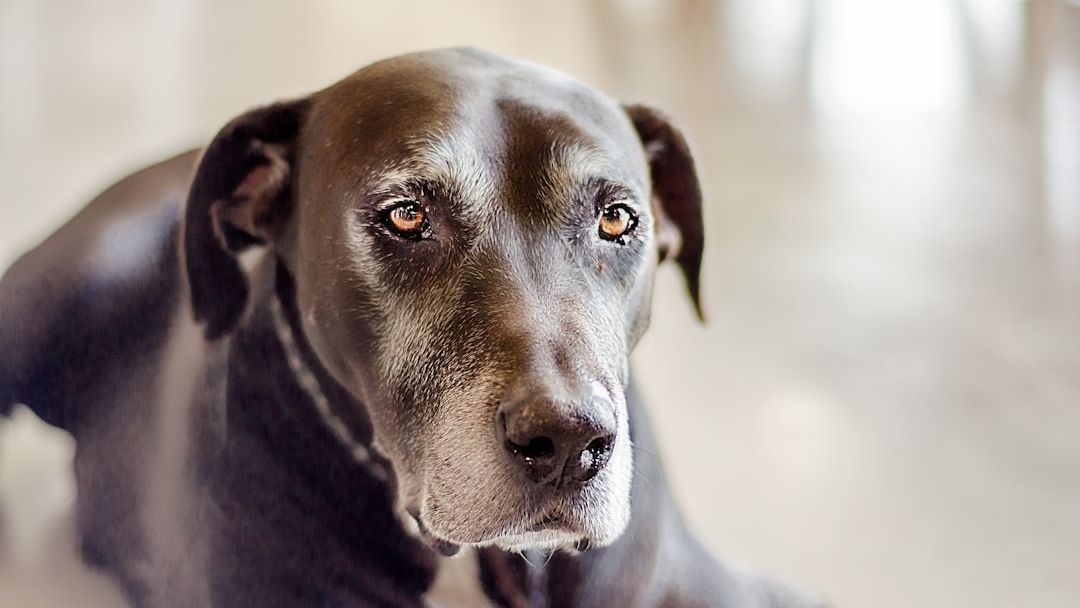
#1: They Stop Showing Interest in Food and Water
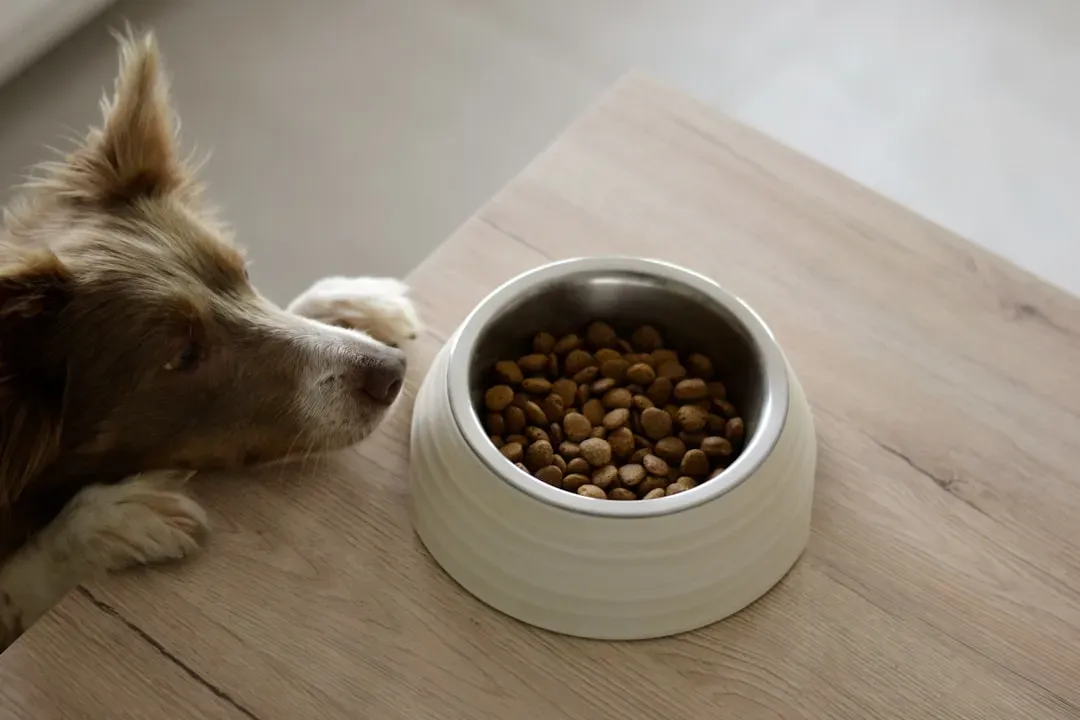
Pets may lose interest in food or water as vital organ functions begin to shut down and end-of-life behaviors set in. This isn’t stubbornness or a passing stomach upset. It’s the body redirecting its dwindling resources away from digestion entirely. Your dog may be reluctant to approach their food bowl but continue to take treats, or they may stop eating altogether.
Appetite and water intake will gradually decline as the dog’s organ systems begin to shut down. For many owners, this is one of the first signs they brush off, attributing it to the heat, a dietary change, or just a “picky day.” Watching a dog you love turn away from their favorite meal is a quiet kind of heartbreak, but it’s also the body’s way of slowing gracefully down.
#2: They Seek Out Unusual Resting Places

As their body temperature regulation changes or their urge to feel safer increases, dying dogs start seeking unusual places to rest. This could include under furniture, in closets, and in other secluded spots. It can feel bewildering to find your dog suddenly curled under the bathroom sink or behind the couch when they’ve slept in their dog bed for years.
As their body temperature regulation changes or their urge to feel safer increases, dying dogs start seeking unusual places to rest. This could include under furniture, in closets, and in other secluded spots. This behavior isn’t rejection. It’s an instinct, a need for stillness and reduced stimulation. Rather than pulling them back out, consider sitting quietly near them. Your calm presence matters far more than forcing a familiar routine at this stage.
#3: They Alternate Between Clinginess and Withdrawal
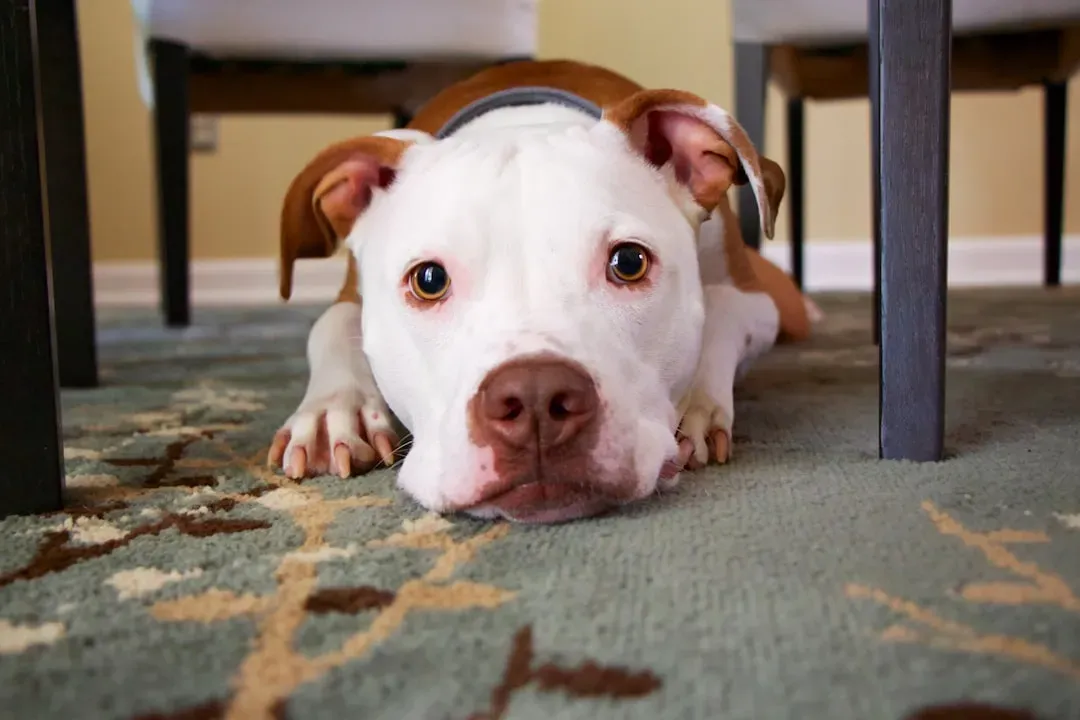
Dying pets may behave differently around people, often becoming more distant or sometimes more clingy. Choosing to hide or isolate themselves may reflect fatigue and a desire for quiet, or an instinct to separate oneself from others when the end is near. What confuses most owners is that these two states can flip between days or even hours.
One of the earliest and most noticeable shifts in behavior can be a change in your dog’s usual social interactions. Some dogs may become excessively clingy, constantly seeking your attention, following you from room to room, and becoming anxious when left alone. Others do the exact opposite and retreat. Neither response is wrong. Both deserve patient, quiet acknowledgment rather than concern or correction.
#4: Their Sleep Patterns Change Dramatically

Dogs nearing the end of their life often become extremely lethargic. They may spend most of their time sleeping or lying down and show little interest in activities they once enjoyed. You may even notice altered sleep patterns, sleeping more during the day and becoming restless at night, which is one of the most common end-of-life signs in dogs.
Some dogs will become restless, wandering the house and seeming unable to settle or get comfortable. Others will be abnormally still and may even be unresponsive. Your dog’s sleeping patterns may change. It’s an unsettling reversal for households used to a dog that sleeps soundly through the night. The disrupted rhythm is often linked to discomfort or neurological changes, and it’s worth discussing pain management options with your vet.
#5: They Lose Interest in Things They Once Loved

A once playful dog may lose interest in toys, walks, and other activities they previously enjoyed. This lack of enthusiasm is a natural consequence of their declining physical and mental state. As dogs age, their bodies may become less able to handle exertion, leading to fatigue and a preference for rest over playtime.
A sharp decline in your dog’s daily activity is a big sign that your dog is nearing death. Activities that were fun for your dog such as walks and car rides may now be disinteresting or exhausting for them. This one stings deeply for owners who’ve spent years making those walks and car rides a ritual. Try not to interpret the disinterest as the dog having already left you emotionally. Often, they still want closeness, just without the energy expenditure.
#6: They Show Signs of Confusion and Disorientation

Disorientation and confusion are also common. You might find your dog staring at walls, getting stuck in corners, or forgetting where their water bowl is as canine cognitive dysfunction sets in, a condition similar to dementia in humans. This can be one of the most distressing signs to witness, because it can seem like your dog no longer recognizes the home they’ve lived in for years.
Particularly in senior dogs, cognitive decline can manifest as confusion or disorientation, impacting a dog’s awareness of their surroundings. They may stare blankly at walls or into space, appearing unresponsive to external stimuli, wander around the house or pace back and forth without any clear purpose, and fail to recognize their owners, other family members, or even their own home. Keeping the environment simple, consistent, and free of rearranged furniture can reduce their distress during this phase.
#7: Their Breathing Becomes Irregular or Labored
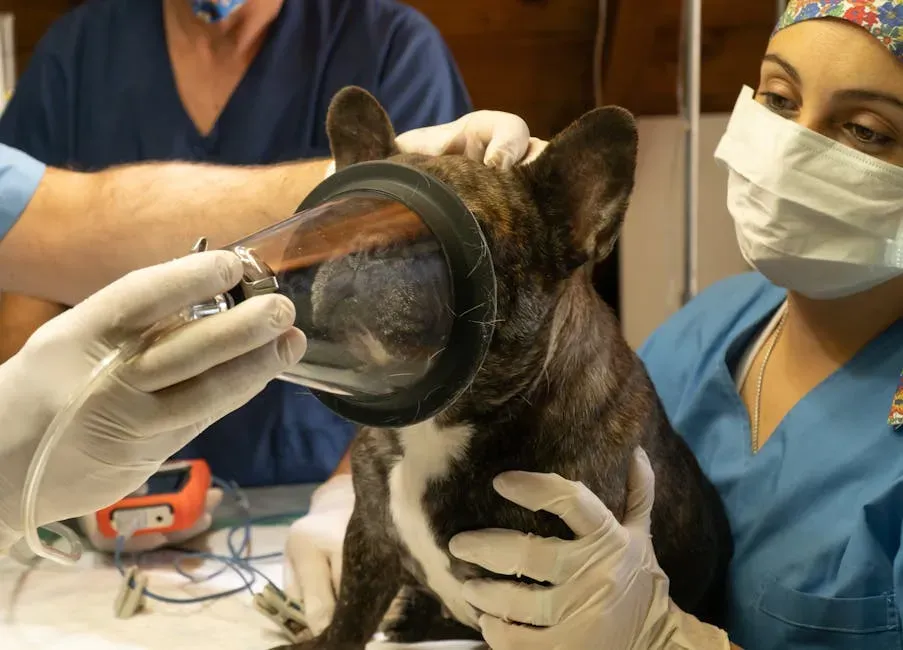
Irregular, shallow, or labored breathing is a warning sign that a dog or cat may be dying. Particularly in a pet’s final hours, a gasping breath pattern, known as agonal breaths, may occur. Earlier in the final week, though, the changes are subtler. You might notice your dog breathing faster than usual while resting, or pausing between breaths in a way that feels off.
Dogs may start panting even while at rest, develop a cough, or have increased difficulty drawing a normal breath. This can be secondary to heart failure, respiratory diseases, cancer, or a metabolic disease such as diabetes, kidney failure, or liver or adrenal gland disorders. Any notable shift in breathing pattern deserves a prompt conversation with your veterinarian, as proper pain and respiratory management can genuinely ease what your dog is experiencing.
#8: They Pace, Circle, or Show Repetitive Behaviors
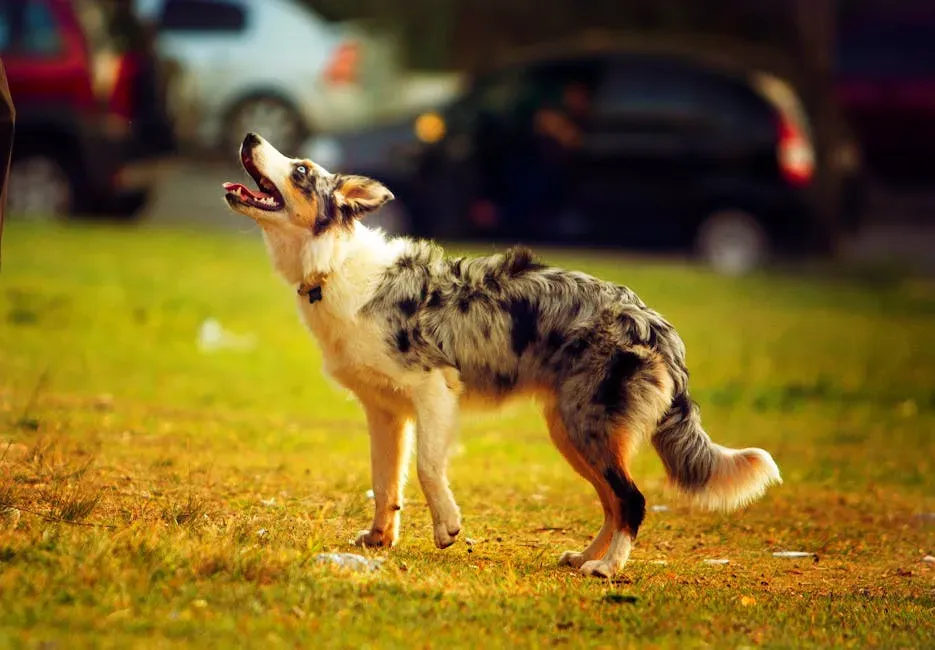
Some dying dogs may exhibit repetitive behaviors such as pacing, circling, or licking themselves excessively. These behaviors can be a sign of boredom, anxiety, discomfort, or cognitive dysfunction. While it’s important to monitor these behaviors, avoid trying to stop them unless they are causing self-harm or significant distress.
A dog’s emotional state can become more fragile as their final journey nears, leading to heightened anxiety or apprehension. They may become restless, unable to settle in one spot, or engage in repetitive pacing, even at night. It’s a difficult thing to watch, especially late at night when the house is quiet. What often helps isn’t trying to interrupt the behavior, but sitting close, speaking softly, and letting your presence anchor them.
#9: Their Vocalizations Change in Unexpected Ways

Some may become unusually quiet, while others may exhibit increased vocalization, such as whining, howling, or barking, often without an apparent trigger. These vocalizations can be a sign of pain, anxiety, confusion, or a general sense of unease. A dog that barely made a sound for years suddenly crying at nothing in particular is a sign that something has shifted internally, not behaviorally.
Changes in vocalization patterns can provide insights into a dog’s comfort level, pain, or emotional state as their time draws to a close. They may vocalize, whine, or whimper more due to discomfort, become unusually quiet and cease to bark or growl, or emit low-pitched howls or disoriented barks if experiencing a decline in their mental faculties. Both ends of the spectrum, sudden silence and sudden noise, deserve equal attention. If the vocalization seems pain-related, reach out to your vet promptly about comfort measures.
#10: They Become Incontinent Despite Previously Perfect Training
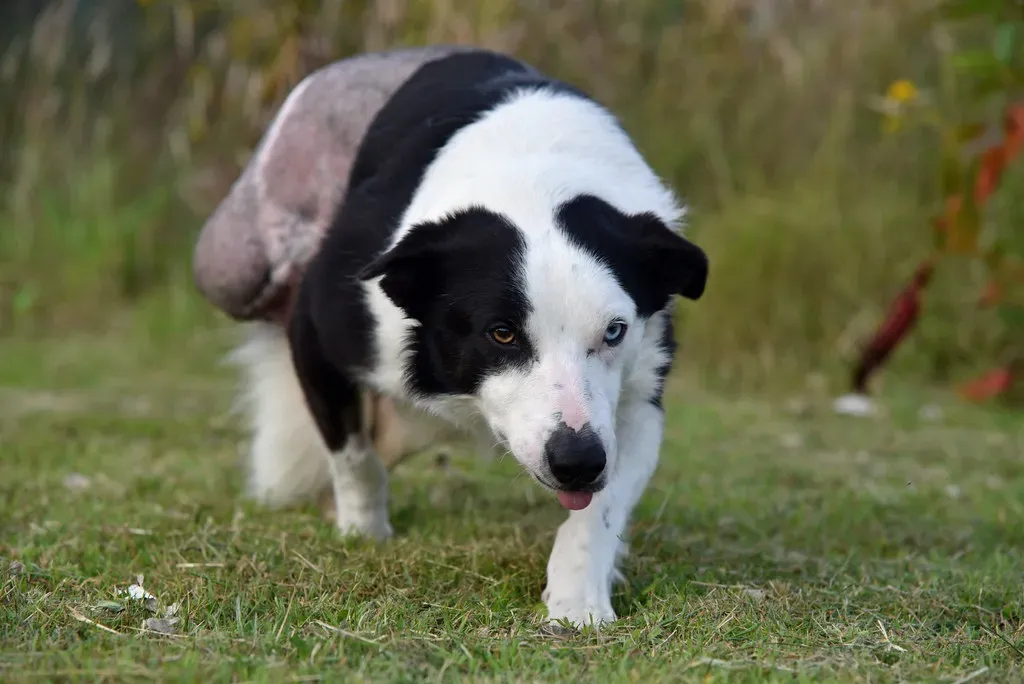
Dying pets may lose control of their bladder or bowels in the days before passing. Accidents can occur due to weakness, decreased mobility, nervous system problems, or organ failure, even after previously perfect housetraining. This is one of the signs that can cause unintended emotional distance between owner and dog, precisely when closeness matters most.
Urine incontinence and fecal incontinence are both common dog dying symptoms. Dogs may be physically unable to rise from their beds to go outside, or they may have musculoskeletal and neurological deterioration that affects their urethral and anal sphincters. Patience here is everything. A dog who has spent a decade being clean and careful hasn’t forgotten who they are. Their body is simply no longer cooperating, and the kindest response is gentle cleanup, soft bedding, and not a trace of frustration.
#11: Their Body Temperature and Physical Appearance Change
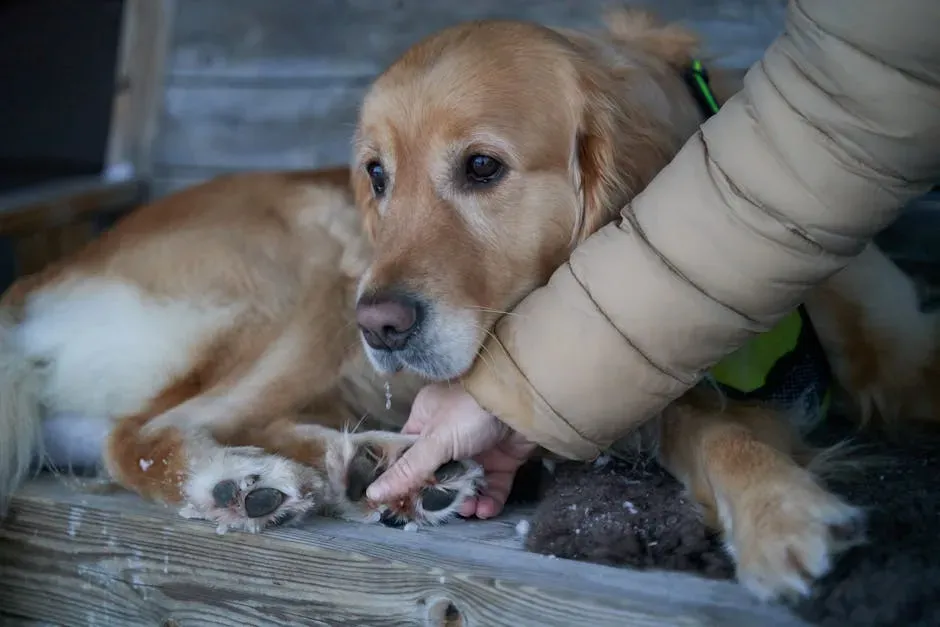
The most common signs a dog is nearing the end of their life are loss of appetite, extreme fatigue, labored breathing, incontinence, disinterest in surroundings, cooler body temperature, and unresponsiveness or confusion. Owners who regularly pet or hold their dogs may notice their dog’s extremities, particularly paws and ears, feel noticeably cooler than usual. This is circulation slowing, not something that can be reversed with a warm blanket, though warmth still brings comfort.
Muscle twitching or tremors, combined with other symptoms, can be a sign your dog is nearing the end. Muscle twitching can be caused by a number of other symptoms, like dehydration, decreased appetite or thirst, or changes in body temperature. You may also notice a visible change in muscle mass, particularly around the spine and hips. If your dog starts losing weight, this can be due to not eating or significant muscle atrophy due to neoplasia or other diseases. These physical shifts are among the most visible signs, and one of the hardest to accept in a dog you’ve watched thrive for years.
#12: They Make Prolonged, Searching Eye Contact

Many pet owners report that their dogs make prolonged eye contact as if trying to communicate something profound. This can be seen as a final connection or farewell. It doesn’t happen with every dog, and it doesn’t mean anything supernatural. It’s simply a dog doing what dogs do, turning toward the person they trust most when the world no longer makes the same sense it used to.
Friends and family may say you’ll know it’s time because your dog will give you “The Look,” a moment when their expression seems intentional, almost like they’re asking for permission to go. But dogs don’t have a built-in “I’m ready” signal. What families are often seeing are physical changes from illness, like muscle loss that makes the eyes look sunken or pain that creates tension in the face. Whether or not it’s a conscious goodbye, what matters is that you hold that gaze, stay present, and let them feel that they are completely safe.
A Final Thought Worth Carrying With You

The honest, perhaps uncomfortable truth about this topic is that too many owners look back and wish they had known. They replay the final week searching for the moments they could have done more, stayed longer, been more present. This article exists to help prevent that.
While it’s true that some behavioral changes can signal the end of life, it’s just as important to remember that not every sign of decline means your pet is dying. Many pets, especially seniors, experience health issues that are treatable or manageable with proper veterinary care. A sudden withdrawal, mobility issue, or appetite loss could just as easily stem from something like arthritis, dental pain, infection, or a manageable chronic condition, and not necessarily mean impending death. So the first and most important step is always a veterinary conversation, not assumption.
If the signs do point to a final week, the most meaningful thing isn’t a perfect plan or the right words. Staying close by, as your presence can be the most comforting thing for your dog in their distress or confusion, matters above all. Those final moments together are about presence. Your dog has spent their entire life learning to read you. In their final days, let them find only calm in what they see. That is, genuinely, enough.


