
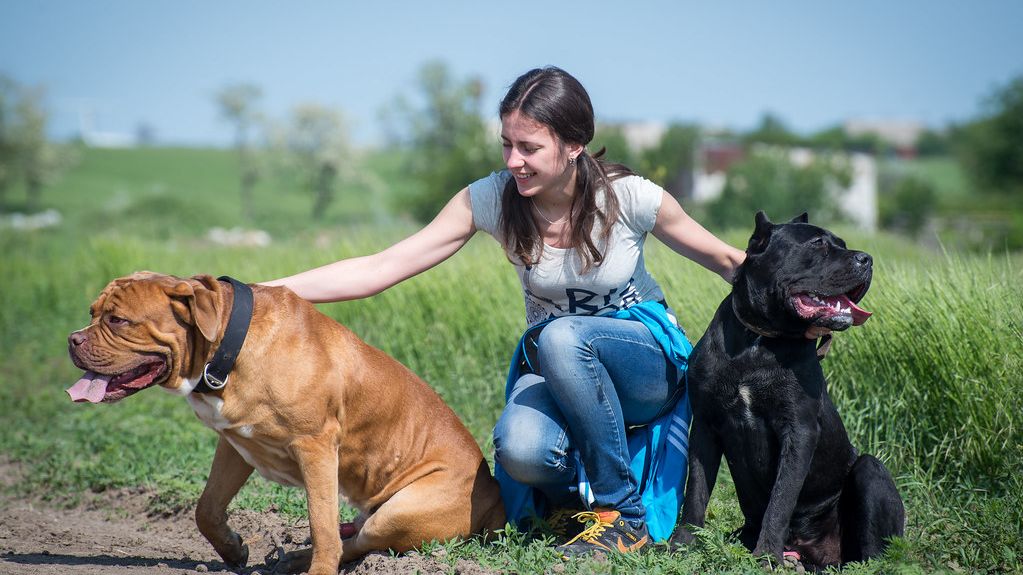
#1. Akita
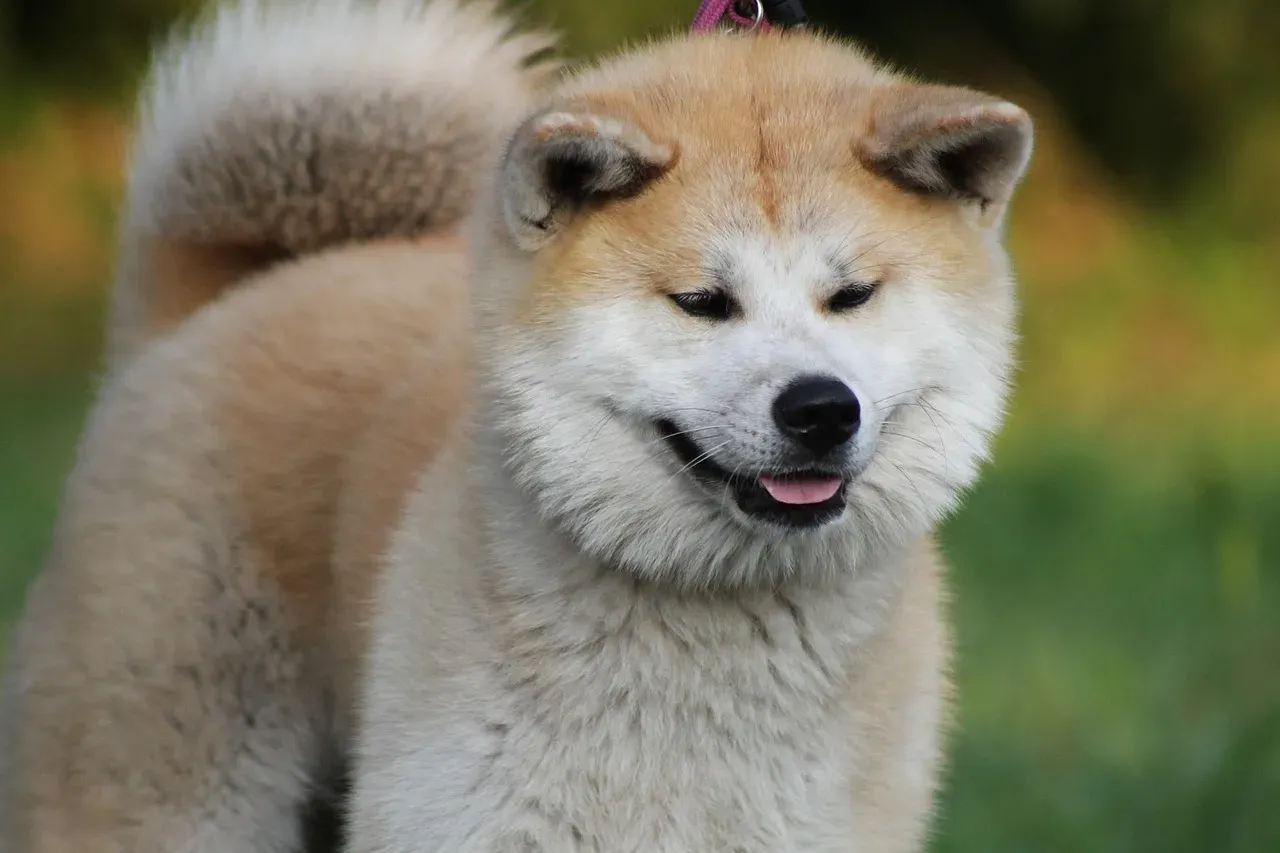
The Akita is one of the most quietly composed dogs on the planet. Rooted in centuries of Japanese working and guarding history, this breed carries itself with a kind of dignified reserve that extends even to physical suffering. Akitas wear a calm mask that makes pain detection tricky – they may not whine or limp until discomfort is already significant. For owners who mistake that silence for wellness, the consequences can be serious.
Signs to watch for include reluctance to jump into the car, slower transitions from sit to stand, and avoiding deep hip flexion when lying down. Subtle tail carriage changes can signal back or joint issues, and ear position that stays unnaturally fixed and still can be a quiet clue. Because Akitas are heavy and powerful, joint stress accumulates quietly – early arthritis or cruciate strain may show up as nothing more than morning stiffness that eases after warming up.
#2. Labrador Retriever
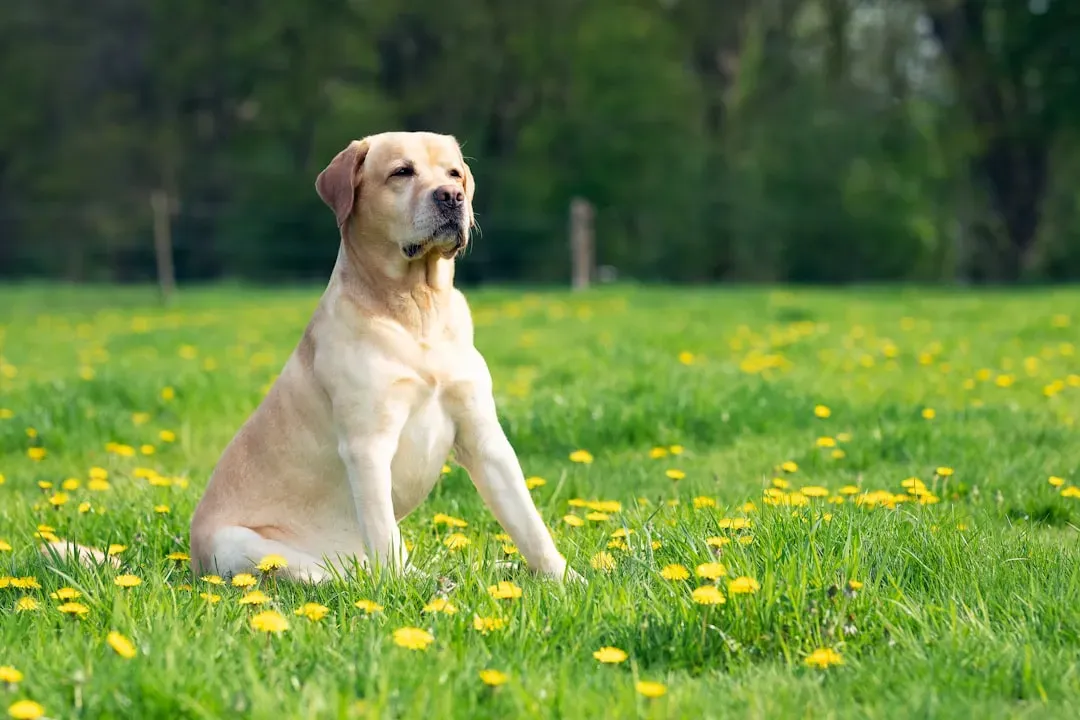
It might surprise people to see Labradors on this list. They’re cheerful, food-motivated, and endlessly enthusiastic – hardly the picture of a dog hiding pain. Yet that enthusiasm is precisely the problem. Retrievers historically had to crash through underbrush and swim through freezing cold water to retrieve birds. If they were too sensitive to pain, they would likely refuse to do their jobs – and so over many generations, breeders likely selected for reduced pain sensitivity.
Labrador Retrievers were consistently ranked at the top of pain tolerance rankings across veterinary surveys, meaning a notably low sensitivity to pain as perceived by professionals. A Lab will often keep fetching the ball, charging into the water, or bouncing up to greet you even when something is quietly wrong. Conditions like osteoarthritis are particularly difficult to detect in the early stages, with symptoms often not becoming apparent until the affected joint is badly damaged – and some dogs are very stoic and will hide their pain until it becomes severe.
#3. Mastiff
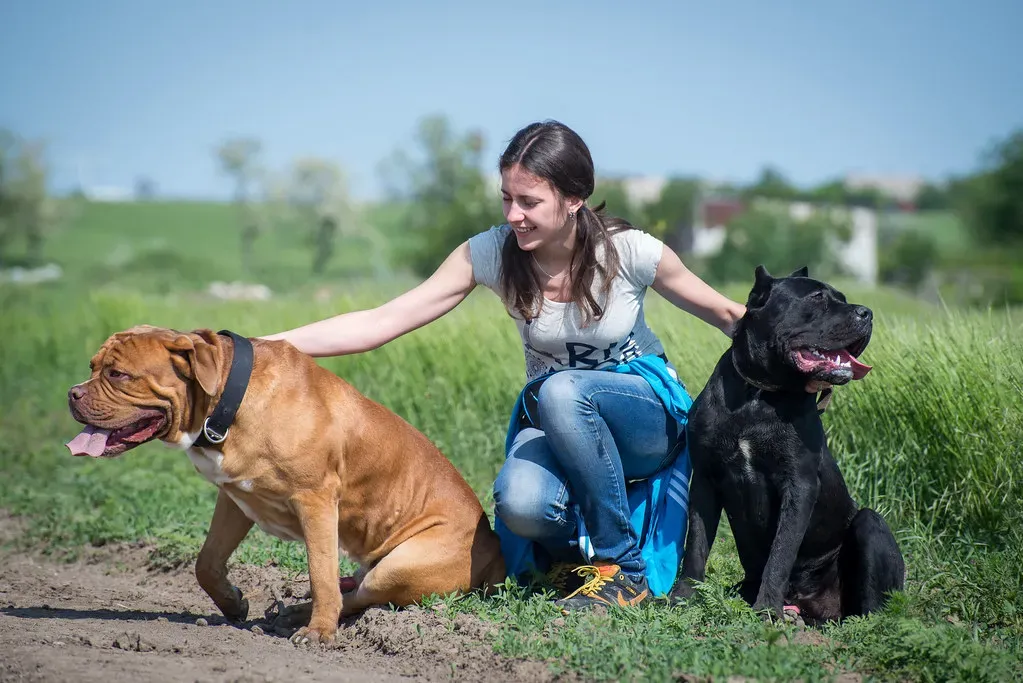
The Mastiff is a study in contradictions. Enormous in size, gentle in spirit, and historically bred to endure. Mastiffs were rated to have very low sensitivity to pain in veterinary research, and while there isn’t yet a confirmed physiological basis for these differences, it makes sense given that a Mastiff with high pain sensitivity wouldn’t have been effective as a big-game hunter or war dog – two roles they were historically used for.
Many dog professionals note that guarding breeds like Mastiffs and Rottweilers were specifically developed to tolerate significant discomfort, and this drive to push through pain can mask serious underlying issues. A Mastiff may continue to move, eat, and even play at a reduced level while carrying serious joint disease or internal discomfort. Ironically, dogs with chronic pain conditions may appear to have a higher pain tolerance simply because they have become accustomed to living with persistent discomfort.
#4. Boxer
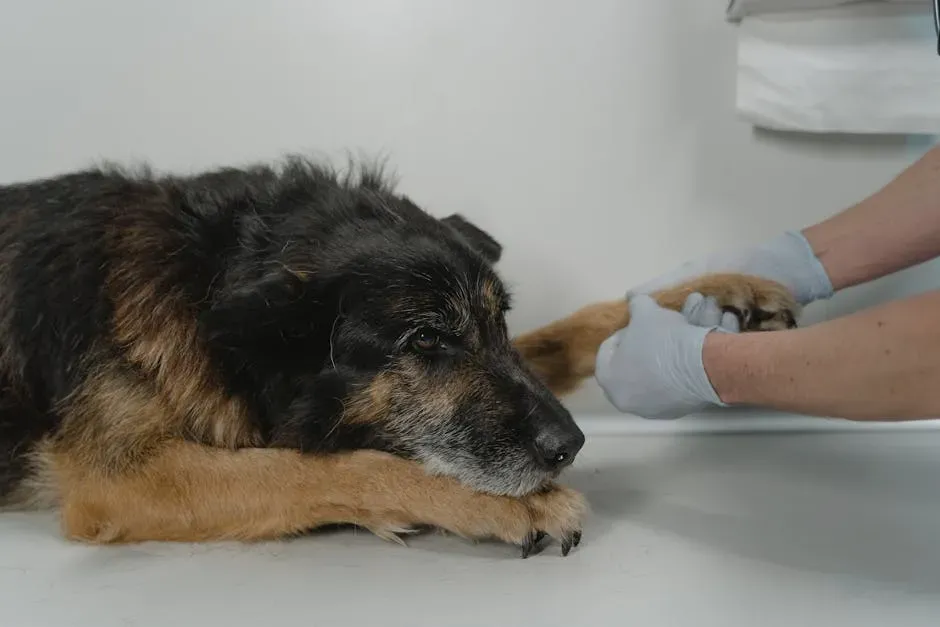
Boxers are clowns. Bouncy, goofy, and permanently puppy-like well into adulthood. That playful energy makes it genuinely hard to spot when something is off. Veterinarians consistently list guarding breeds like Boxers among those with the lowest perceived sensitivity to pain, and this reflects what many Boxer owners discover only in hindsight – that their dog was unwell long before the signs became obvious.
Boxers are prone to certain cardiac conditions, certain cancers, and joint issues, and they tend to push through all of them with characteristic bravado. A subtle reduction in play intensity, a slight change in gait, or just a little less bounce in the morning can be the only early hints available. Recognizing pain in dogs requires an attentive eye, and one of the earliest signs is a change in activity level – if a normally active dog suddenly becomes lethargic or is reluctant to play, it could signal that something is wrong.
#5. Siberian Husky
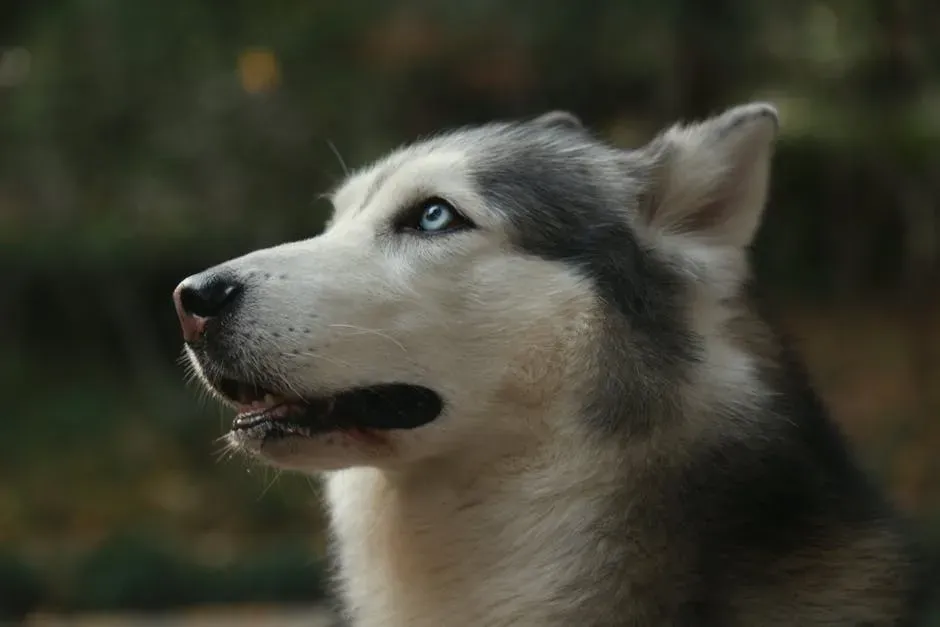
Huskies were bred to run hundreds of miles across frozen tundra. That legacy leaves a mark on the way they cope with physical stress. Certain breeds, particularly those historically used for working tasks like hunting, guarding, and herding, tend to display a greater ability to withstand pain. The Husky sits squarely in that category, trained by generations of selective breeding to keep moving no matter what.
What makes Huskies particularly tricky is how vocal they are in general. They howl, groan, and chatter constantly – but rarely about pain. Stoic breeds might remain silent despite serious pain, and a dog’s volume or activity level is simply not a reliable measure of the pain they are experiencing. A Husky who suddenly runs a shorter distance, drinks more water than usual, or begins favoring one leg even slightly during a walk deserves a closer look, not just another mile on the trail.
#6. Golden Retriever
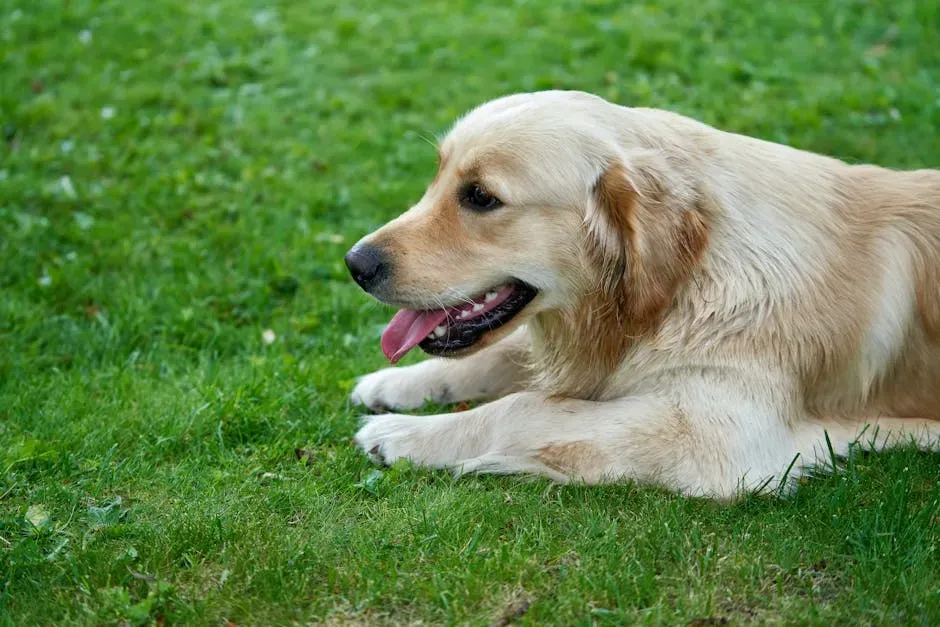
Golden Retrievers are the quintessential family dog, and their cheerful, people-pleasing nature is part of what makes them so easy to love – and so easy to misread. Labrador and Golden Retrievers were consistently at the top of pain tolerance rankings, meaning a low pain sensitivity as perceived by vets and confirmed in testing. A Golden will often wag its tail through discomfort, simply because making its owner happy feels like the most important thing in the room.
Chronic pain in dogs can look remarkably subtle and sneak up on owners gradually – they might only realize their dog has been sleeping more than usual after a few weeks go by. Golden Retrievers are particularly prone to joint issues and certain cancers, and their naturally sunny disposition means behavioral shifts can be dismissed as the dog having a low-energy day. It’s also common in senior dogs, but owners should not dismiss it as normal aging – it isn’t.
#7. Rottweiler
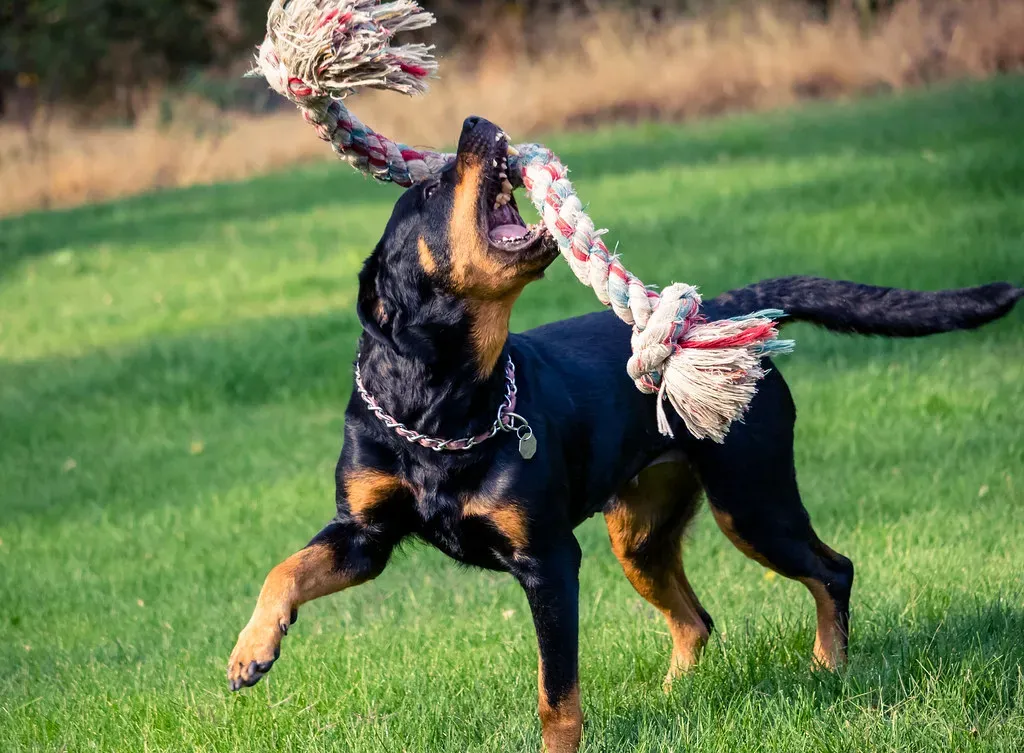
The Rottweiler carries a reputation for toughness that is, in many ways, entirely earned. These are powerful, confident working dogs that were bred to herd livestock, pull carts, and guard property through long, physically demanding days. Some dogs are naturally more stoic and less likely to show signs of discomfort, and training can condition a dog to work through discomfort without fundamentally altering their pain threshold. Rottweilers sit right at this intersection of nature and conditioning.
Breeds most likely to appear on breed-specific legislation lists, including Rottweilers, were perceived by the public to have the least sensitivity to feeling pain. Whether or not that perception is fully accurate, the practical reality for Rottweiler owners is that this breed is unlikely to tell you it hurts. Misinterpreting a dog’s apparent high pain tolerance can have serious consequences – assuming a dog isn’t in pain simply because they aren’t displaying obvious signs of discomfort can delay necessary veterinary treatment and allow the underlying condition to worsen.
#8. American Pit Bull Terrier
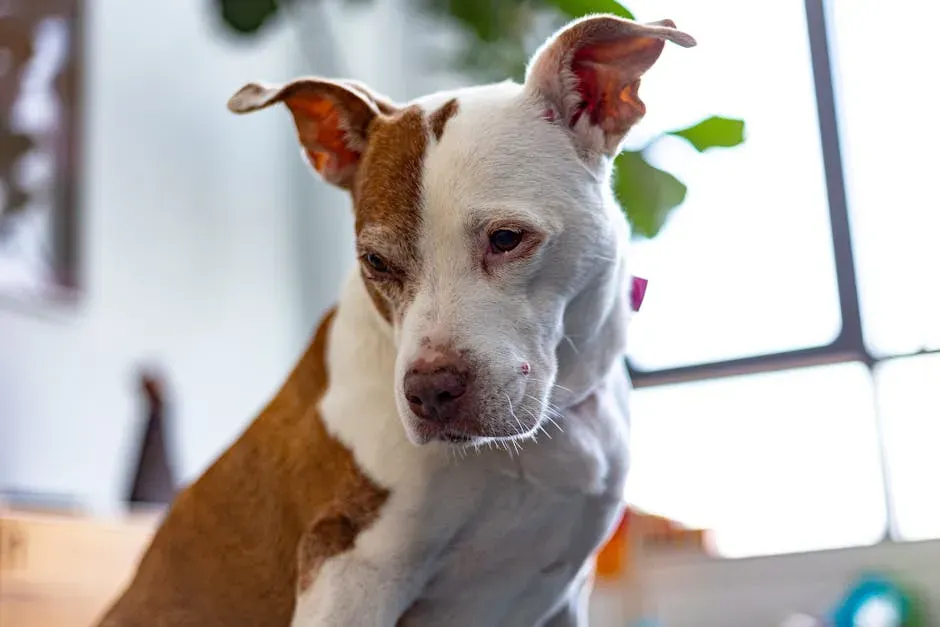
Few breeds have a more documented association with stoicism than the Pit Bull. Despite the absence of experimental investigation, breed differences in pain sensitivity have been suggested in veterinary literature for decades – including a reference to “breed-specific stoicism, such as that often attributed to the Pit Bull terrier.” Indeed, veterinarians rated the Pit Bull significantly lower on the pain sensitivity scale than members of the general public.
Pain sensitivity in dogs is believed to vary based on breed-specific stereotypes, and in a survey of over 1,000 veterinarians and 1,000 members of the general public, different breeds were rated as having varying degrees of pain sensitivity, with the Pit Bull consistently at the lower end of the scale. The danger here is that this reputation can cause even attentive owners to rationalize away early warning signs. Generalizations about breed-specific pain tolerance should never be used as an excuse to neglect a dog’s needs – all dogs, regardless of breed, deserve appropriate veterinary care and pain management.
#9. Chow Chow
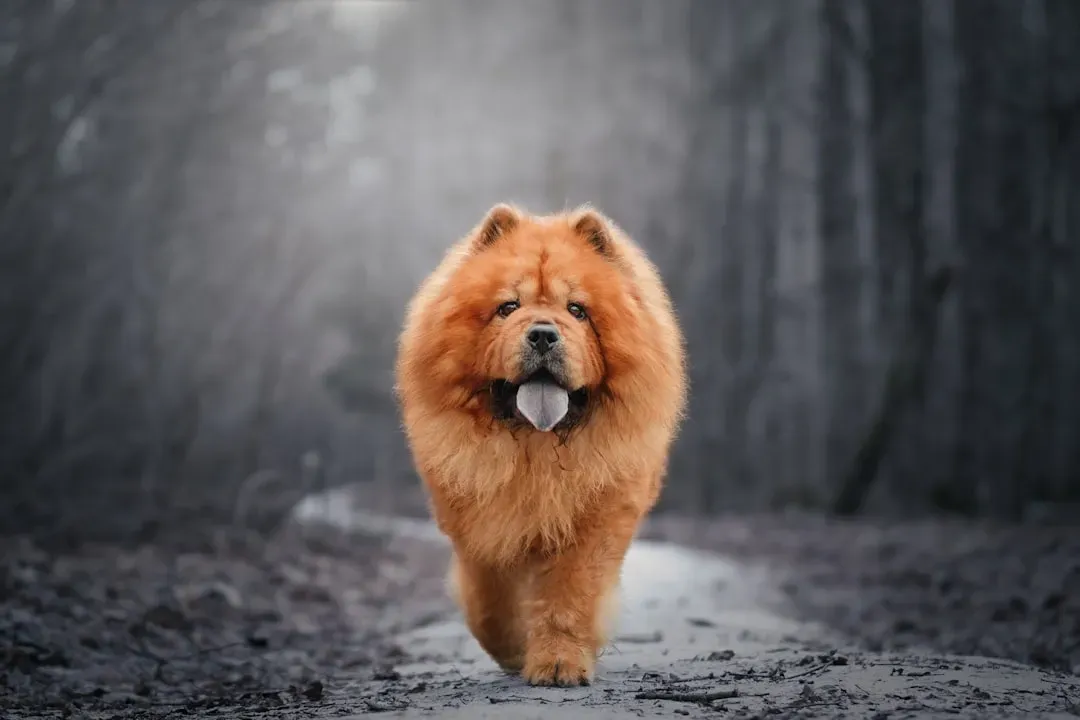
The Chow Chow may be the most independently aloof breed on this list. Reserved, dignified, and not particularly interested in performing distress for an audience, this ancient breed doesn’t ask for sympathy easily. Dogs may hide pain because of their temperament – some breeds or individual dogs are simply more stoic and tolerate discomfort more quietly, which is why it’s important to observe behavioral changes closely. With Chow Chows, behavioral changes are often the only language available.
A Chow who begins sleeping more than usual, avoids being touched around the hips or spine, or seems less interested in its territory and routine may well be communicating something real. Formidable and composed breeds make pain cues easy to overlook, and thick coats can hide swelling and asymmetry – so watching for wider stances, slower sits, or avoiding sharp turns becomes especially important. Regular checkups allow veterinarians to spot potential health issues before they become serious, as routine physical examinations and baseline blood work can identify subtle changes that might indicate developing conditions – and early detection not only improves treatment outcomes but often reduces the overall cost of care.
What Every Owner of a Stoic Breed Needs to Know

The breeds above share something important: they were shaped, over generations, to keep going. That quality is admirable in a working context. In a family home, it means the burden of awareness falls almost entirely on the owner. Pets are notoriously good at masking symptoms of medical conditions, and by the time a sick dog displays obvious signs of feeling under the weather, it’s likely been ailing for quite some time.
The important thing is to identify signs of pain promptly, because the sooner a dog’s pain is managed and treated, the better their quality of life will be. Practical steps include scheduled veterinary wellness checks, keeping a written log of behavioral shifts, noting changes in sleep quality, gait, appetite, and social engagement. If your dog is predisposed to developing certain conditions, it’s especially important to stay up-to-date with regular visits to your veterinarian.
In a survey of over 1,000 veterinarians, 95% of respondents agreed that dog breeds differ in pain sensitivity. That level of professional consensus should carry weight for every owner of a naturally stoic dog. Trust your instincts, not just your dog’s composure. Recognizing hidden pain in a dog is essential to maintaining their overall health and quality of life – and early detection allows for timely treatment, which can prevent further complications.
A Final Word
There’s something quietly heartbreaking about a dog that won’t show pain – not because it doesn’t hurt, but because its very nature works against it getting help. These nine breeds are loyal, resilient, and often breathtakingly tough. That toughness deserves respect, but it should never be confused with an absence of need.
The best thing any owner of a stoic breed can do is commit to watching closely and acting early, because waiting for obvious signs with these dogs often means waiting too long. Your dog’s silence isn’t always peace. Sometimes, it’s just trust – trust that you’ll figure it out without being asked.


